





Not Your Choice
2025
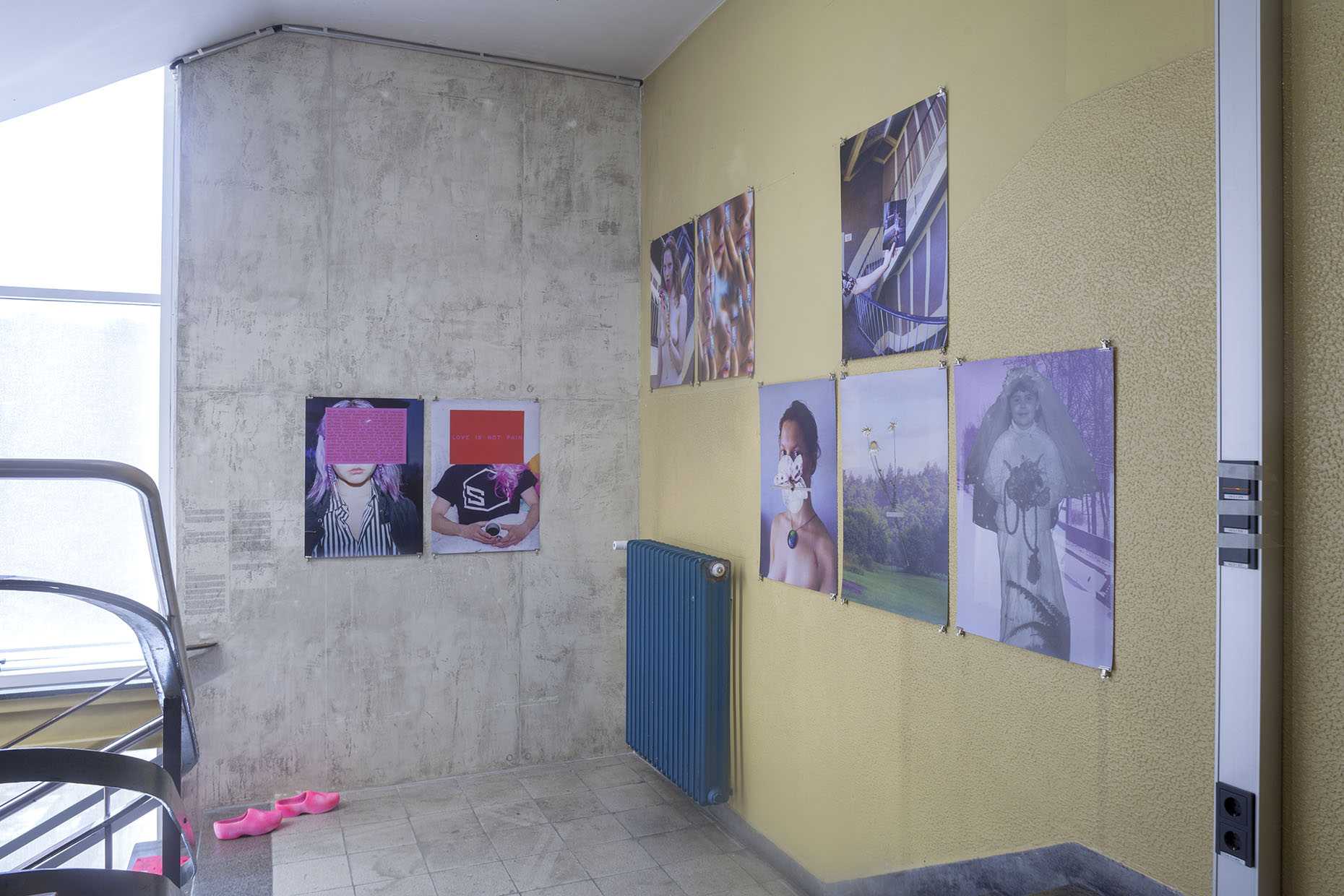
Alltagsfantasie Recycled / NOT YOUR CHOICE!
Group Exhibition, A.K.T!, Pforzheim, DE, 2025
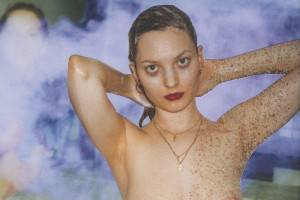
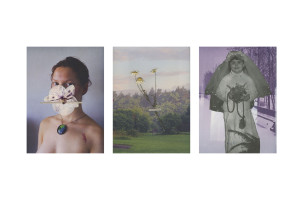
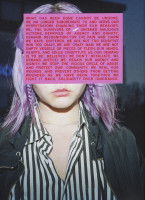
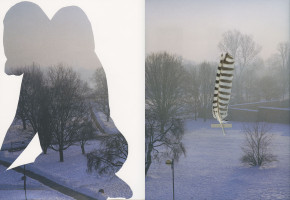
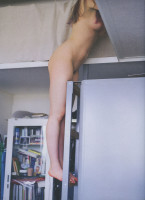
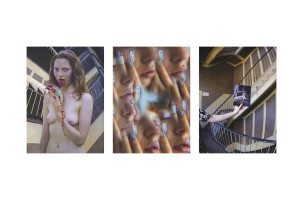
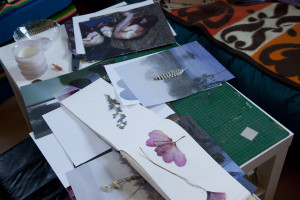
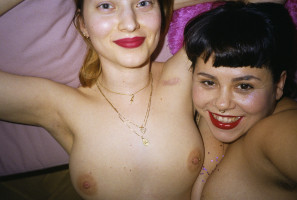
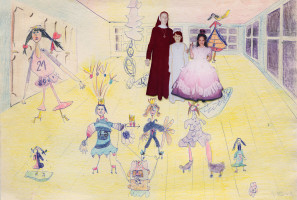
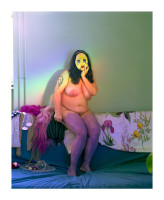
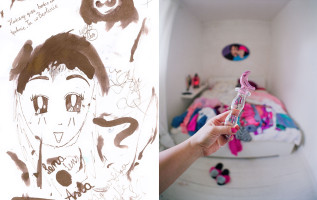
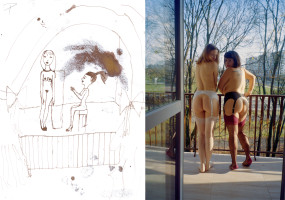
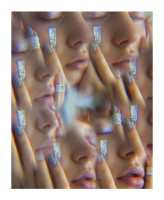
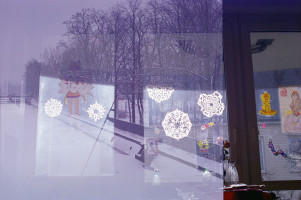
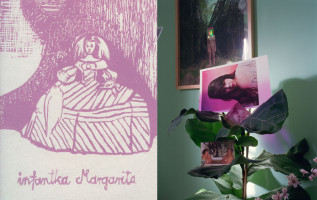
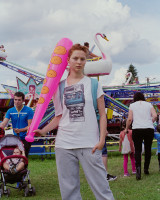
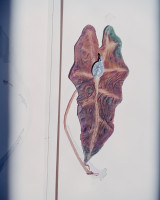
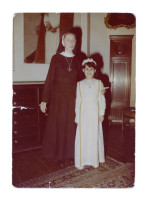
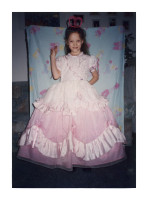
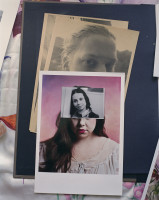
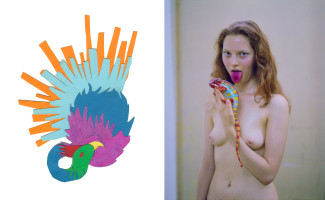
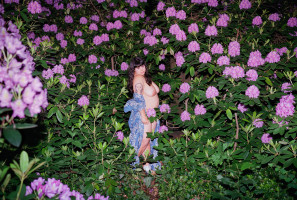
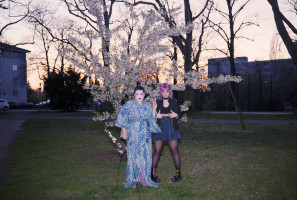
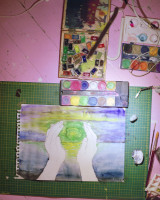
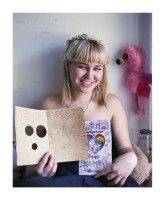
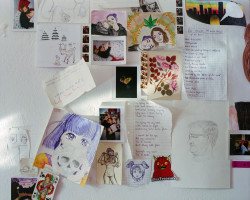
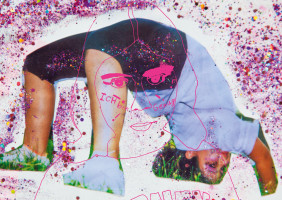
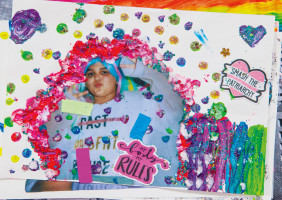
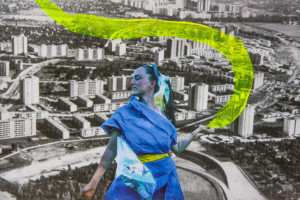
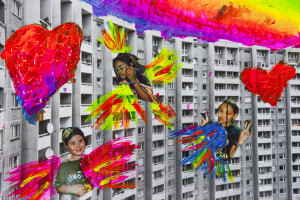
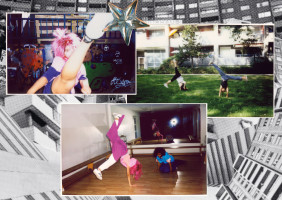
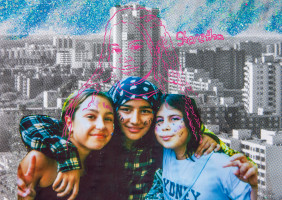
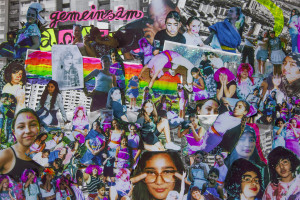
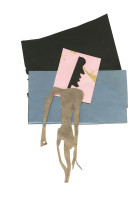
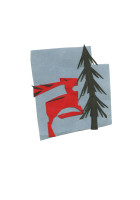
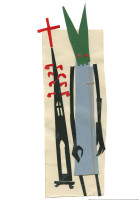
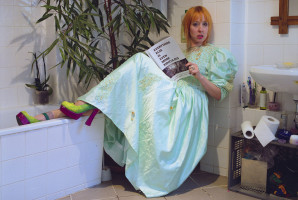
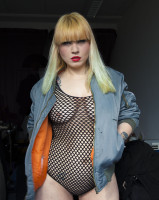
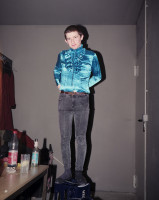
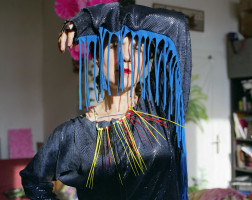
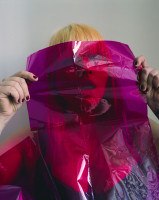
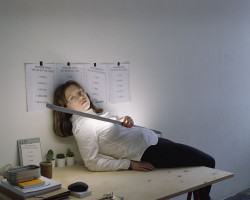
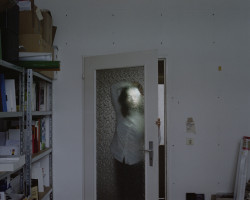
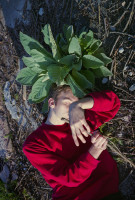
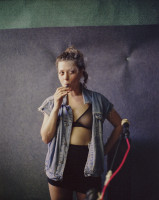
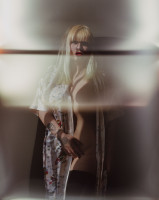
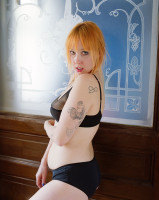
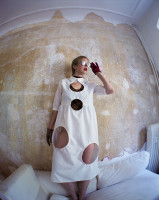
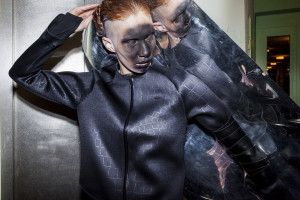
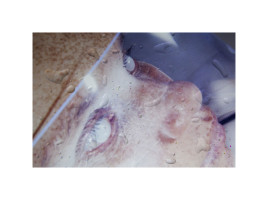
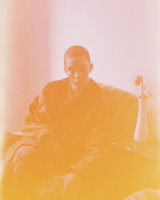
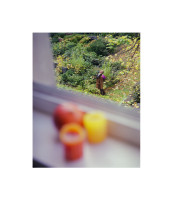
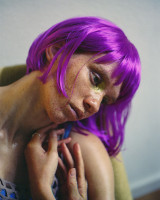
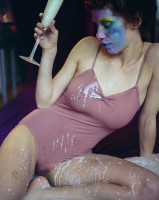
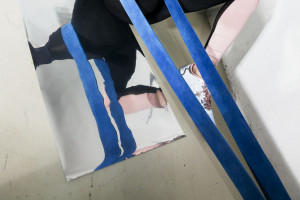
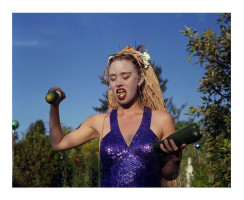
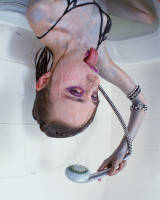
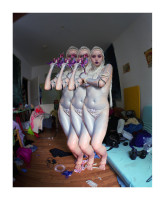
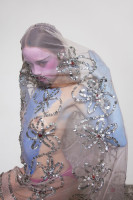
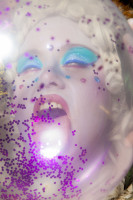
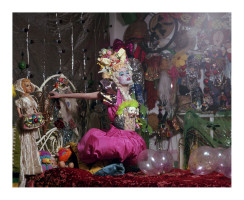
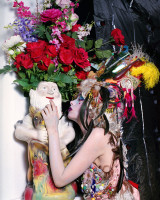
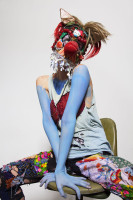
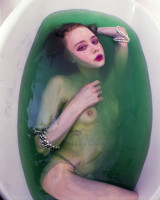
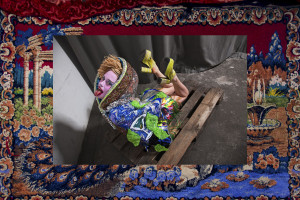
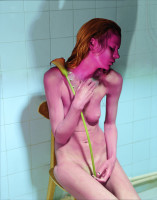
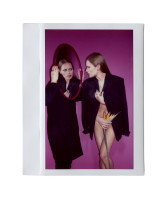
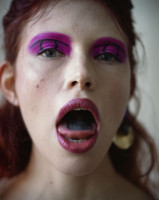
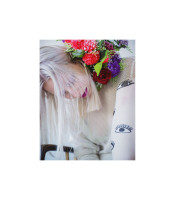
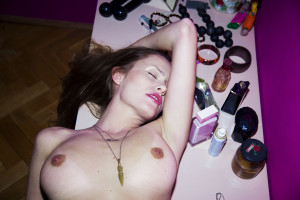
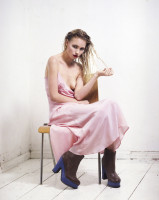
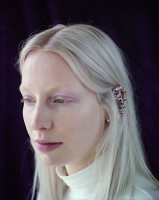
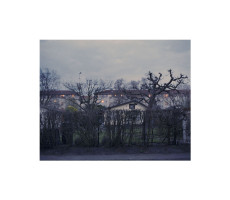
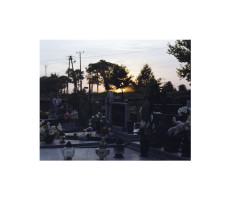
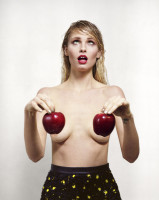
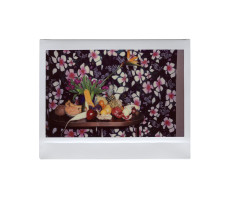
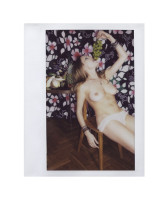
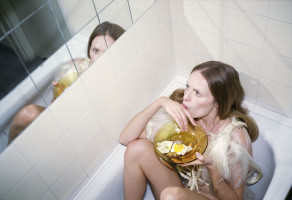
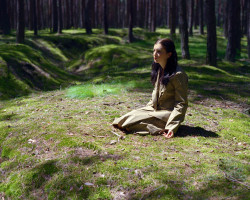
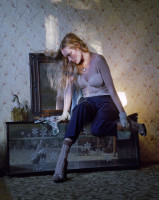
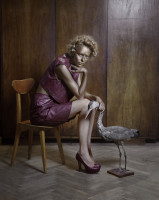
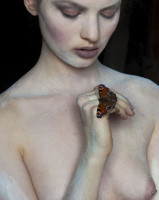
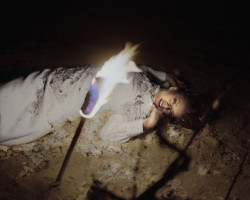
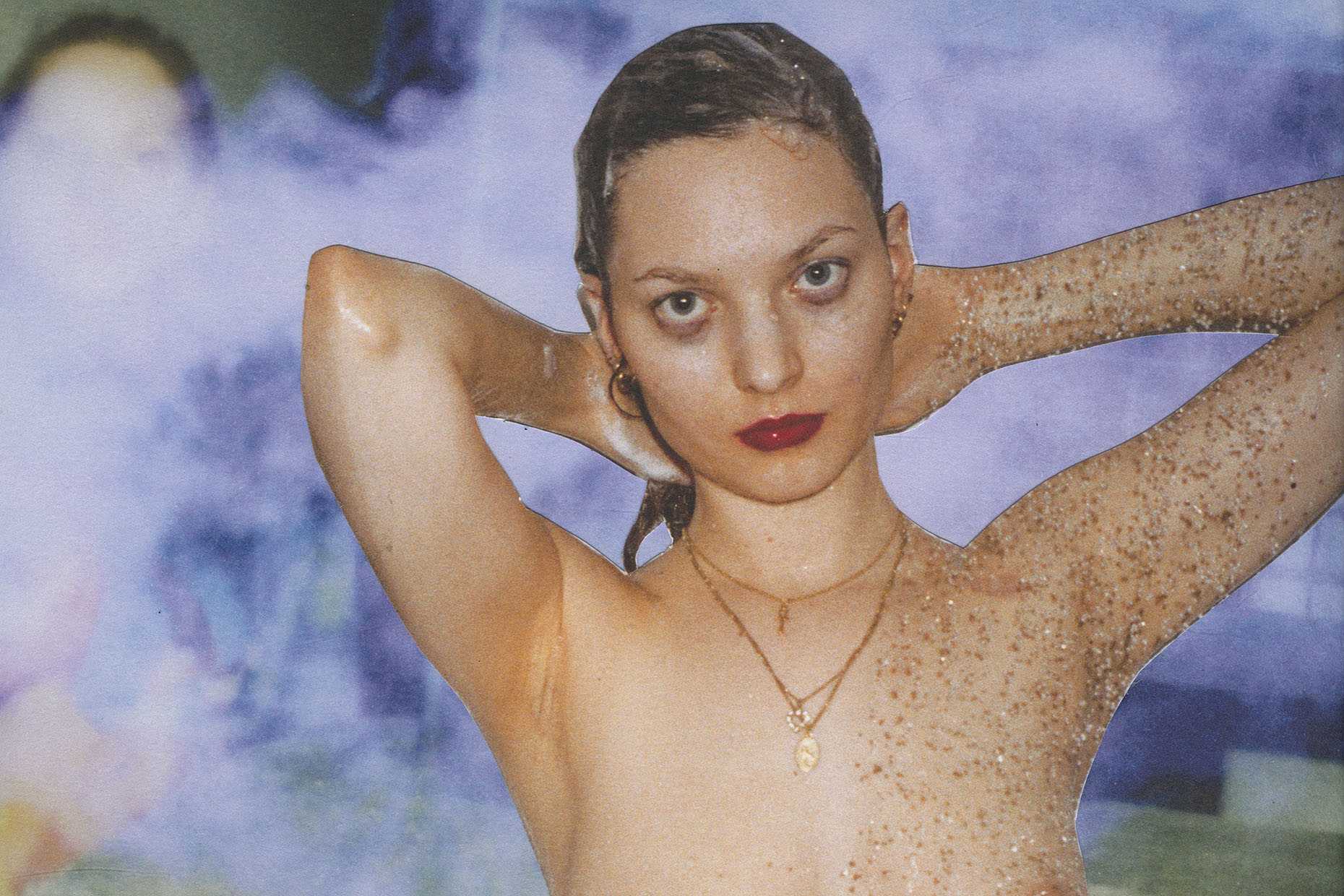
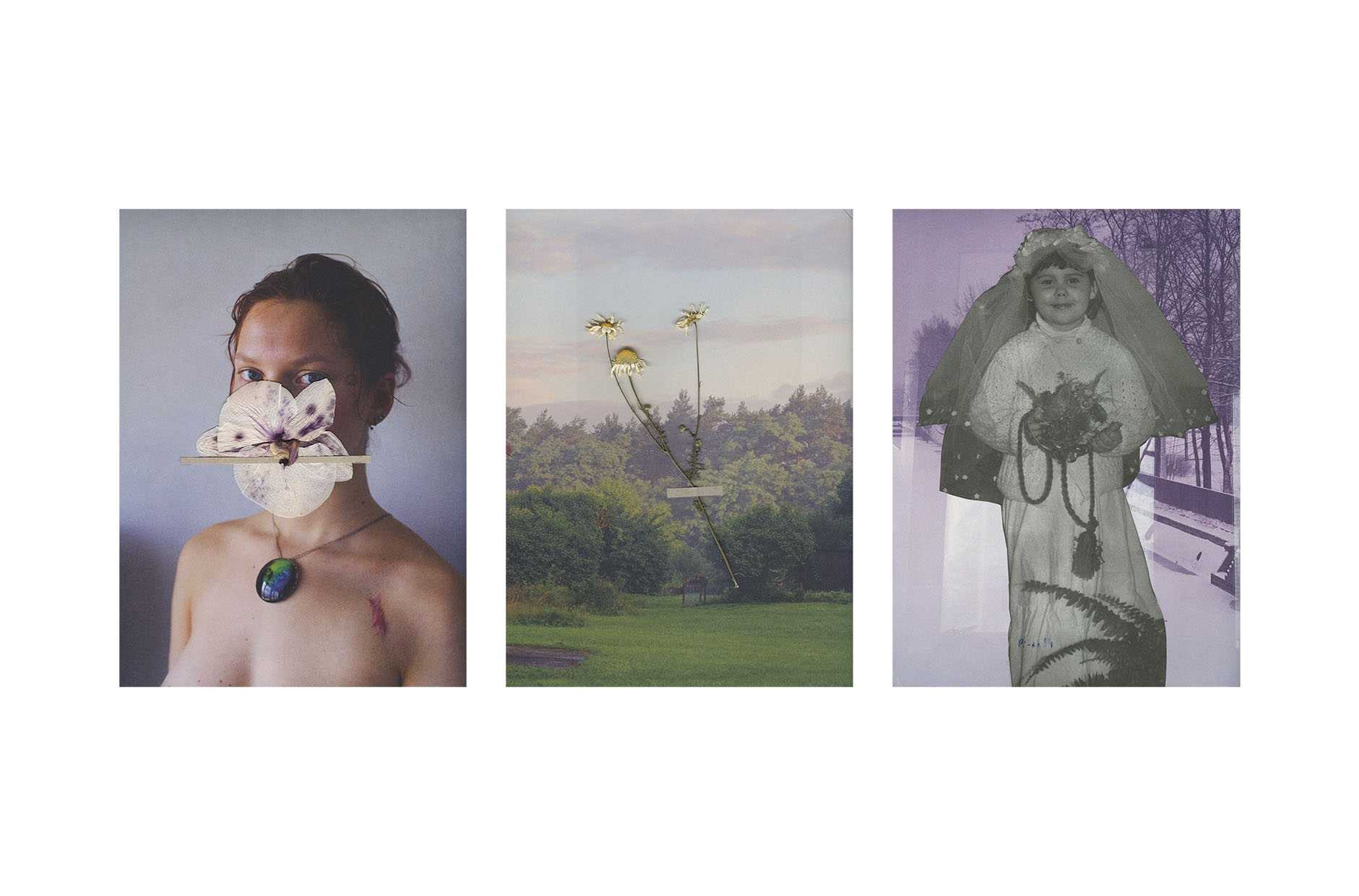
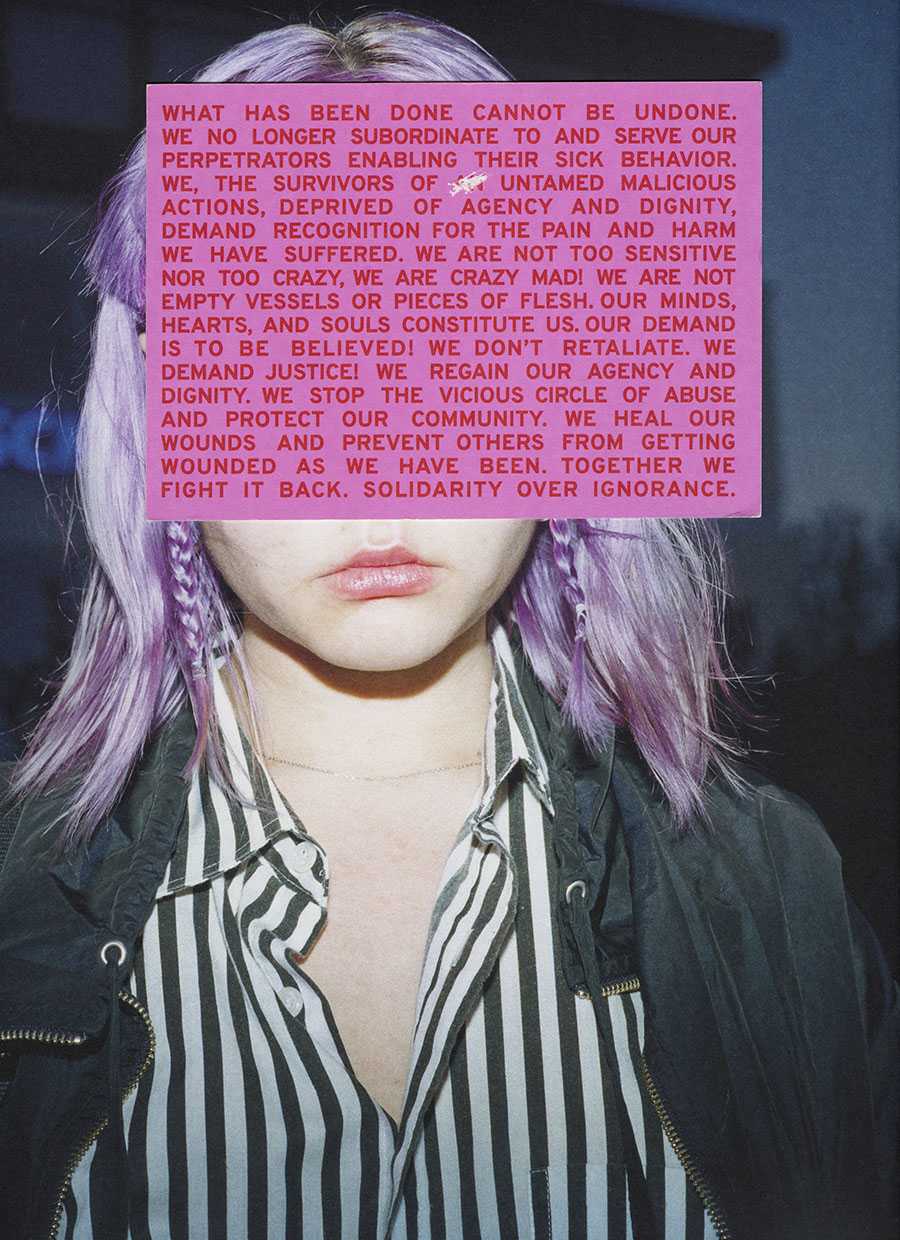
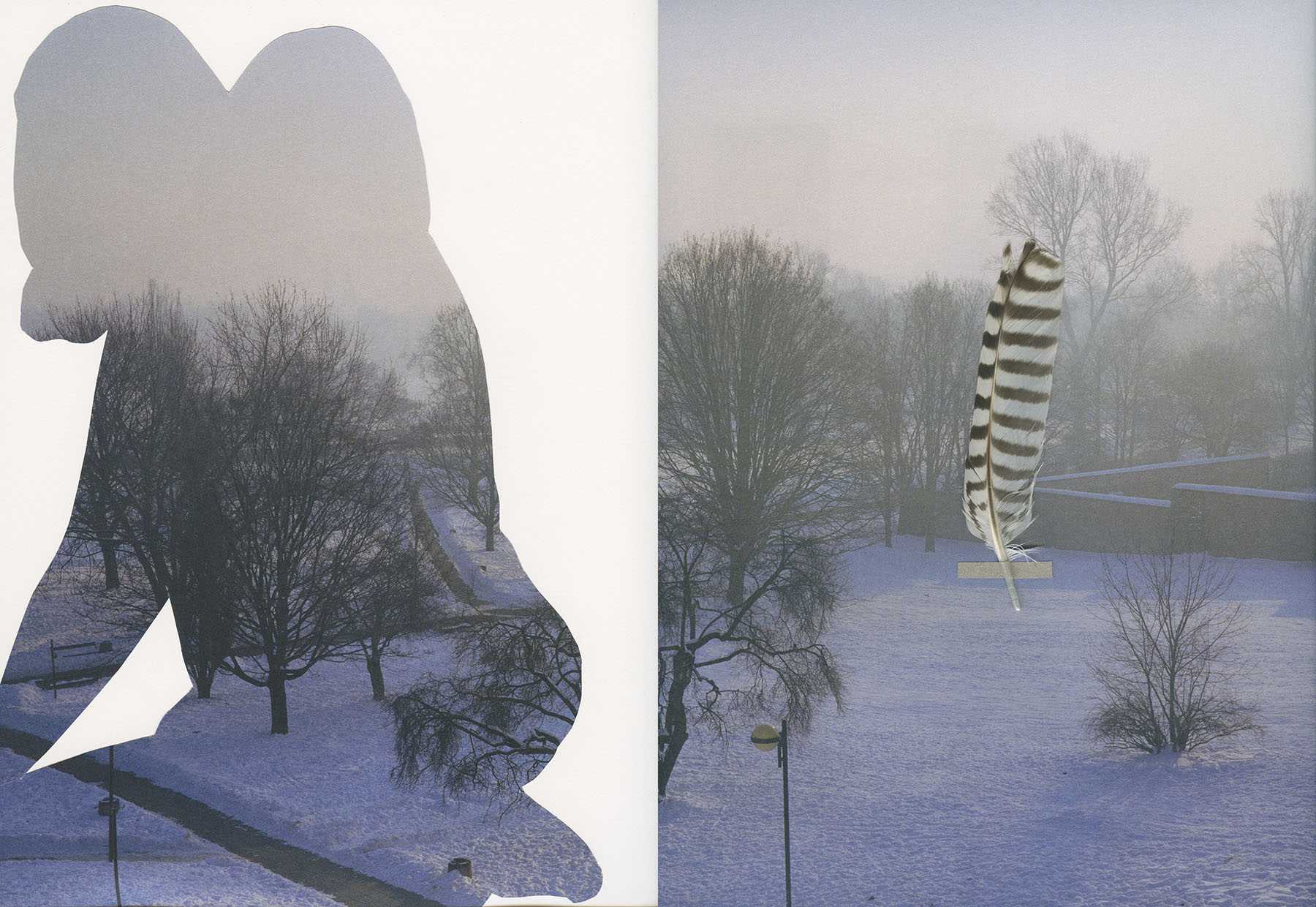
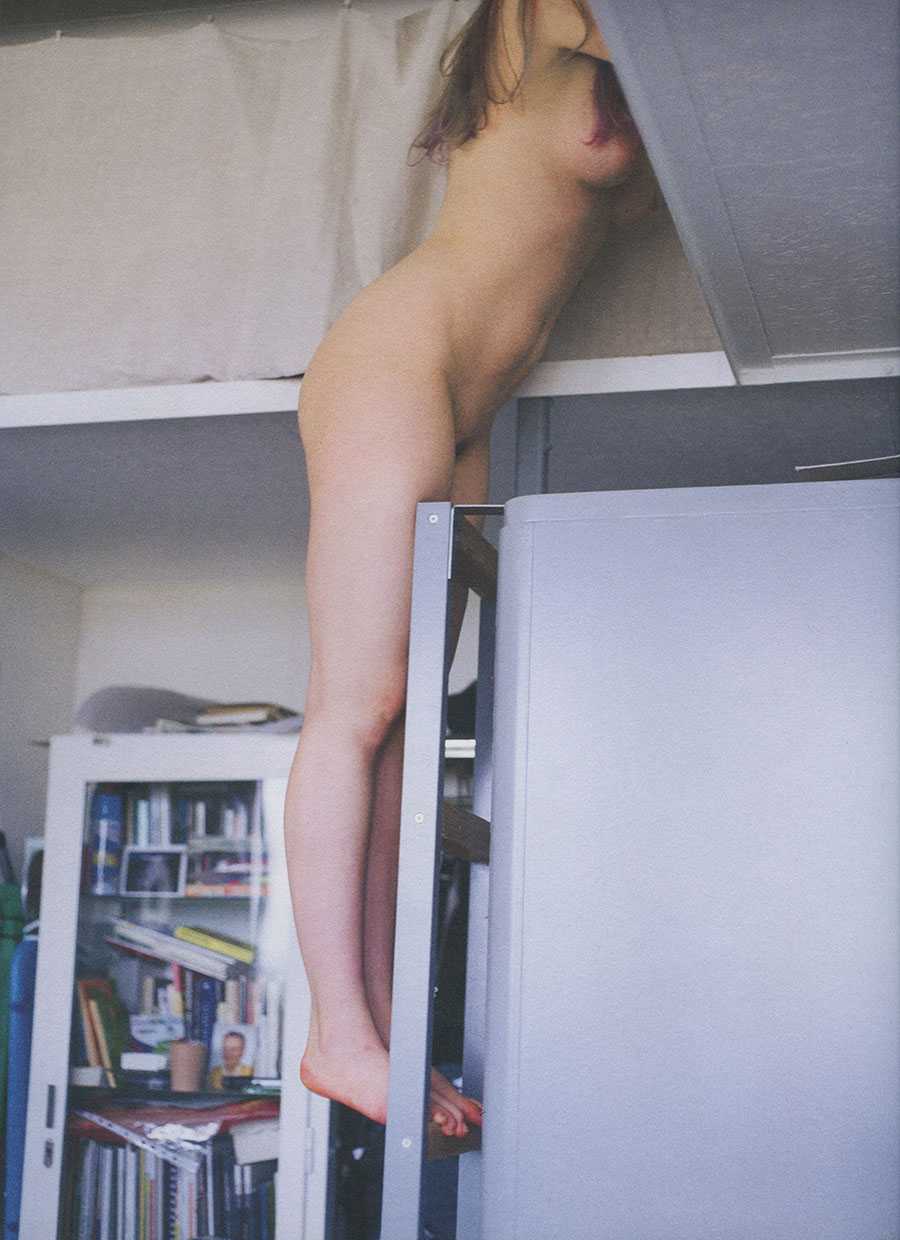
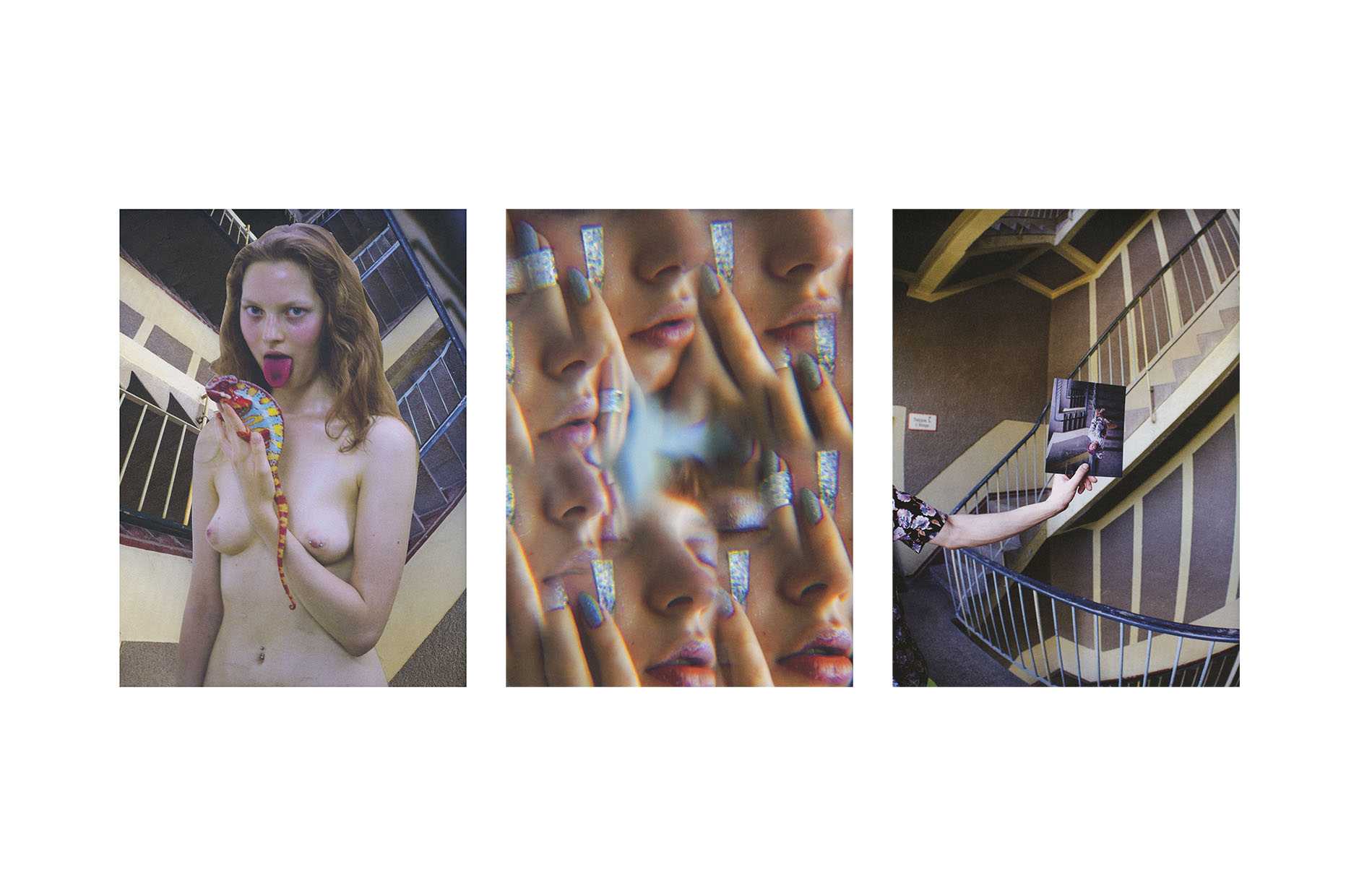
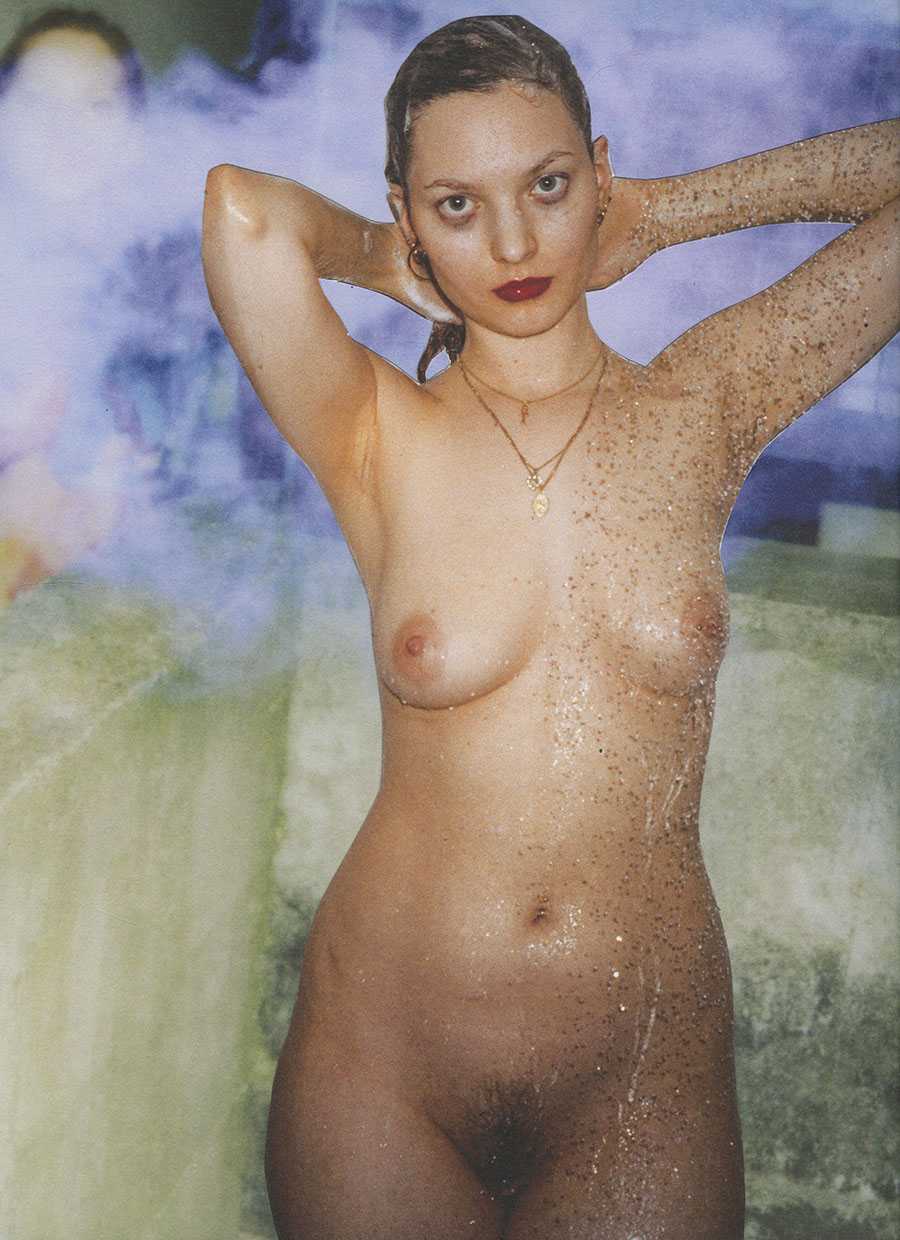
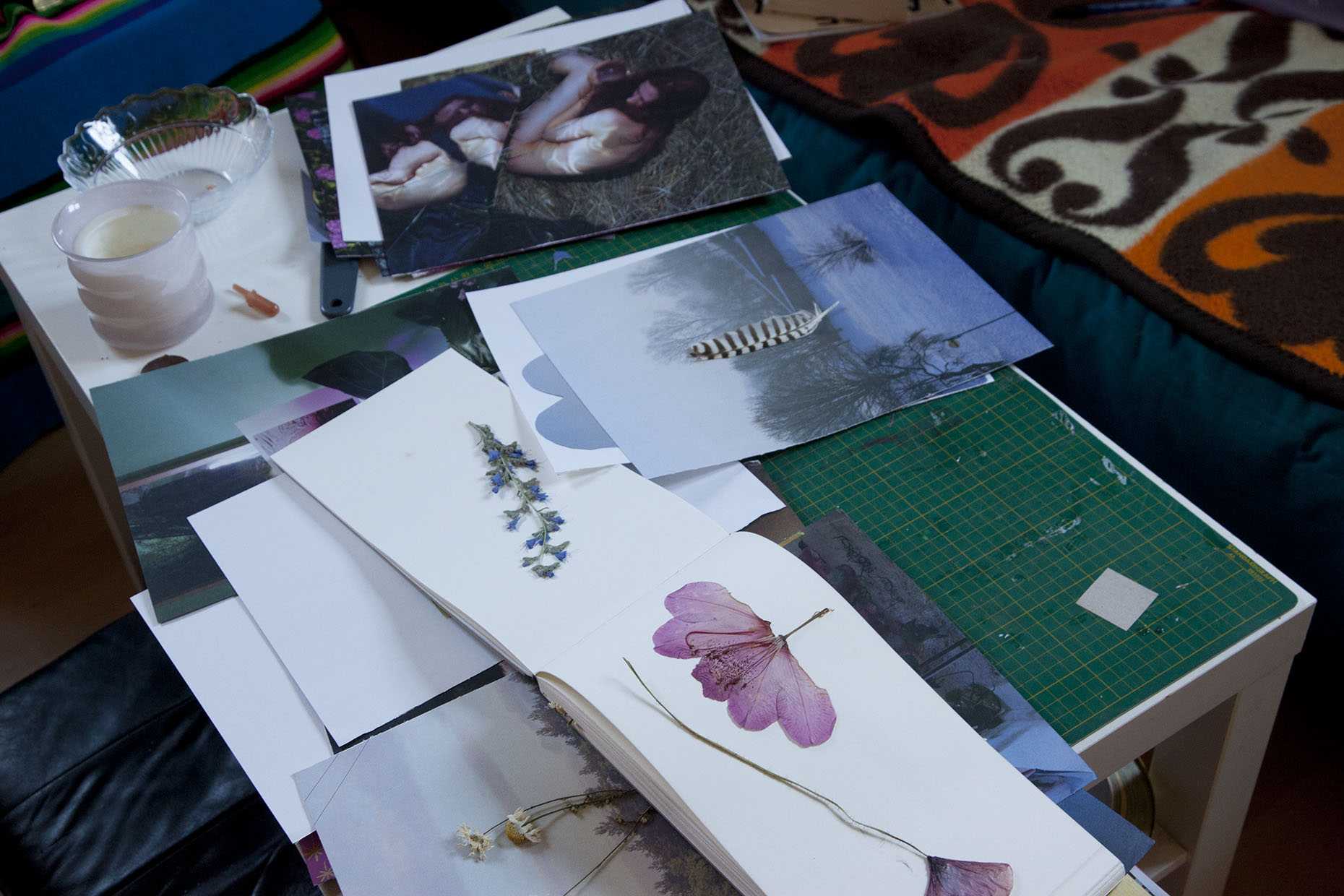
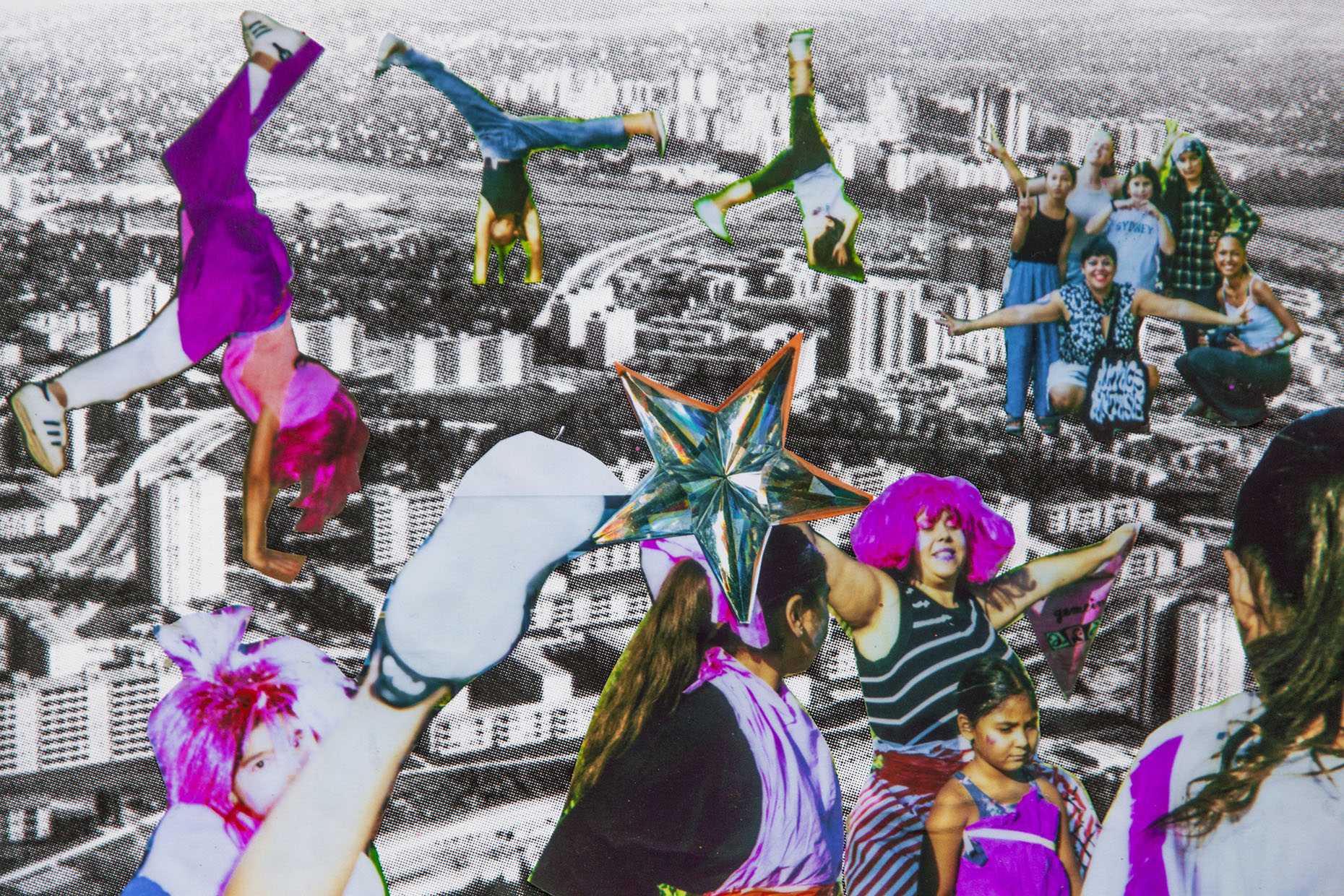
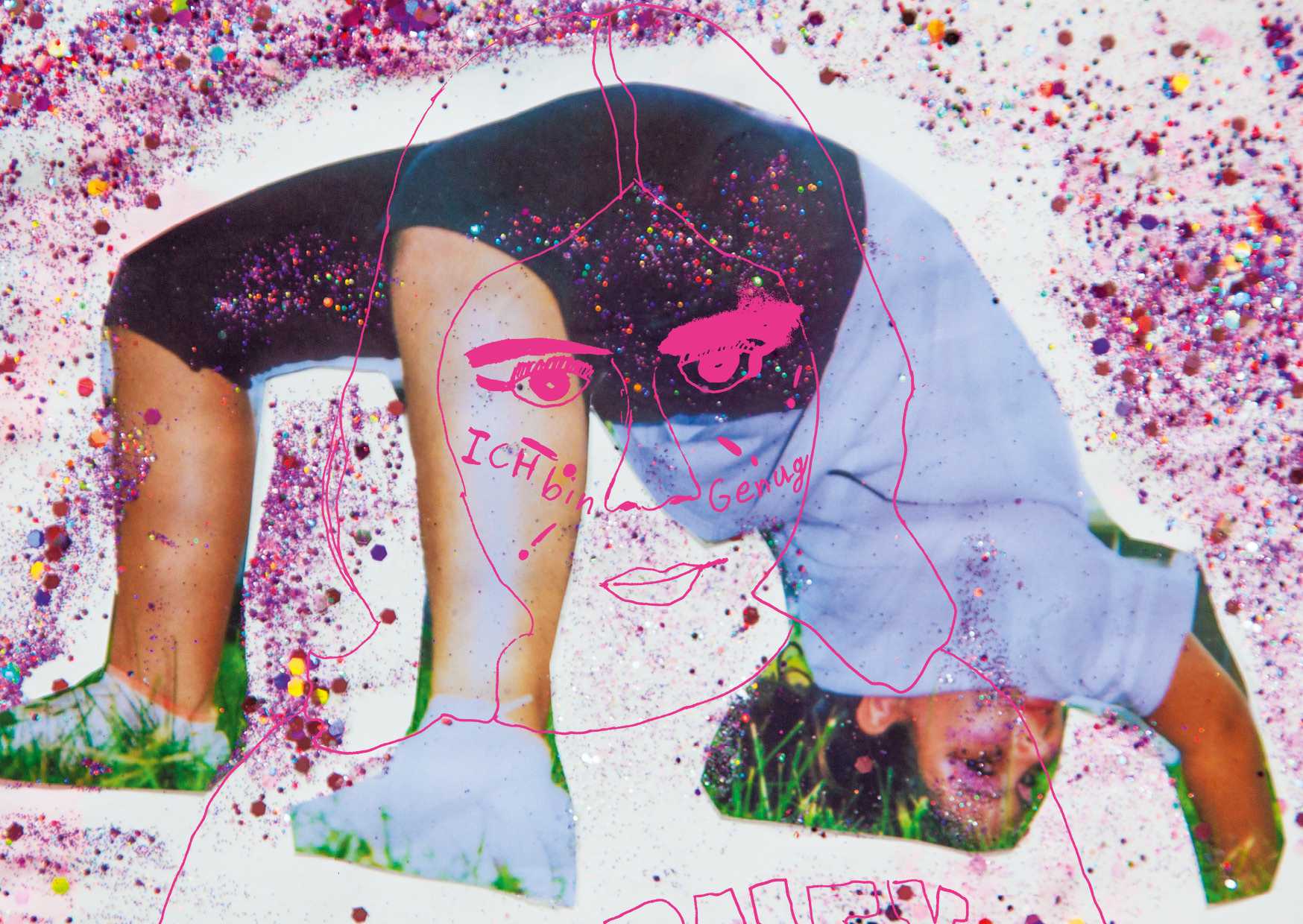
After publishing her debut monograph Alltagsfantasie in 2023, Szproch spent over a year trying to exhibit the work — without success. Grants fell through, and production costs for a large solo show were out of reach. Rather than wait, she turned the situation into a method: using the worn preview copy of the book itself as raw material, she began cutting, layering, and reassembling its pages into collages. No new budget required — only the object already in her hands. The process became more than a workaround. The wear and tear of the book — its creased pages, its history of use — entered the work. New meaning emerged from existing images: the same photographs, reframed, started to say something different.
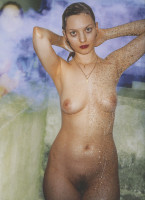
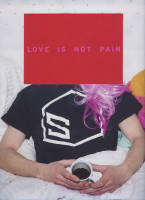
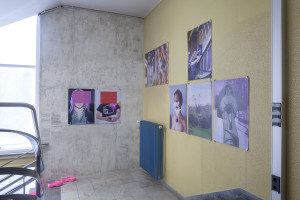
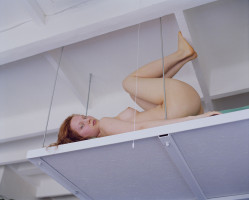
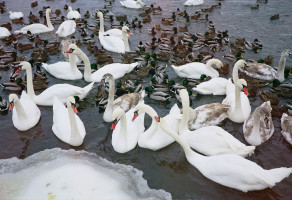
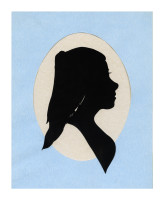
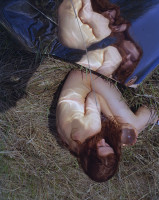
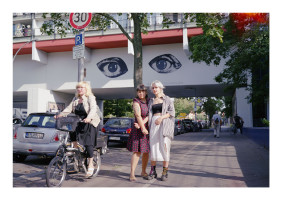
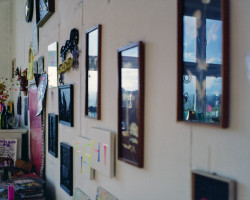
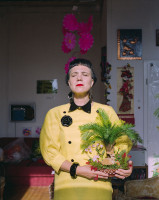
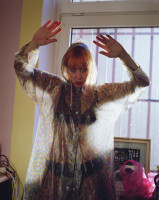
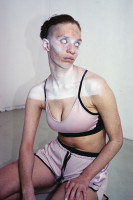
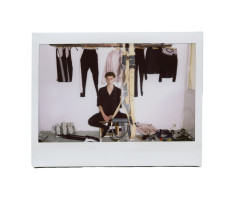
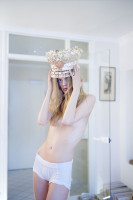
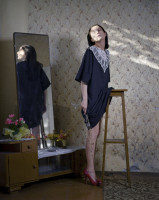
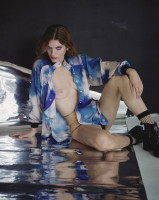
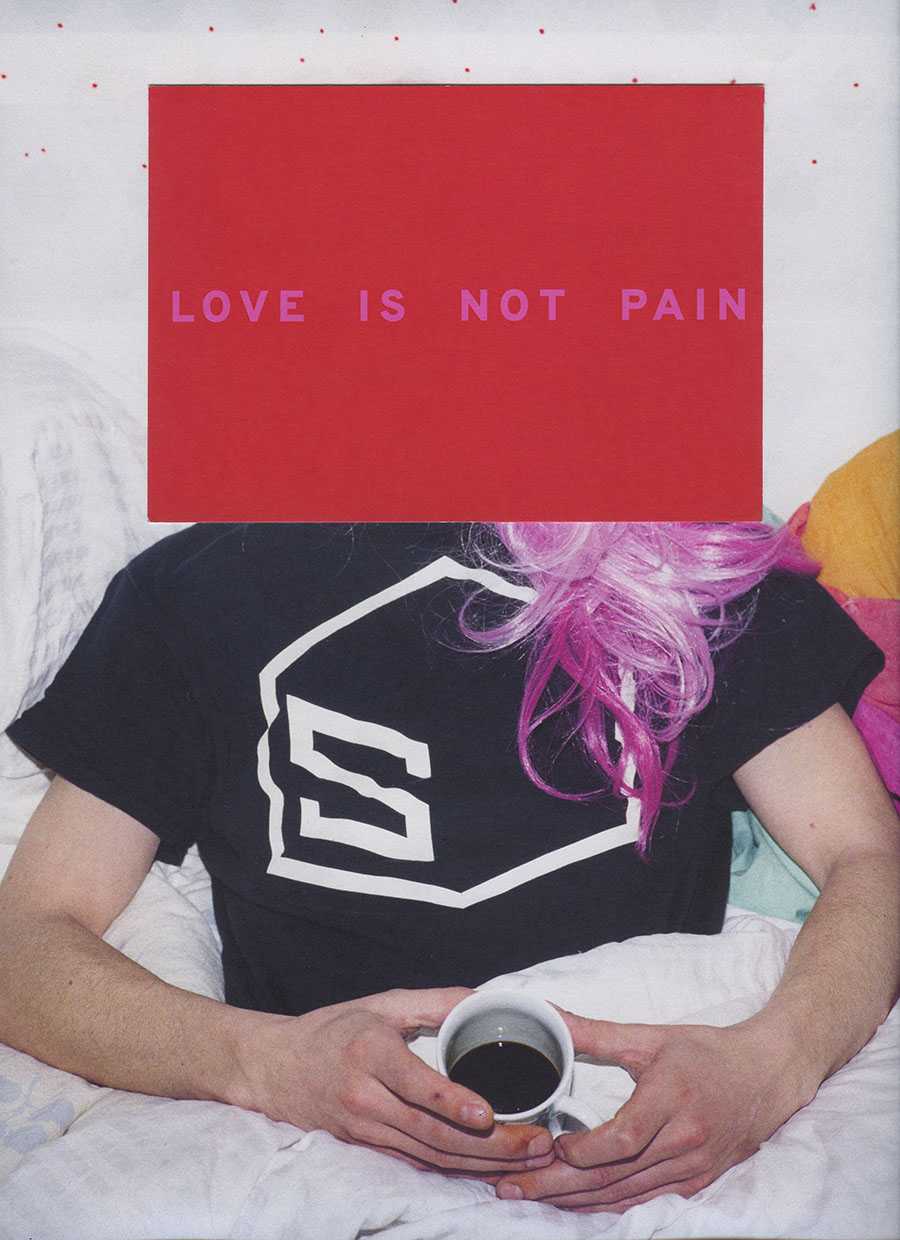
When curator Janusz Czech invited her to the group exhibition NOT YOUR CHOICE! in Pforzheim, Szproch expanded this series into large-format prints, filling all floors of the venue. The show addressed the conservative backlash against gender equality — how laws, social norms, and cultural expectations continue to treat women's bodies as contested ground. Her collages, now monumental in scale, became a feminist and autobiographical rereading of her own archive: a survivor's reclamation of joy as resistance, and a refusal to accept pain as a condition of womanhood.
The collages carry a clear message: women are permitted to serve, but forbidden to speak — conditioned to love, but rarely to be loved. Rooted in Szproch's own experience of domestic abuse, the work transforms private history into a political statement, exposing how systems protect perpetrators while punishing those who survive them. Drawing on the Polish tradition of subversive art, she confronts her own silencing within patriarchal structures. For Szproch, collage is not only a method but a manifesto: born of constraint, improvisation, and the refusal to be erased.
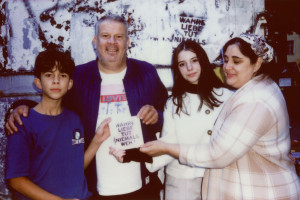
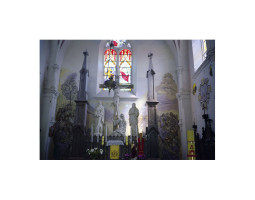
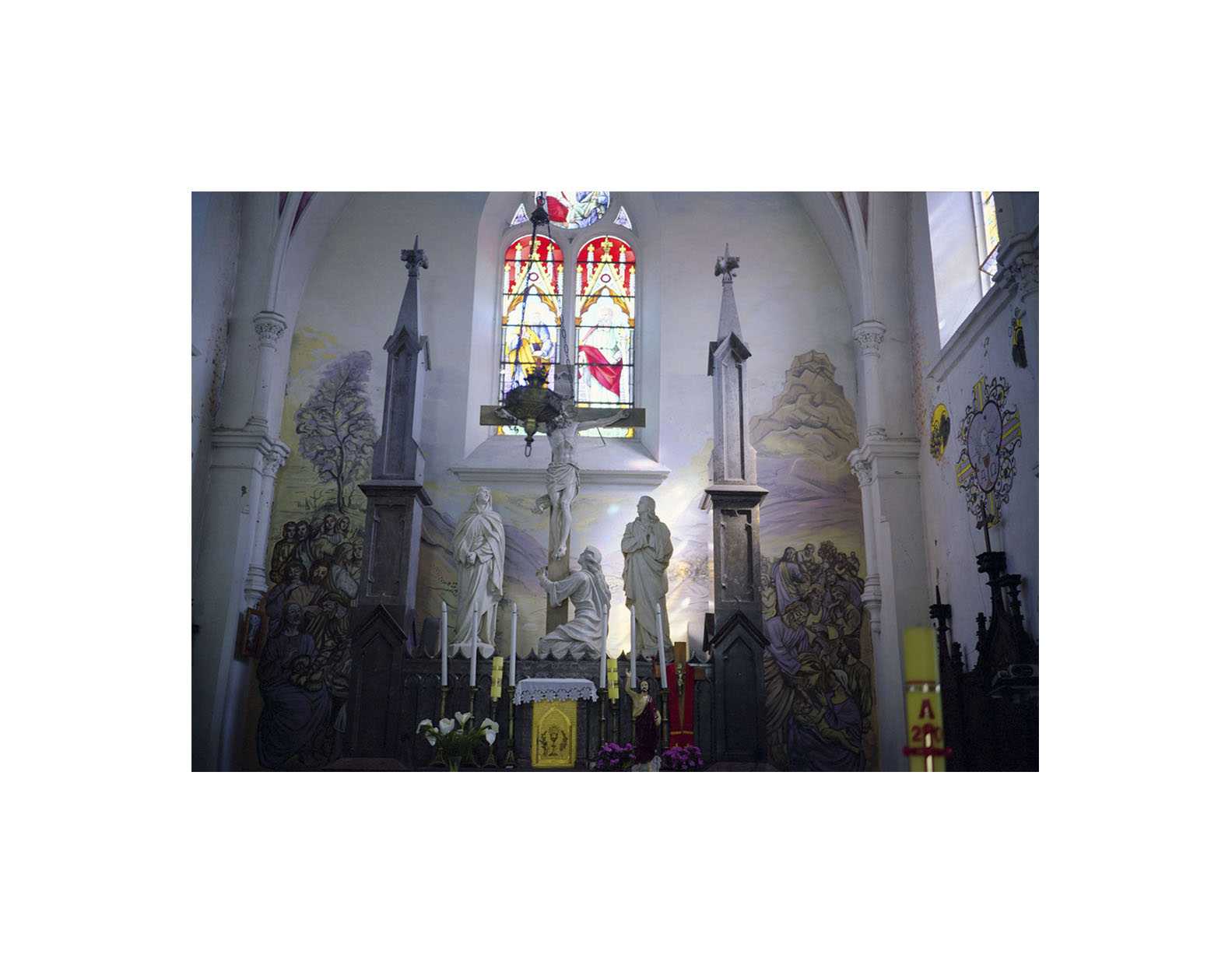
In the chapel space, her artist's book was placed on the pulpit — thirteen years of work, given the weight of a sacred object. For the finissage, Szproch and her daughter Lena led a participatory workshop, Fantasizing in Our Hood — an act of intergenerational imagination.
Next Project
Die Scham Muss Die Seite Wechseln
Die Scham Muss Die Seite Wechseln
Die Scham Muss Die Seite Wechseln
2024
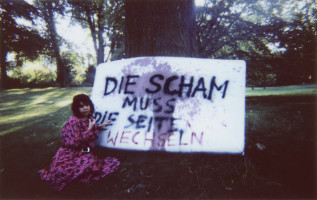
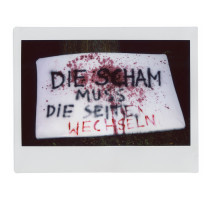
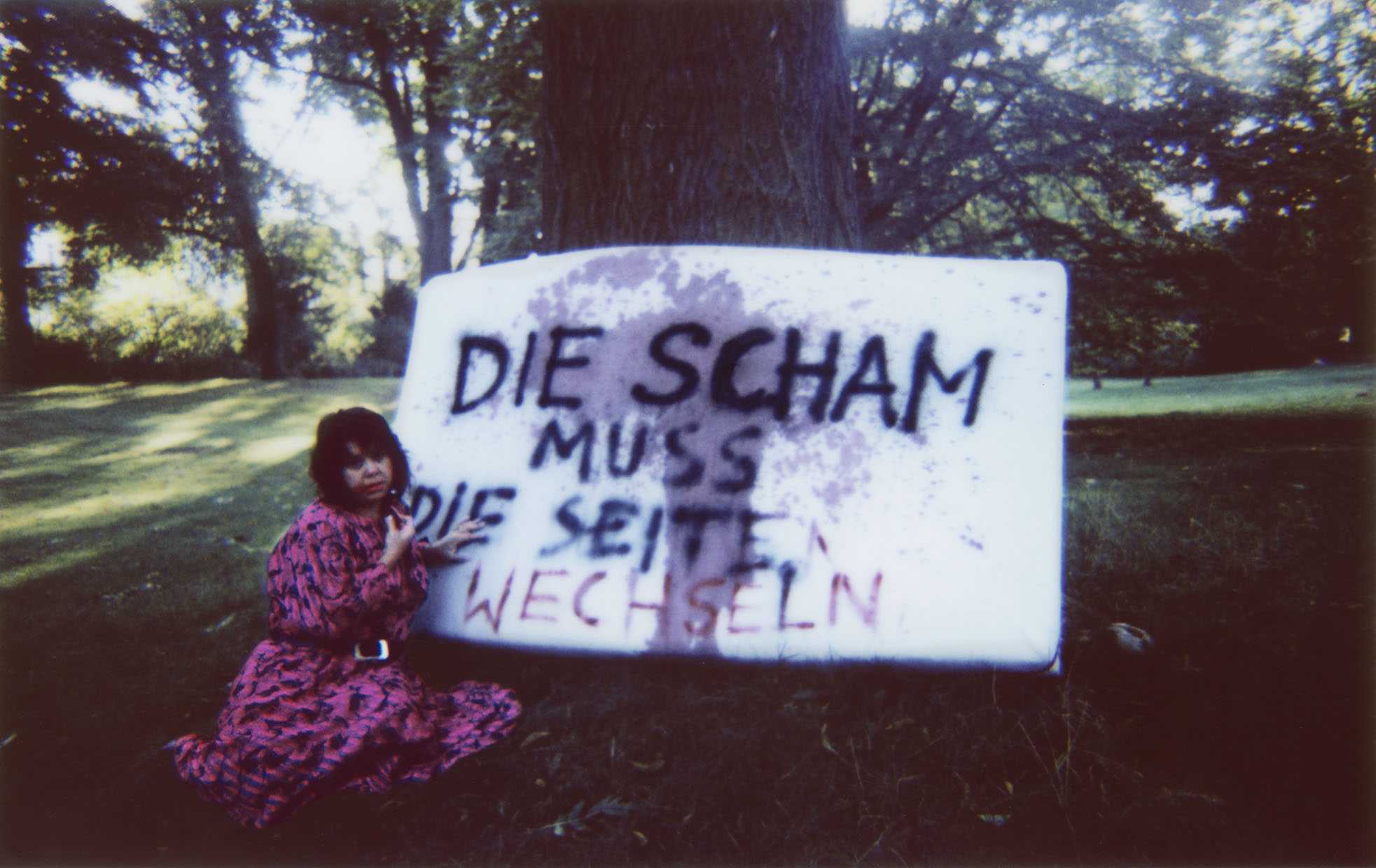
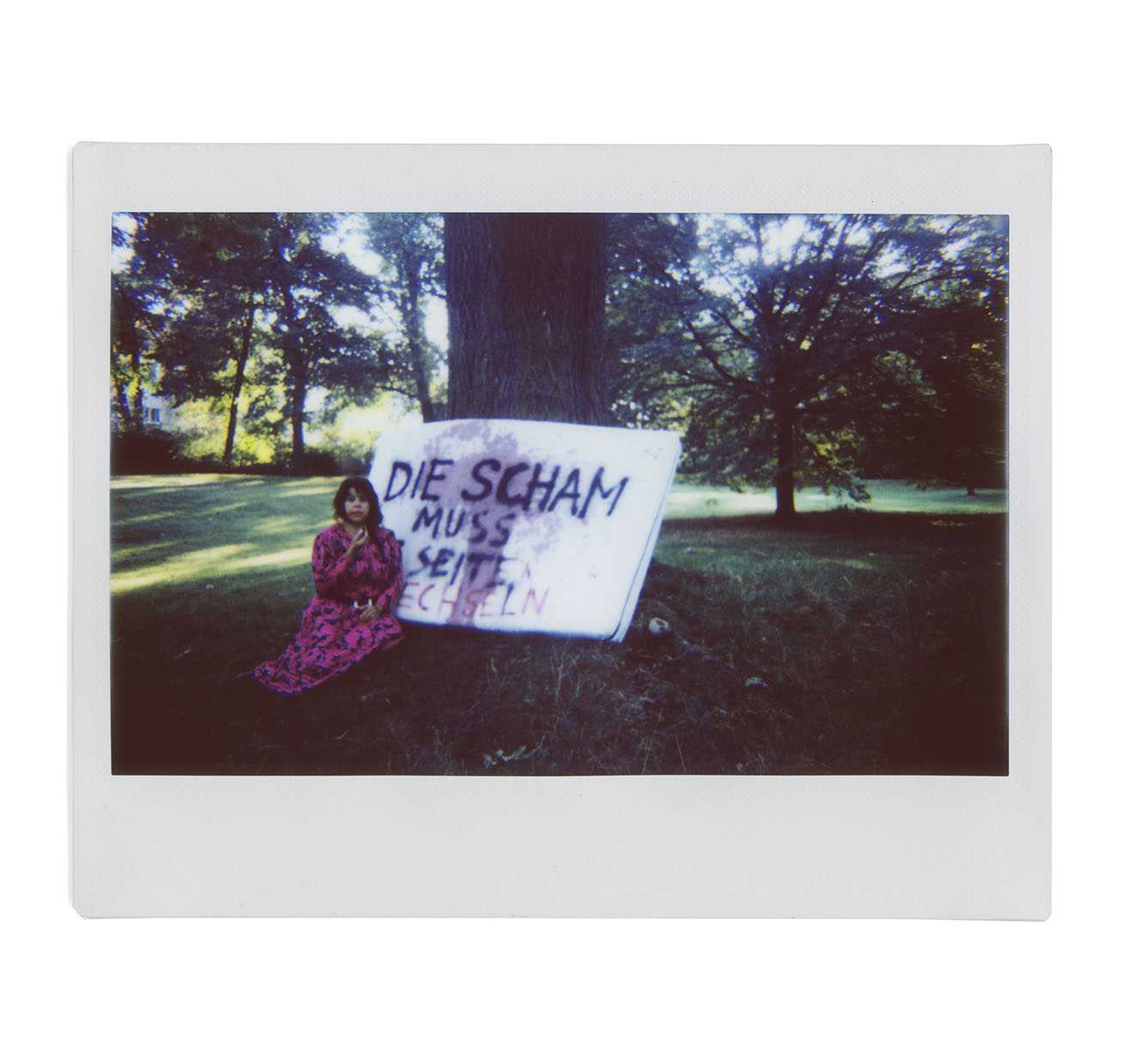
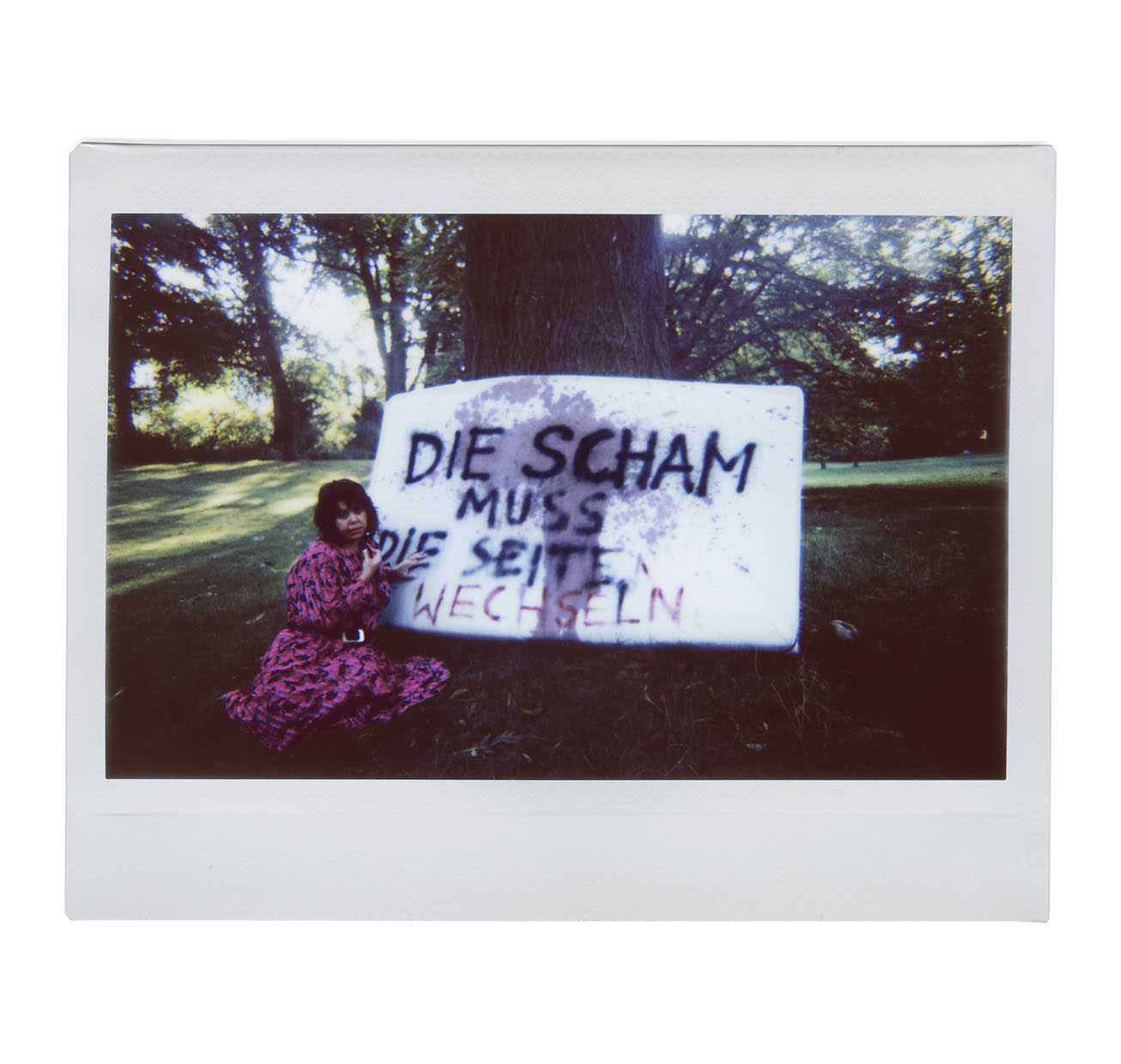
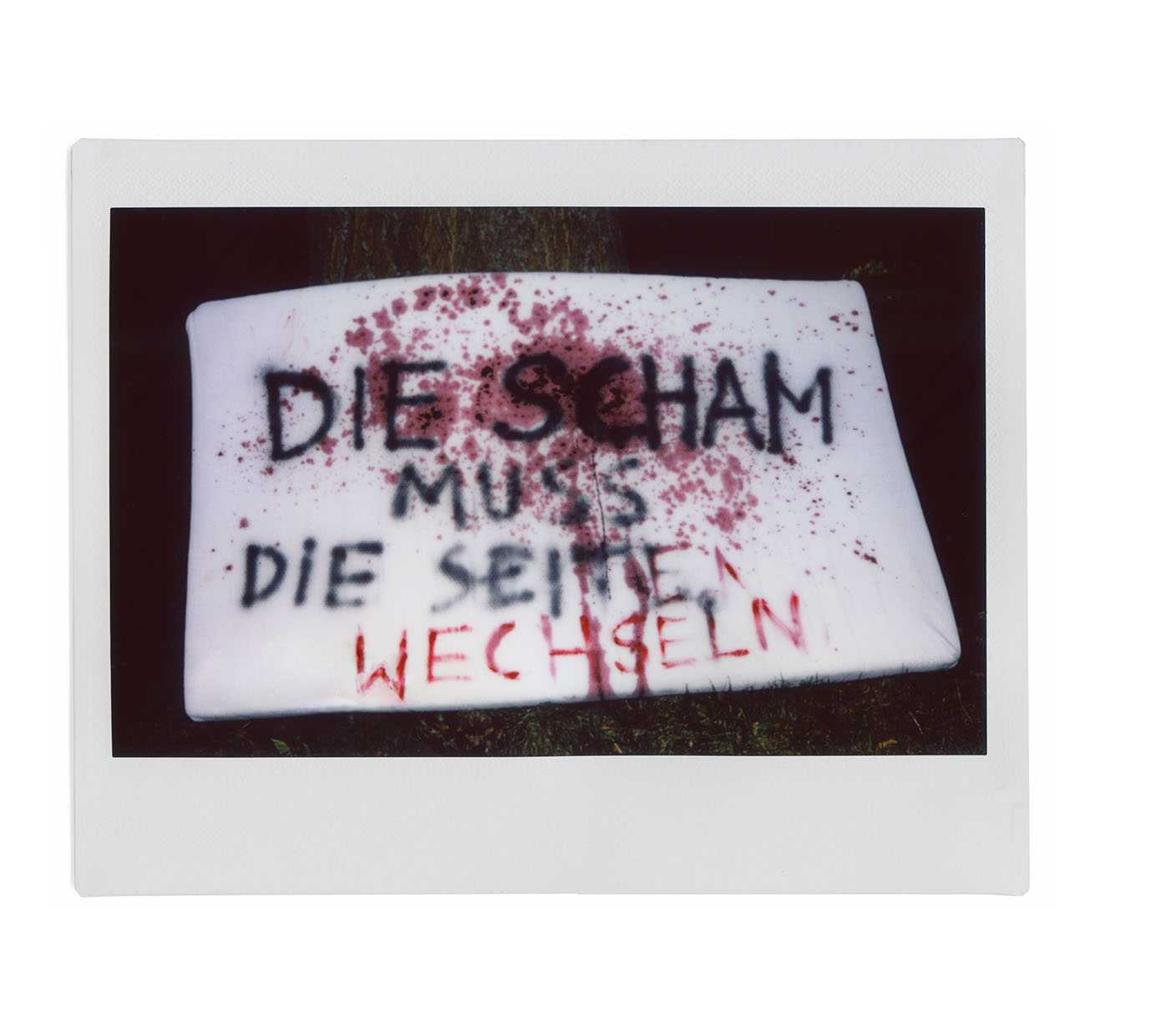
DIE SCHAM MUSS DIE SEITE WECHSELN / Shame Must Change Sides
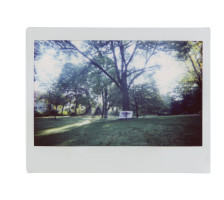
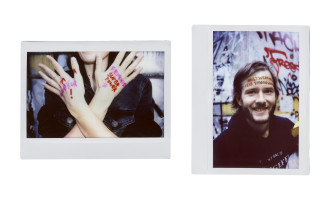
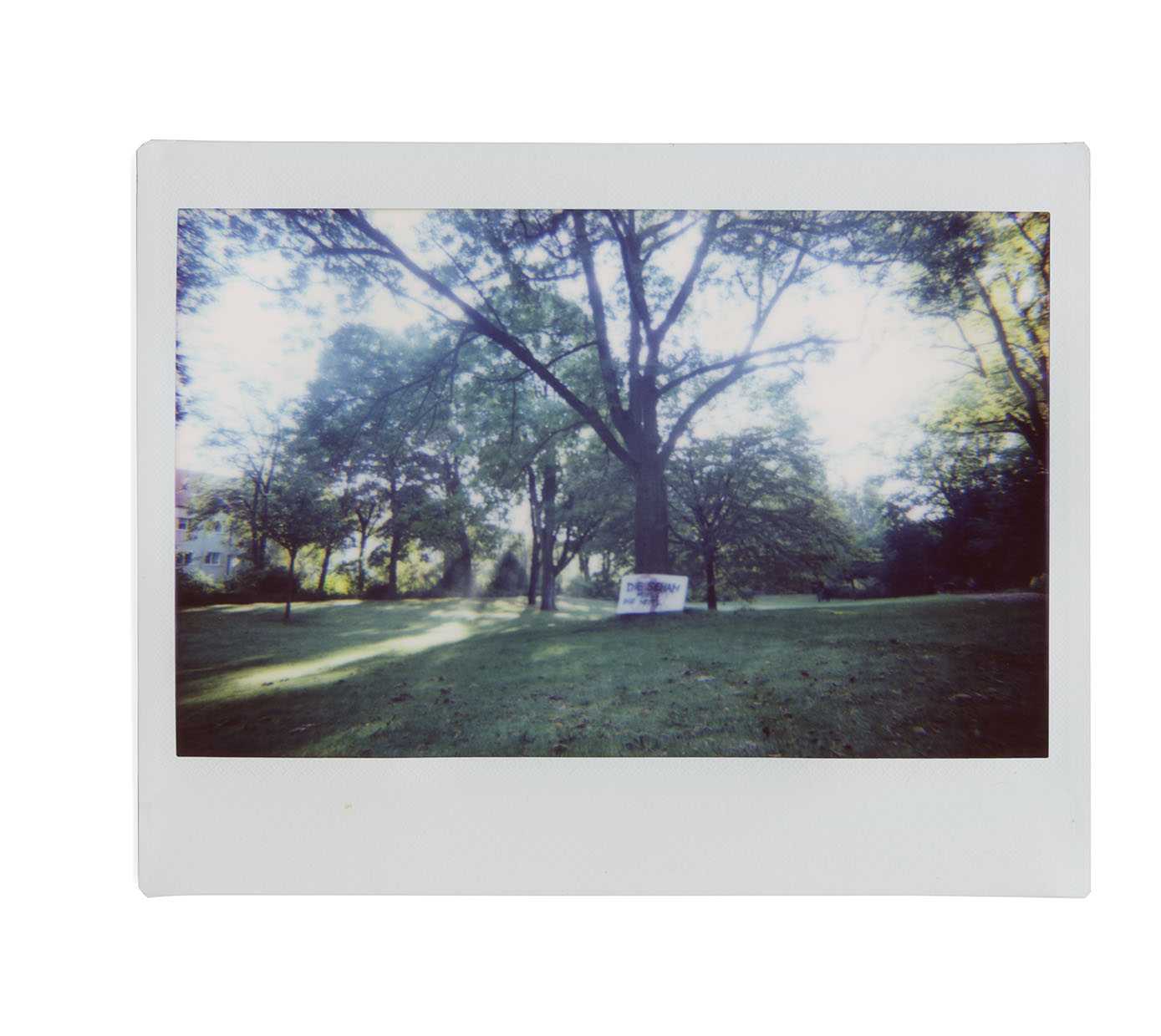
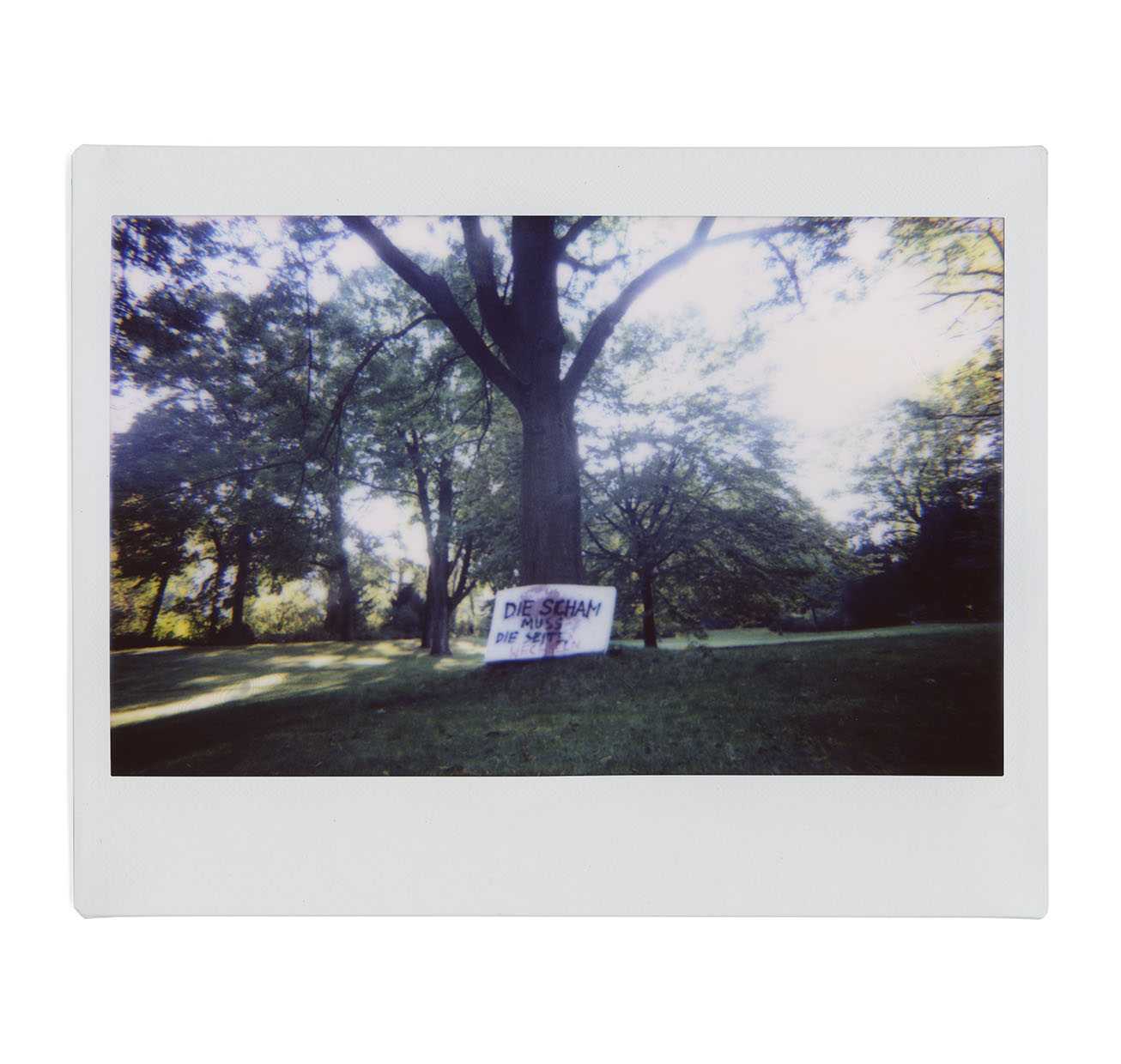
Polaroid performance, 2024
Presented: Wahre Liebe Tut Niemals Weh, 2024 / NOT YOUR CHOICE!, A.K.T!, Pforzheim, DE, 2025
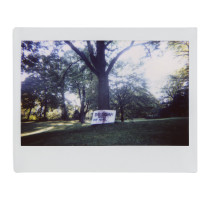
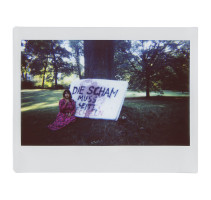
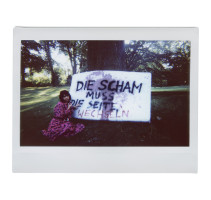
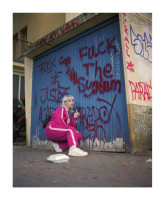
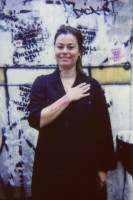
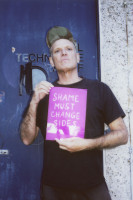
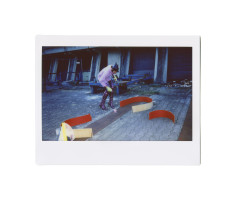
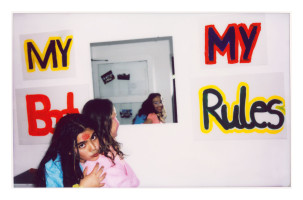
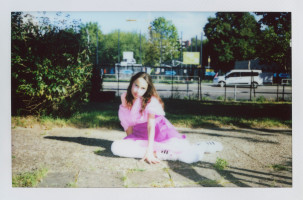
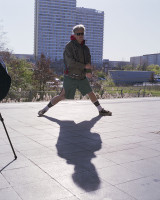
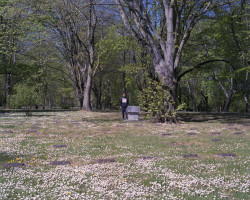
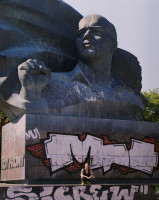
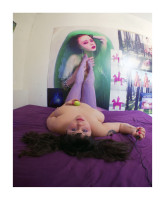
In 2024, Szproch and her daughter carried a mattress to a park in their Berlin neighborhood. On it, she had inscribed the words of Gisèle Pelicot — the French survivor who, while her husband's trial was still ongoing, stood before the world and said: Shame must change sides. Szproch photographed herself next to it.
The impulse was personal. Szproch and her daughter have lived with the consequences of domestic abuse — a violence that never touches only one person. Children carry what their parents survive.
The mattress they carried to the park was her daughter's — the one she slept on. That is not a neutral detail. Pelicot was raped in her sleep, in her own bed, by the man she trusted. The mattress is where women are most vulnerable: asleep, unaware, trusting. It is precisely this entitlement to a woman's body in her most unguarded state that the performance names. Pelicot's case is not exceptional. The practice of drugging or waiting for women to sleep before assaulting them is increasingly documented — and it points to the same logic: a belief that women's bodies are available regardless of consent.
For Szproch, Pelicot is also a symbol of refusal. She did not accept the role of victim. She stepped out of the narrative designed to contain her, returned responsibility to the perpetrator, and said, "The shame is not mine to carry." The performance echoes that refusal. Shameless joy is a form of resistance — a rejection of double standards, victim-blaming, and the systems that protect perpetrators while retraumatizing those who survive them. Women are not martyrs. They are entitled to thrive.
The performance is also a confrontation with systemic failure. Despite a conviction, the law continues to protect the perpetrator's identity. Szproch may describe what happened to her, but she cannot name who did it. This legal asymmetry does not protect survivors; it re-enacts the original harm, placing the burden once again on those who were never responsible for what was done to them. Shame, the work insists, belongs elsewhere.
Materials: Polaroid photographs, mattress, text sprayed on.
Next Project
Wahre Liebe Tut Niemals Weh
Wahre Liebe Tut Niemals Weh
Wahre Liebe Tut Niemals Weh
2024
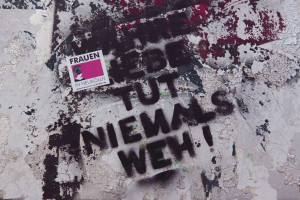
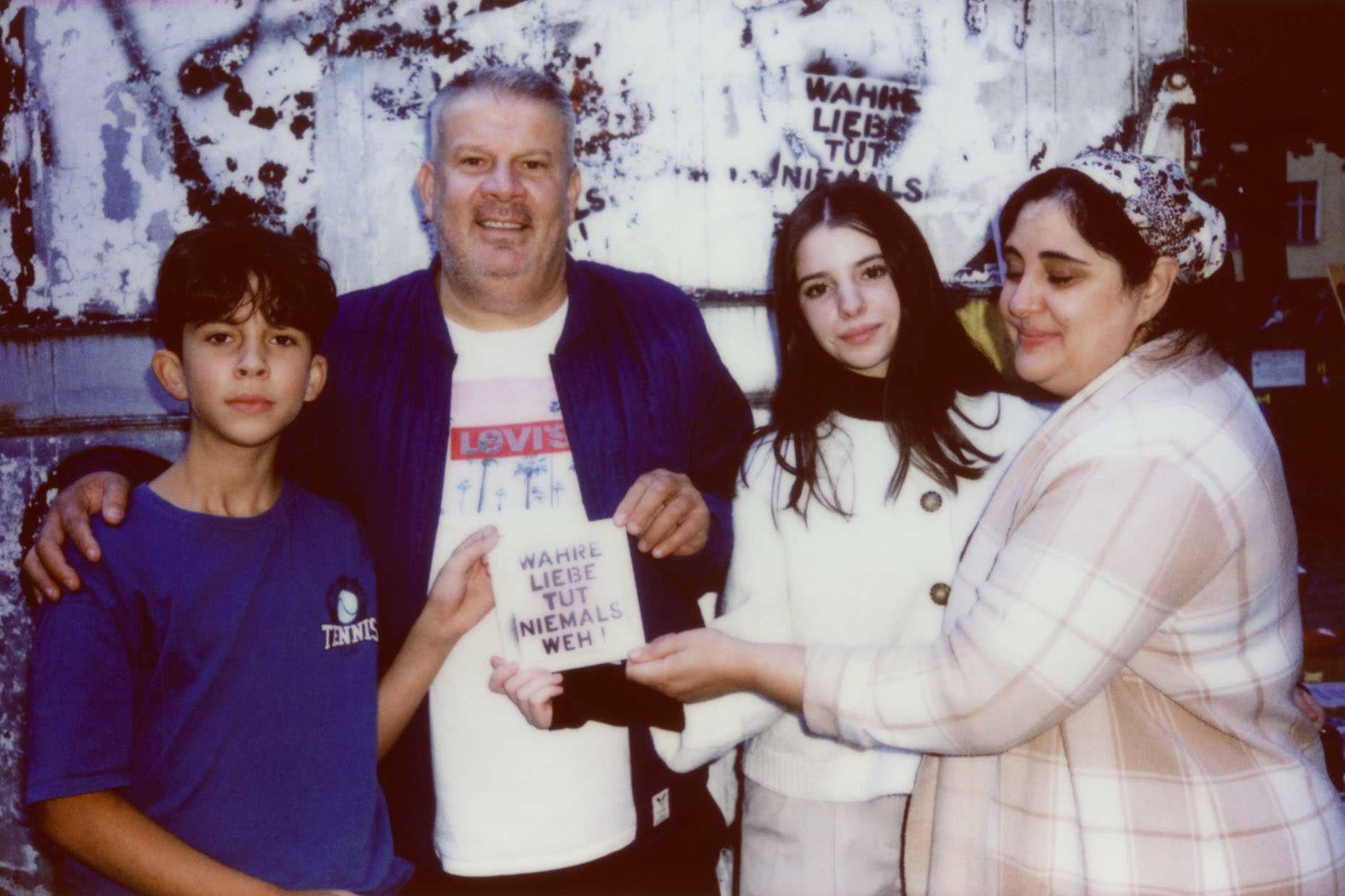
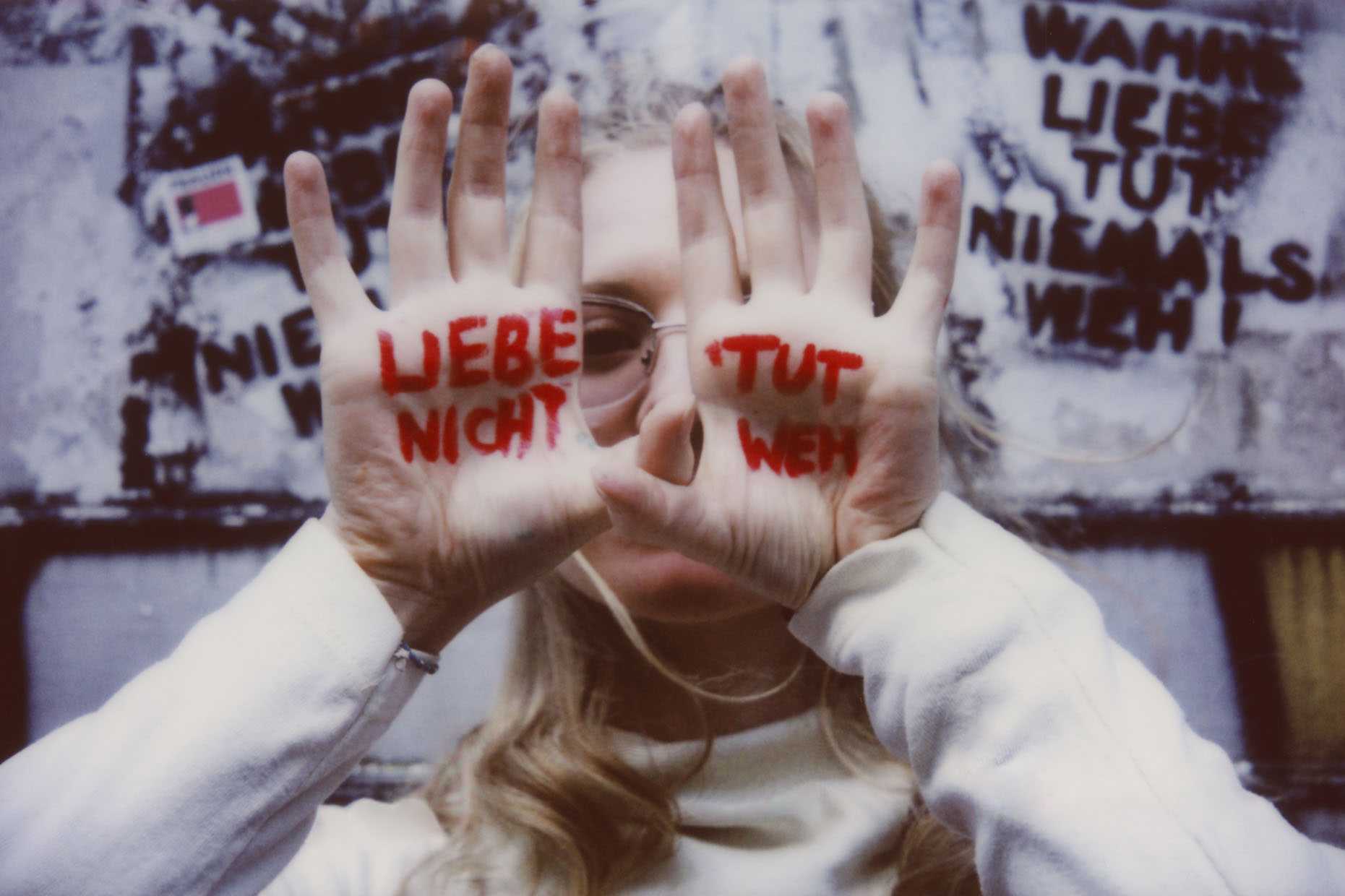
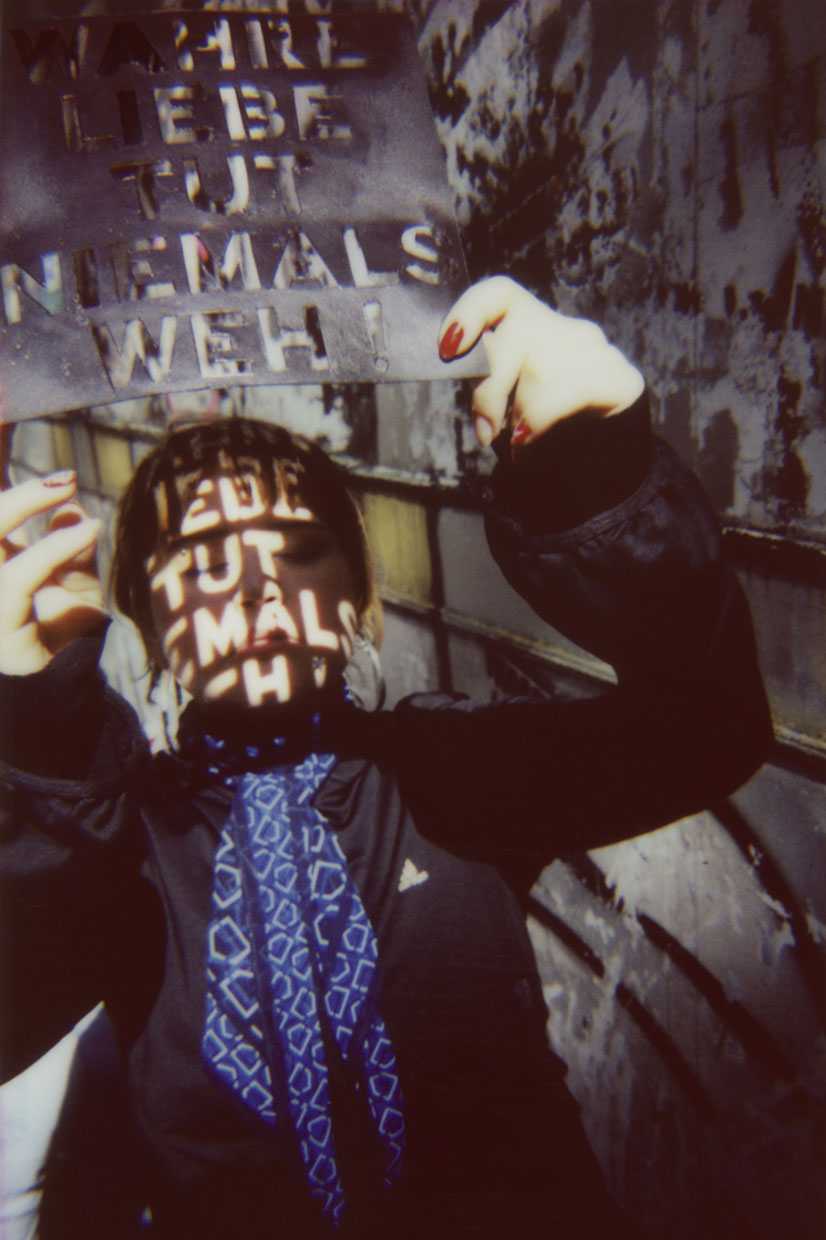
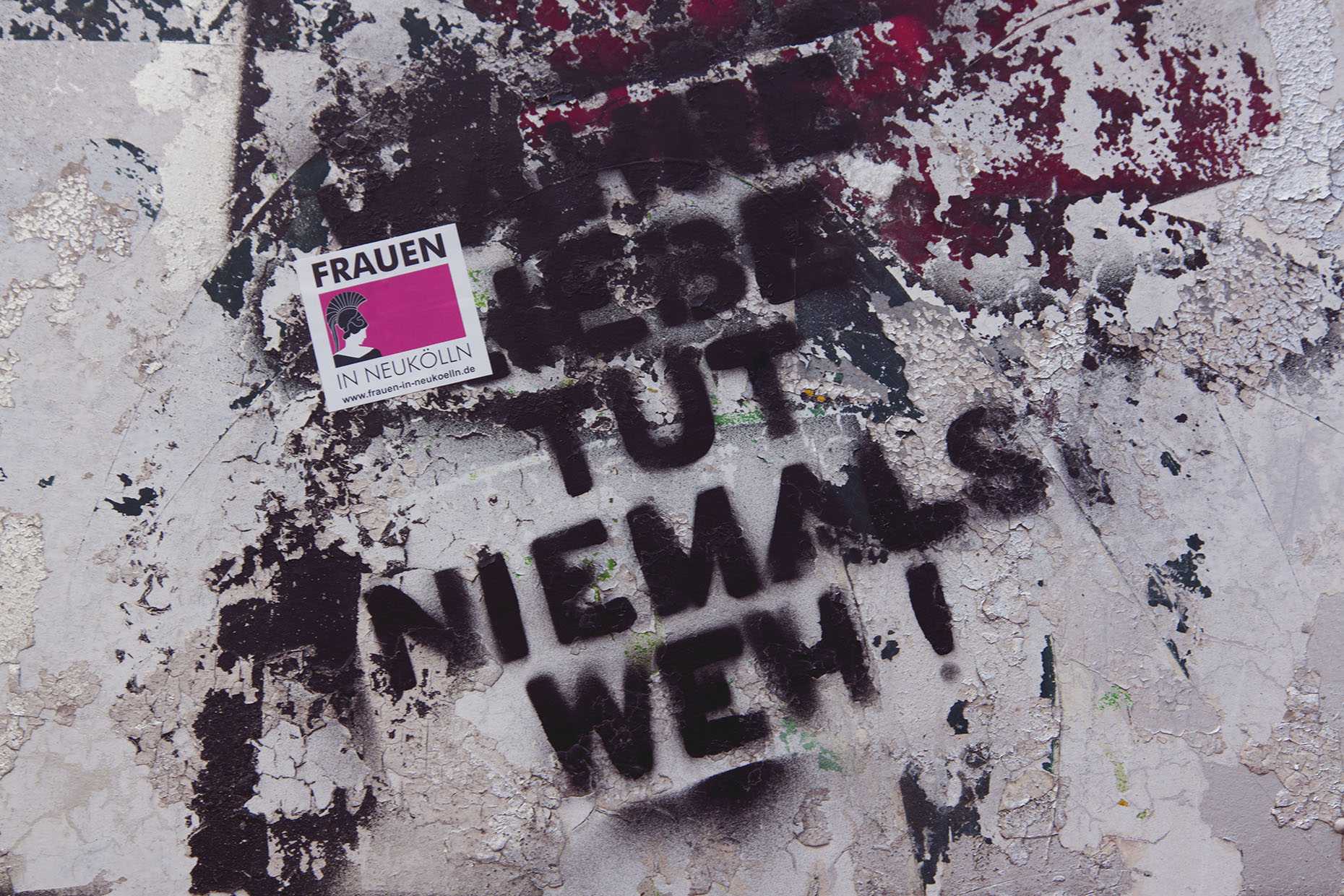
WAHRE LIEBE TUT NIEMALS WEH / Real Love Never Hurts
Solo Exhibition, Rathaus Neukölln, Berlin, DE, 2024
In collaboration with StoP – Neighborhood Without Domestic Violence e.V.
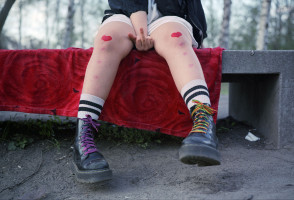
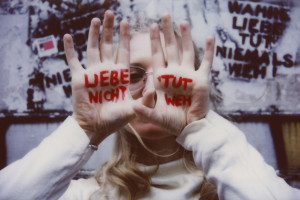
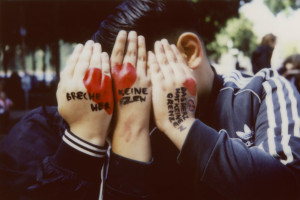
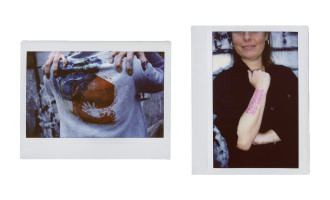
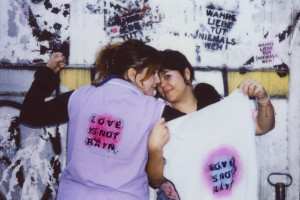
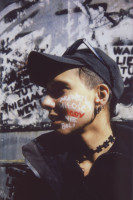
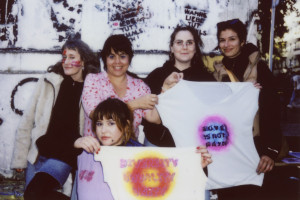
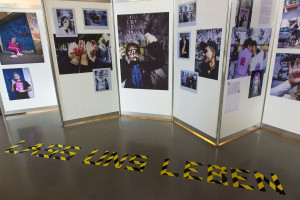
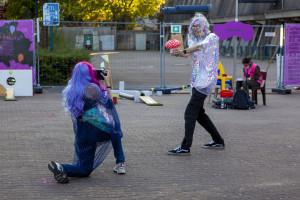
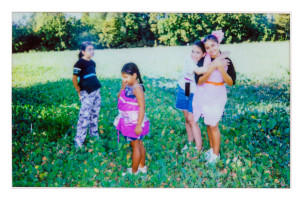
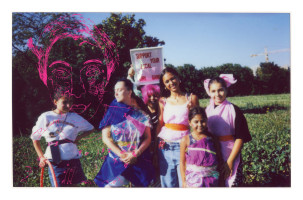
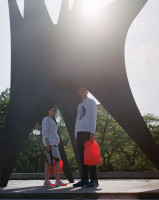
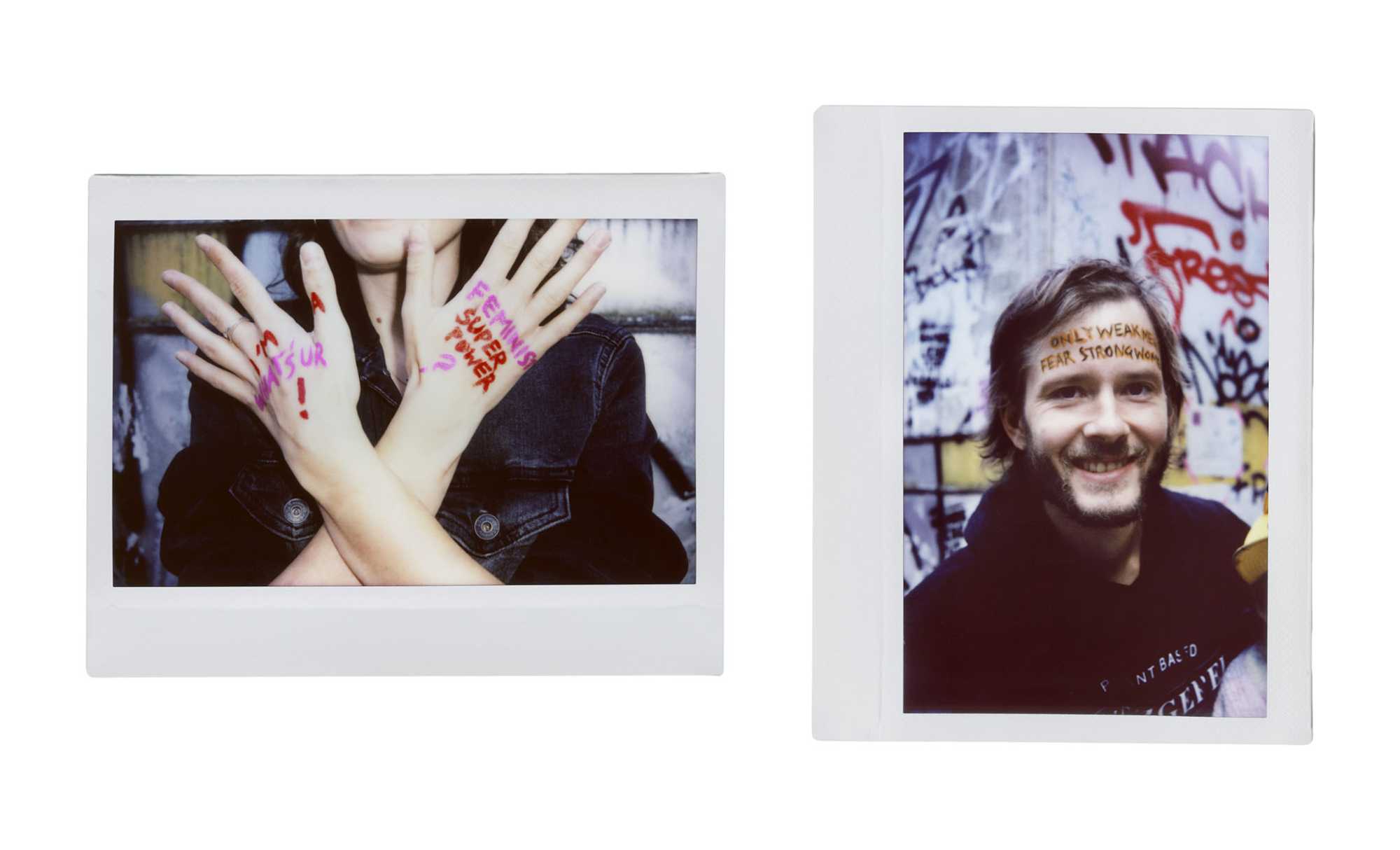
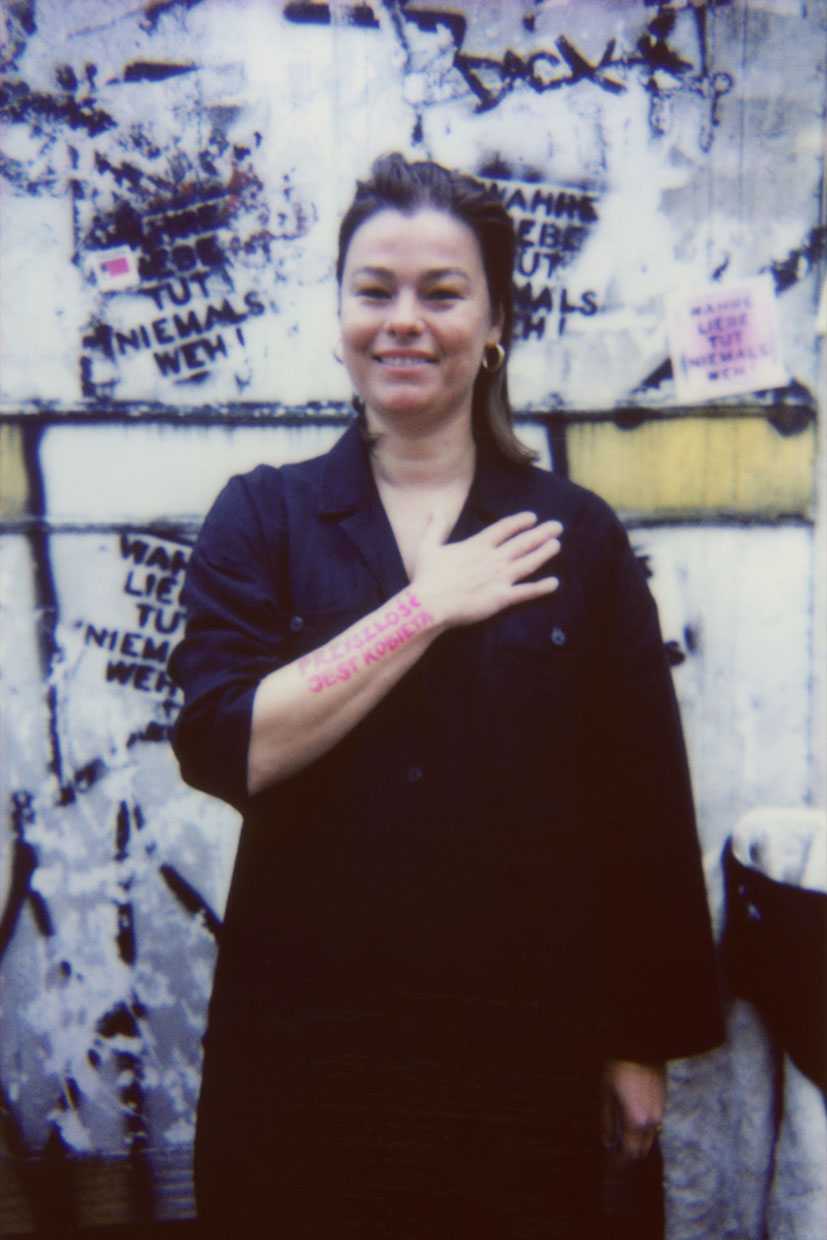
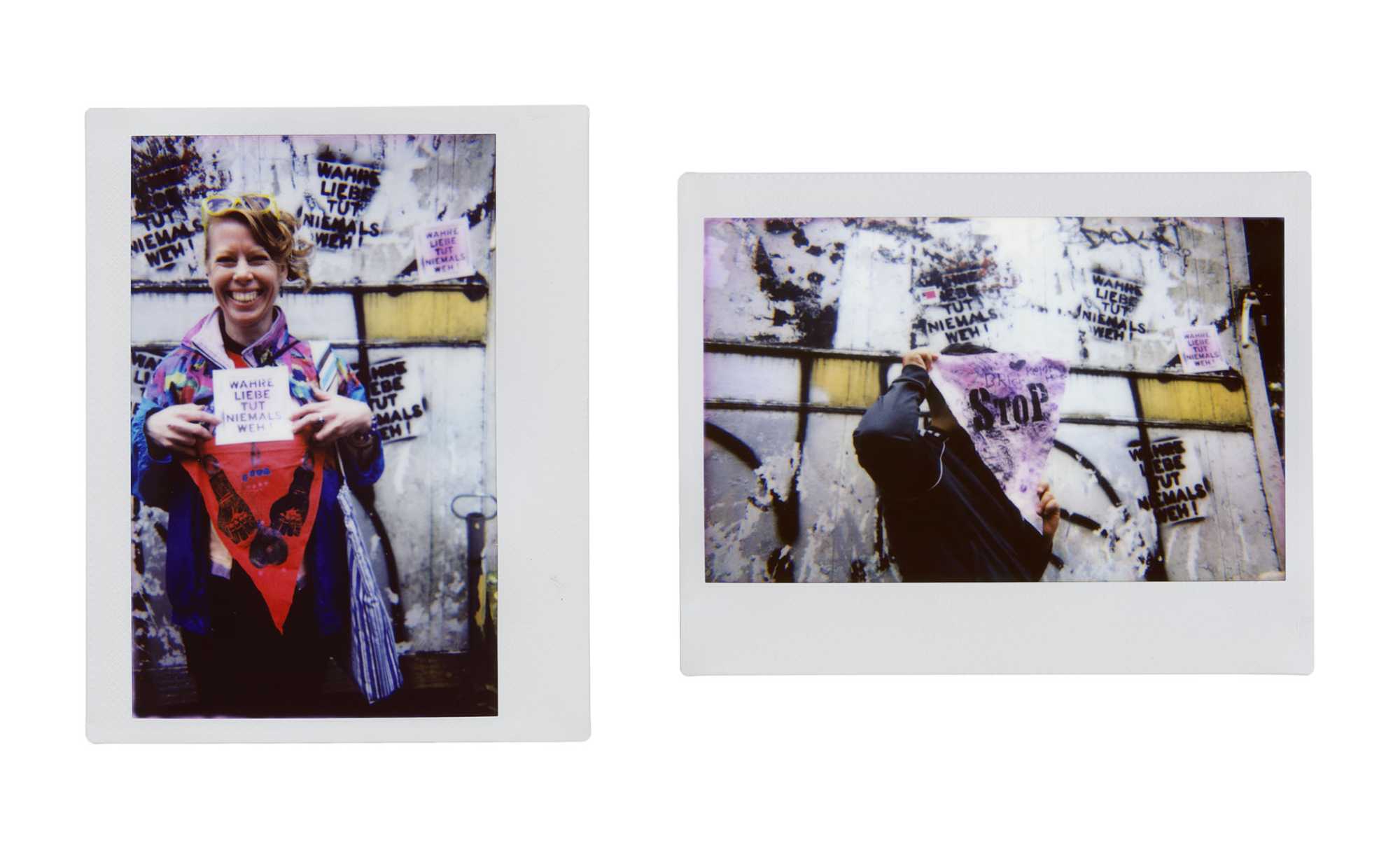
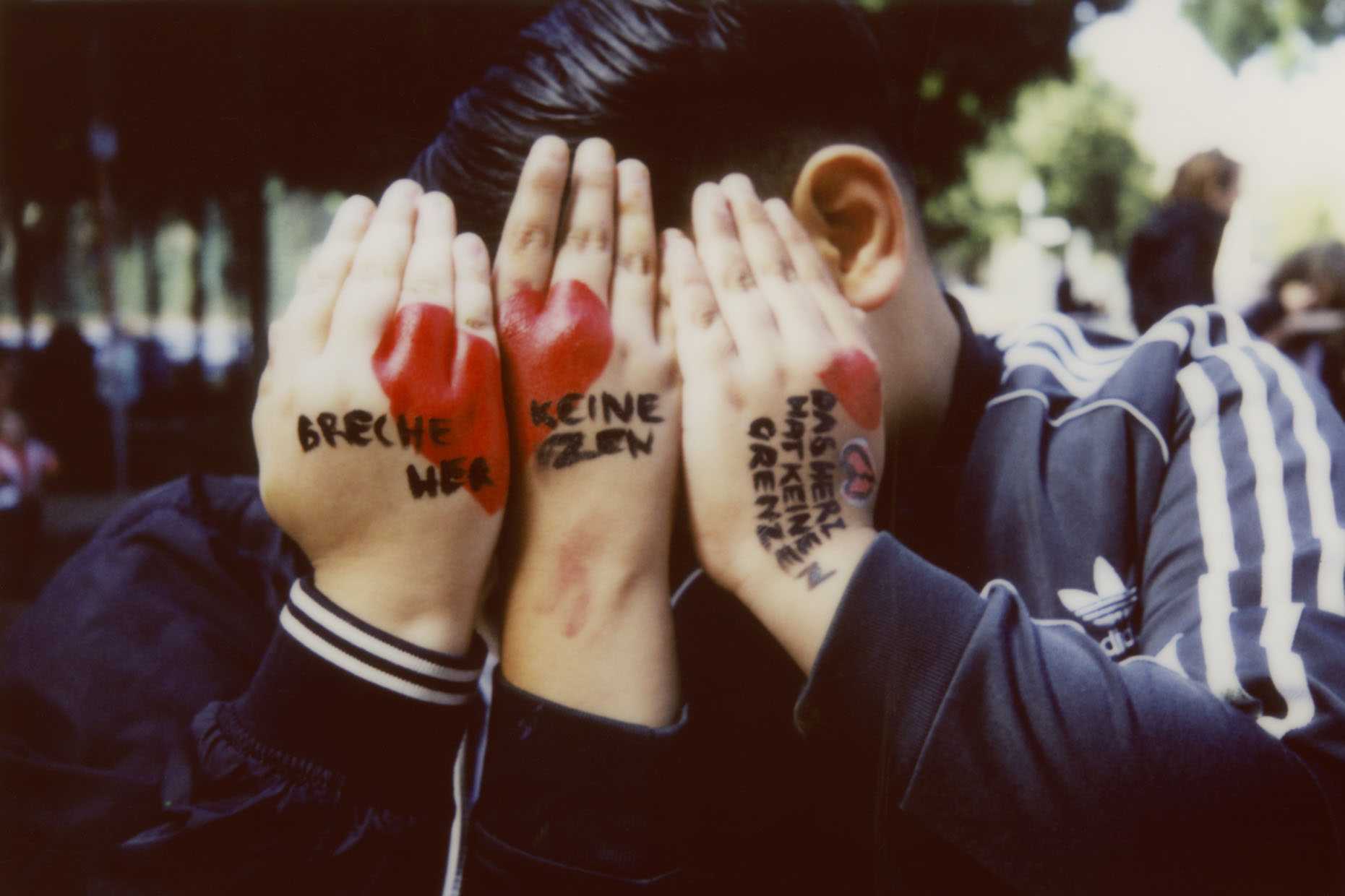
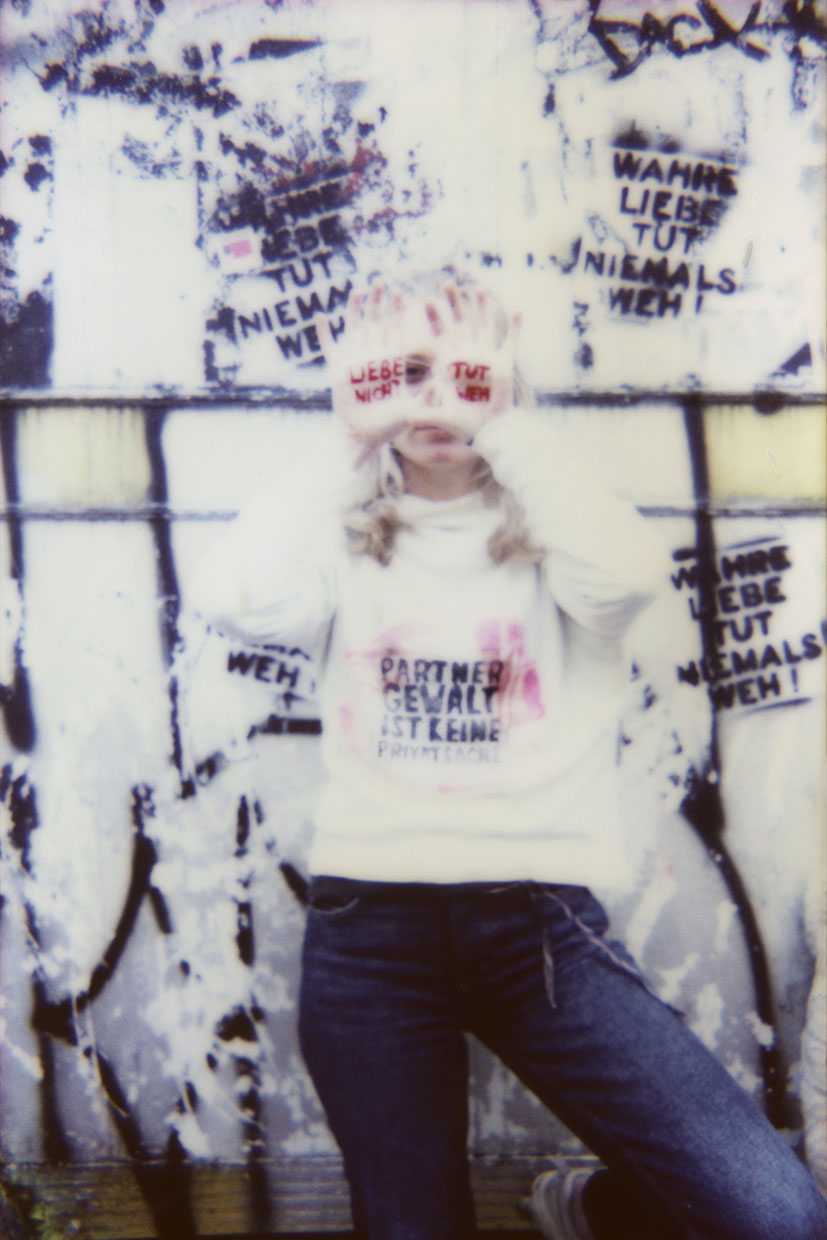
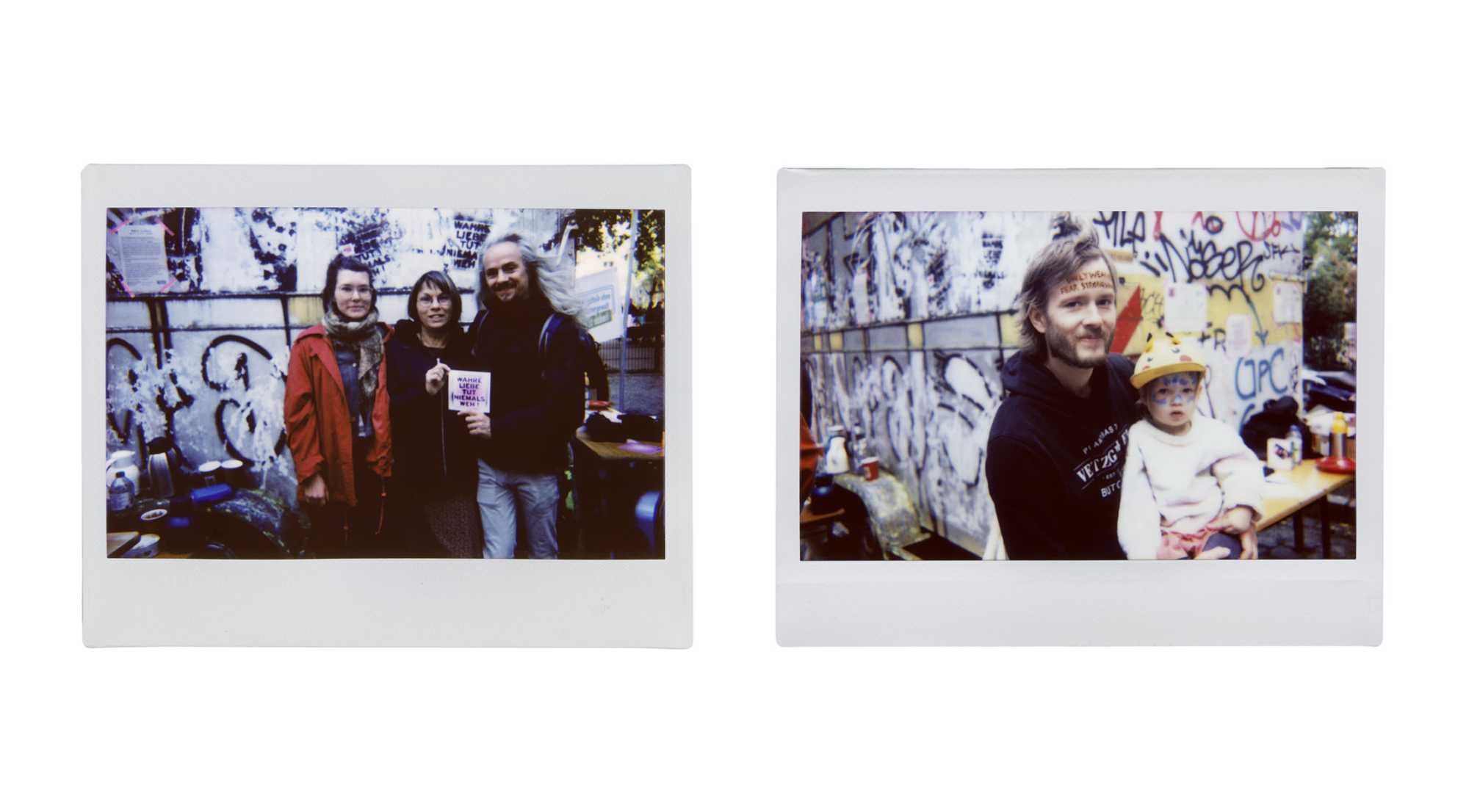
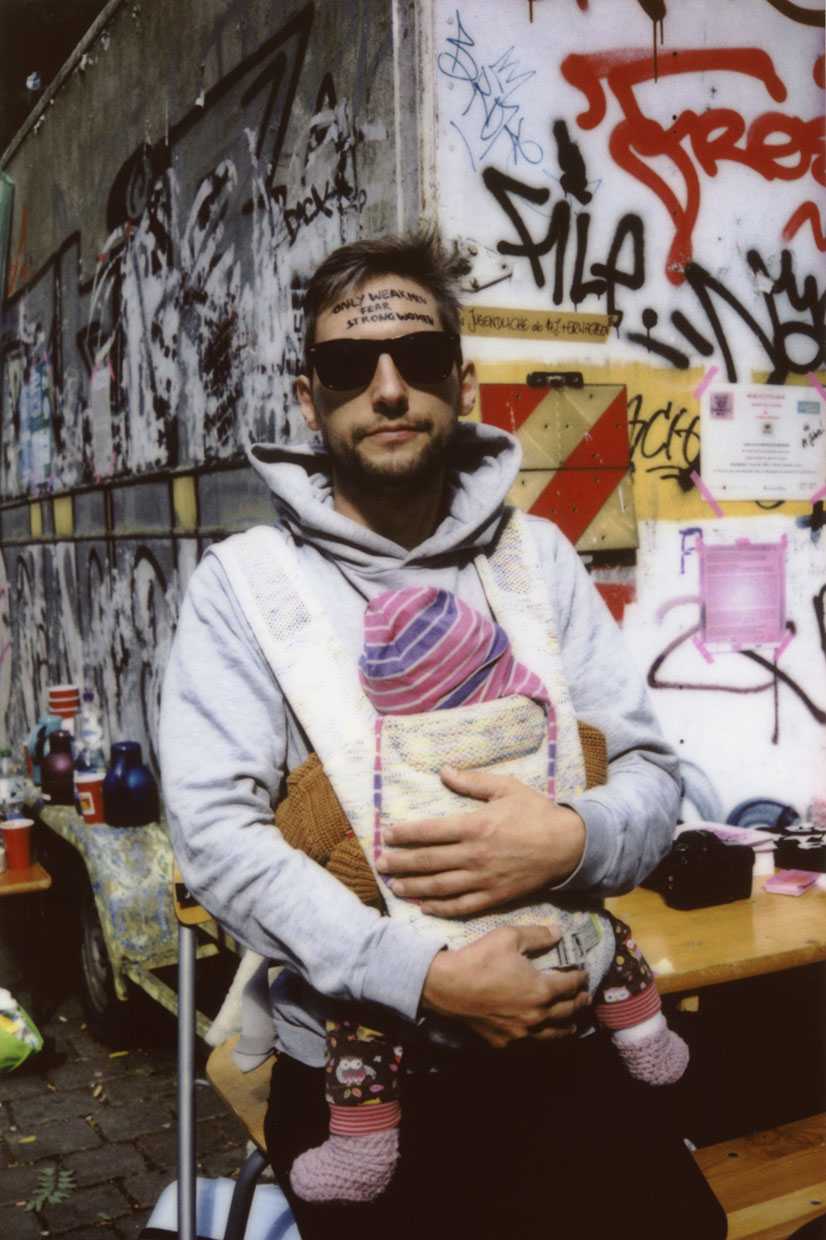
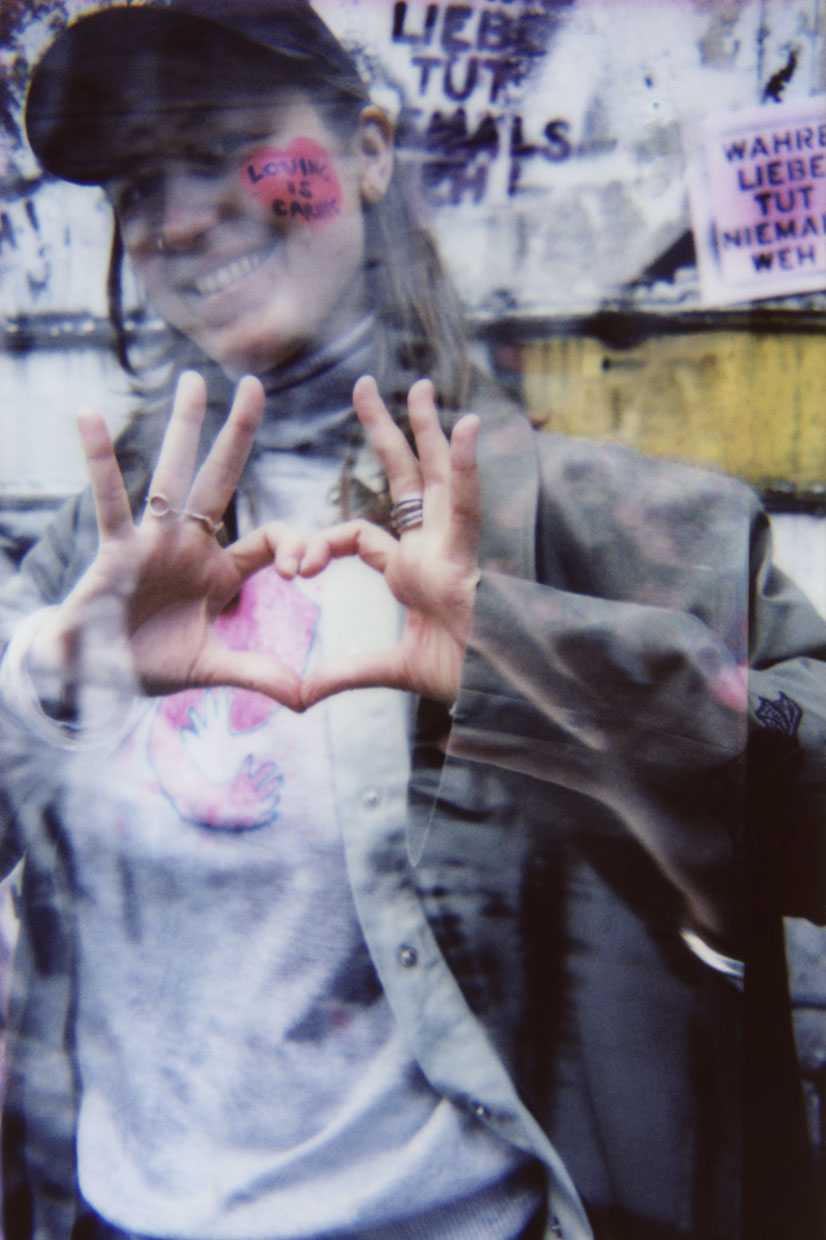
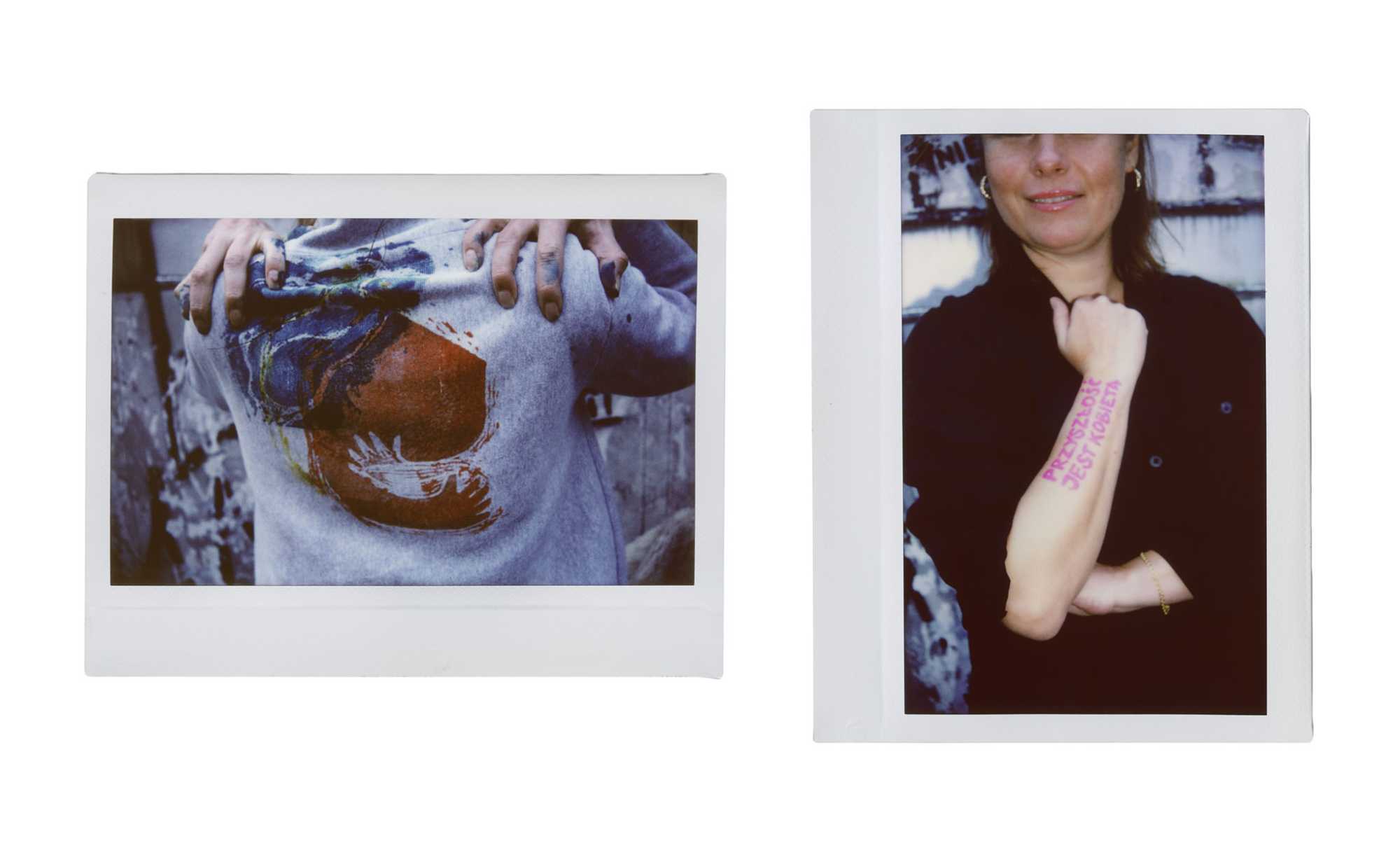
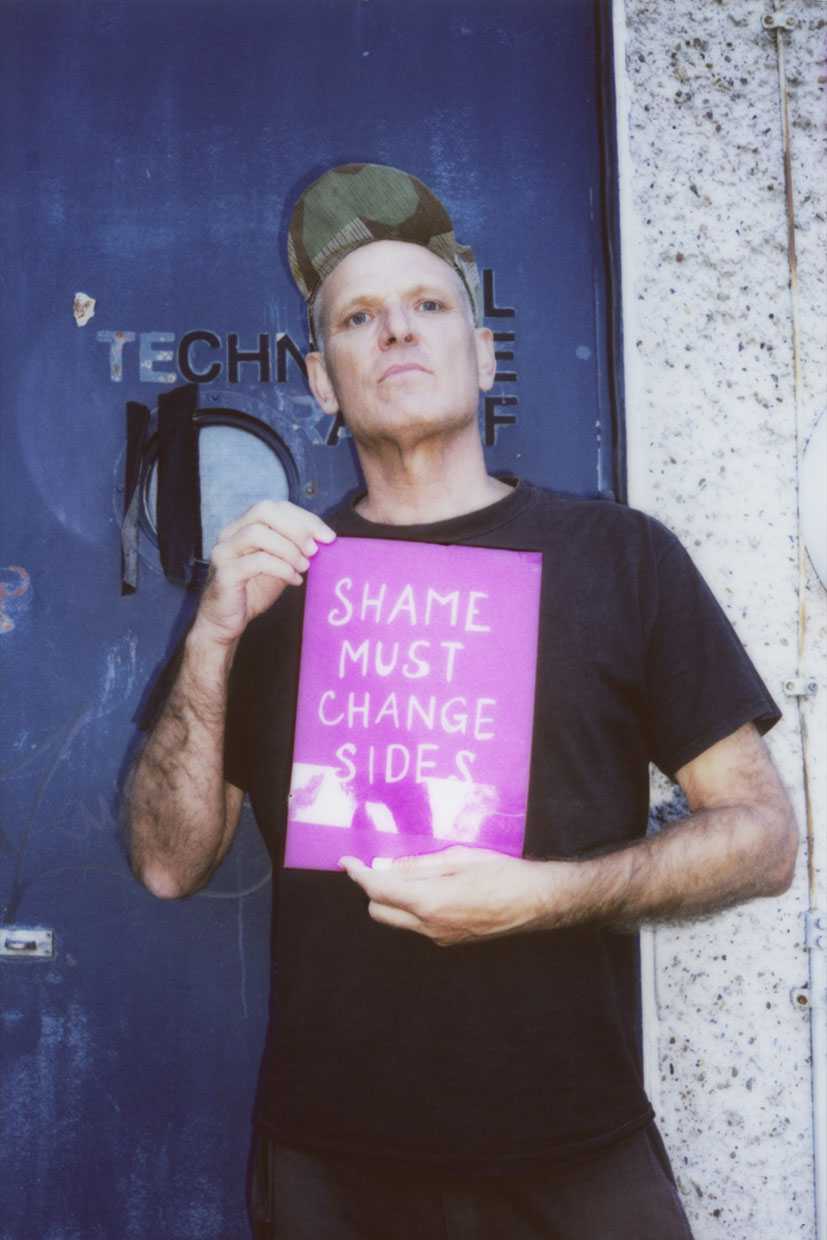
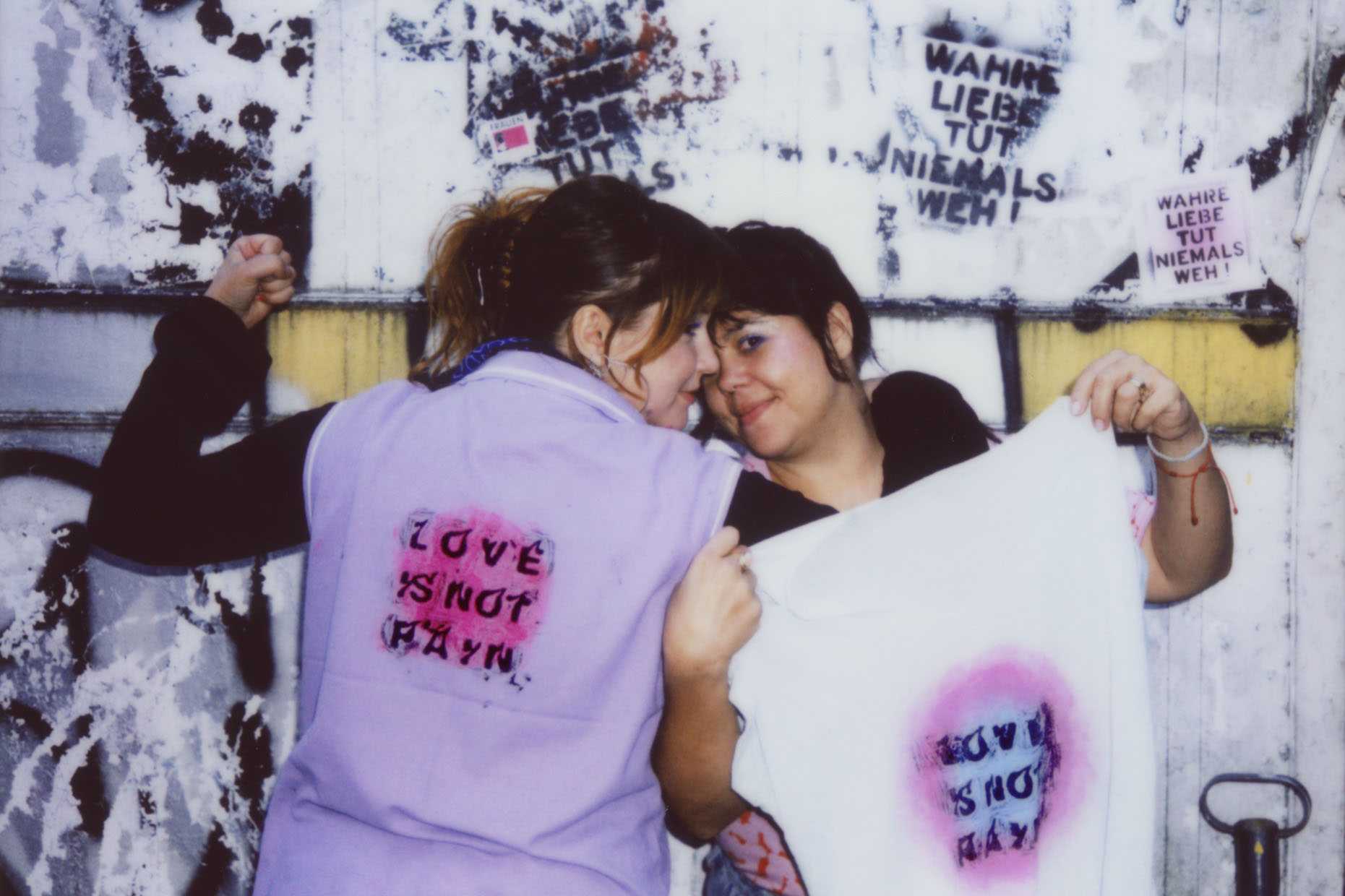
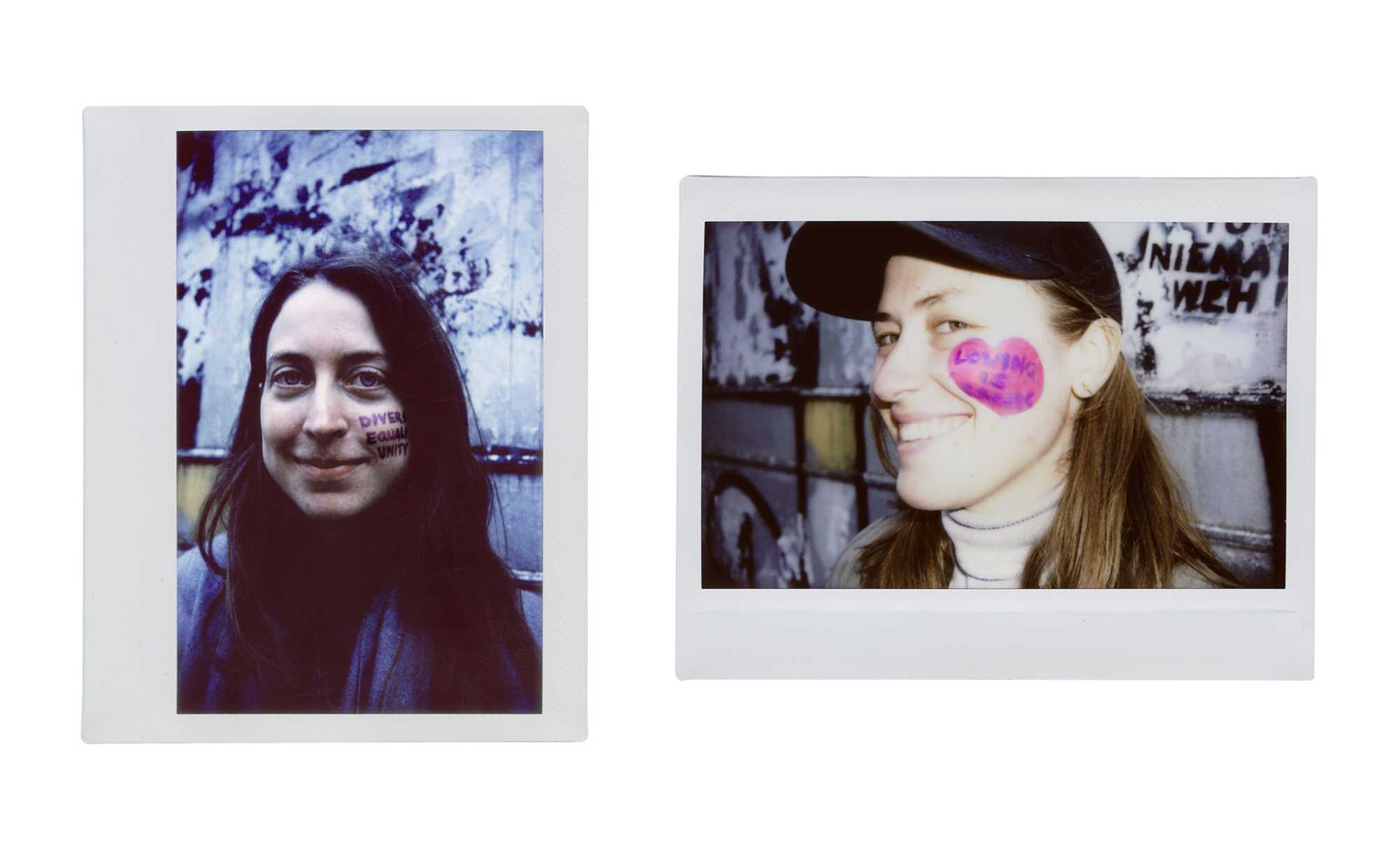
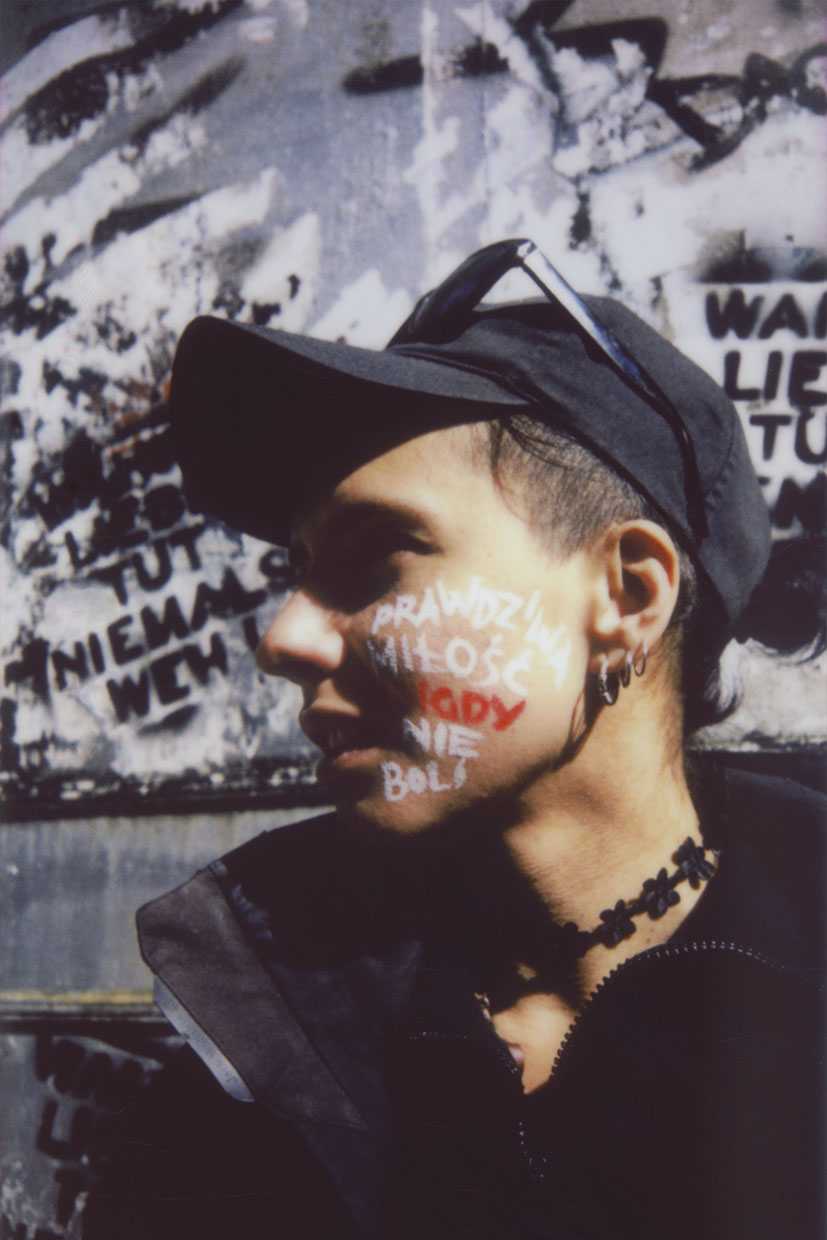
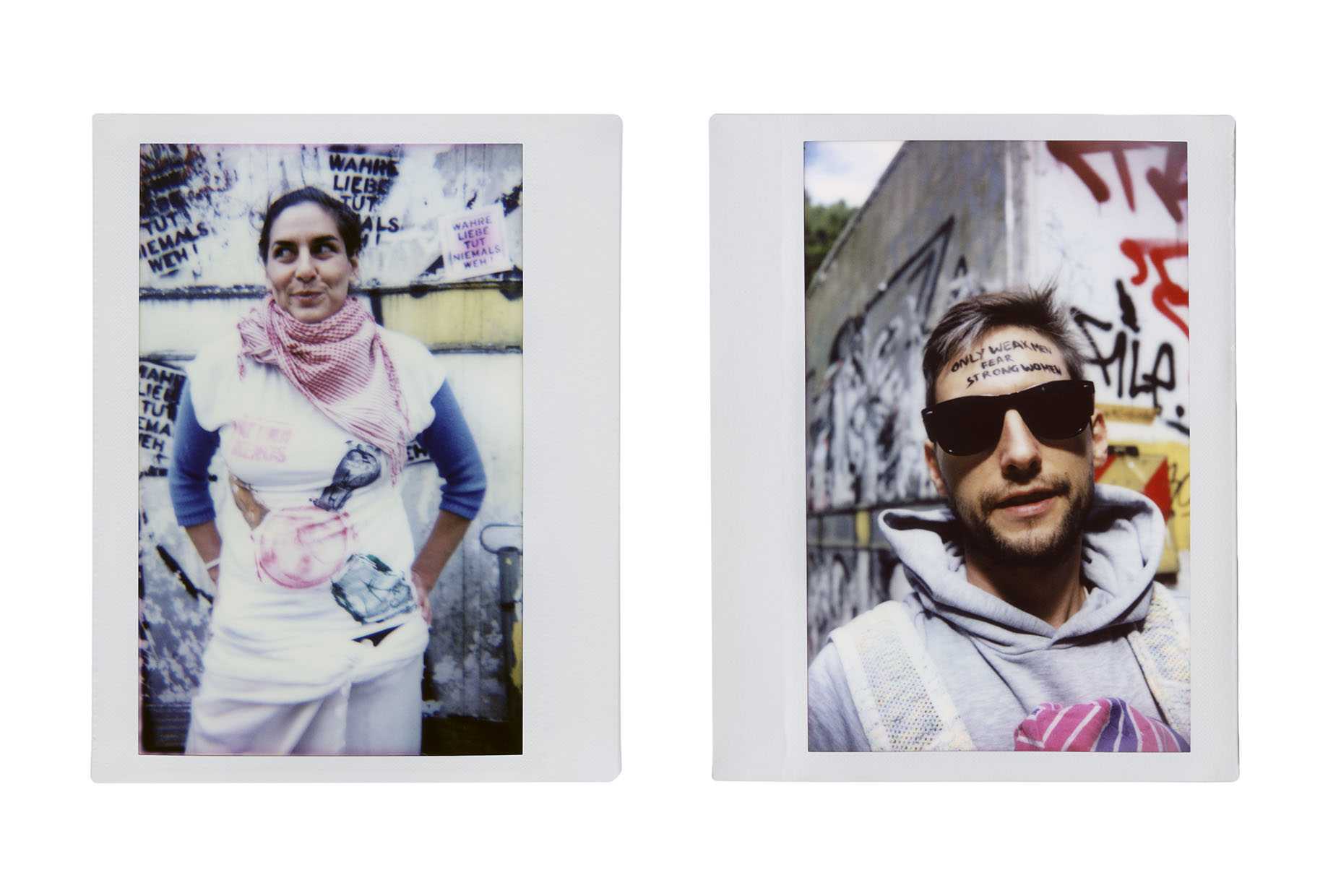
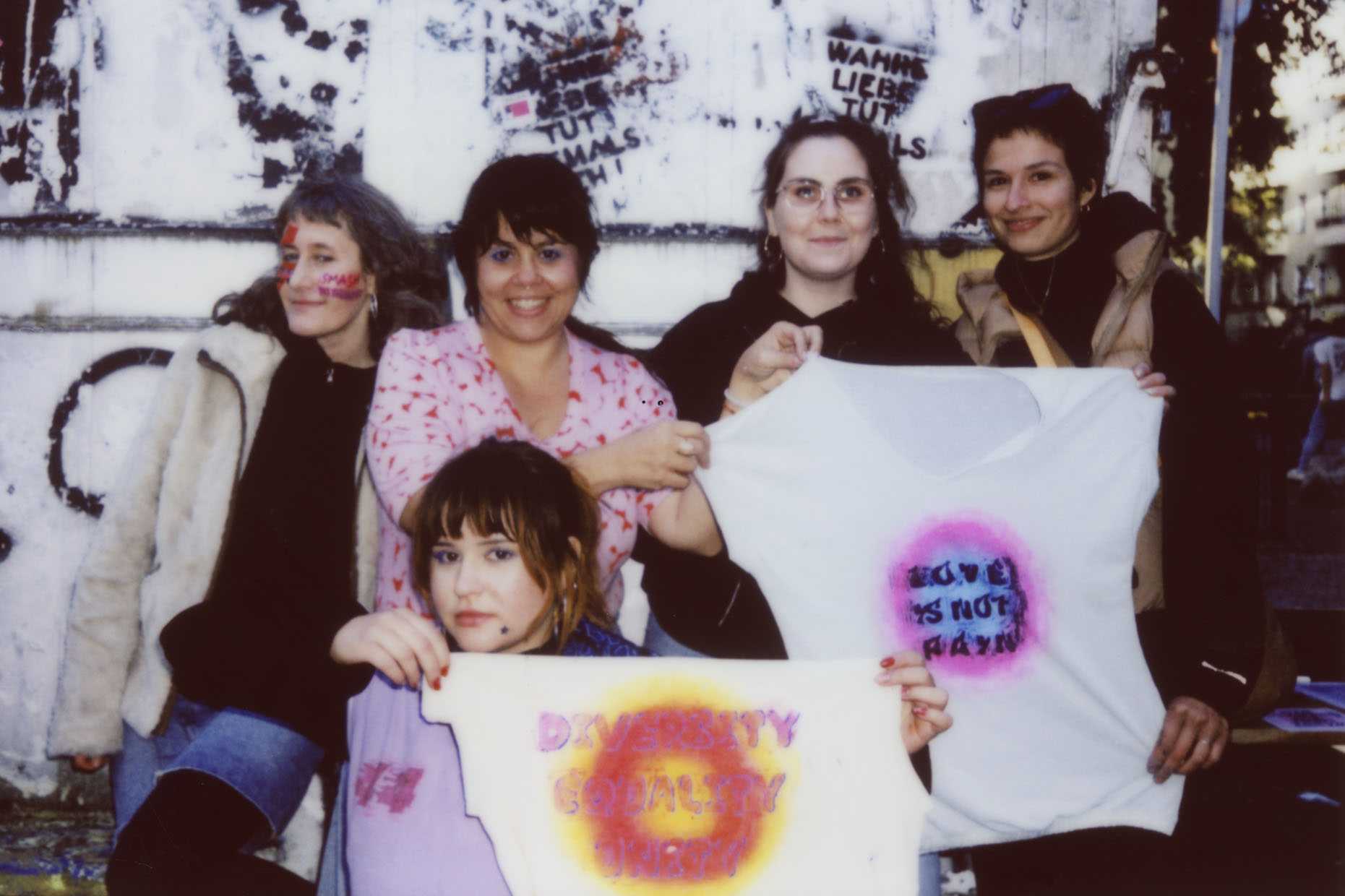
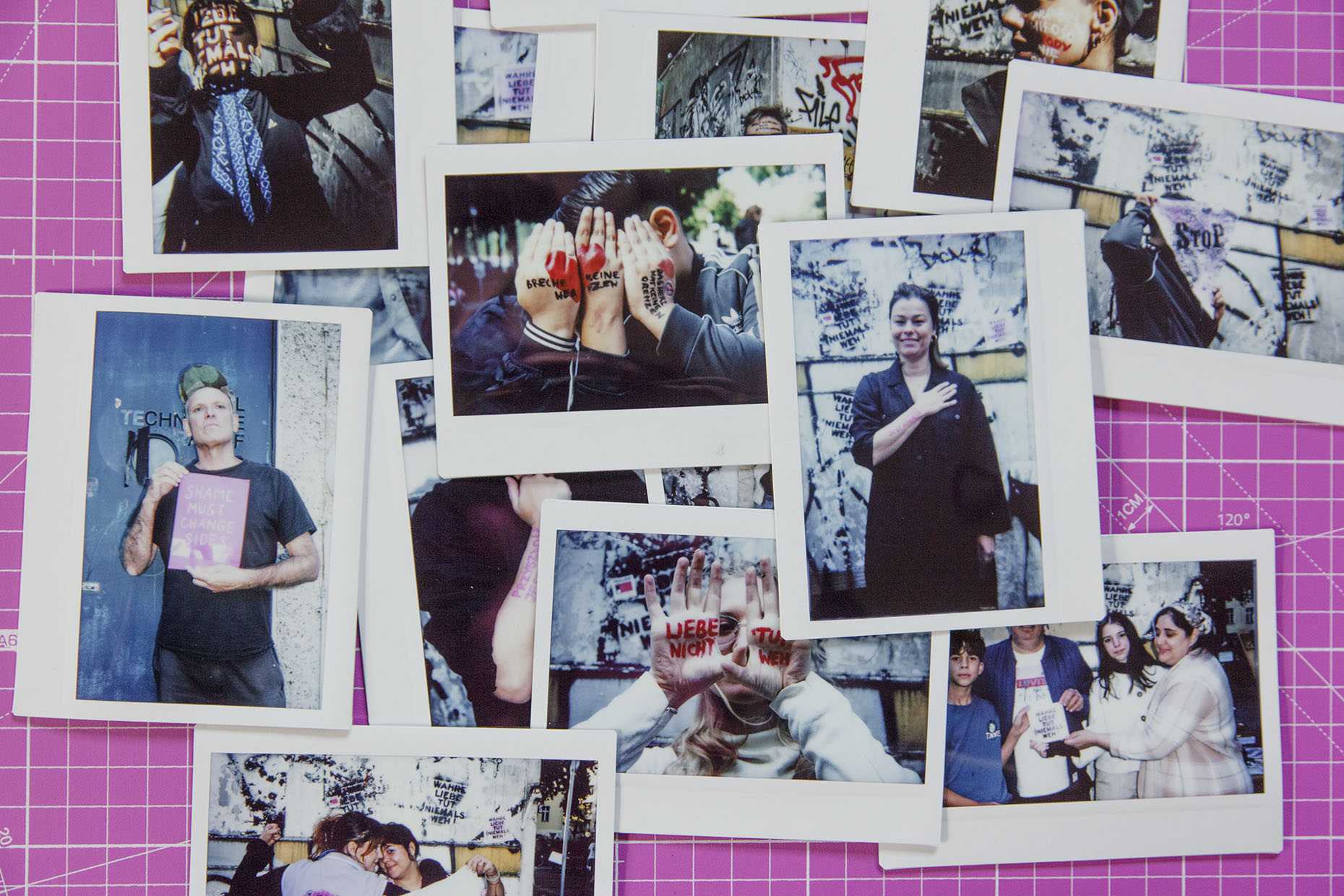
In 2024, Szproch brought her practice out of the gallery and into the street. At a neighborhood festival in Neukölln, she photographed volunteers holding or wearing empowering slogans against domestic violence — some inscribed directly onto skin. Her daughter Lena worked alongside her as a makeup artist and co-author of the slogans, making visible what is often invisible: that children, too, live with the consequences of domestic abuse. Every participant received a print to take home — the action continued beyond the festival, carried into private spaces by the people who had chosen to be part of it.
The collaboration was with StoP, an initiative that mobilizes residents to actively support those affected by domestic violence in their immediate surroundings. The project's premise: domestic violence is not a private matter. Neighbors, witnesses, and bystanders are not neutral — they can choose to stand with survivors rather than look away.
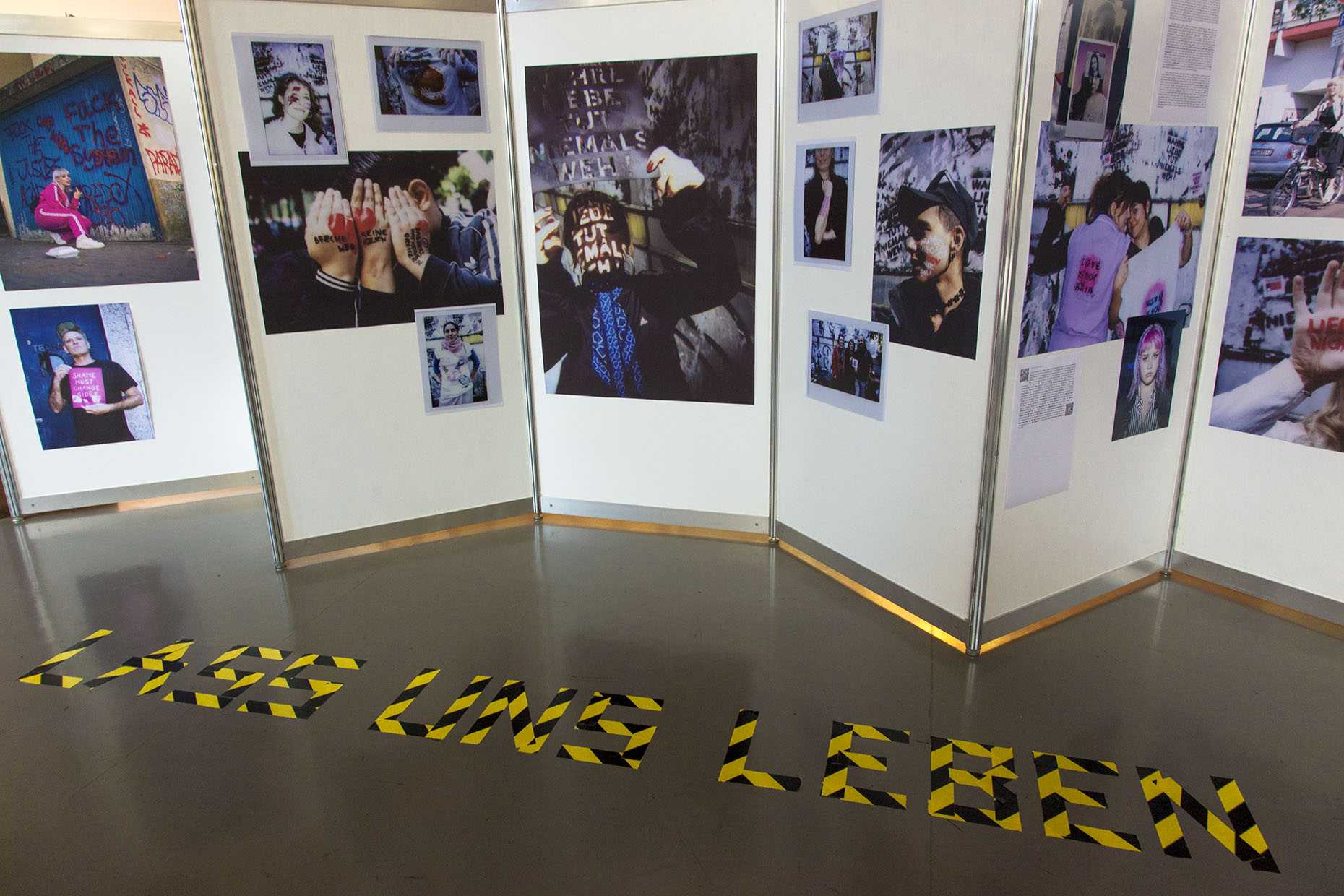
Selected photographs were enlarged and exhibited at Rathaus Neukölln, a civic institution deliberately chosen over a gallery space. For Szproch, showing this work in a public building was itself a statement.
The collaboration also exposed a structural contradiction that Szproch did not expect from an organization working specifically against domestic violence. She was asked to speak publicly about her experience — and did so, with courage — but without the basic conditions that trauma-informed practice requires. The principle is straightforward: organizations that work with survivors must actively resist retraumatization, not merely avoid causing obvious harm. When that does not happen, the burden falls, once again, on the person who was already harmed.
Perpetrators remain protected. Survivors do the work, absorb the cost, and are left to recover on their own. Szproch's willingness to be vulnerable became, in the end, the resource the project consumed. That, too, is part of the record.
A collaboration with StoP – Neighborhoods Without Domestic Violence, the Frauen in Neukölln network, and the Equal Opportunities Commissioner. Supported by "Partnerschaft und Demokratie Neukölln" within the federal programme "Demokratie leben!" (Democracy Alive!).
Next Project
Mäusebunker
Mäusebunker
Mäusebunker
2024
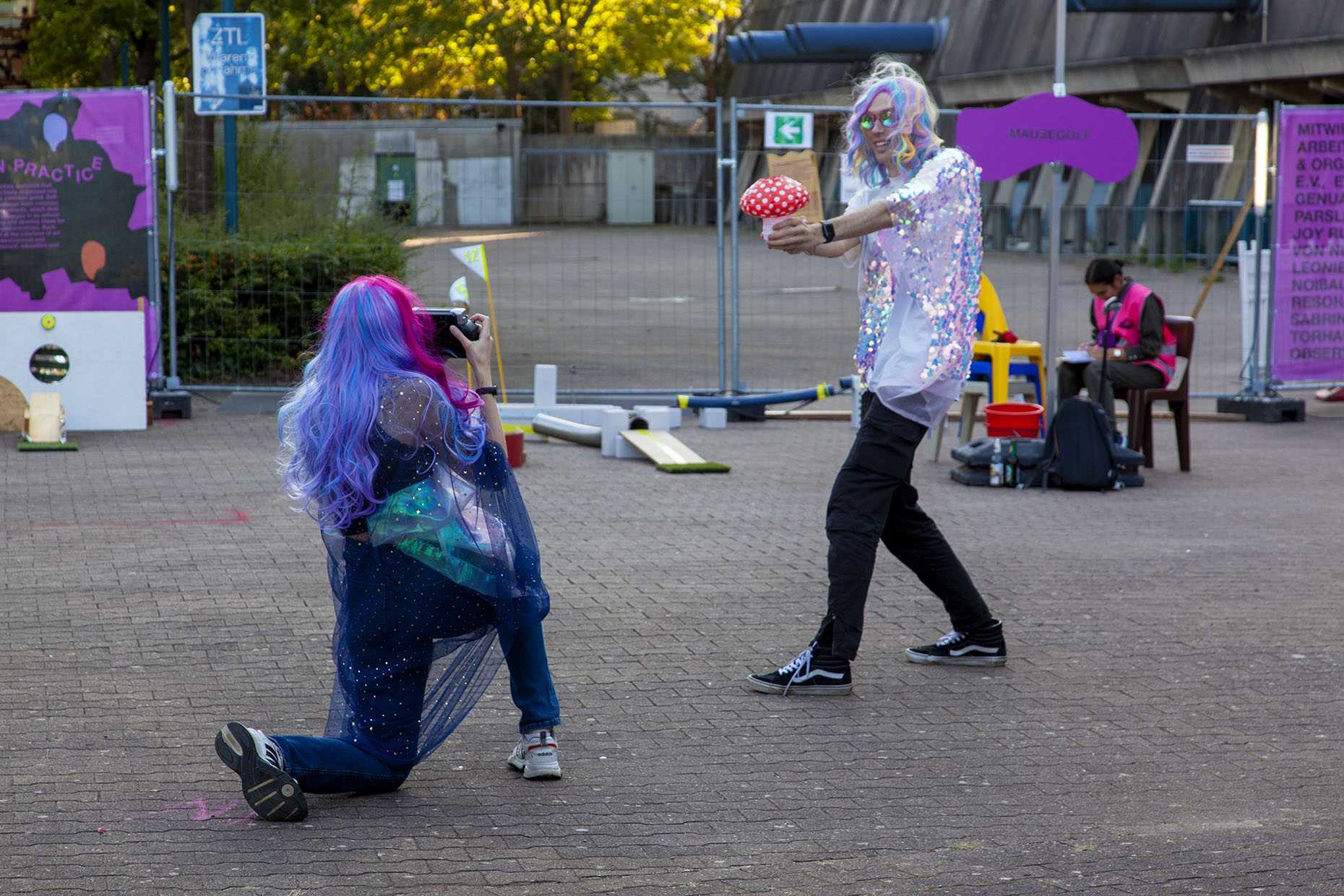
FANTASIZING IN OUR HOOD
Workshop, Mäusebunker Festival of City Wellbeing / Urbane Praxis, Berlin, DE, 2024
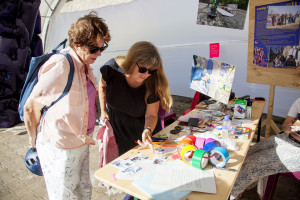
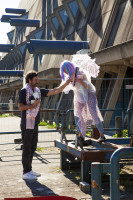
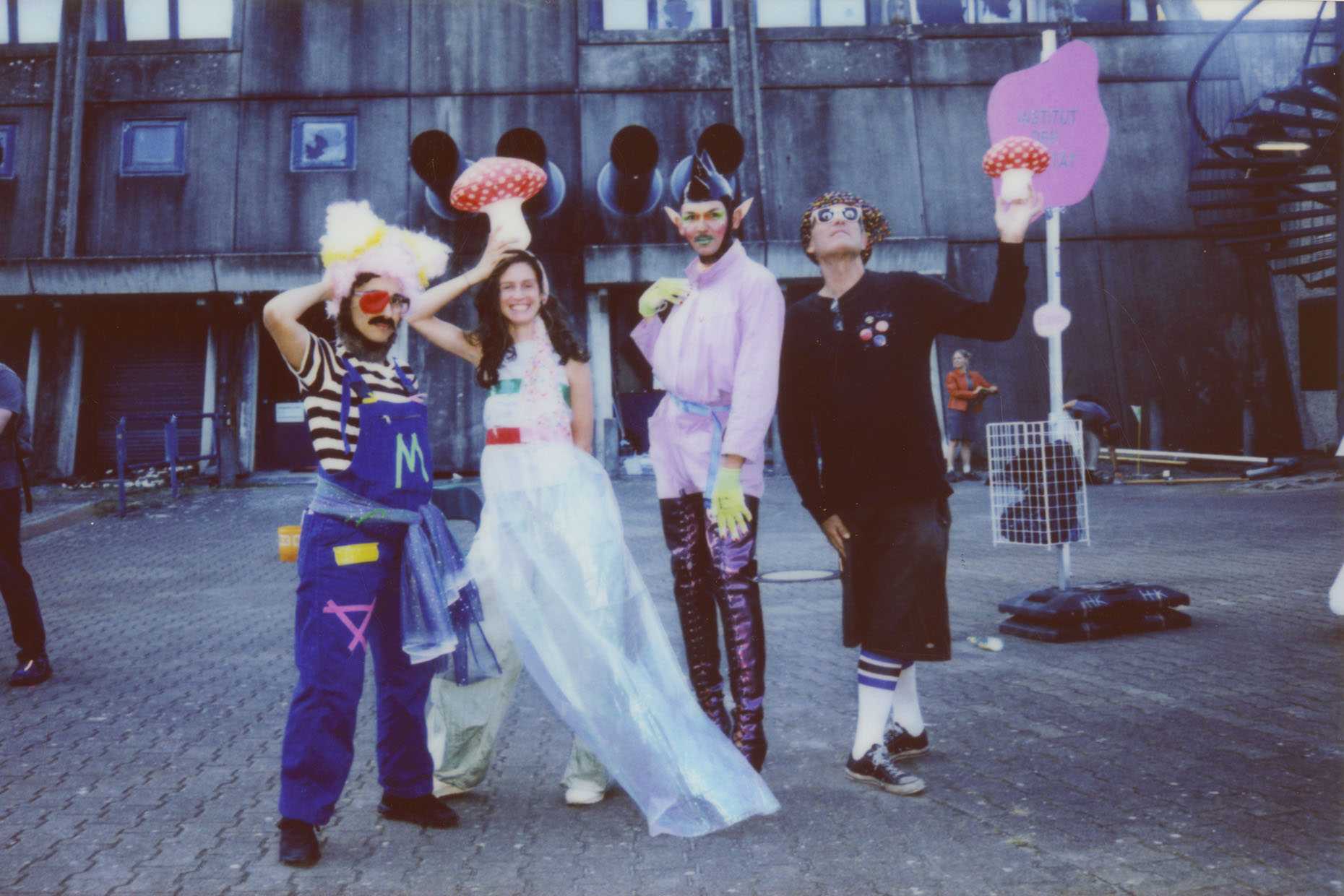
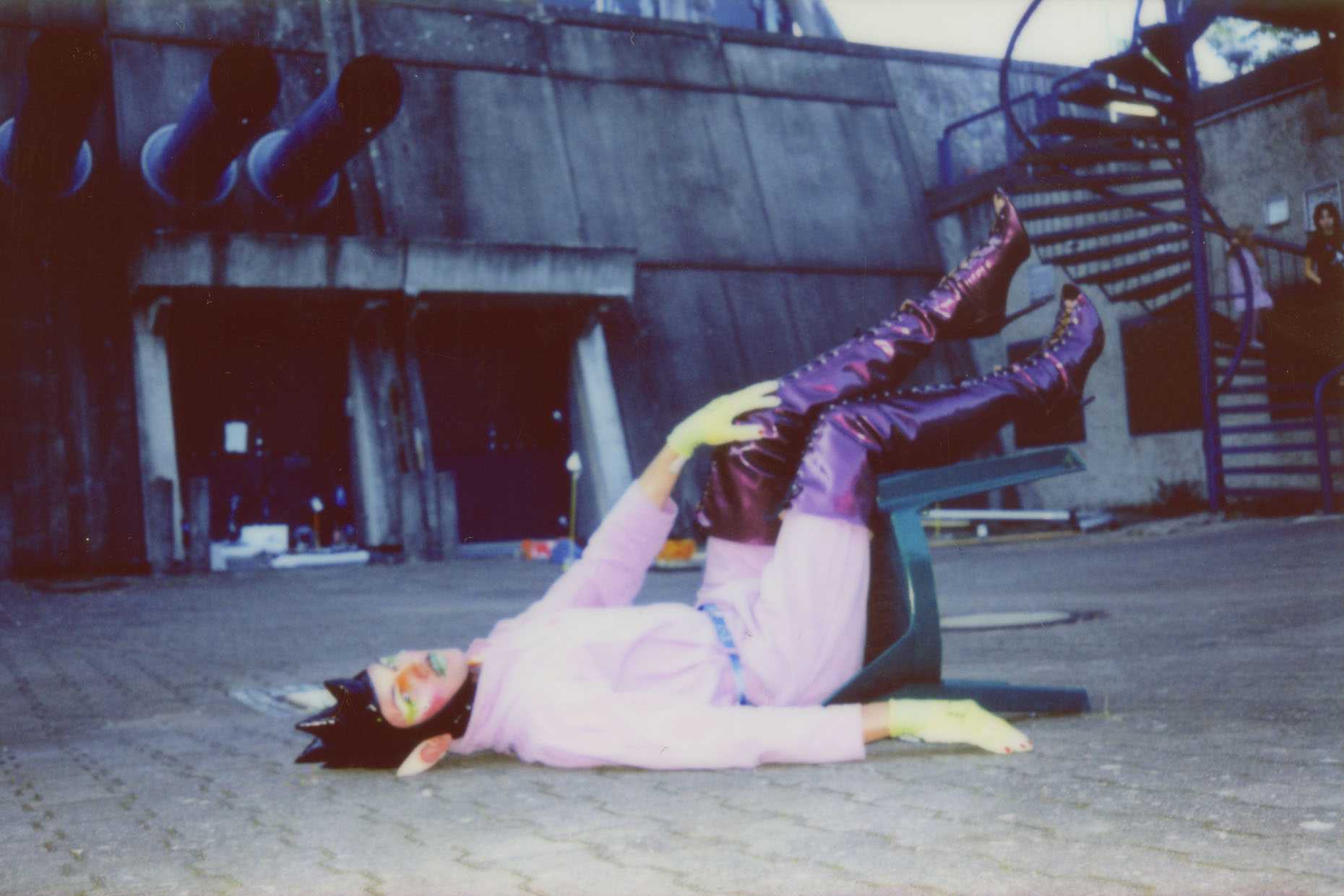
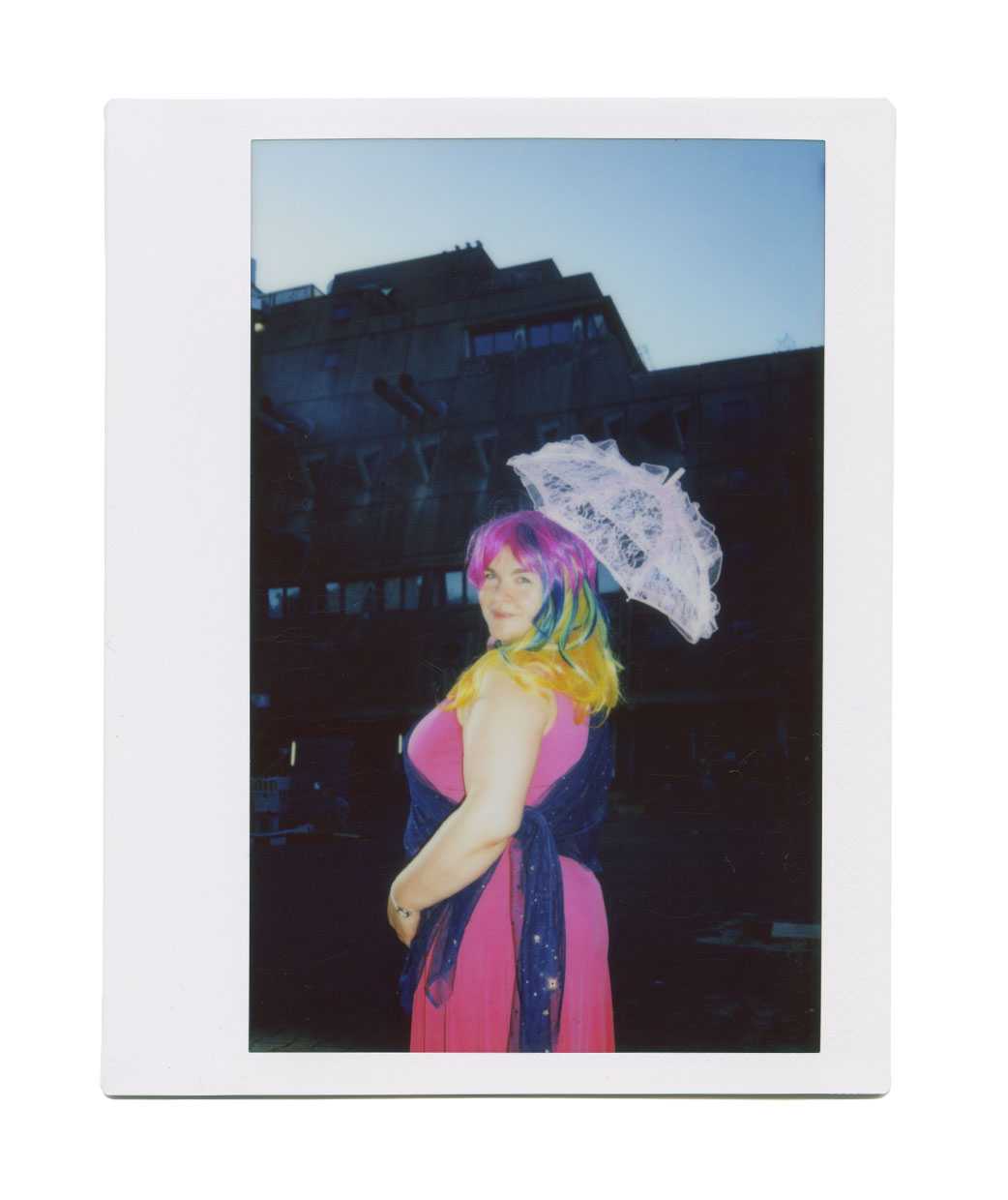
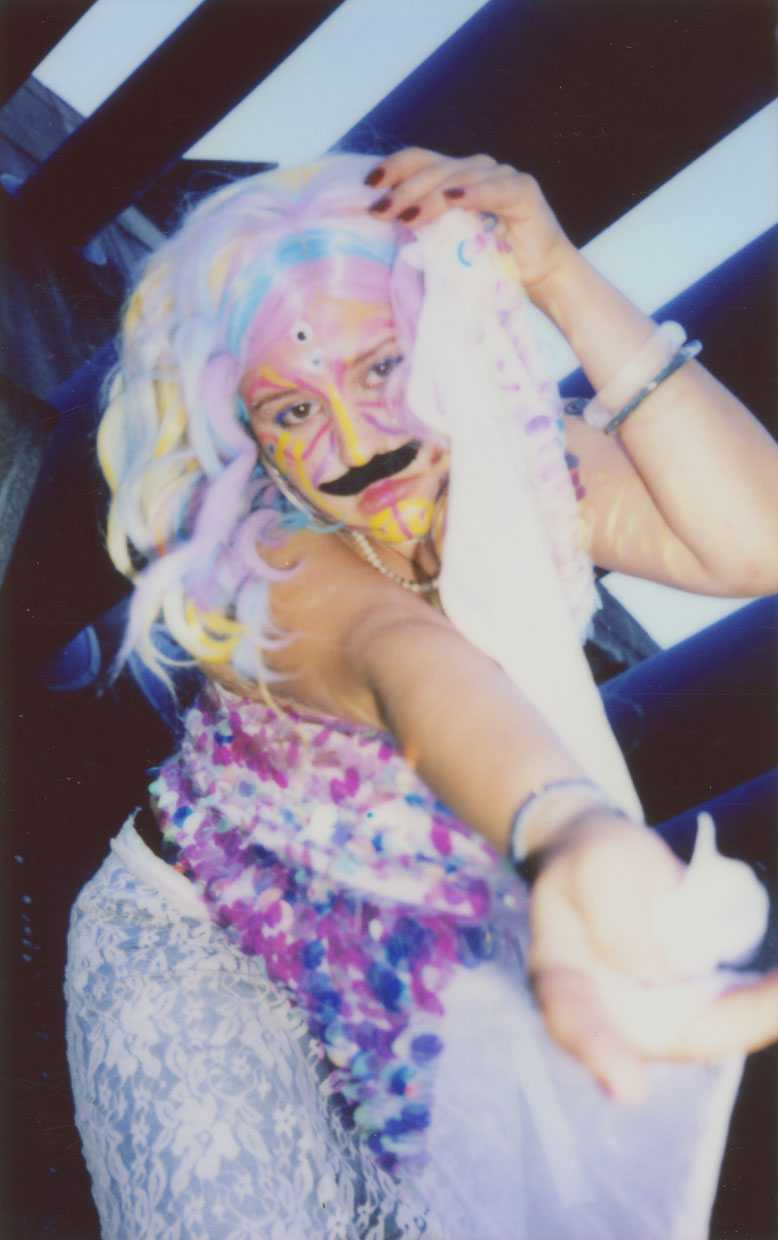
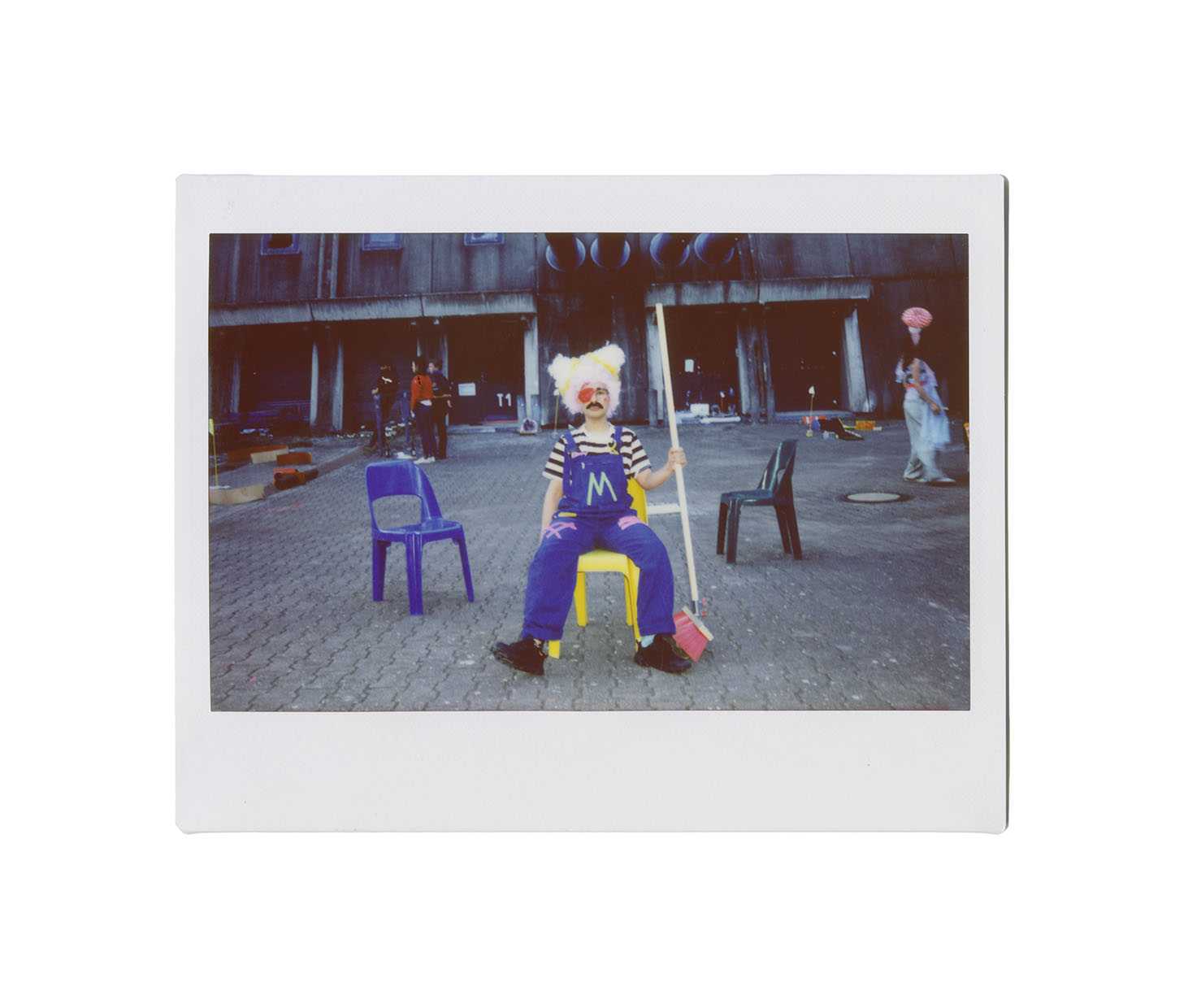
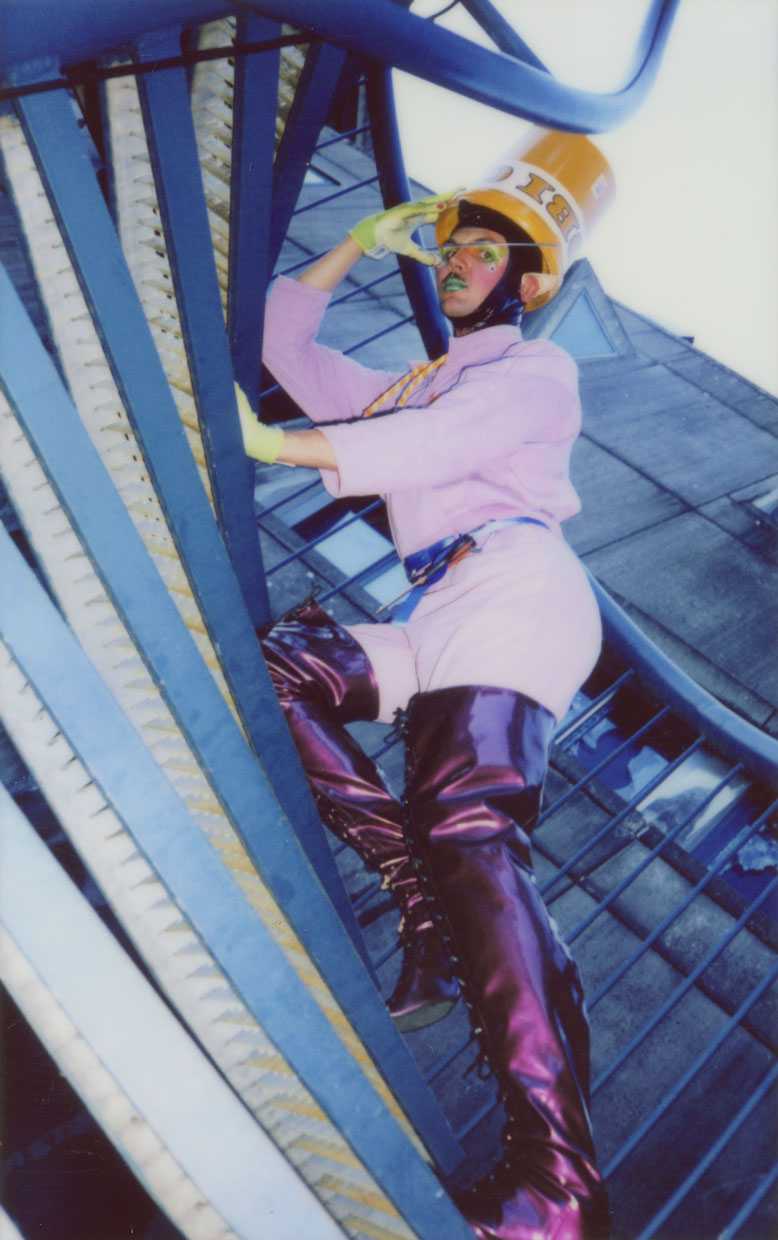
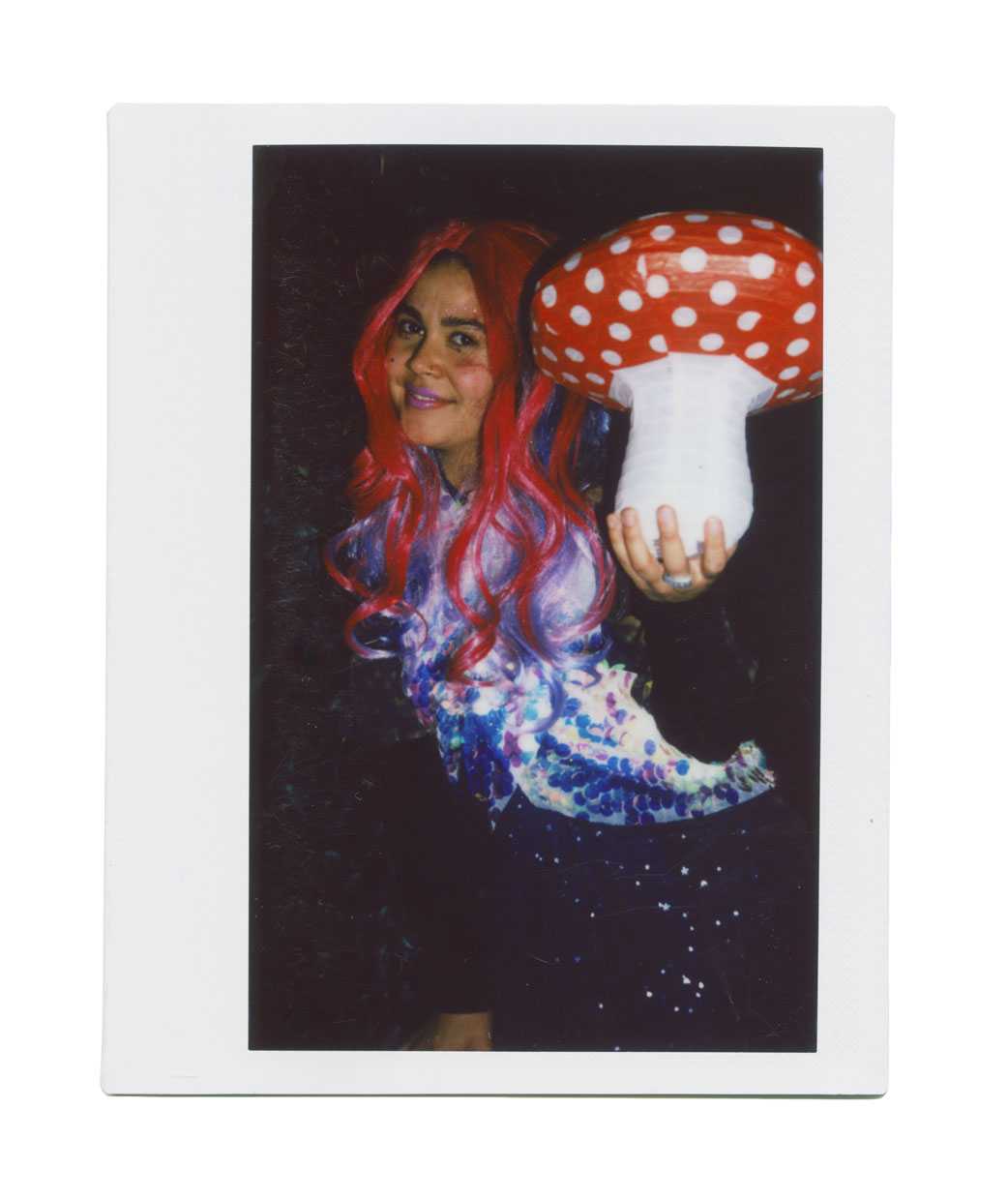
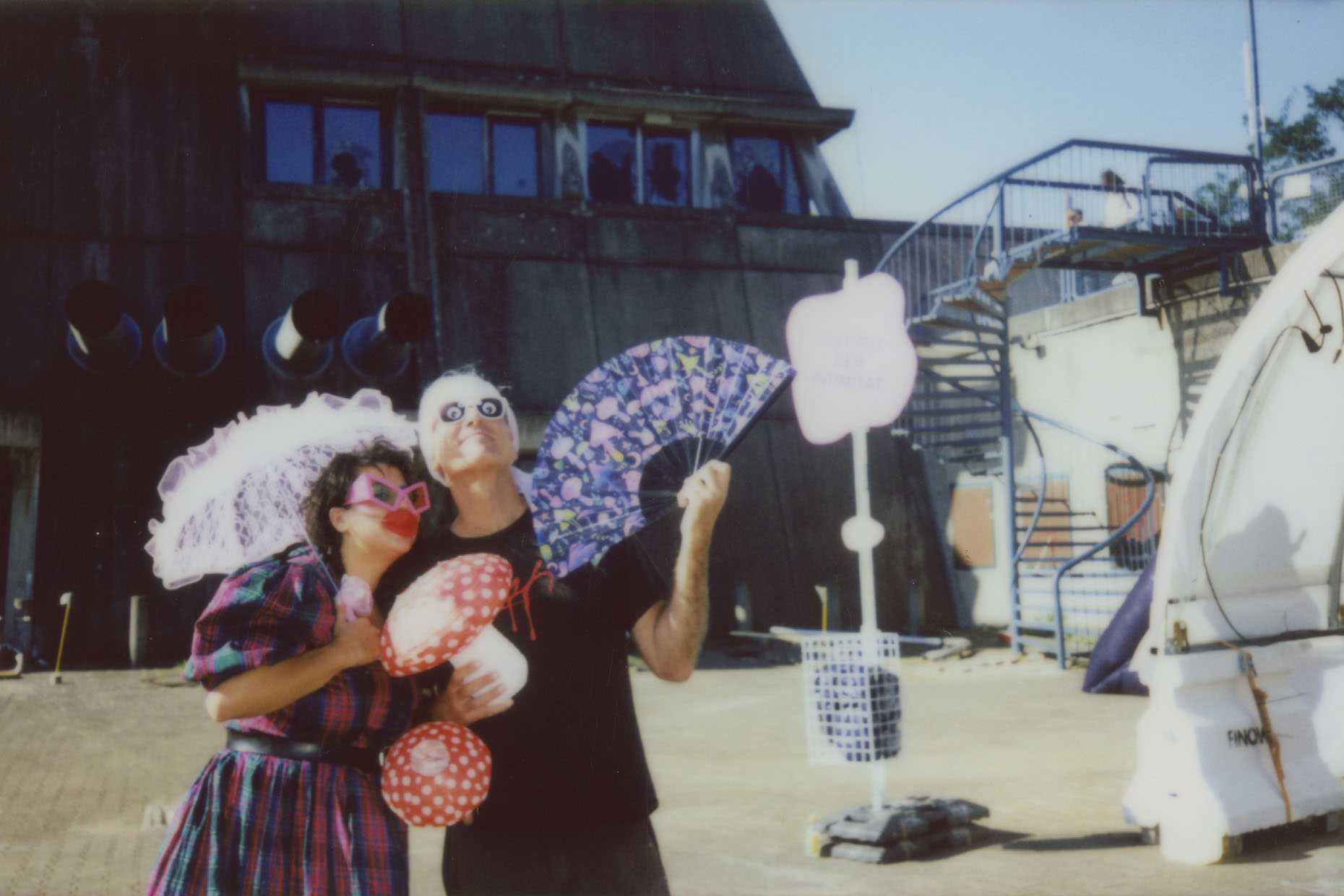
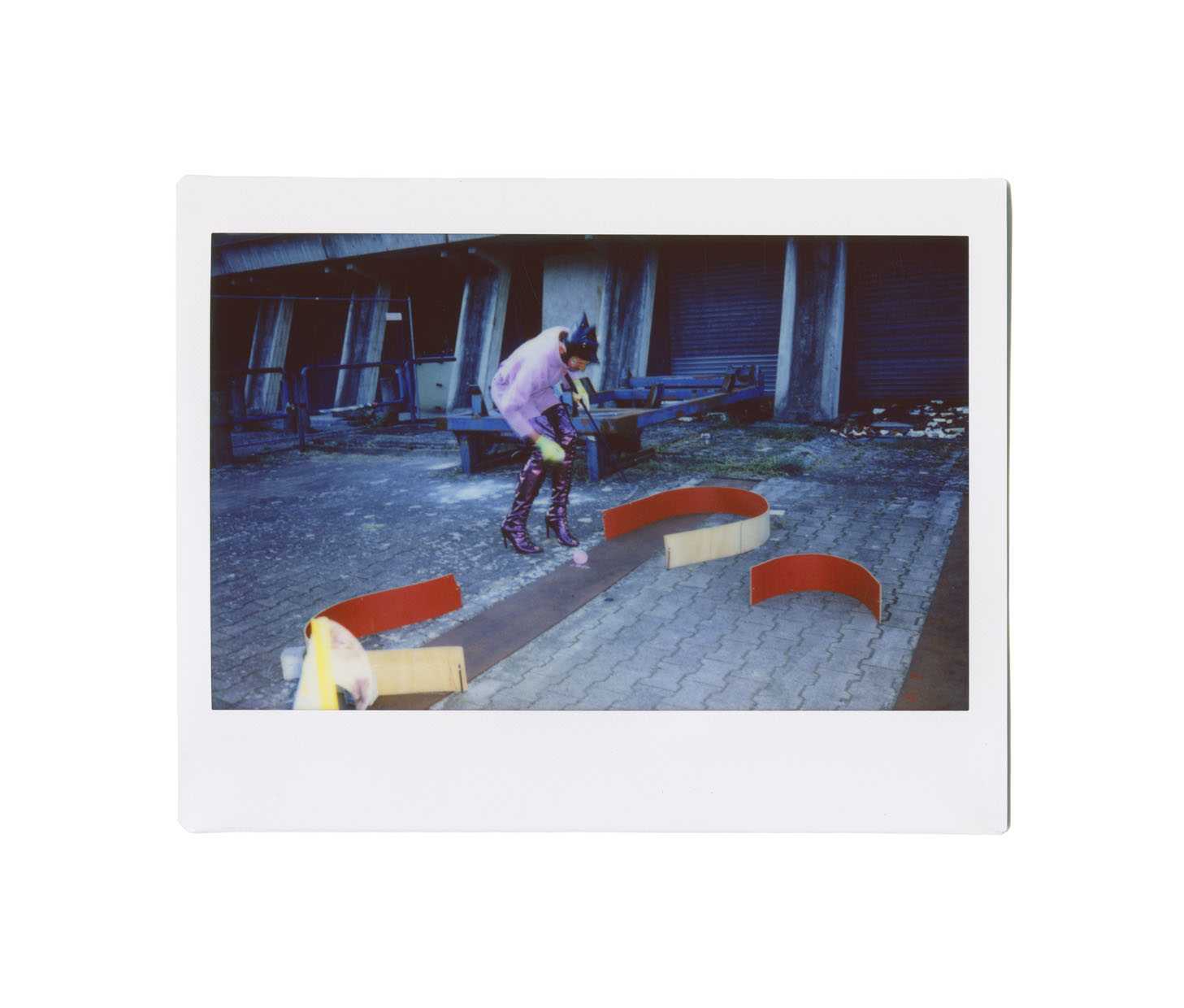
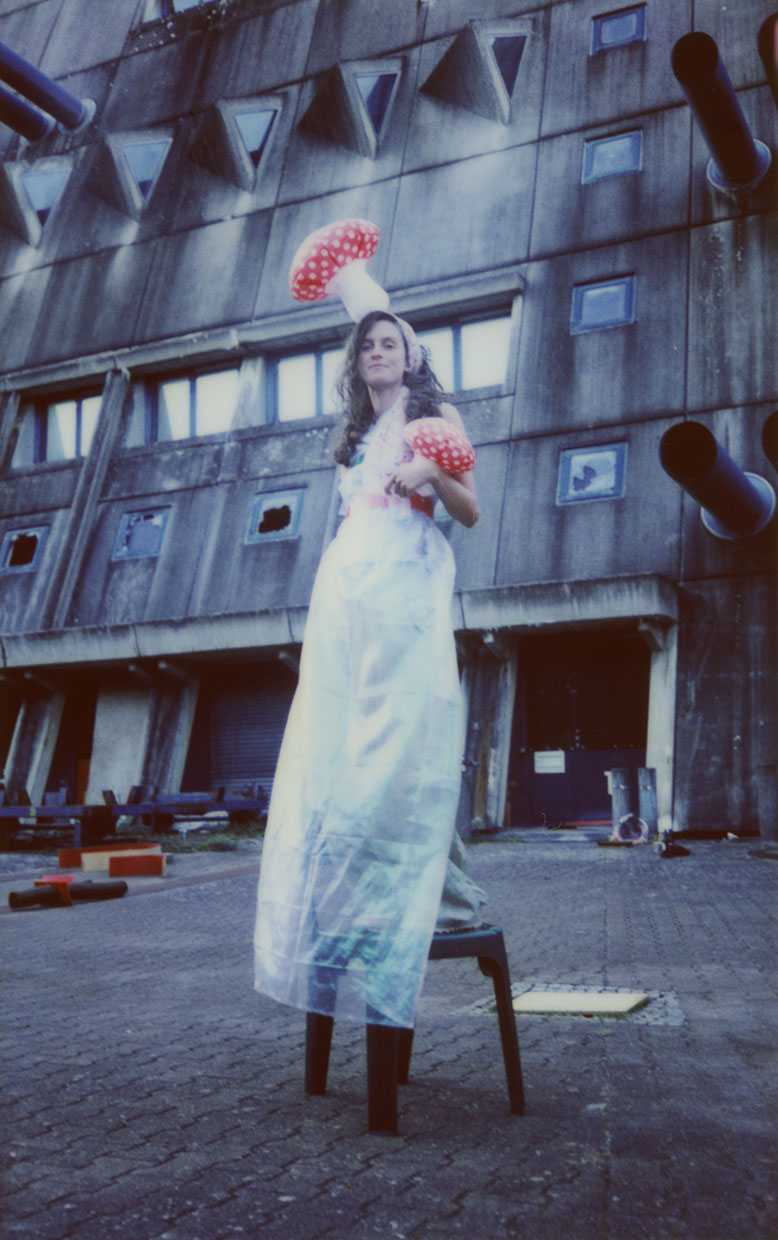
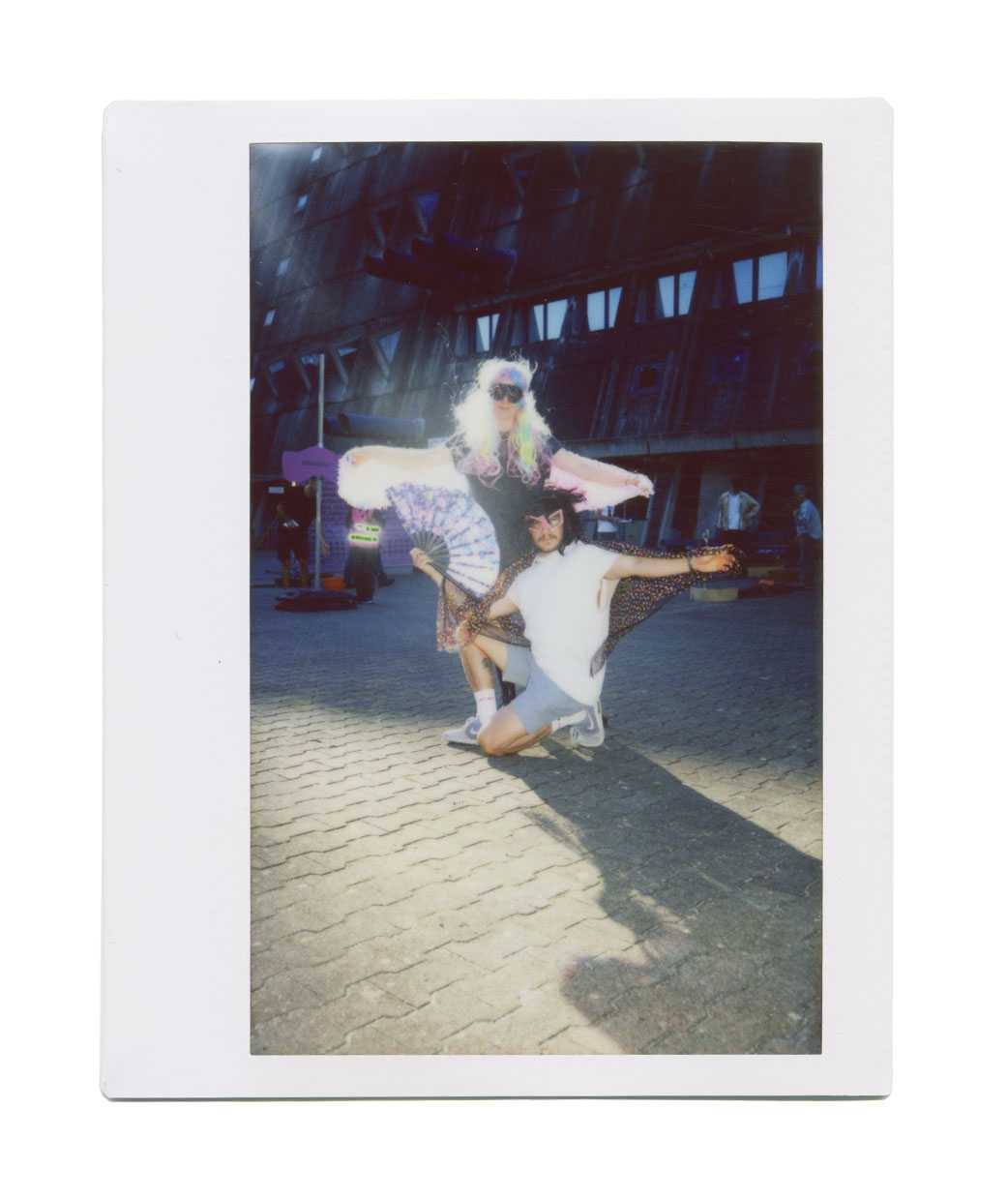
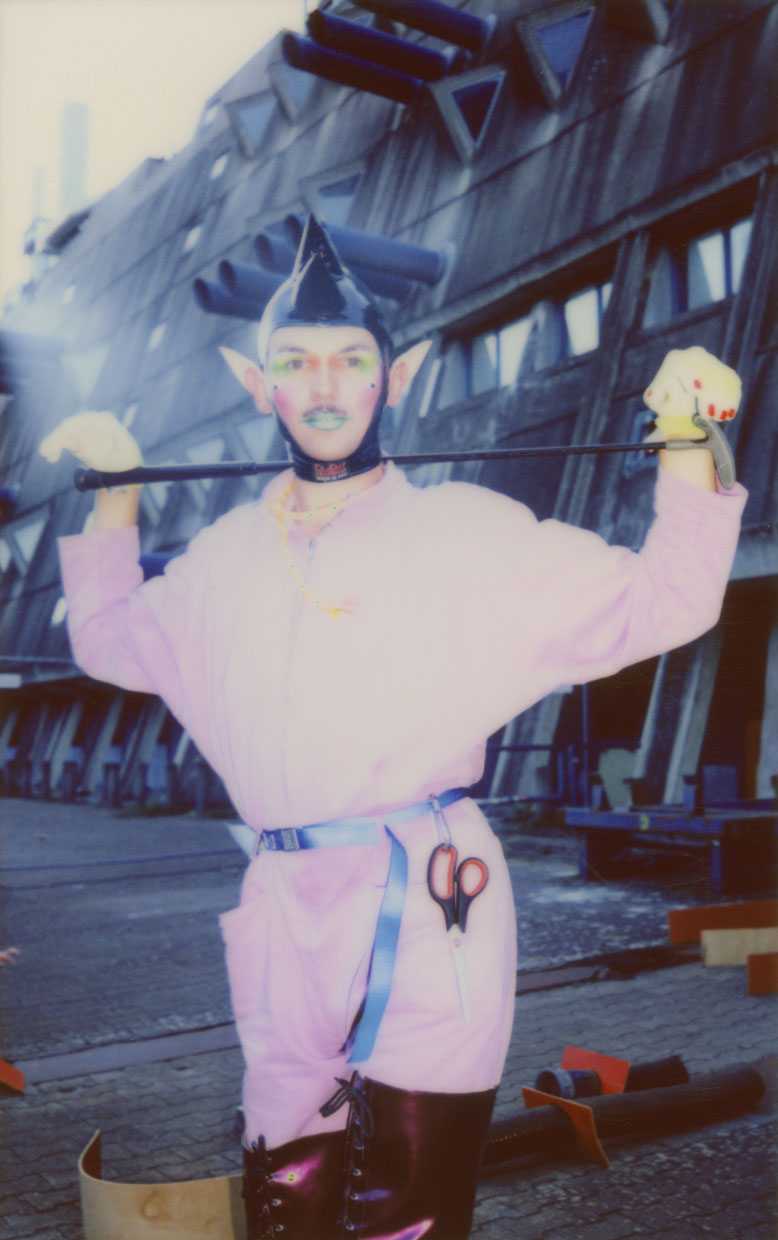
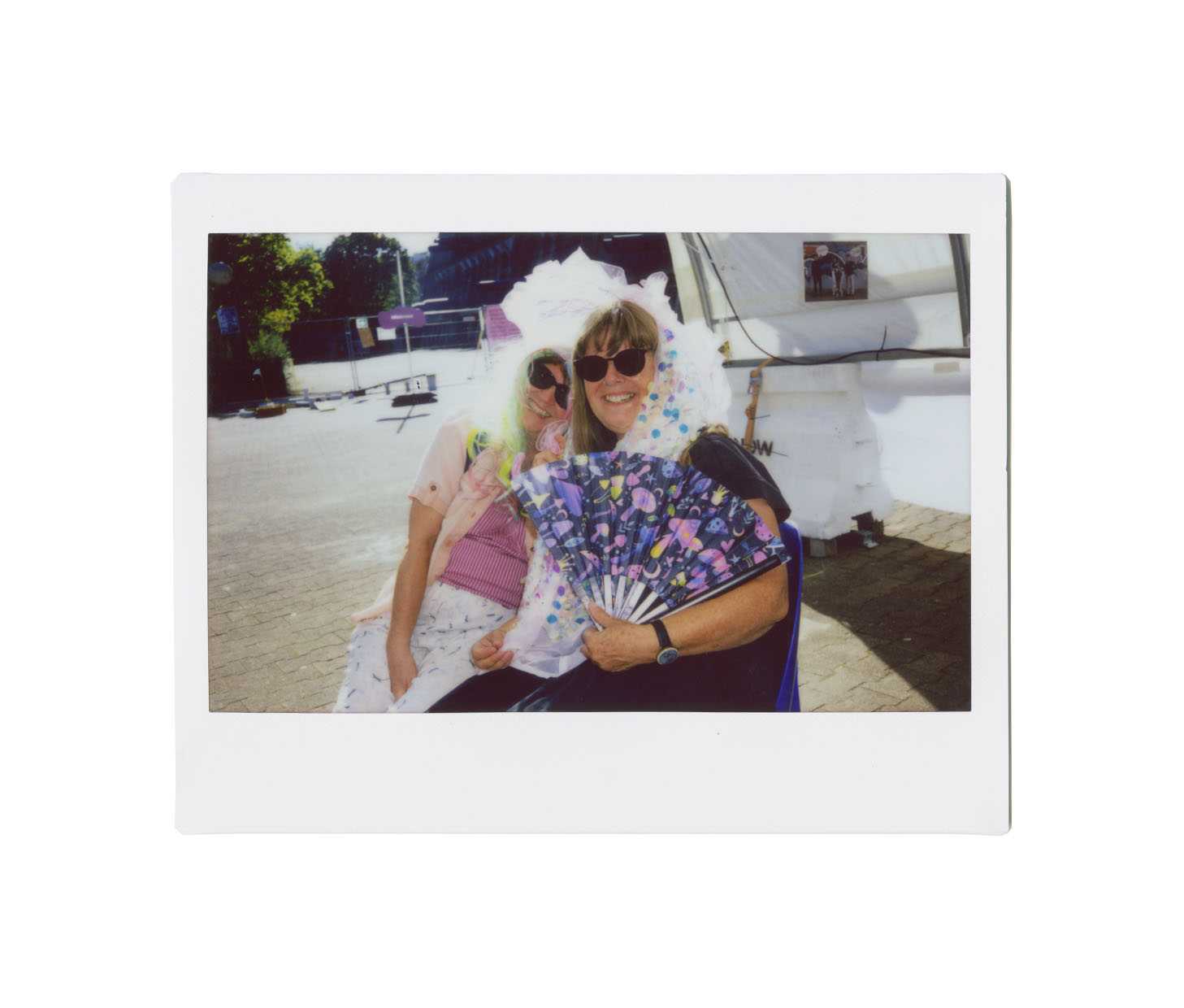
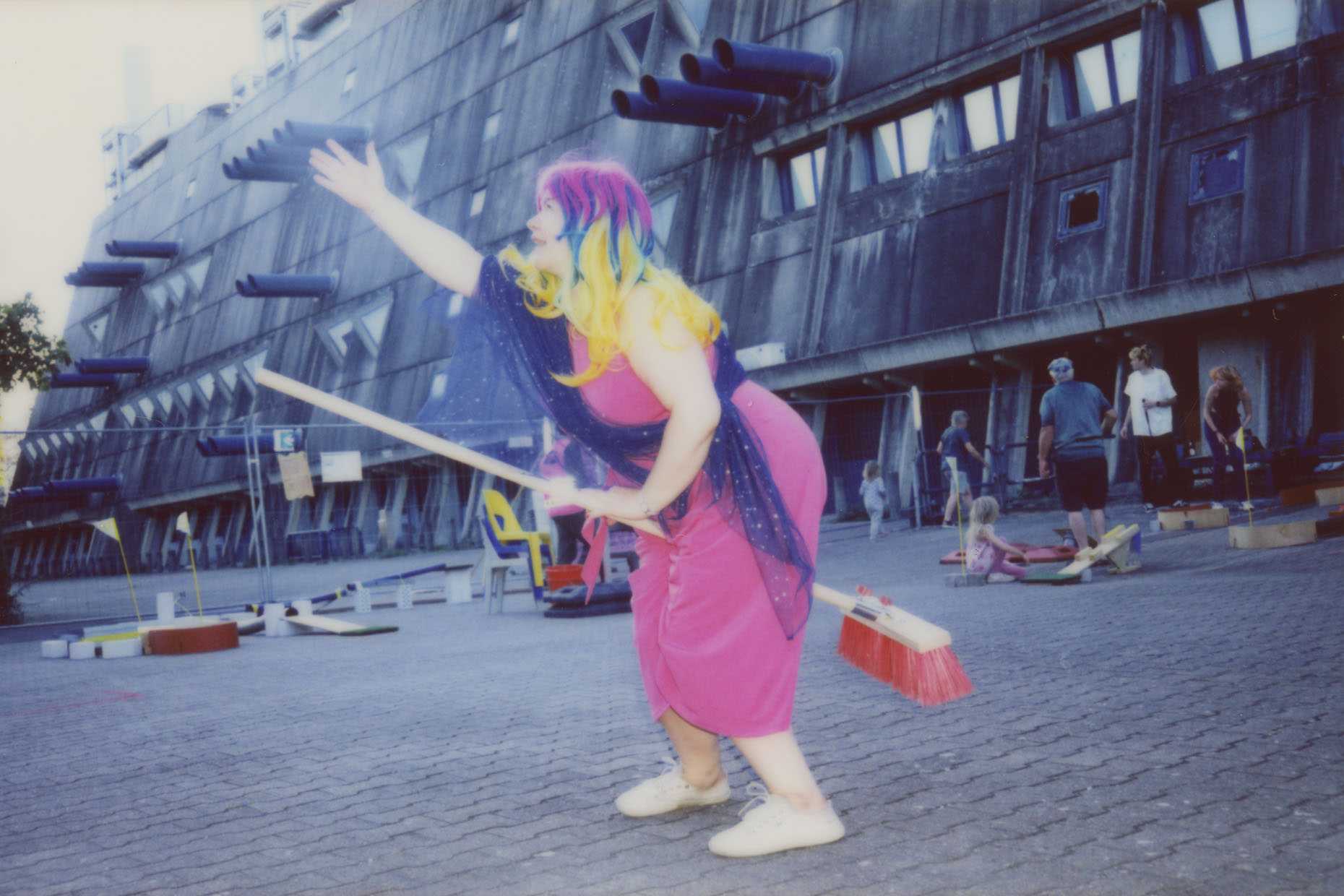
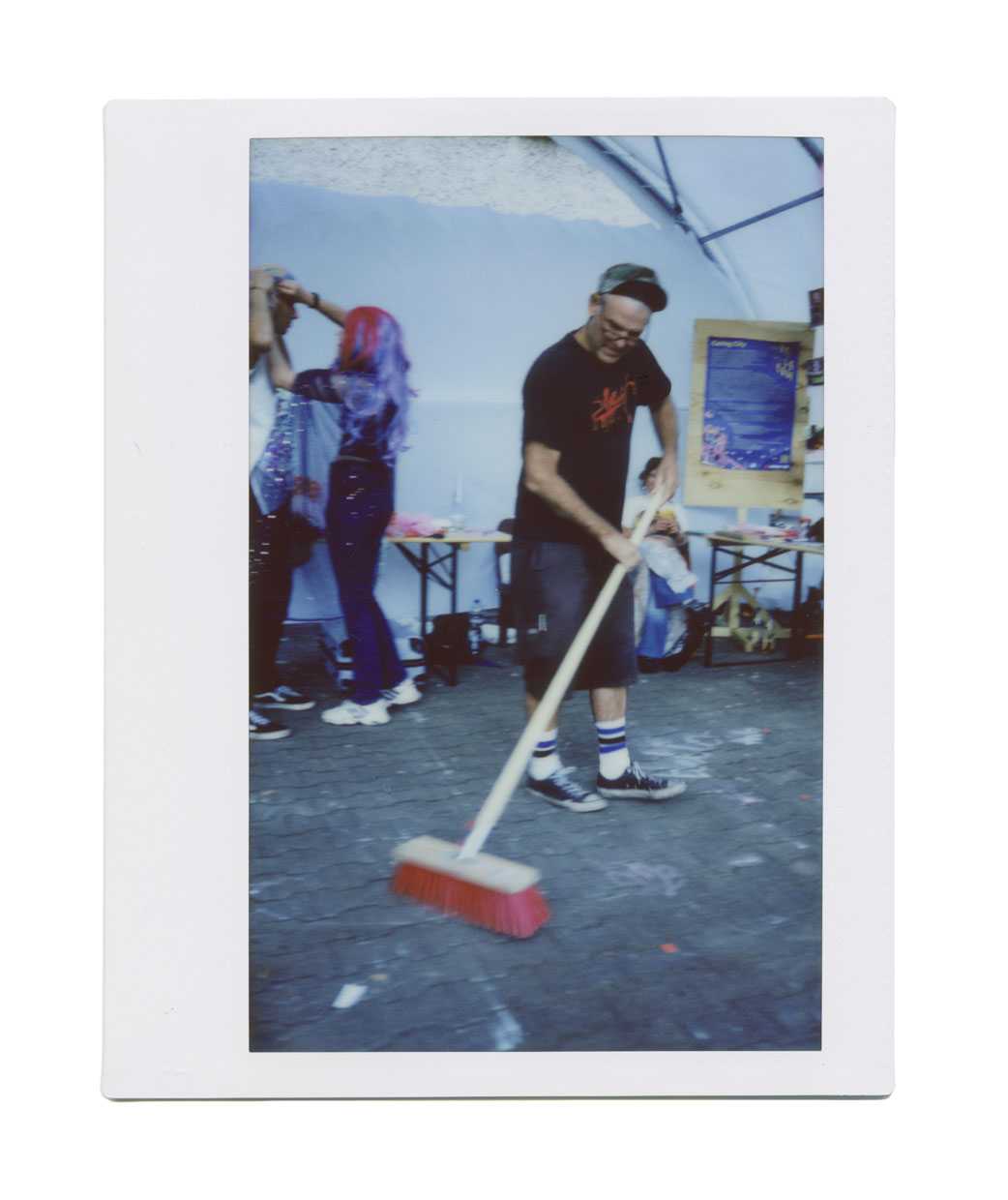
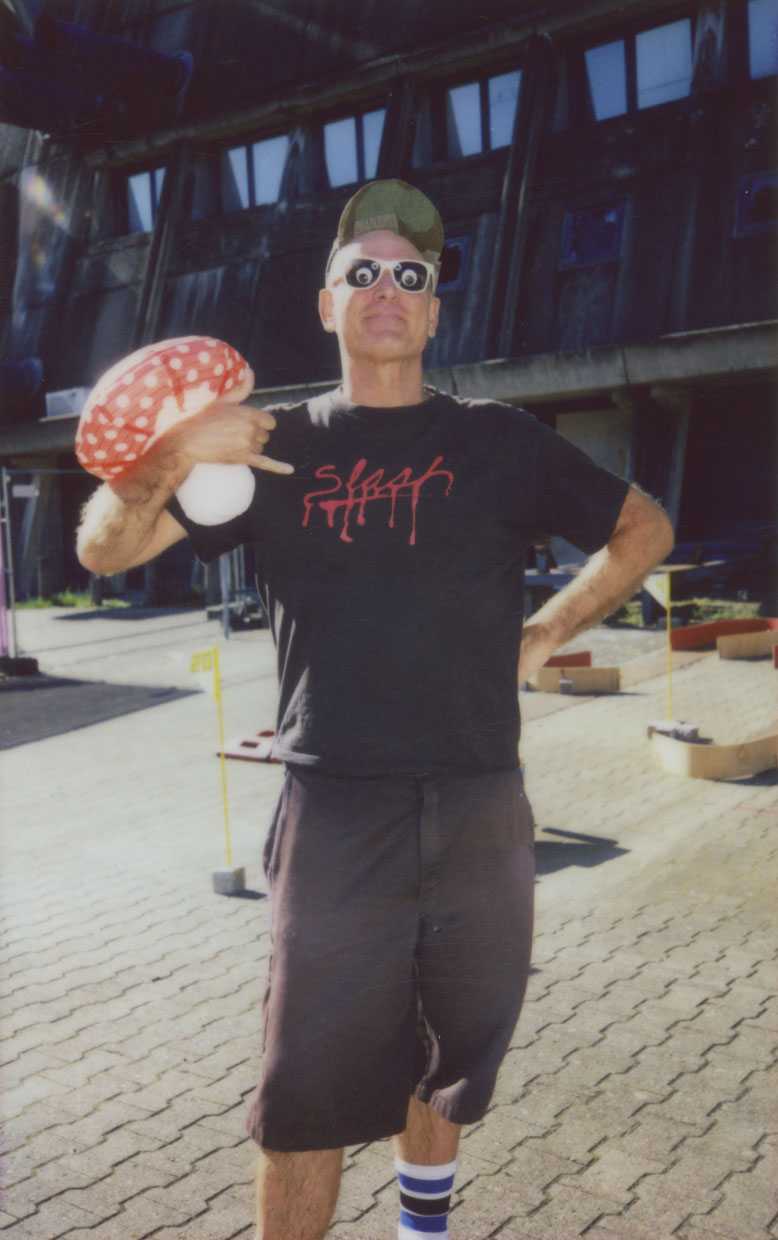
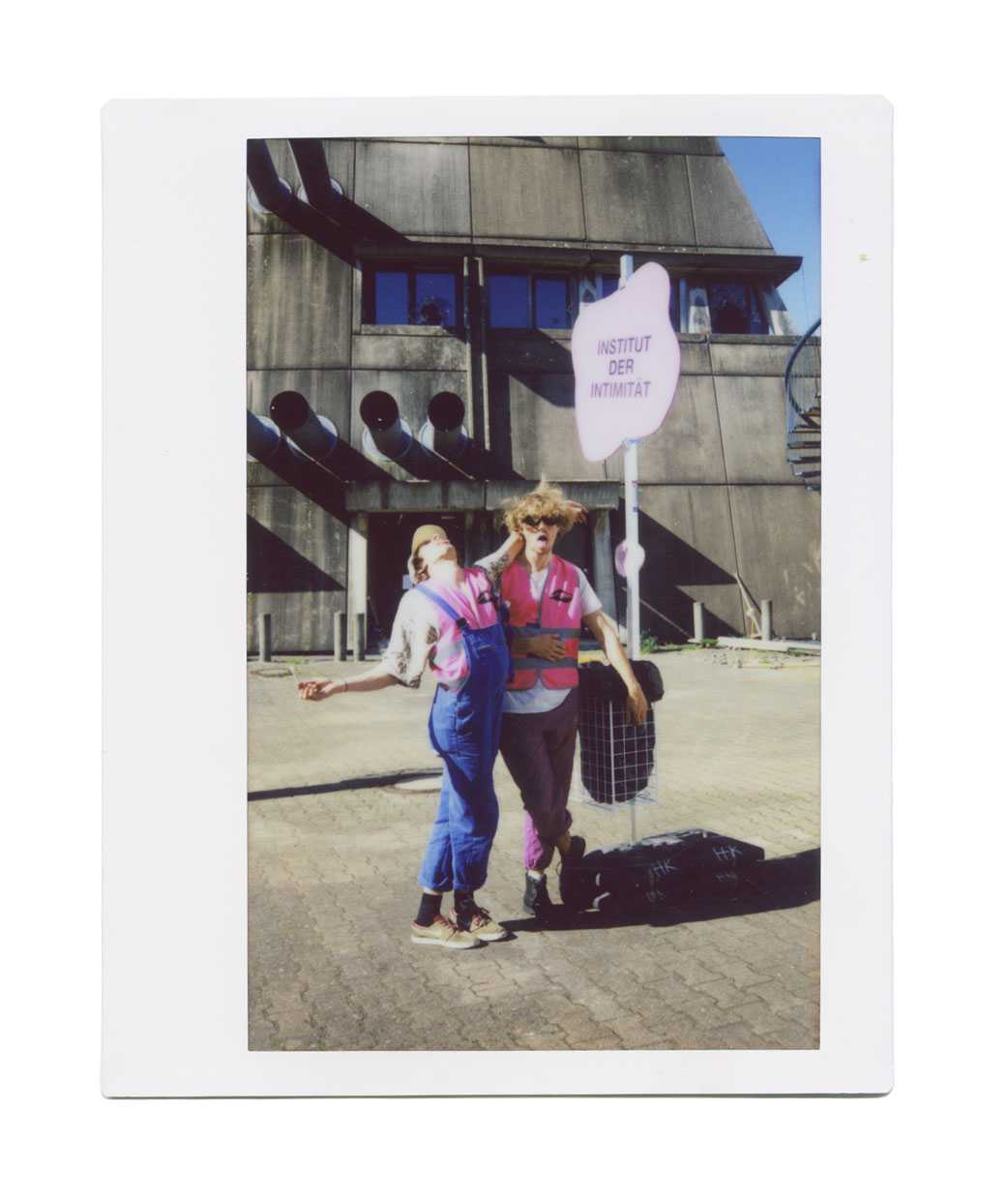
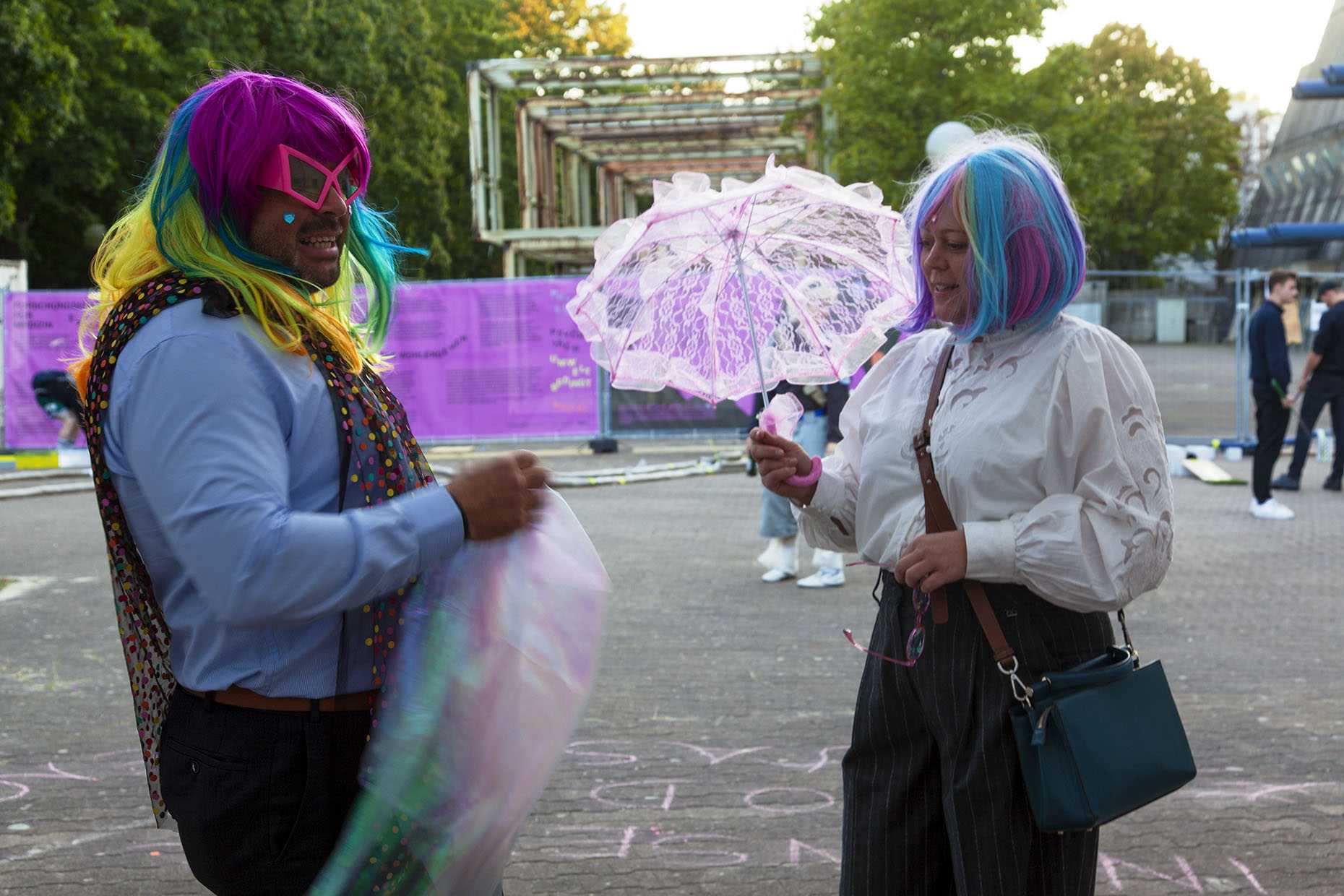
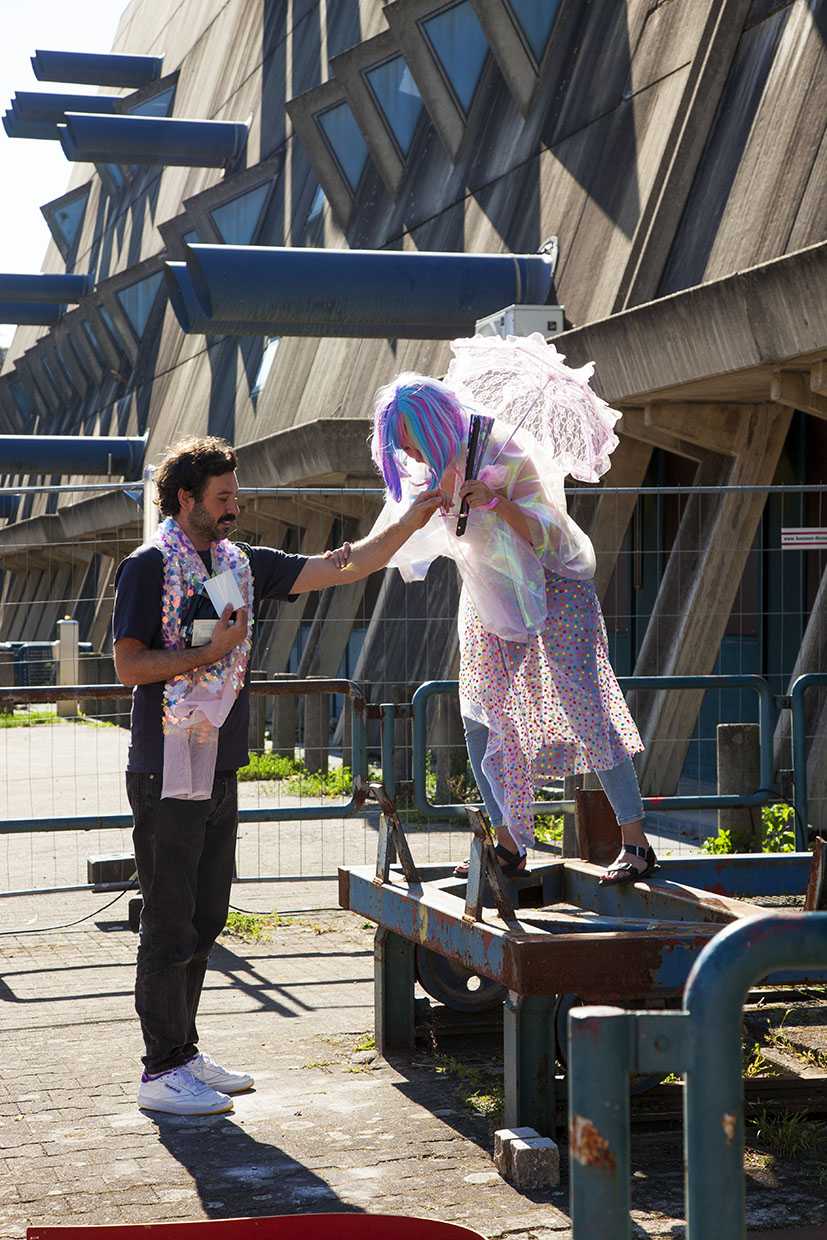
In 2024, Szproch and her daughter, Lena Hulpowska Szulc, co-led a participatory workshop at the Mäusebunker Festival of City Wellbeing — held inside Berlin's iconic brutalist landmark as part of the Urbane Praxis initiative, which promotes urban solidarity through artistic practice.
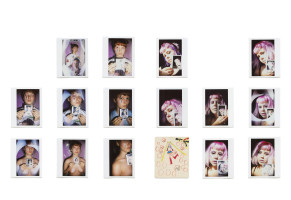
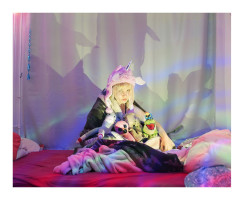
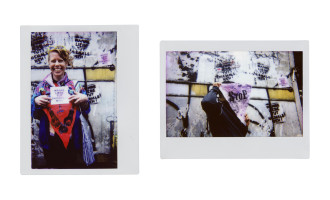
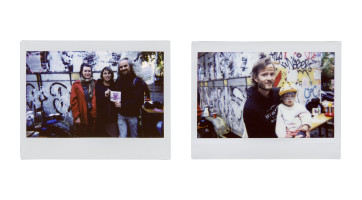
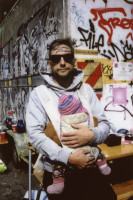
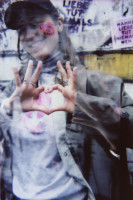
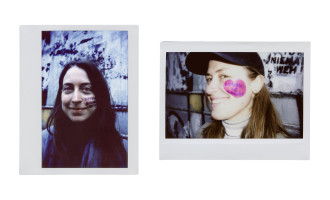
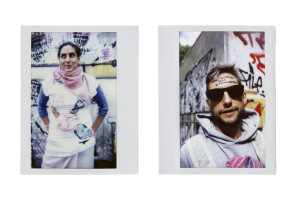
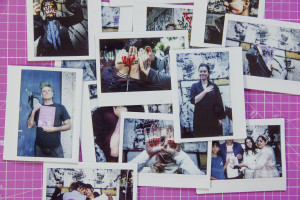
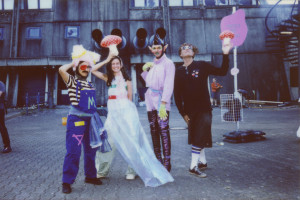
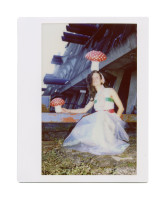
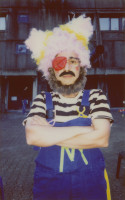
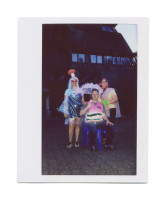
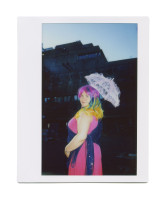
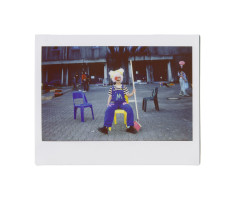
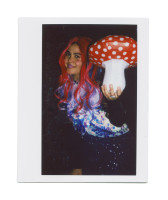
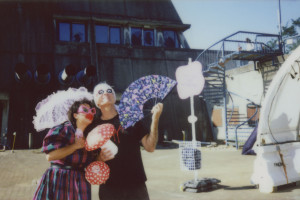
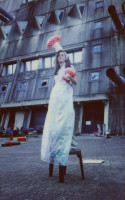
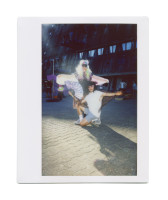
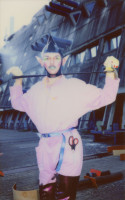
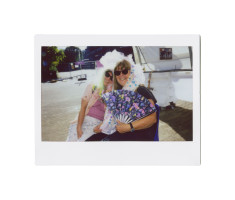
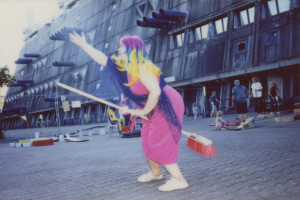
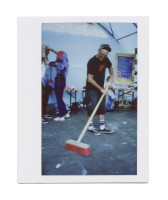
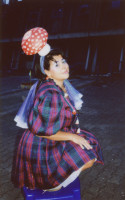
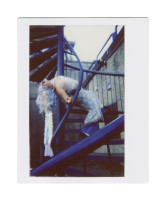
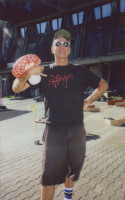
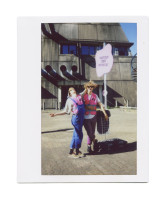
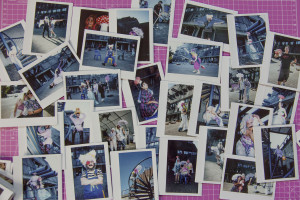
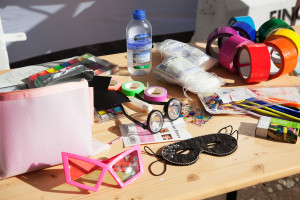
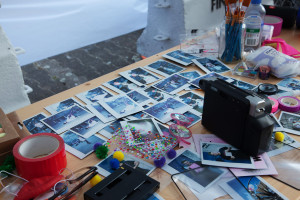
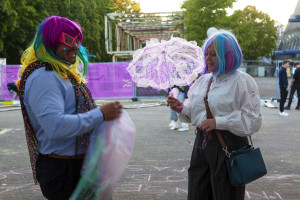
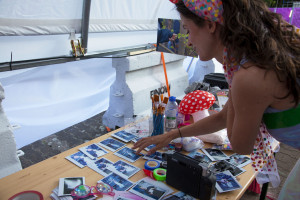
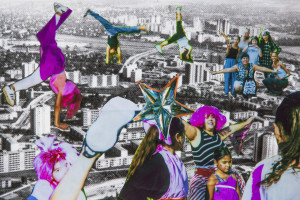
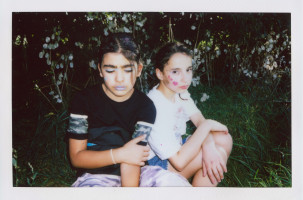
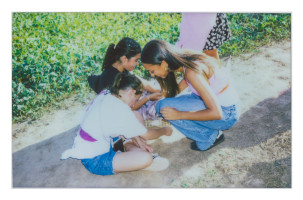
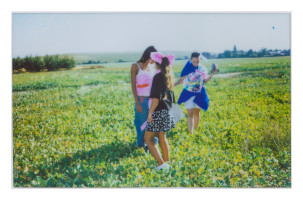
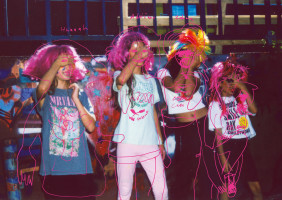
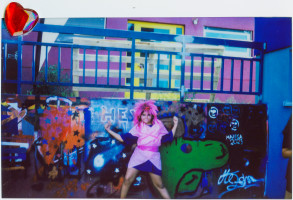
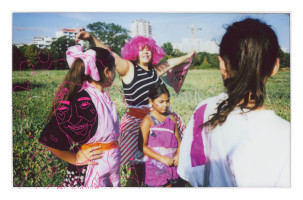
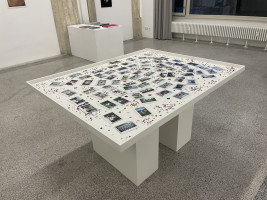
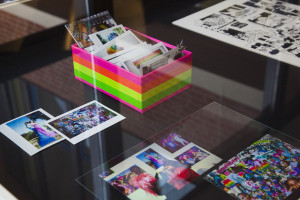
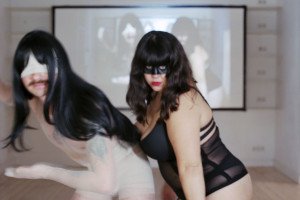
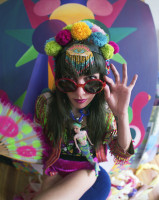
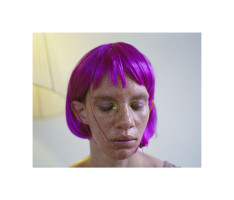
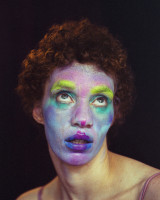
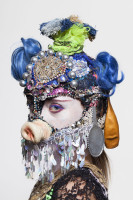
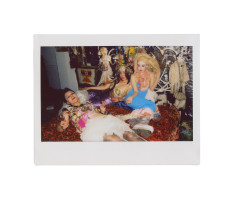
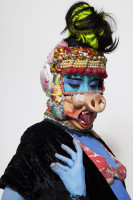
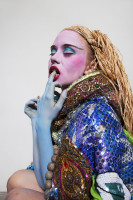
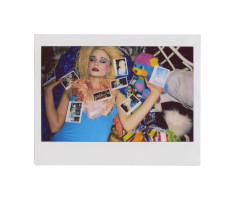
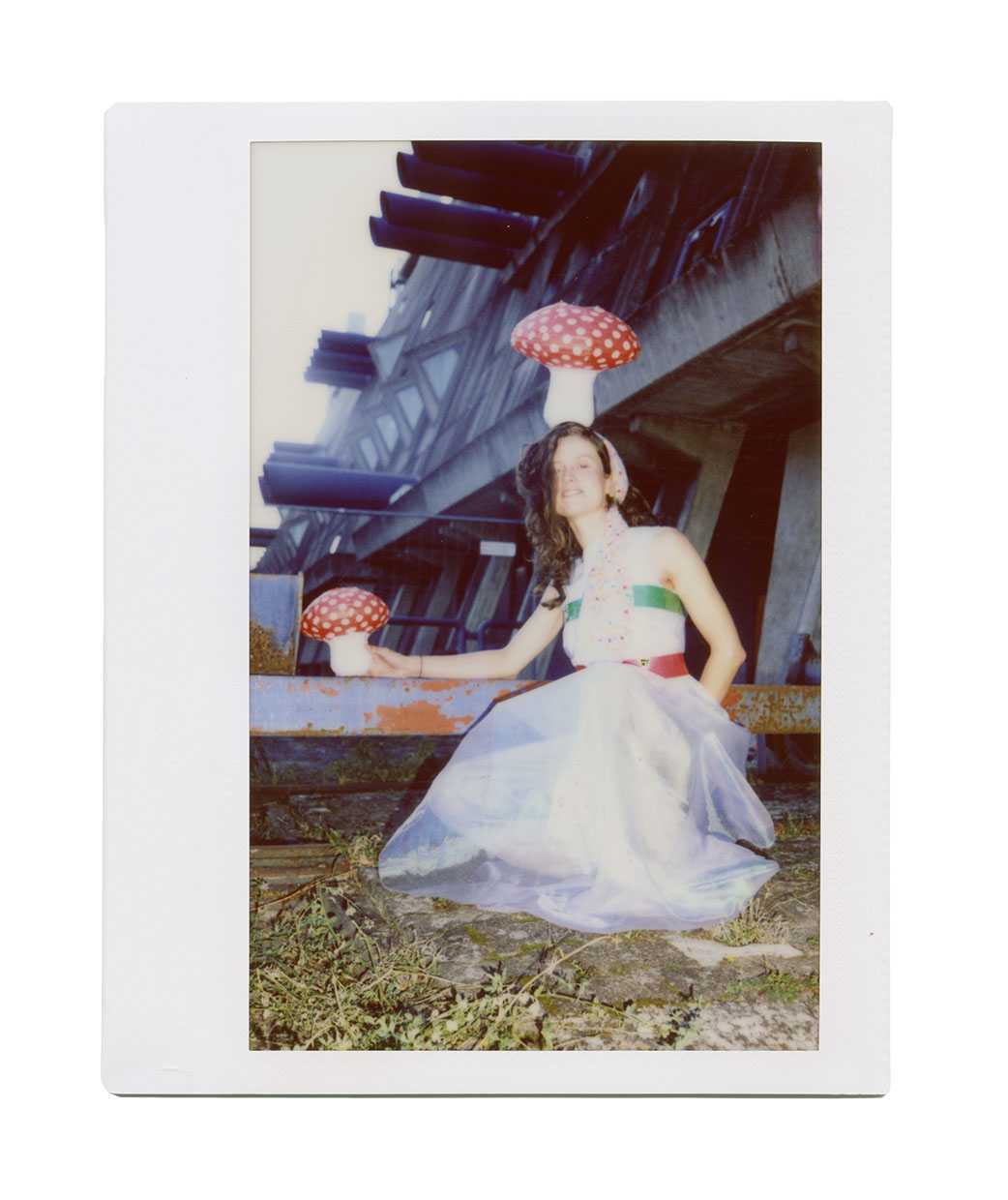
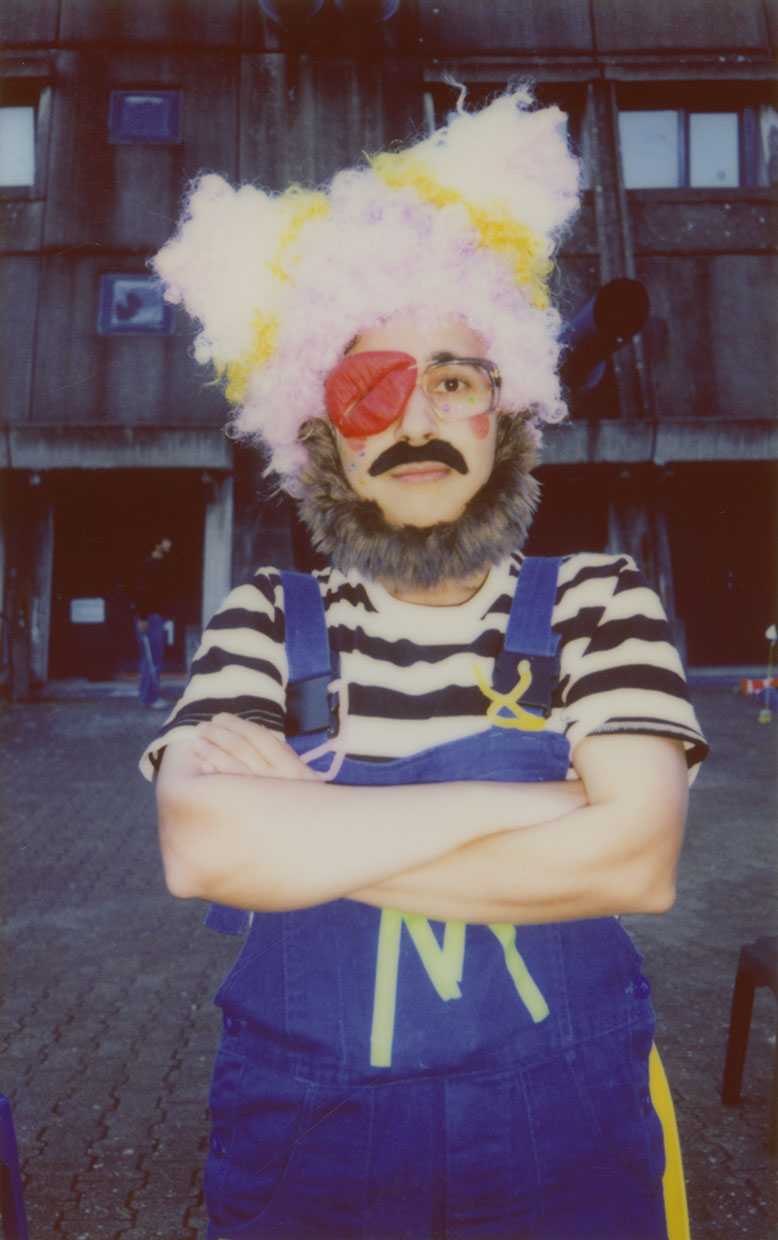
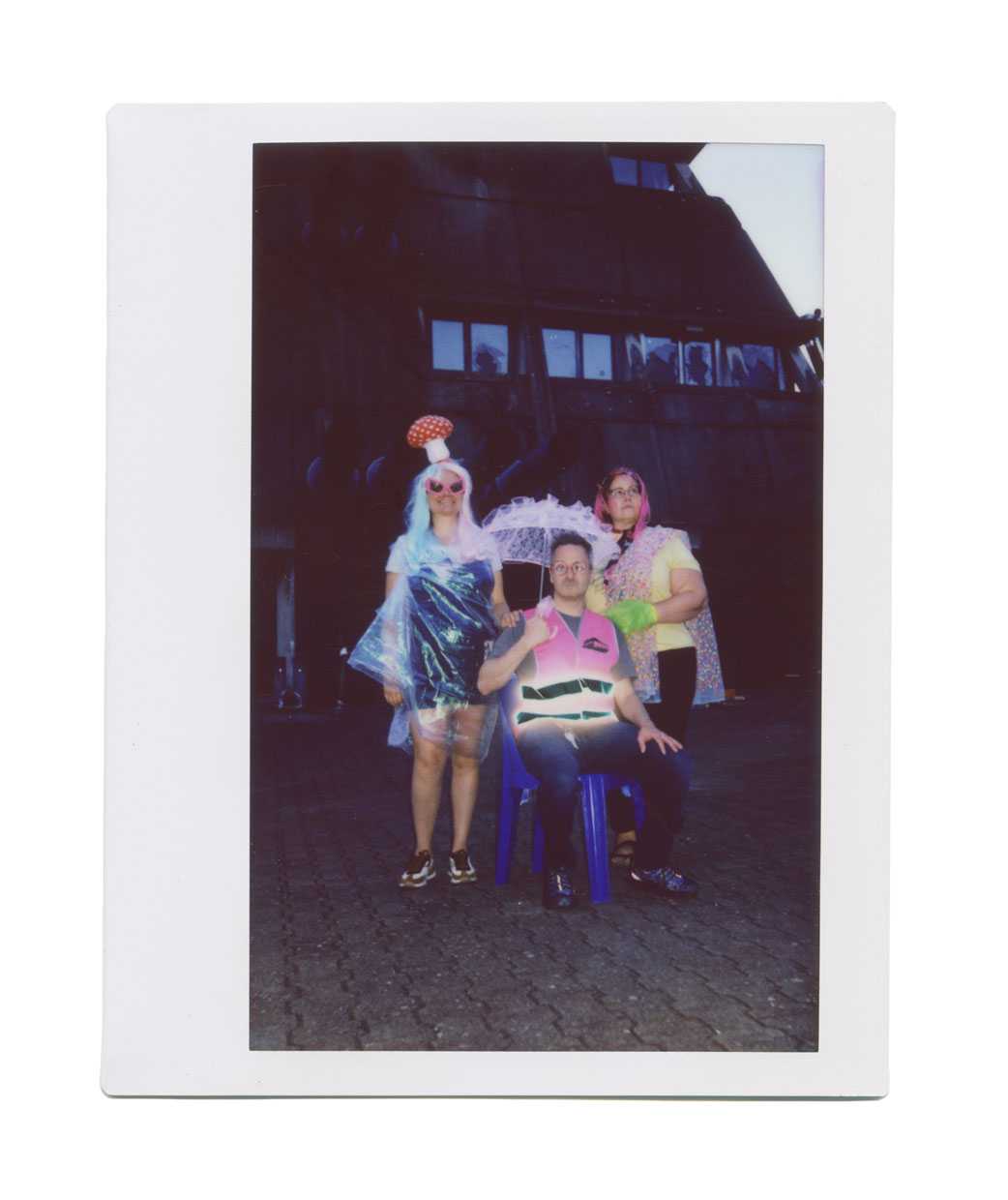
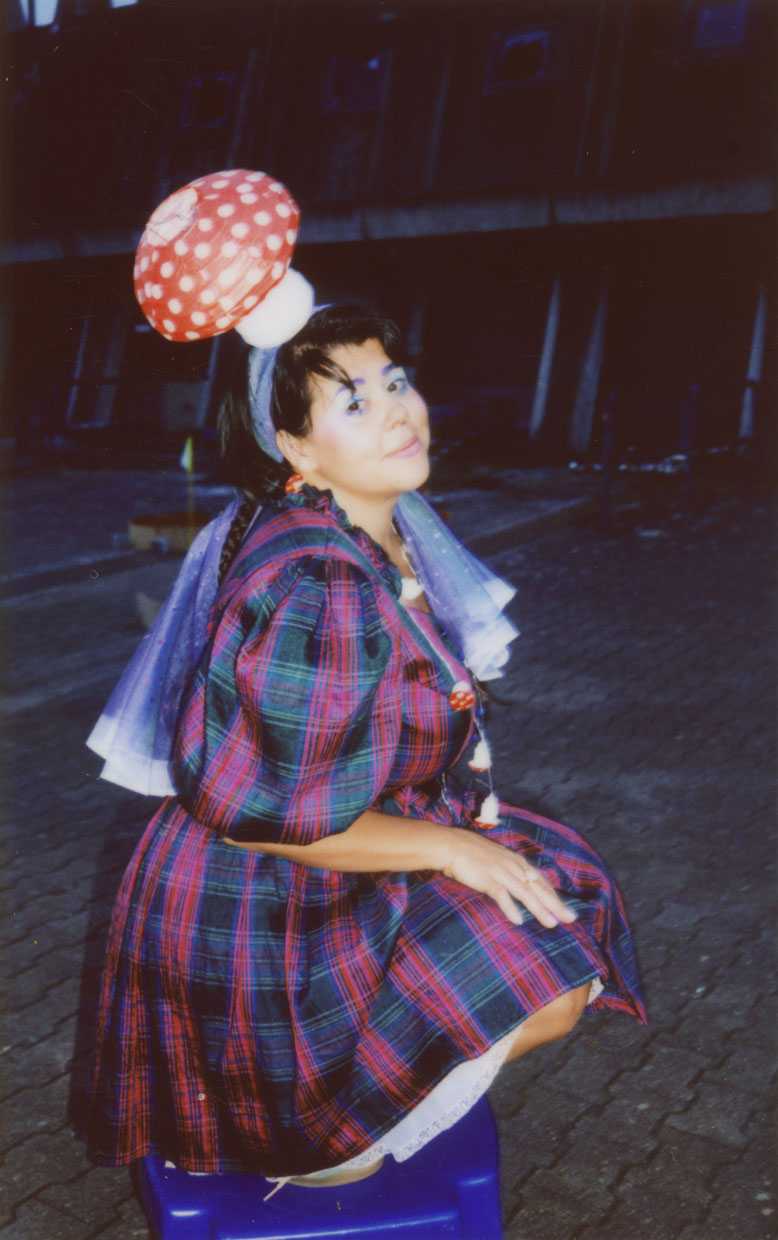
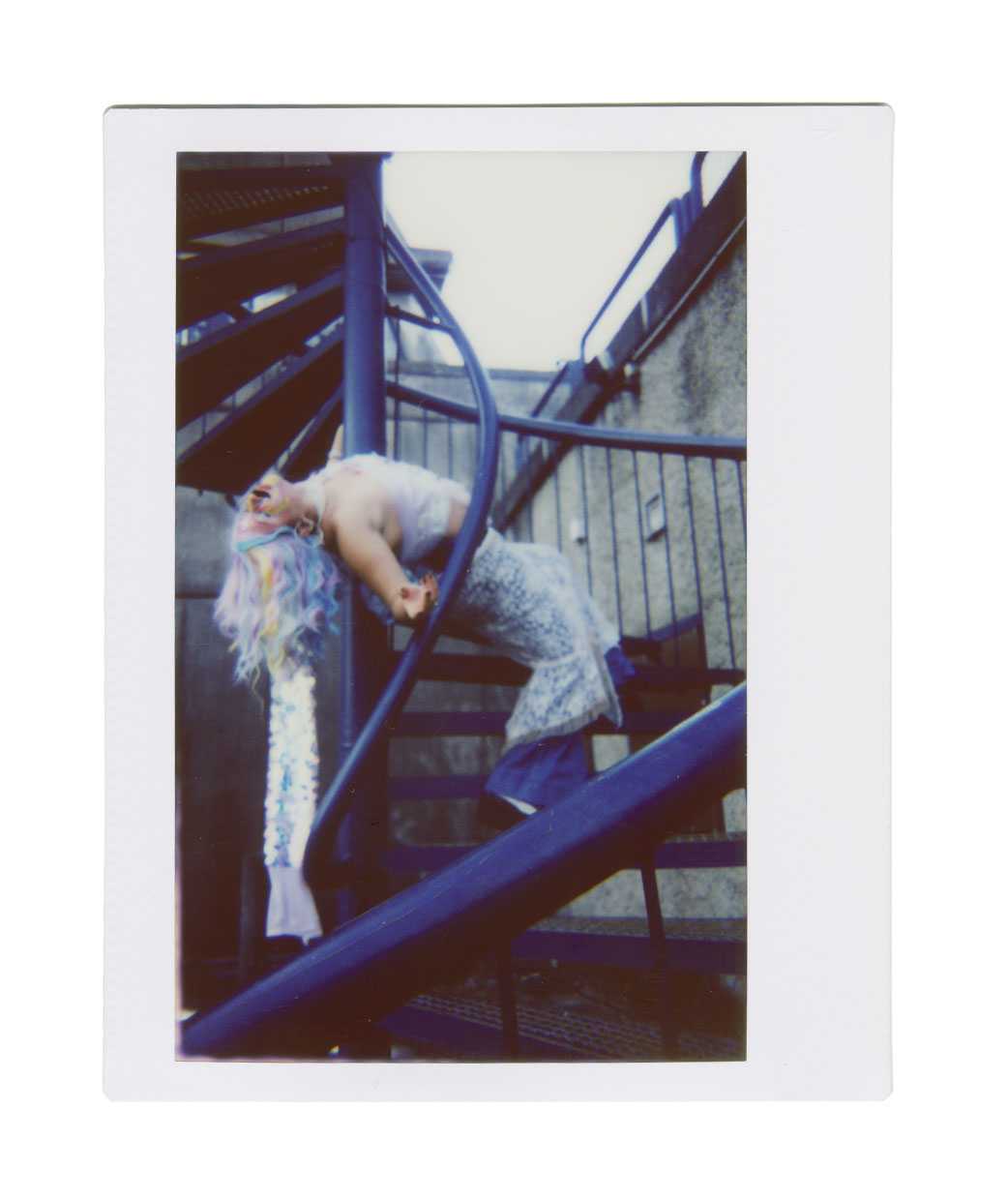
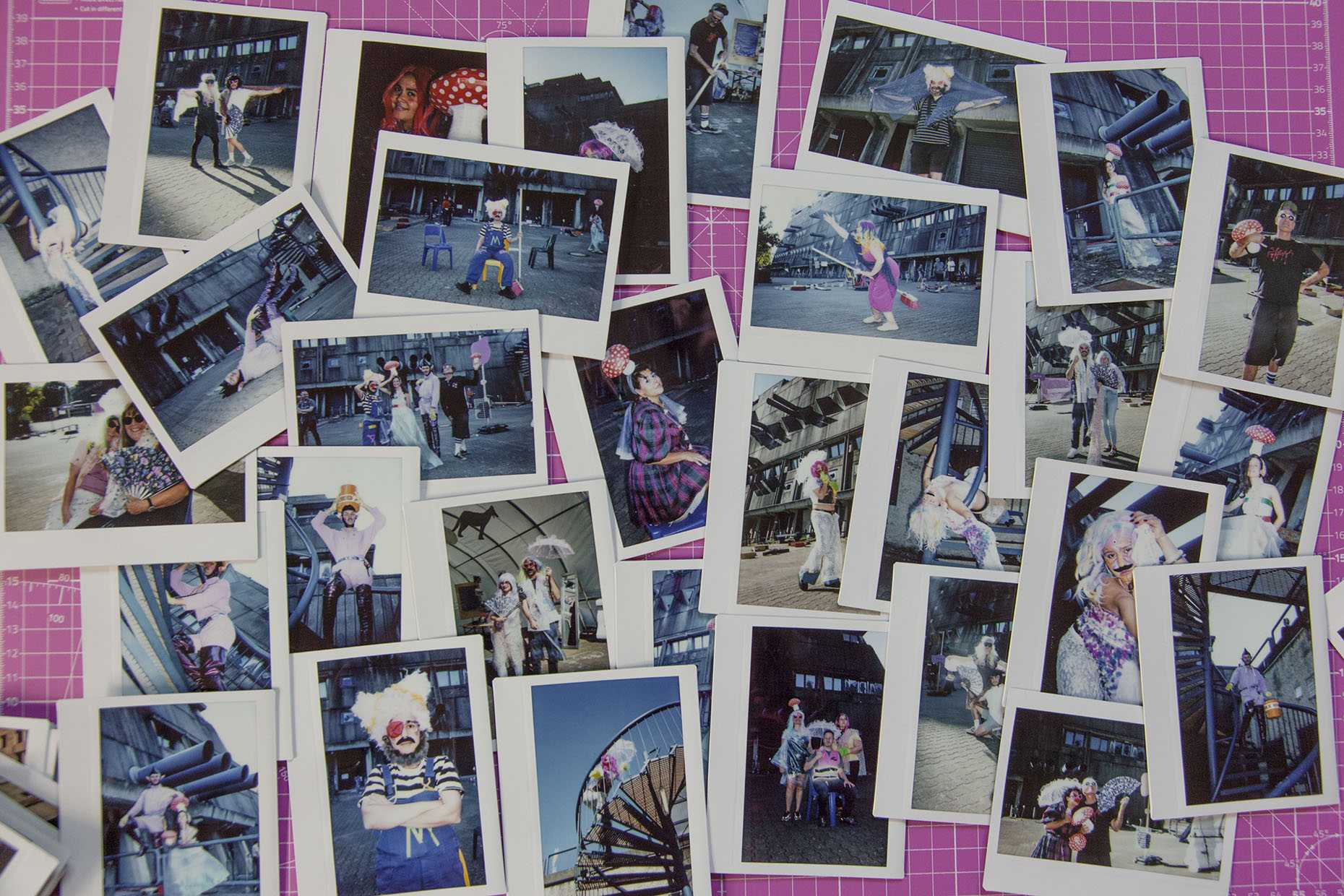
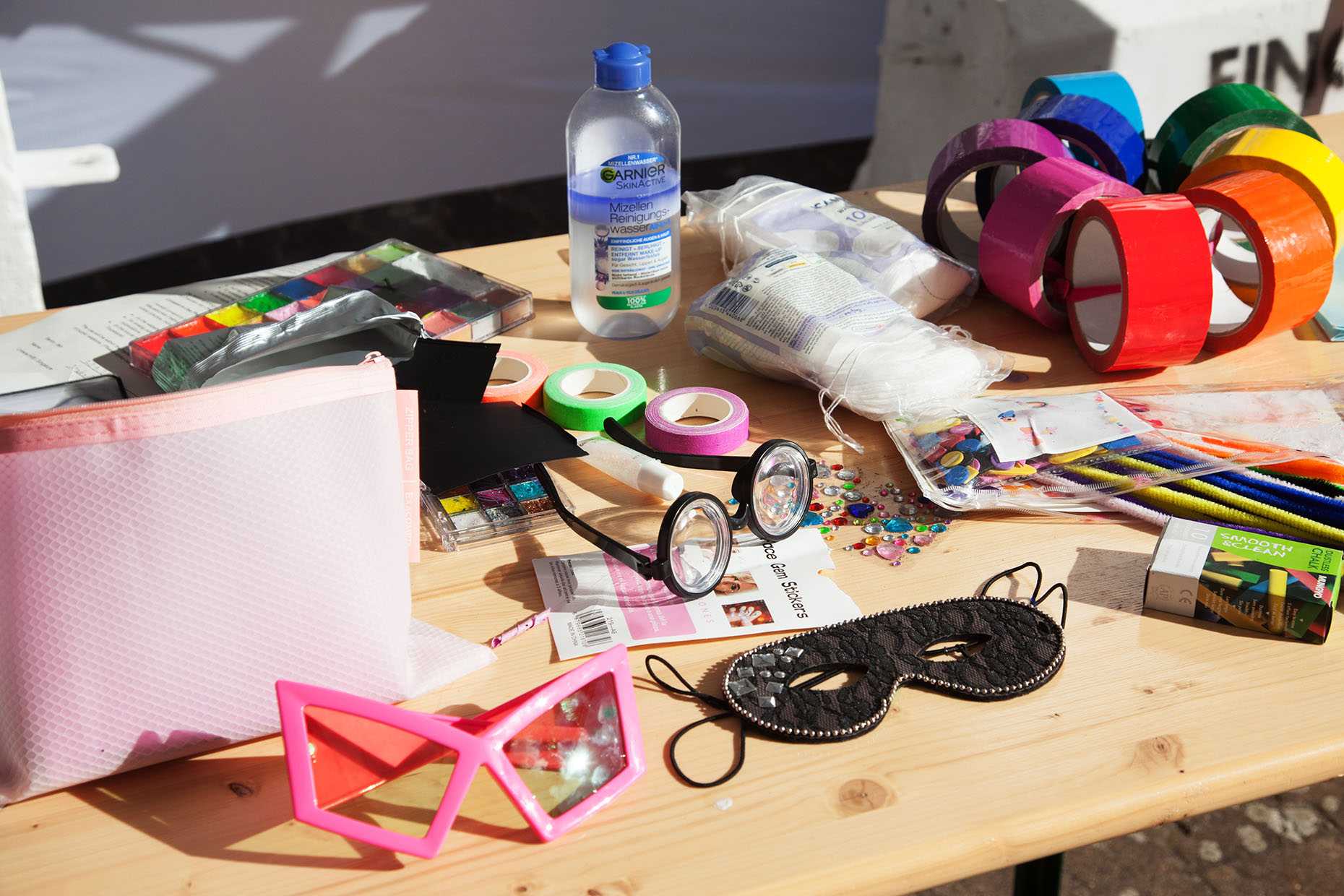
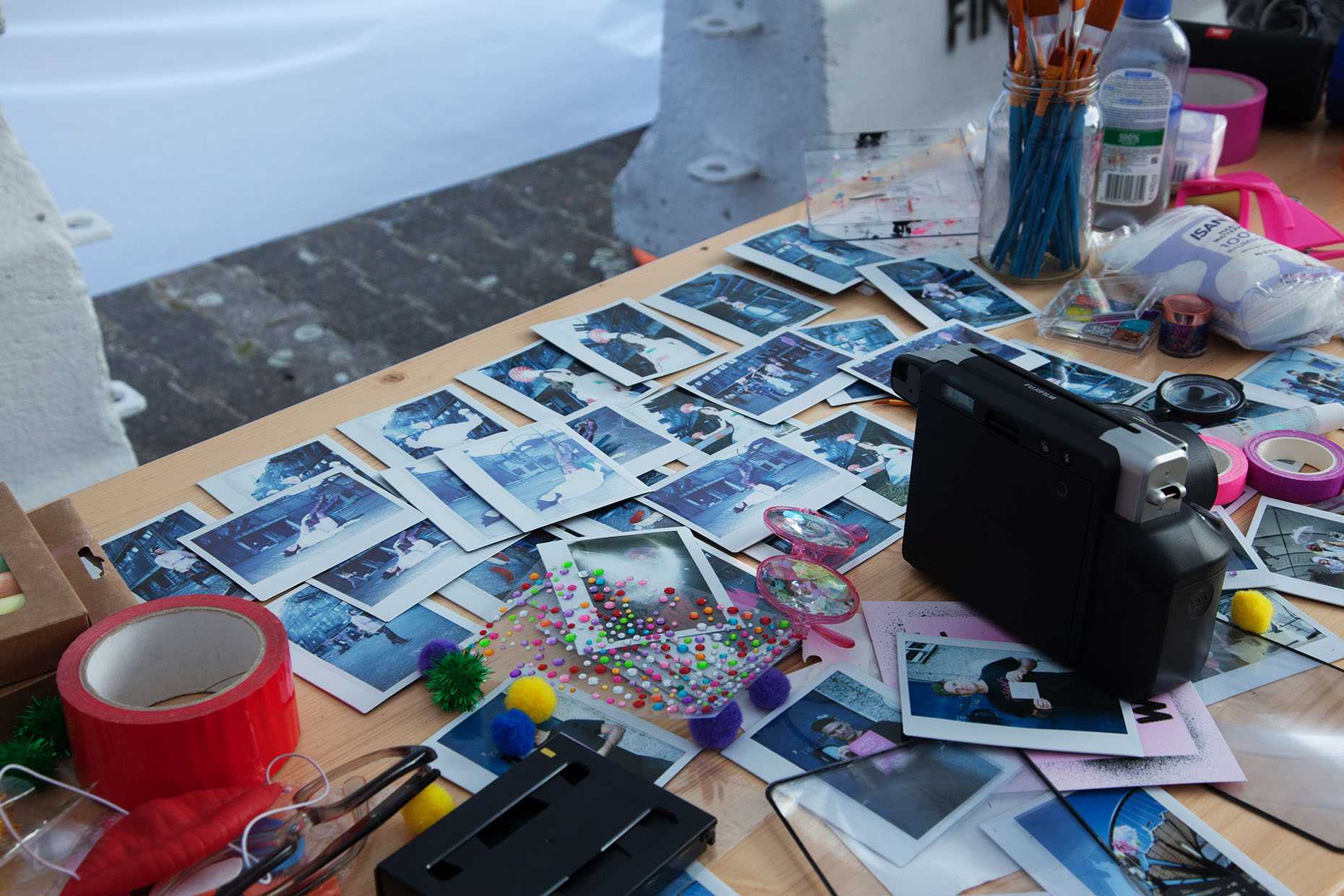
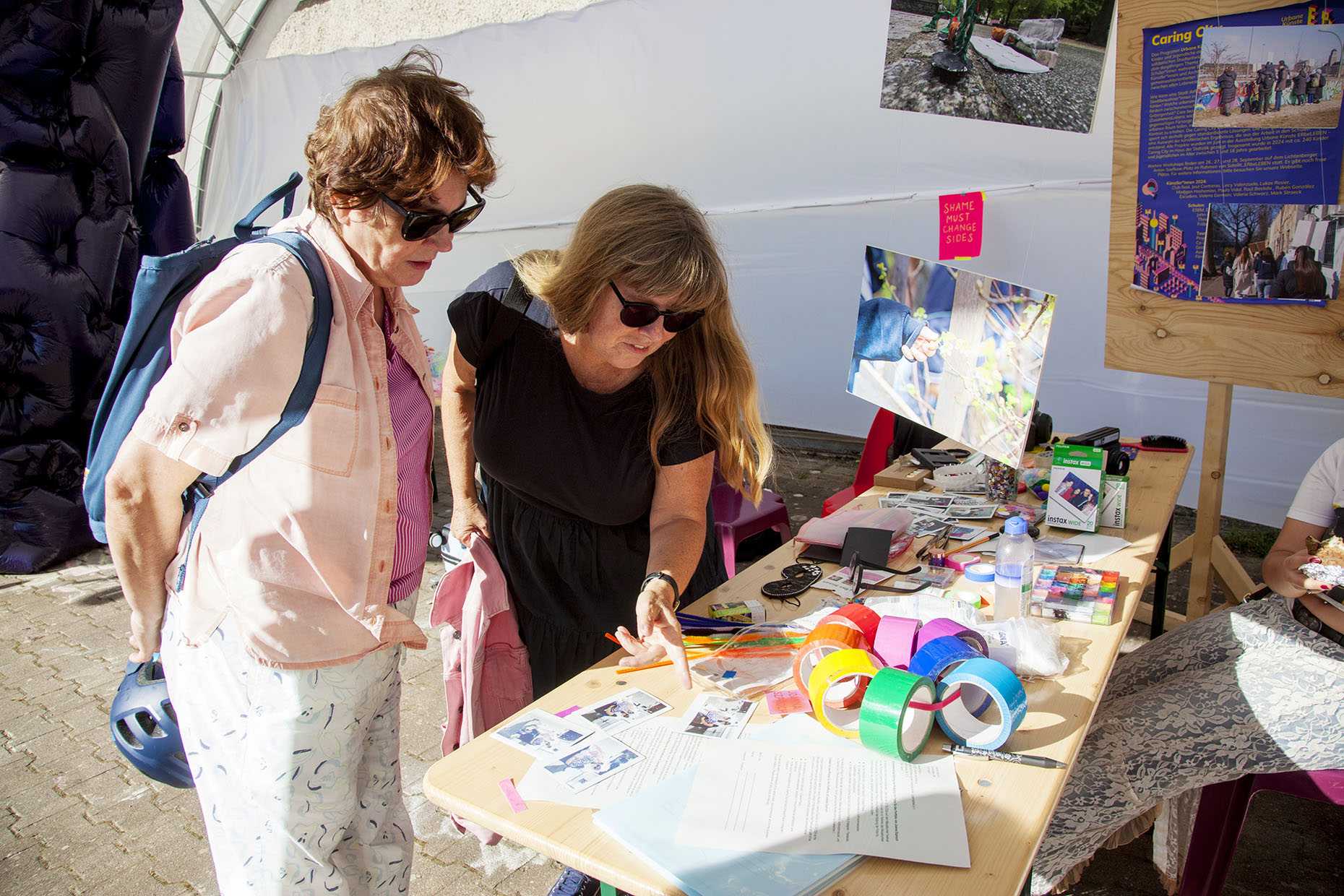
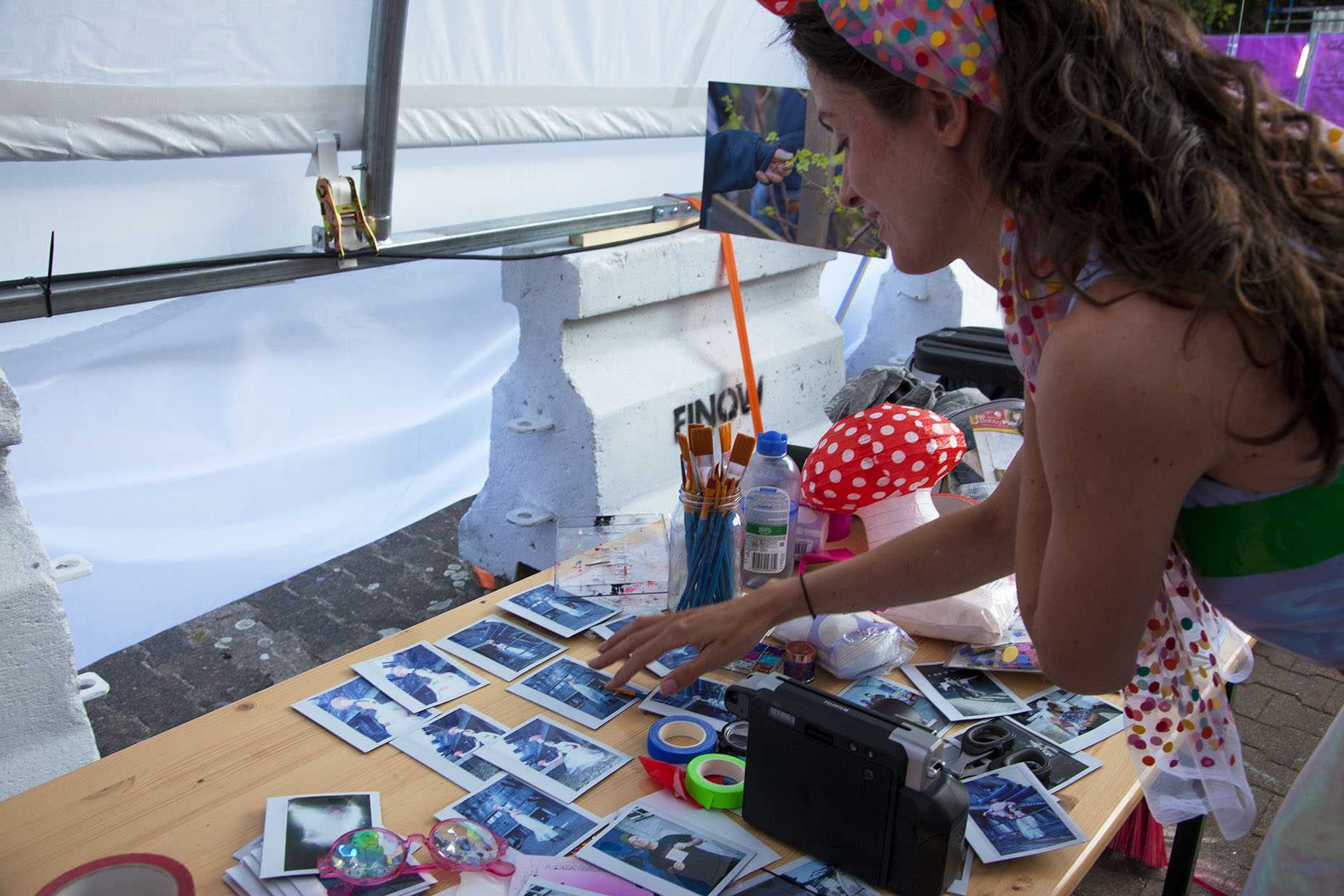
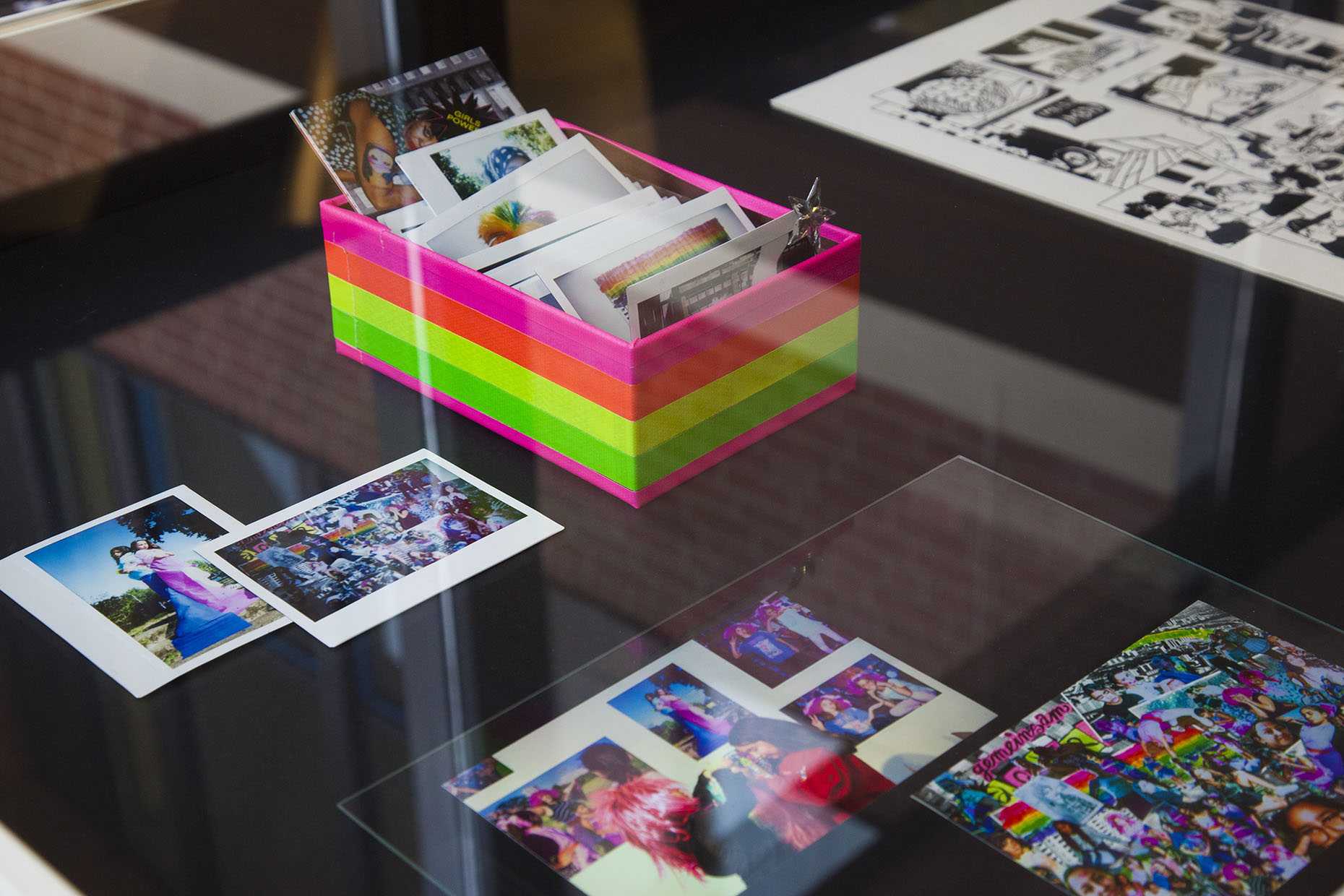
Participants of all ages were invited to transform into playful alter egos: crafting DIY costumes from colorful fabrics, recycled materials, glitter, wigs, and body paint, then photographing each other on instant Polaroid film. The costume, the mask, the make-up — these are not decorative objects but powerful devices capable of transforming reality. In the carnivalesque tradition, disguise is not escapism: it is a tool for revealing what everyday social roles conceal, for trying on new ways of being, and for building the kind of bonds that only emerge when people allow themselves to be seen differently. Each Polaroid became a tangible object — a small, physical proof that the transformation had happened, something to take home.
The workshop was rooted in a democratic idea: that artistic creation does not belong only to trained artists or institutional spaces. Everyday materials, collective imagination, and the simple act of dressing up together are enough to produce something genuinely spectacular. In a city where anonymity can quietly erode the connective tissue of community, and where urban life can harden people against softness and play, the workshop offered a temporary but real antidote. Gentleness, silliness, and joy are not trivial — they are a form of immunity, a way of keeping community alive.
This workshop also marks a new phase in Szproch's practice: her daughter Lena is no longer only a subject or collaborator on individual projects, but a co-author and co-facilitator. Together they form a working team, bringing an intergenerational perspective to participatory work and modeling the kind of creative partnership the workshops themselves invite. Lena contributes her own voice and presence; their collaboration has become its own ongoing work.
Materials: colorful fabrics, recycled materials, glitter, wigs, body paint, instant Polaroid photography.
Next Project
gemeinsam anders
gemeinsam anders
gemeinsam anders
2023
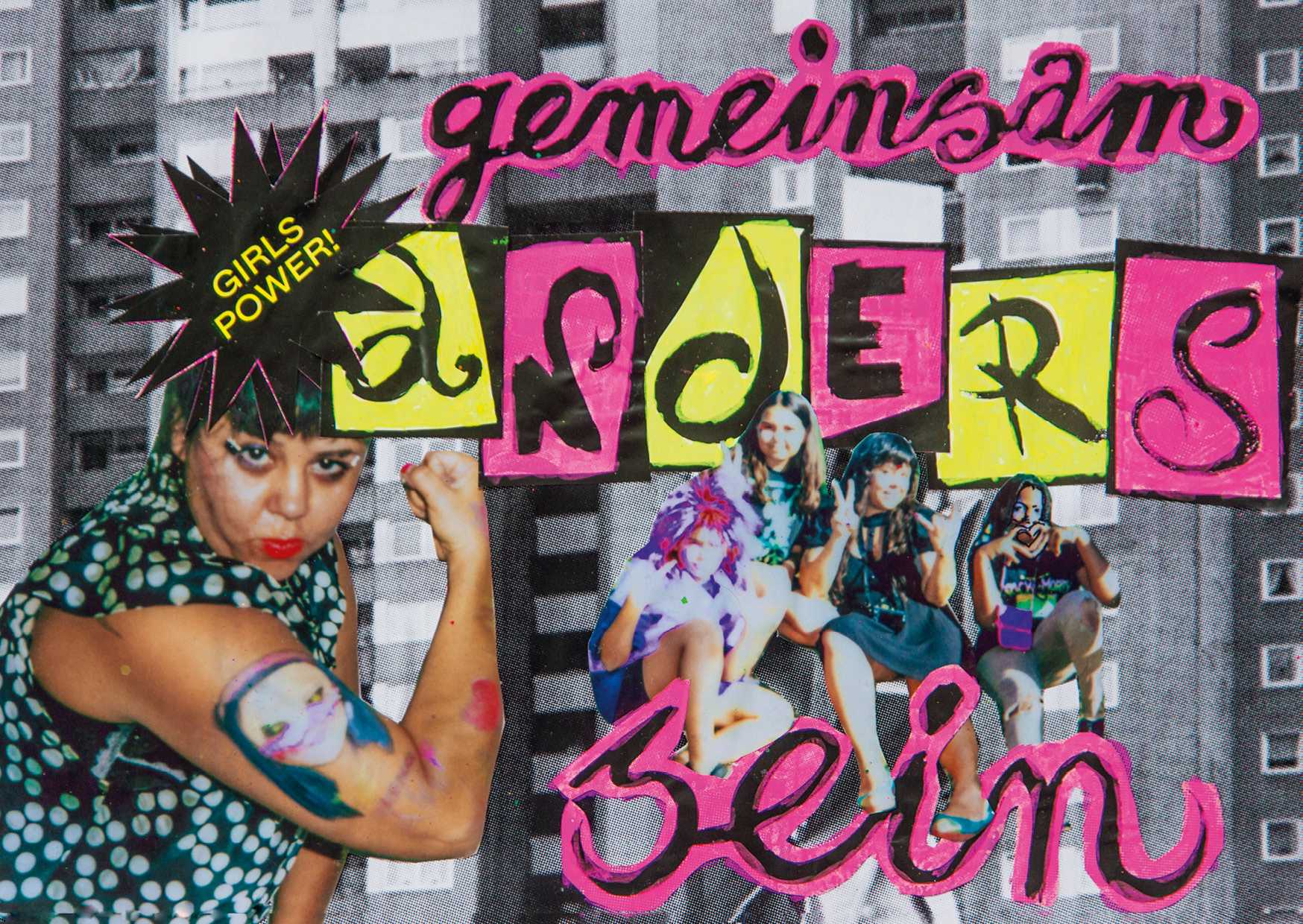
GEMEINSAM ANDERS SEIN / Being Different Together
Participatory Photo Project, Wilde Hütte / Berlin Mondiale, Gropiusstadt, Berlin, DE, 2023
Presented: Apfelsinenplatz Festival, Berlin, DE, 2023 / Kunst und Kooperation in der Gropiusstadt, Bauhaus-Archiv, Berlin, DE, 2025
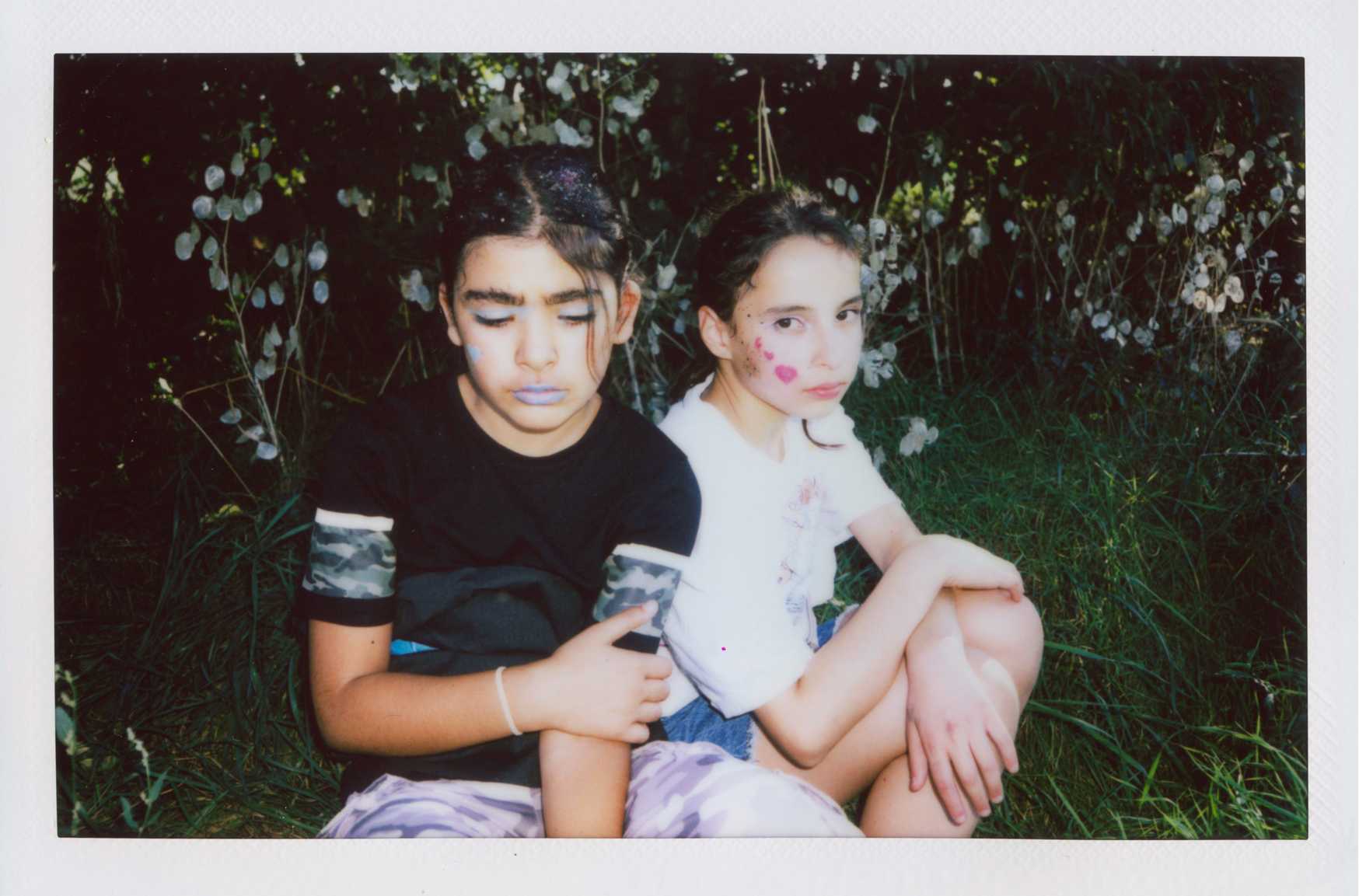
In 2023, Szproch led a participatory photography project with girls aged 8–12 from Gropiusstadt, as part of Berlin Mondiale's Call for Solidarity — an open call for artists working in the context of asylum, exile, and migration across Berlin, exploring what it means to live and create together in the city.
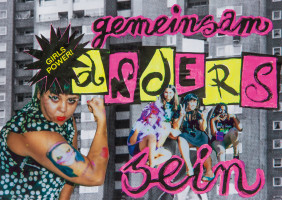
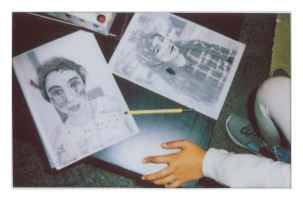
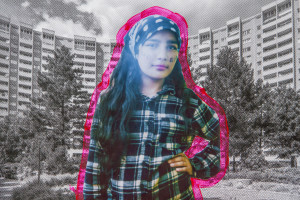
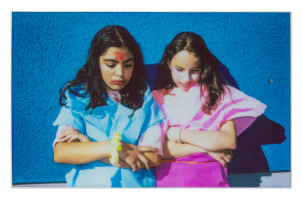
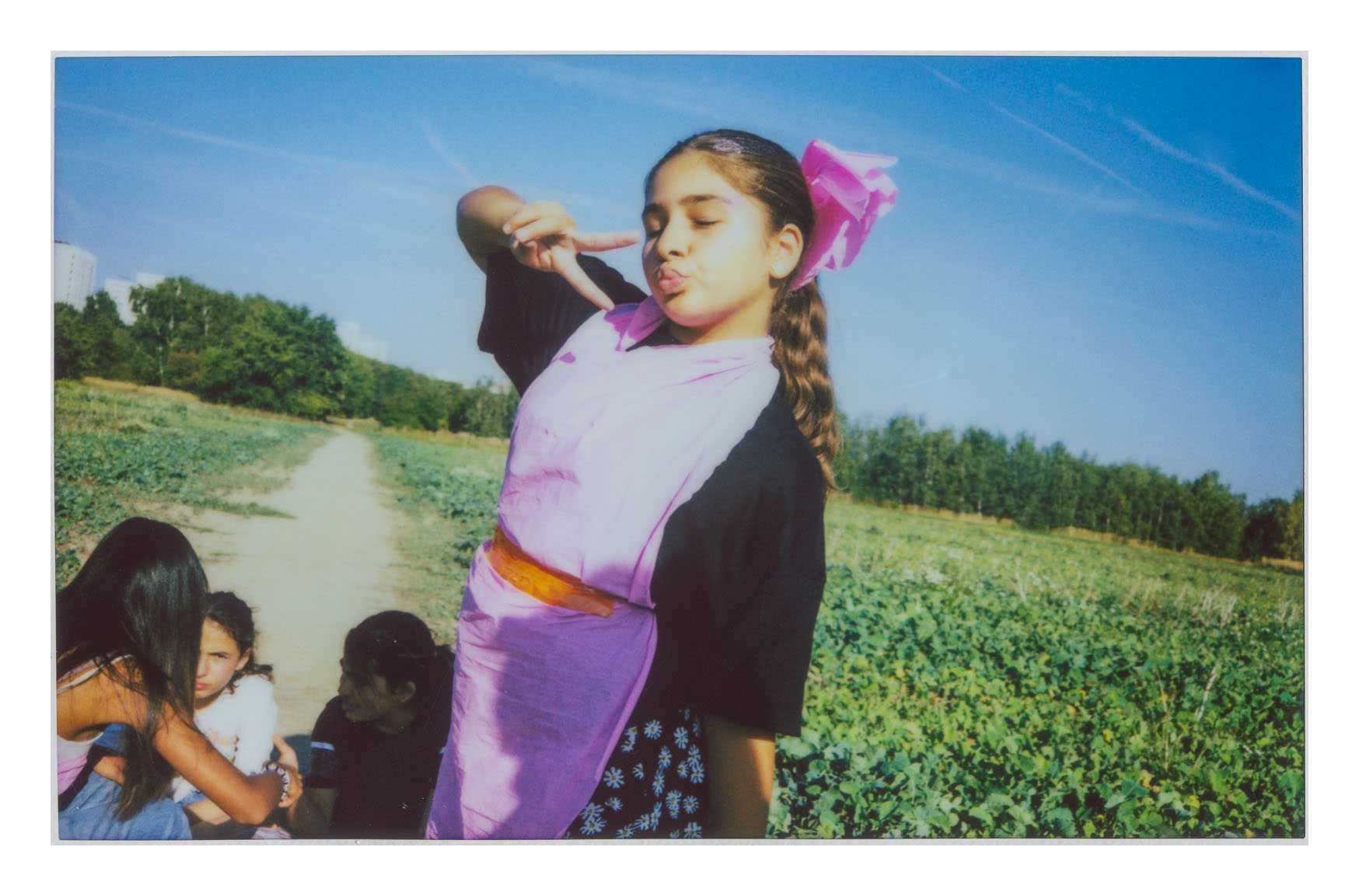
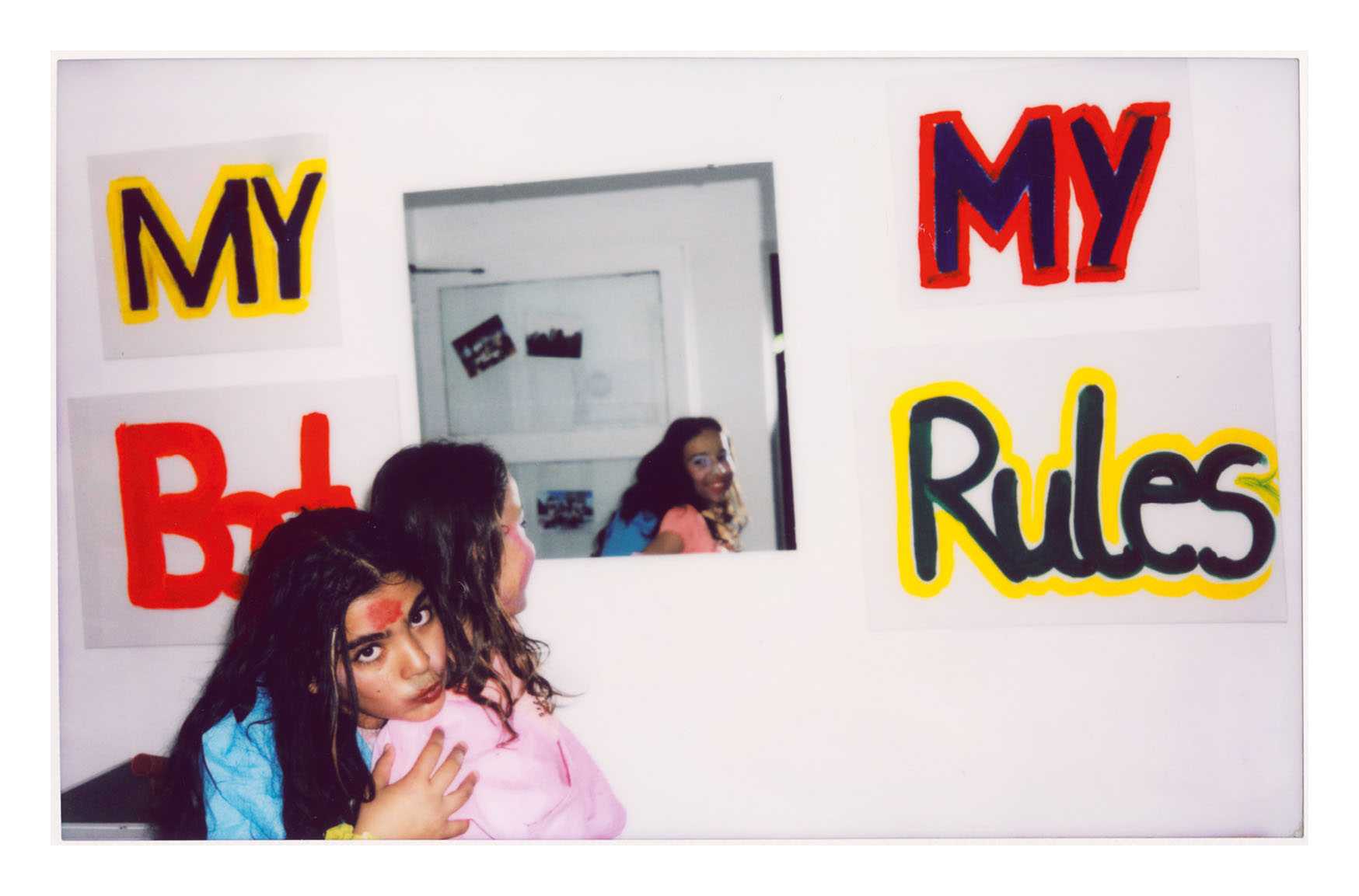
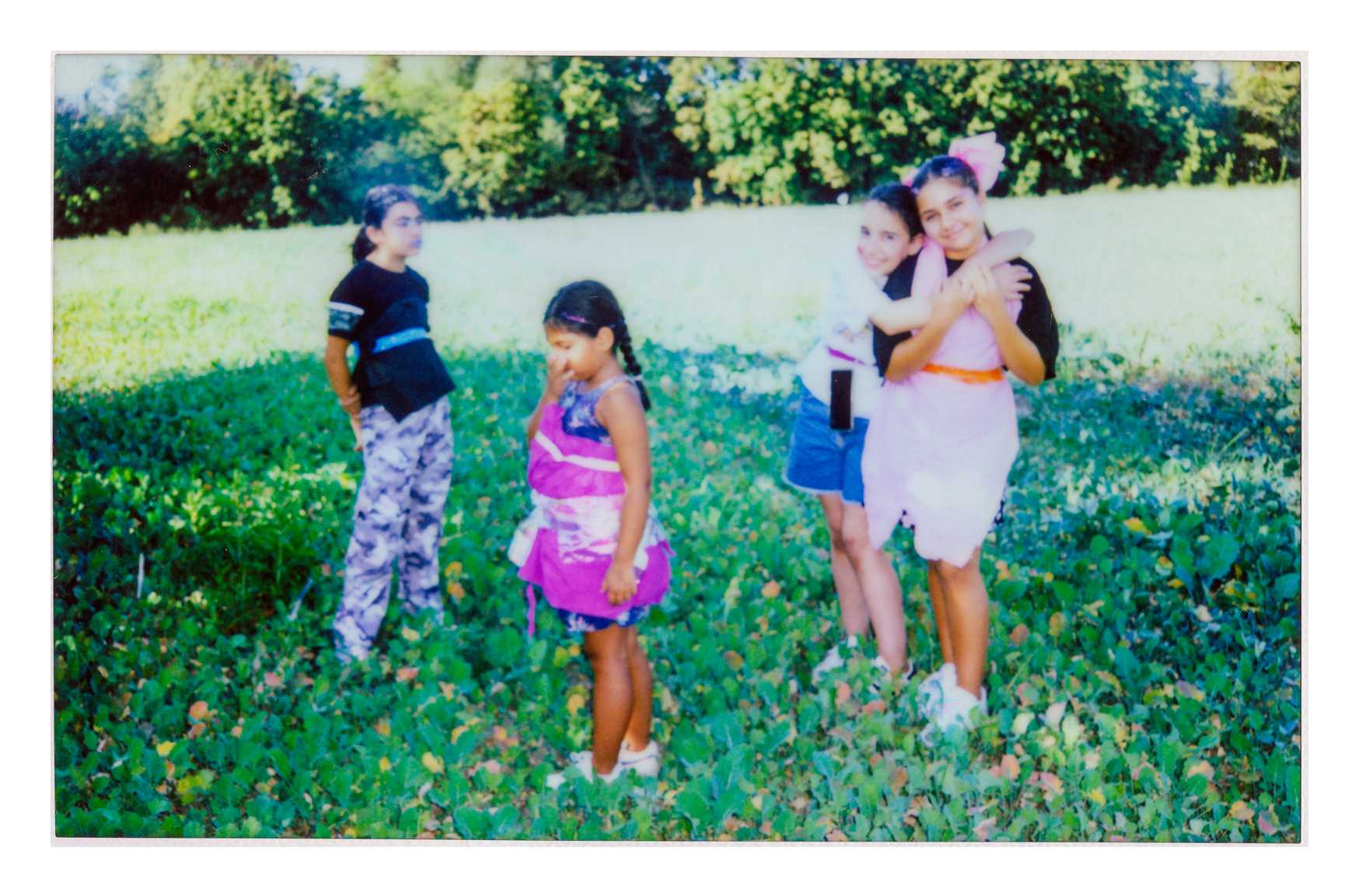
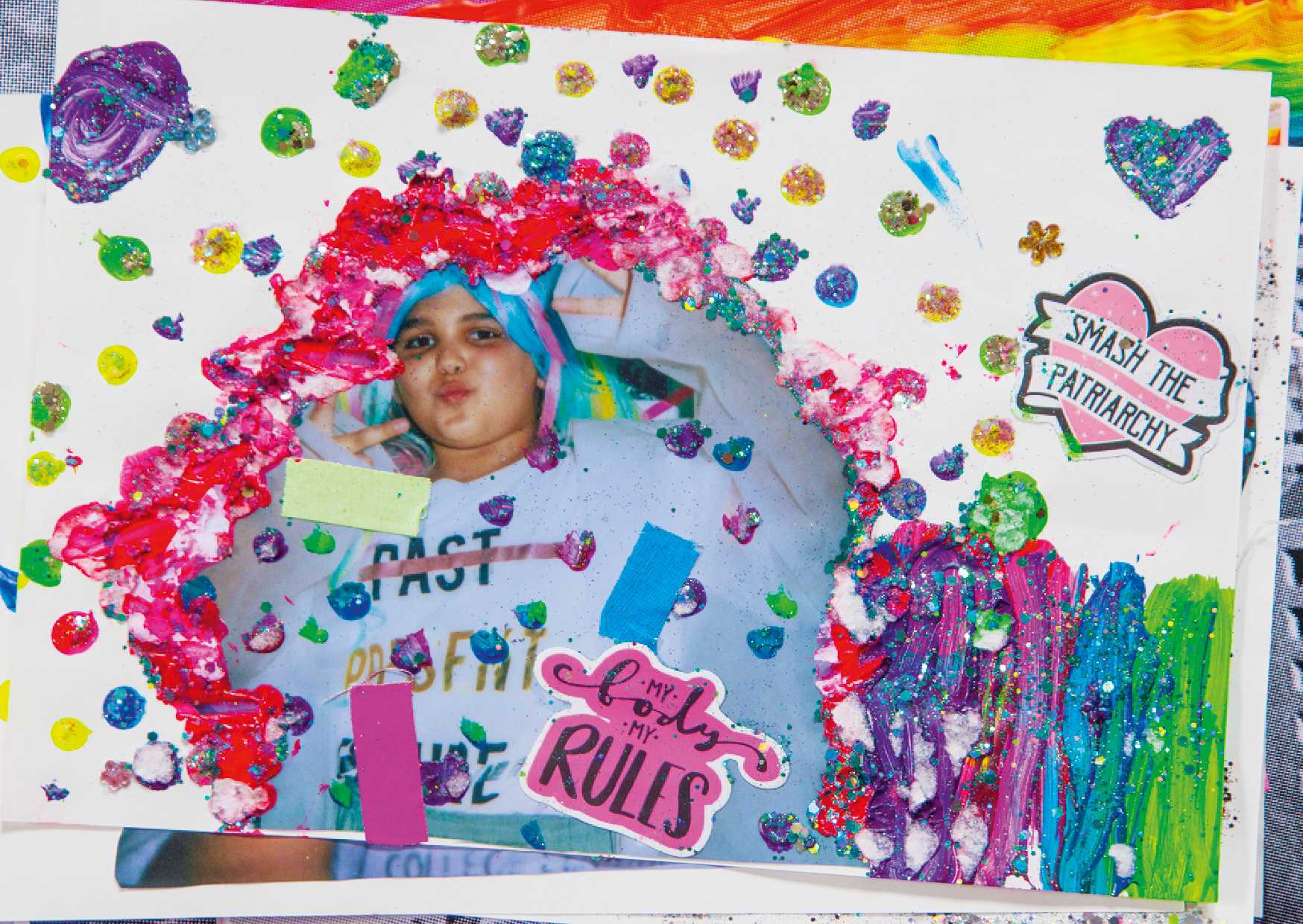
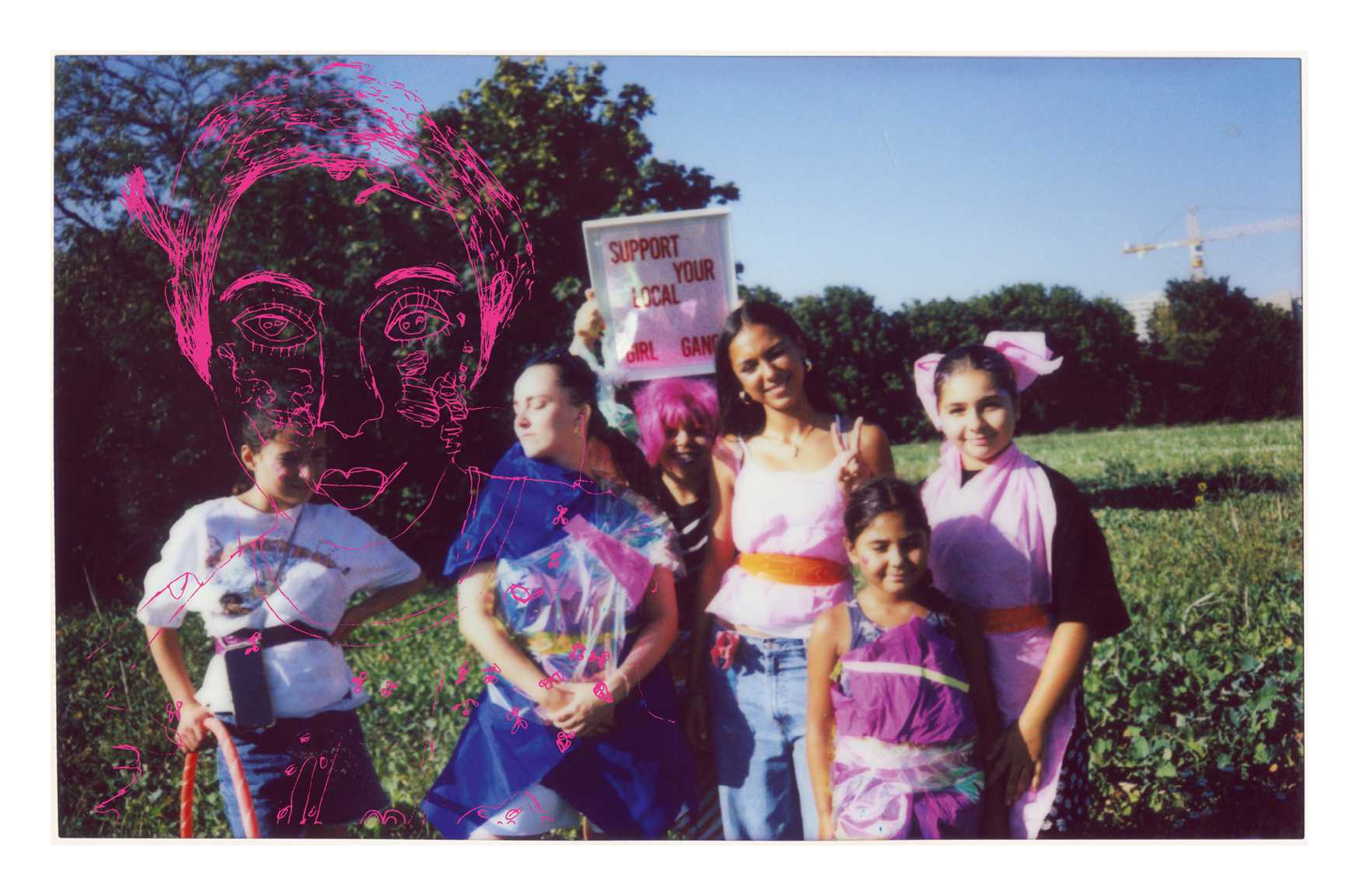
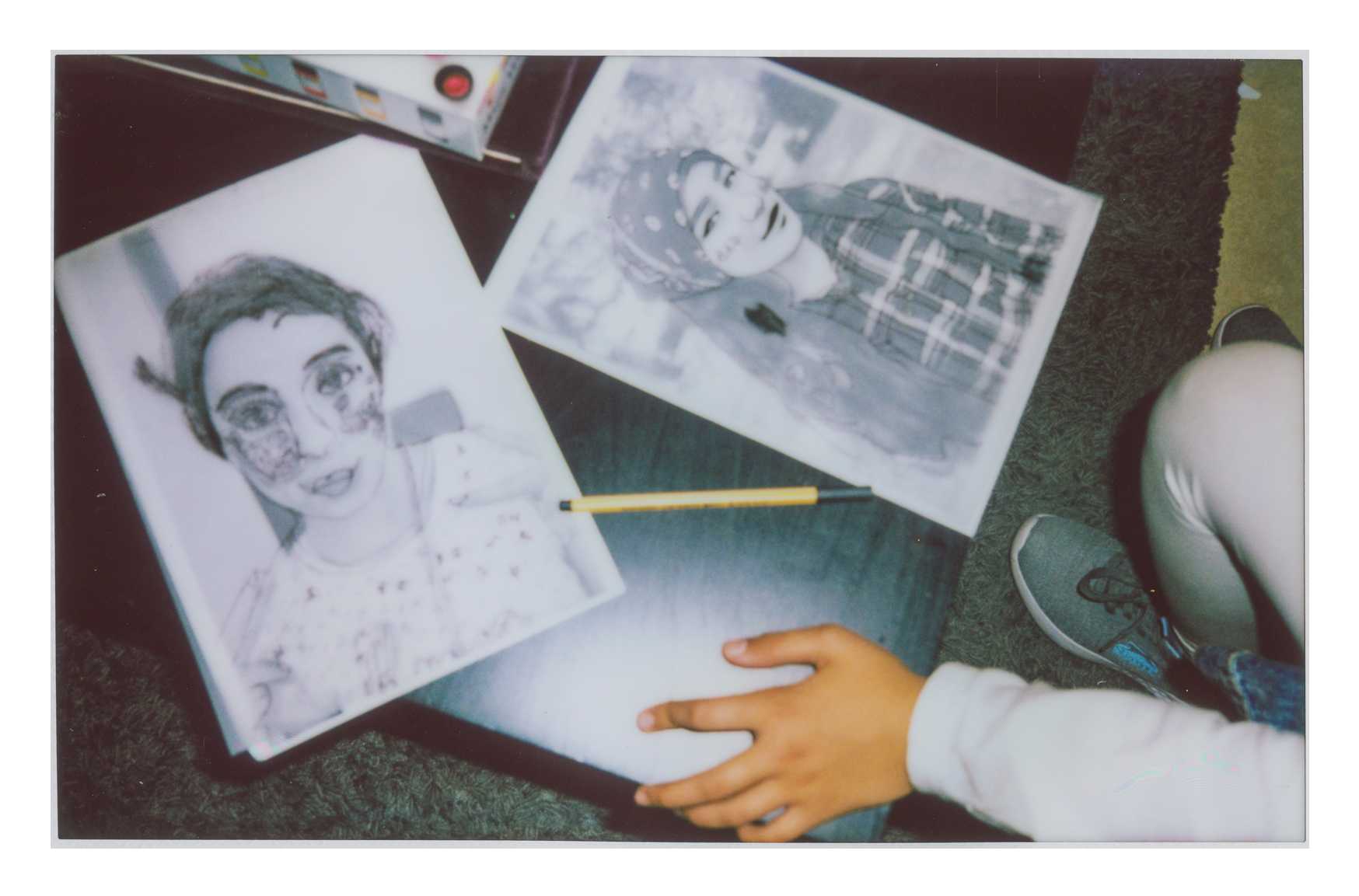
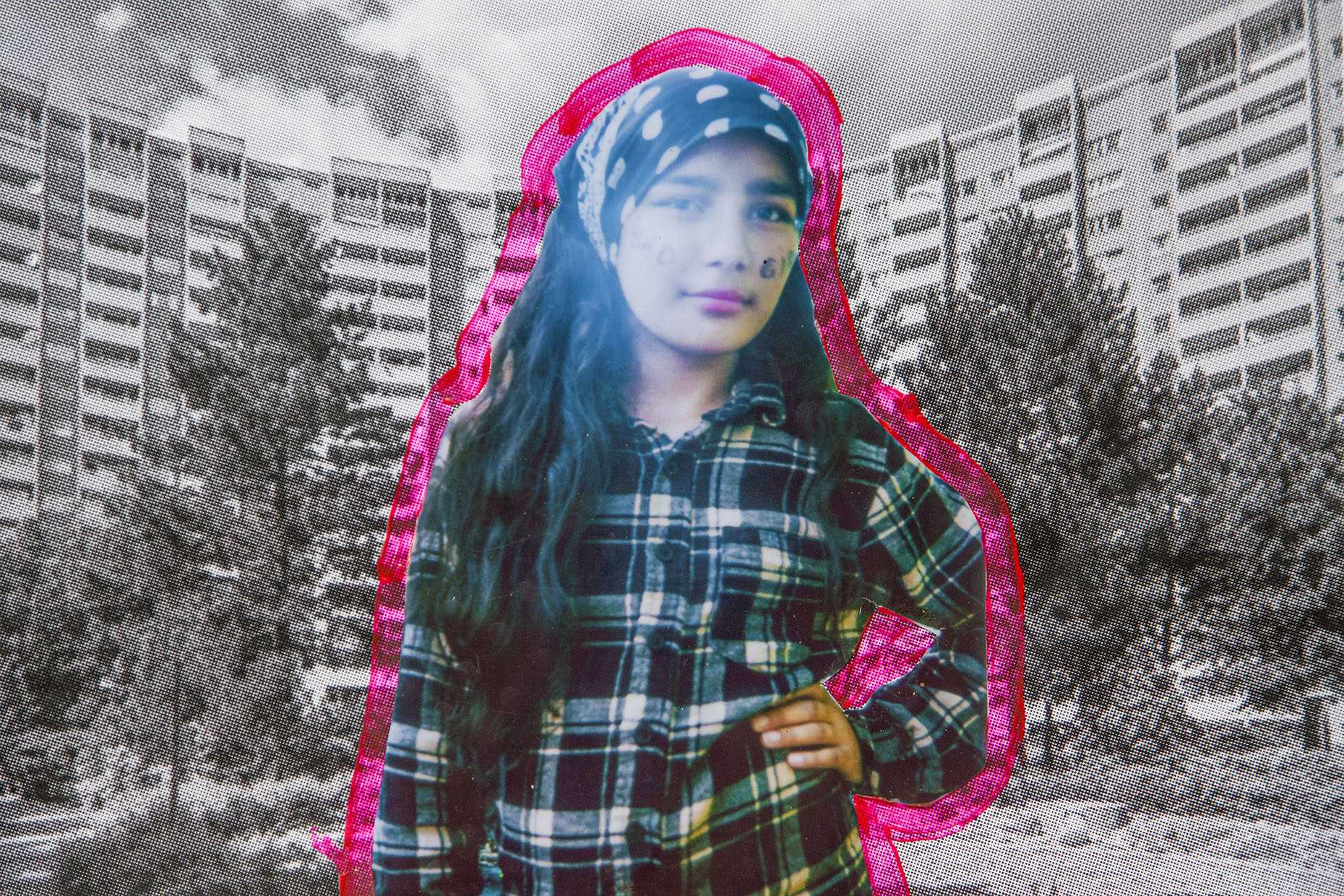
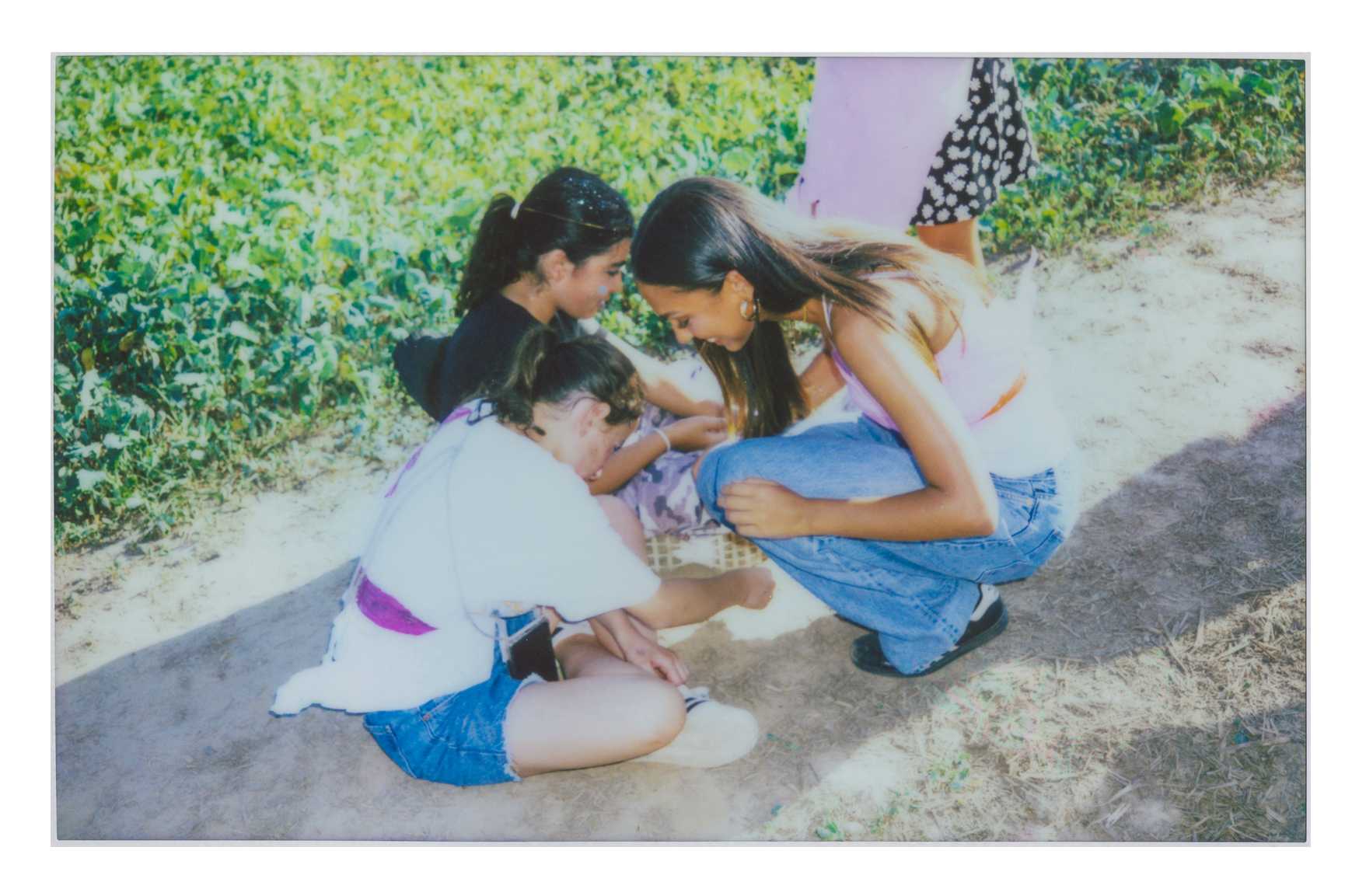
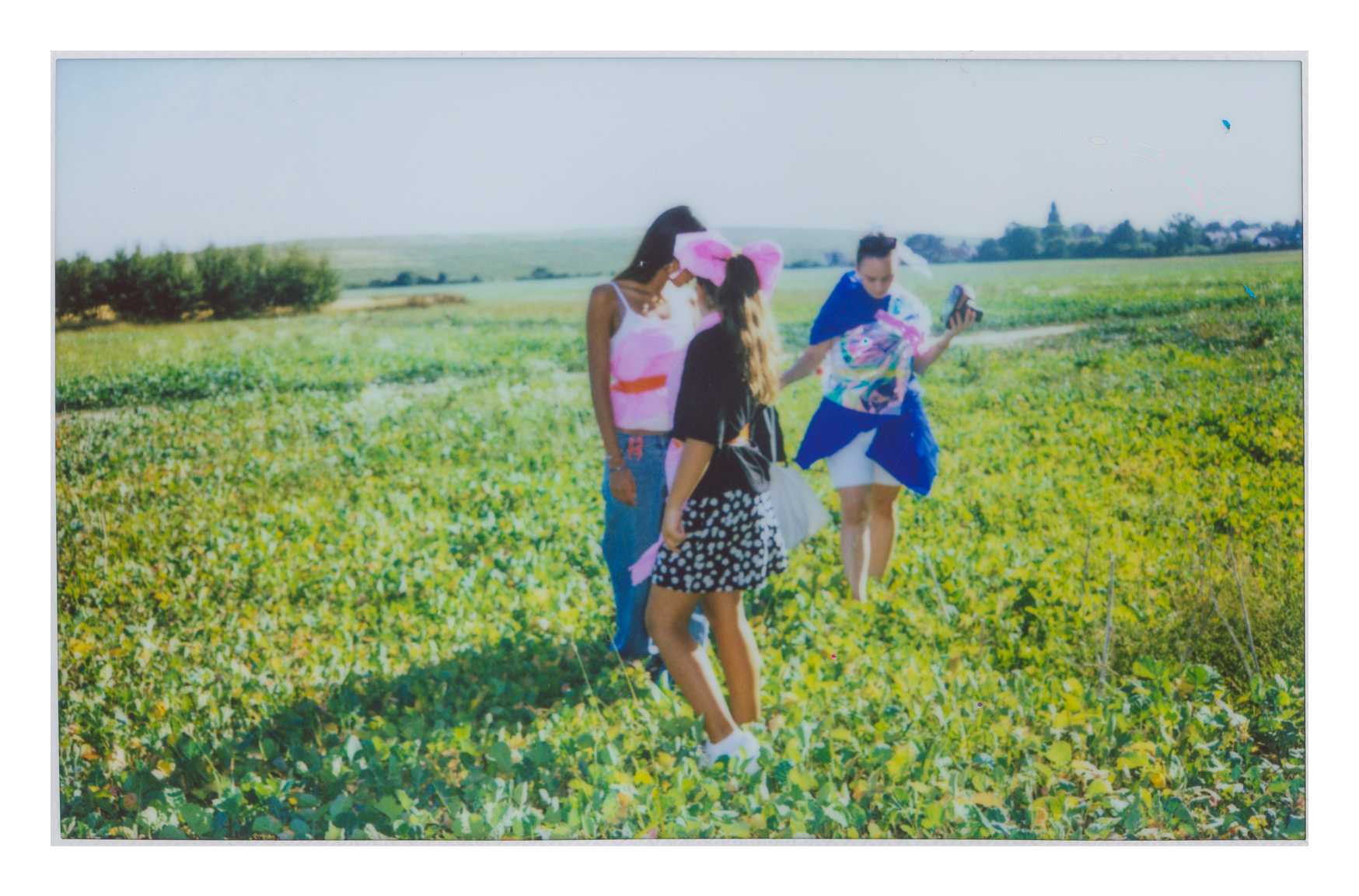
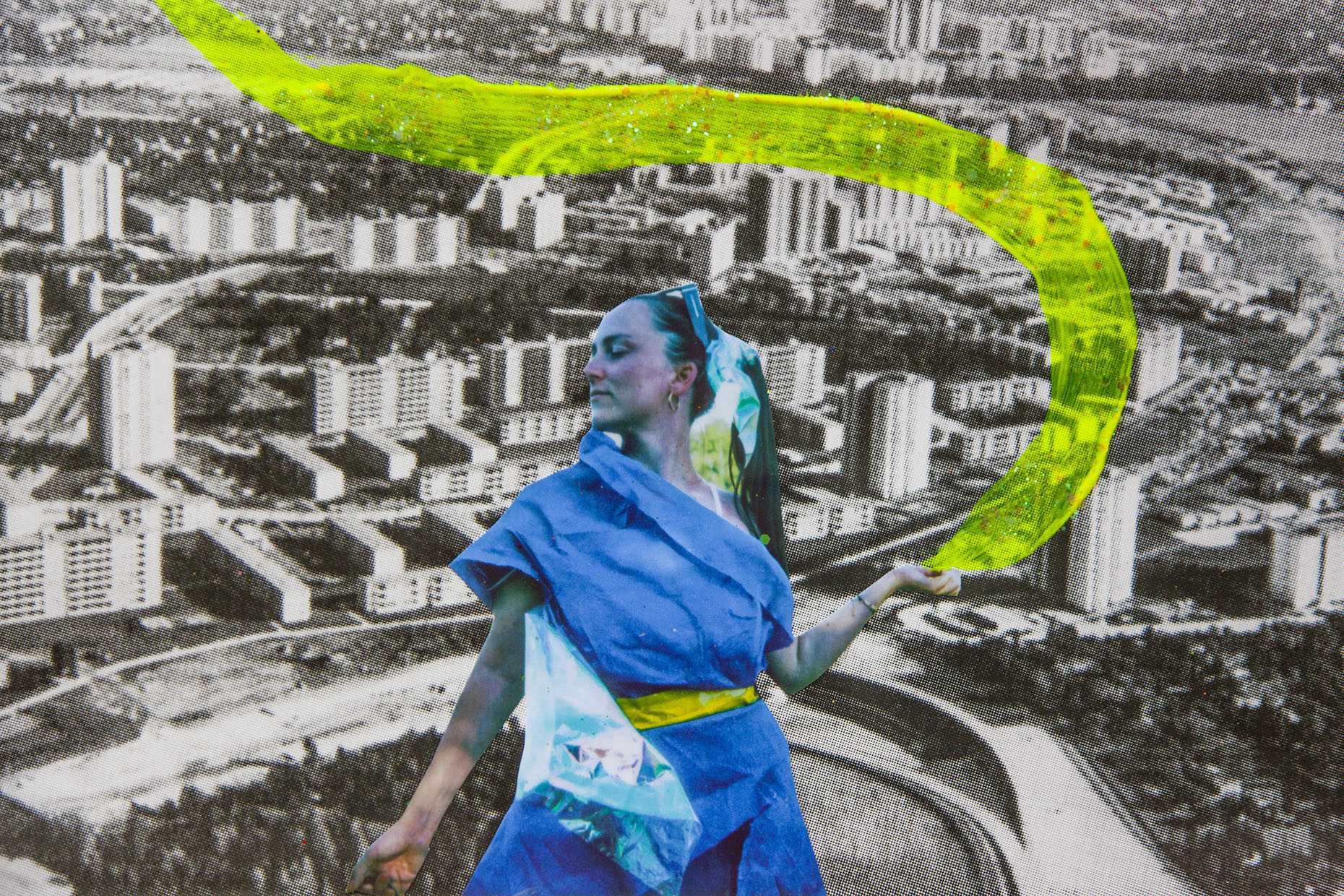
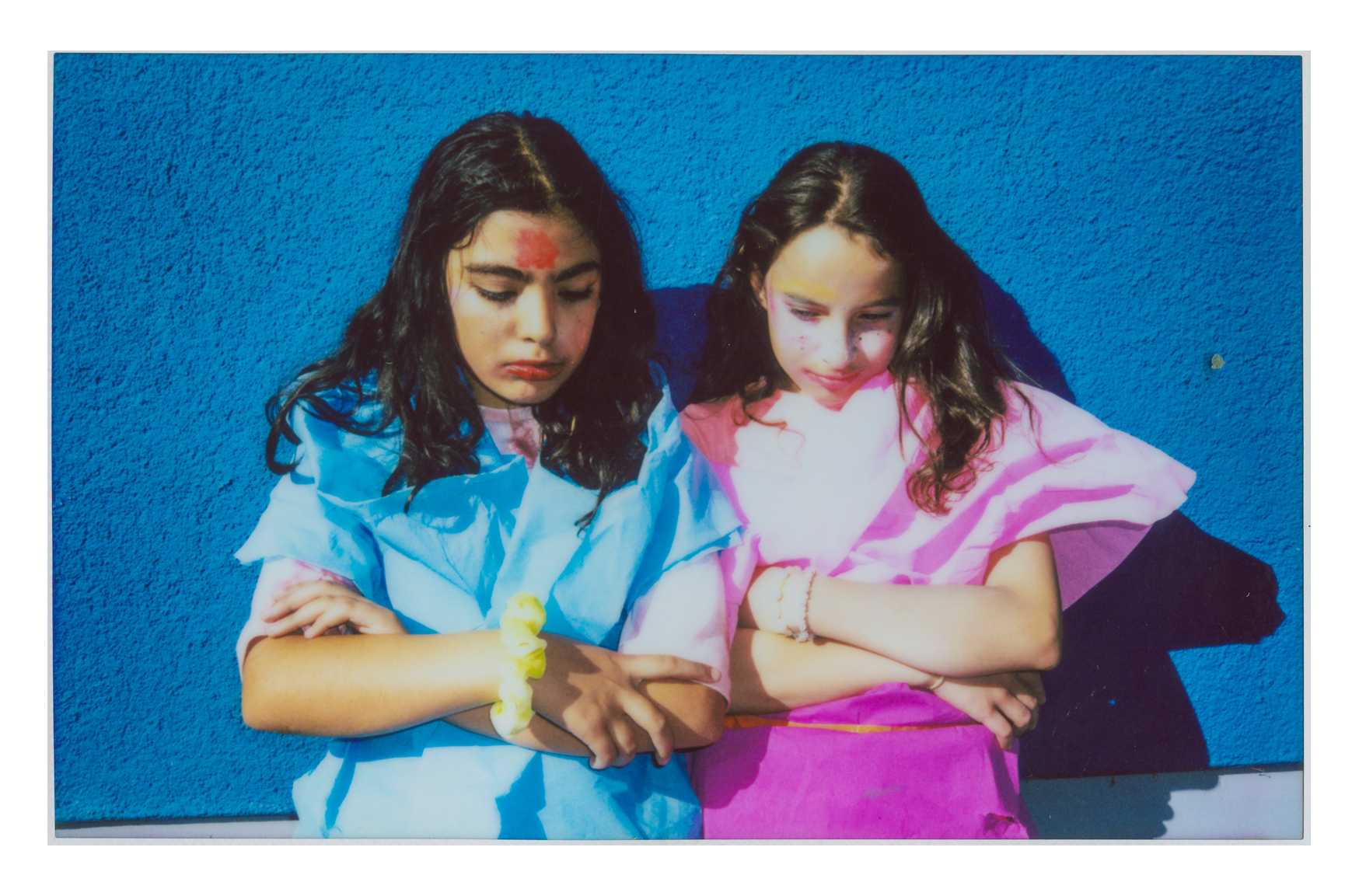
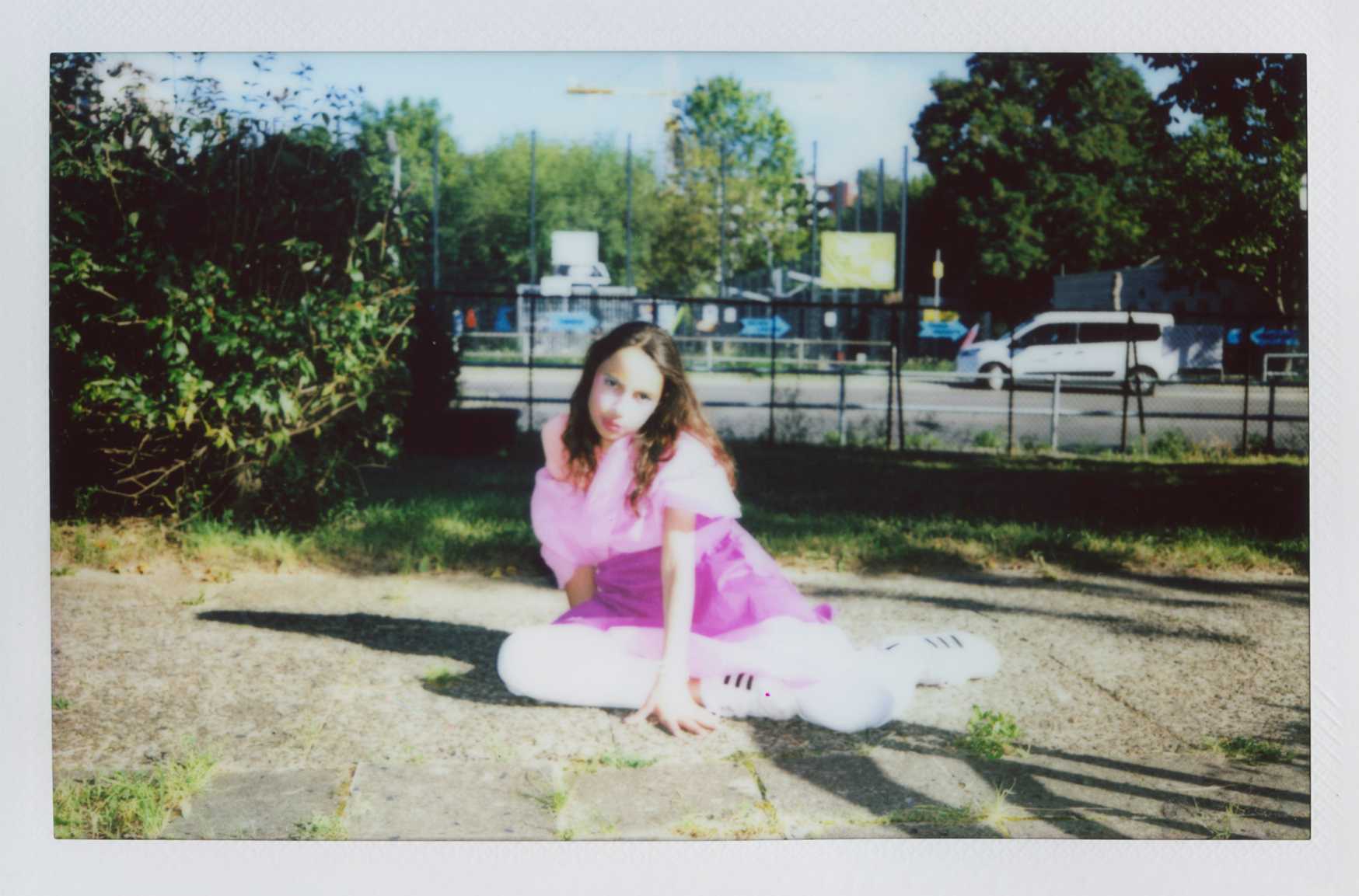
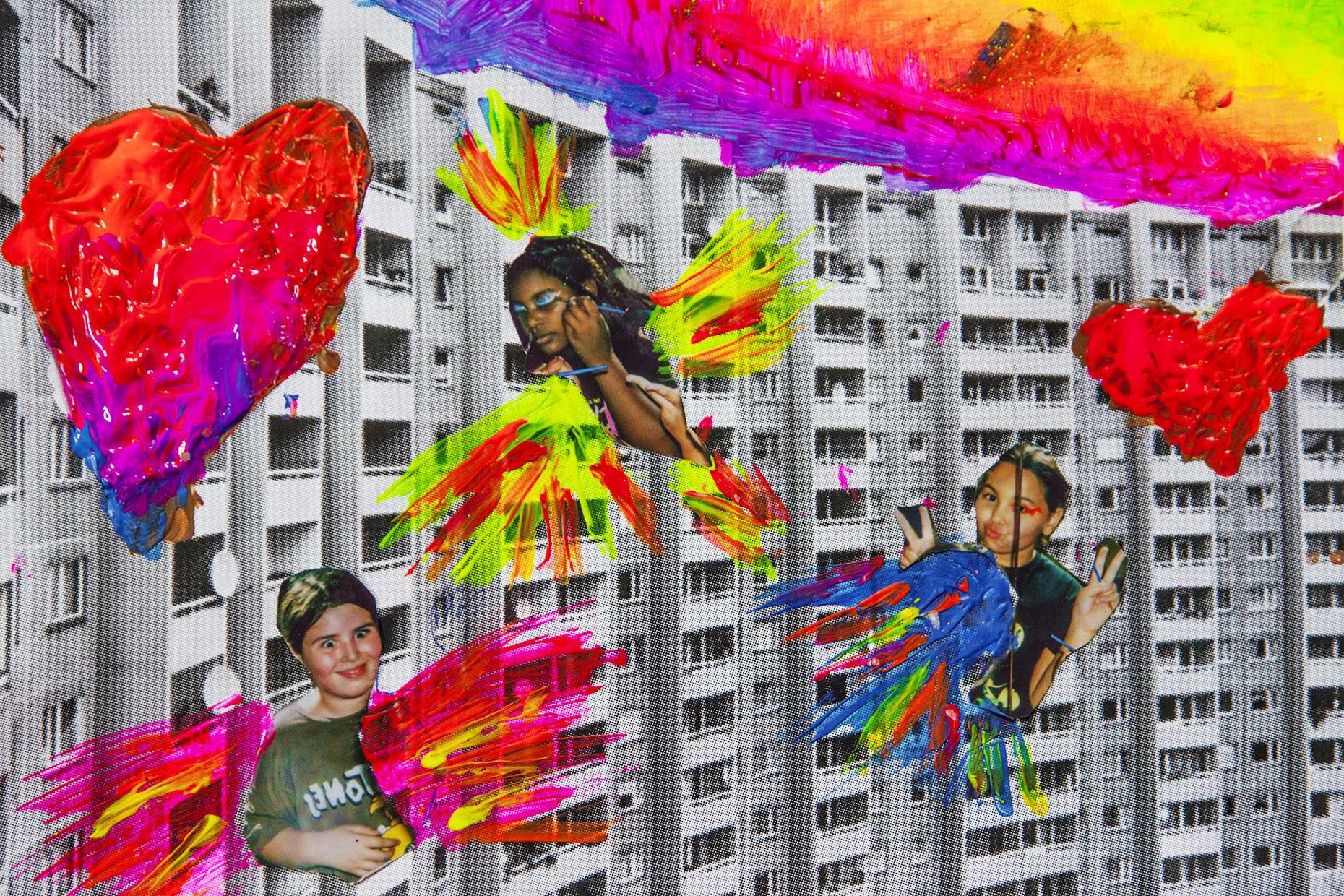
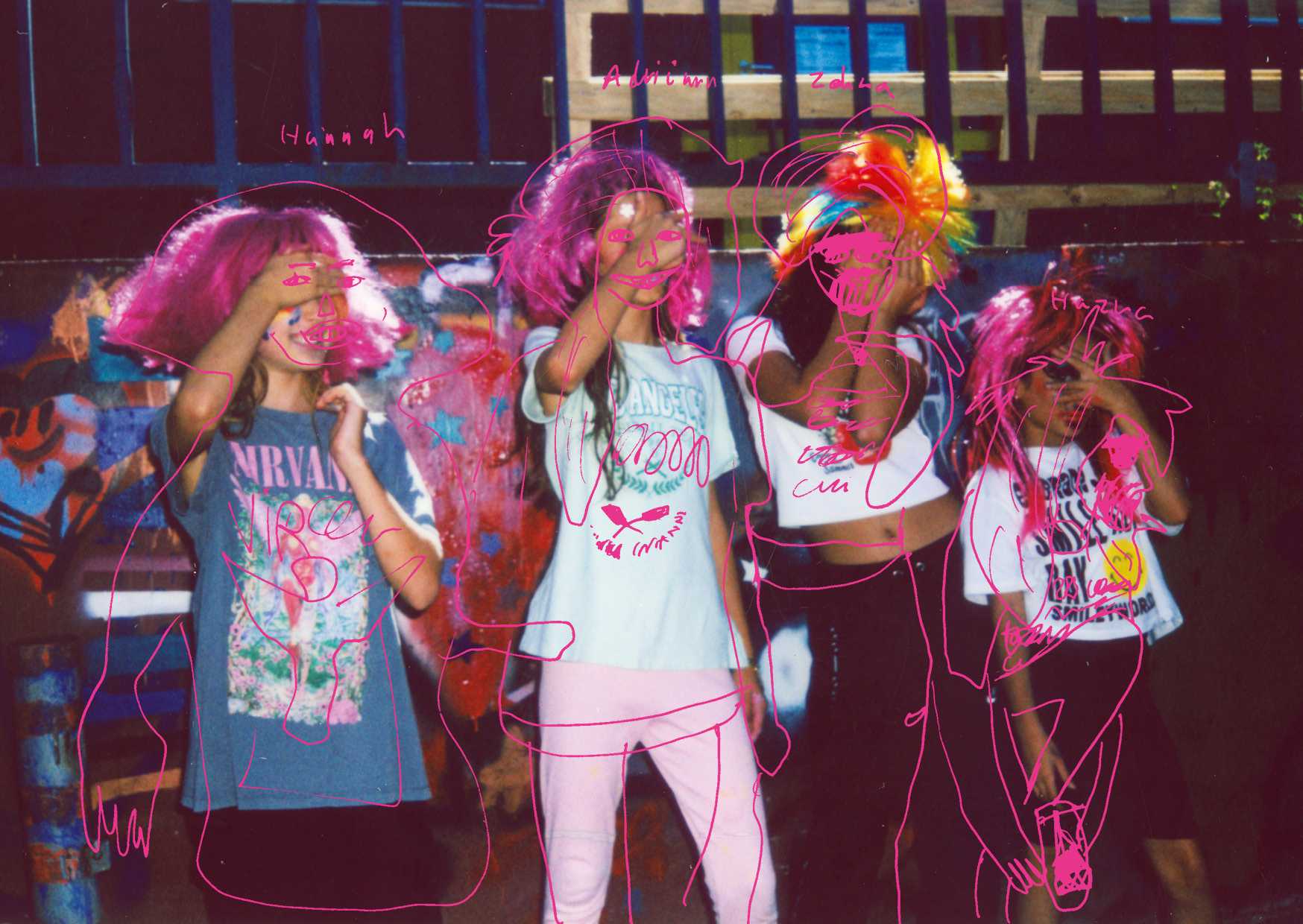
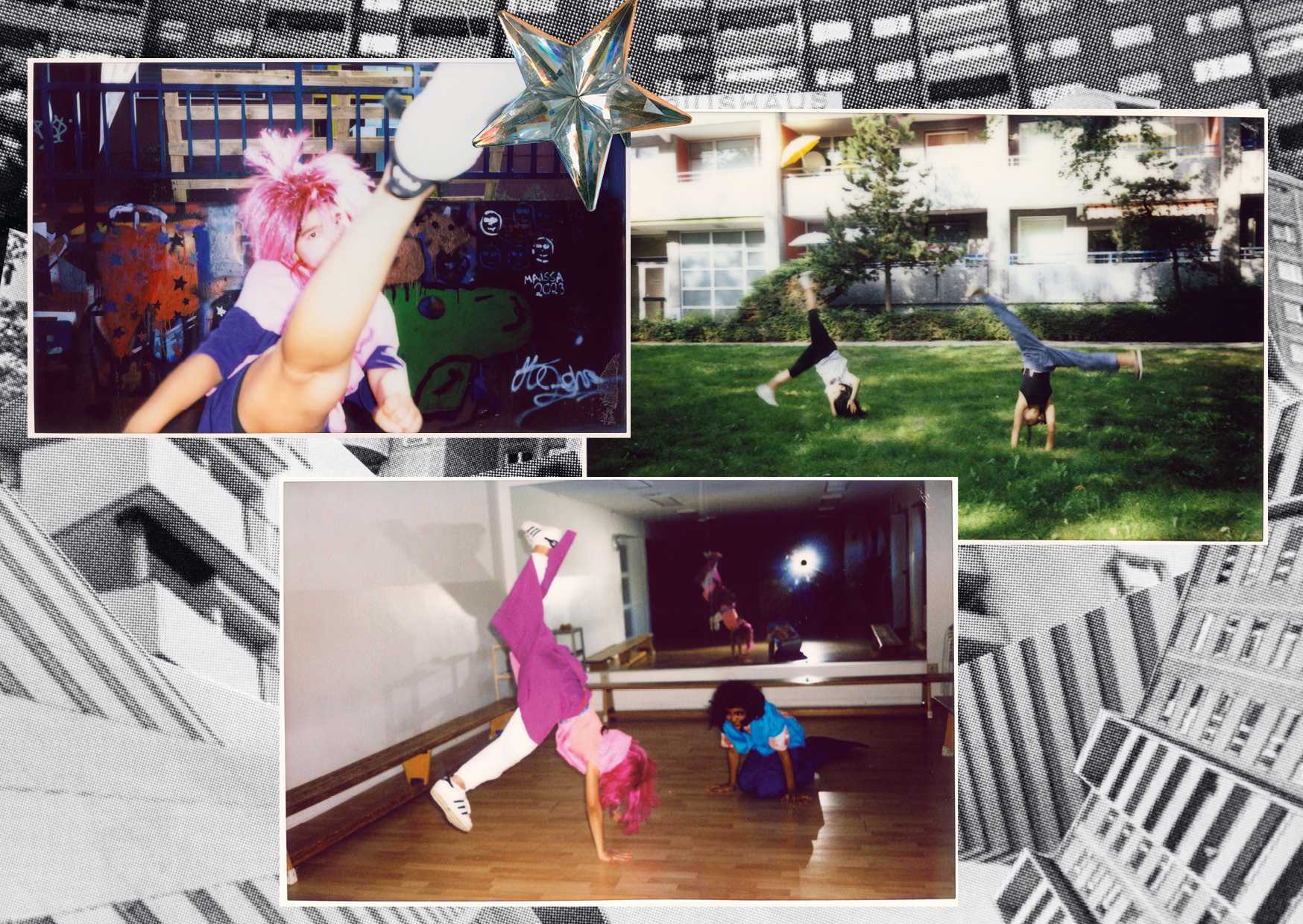
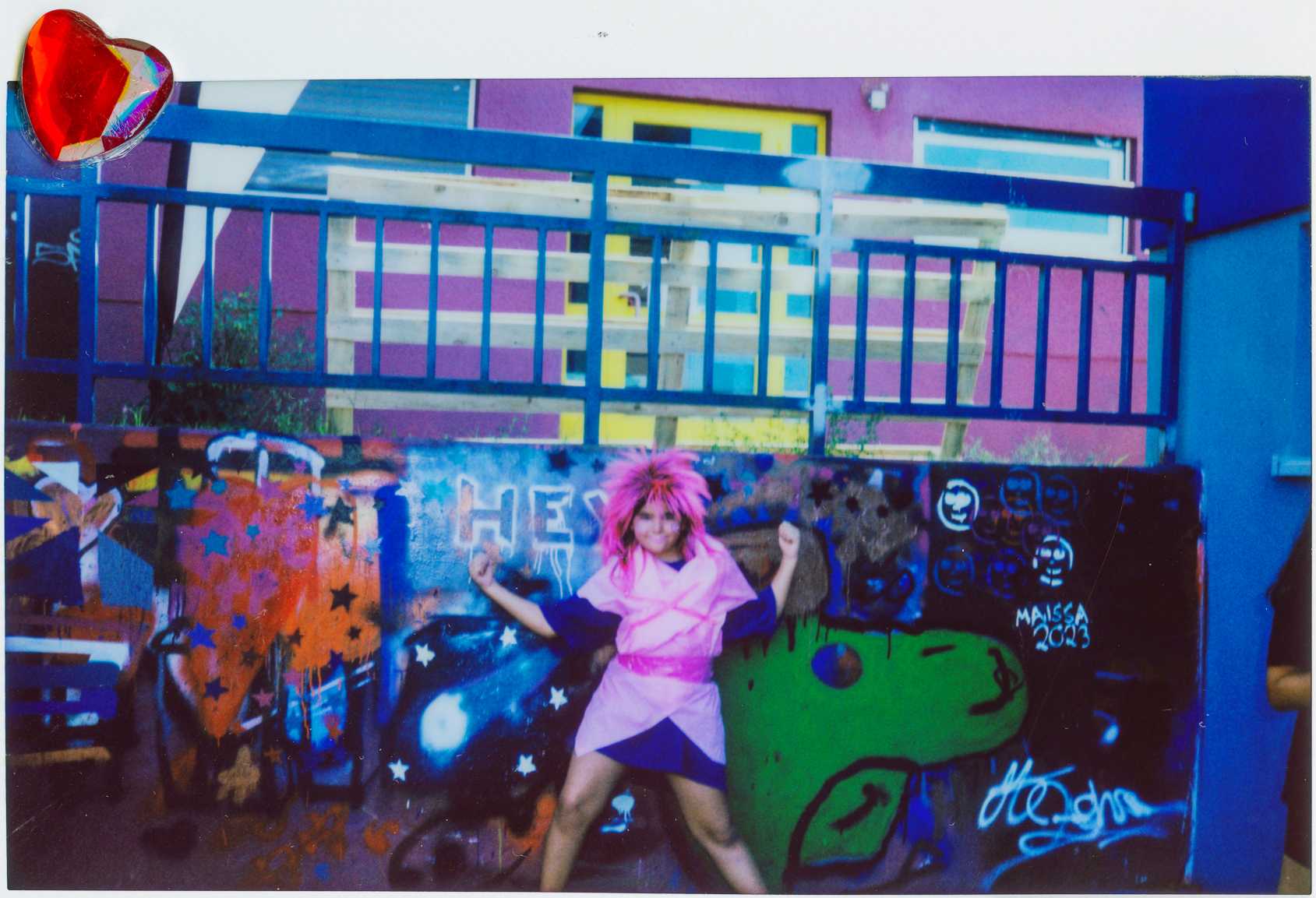
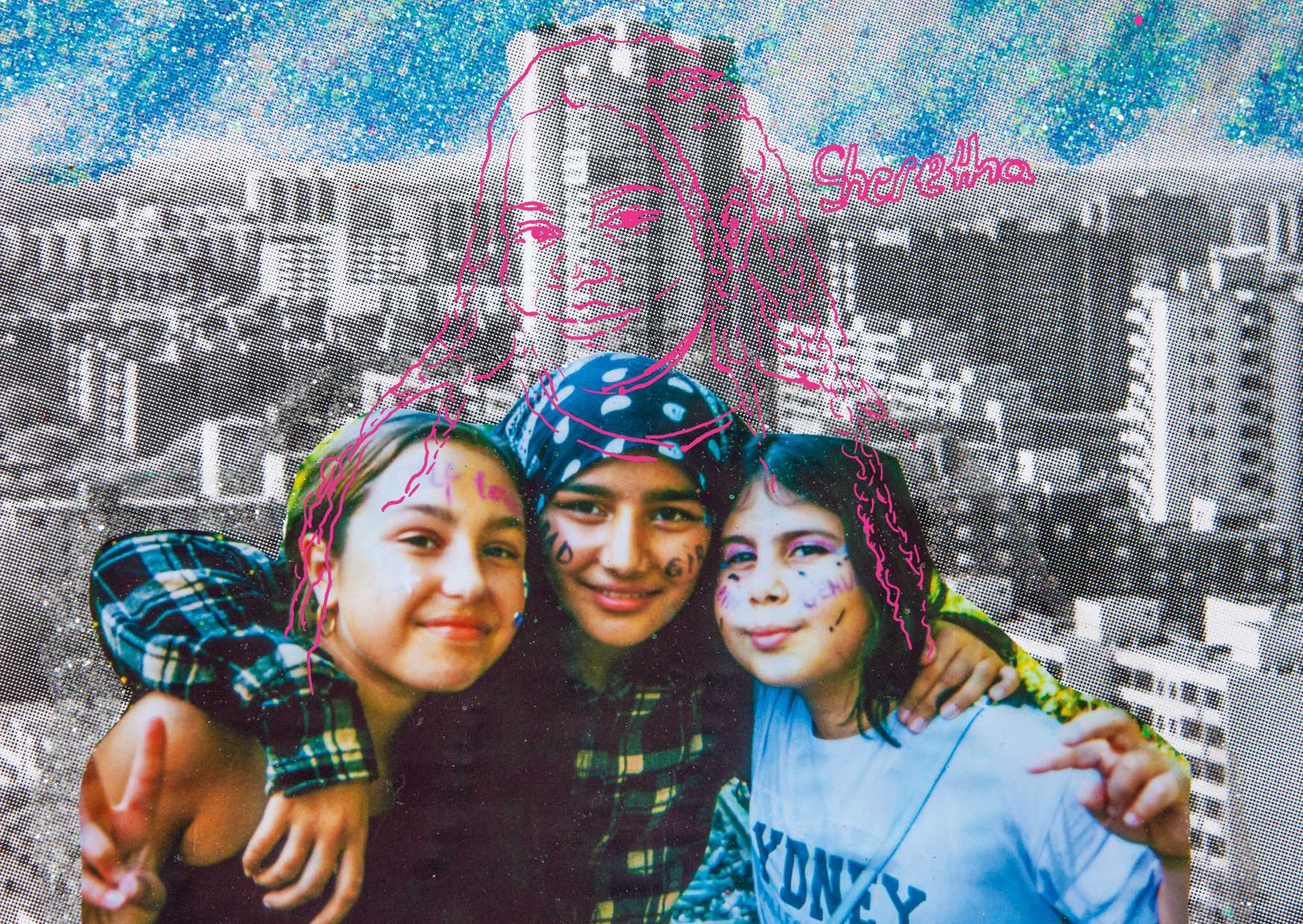
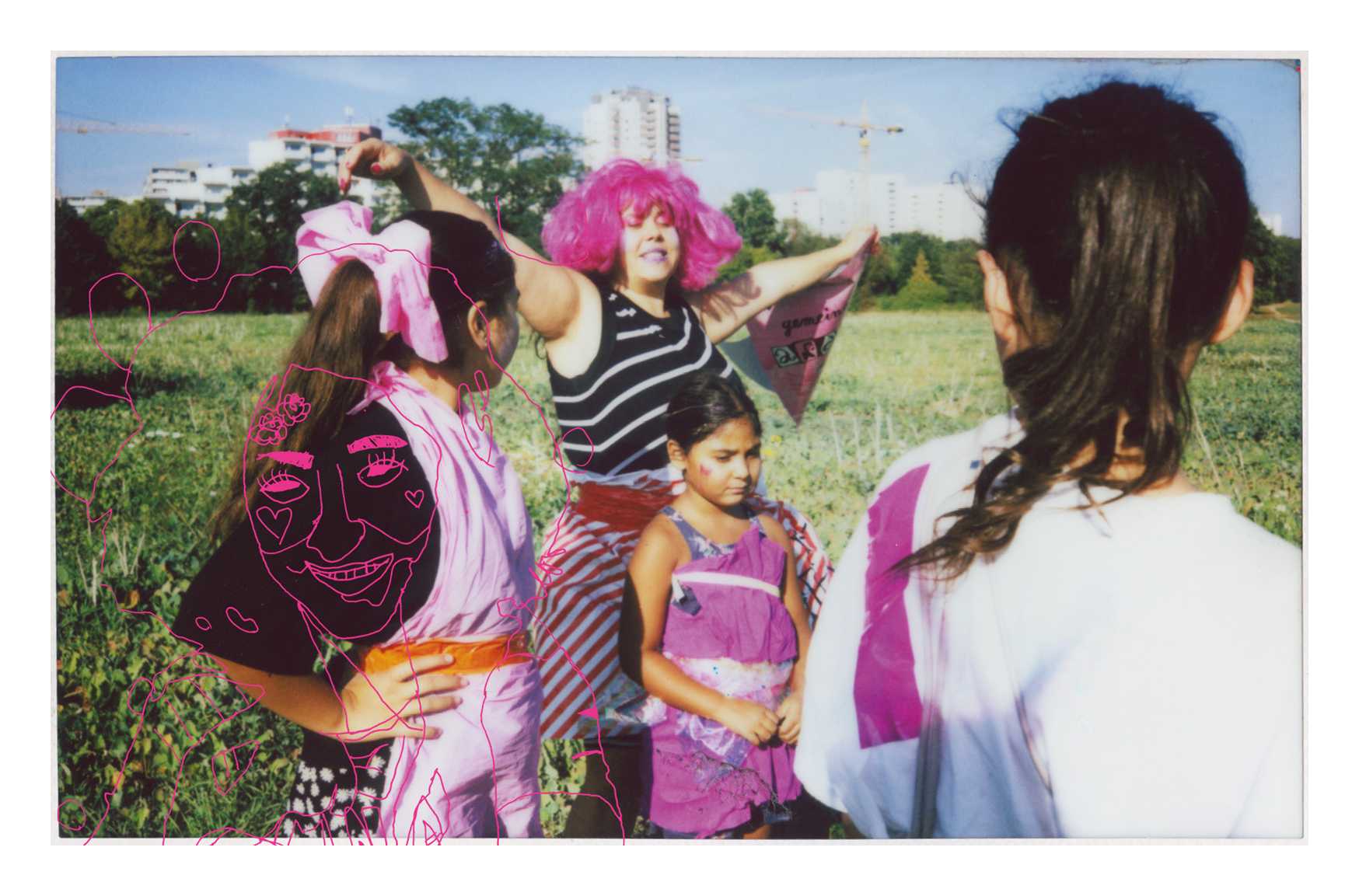
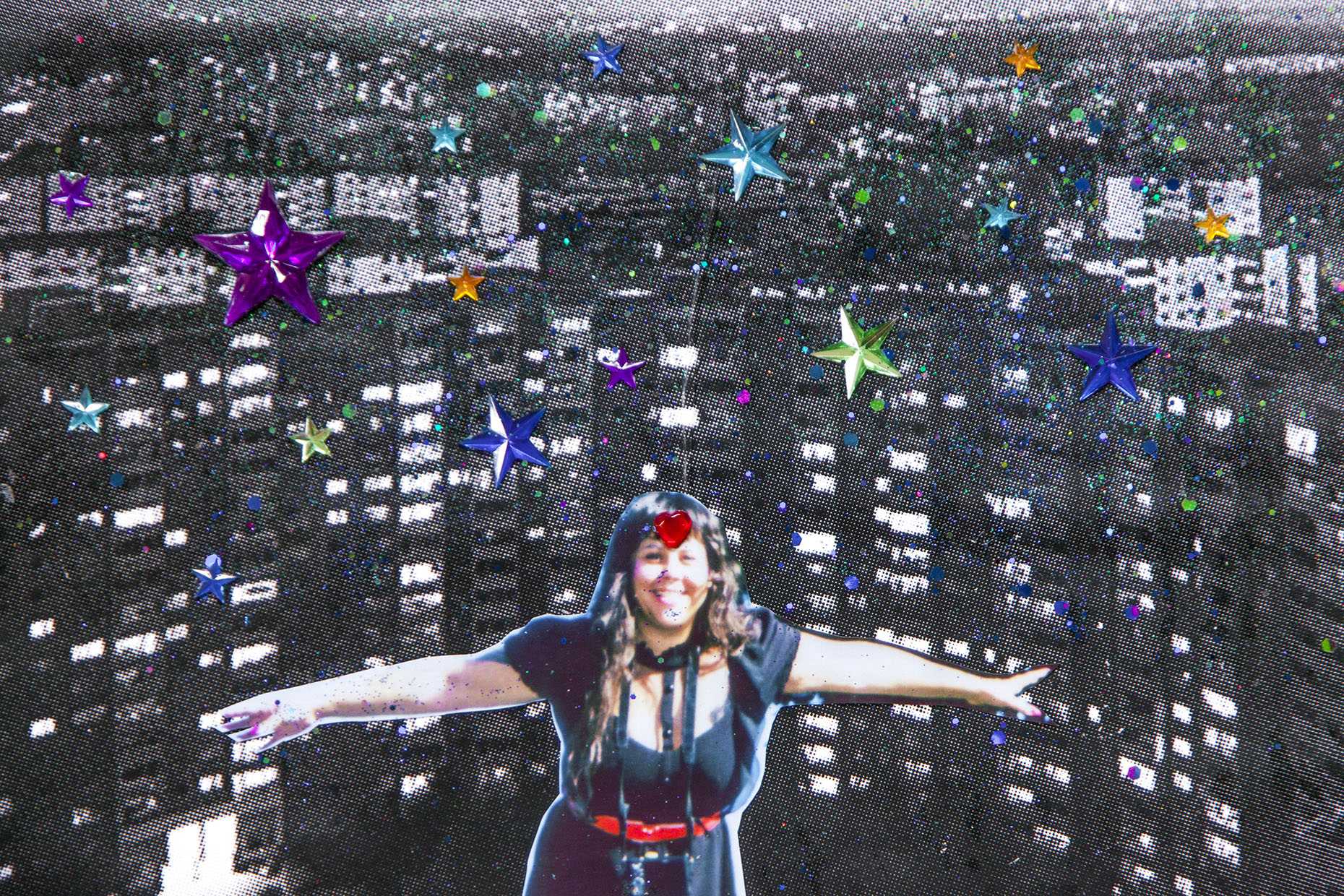
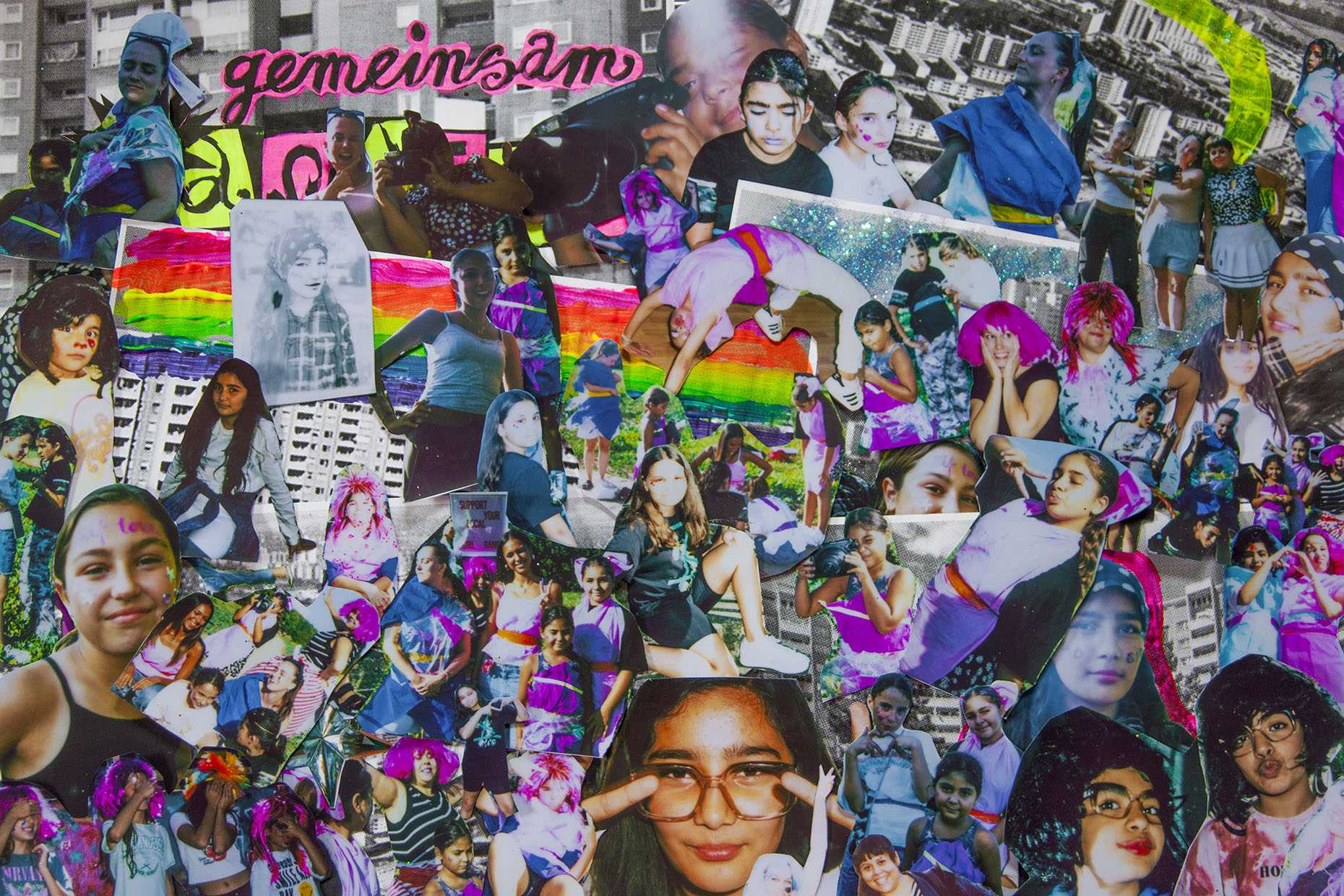
Under the motto Gemeinsam Anders Sein — Being Different Together — the girls designed DIY costumes, used body paint, glitter, wigs, and photographed one another in instant analog portraits. The process expanded into collage, drawing, and painting. Decisions about what to make, keep, and show were made collectively. Solidarity here was not a theme but a method — the understanding that differences enrich rather than divide, practiced session by session.
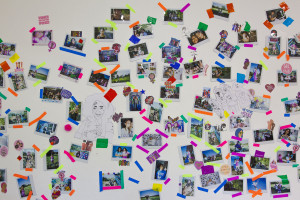
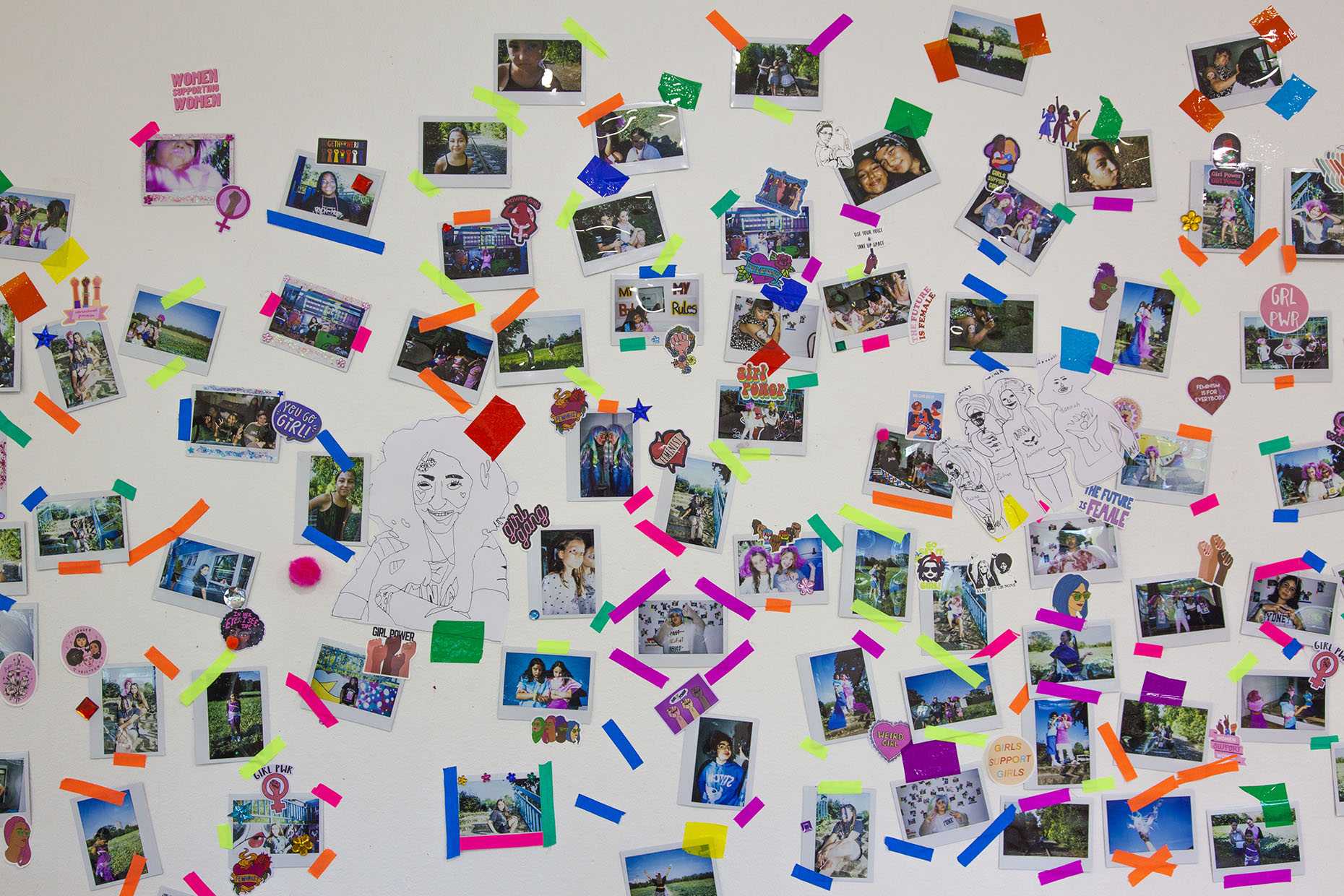
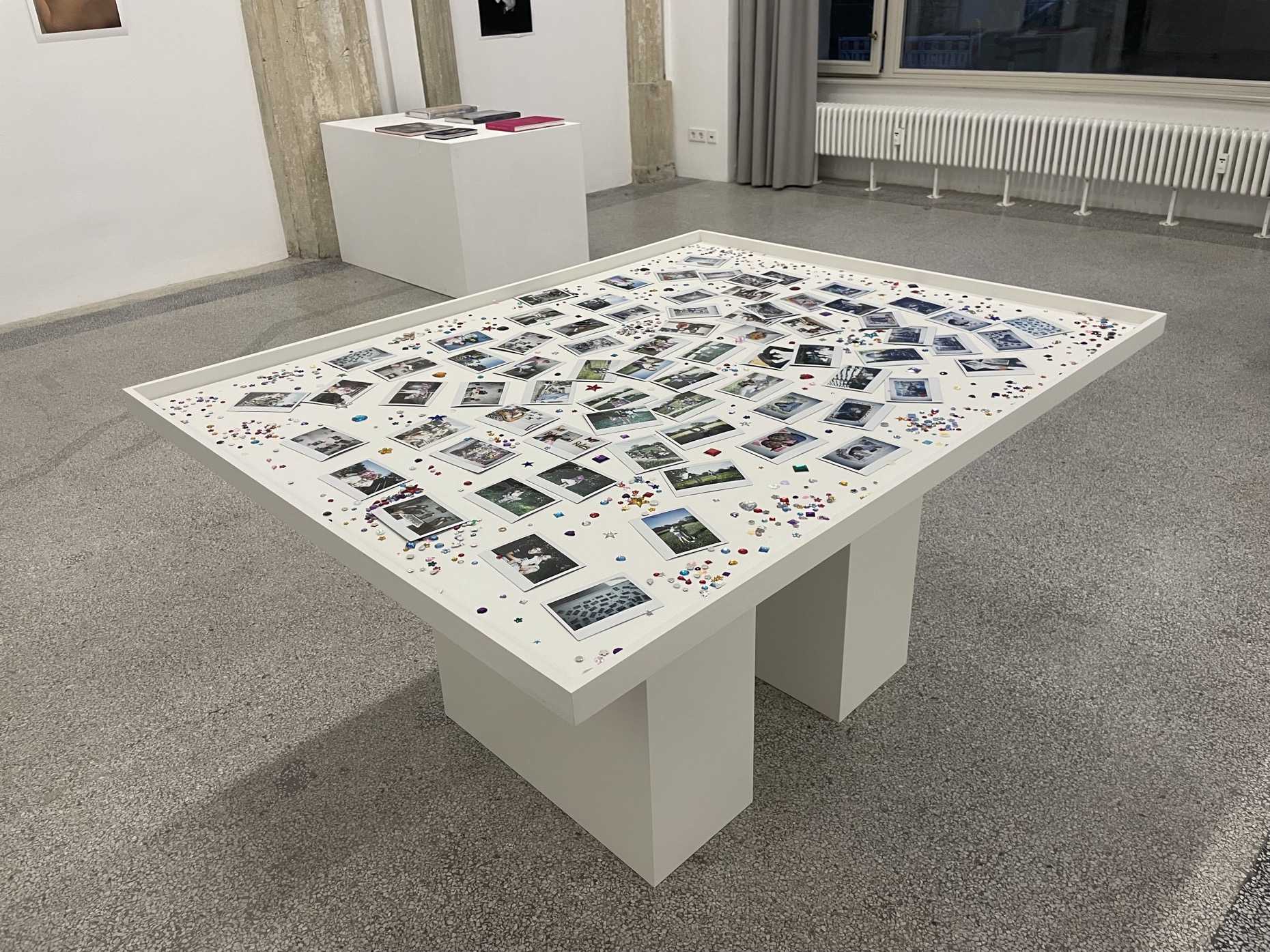
The Polaroid sits at the heart of the project's logic. Unlike digital images, an instant photograph is unrepeatable — a physical object that carries the moment it was made and the presence of everyone in the group. The girls' portraits became an archive of encounters: displayed on an interactive wall, collaged, and compiled into a Leporello publication co-curated with Szproch. Participants said that through this work they realized joy and play were also theirs, not just duties. Some connections endured beyond the project.
The work was first shown publicly at the Apfelsinenplatz festival, where it inaugurated the Call for Solidarity alongside all participating projects. In 2025, it traveled to the Bauhaus-Archiv für Kunst und Kooperation in der Gropiusstadt — a group exhibition making visible what community art practice actually involves. The project continues to find new contexts — participatory work does not end when the workshop does.
Artistic direction Joanna Szproch. Created collectively with the participants of Wilde Hütte, Gropiusstadt: Adrianna, Alyye, Asma, Hanna, Hasna, Joanna, Lena, Lina, Marleen, Maria, Nissanur, Sena, Sheretta, Tajala, Tiffany, Tuvana, Zara, Zehra.
Next Project
Alltagsfantasie
Alltagsfantasie
Alltagsfantasie
2023/26
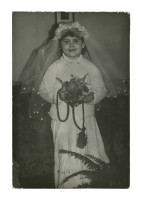
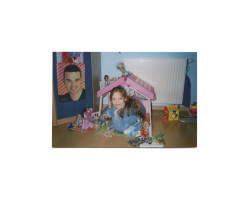
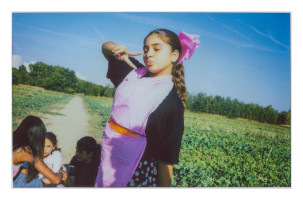
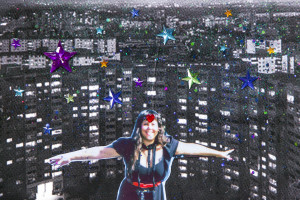
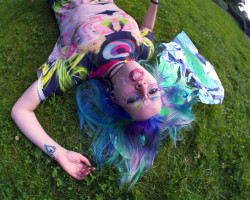
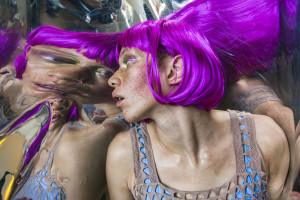
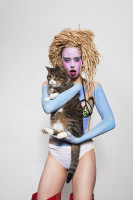
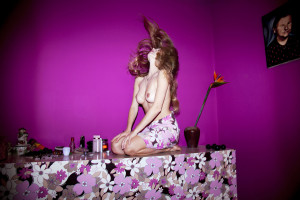
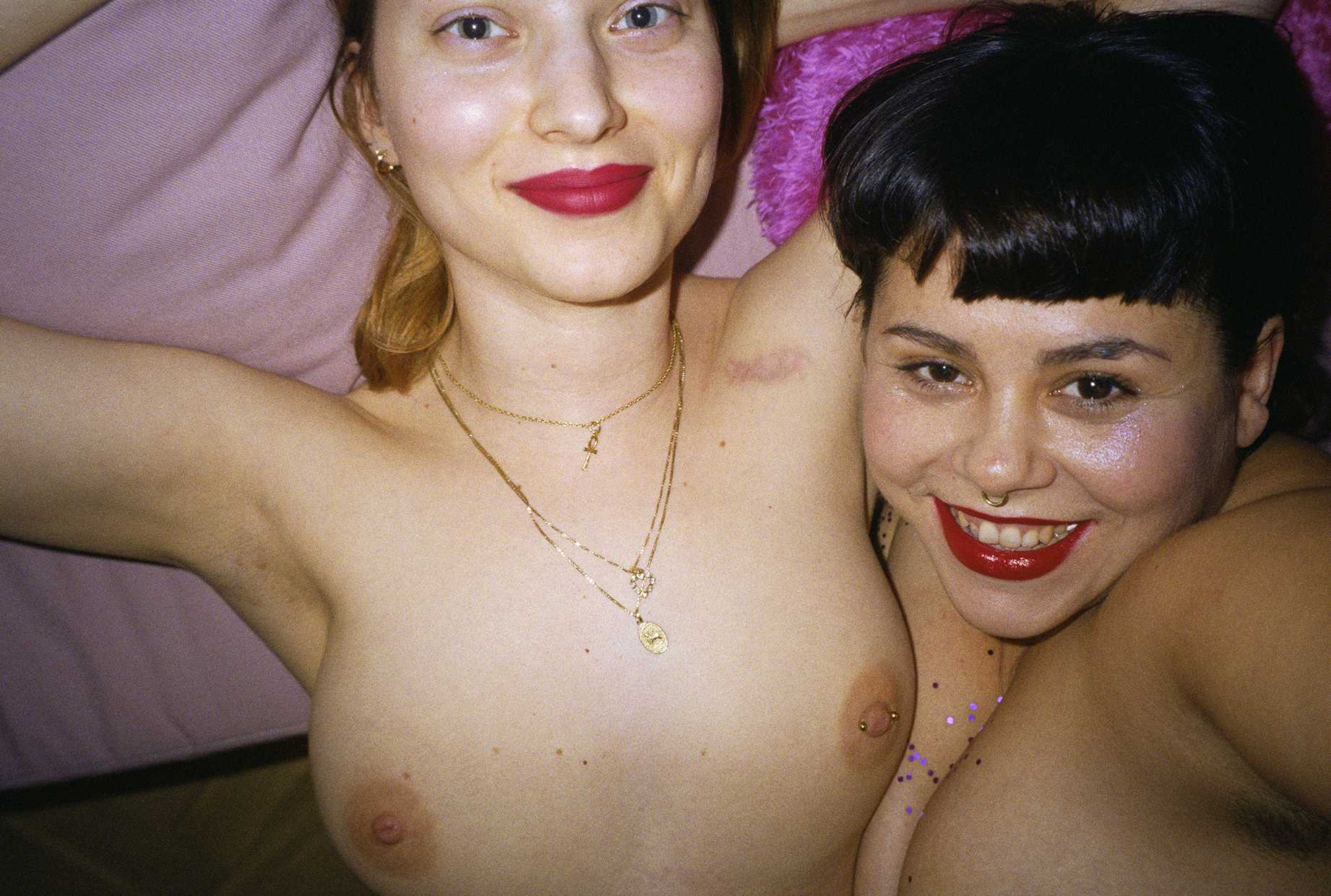
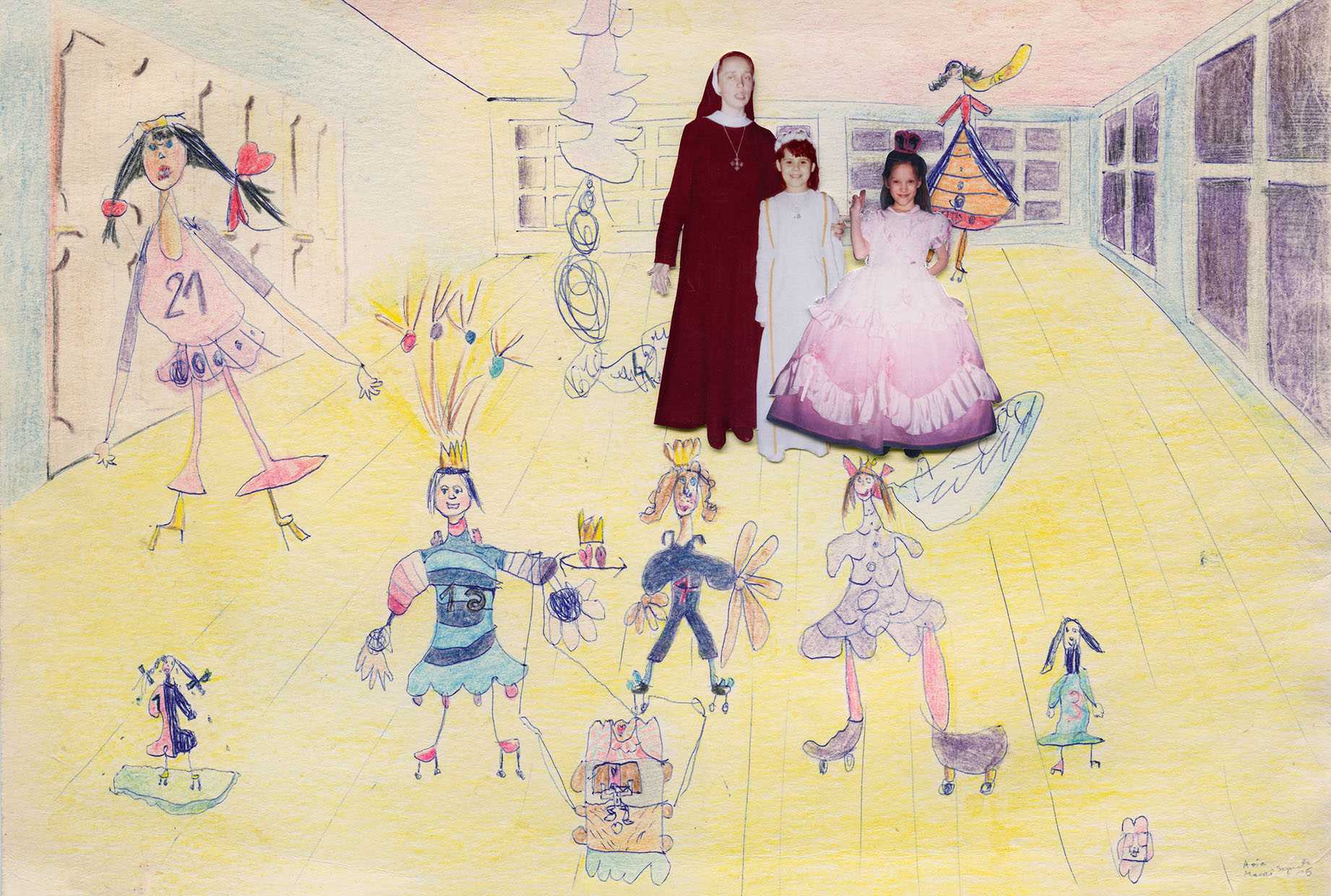
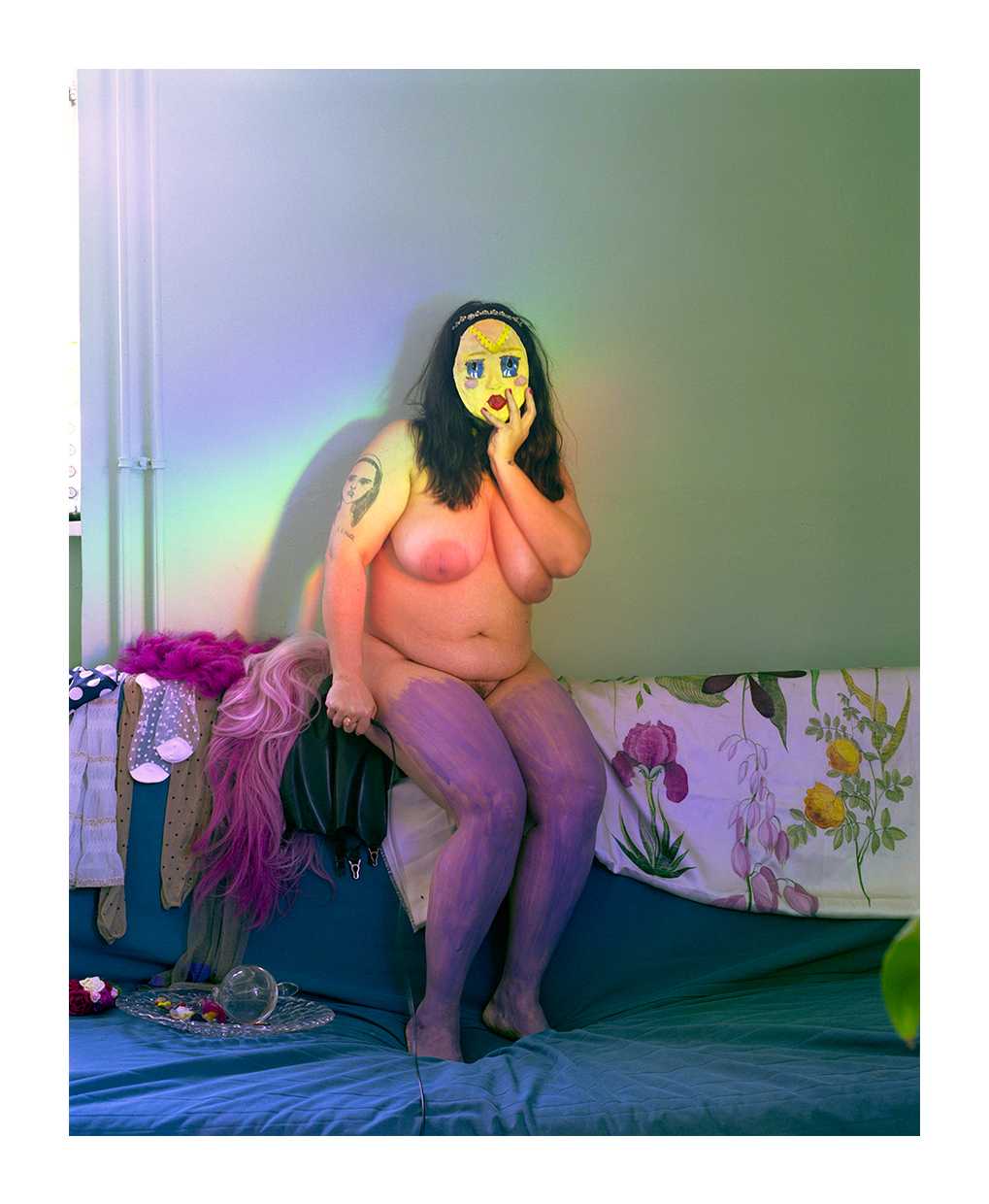
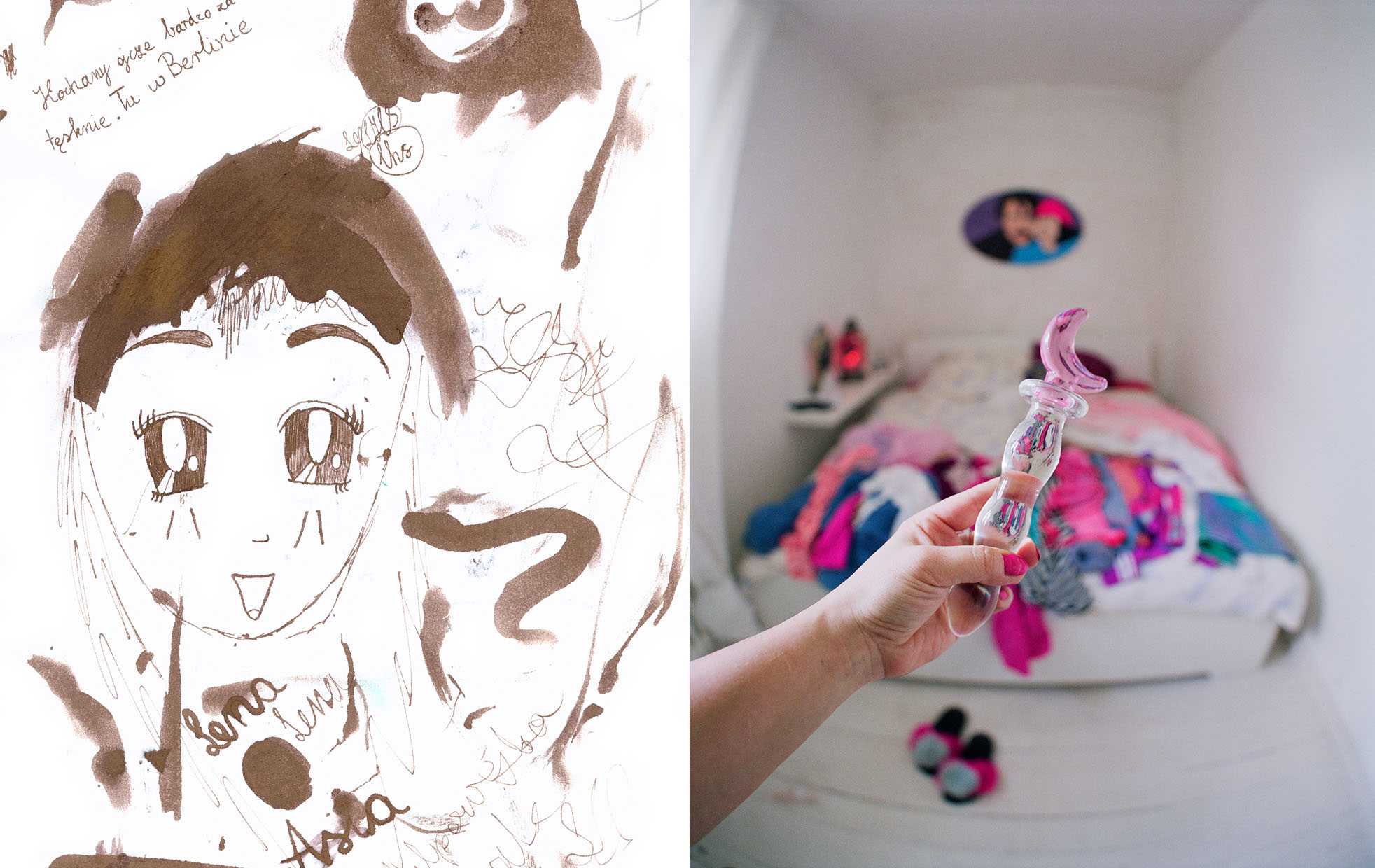
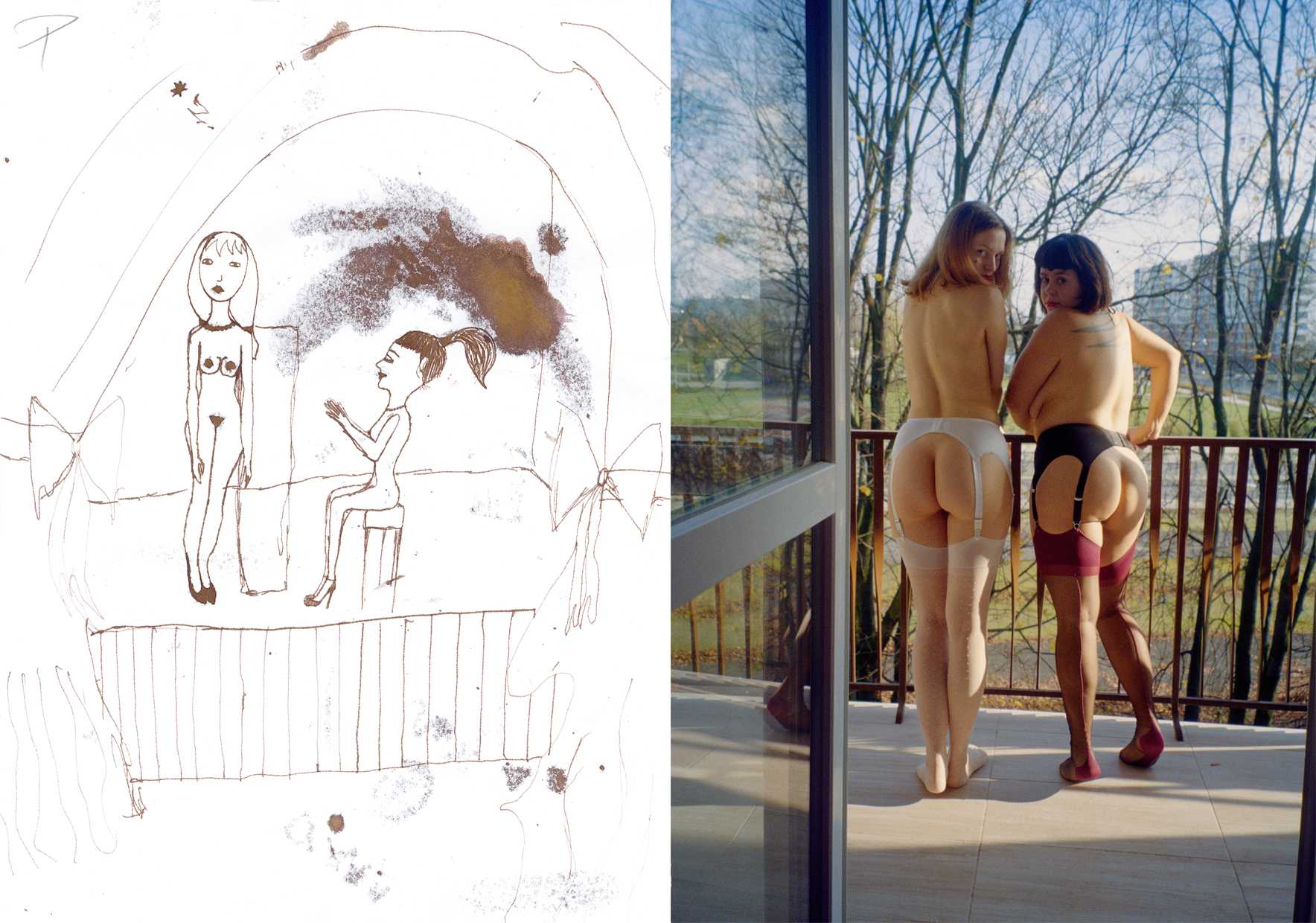
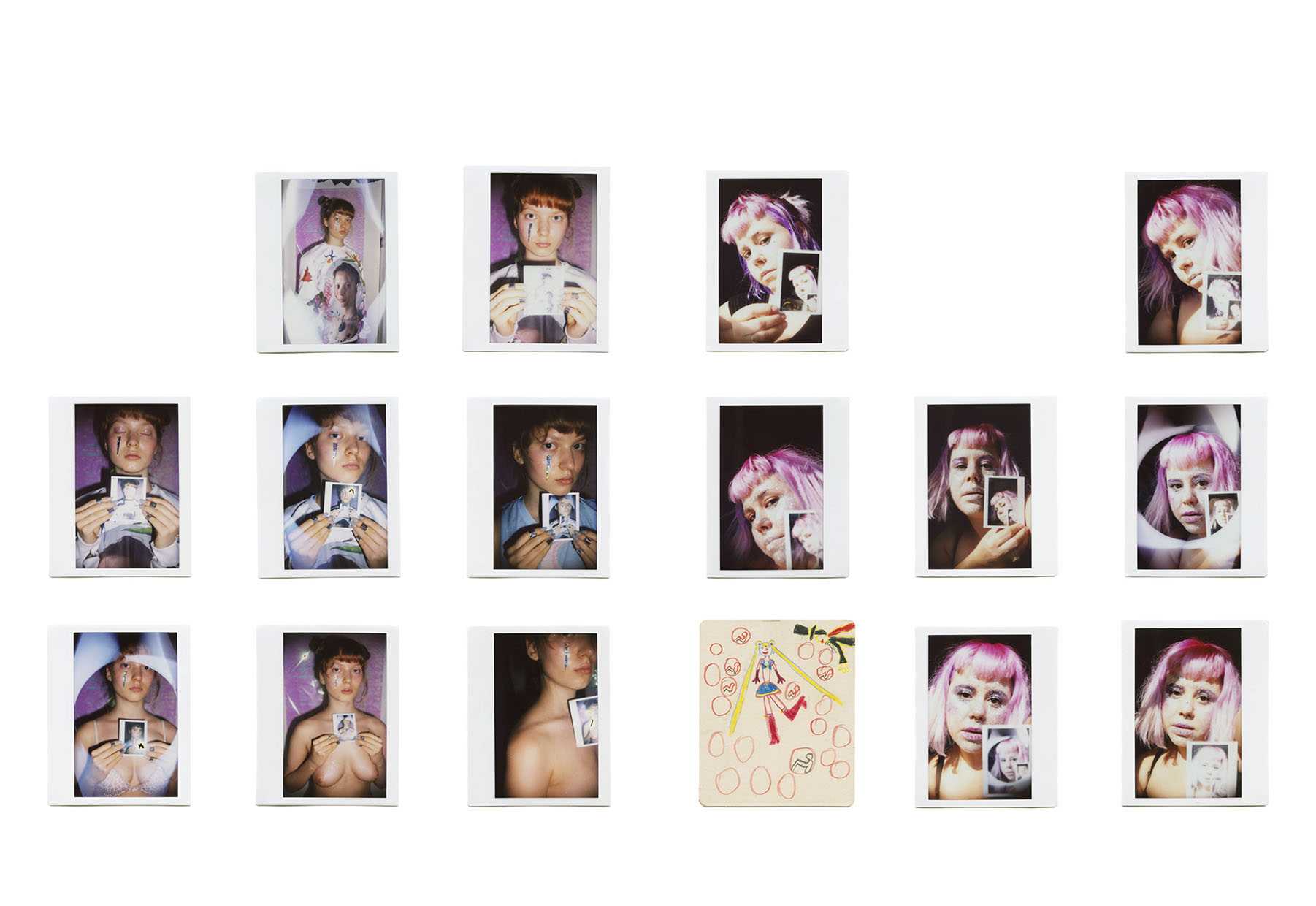
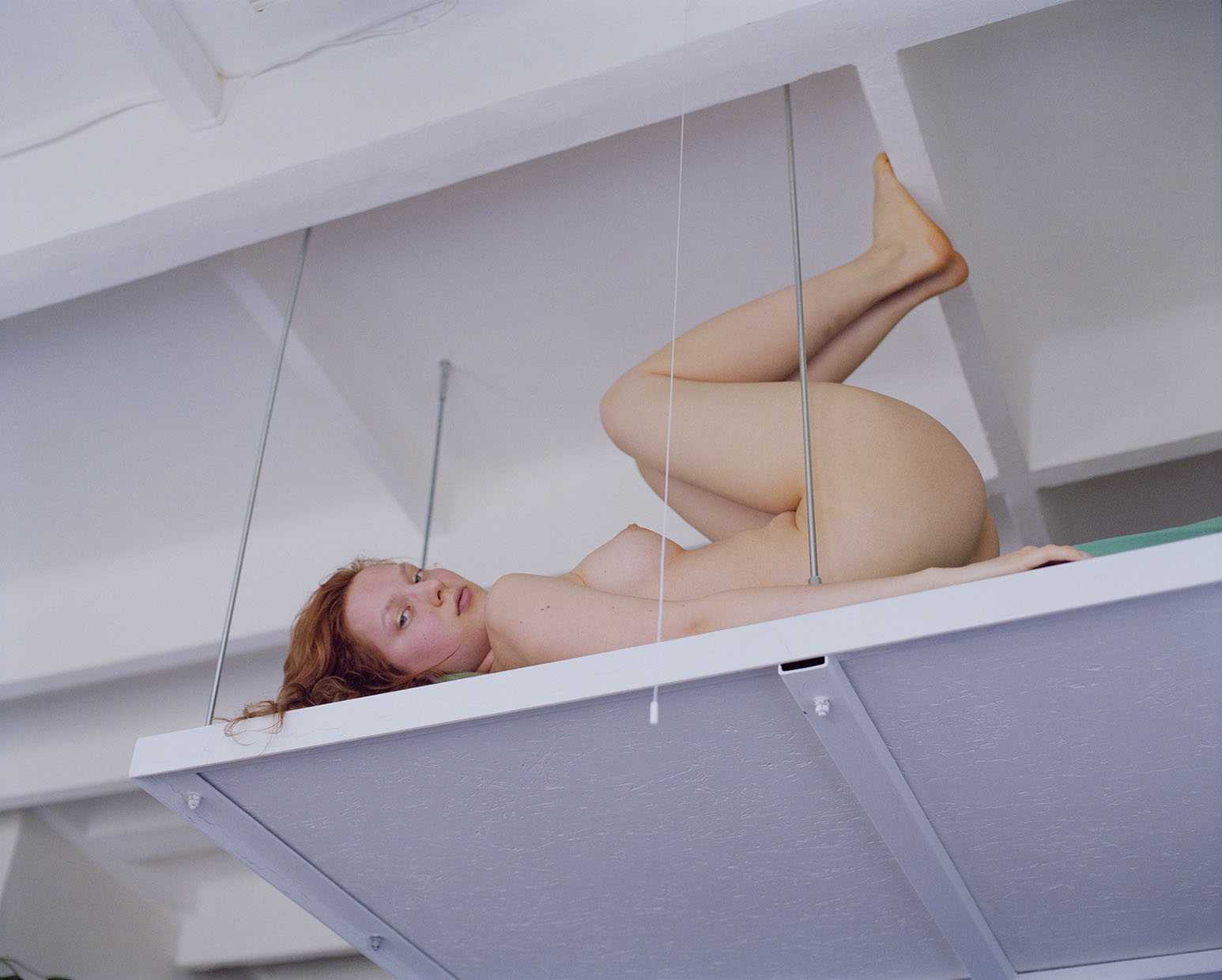
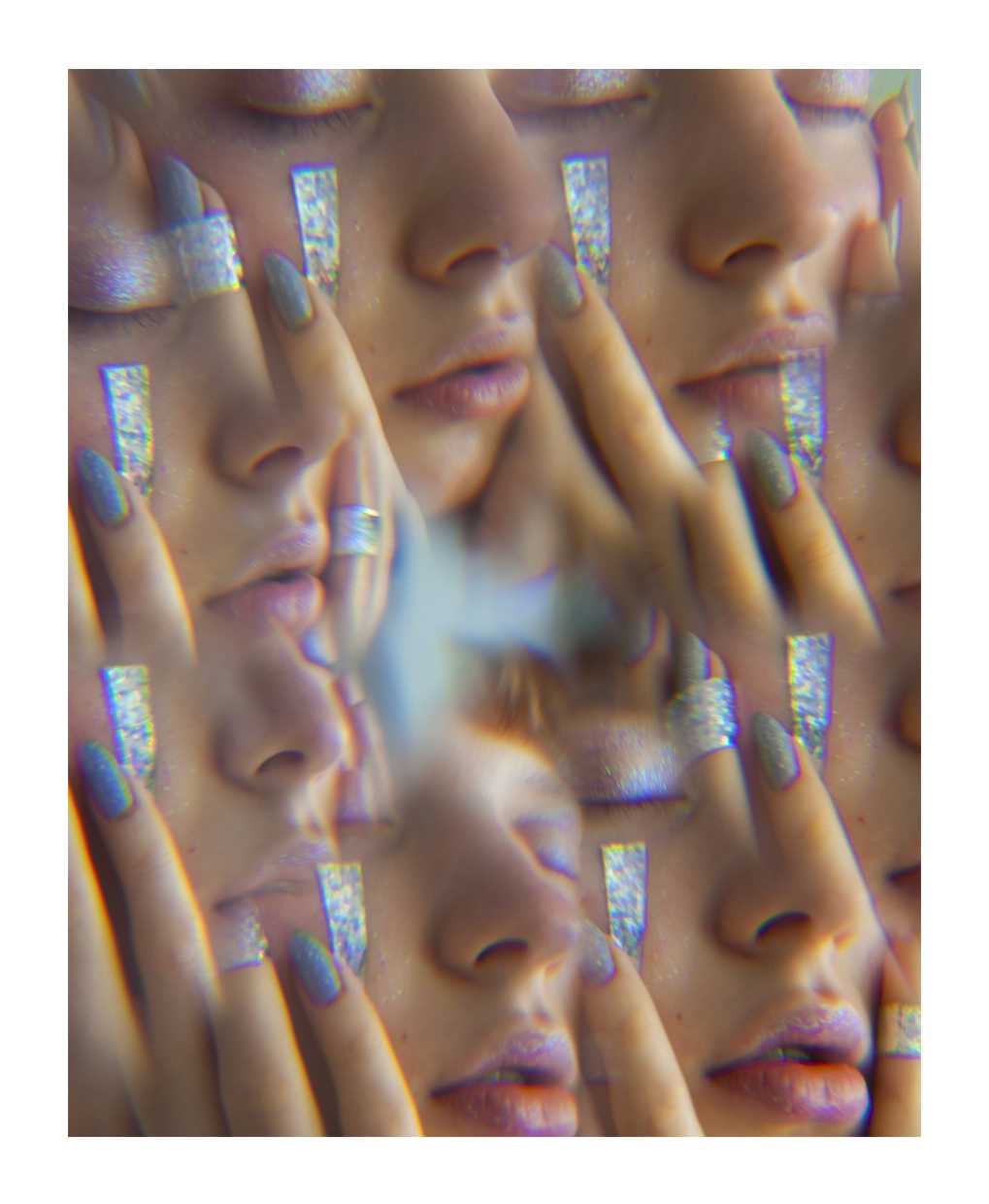
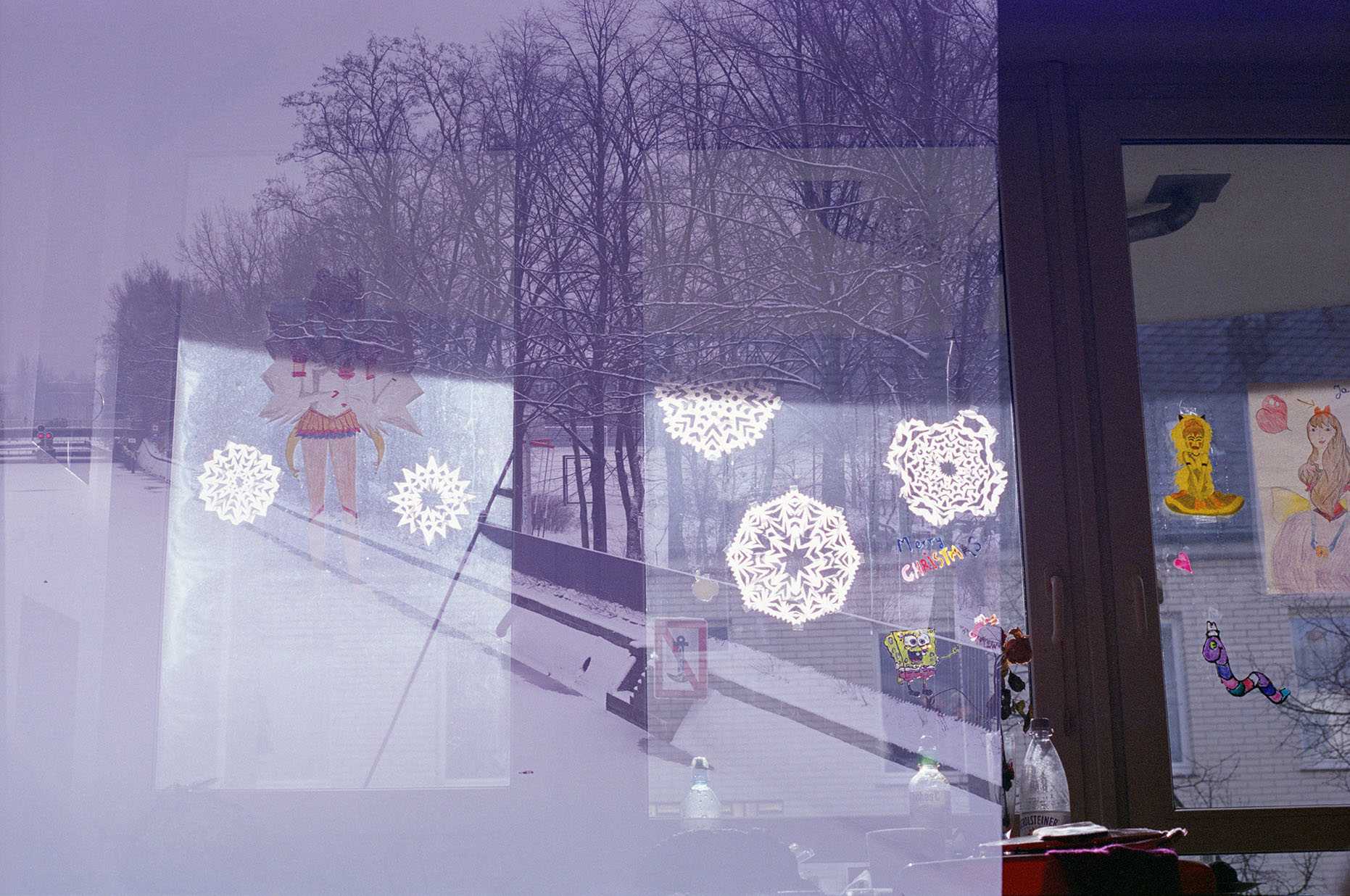
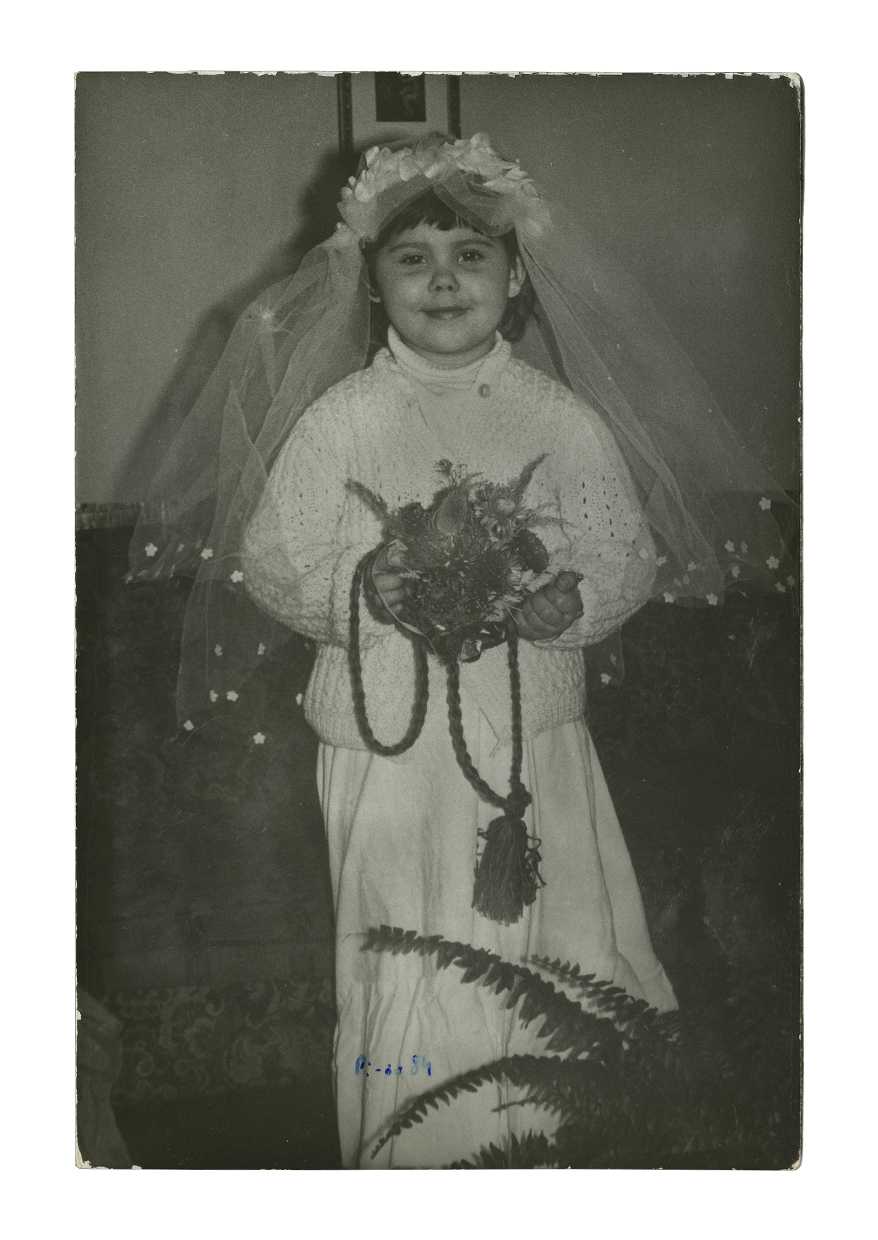
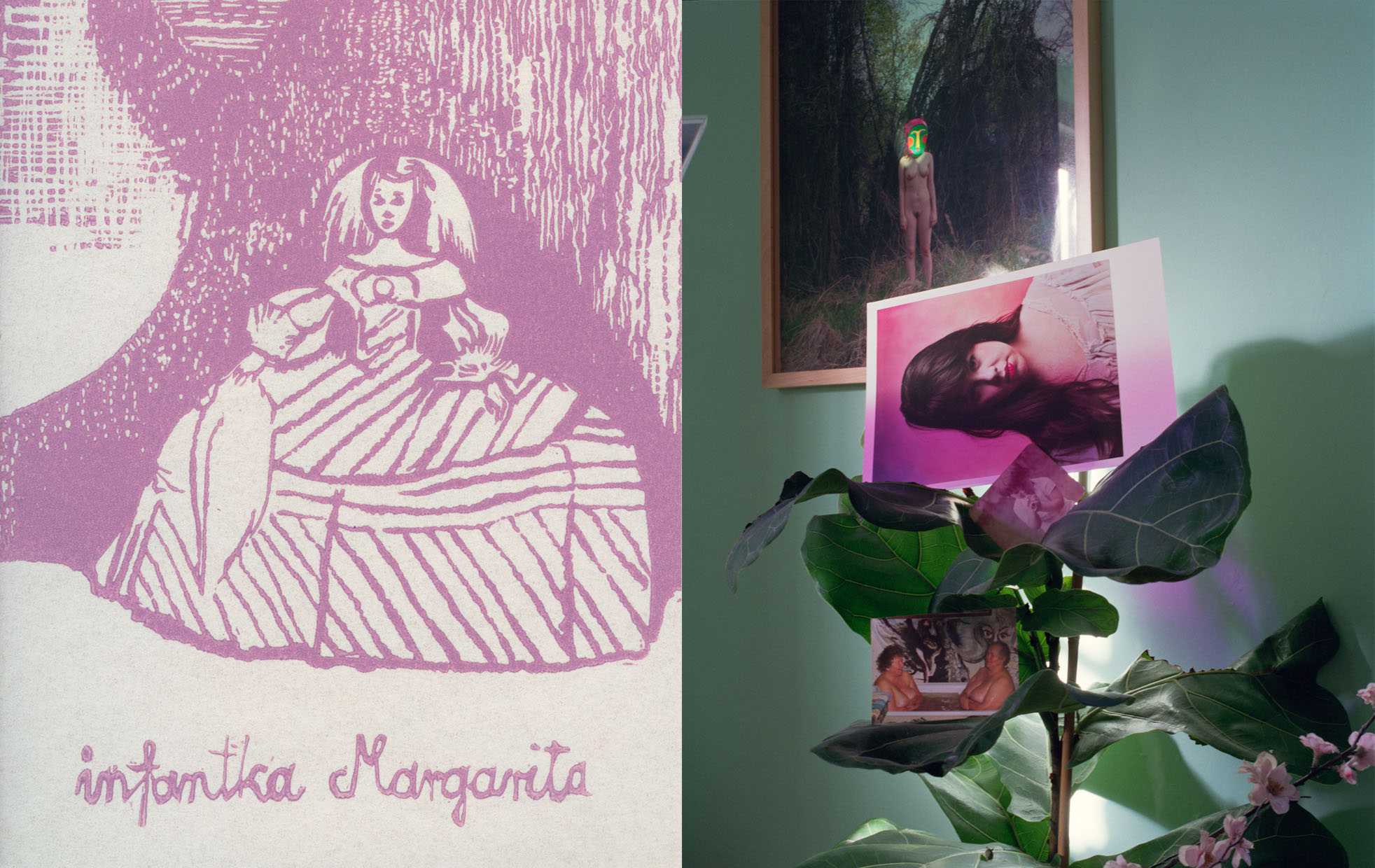
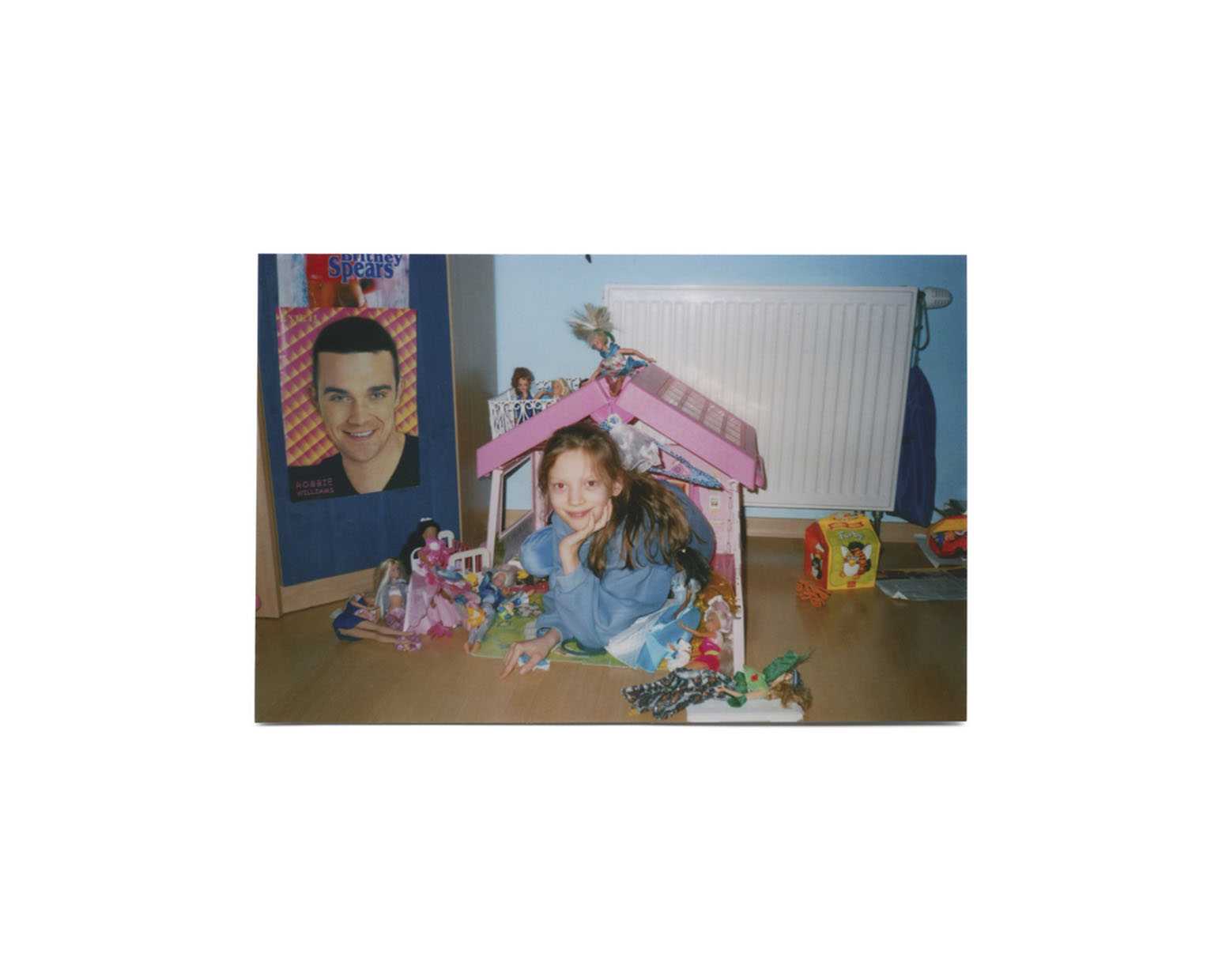
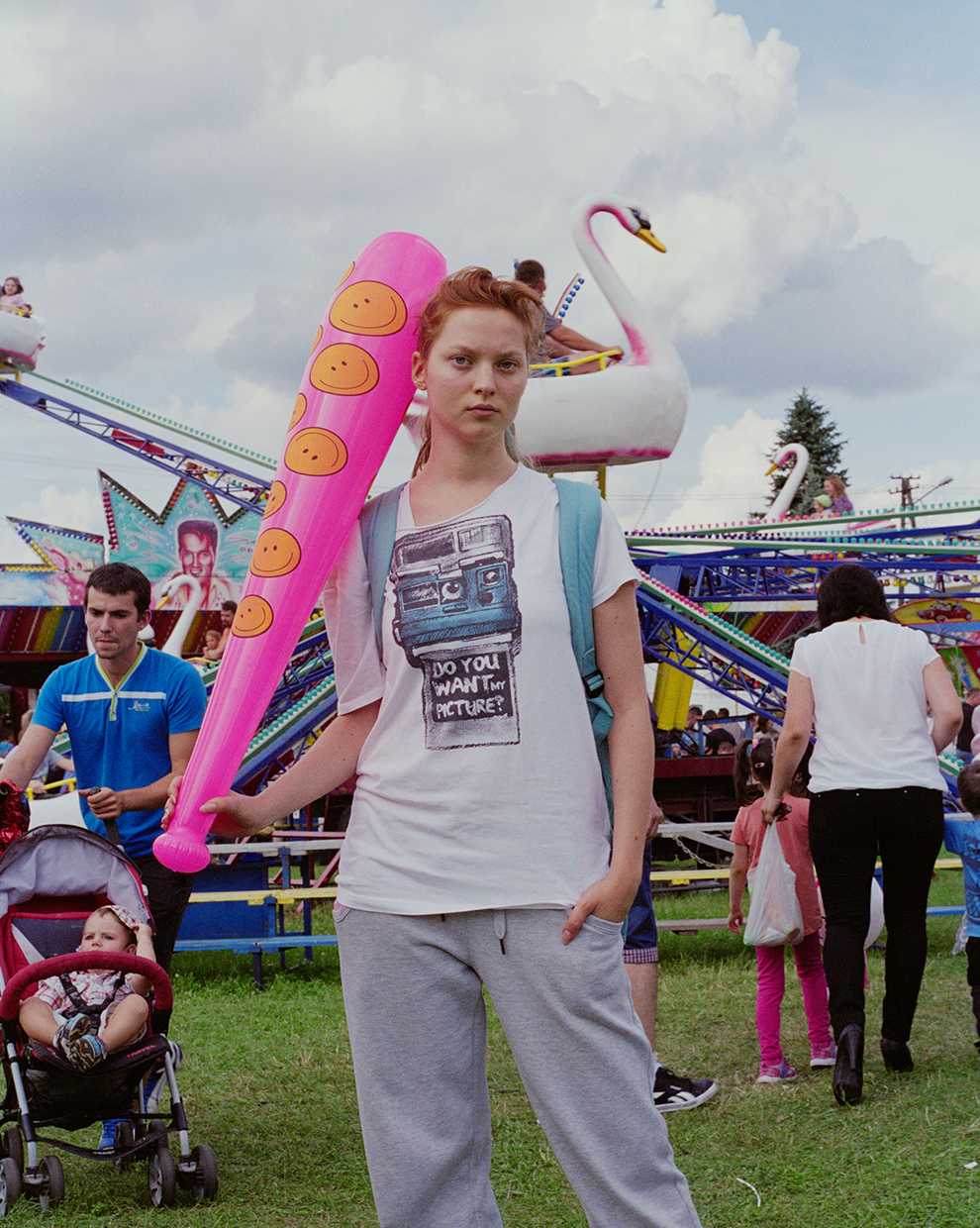
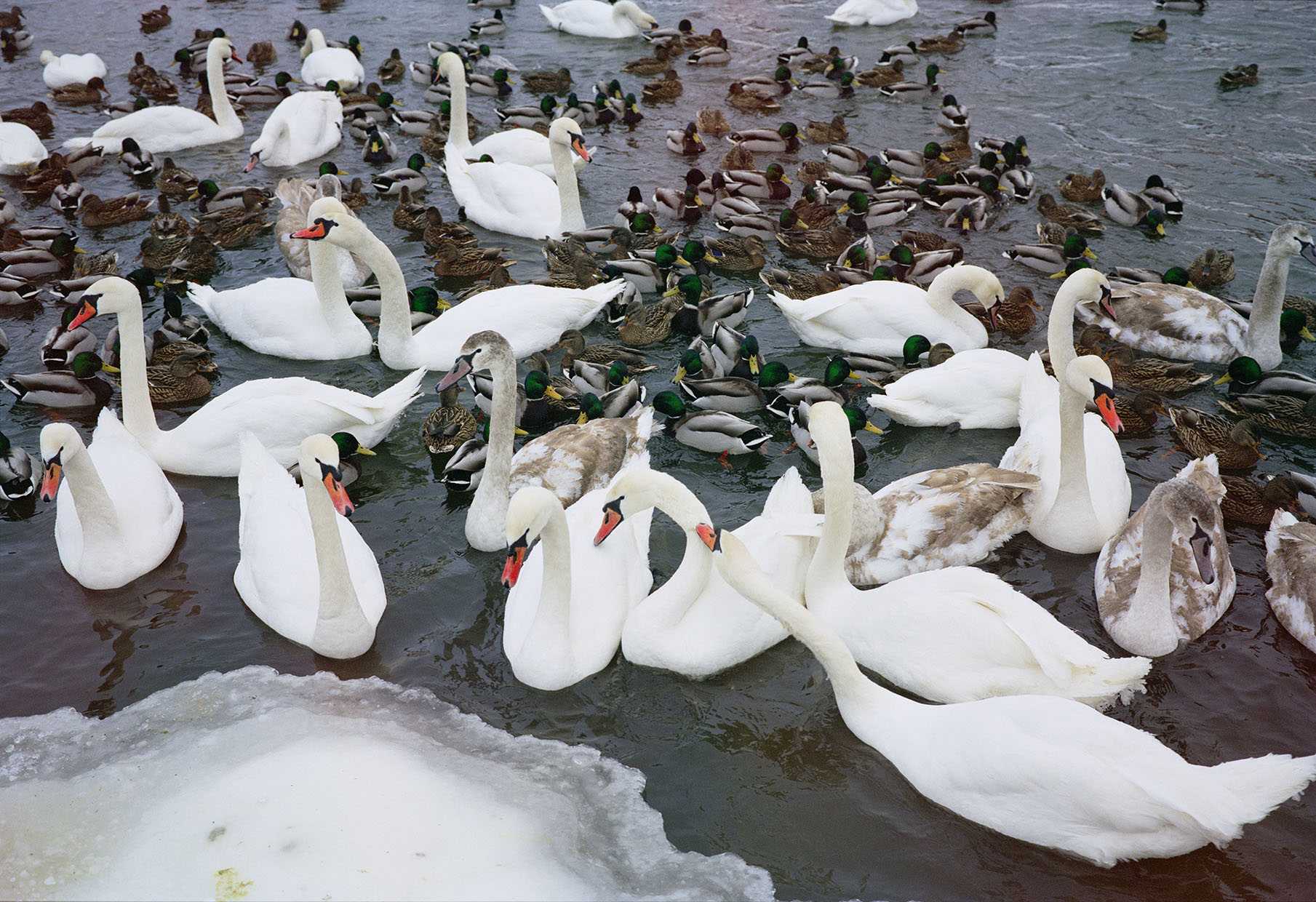
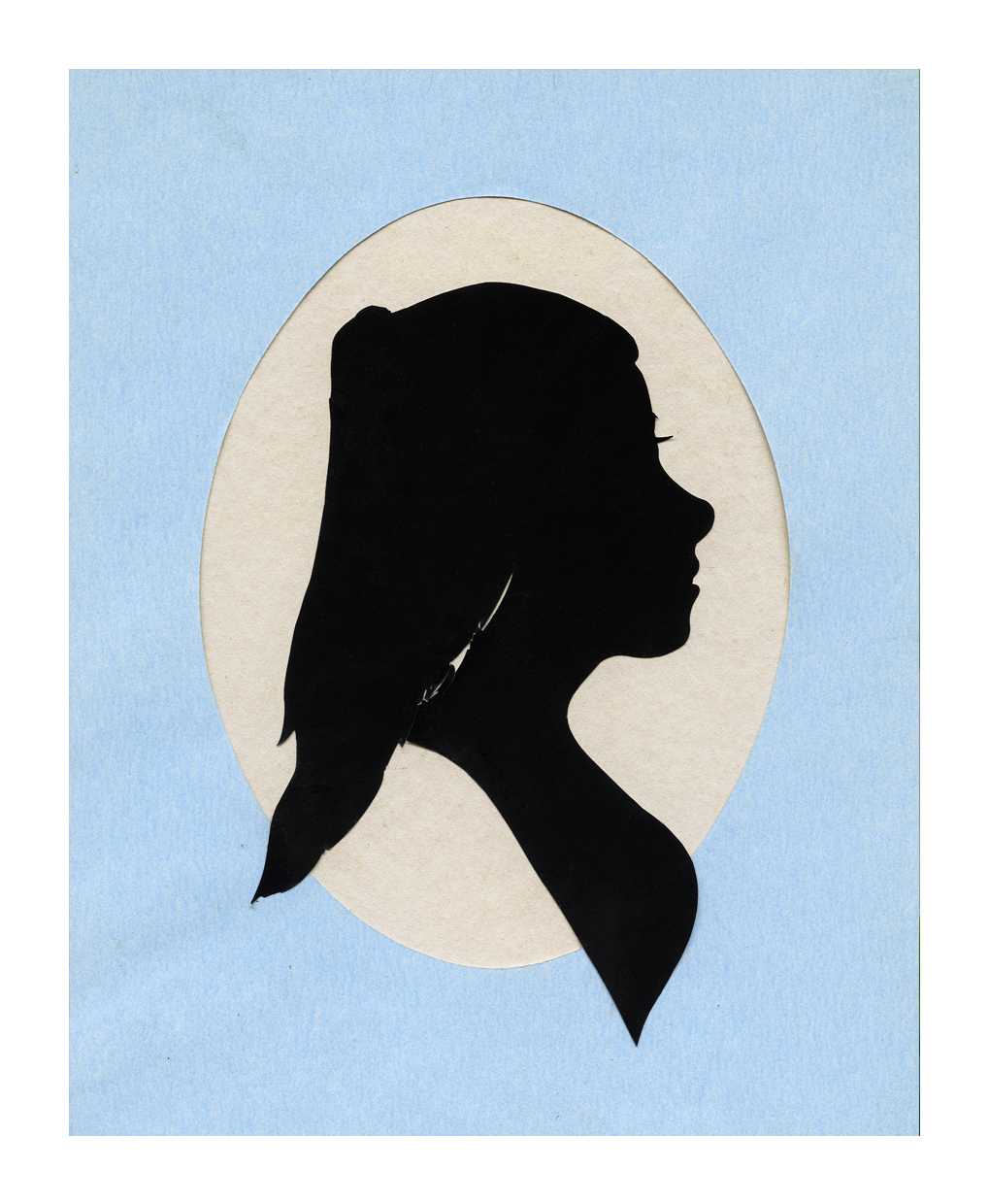
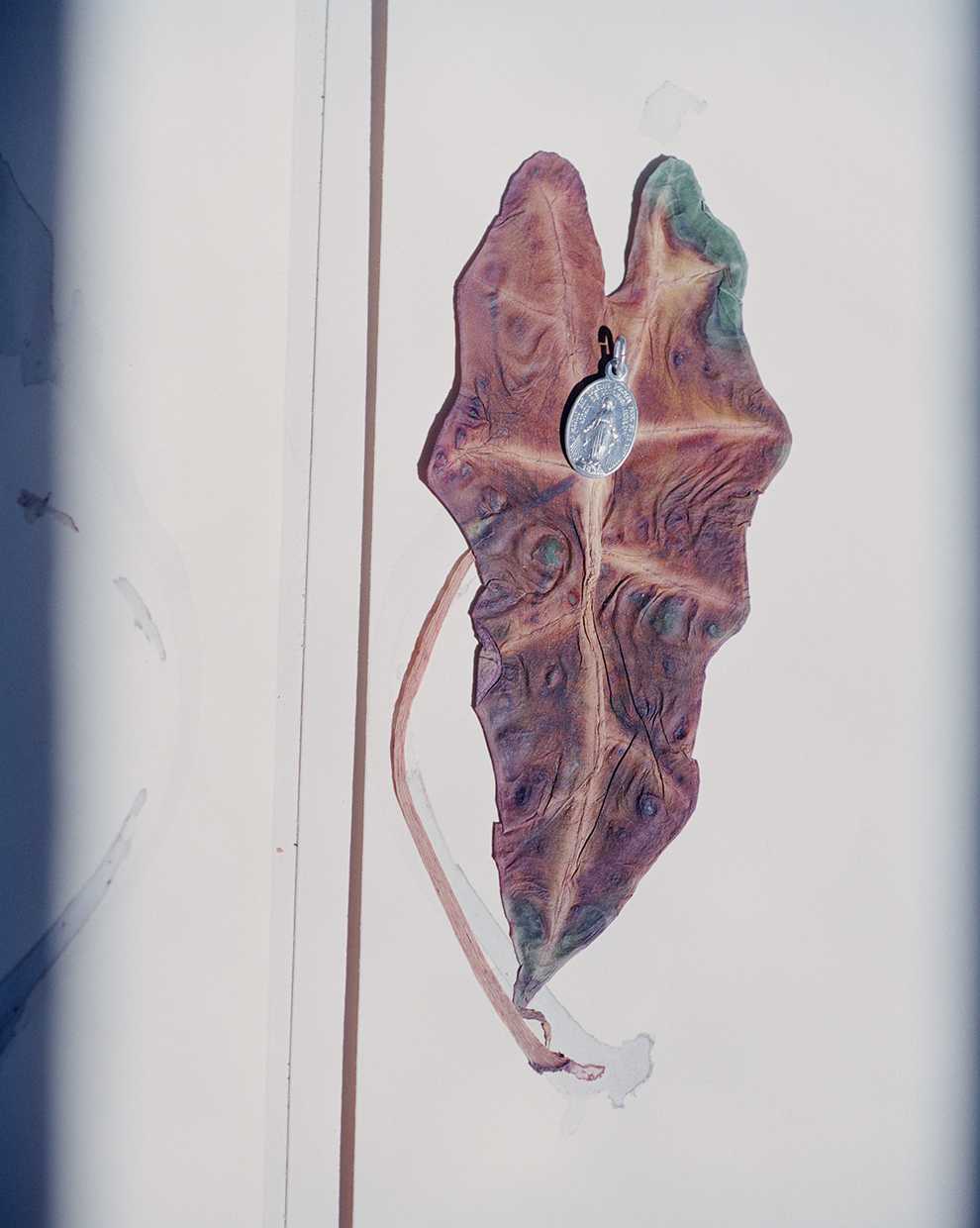
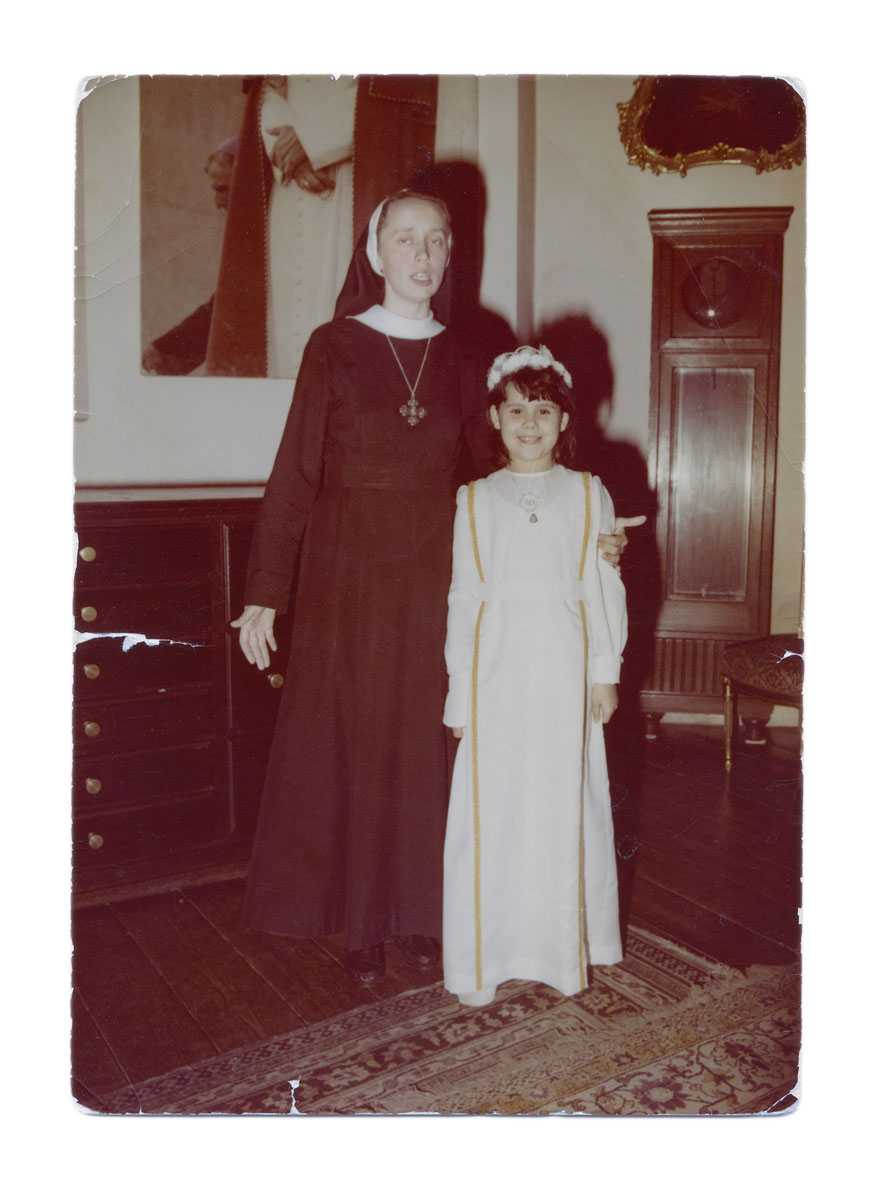
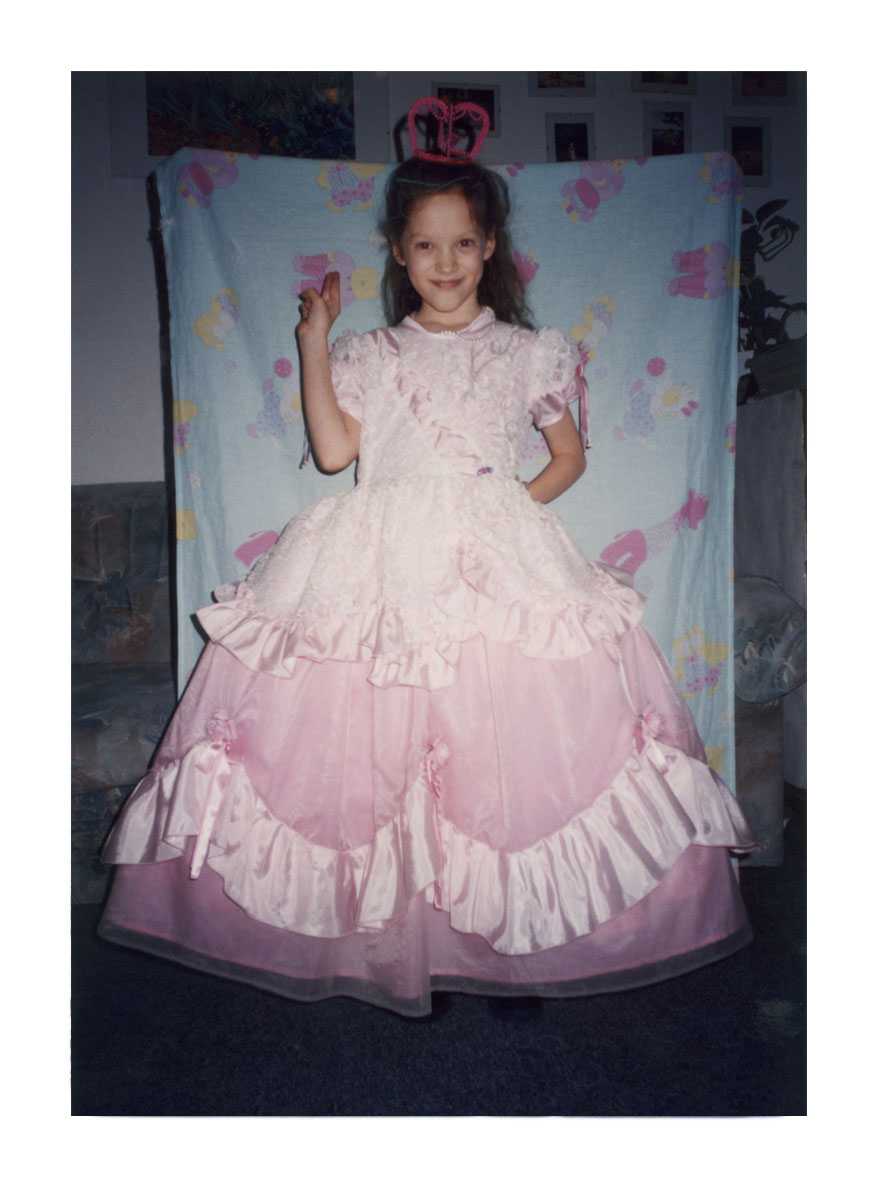
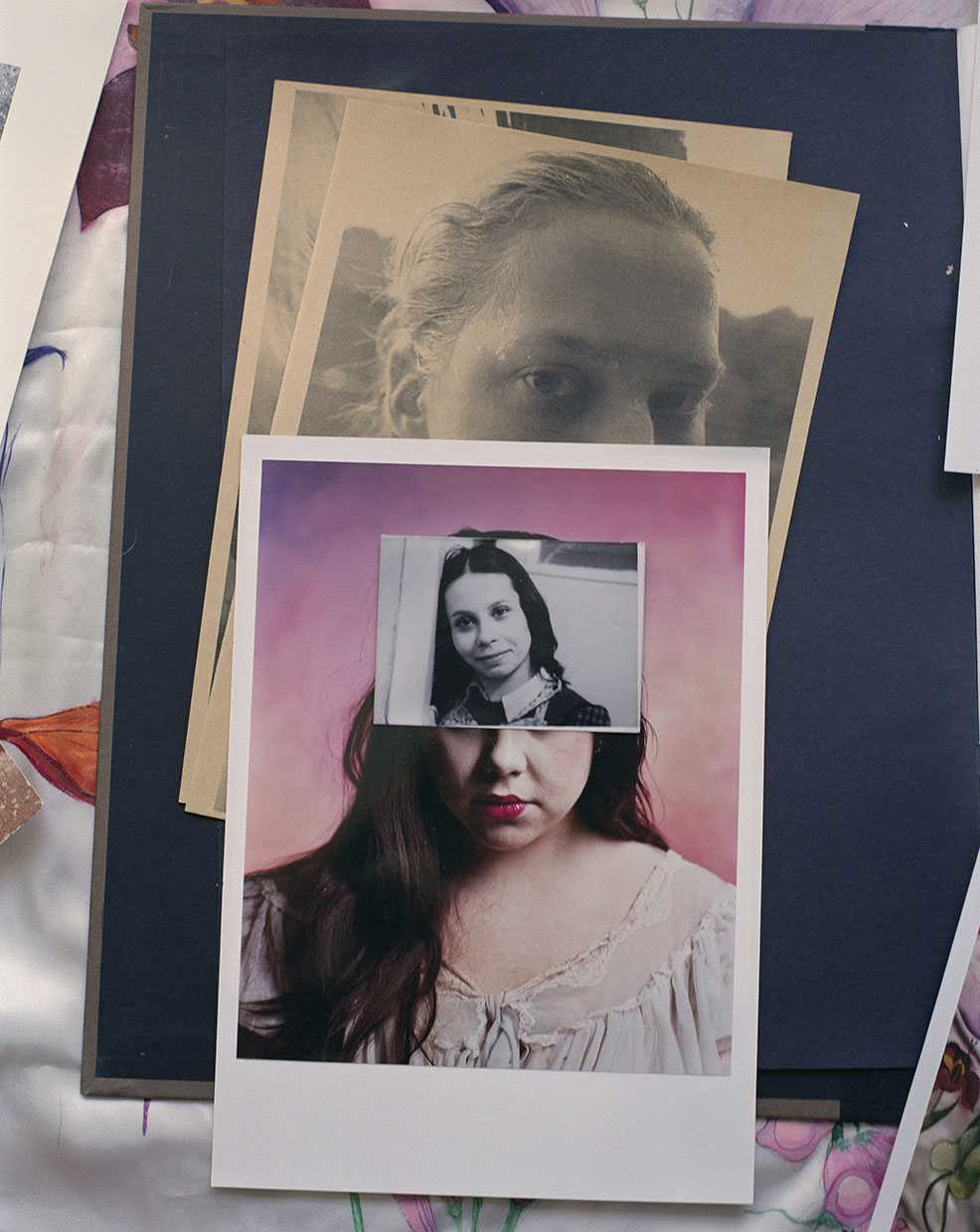
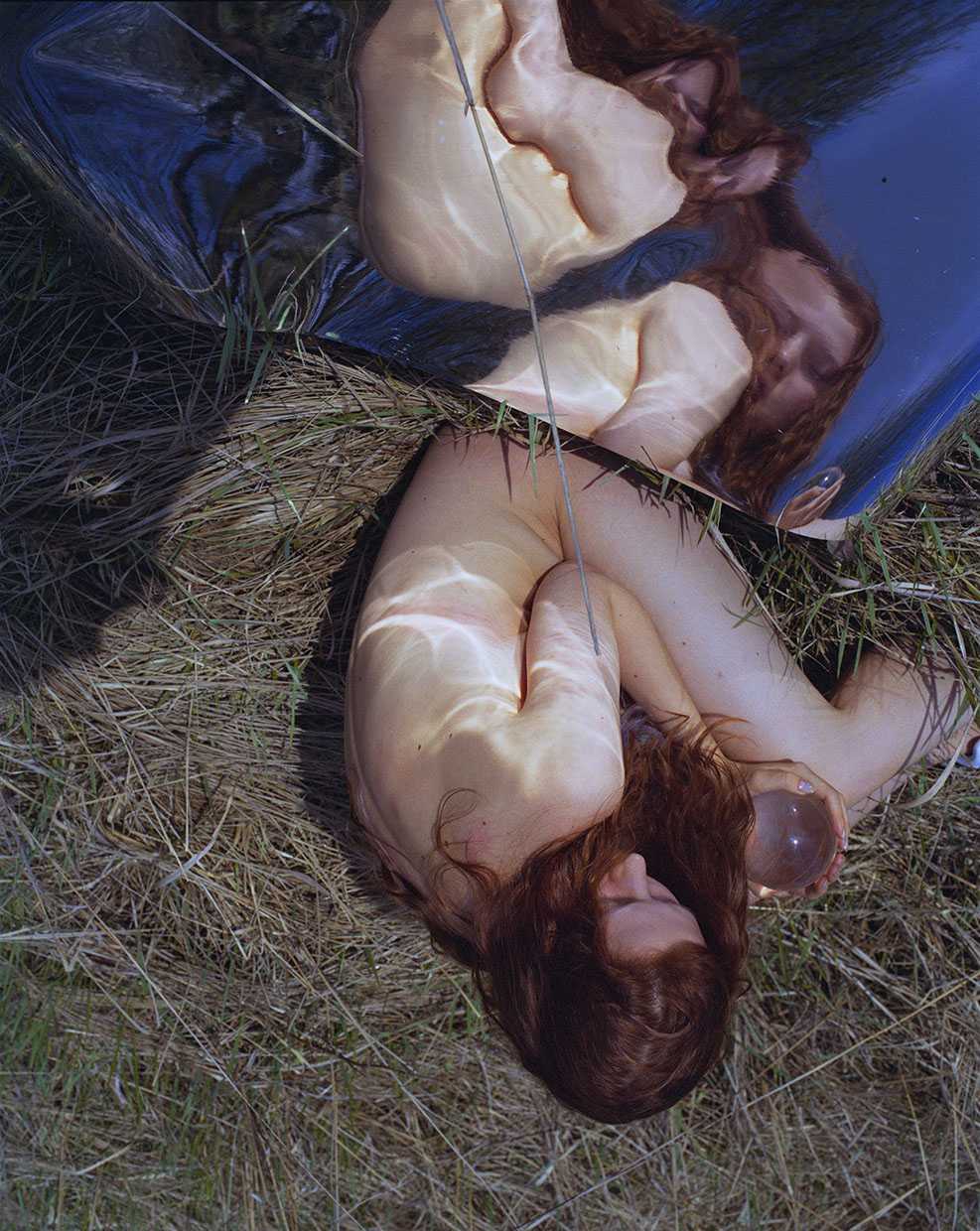
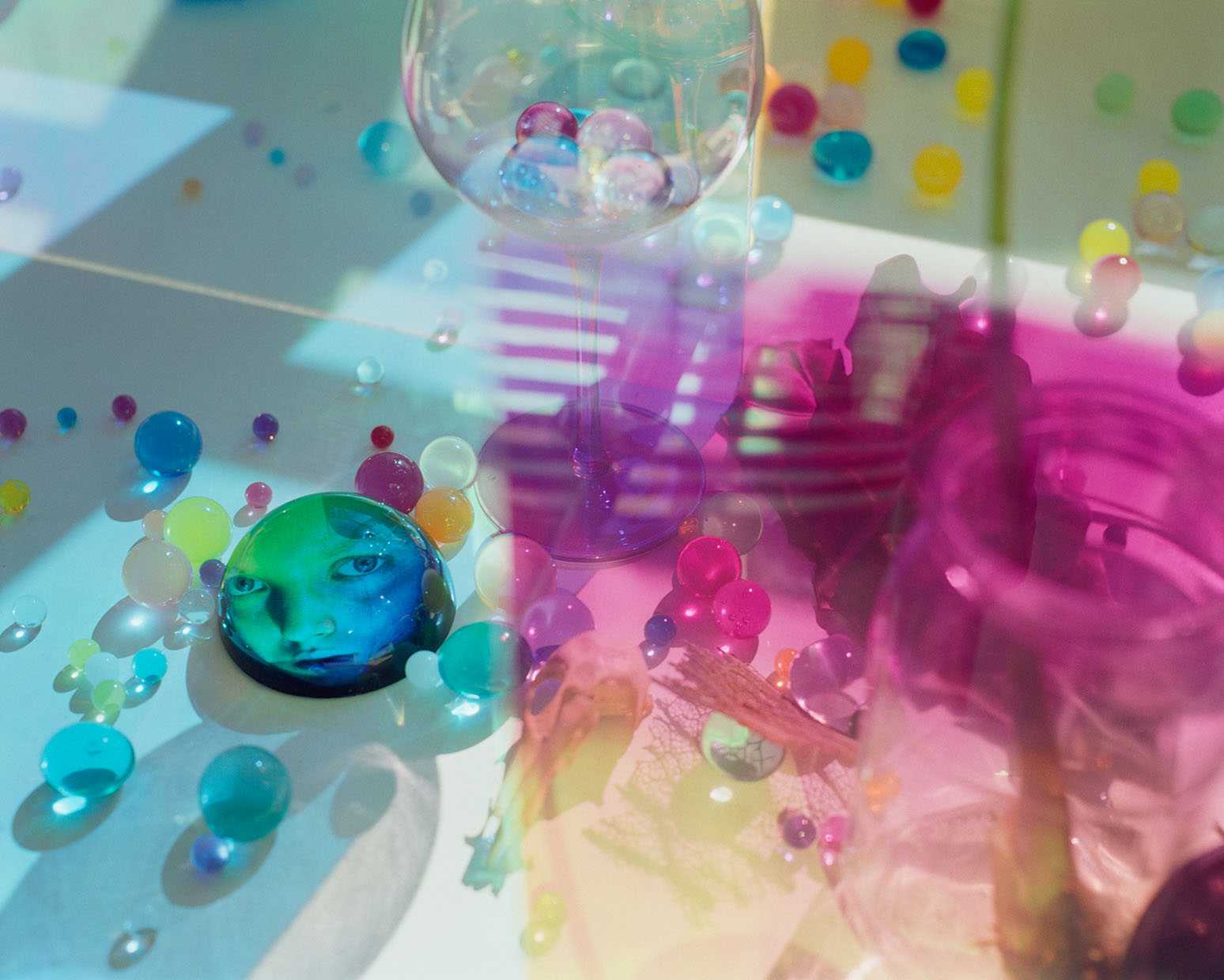
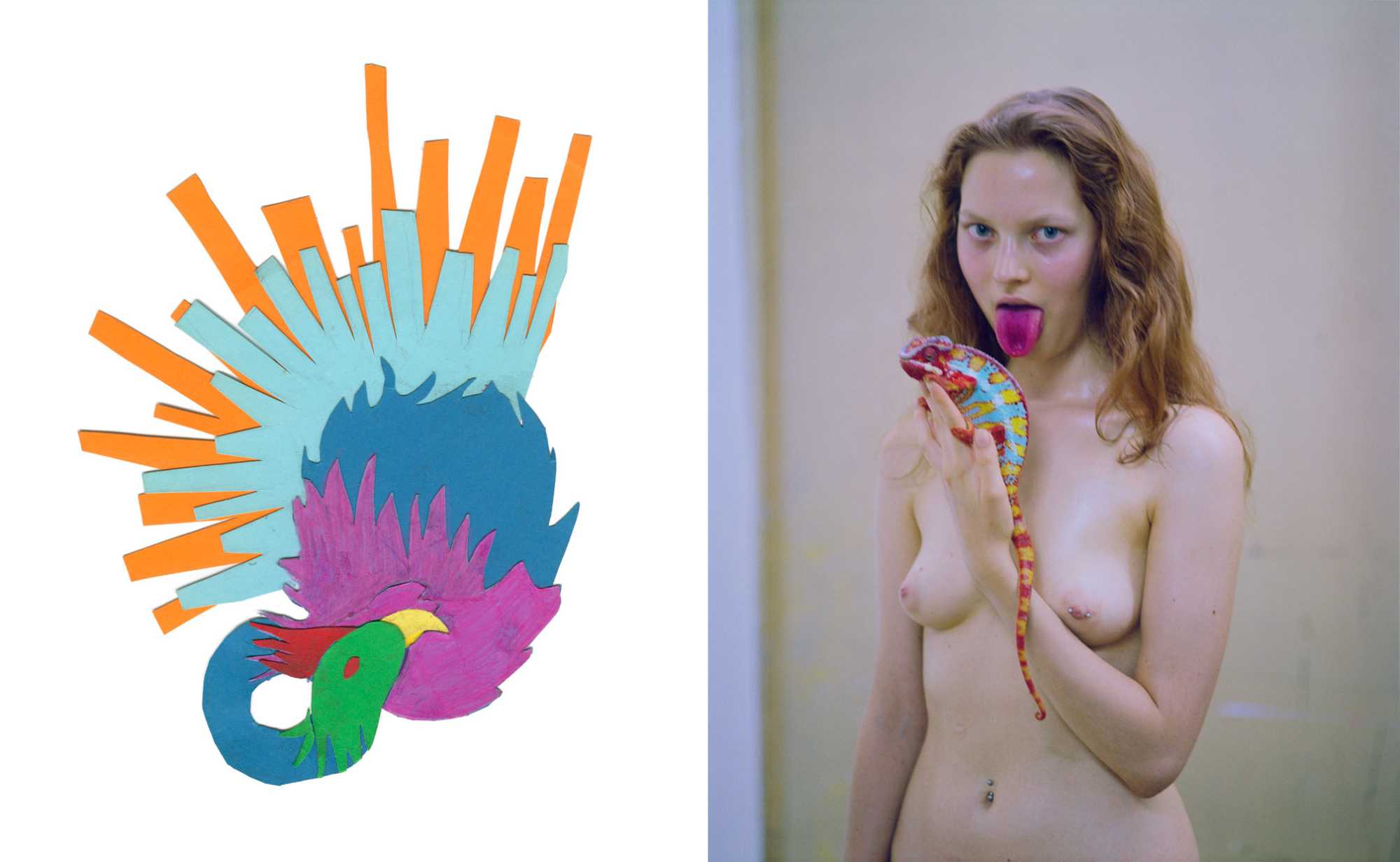
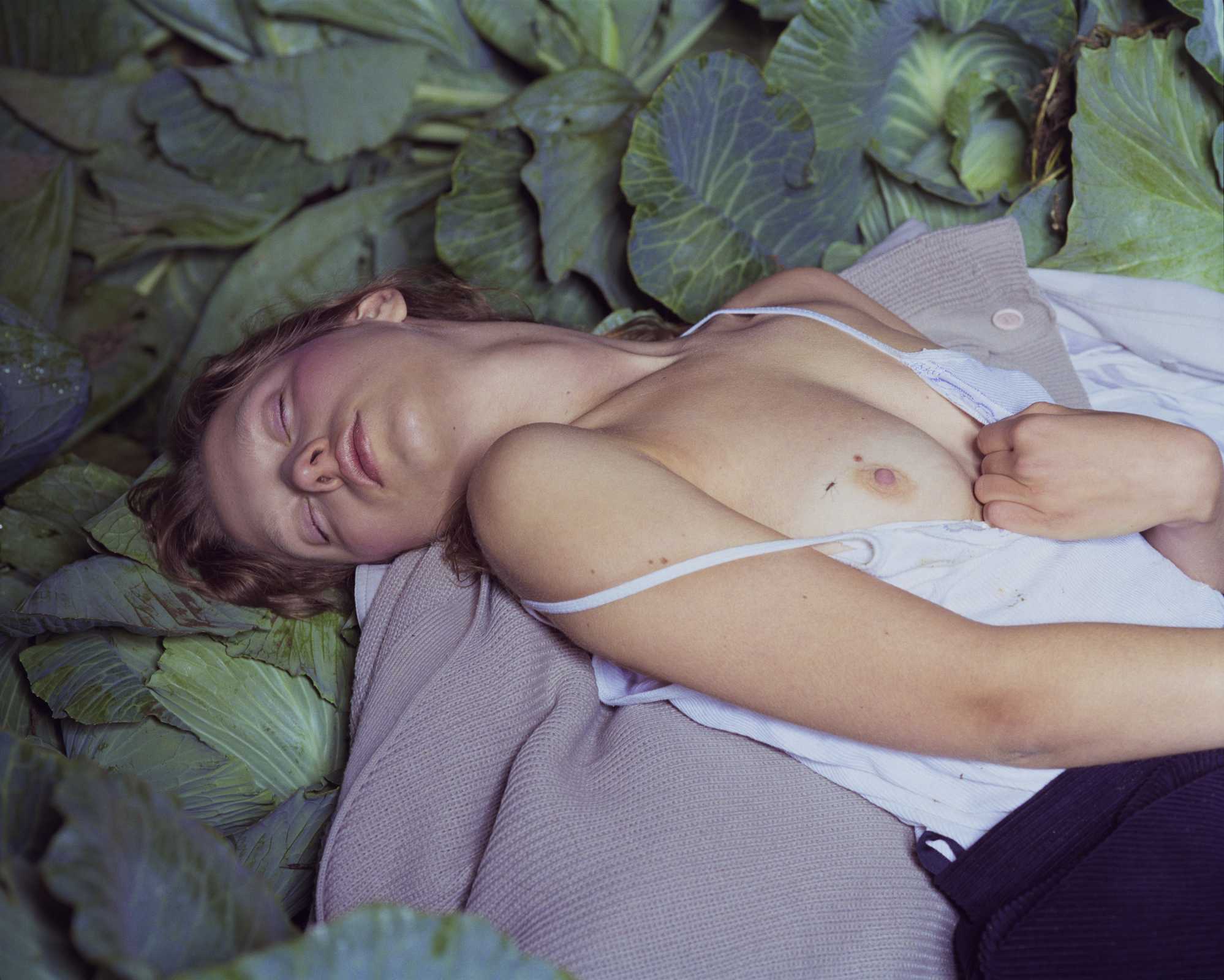
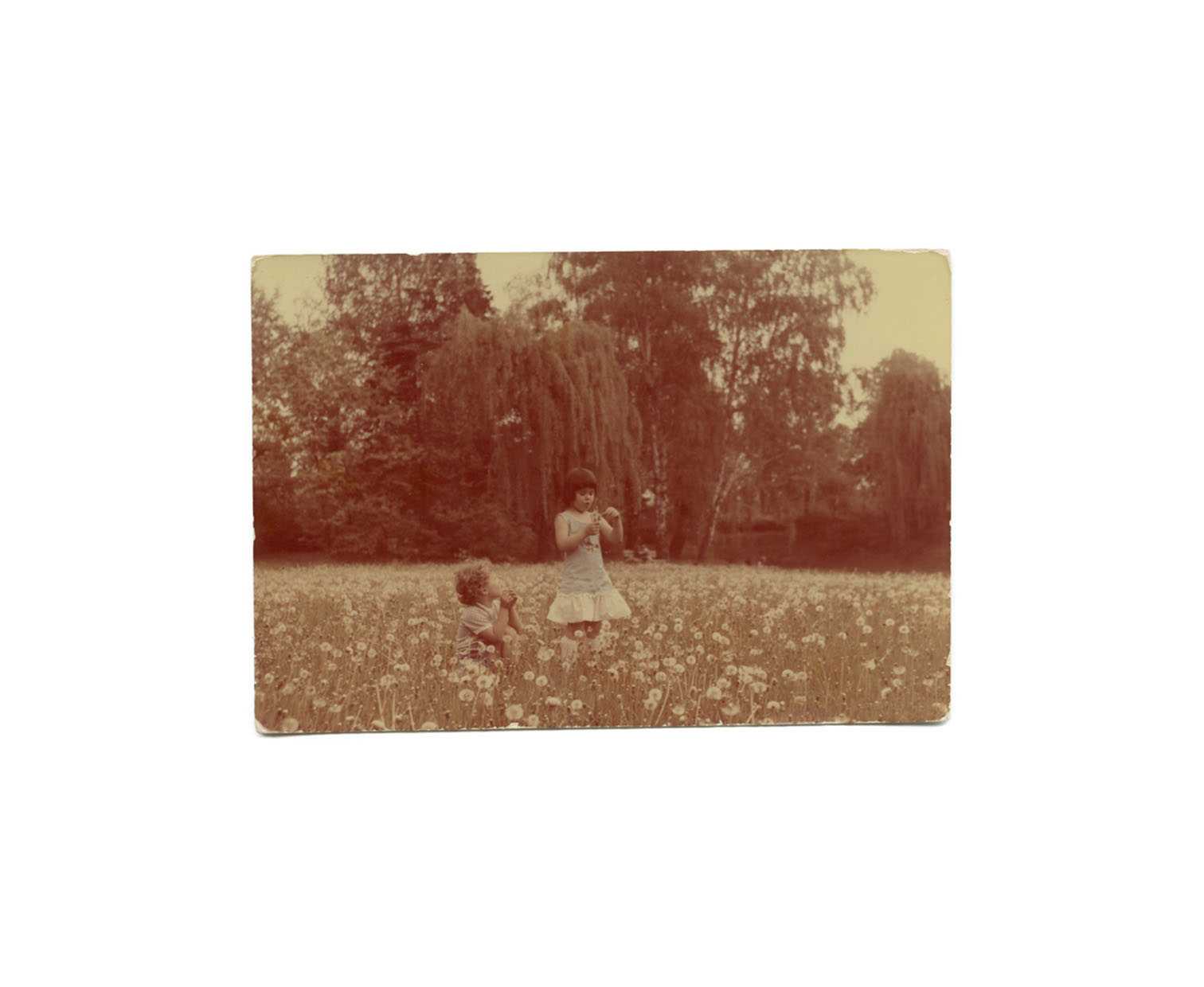
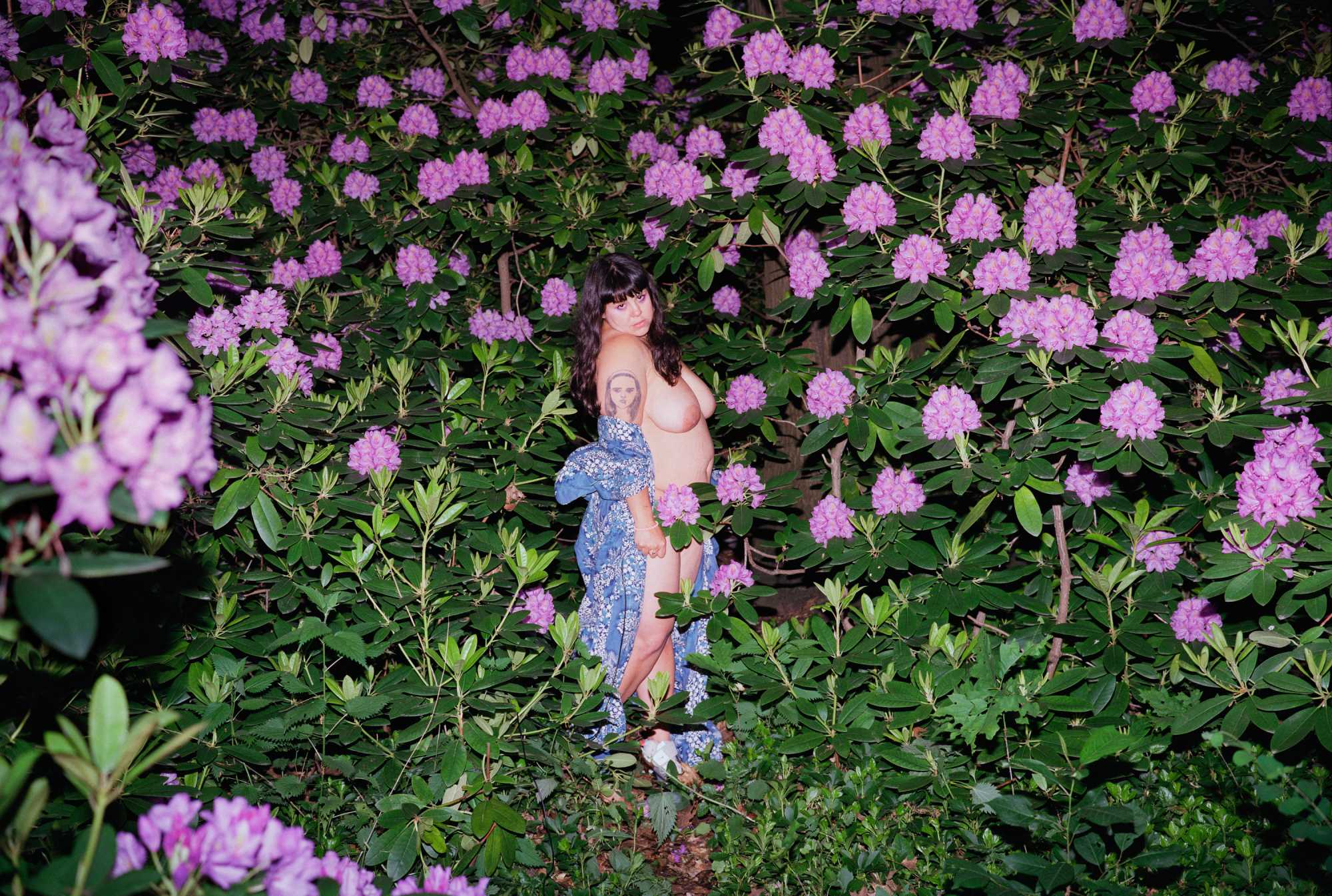
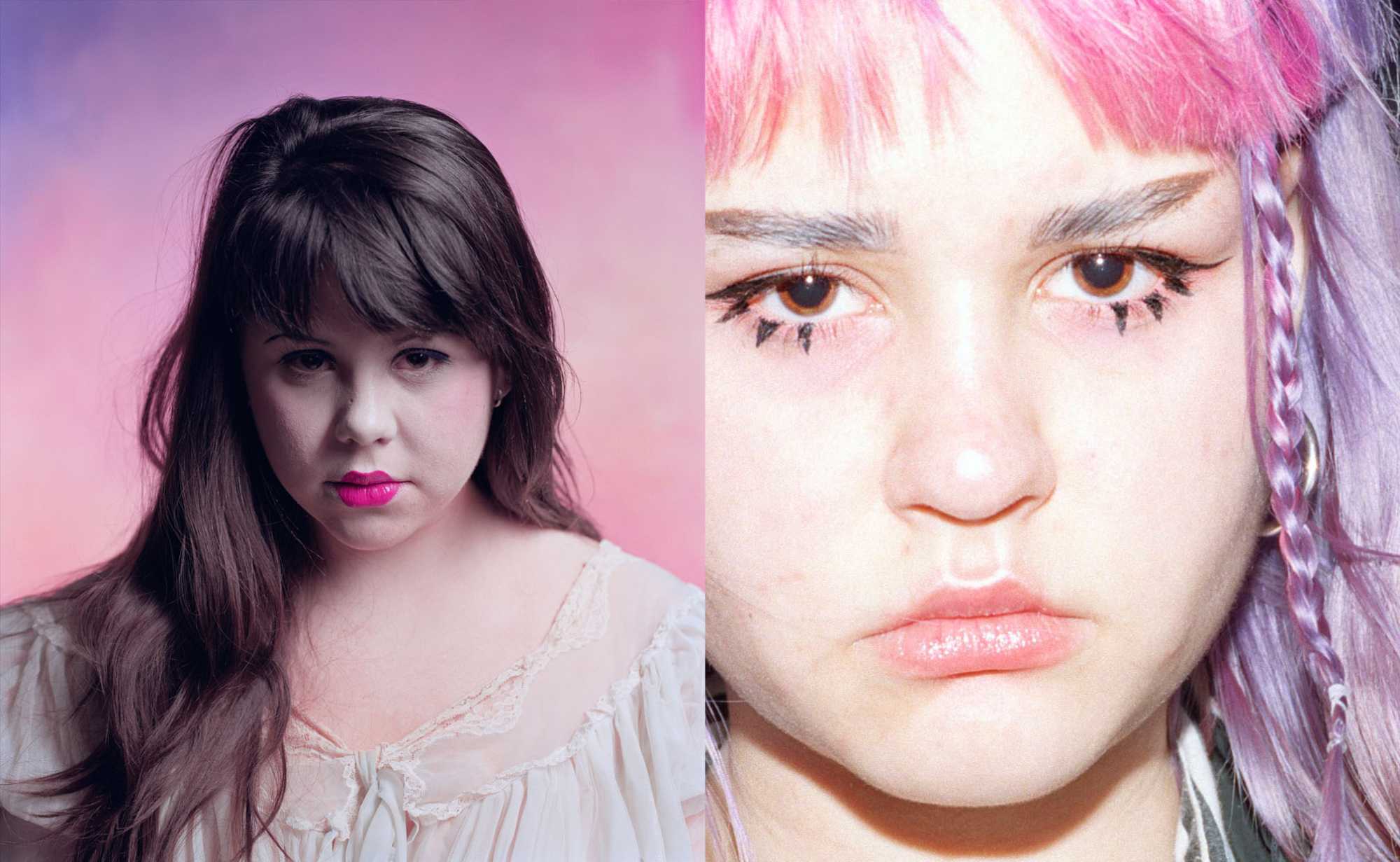
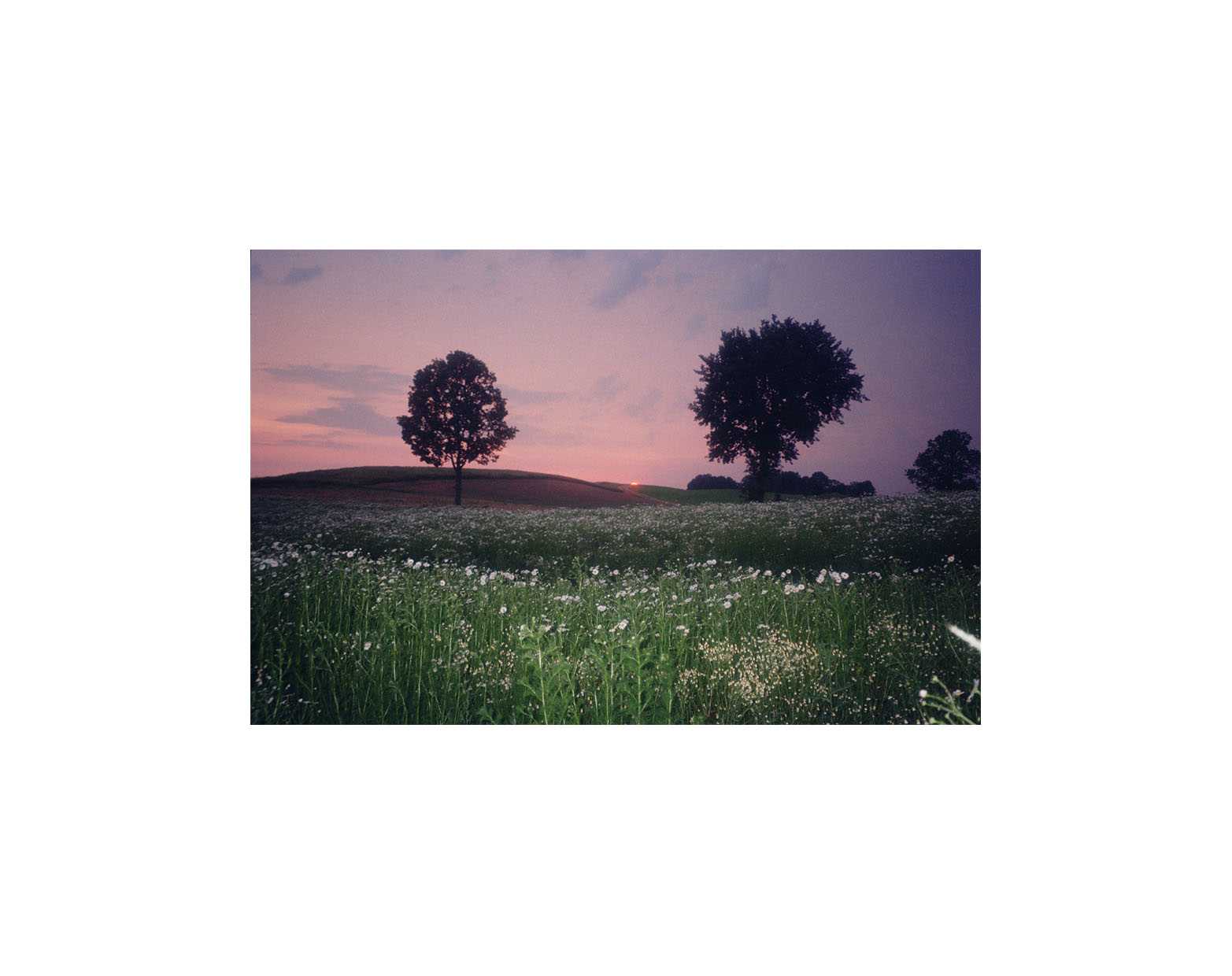
Spanning 2010–2023 (photo-artbook) and evolving into an immersive installation in 2025, Alltagsfantasie (Everyday Fantasy) is Joanna Szproch’s layered self-portrait across time — a complex universe built through photographic performances, images with her muse, and her daughter’s drawings, challenging Catholic norms and patriarchal conditioning. Situated between Slavic romanticism and Prussian rigidity, Szproch carved out a liminal space of fantasy — a shared refuge where she explores female wonder, joy, and sovereignty.
Photography becomes both ritual and relationality: with herself through introspection, with her muse through sisterhood, and with her daughter through intergenerational dialogue. This network of images, objects, and bodies — carriers of memory and affect — creates meaning through juxtaposition. Szproch, raised under conservative Polish norms, moved to Berlin, the multicultural art mecca, with her daughter Lena, seeking a better life and freedom from suffocating Catholic expectations.
The migration was challenging, but it allowed them to craft a universe of joy, beauty, and wonder within the liminal space of fantasy. These elements are essential for human well- being but are often denied to women, who are expected to nurture others at their own expense. Healing begins from within, and self-awareness is a radical act. Fantasy serves as a playful form of resistance against oppressive systems — daily acts of curiosity and play become gestures of defiance. Almost 10 years after #MeToo, anti-feminist forces still deny women’s humanity while the extreme Christian right rises toward fascism.
Alltagsfantasie insists on the recognition of women’s inner life as a fundamental dimension of human existence. What remains invisible within social structures—female introspection, curiosity, or desire—should be examined first and foremost from the inside. Womanhood can only be understood from within its core, and the experience is a form of knowledge, not a withdrawal into the private. Although rooted in personal experience, it addresses universal human rights to self-determination, joy, and self-realization.
“I penetrate with curiosity
my infinite Alltagsfantasie
that resonates with my true self.
This allows me to live authentically
despite illusionary appearances.
Life is a miraculous mystery.“
Values such as altruism, care, and devotion are human, not feminine; the same goes for the need for joy, wonder, sovereignty, and interpersonal resonance, which belong to personhood, not to gender. Szproch shows that well-being is essential for responsibility and care. Restoring women’s inner autonomy is a cultural necessity that links inner freedom and collective health.
“Some people say I have my head in the clouds. For me, it’s all true. Live your fantasy and do not let illusions trick you."
Buy the book online: https://www.andrefrereditions.com/en/books/photography/alltags-fantasie/
Awards
Dummy Award, Fotofestiwal Łódź, PL, 2022
Star Dummy Award Nominee, ES, 2022
Catalog Funding, Stiftung Kunstfonds, DE, 2022
Catalog Funding, Berlin Senate Department for Culture and Europe, DE, 2023
FEP Award, IT, 2024
Photo Publication of the Year, Fotofestiwal Łódź, PL, 2024
Exhibitions
Photo Book Reading Room, Mine Eyes Bees Deceive, cur. Kamila Bondar & Łukasz Rusznica, Ujazdowski Castle Centre for Contemporary Art, Warsaw, PL, 2024
PrzeglądAnie (się), cur. Joanna Kinowska, Laboratorium Sztuki, Kalisz Biennale of Art, PL, 2025
Tracing Solidarity, cur. O & Sharmila Sharma, Let's Unsettle / Gallery Grolman, DE, 2024
NOT YOUR CHOICE!, cur. Janusz Czech, A.K.T!, Pforzheim, DE, 2025
Feelings and Photography, cur.Jan Borreck Internationale Photoszene Köln, DE, 2025
IMPA — International Photography and Media Art Festival, Kaunas, LT, 2025
Circulation(s) — Festival of Young European Photography, cur. Carine Dolek, 104 Paris, FR, 2026
Next Project
Fantastic Maternality
Fantastic Maternality
Fantastic Maternality
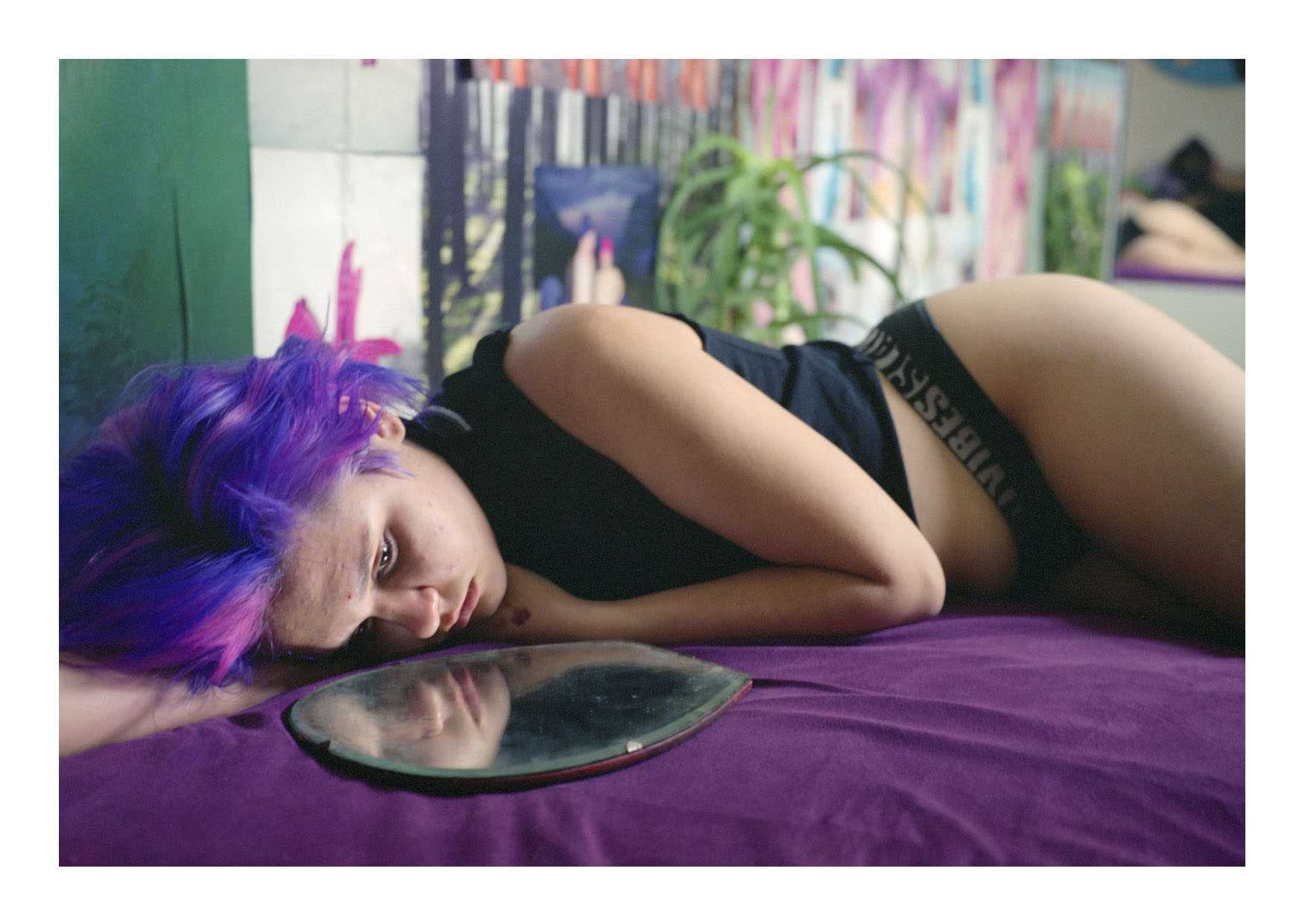
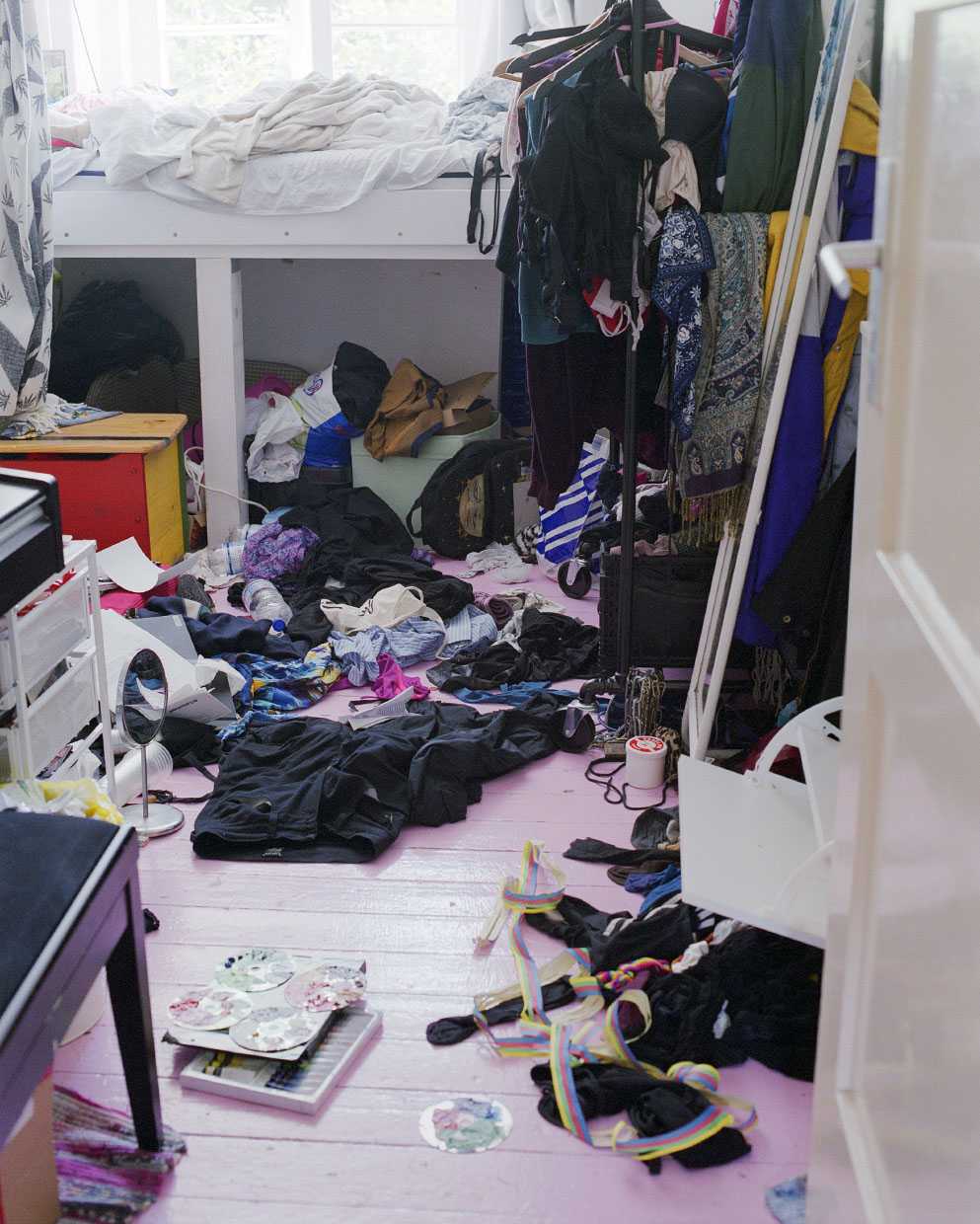
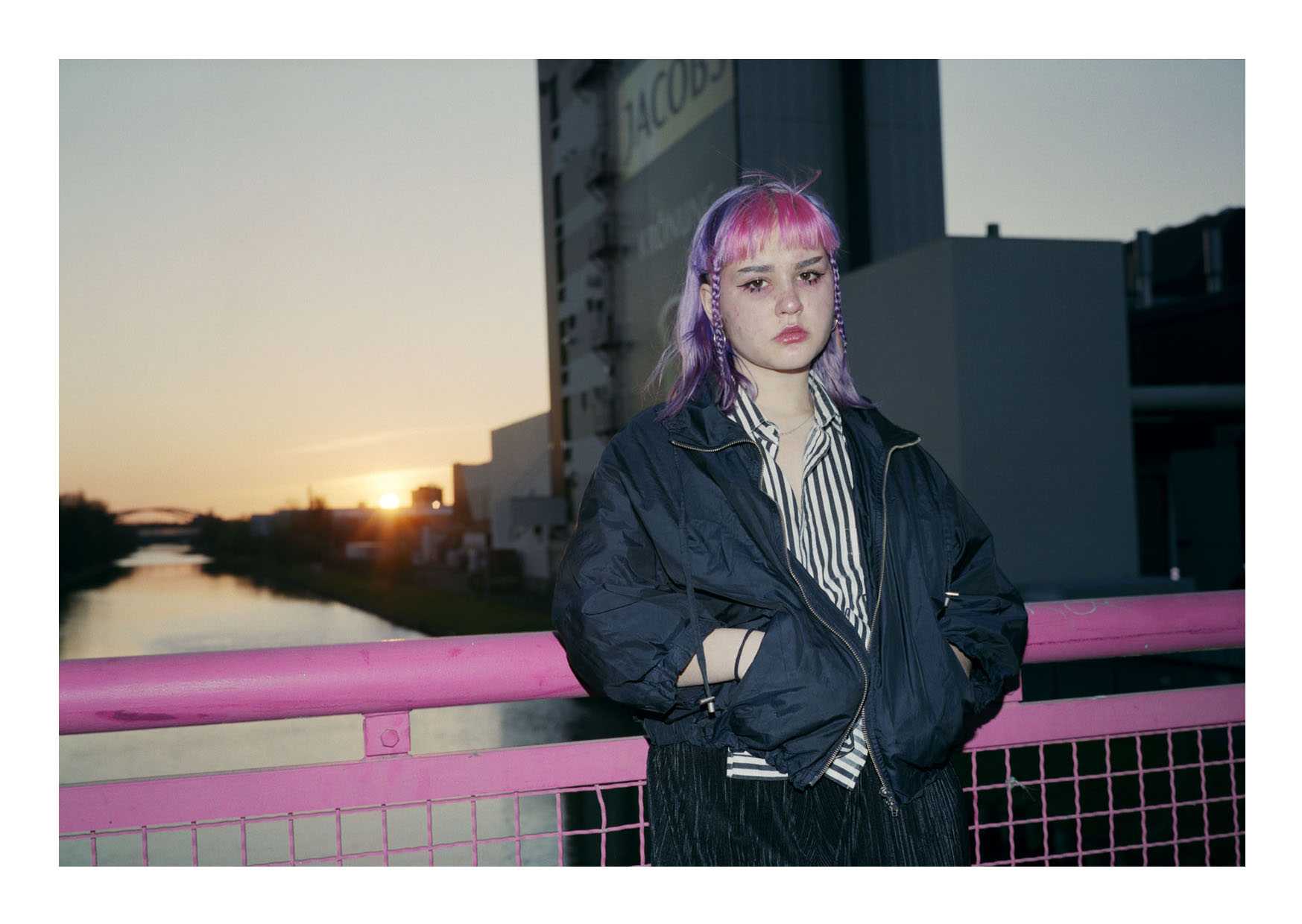
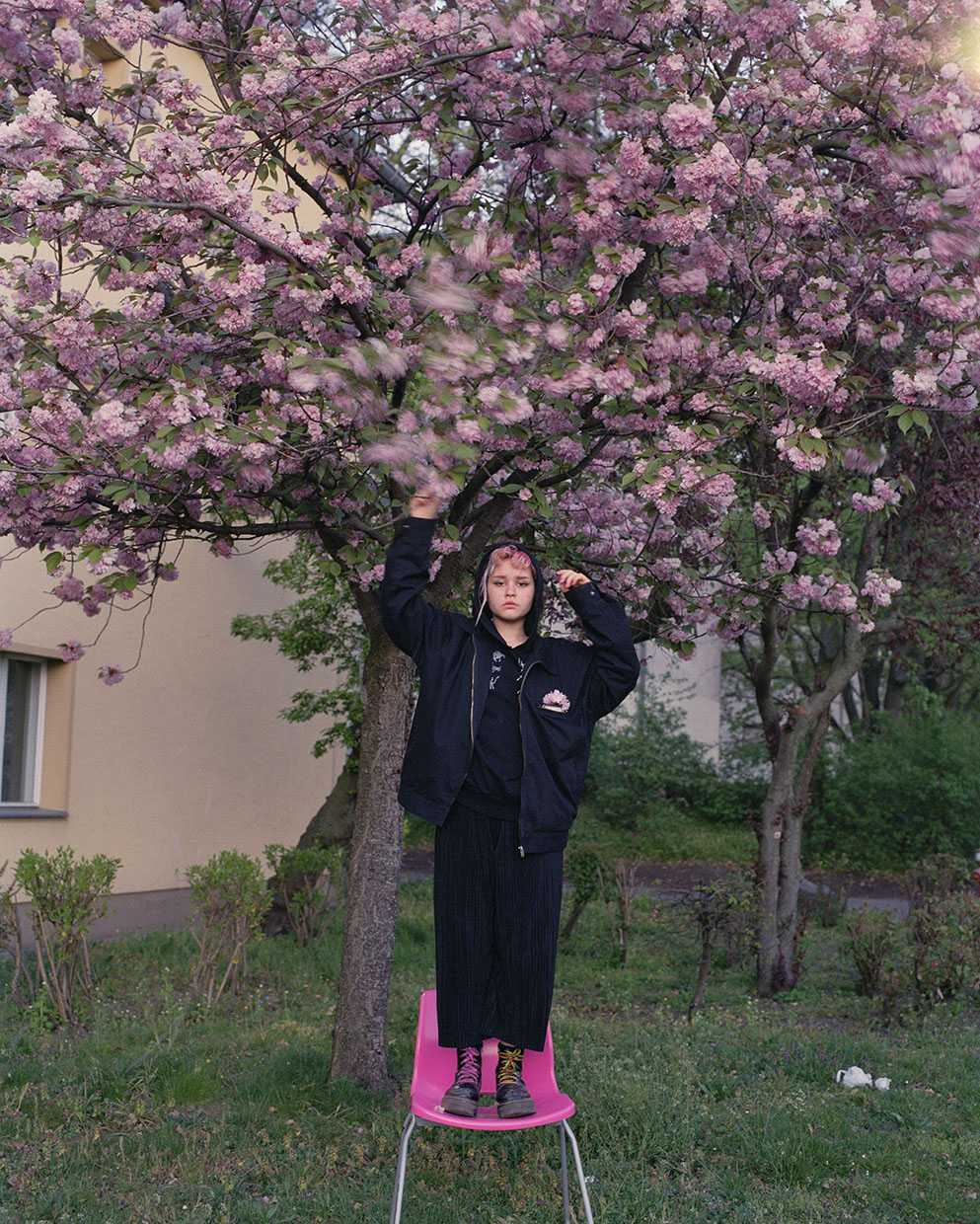
2018 - now (ongoing)
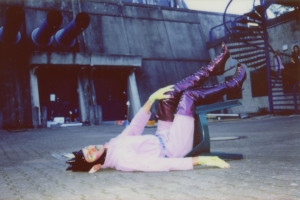
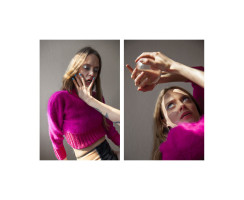
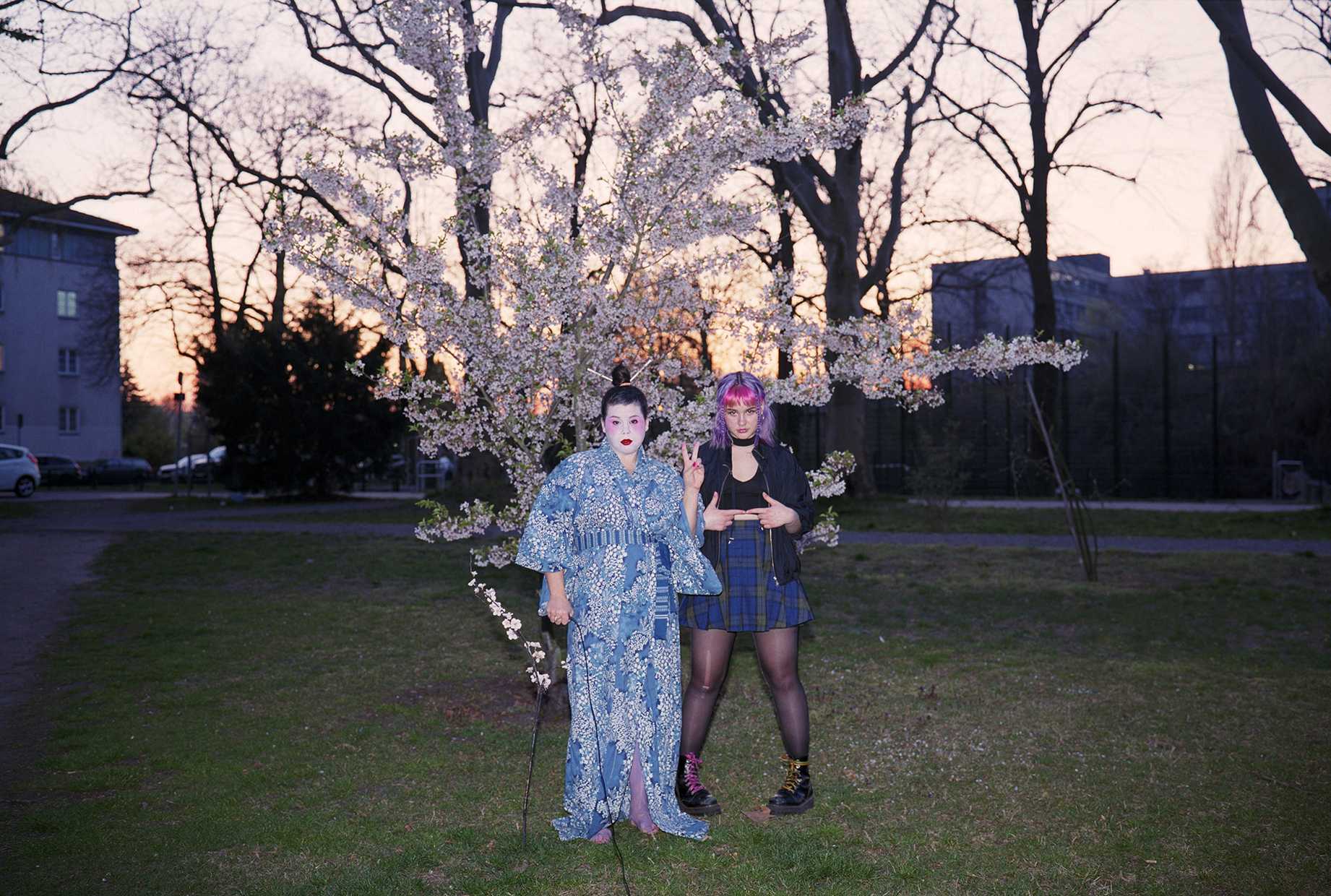
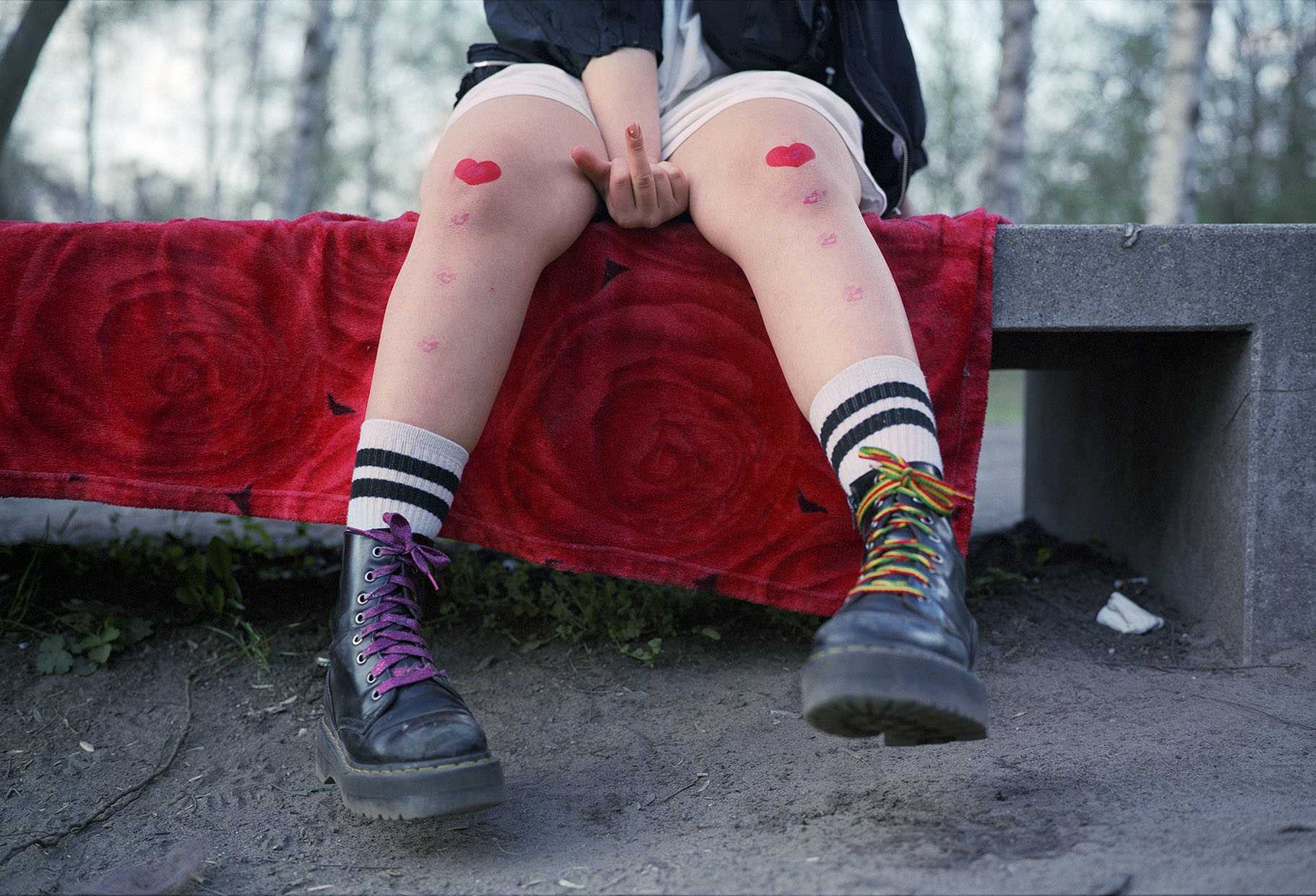
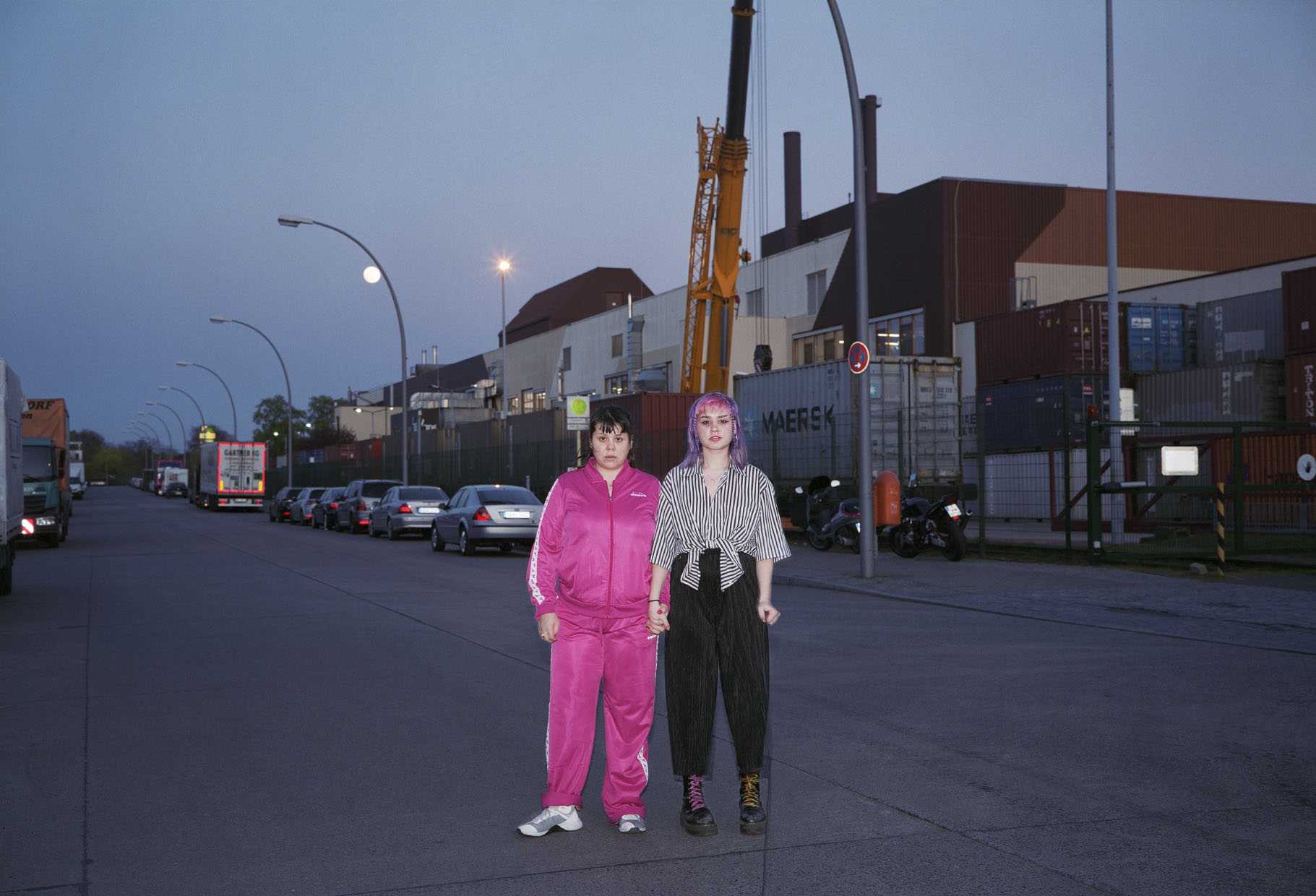
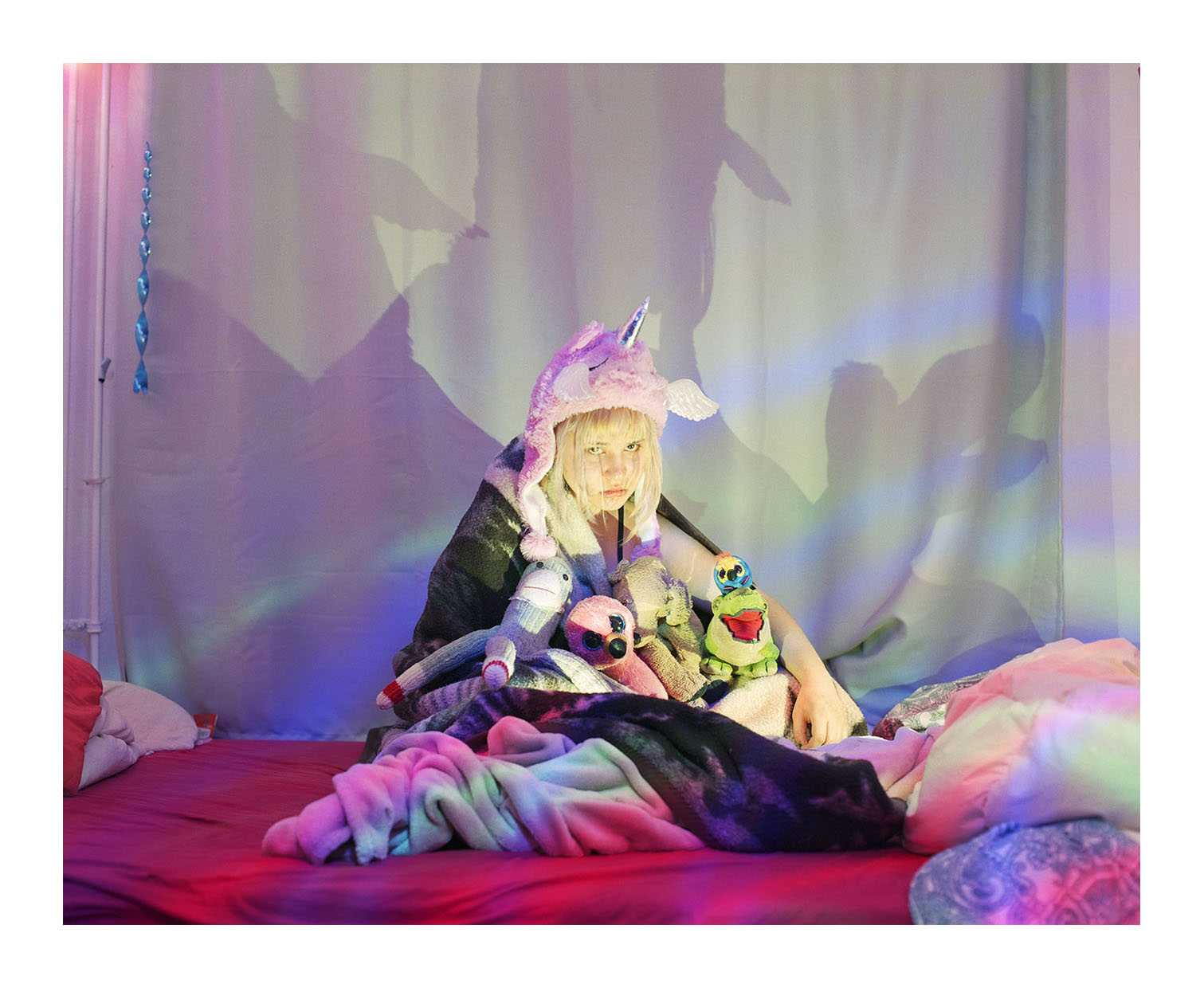
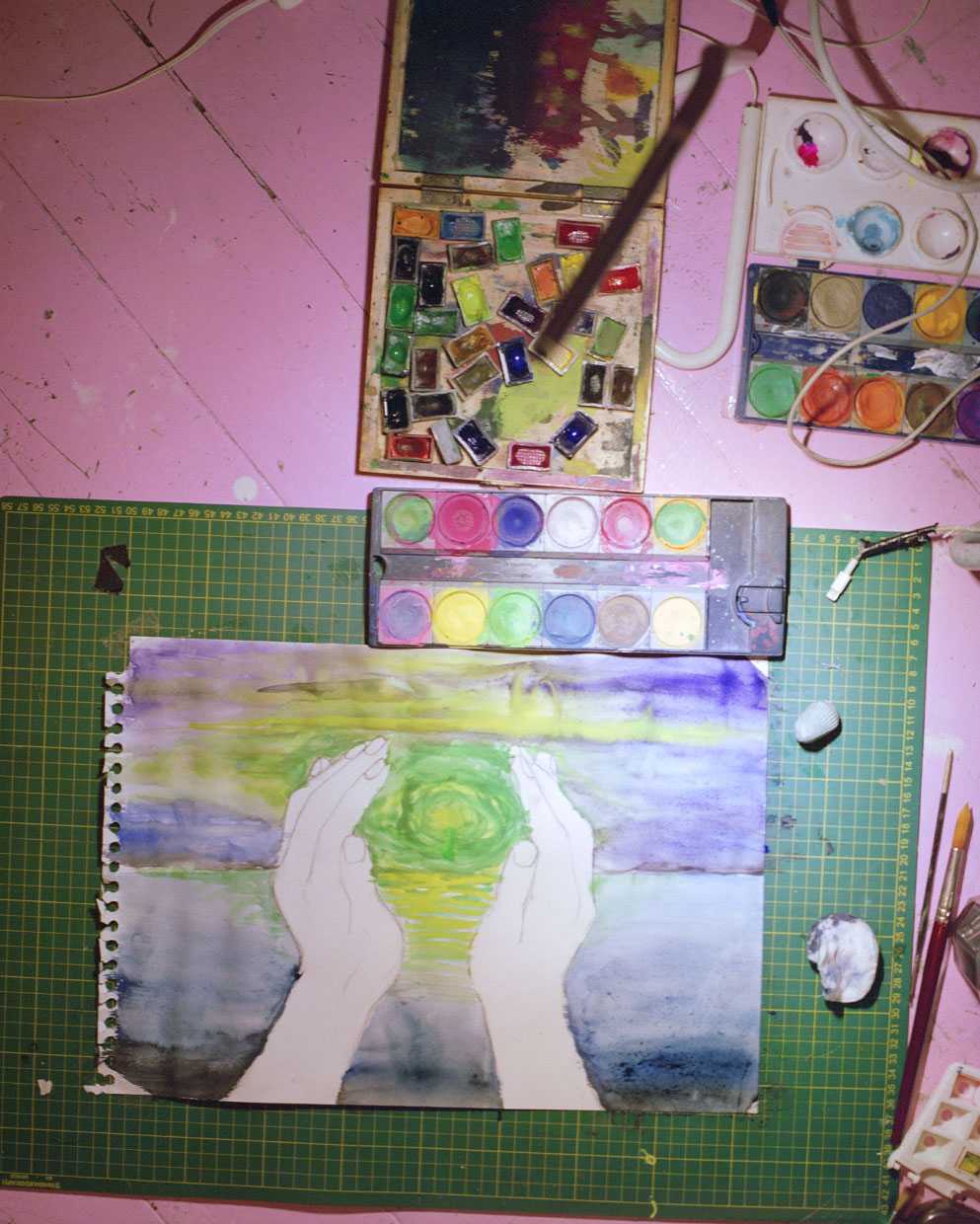
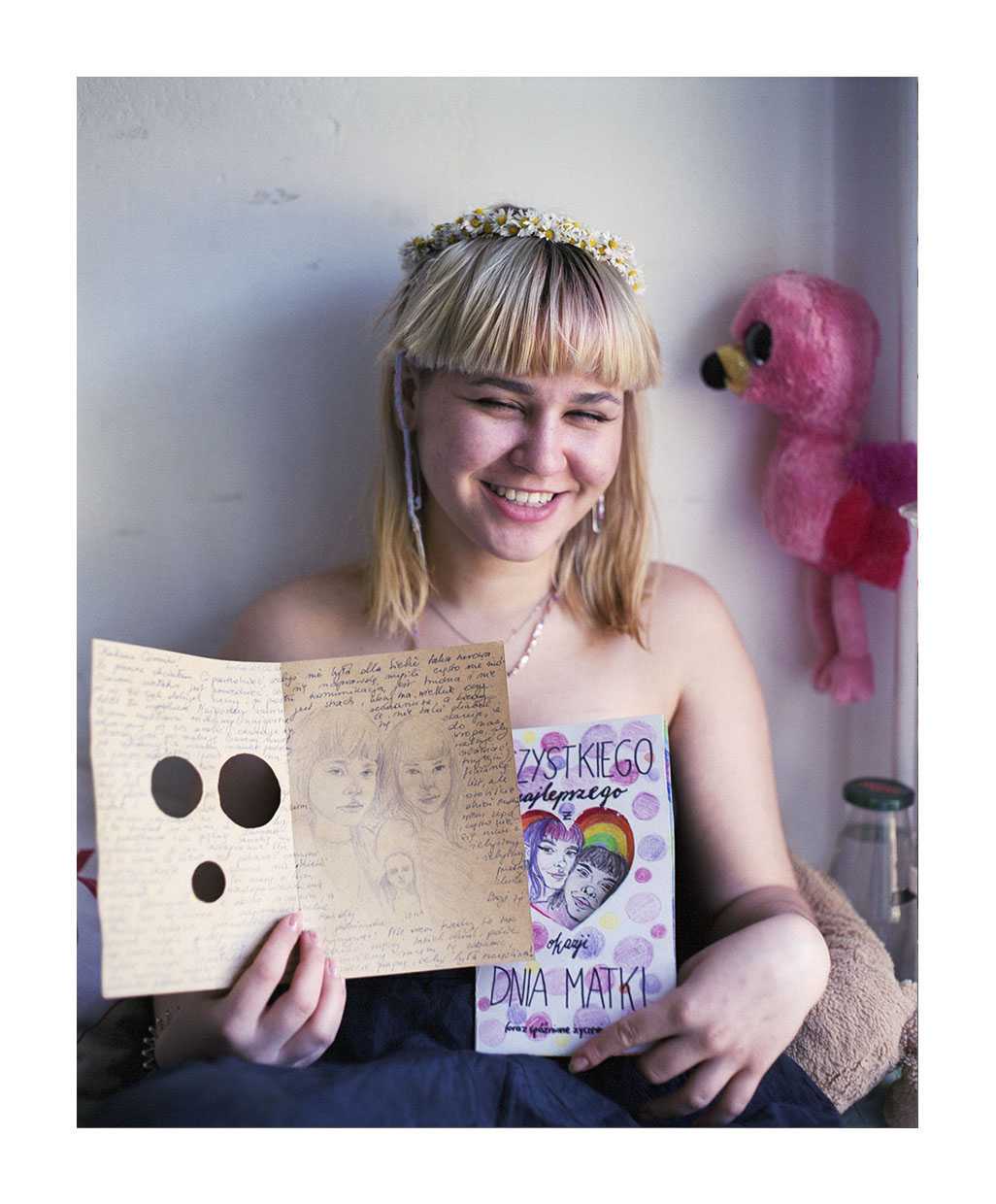
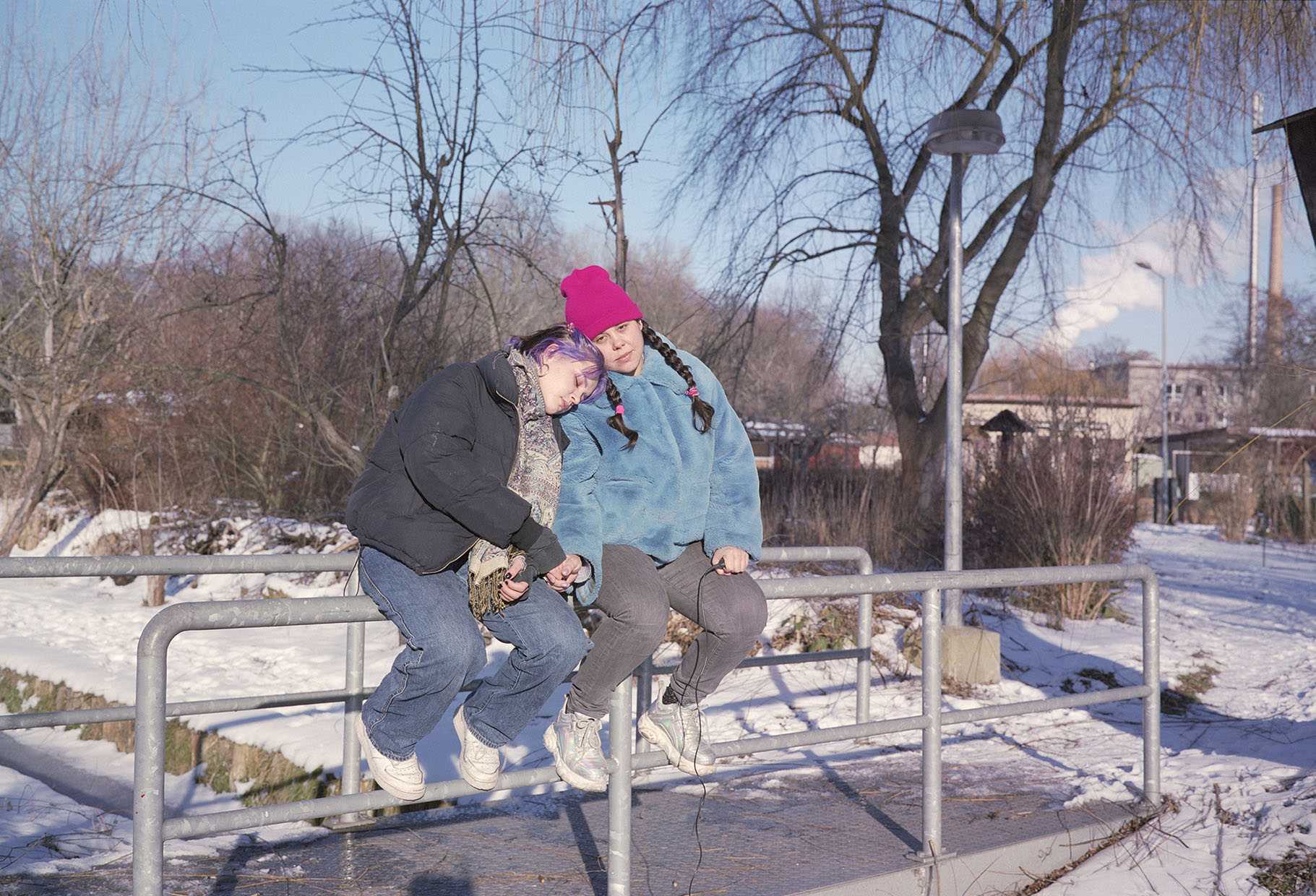
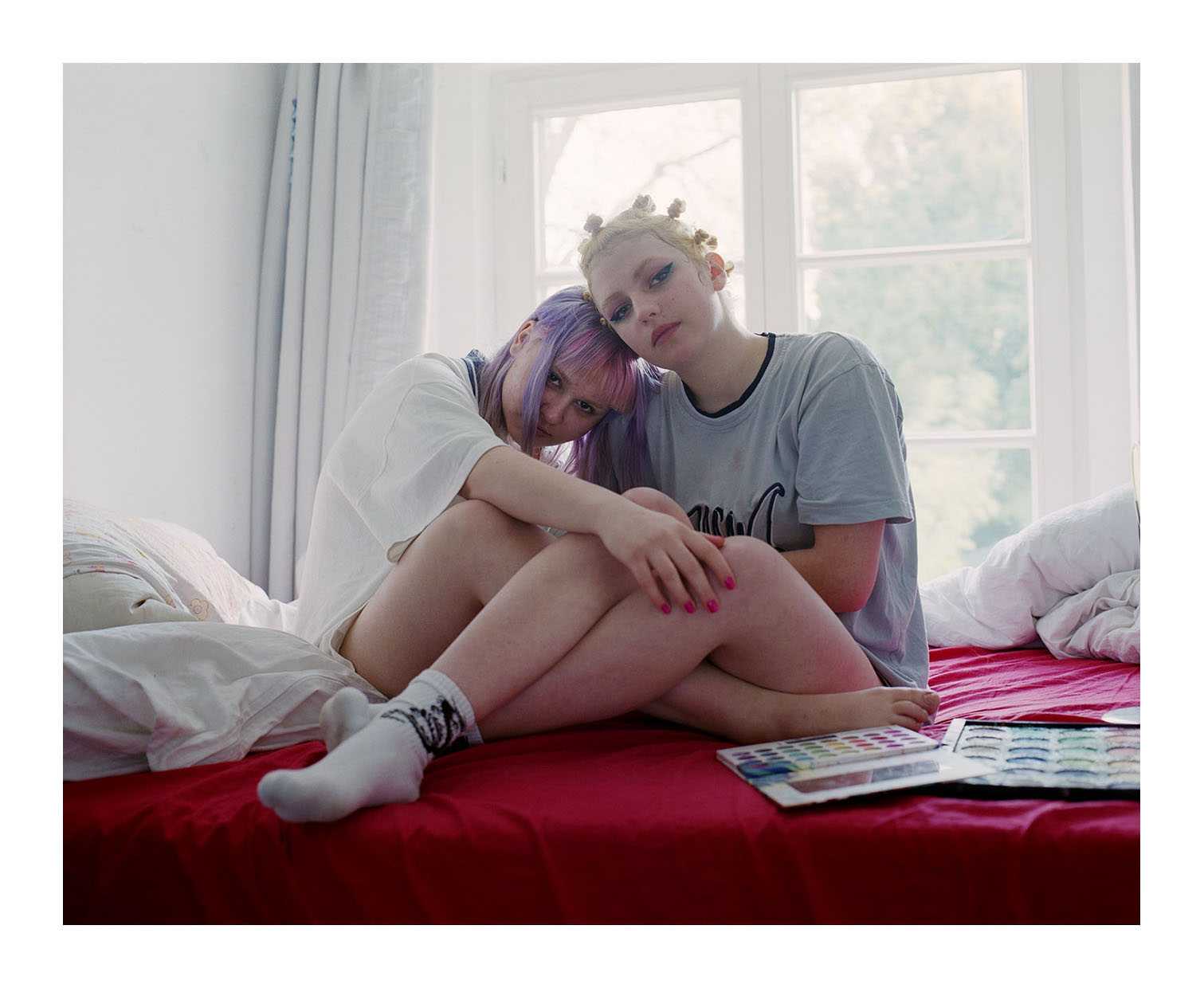
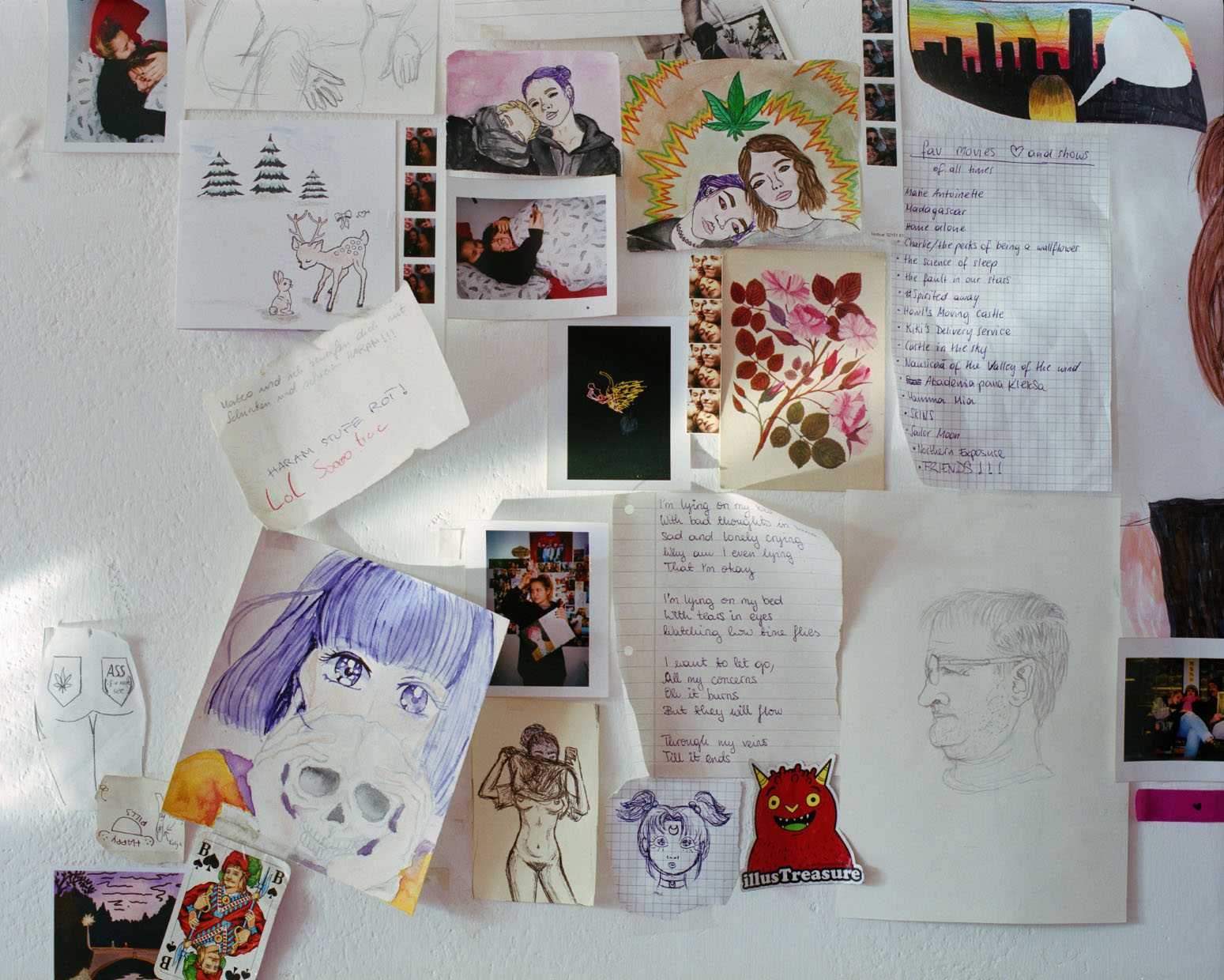
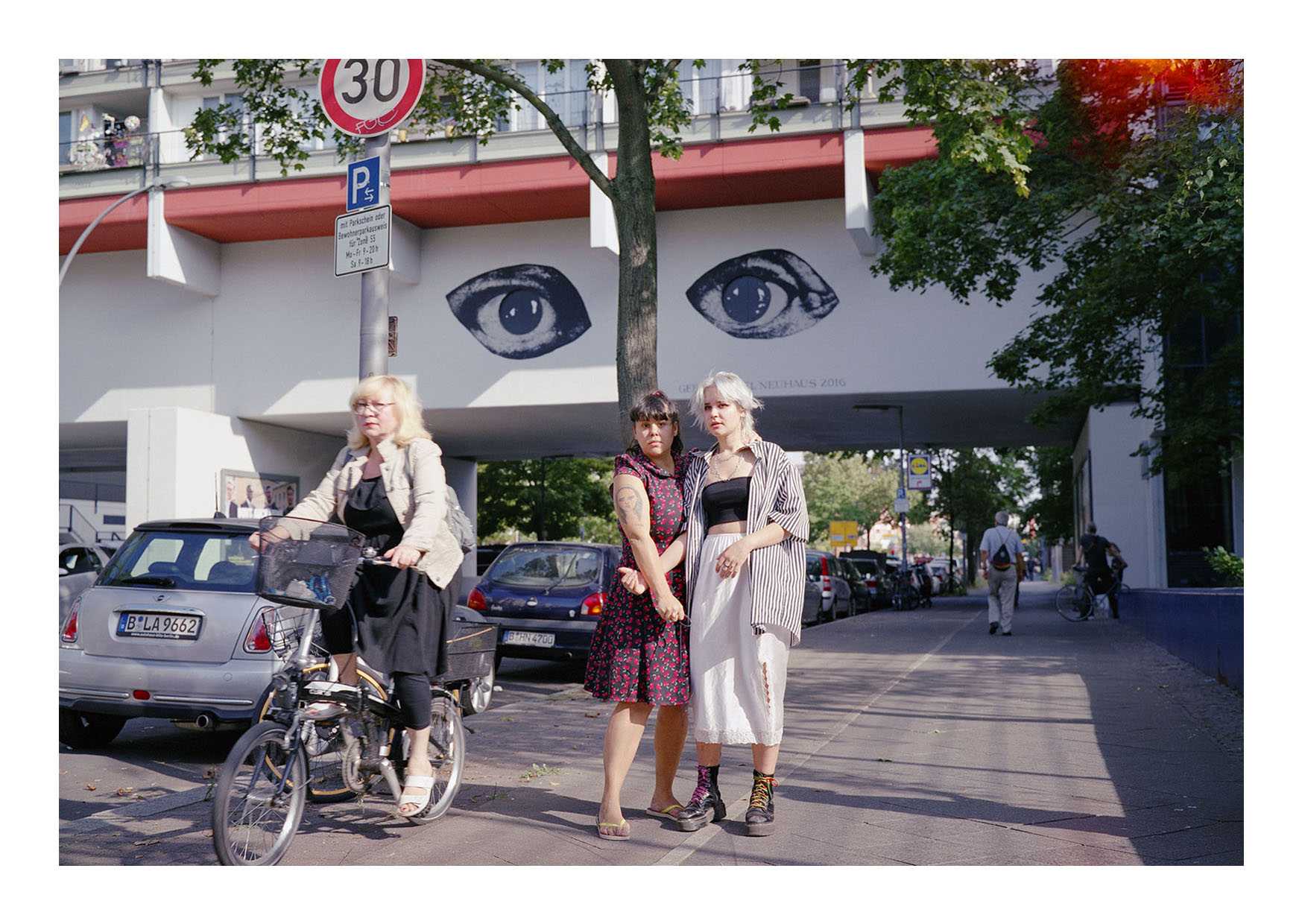
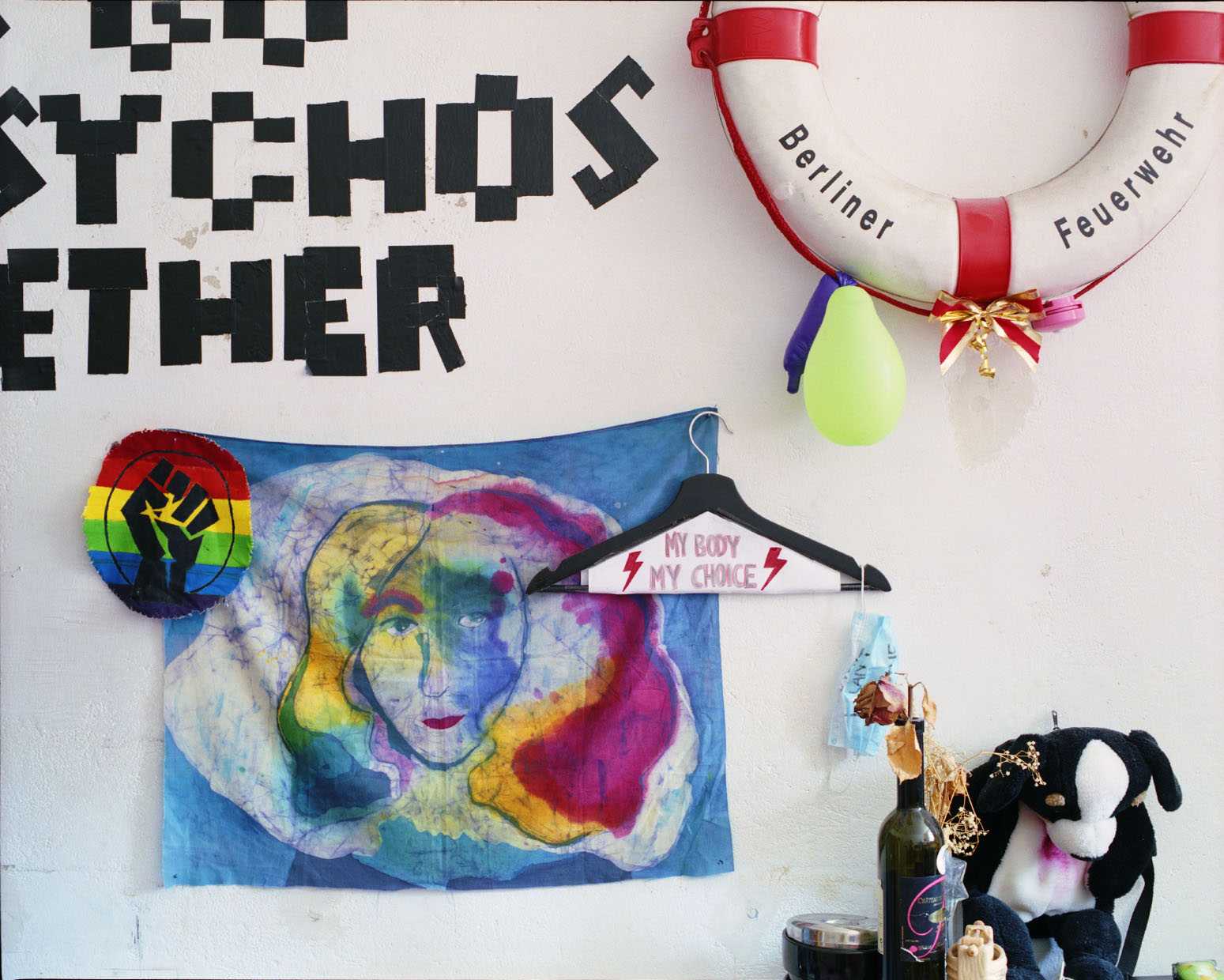
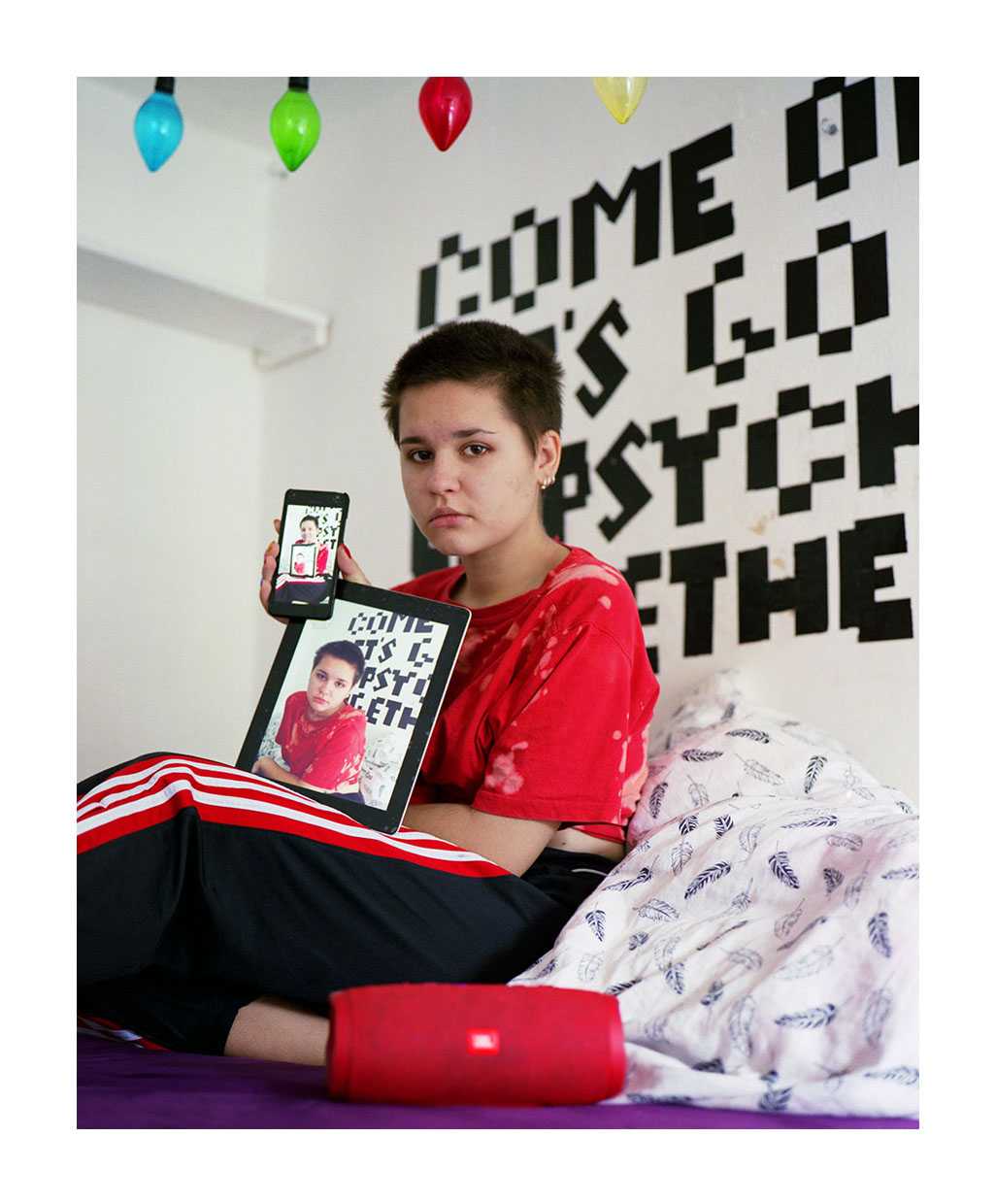
I have been photographing my daughter since she was born, documenting our remarkable relationship. I observe her transformation into a woman and her search for her own identity, as she separates herself from me to become an independent individual with her own agency. We play at taking pictures, and, having witnessed my photo shoots more than once, she plays the role of a model and impersonates characters she creates herself. In the process, we balance on the verge of testimony and creation.
Next Project
Amelie's toys
Amelie's toys
Amelie's toys
2003
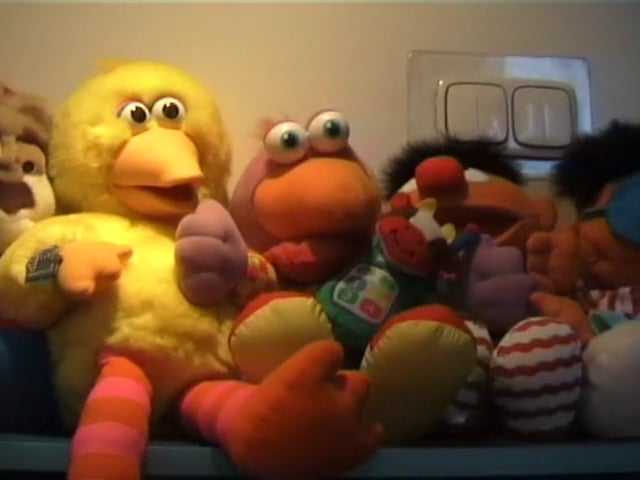
caption soon
Next Project
Shitty Listener

Shitty Listener
Shitty Listener
2021
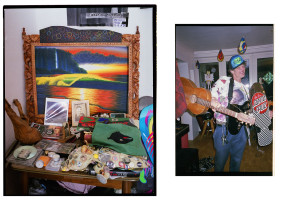
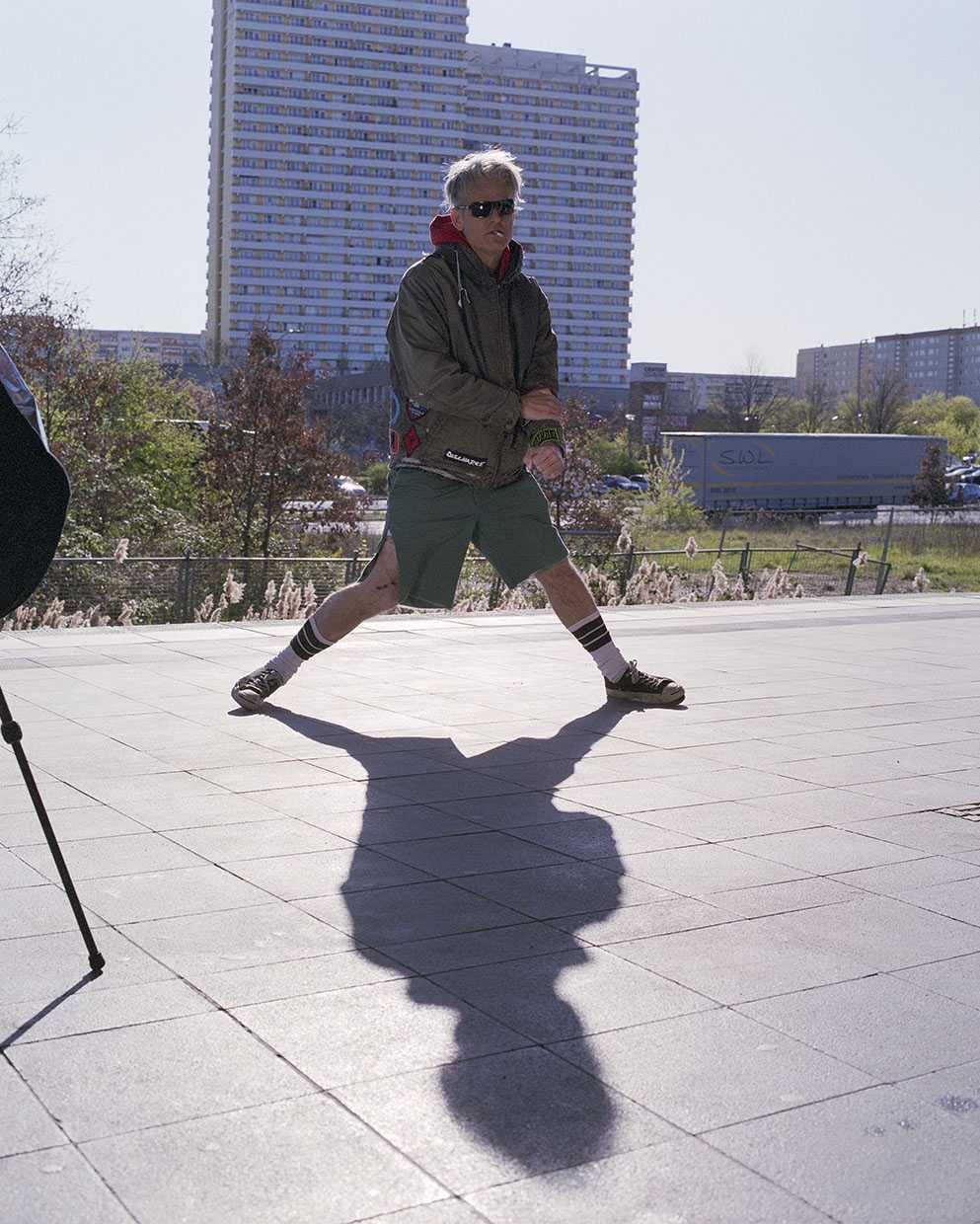
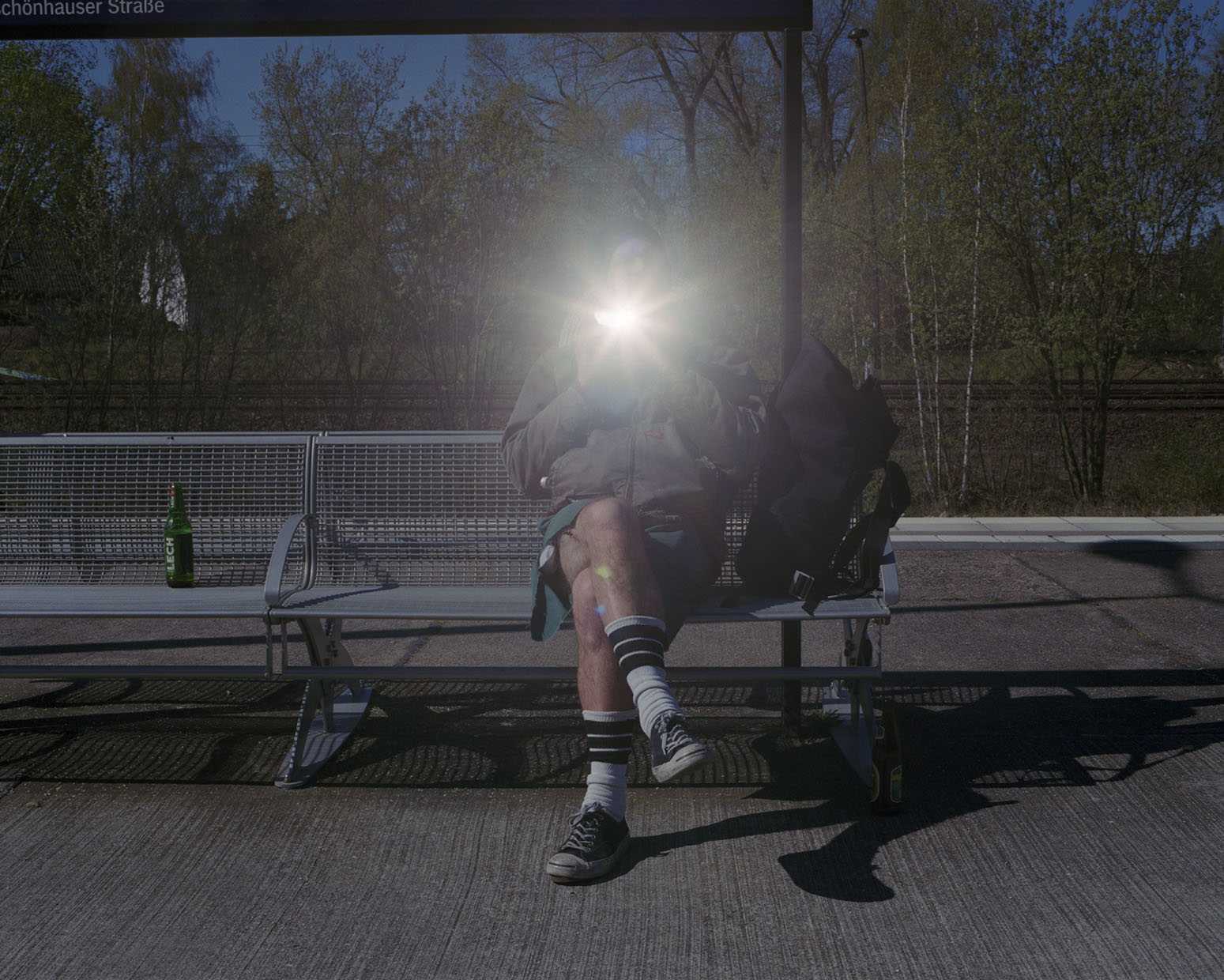
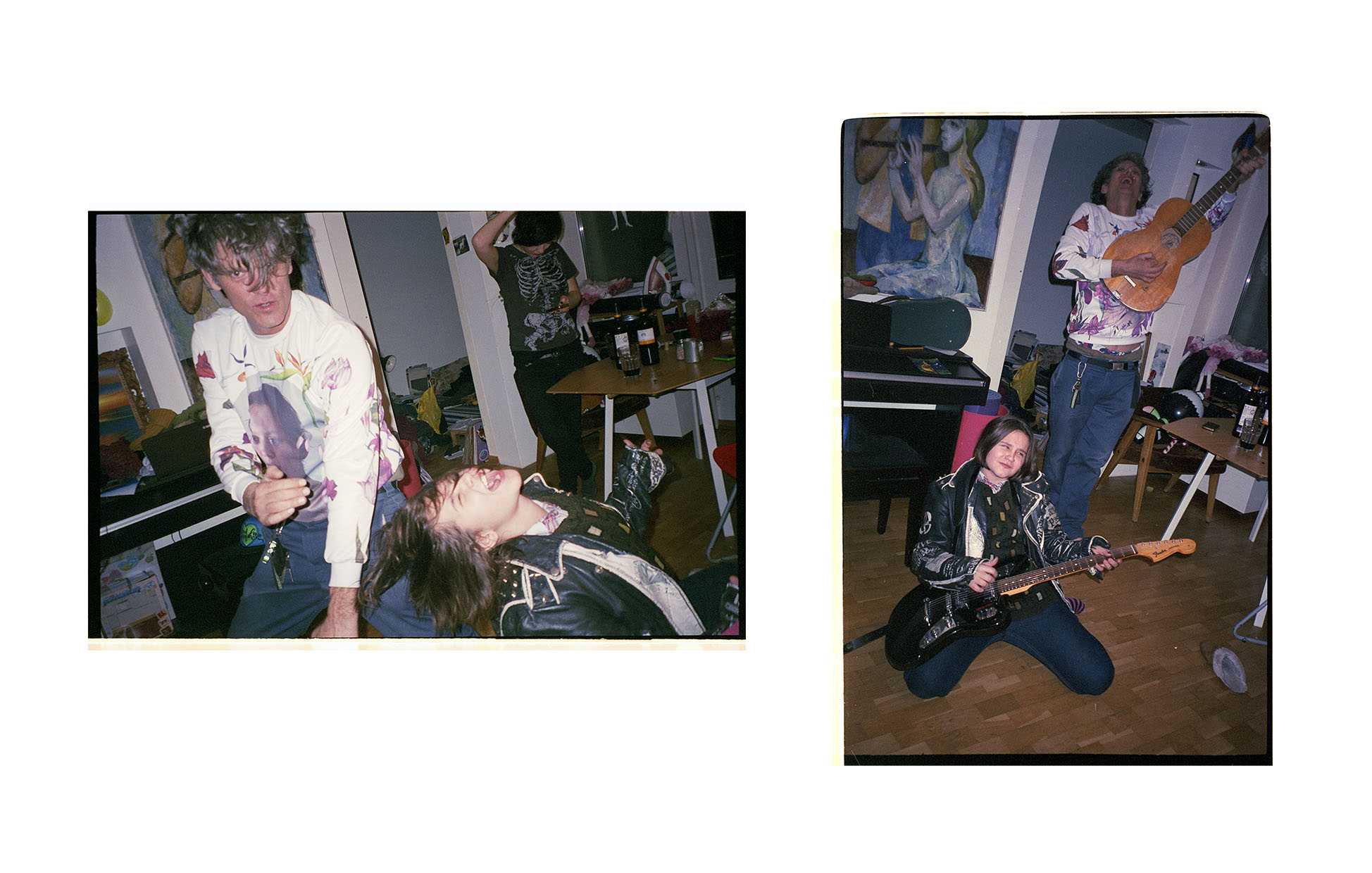
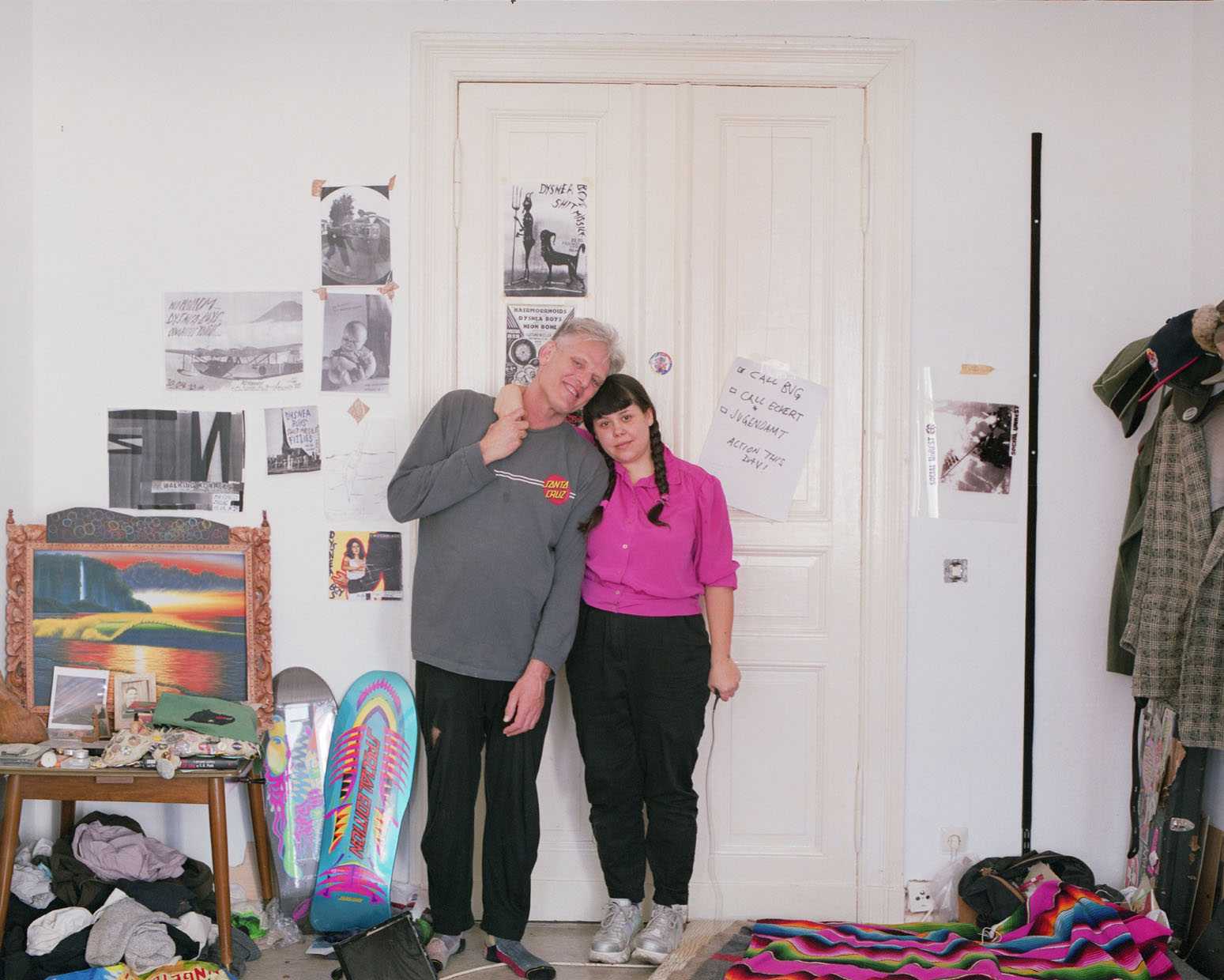
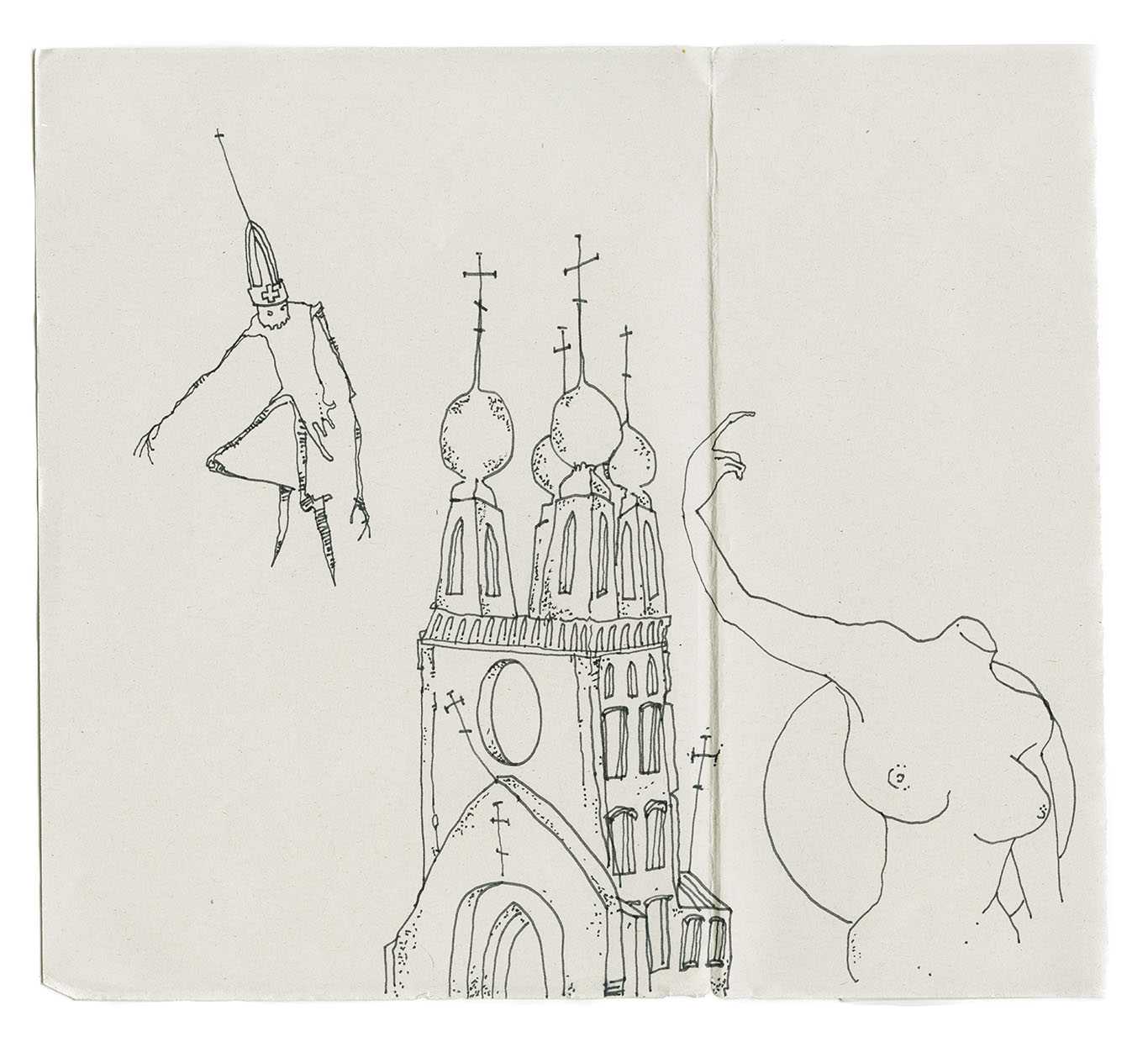
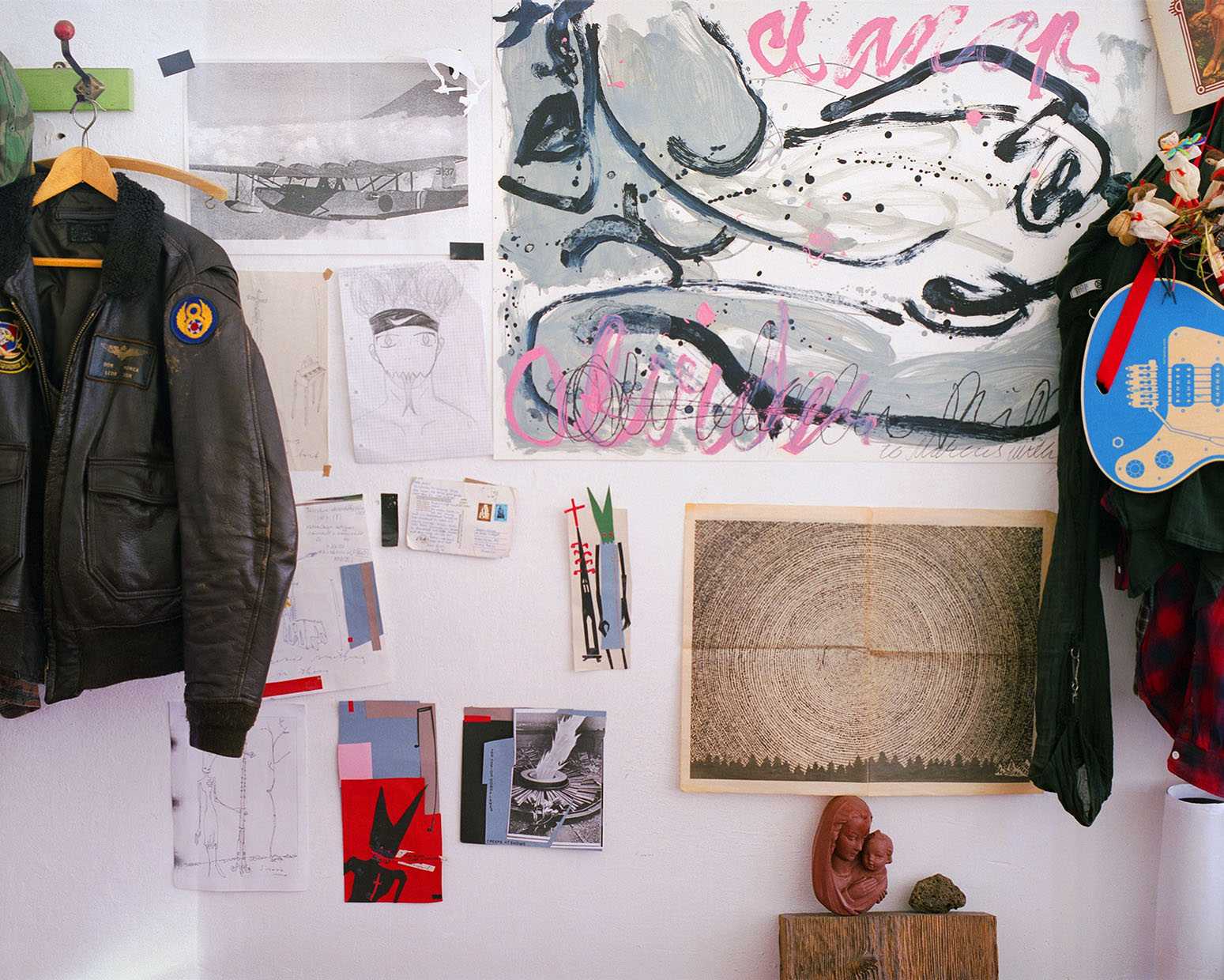
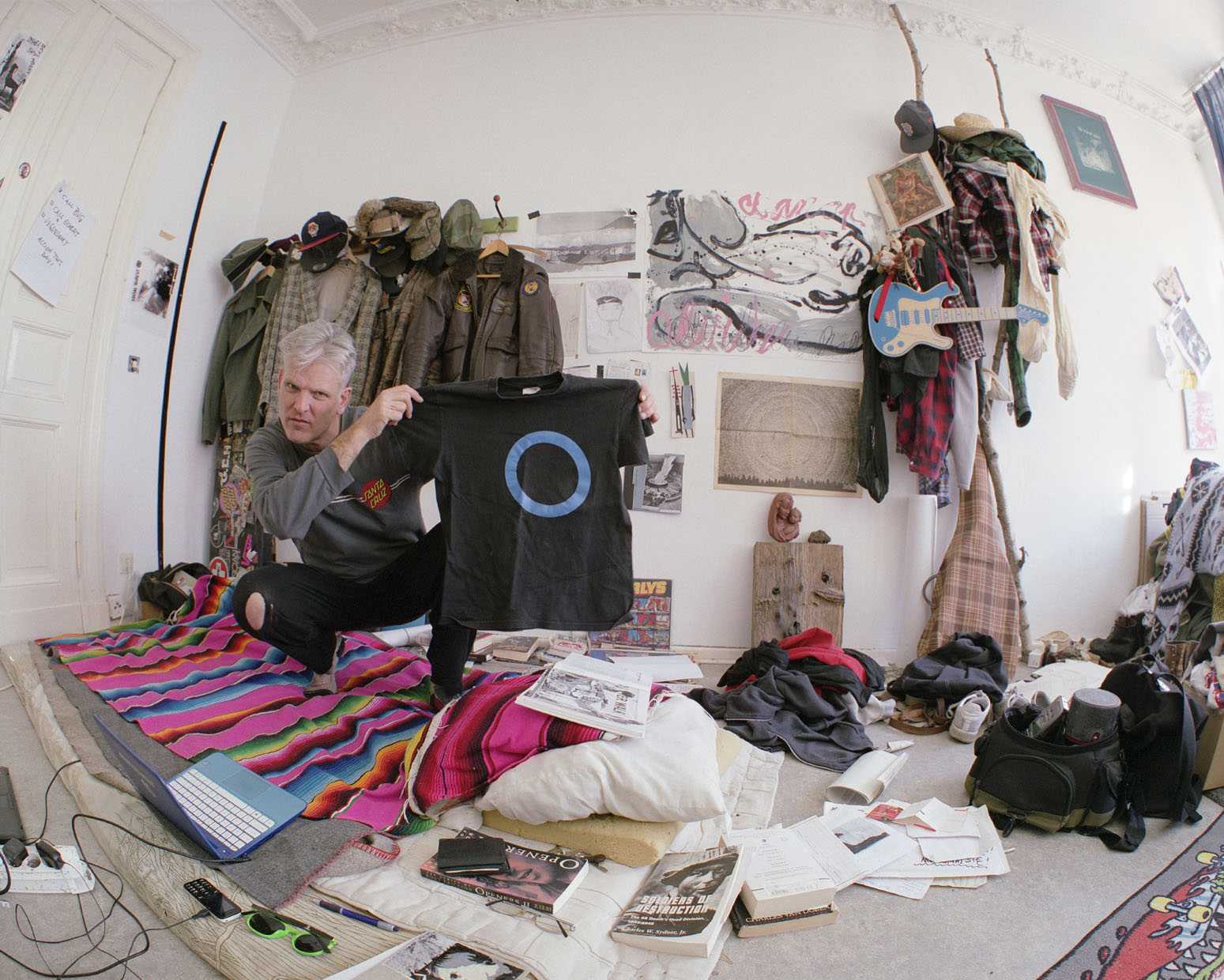
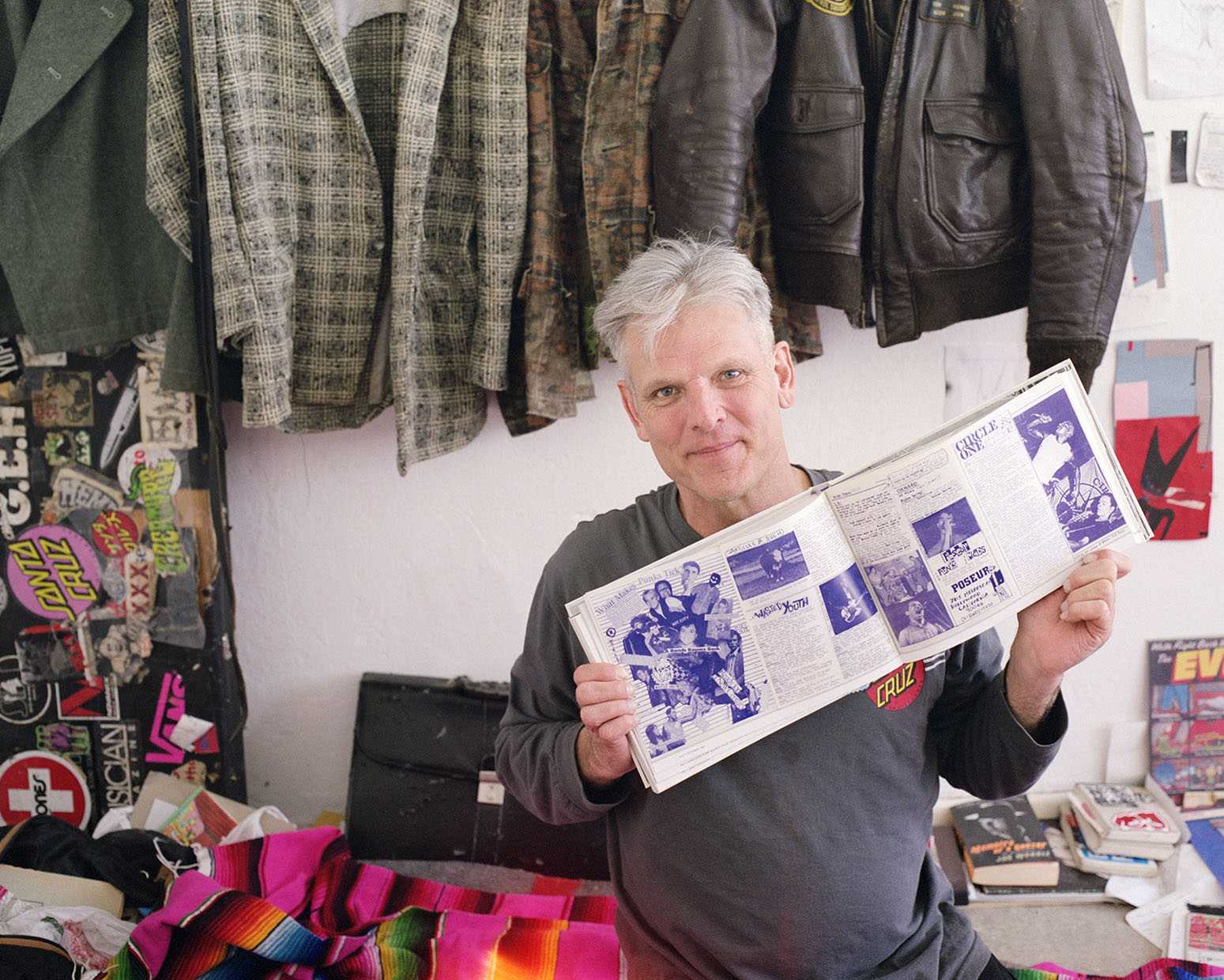
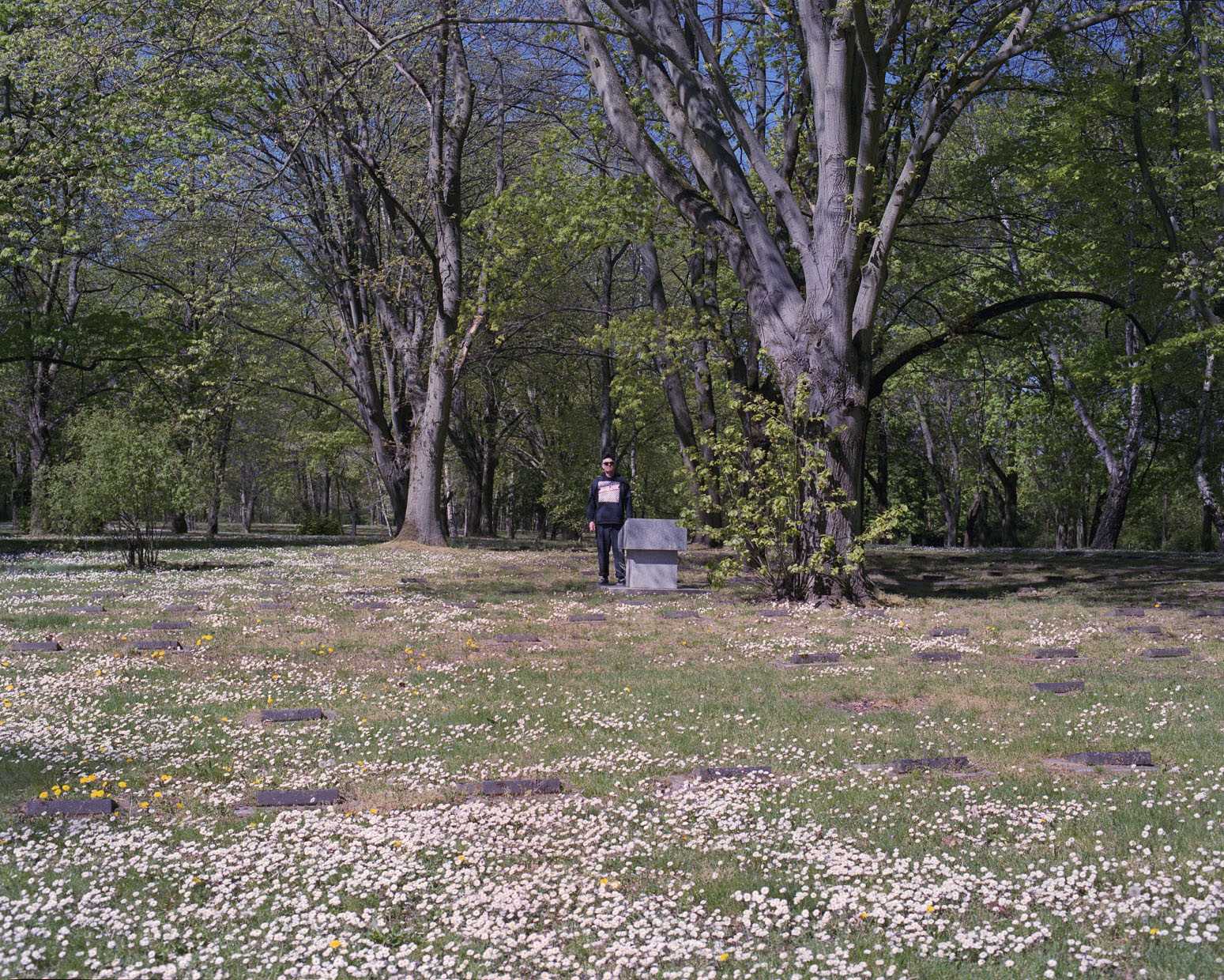
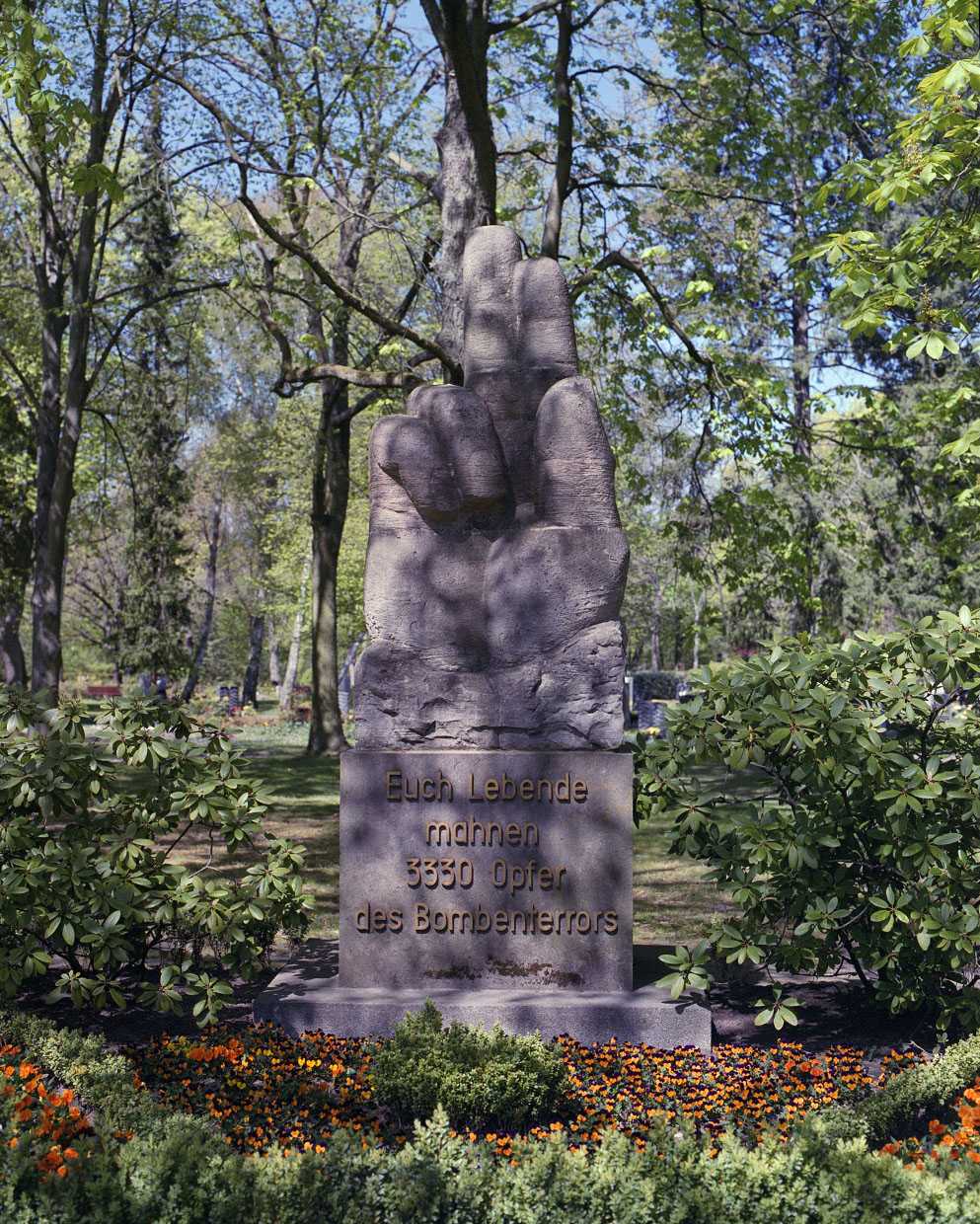
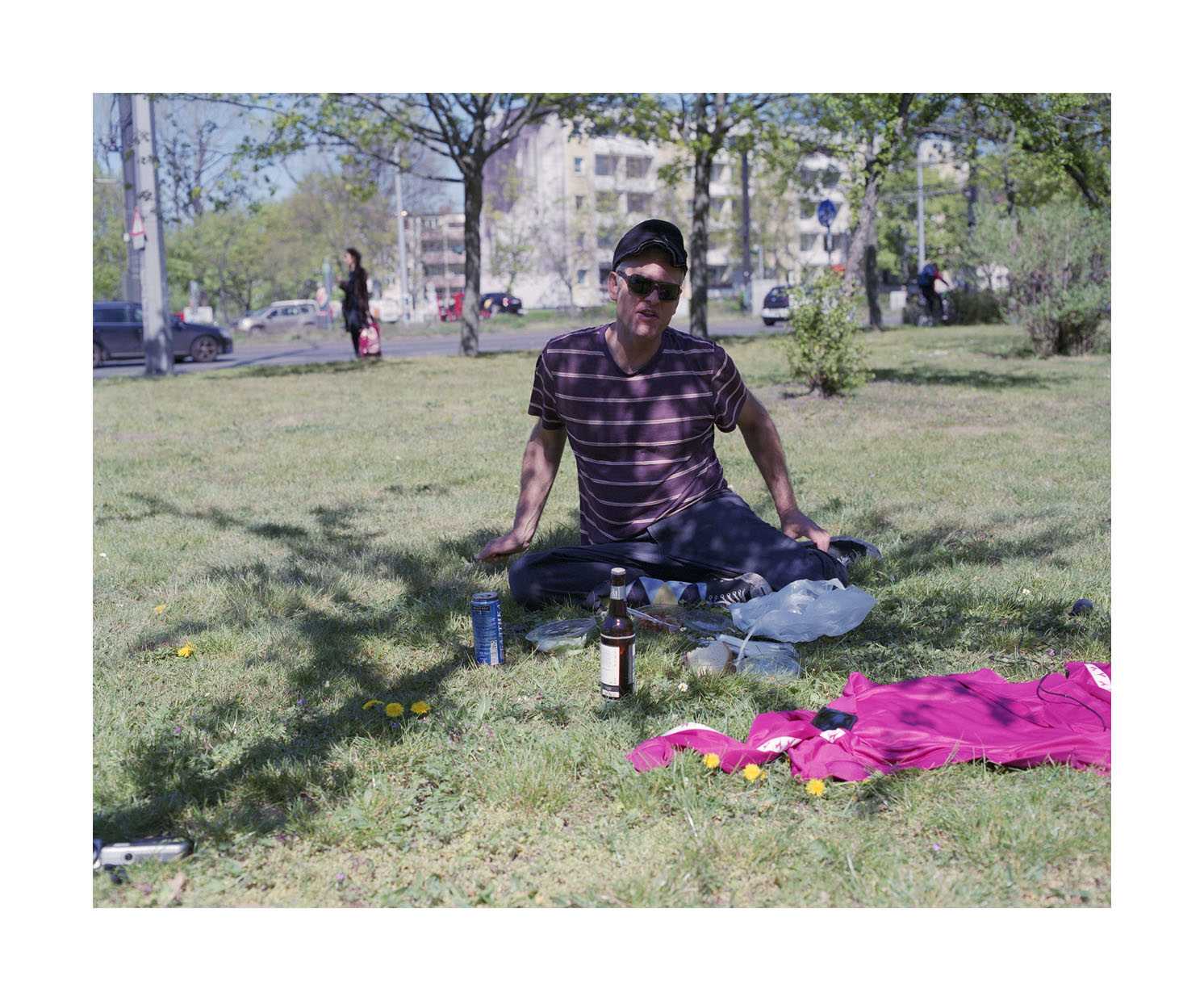
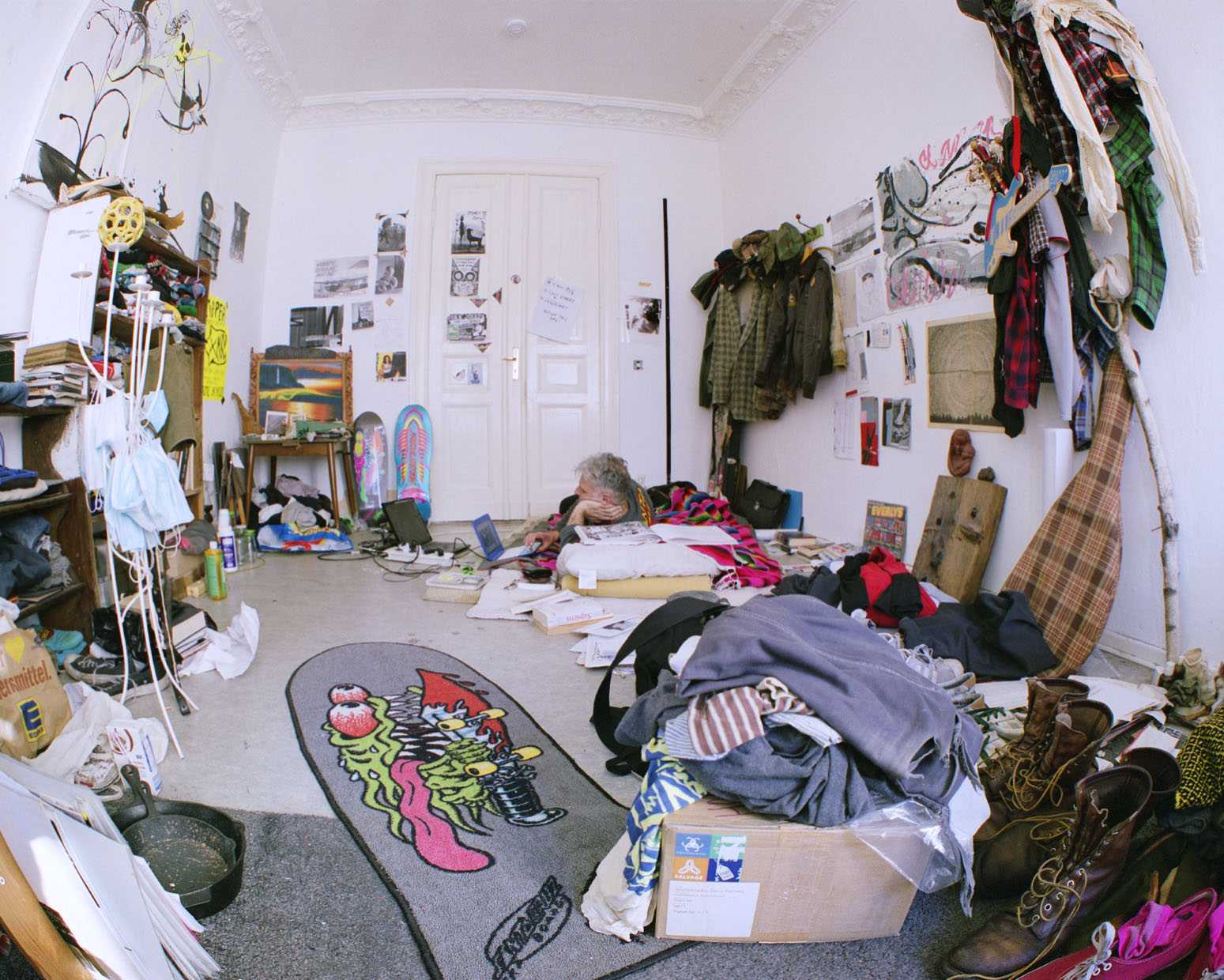
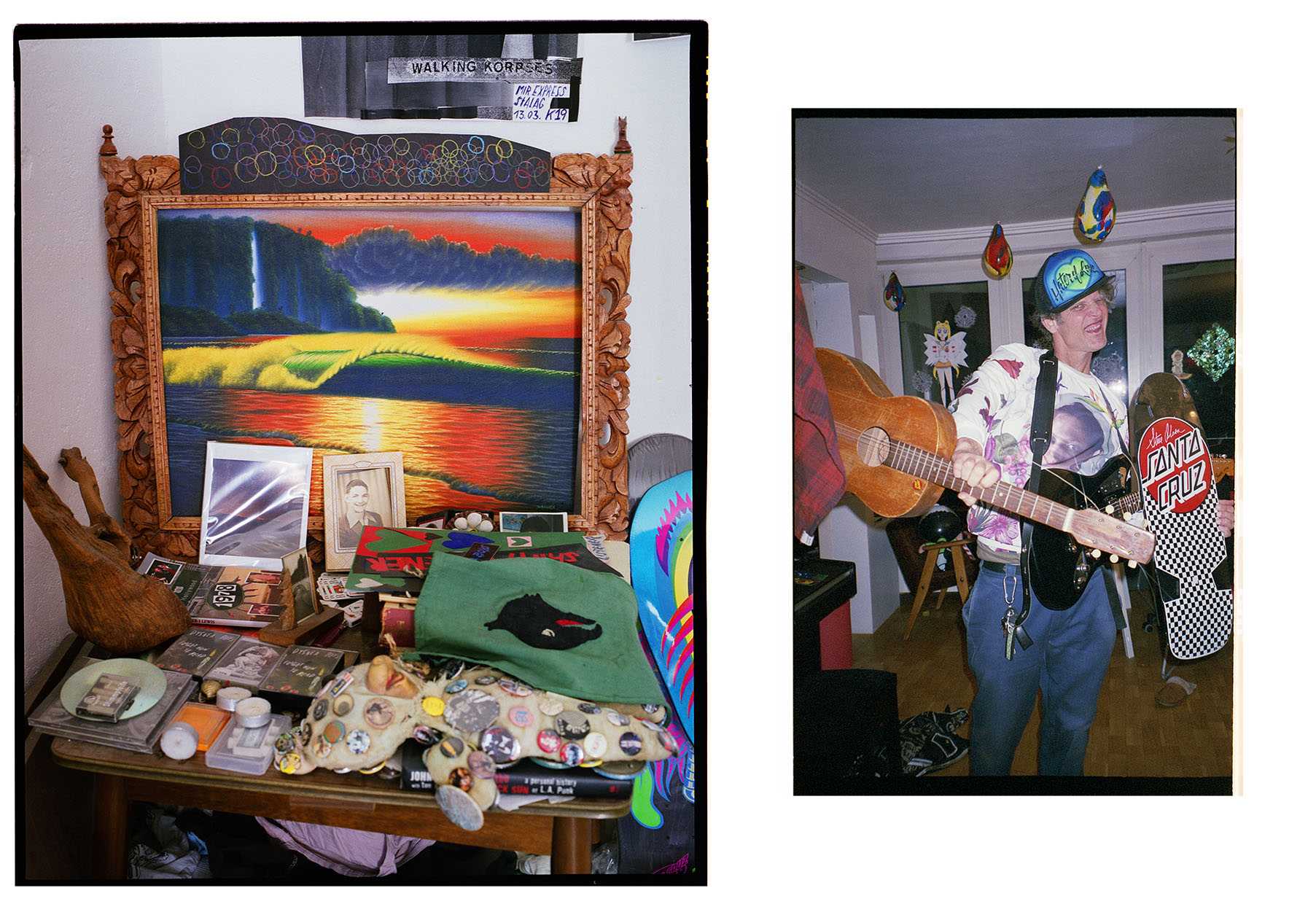
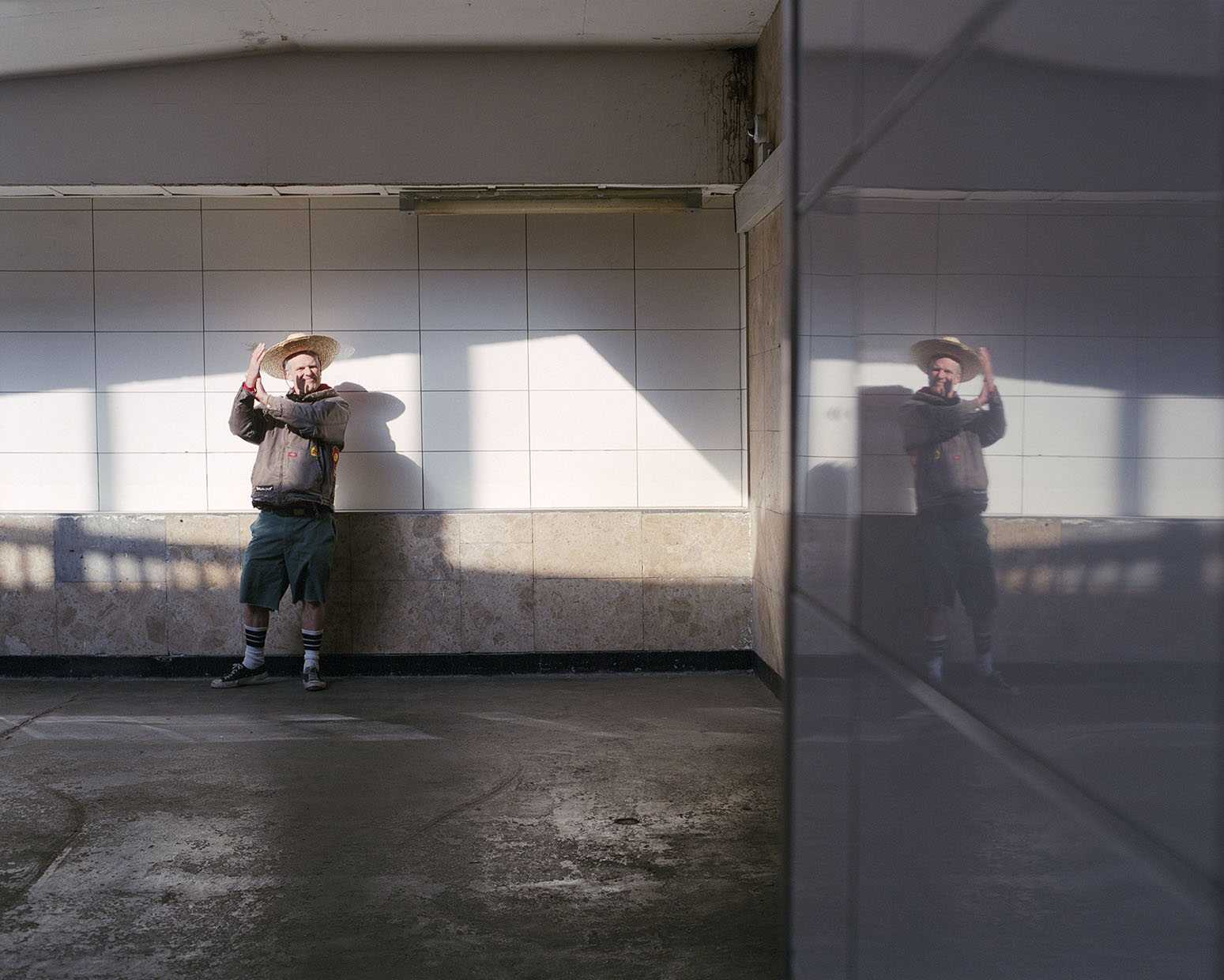
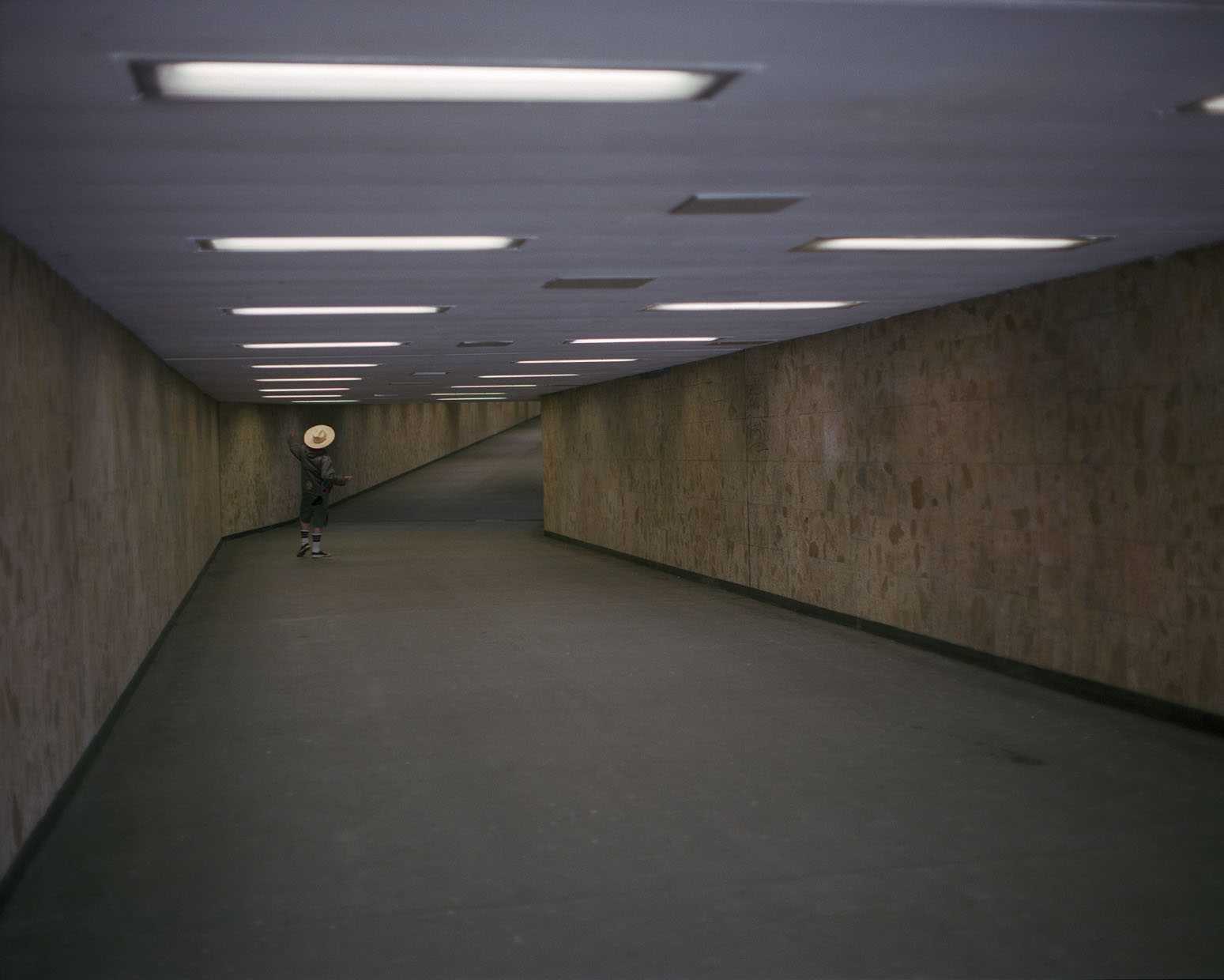
Jason Honea hails from Northern California's Santa Clara Valley and calls Berlin, San Francisco, San Jose, and Santa Cruz home. He's a rocker, performer, singer, sayer, painter, drawer, and prayer. In an attempt to find out what works about music, he straddles history and the lives of the saints to invoke atmosphere, redemption, and quest in an ever-evolving exercise in fun and beauty.
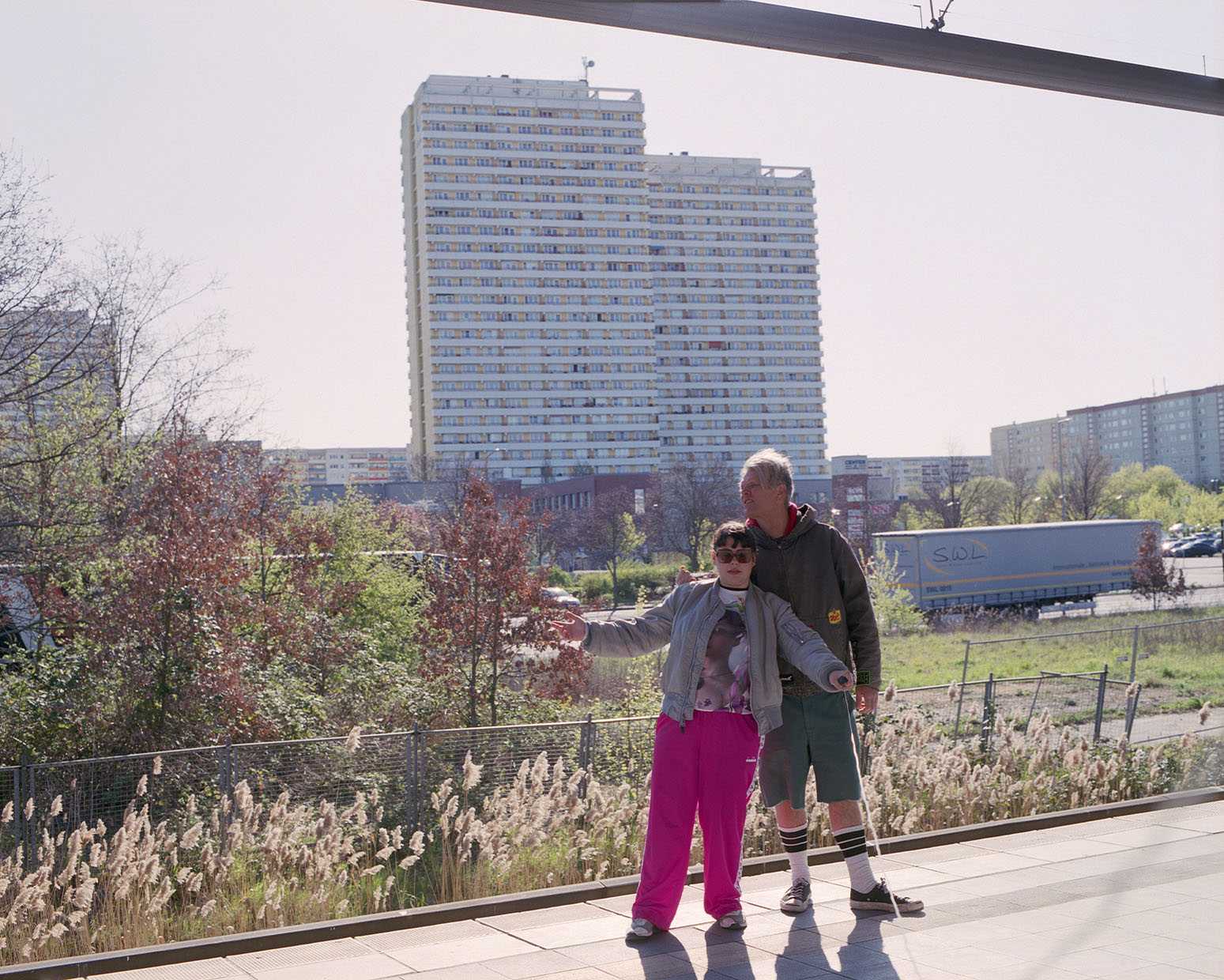
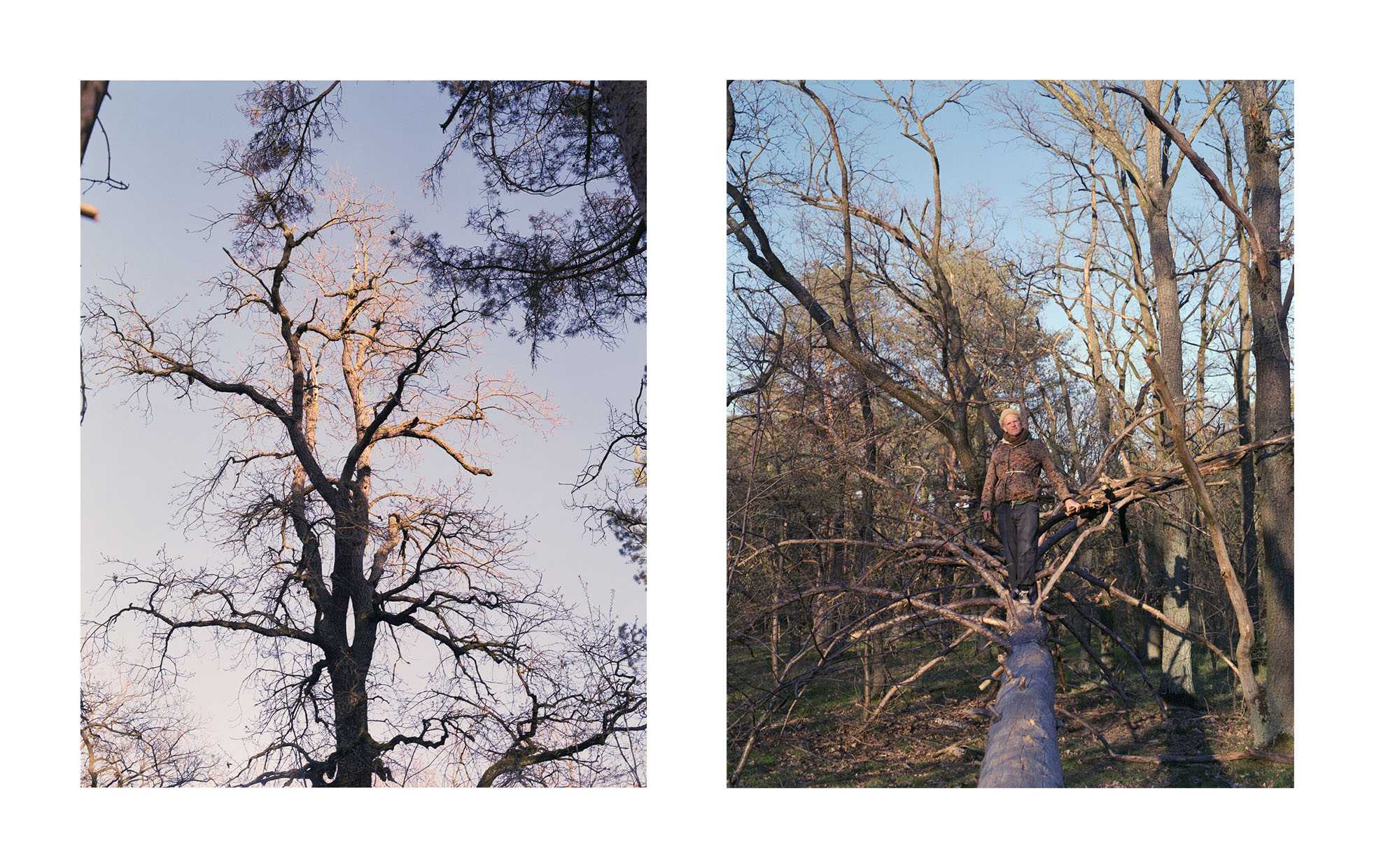
I photograph Jason as my friend and as a Berlin-based Californian punk rocker.
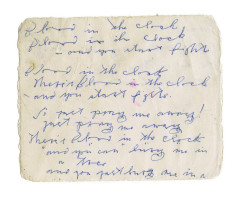
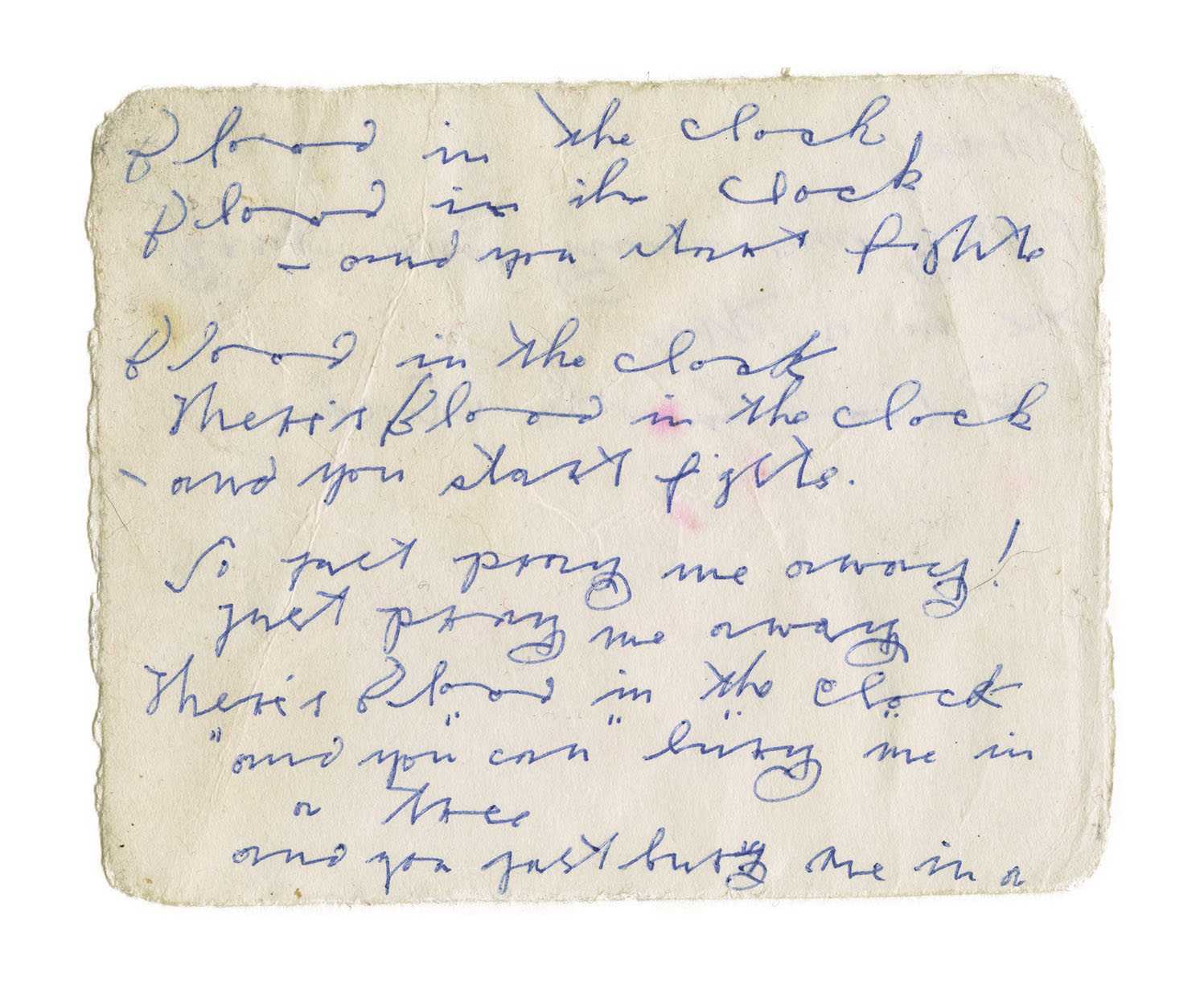
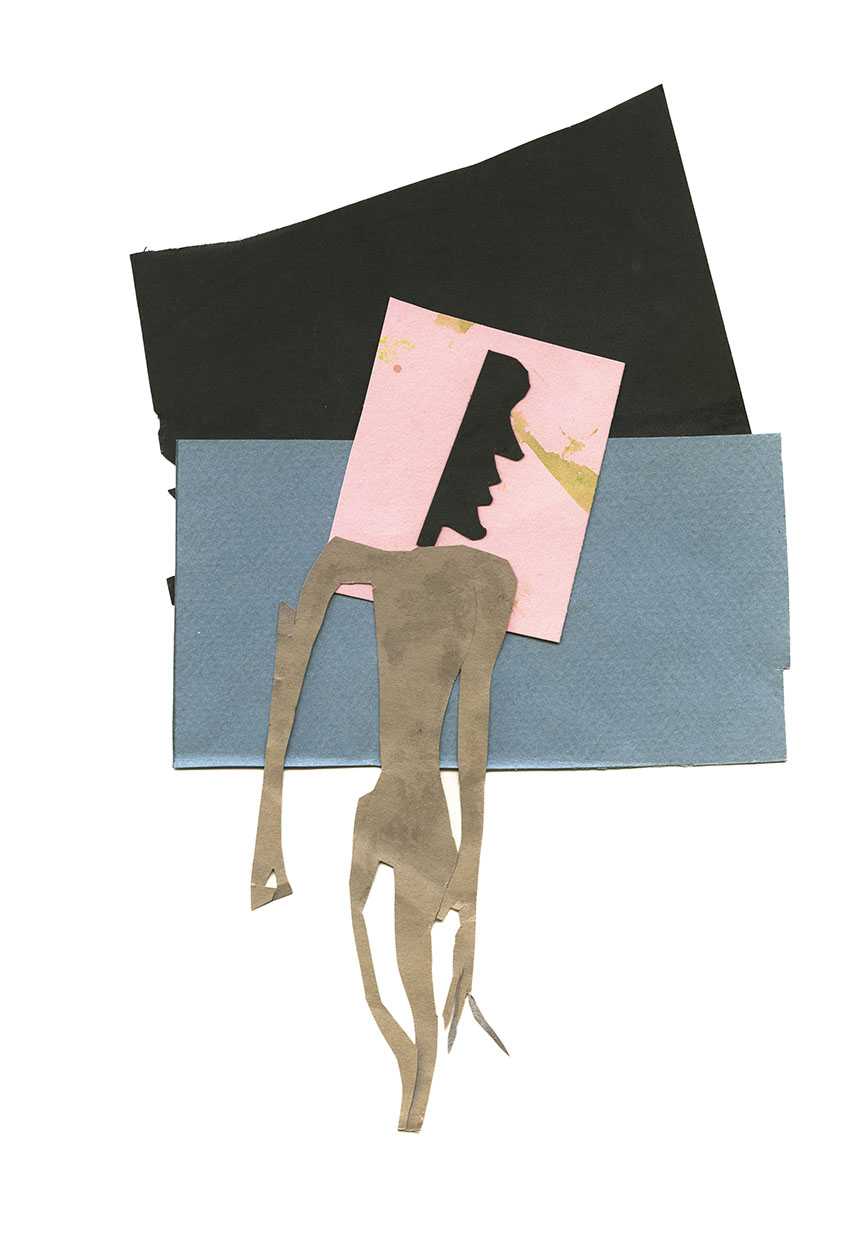
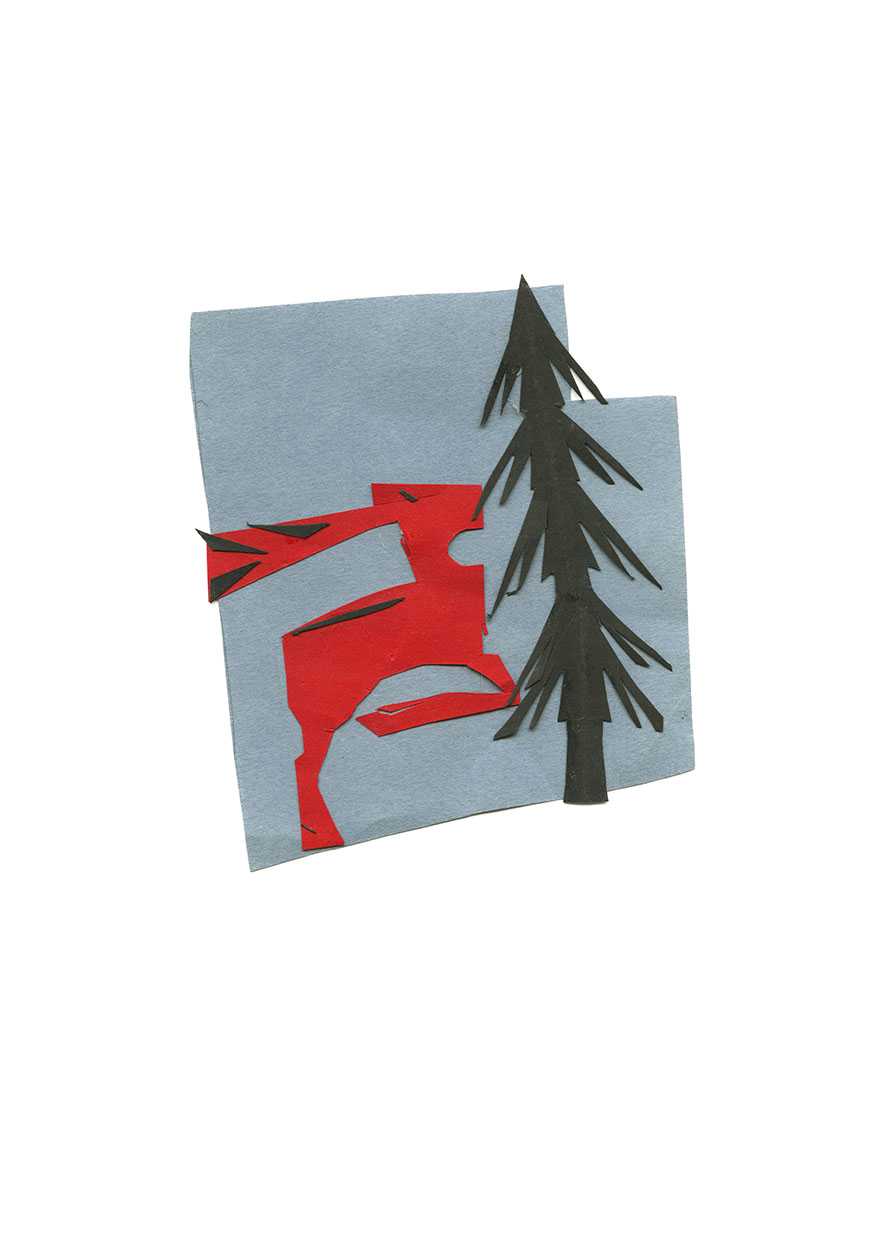
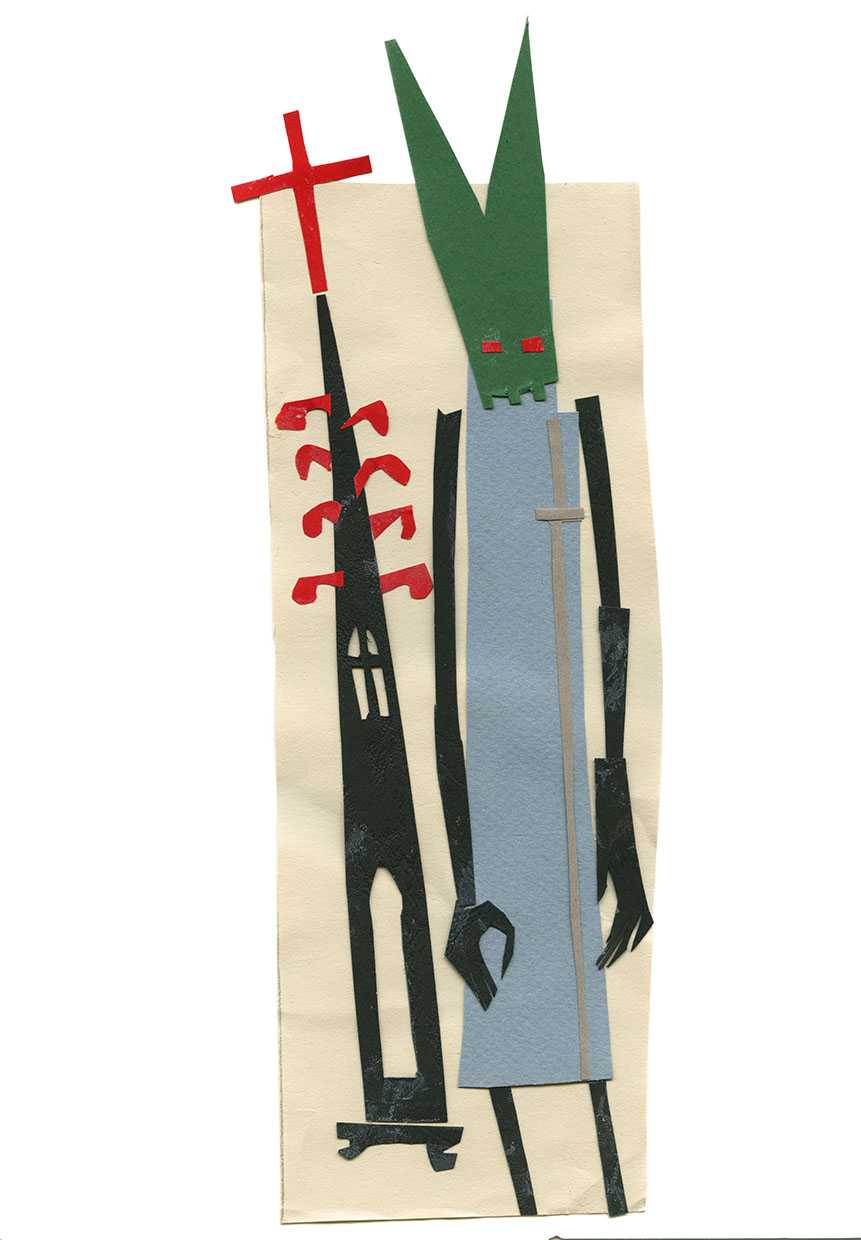
Artworks (handwriting, drawing, and cut-outs) by the photographed artist Jasone Honea, aka Shitty Listener.
Next Project
Urban Fairy
Urban Fairy
Urban Fairy
2016-2018
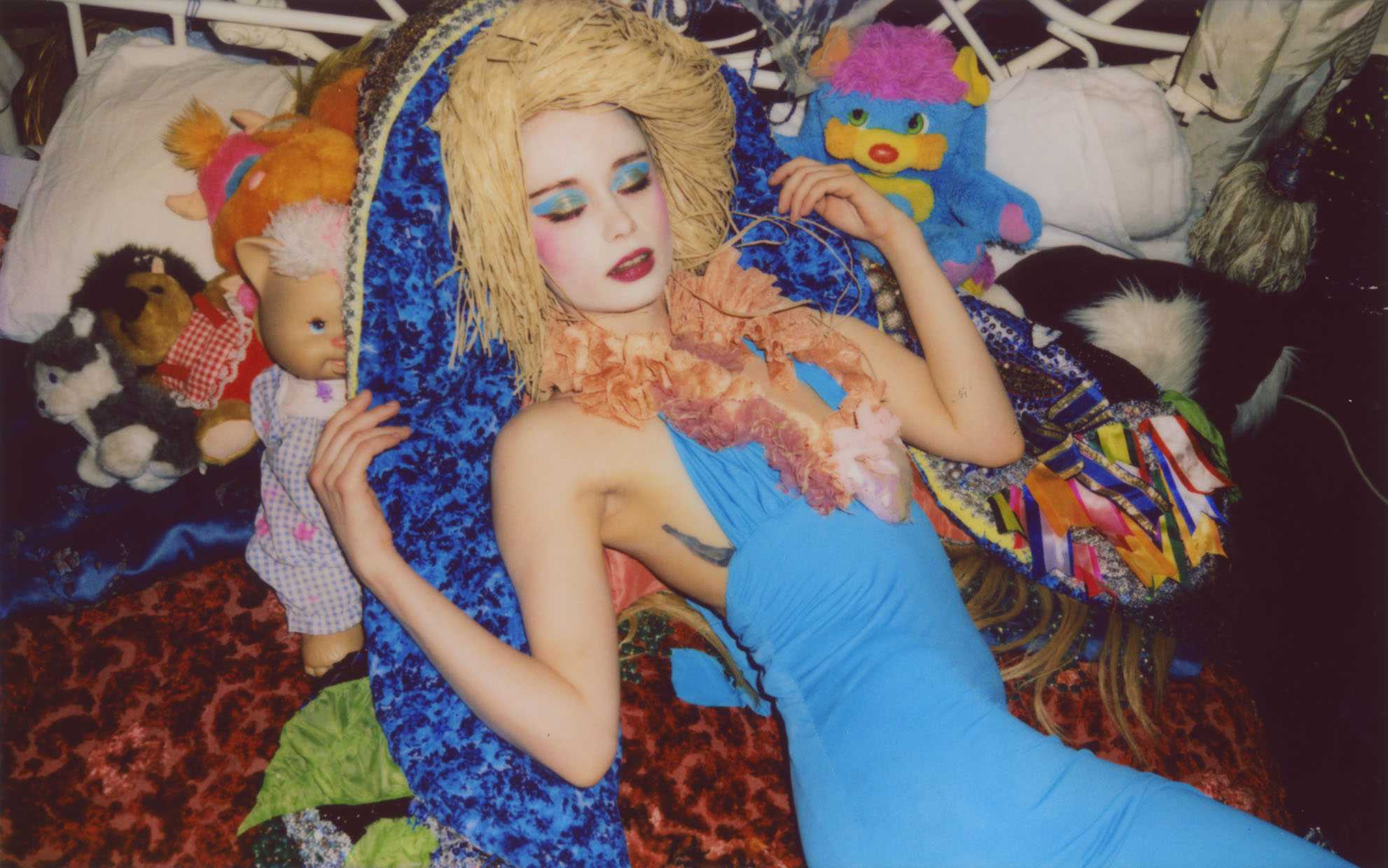
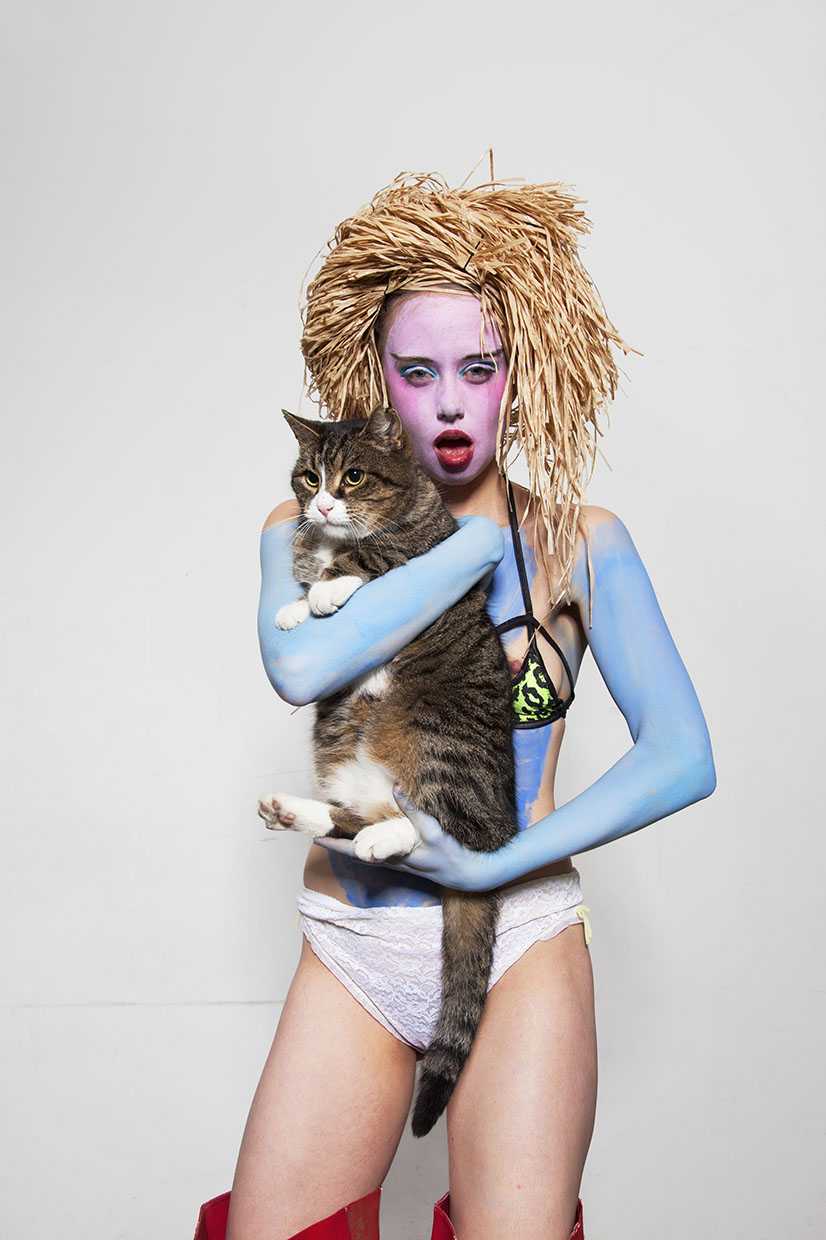
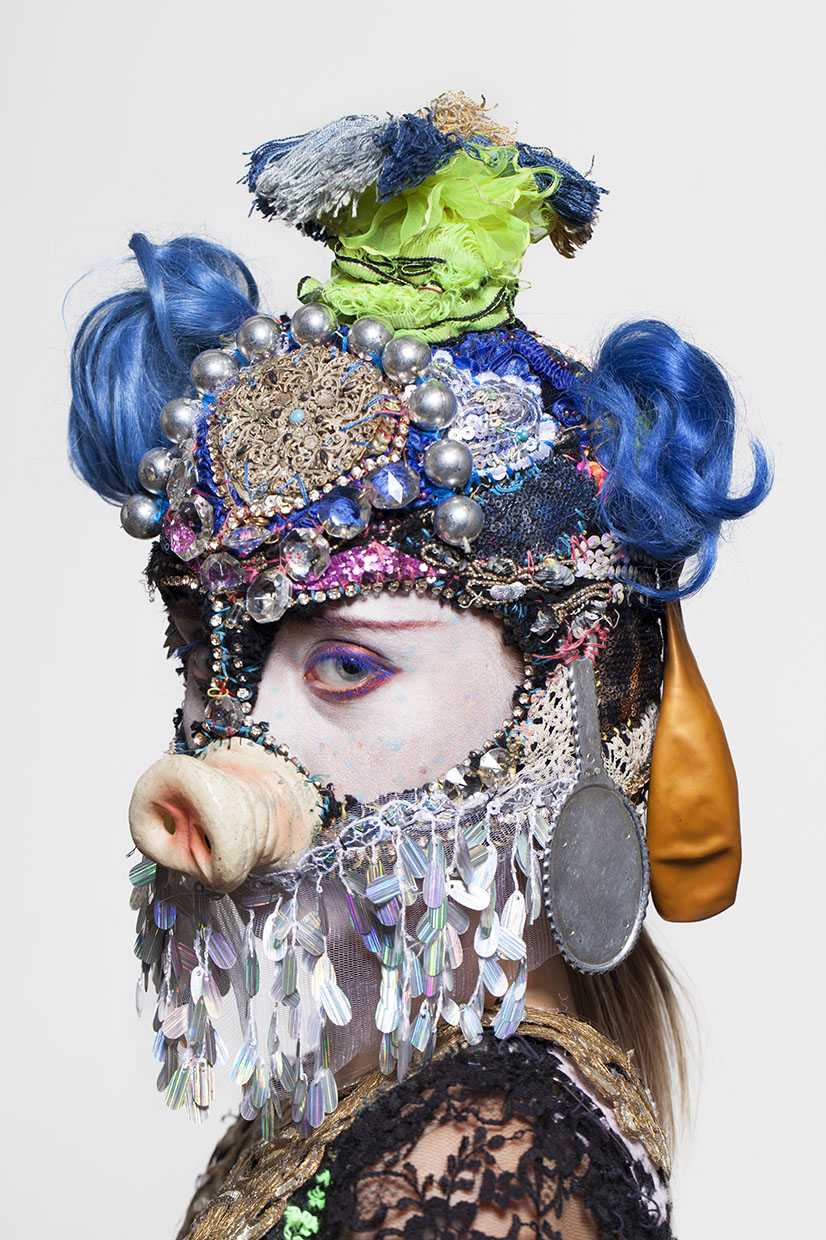
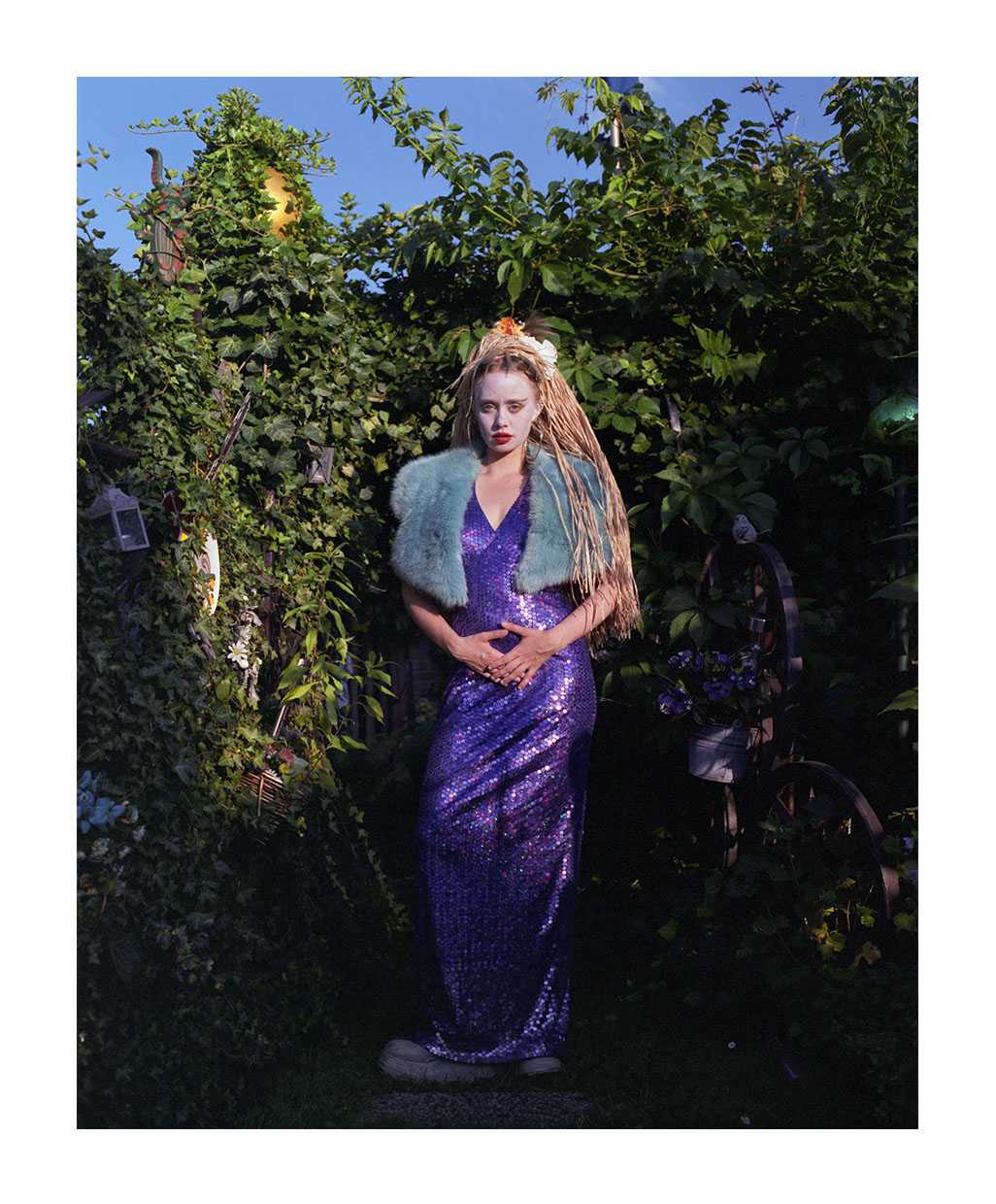
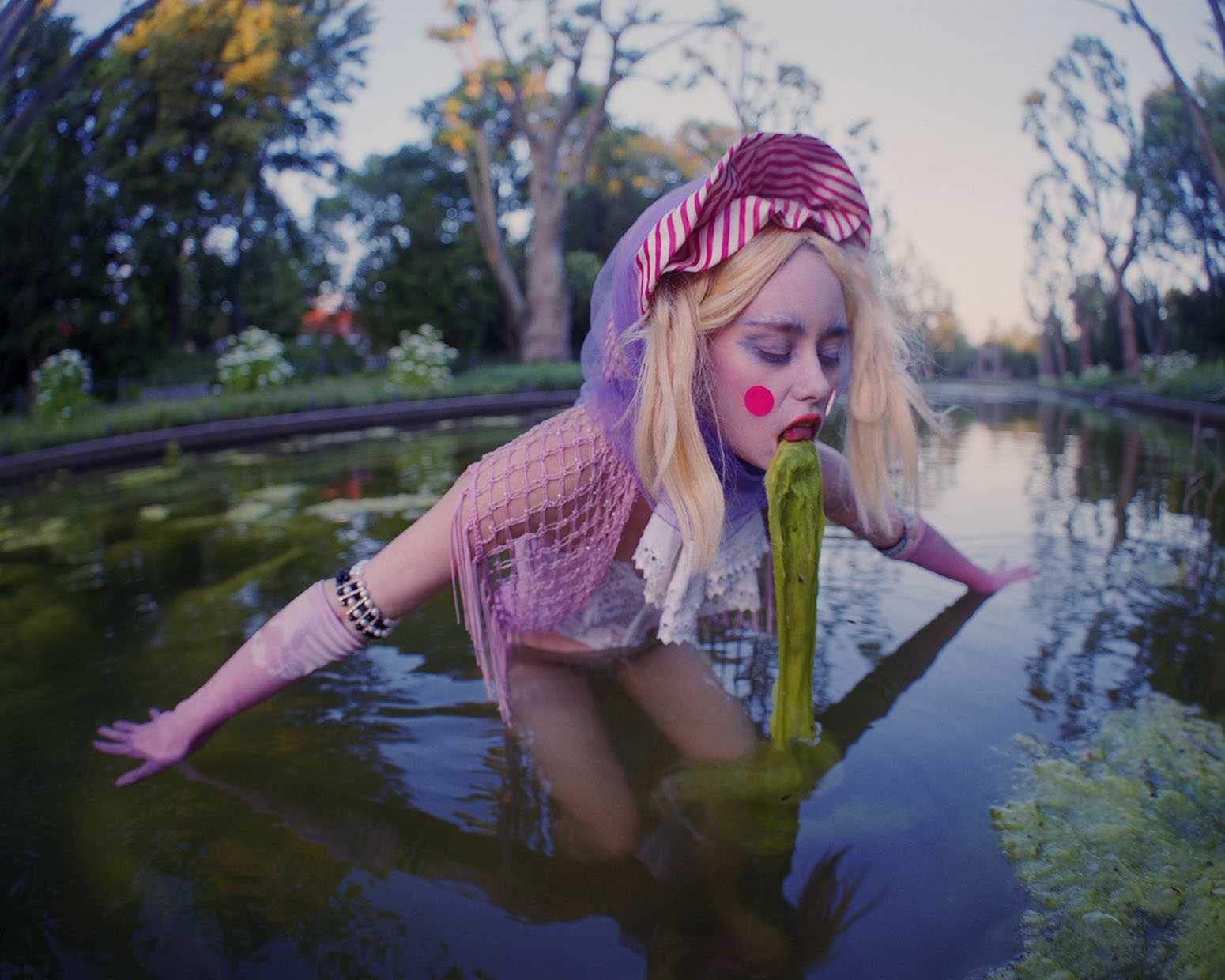
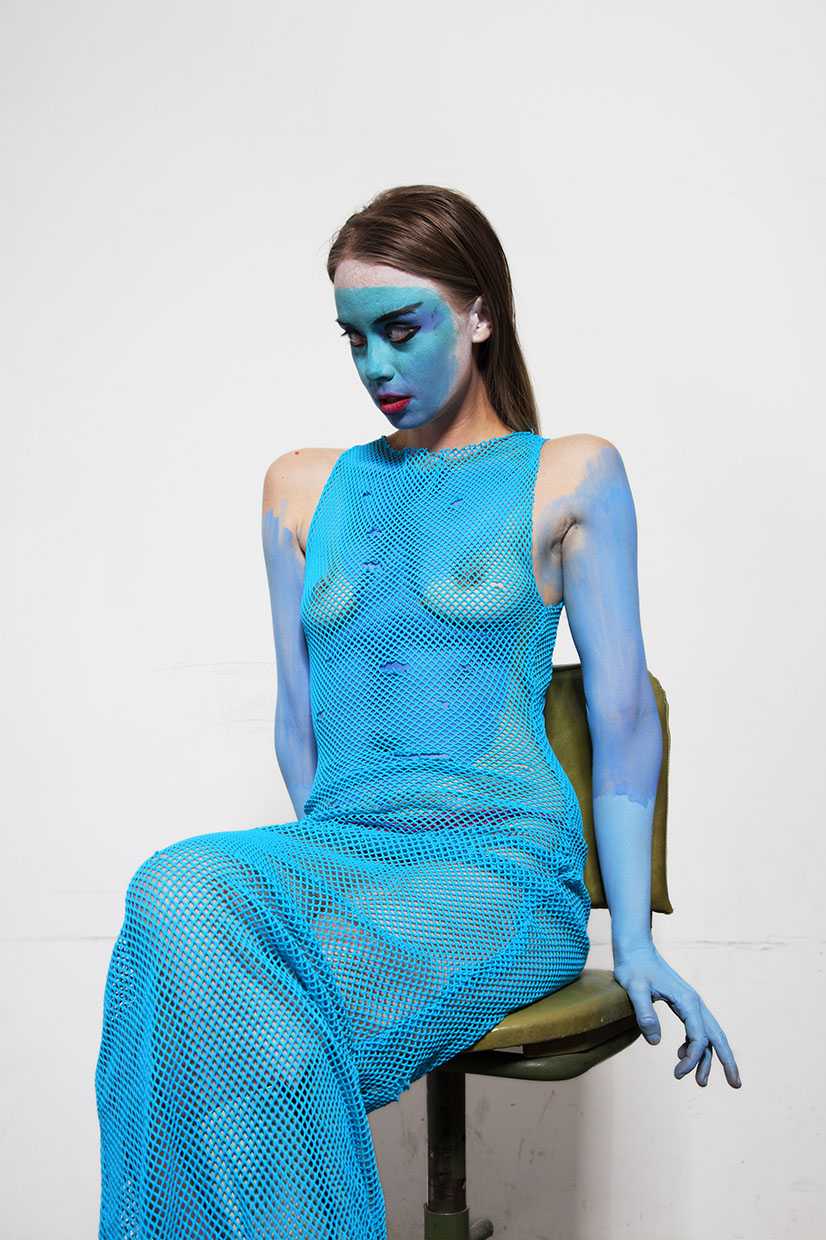
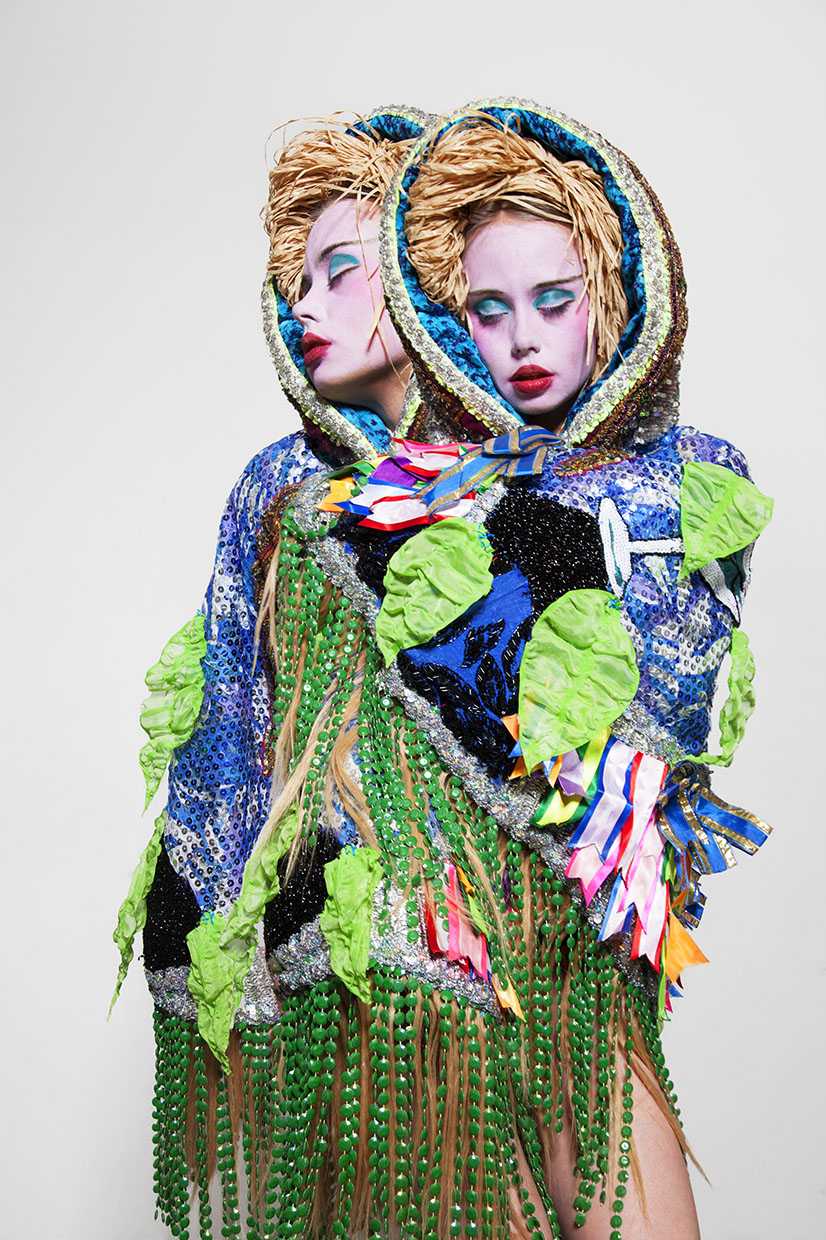
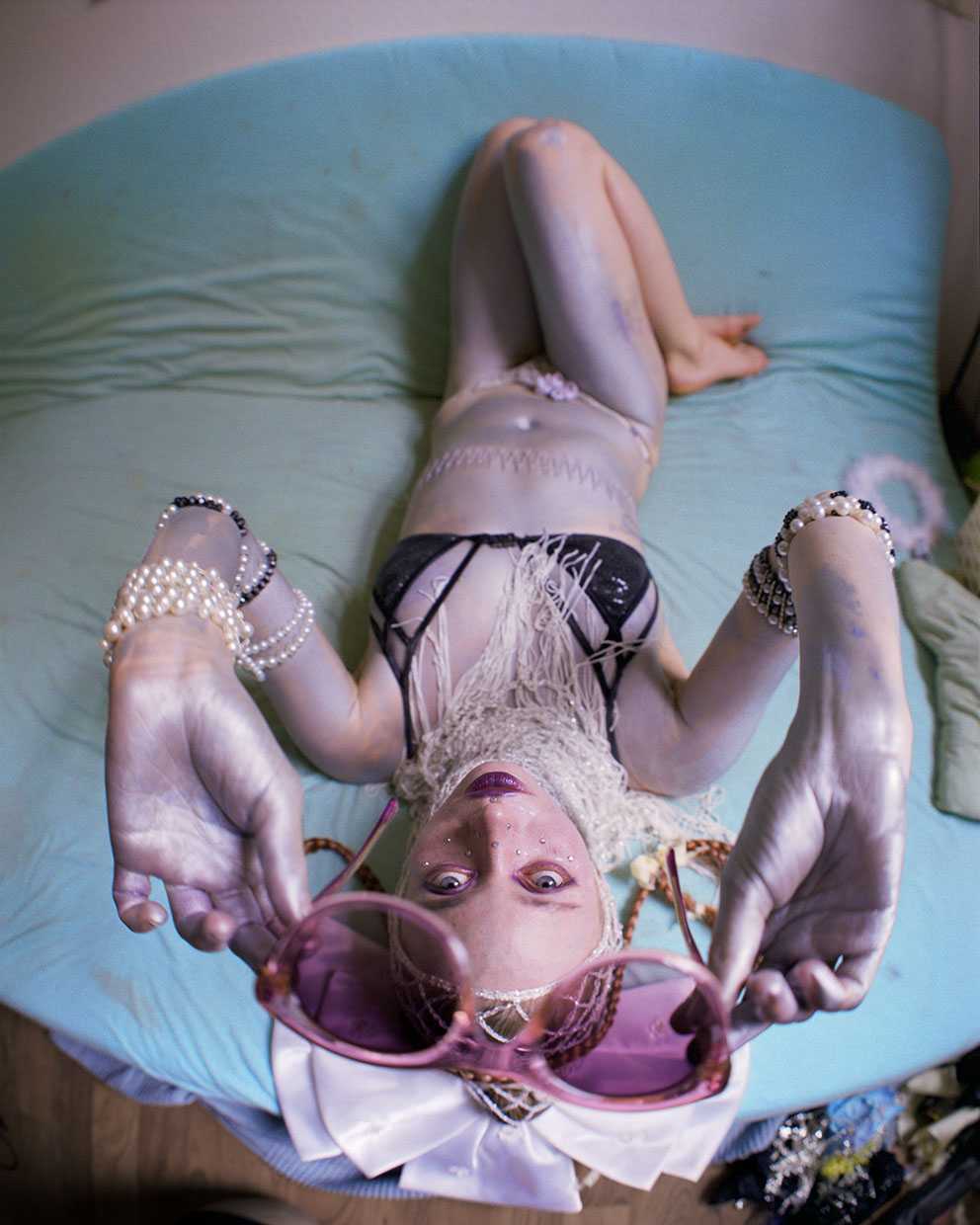
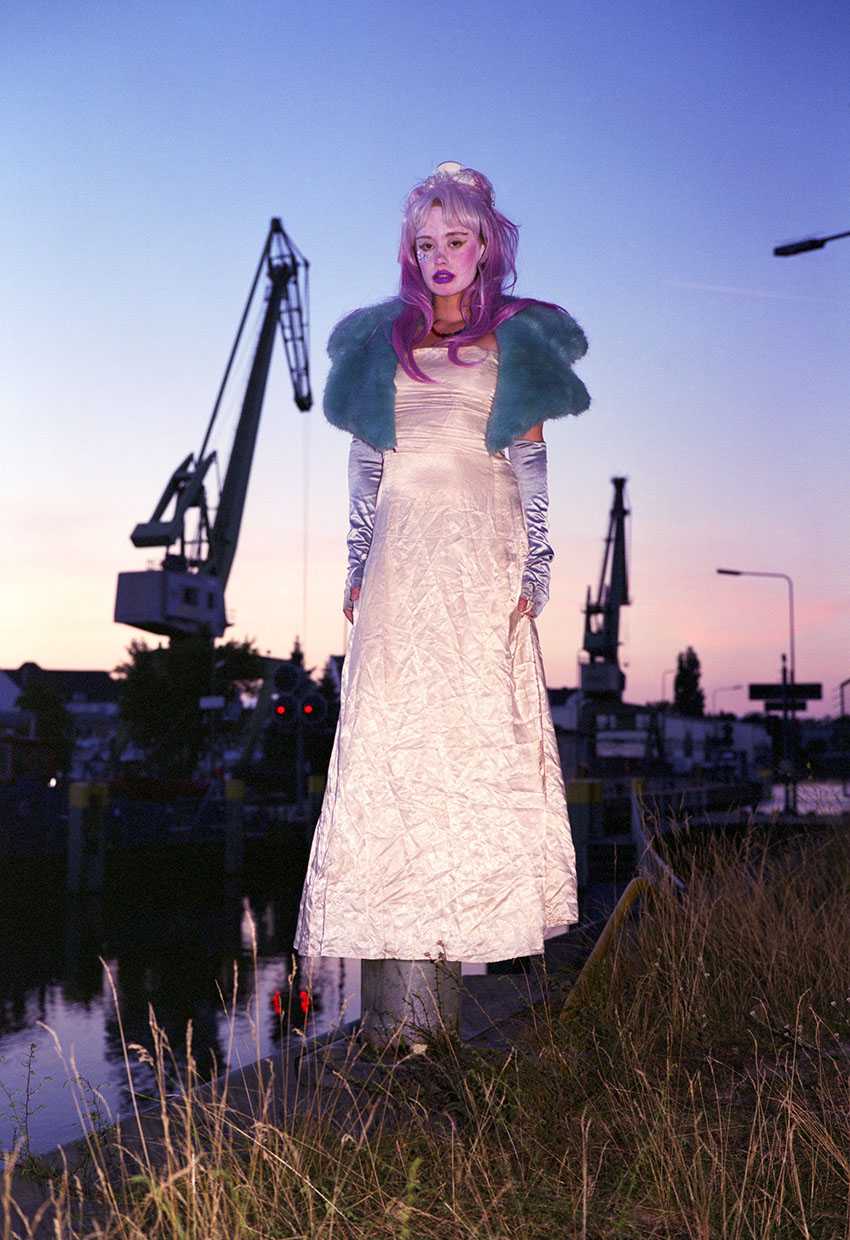
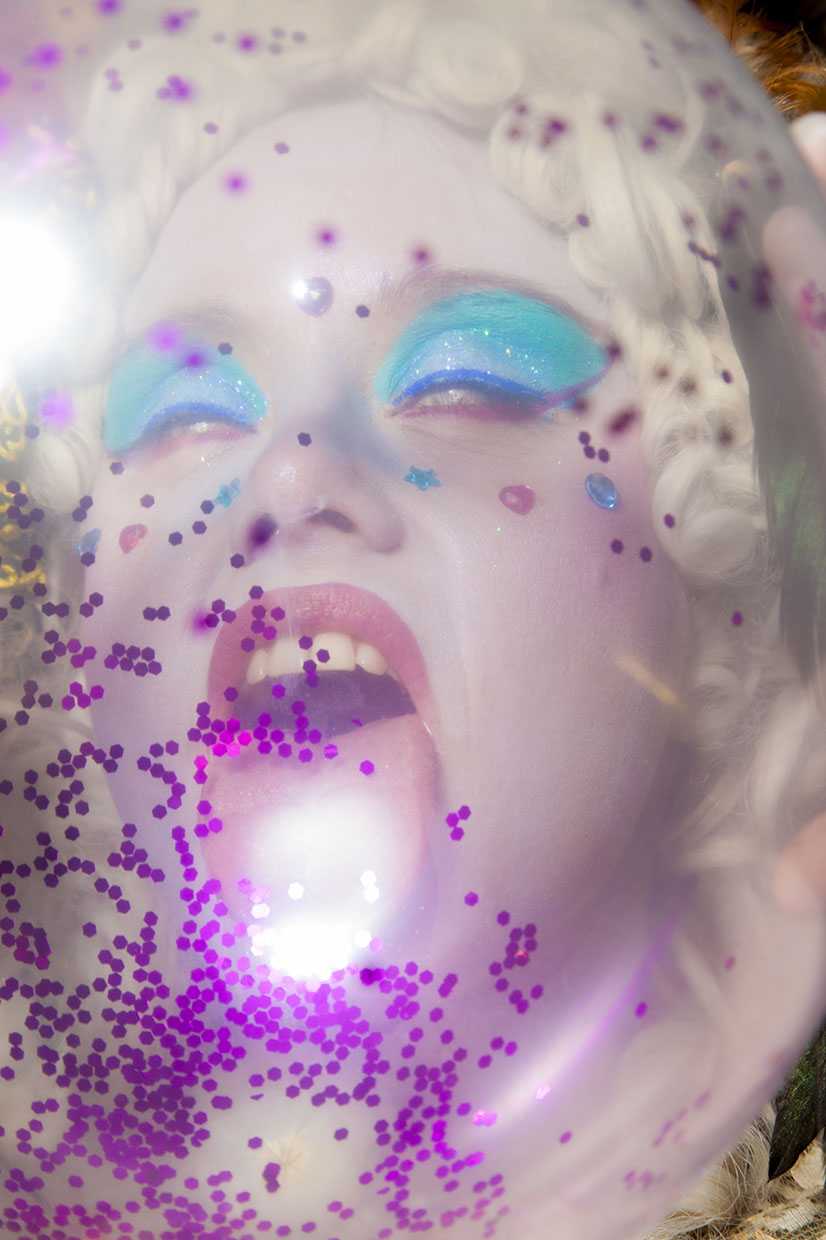
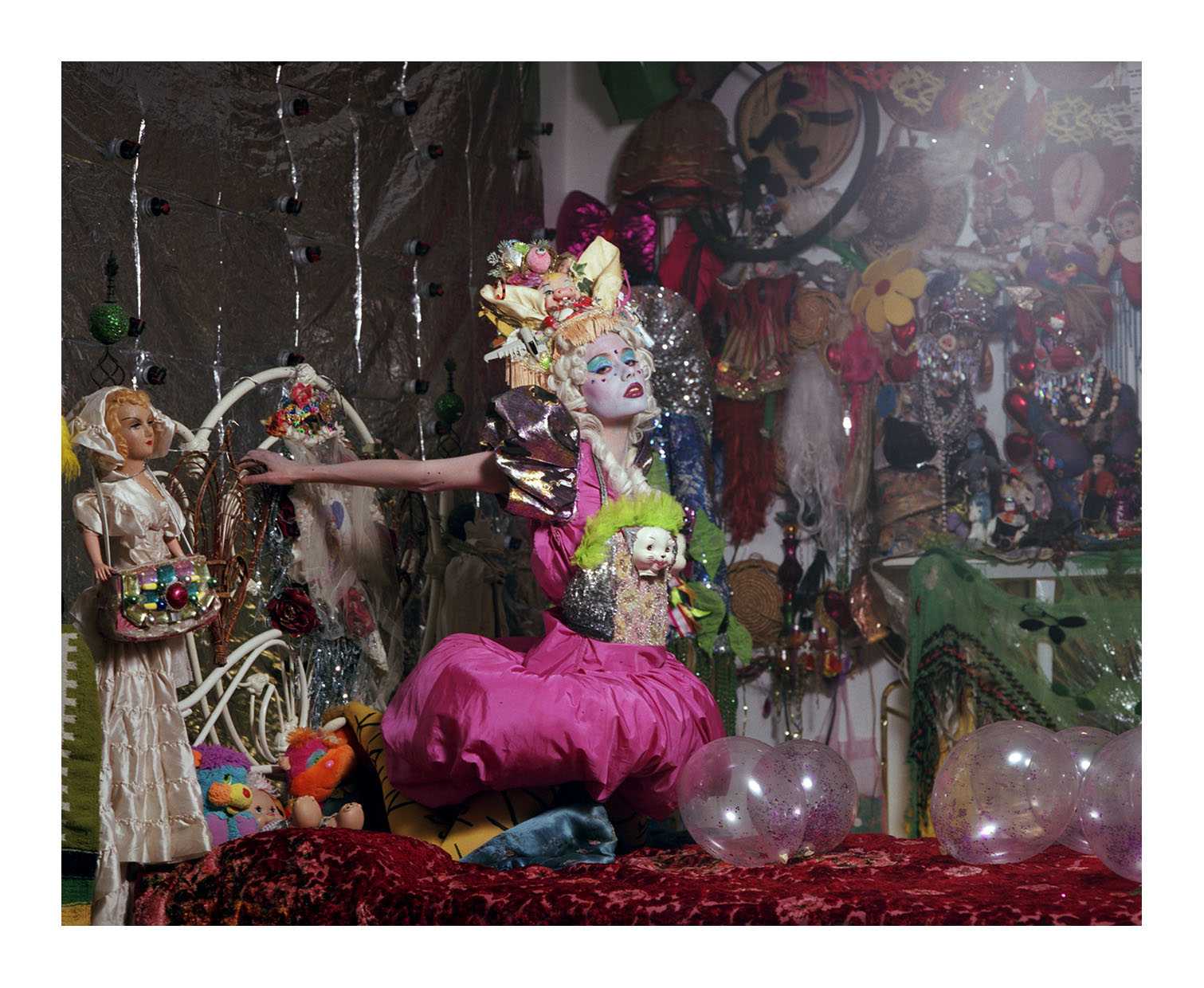
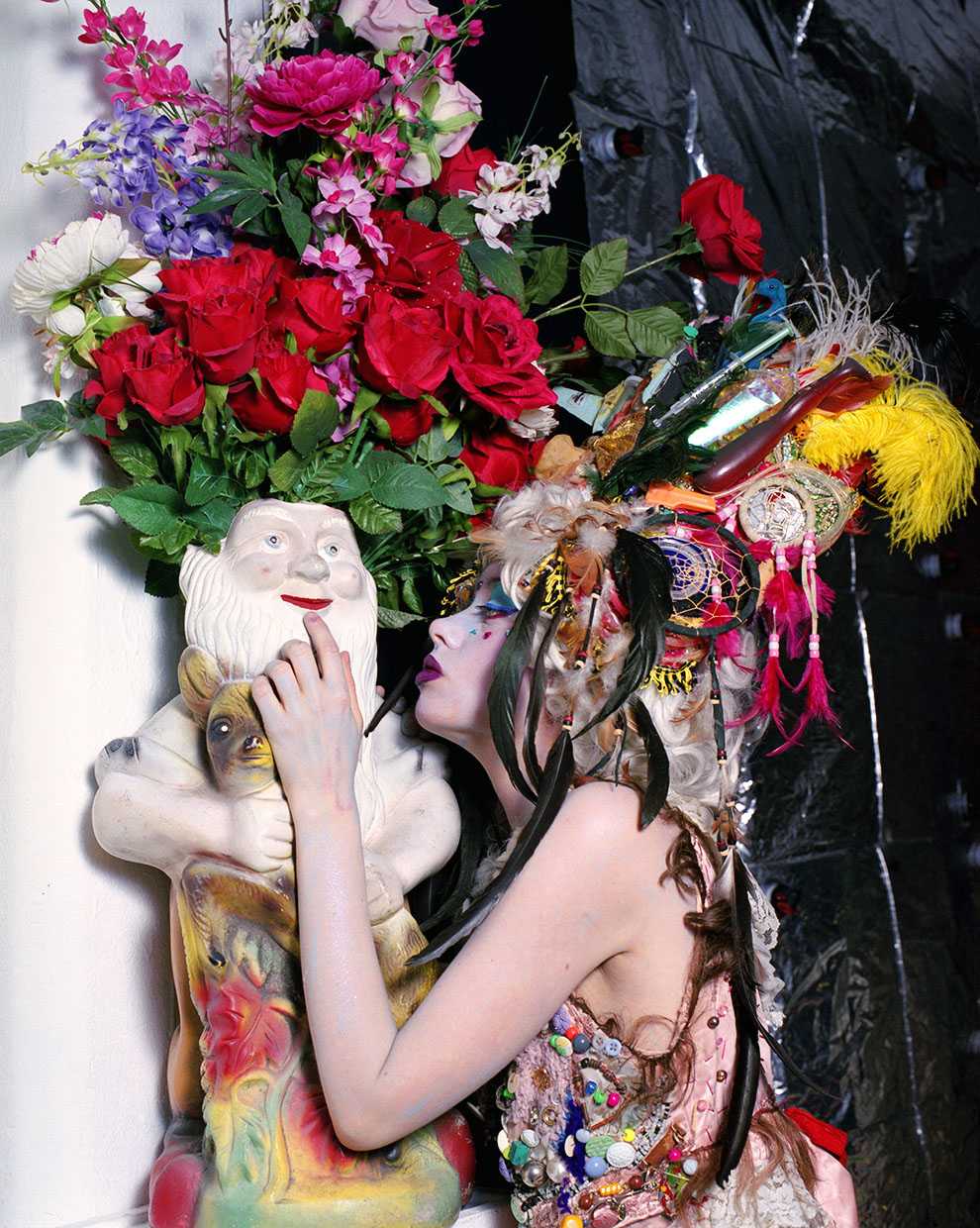
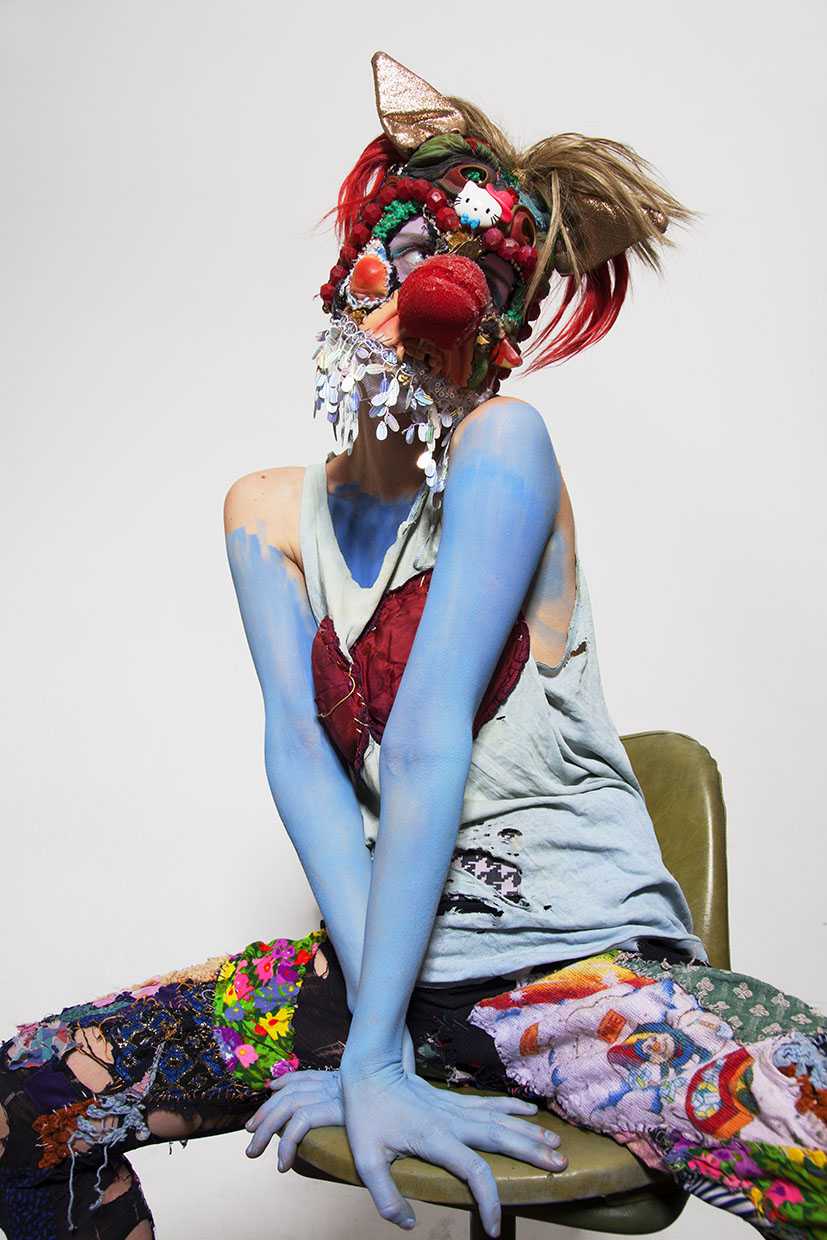
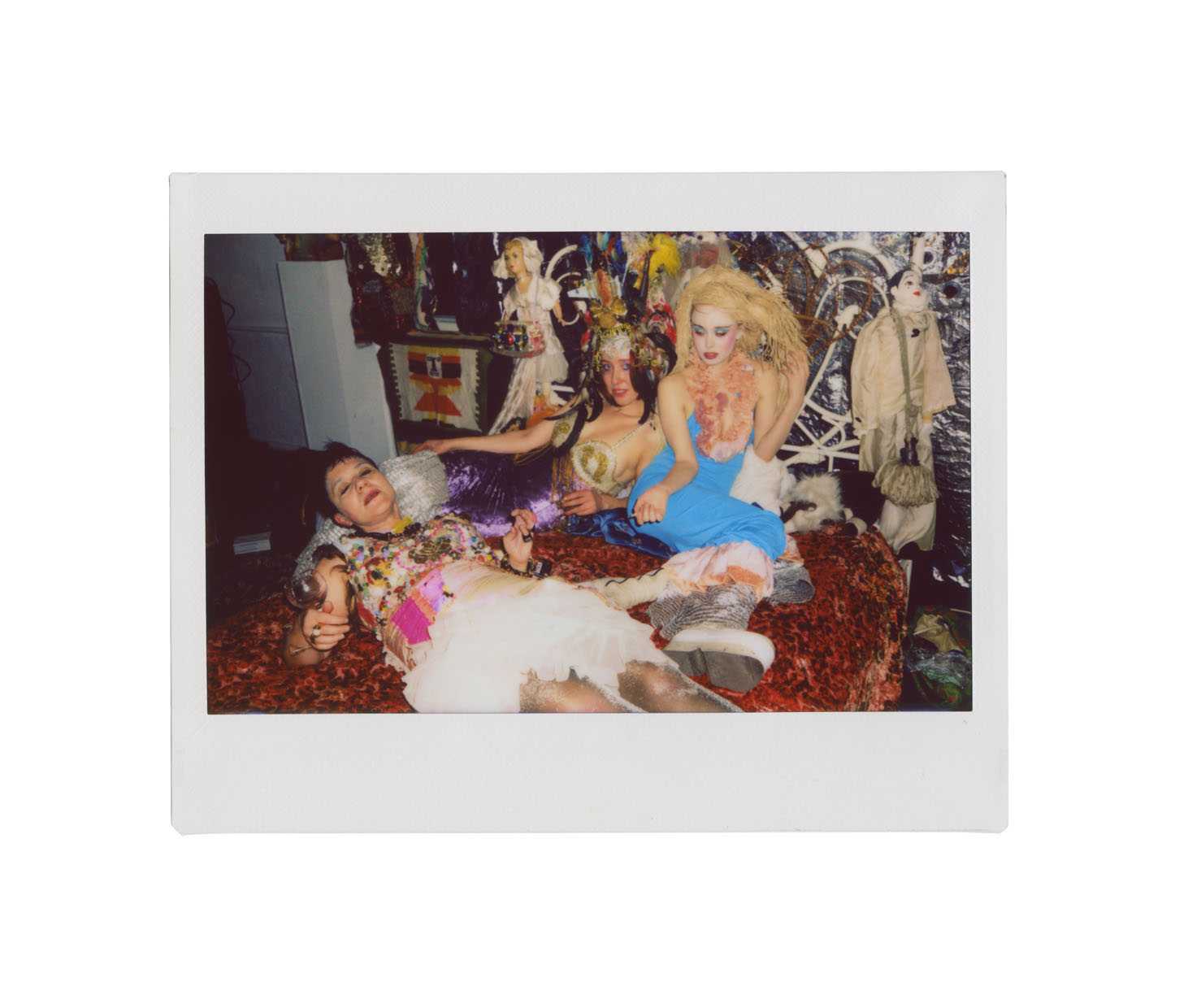
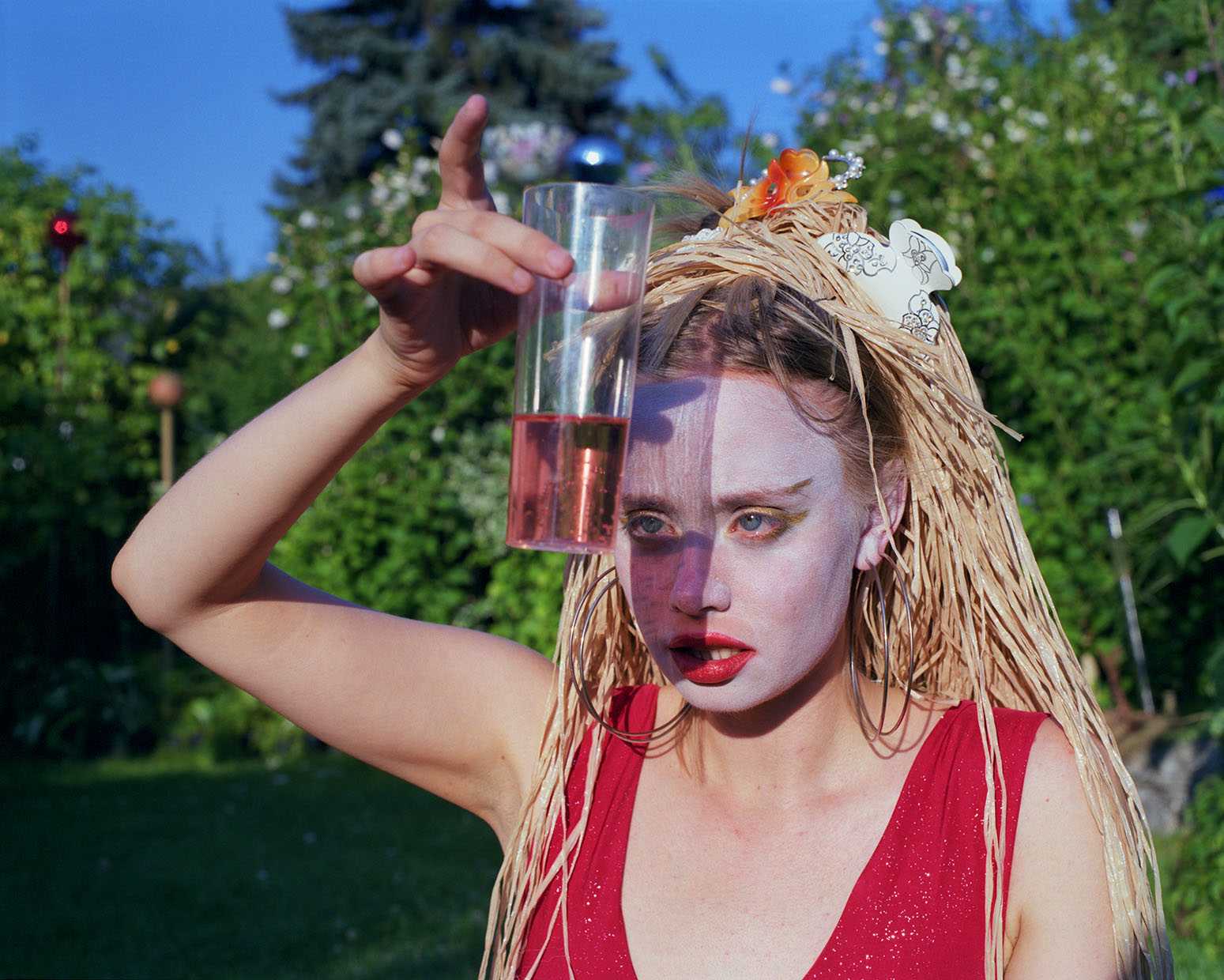
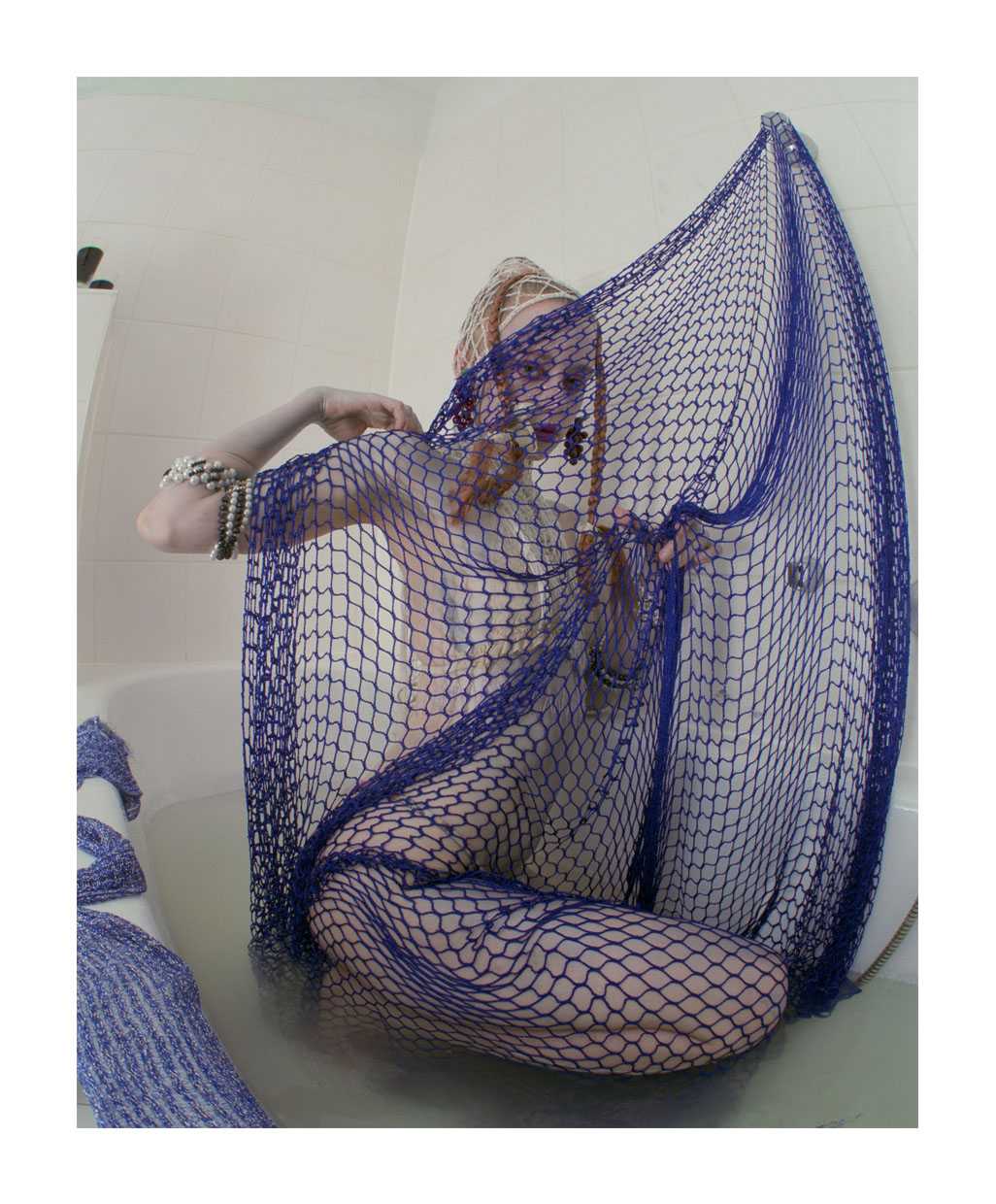
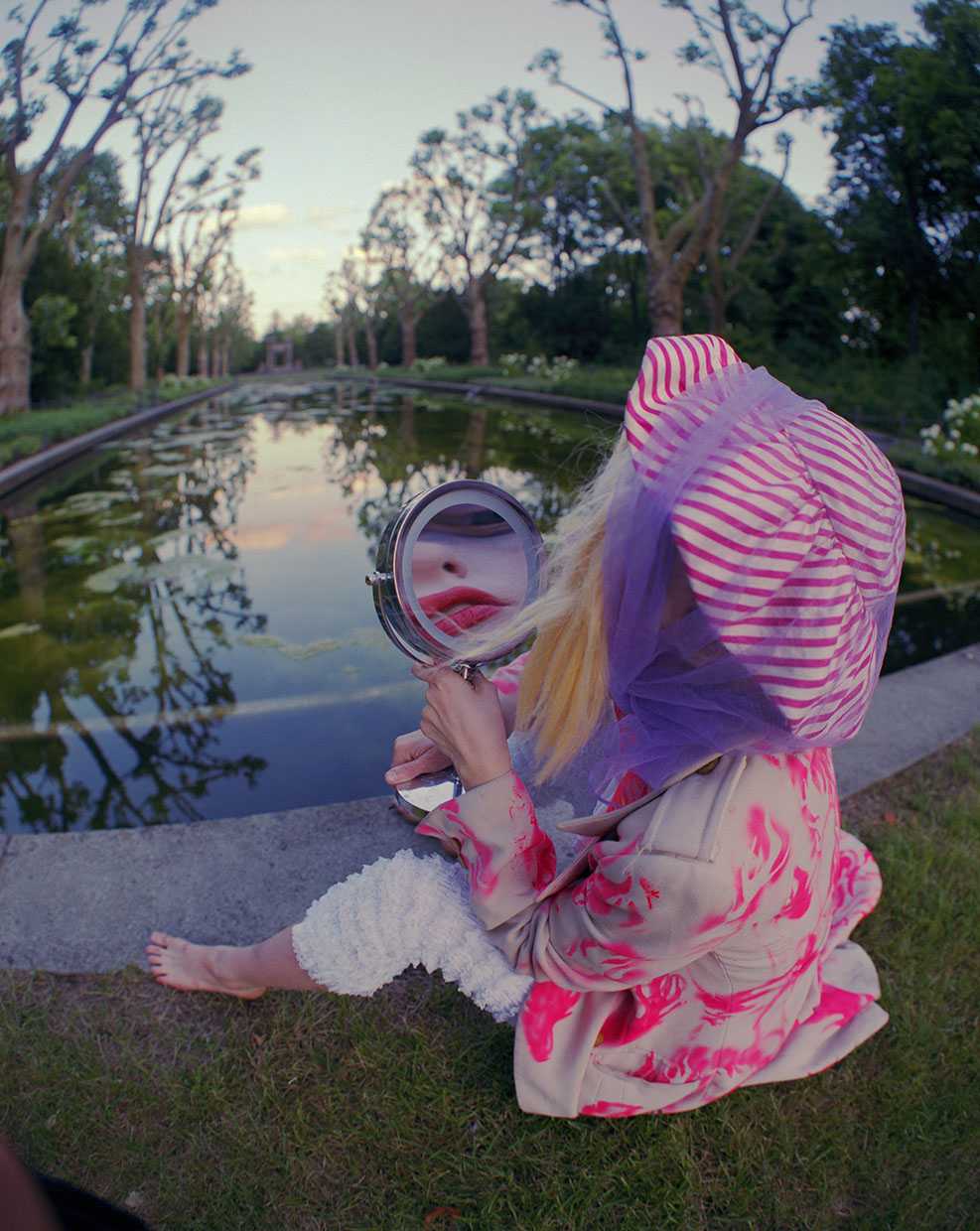
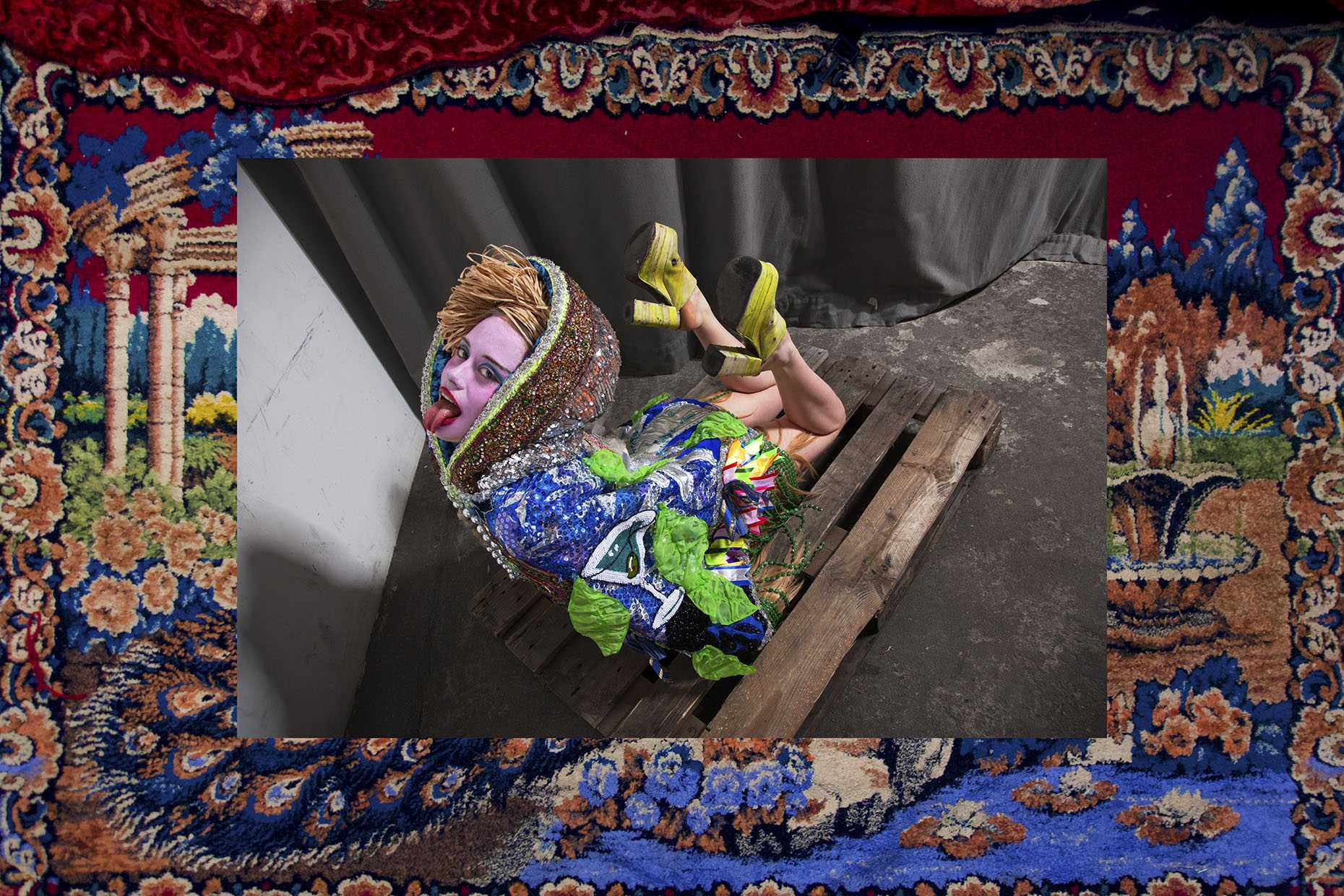
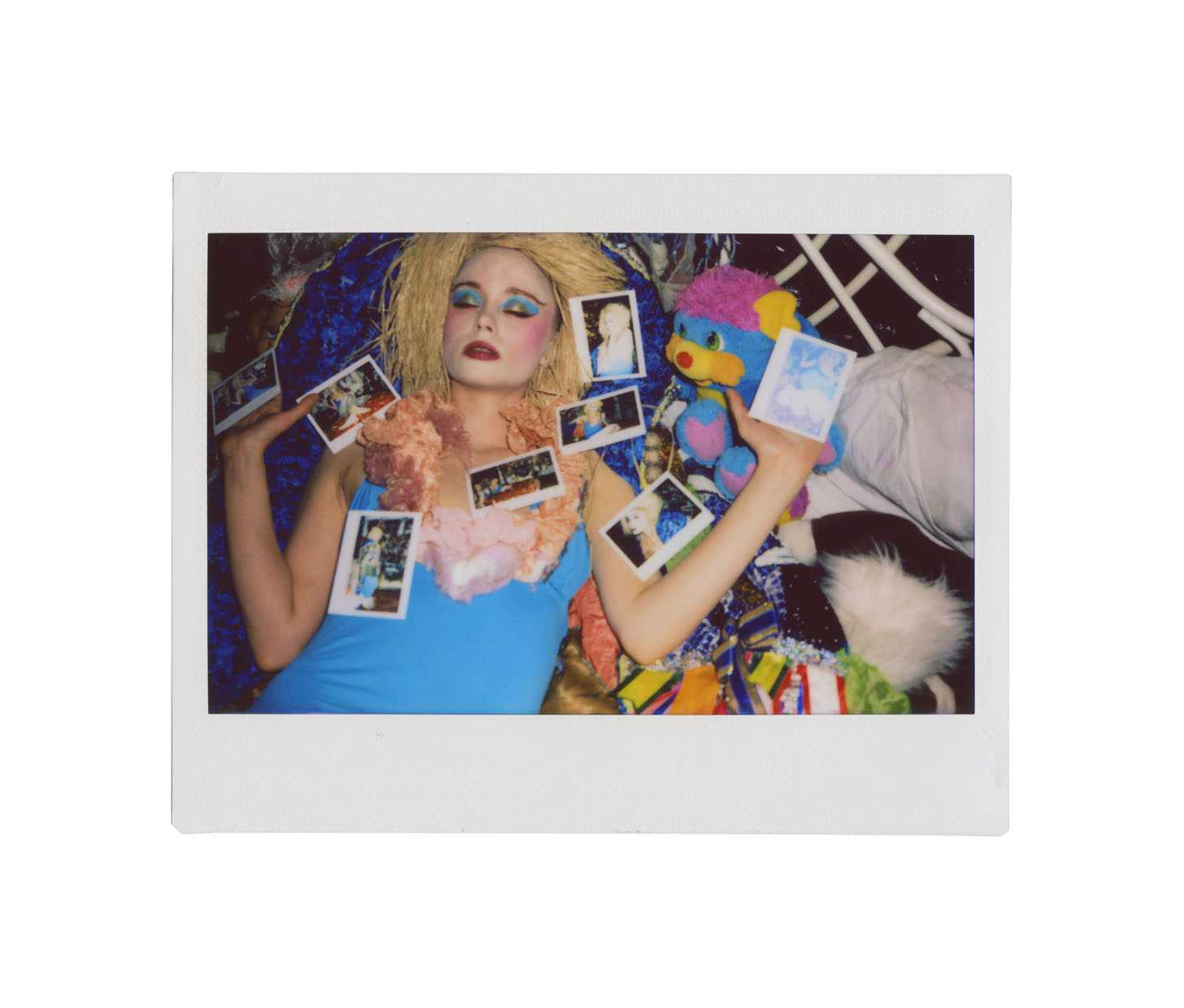
Collaboration with Bibgul and House of Dolls.
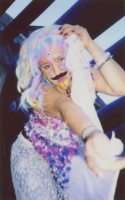
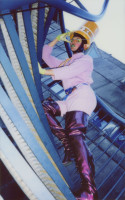
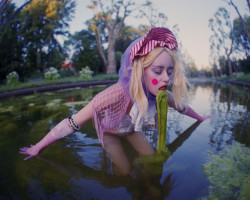
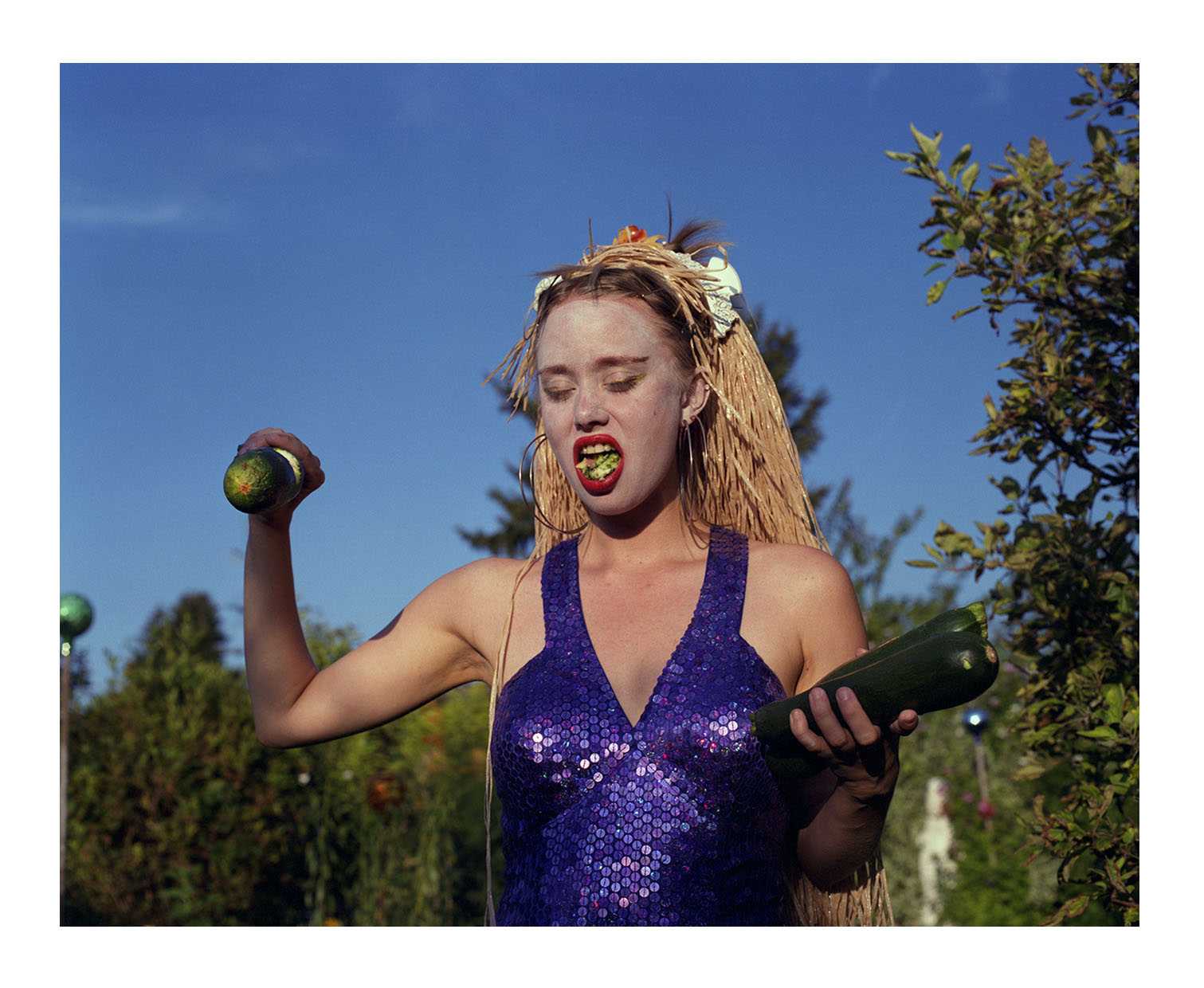
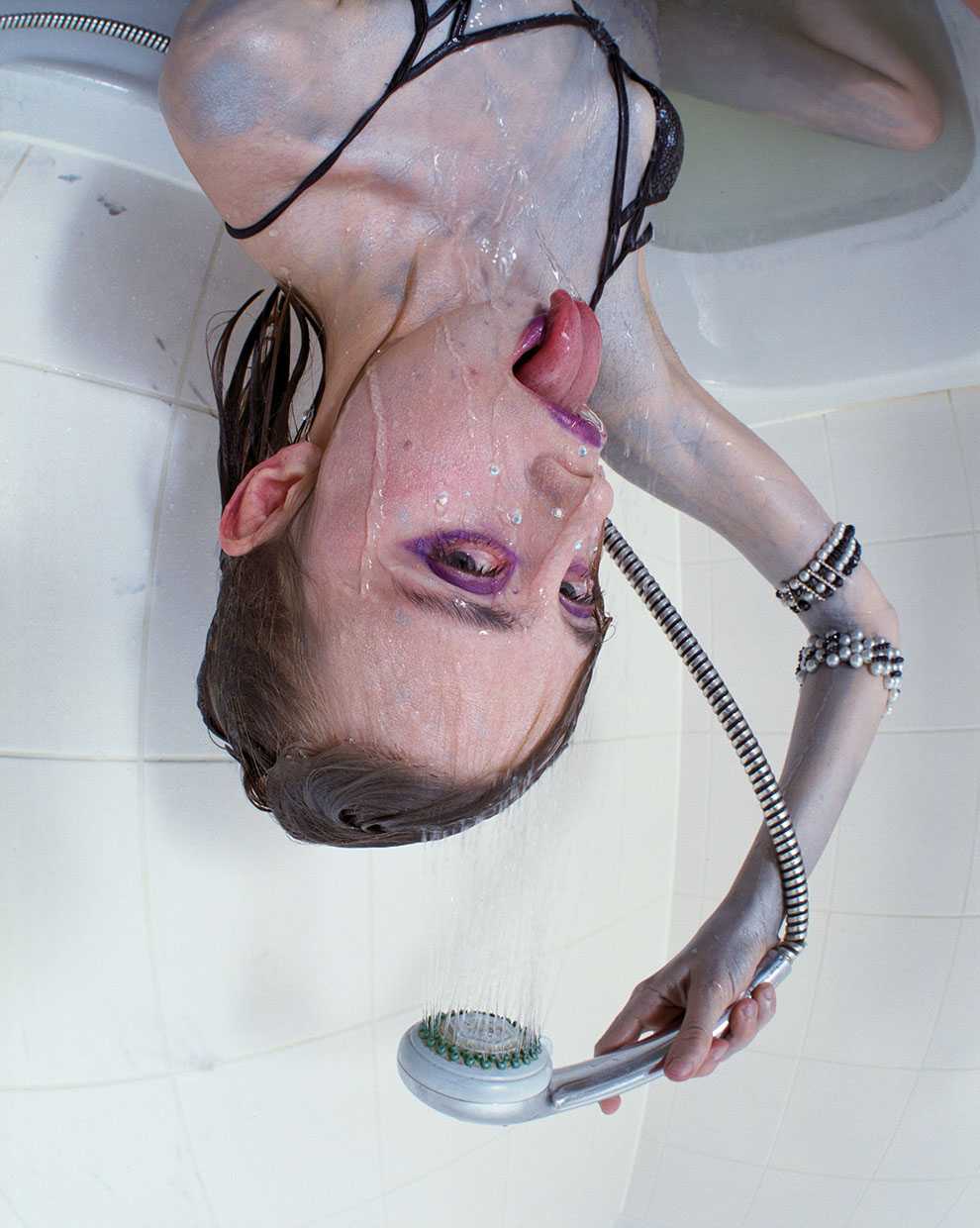
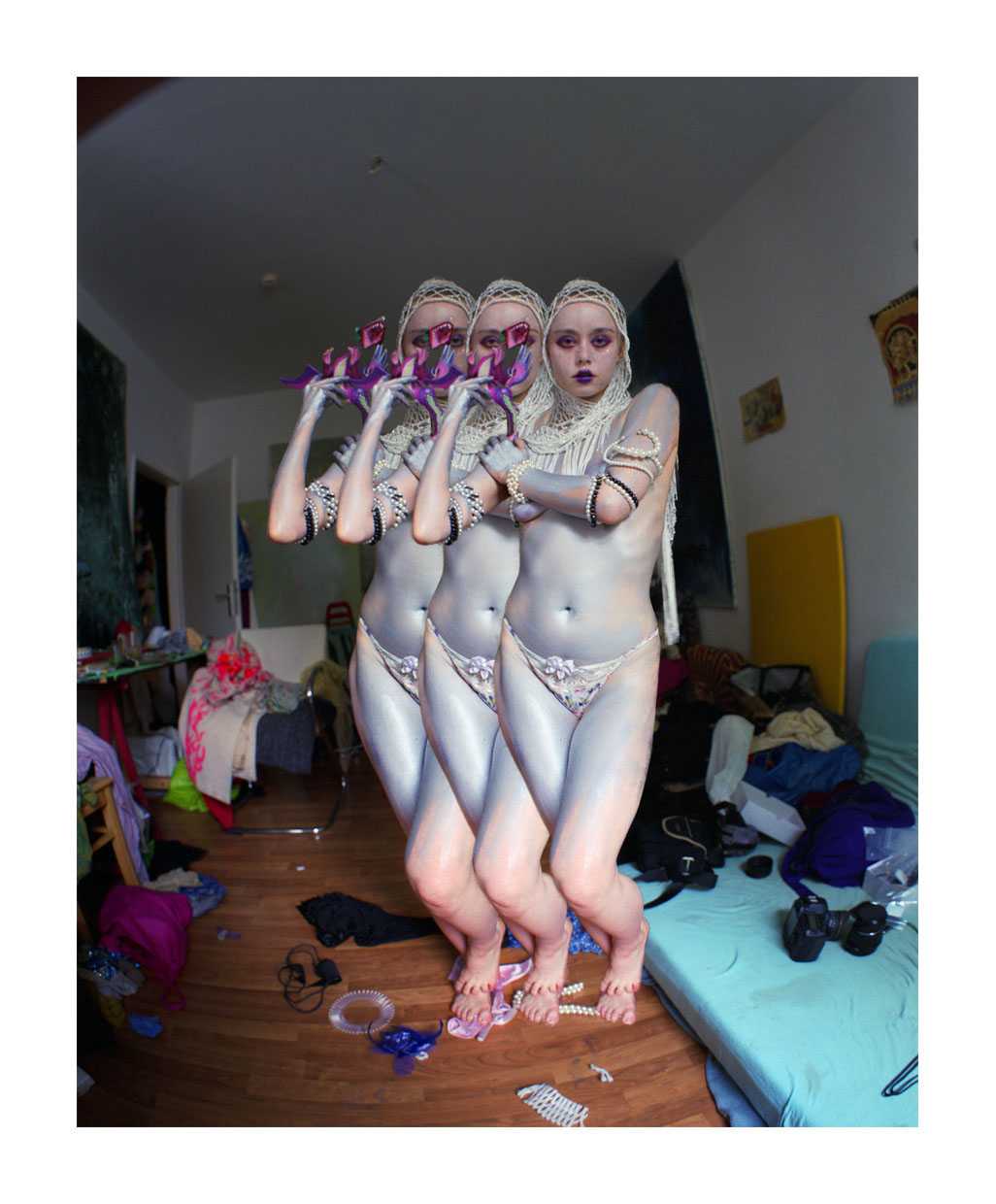
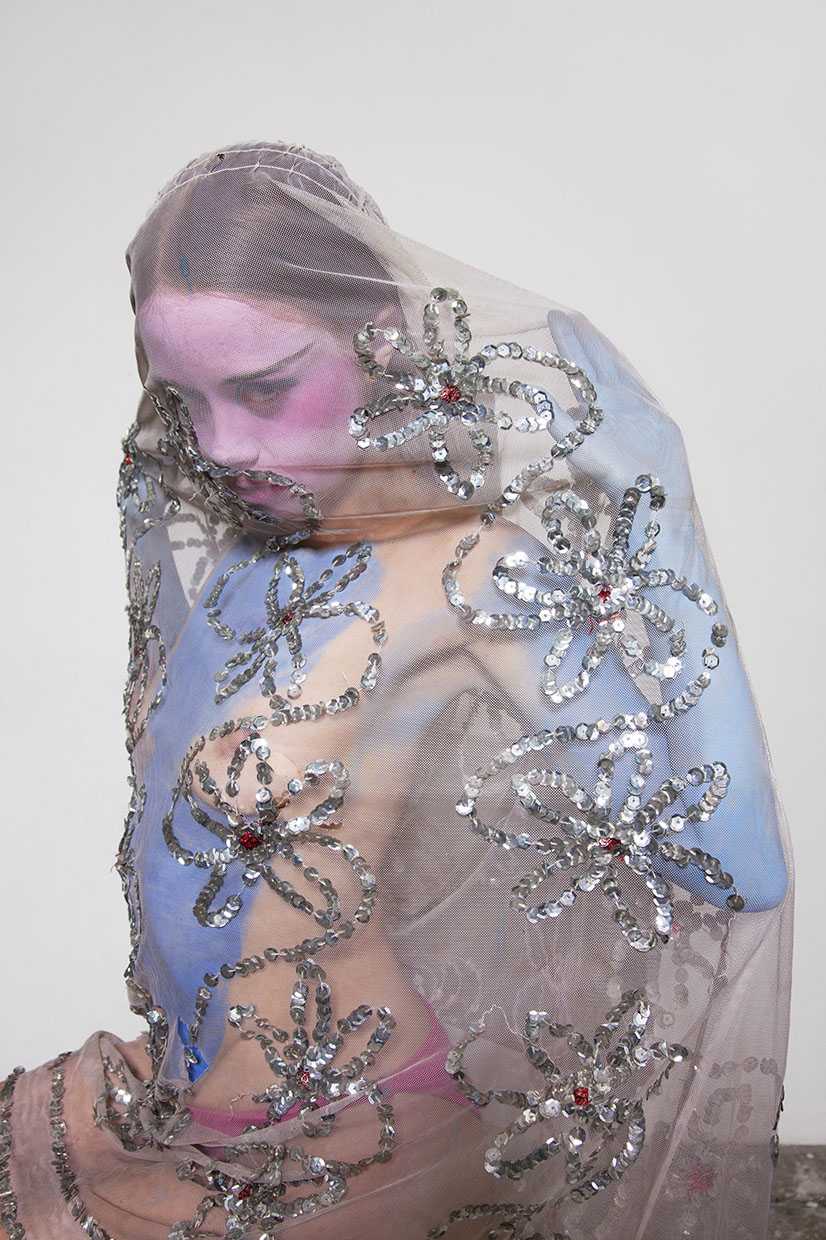
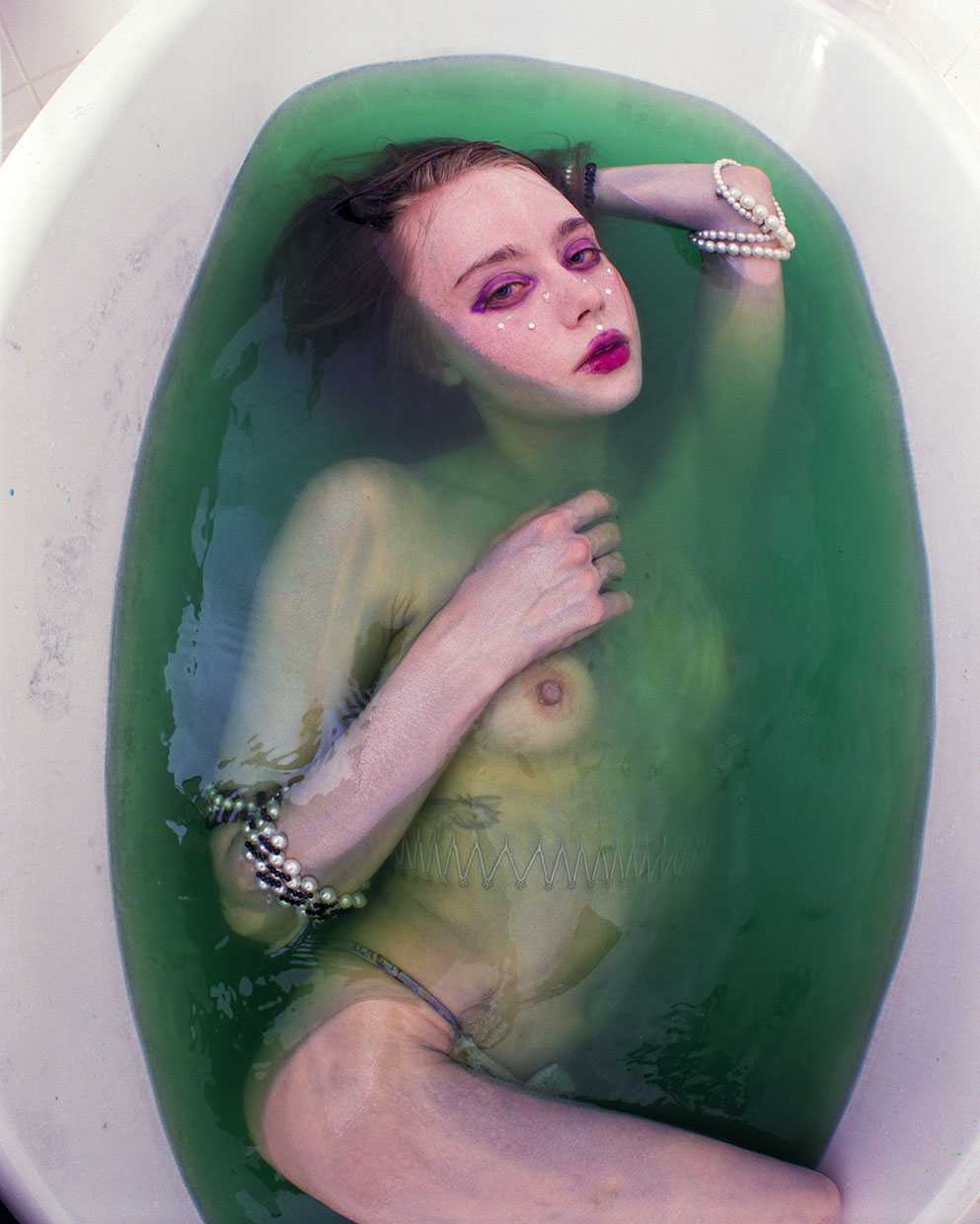
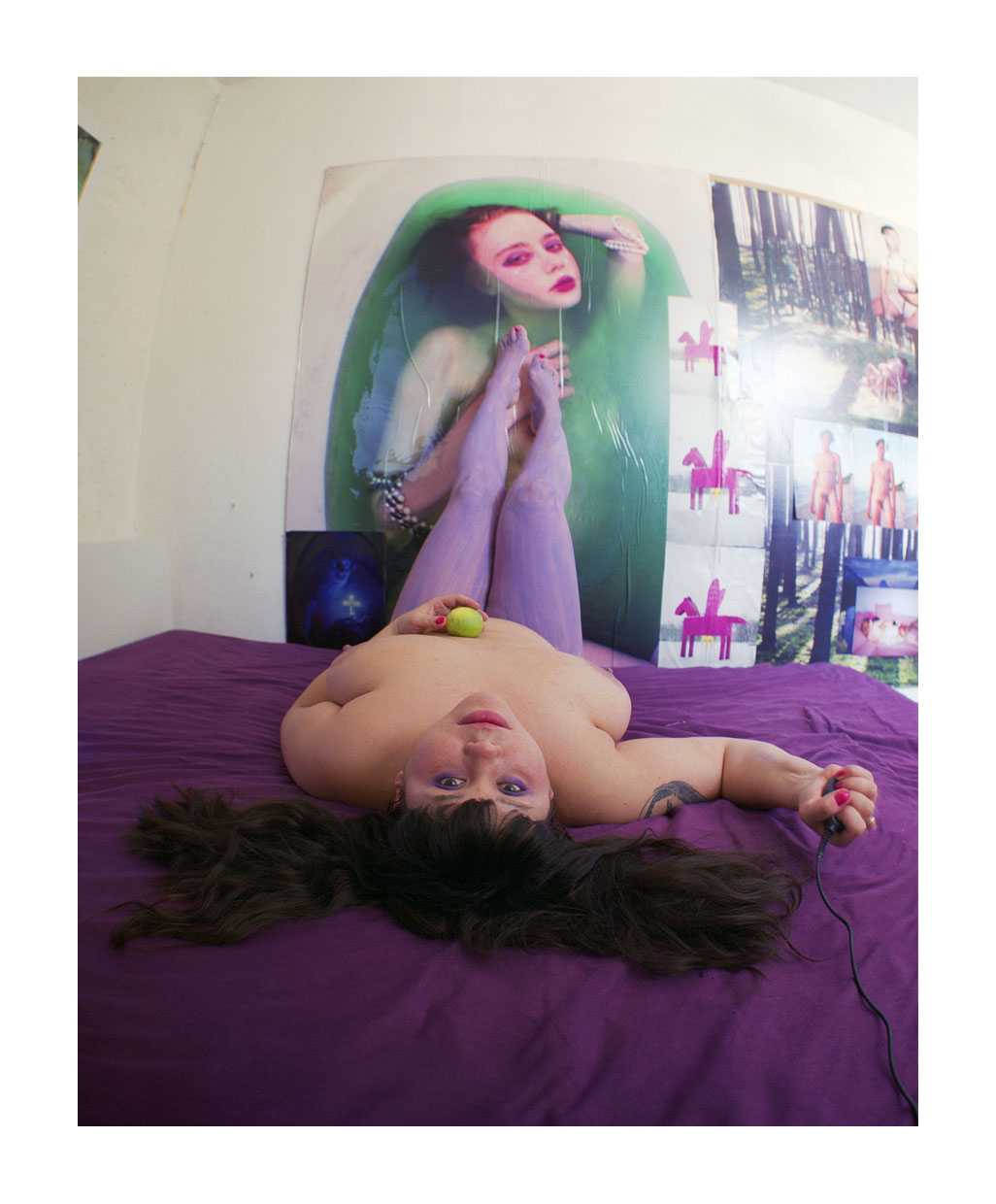
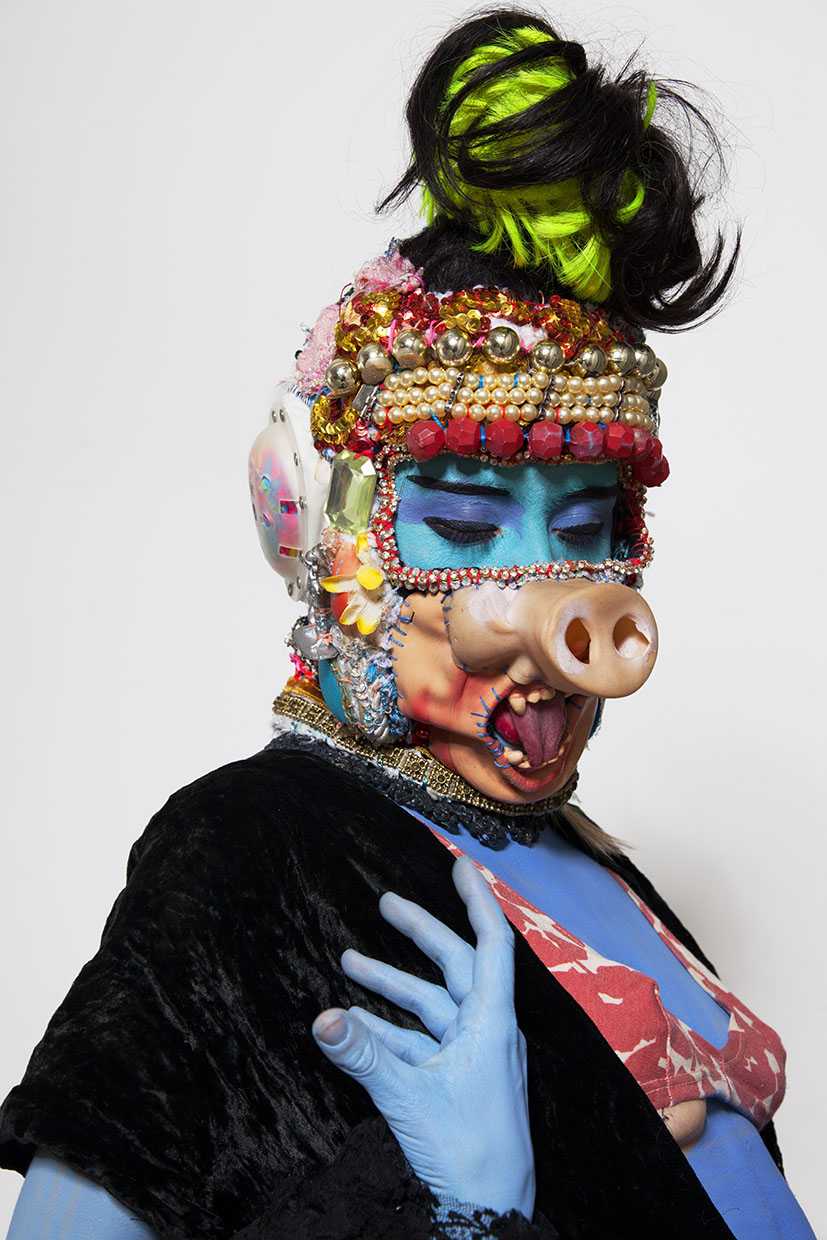
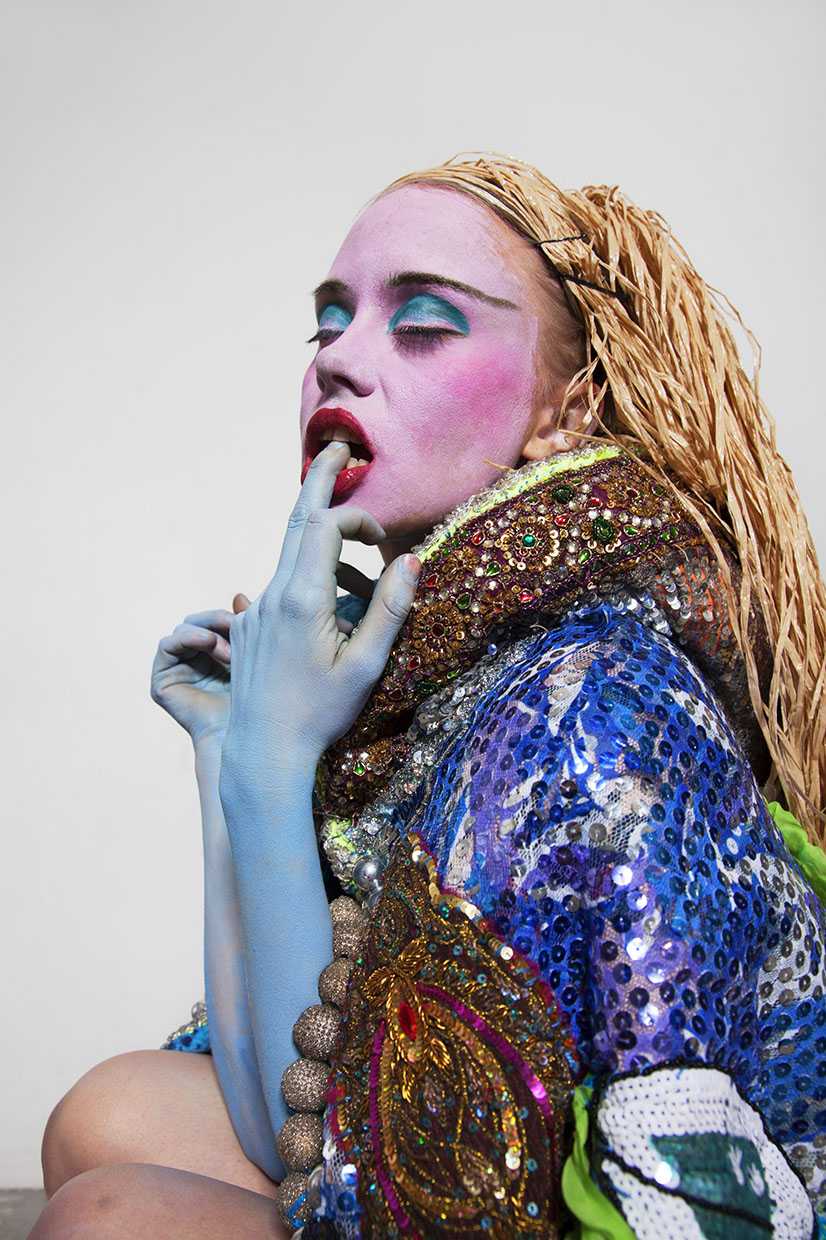
Bibgul describes herself as an experimental amateur exhibitionist, filmmaker, renowned dancer, percussionist, and fashion designer known for her unique hats. Her child-like yet provocative charisma inspired both artists to have several photo shoots over a two-year period. Some of these shoots took place in Bibgul's second-hand garment collection, while others showcased creations from House of Dolls, which transformed recycled materials into haute couture, all in keeping with Berlin's infamous tough-but-sincere vibe.
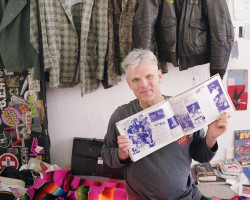
In an effort to defy the fashion industry's pretentiousness and artificiality, they developed a rough, controversial DIY work style. Szproch, with a keen sense of irony, decided to complete the project as a glamorous magazine mock-up, limited to an edition of 10 copies.
Next Project
Bodywholeness

Bodywholeness
Bodywholeness
2019
The title BODYWHOLENESS was created by combining the words body and whole, in a synthetic way it refers to the issues of the project. It is an attempt to think of man as a holistic being, in which carnality is inseparably intertwined with the soul and mind. Such an attitude is important, especially today, when busy with everyday life, overwhelmed by media messages, bombarded by visual stimuli, we forget about the body, we think only about its external surface – its appearance. We cease to be in the body, to be the body, to be the BODYWHOLENESS. Is it possible to take at least a small step to be closer to the body, as it used to be?
Next Project
Berlin Wunderland
Berlin Wunderland
Berlin Wunderland
2013-2017
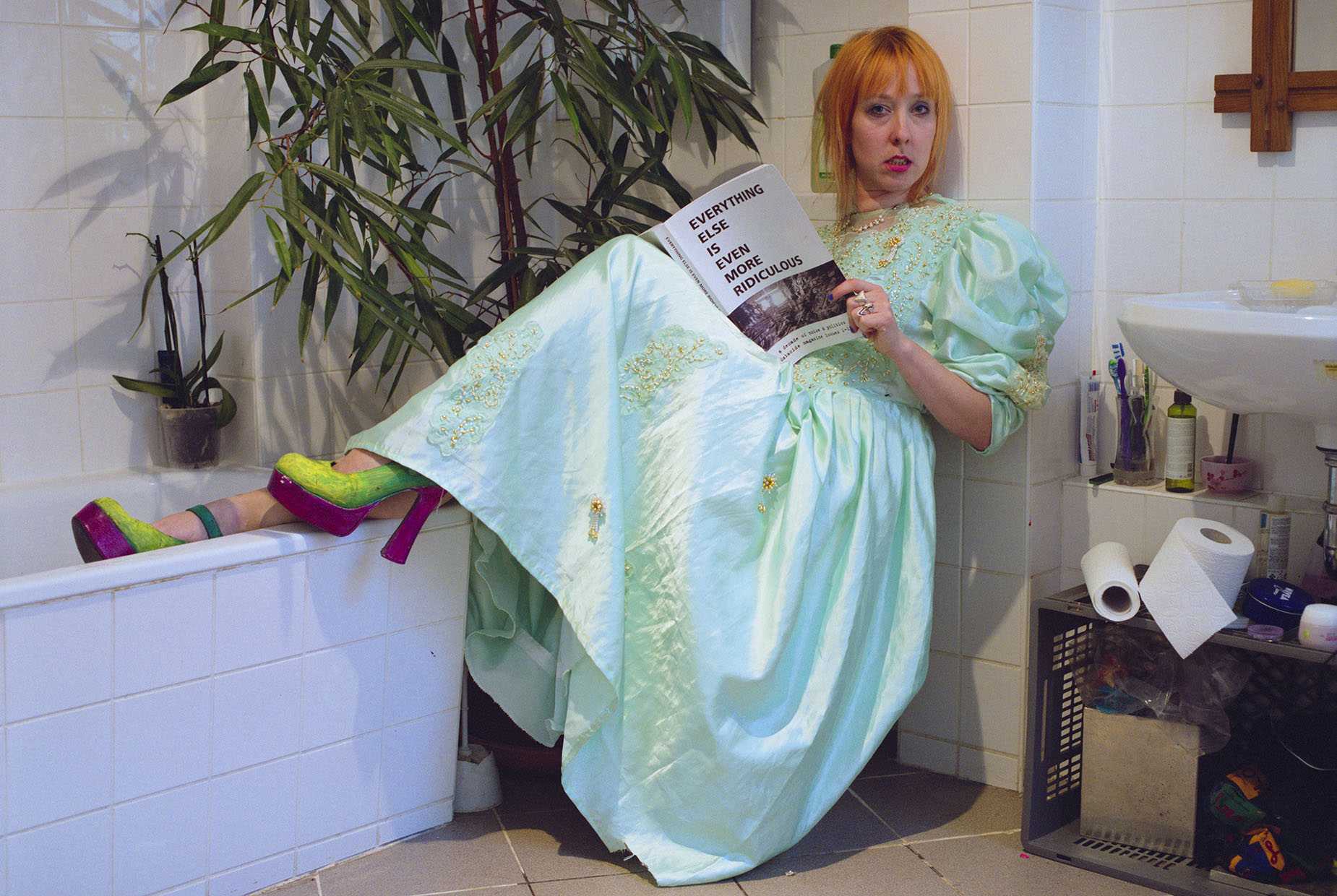
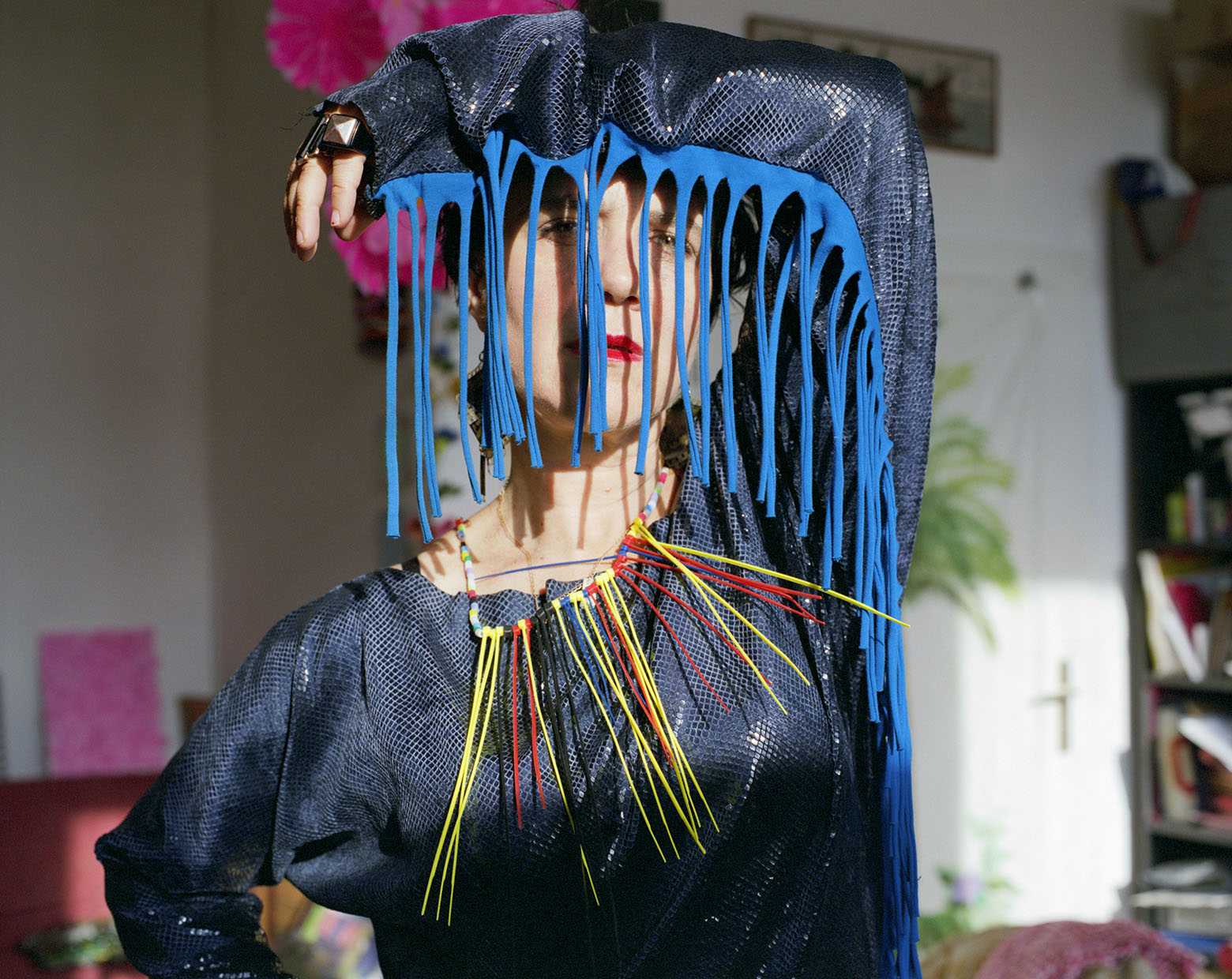
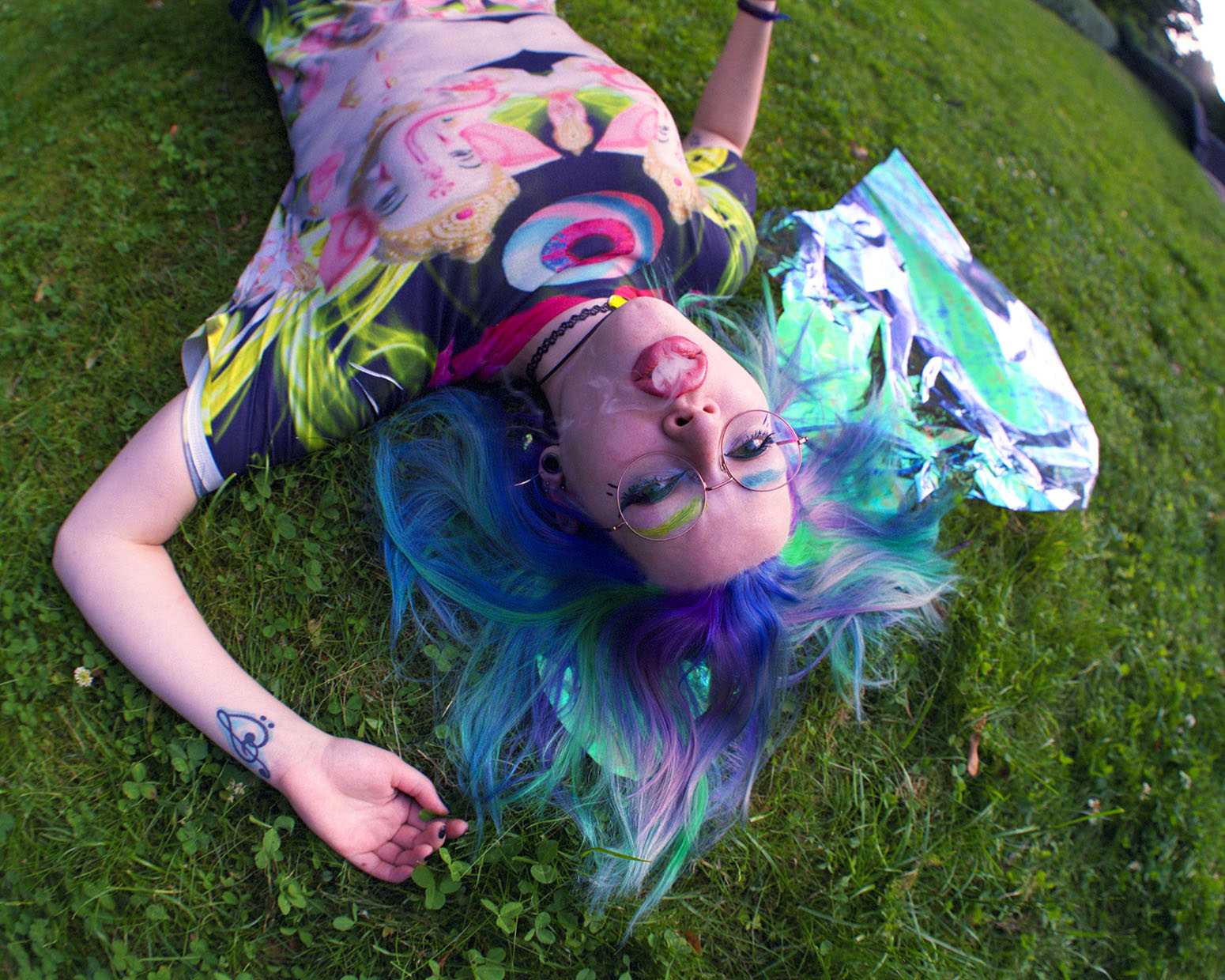
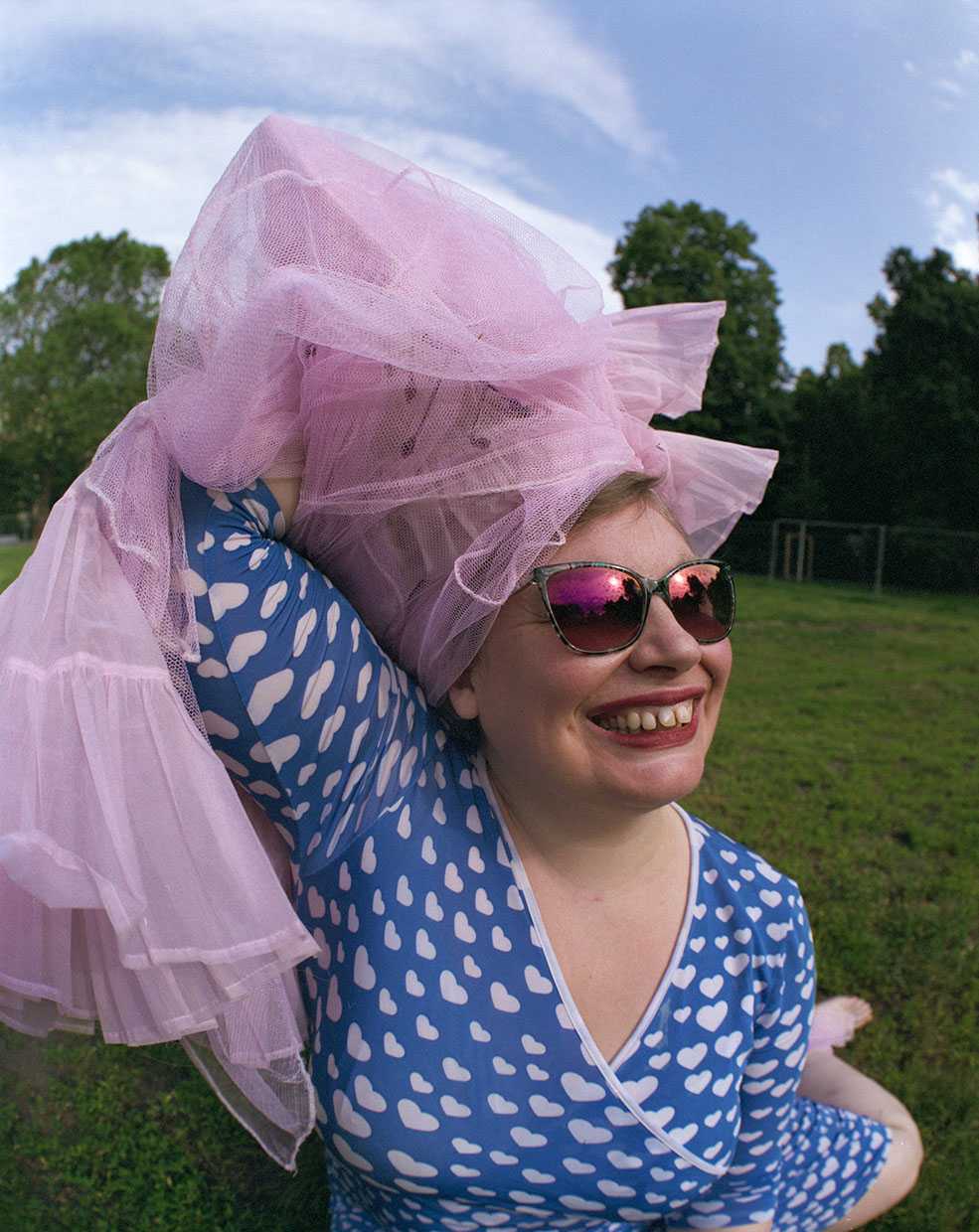
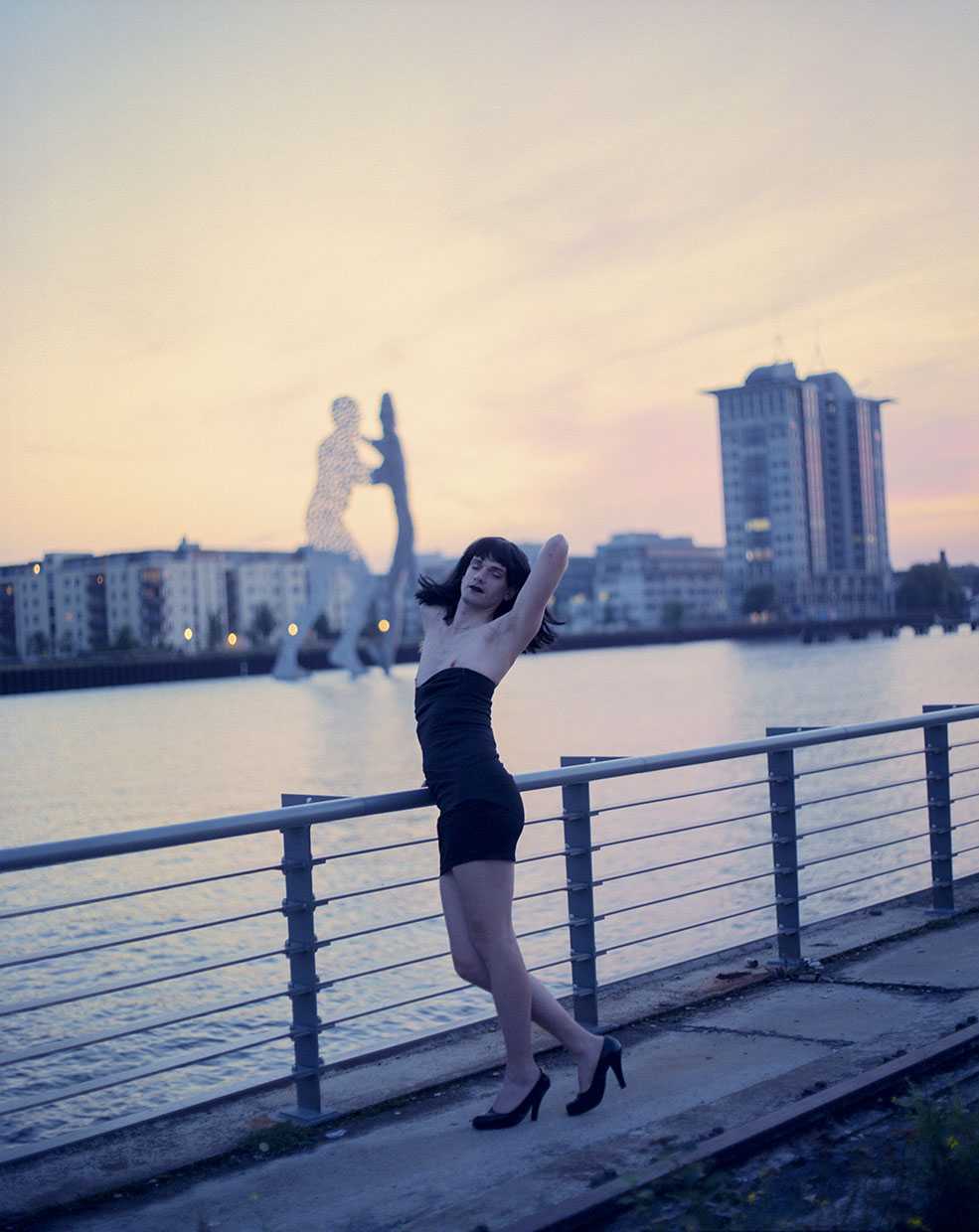
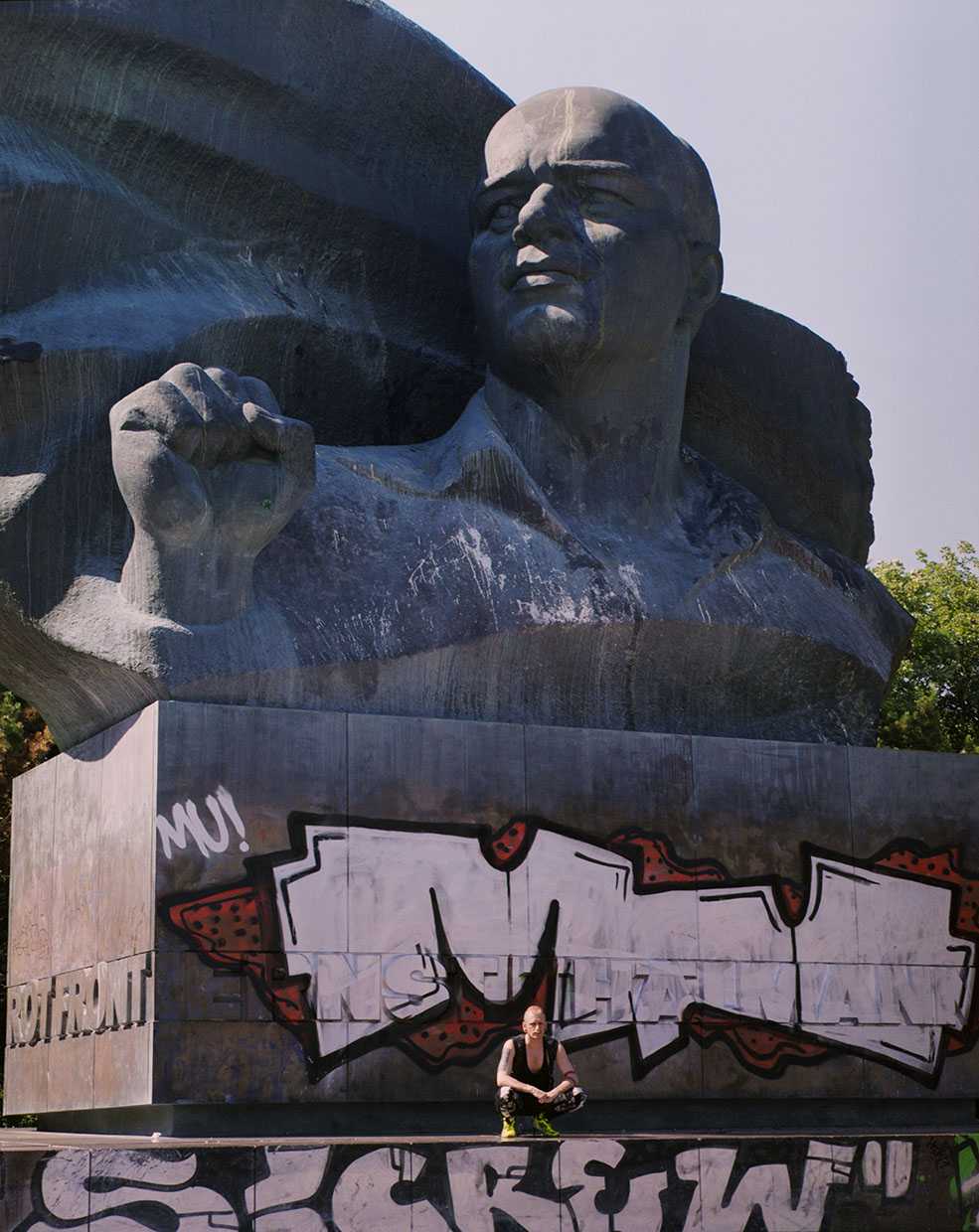
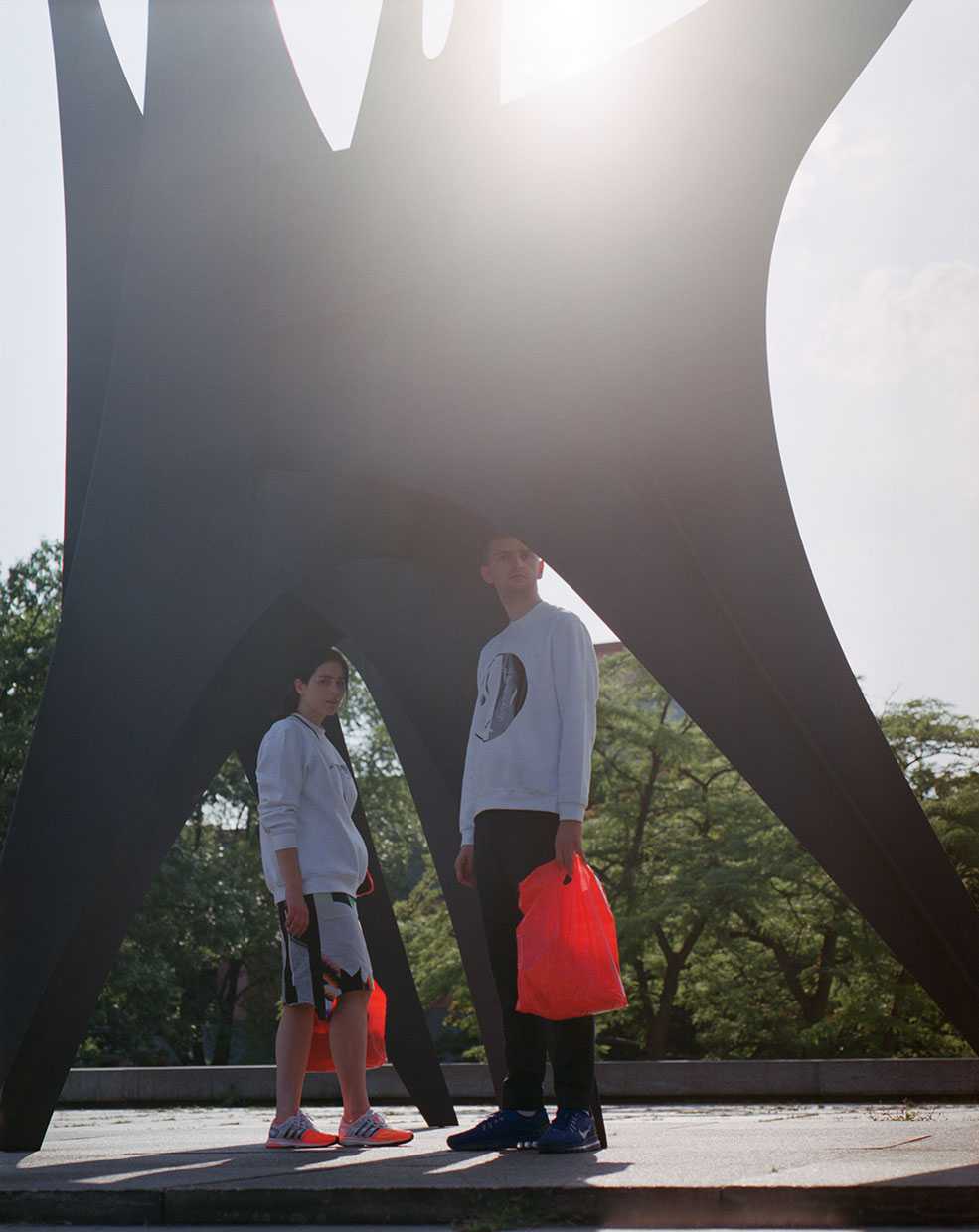
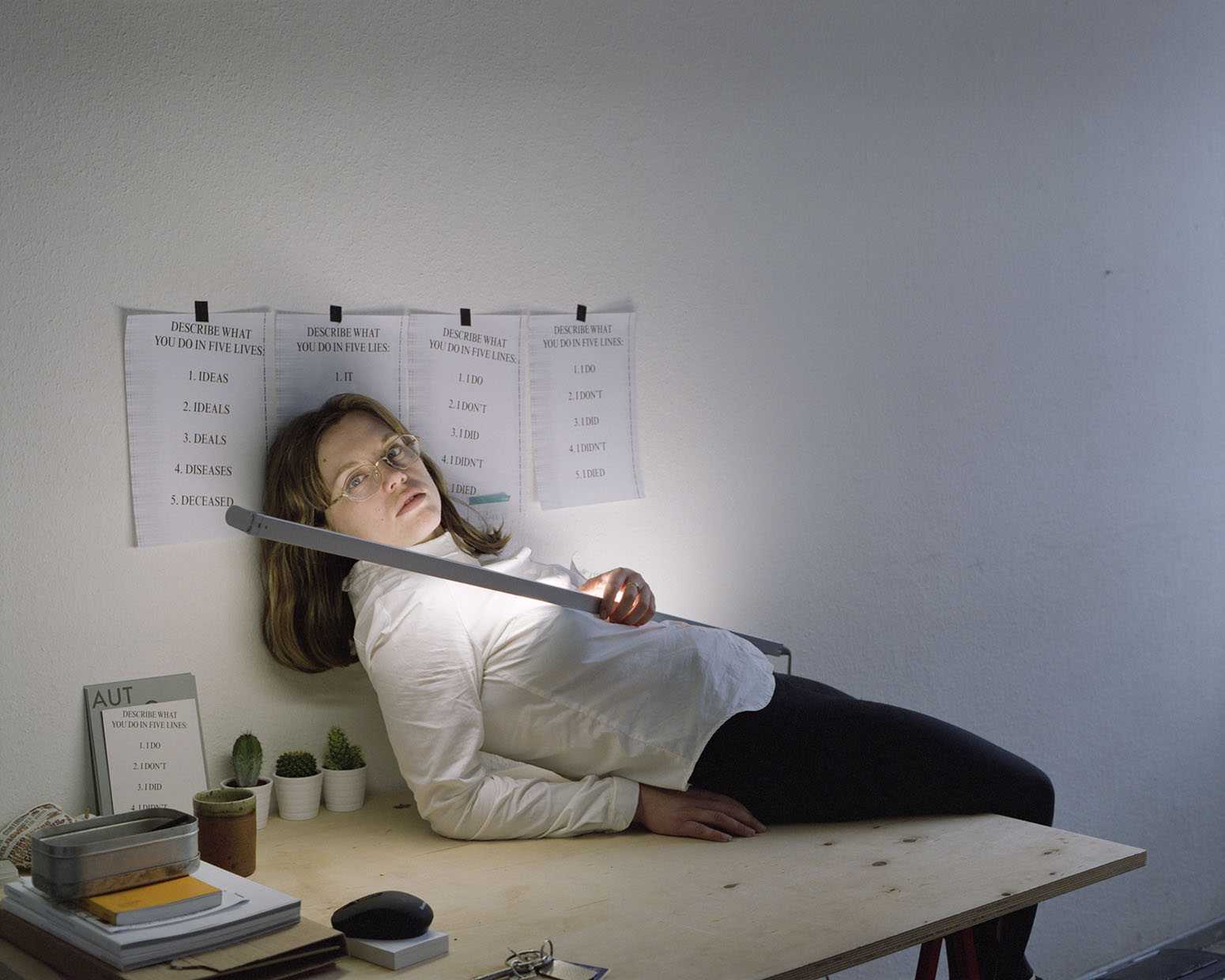
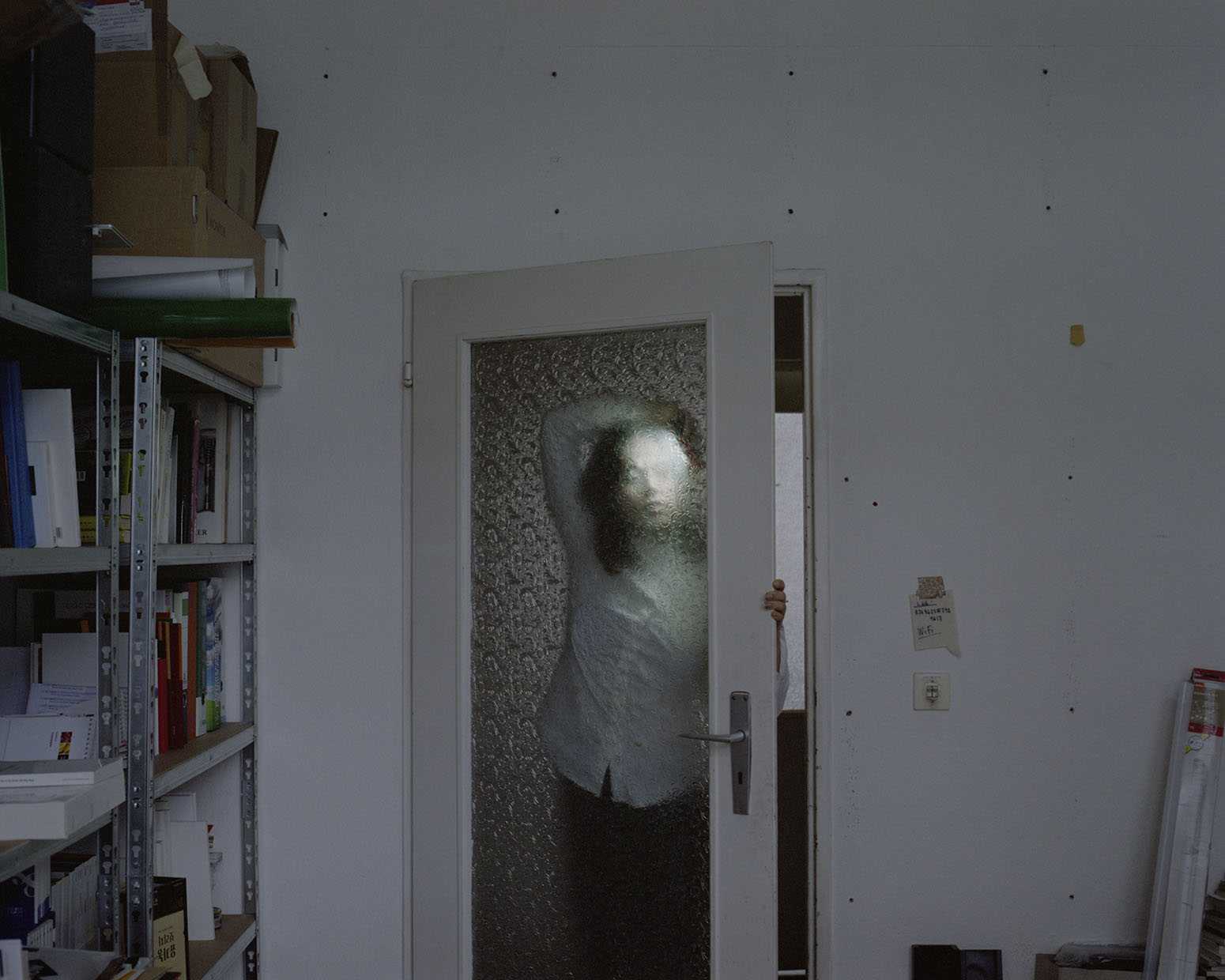
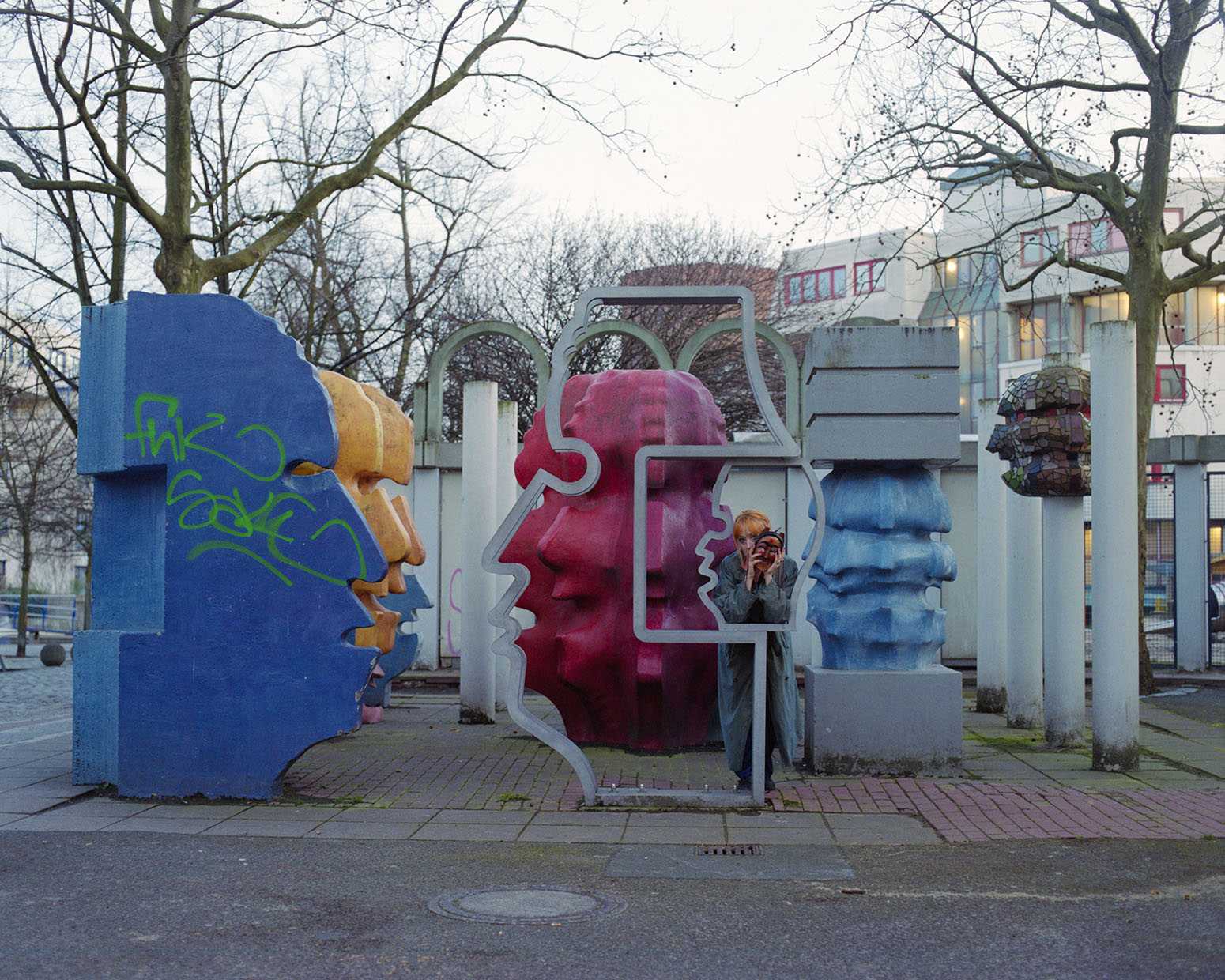
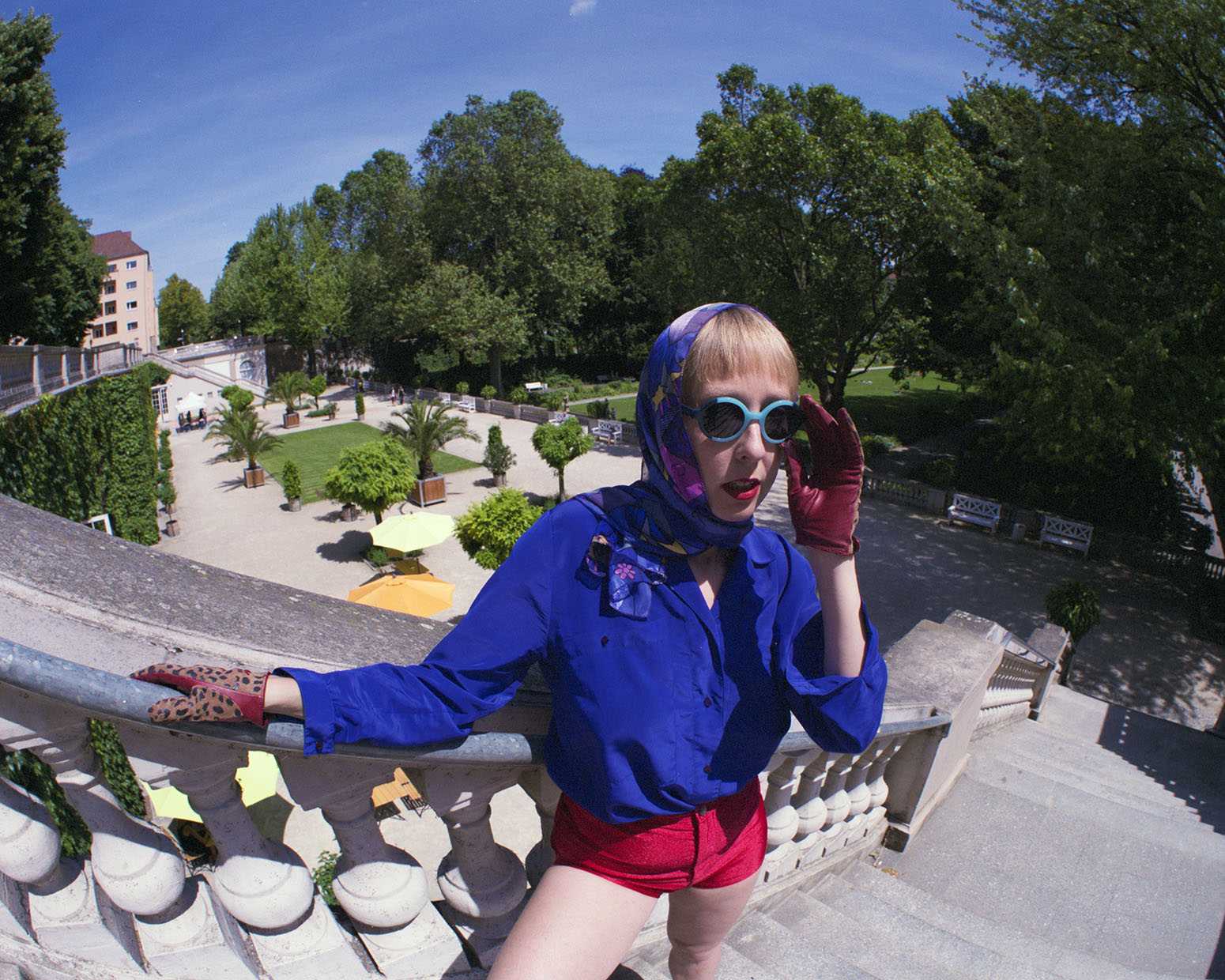
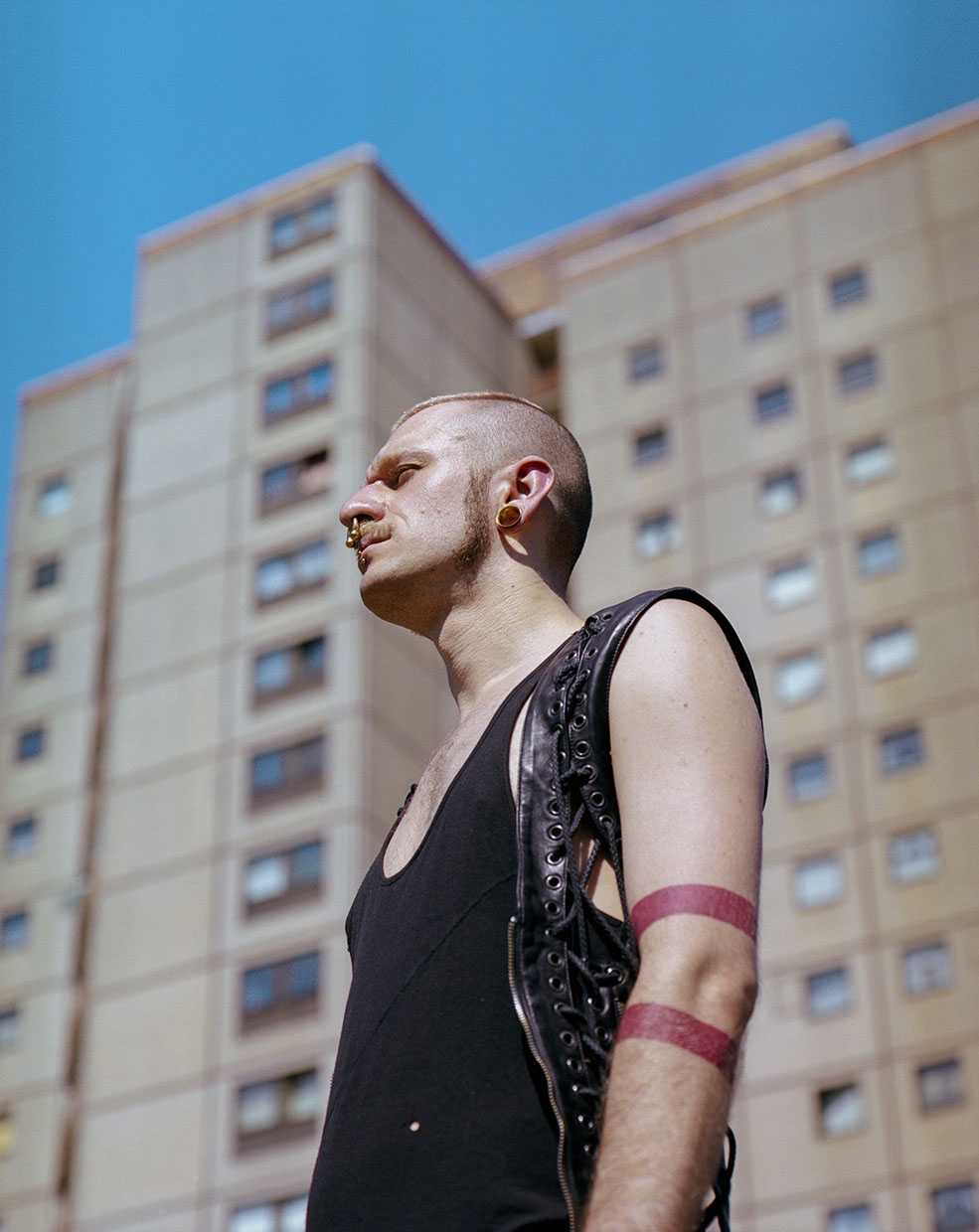
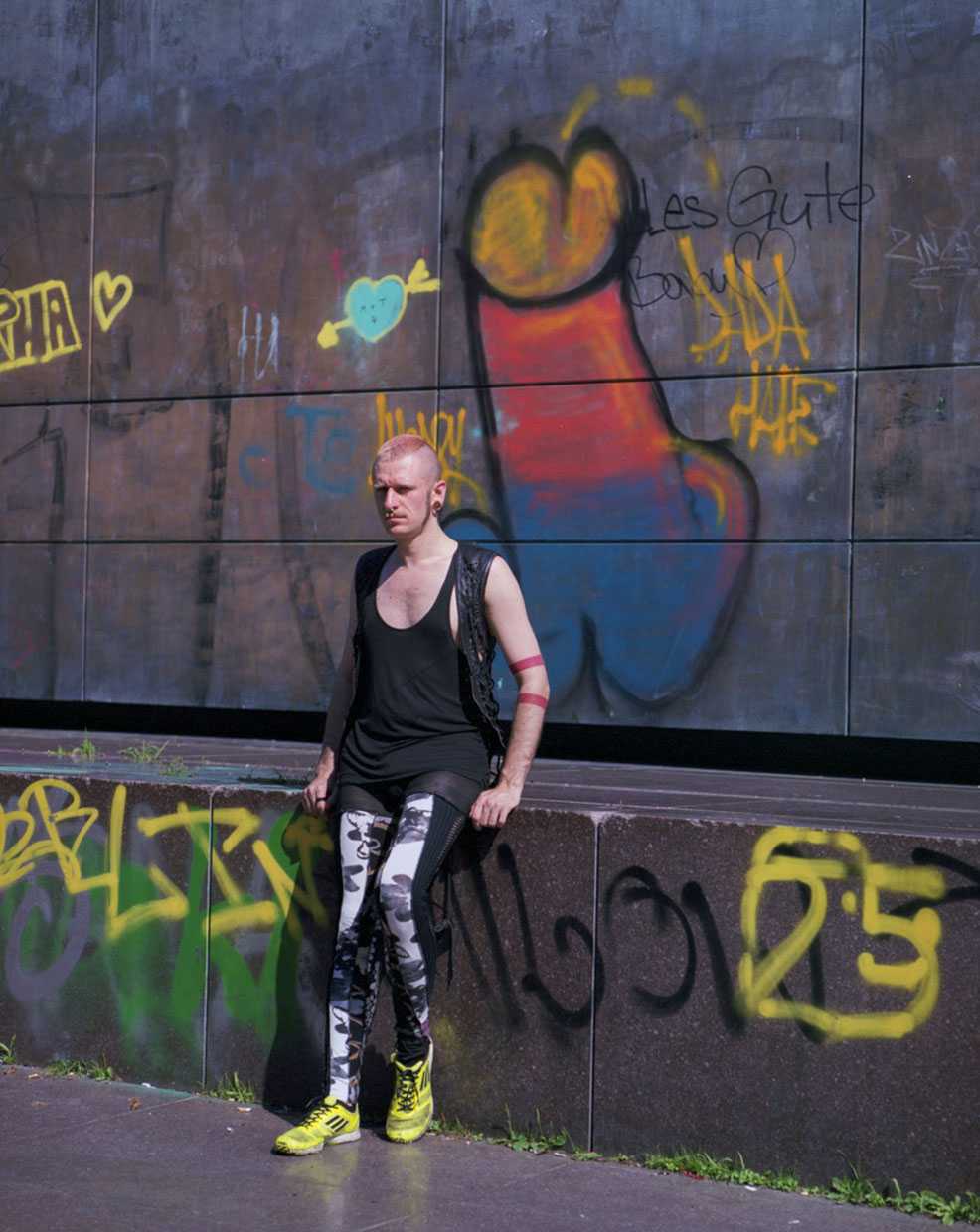
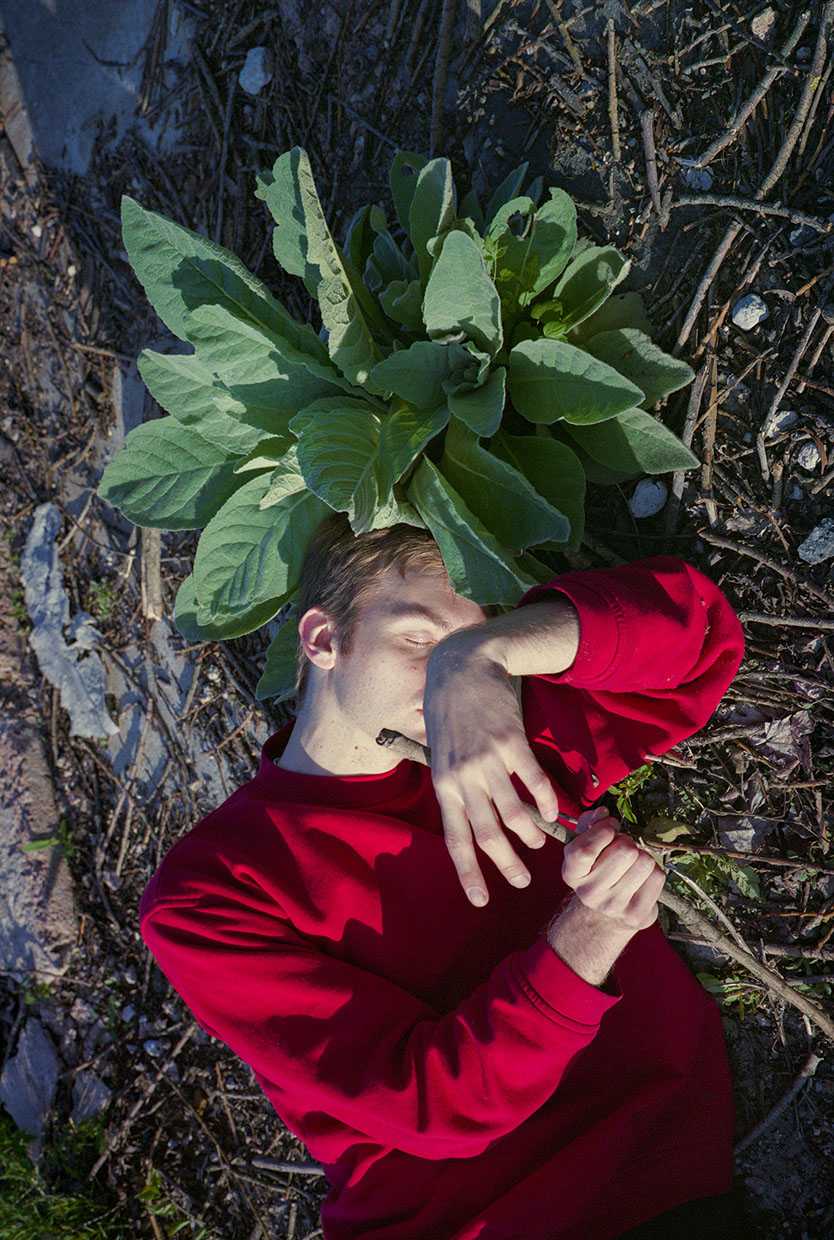
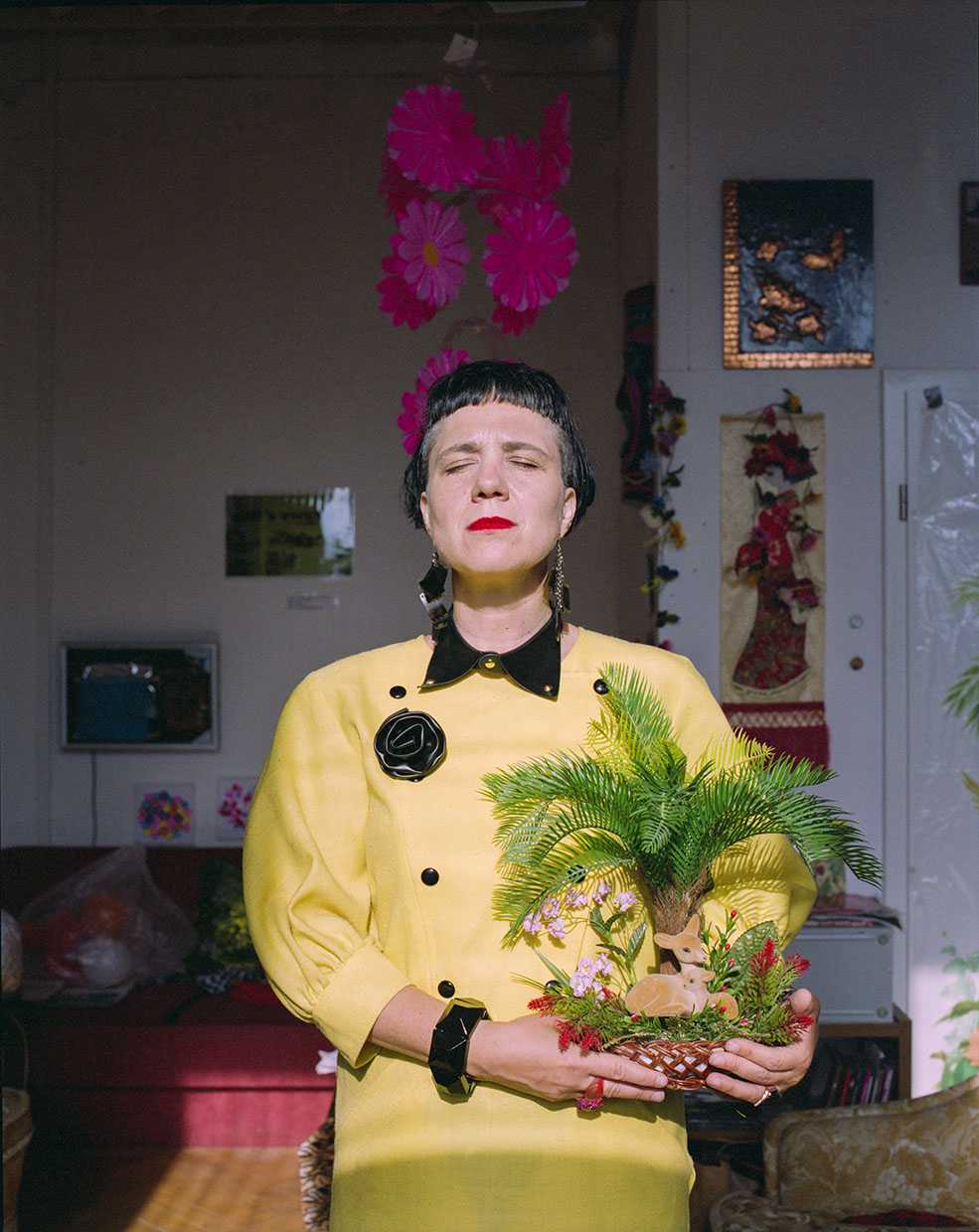
Berlin is culture. Its infamous independent art scene — sprawling, permeable, resistant to canon — is not just a backdrop but a condition. When Szproch moved here, she arrived without connections. That changed quickly, not by design.
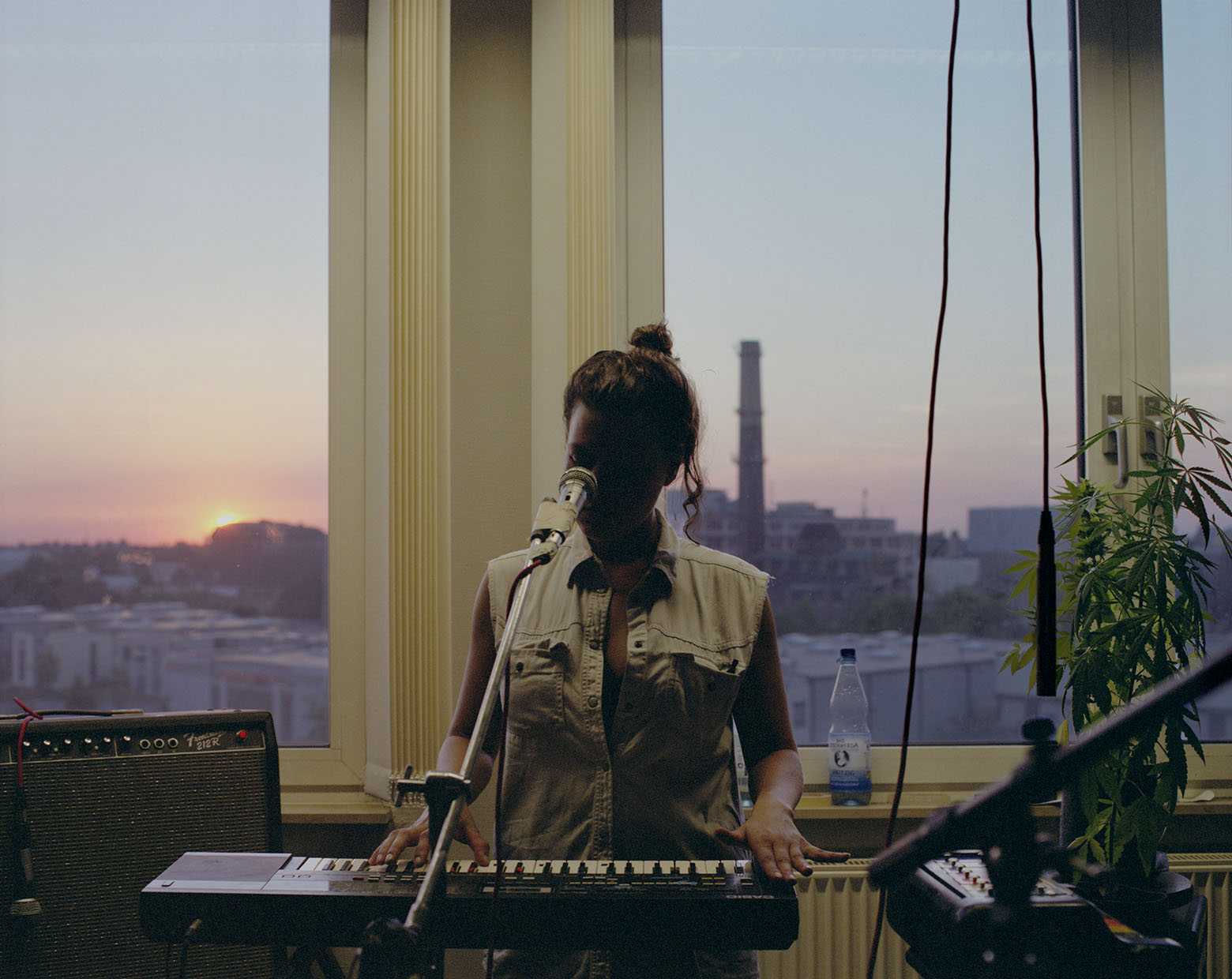
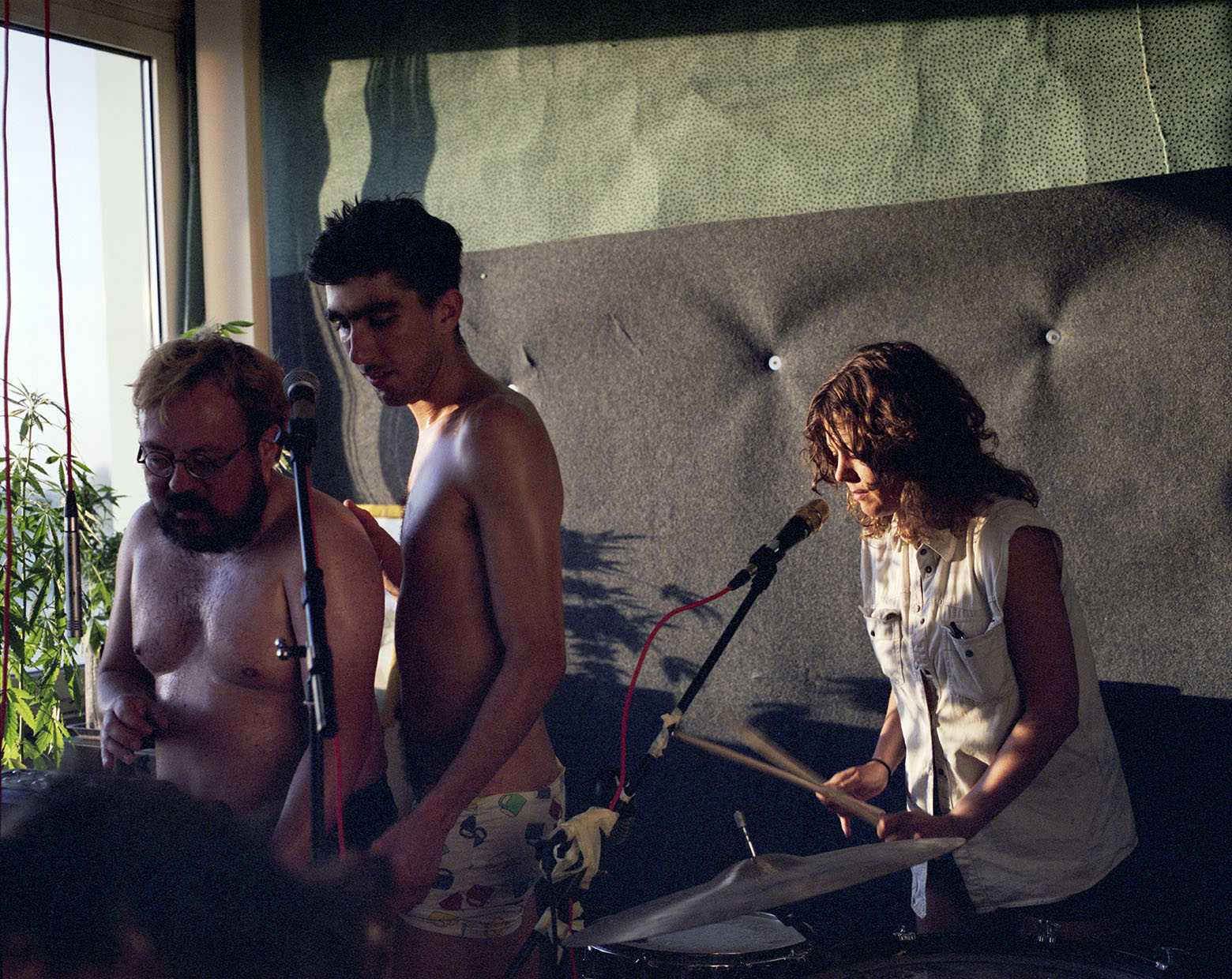
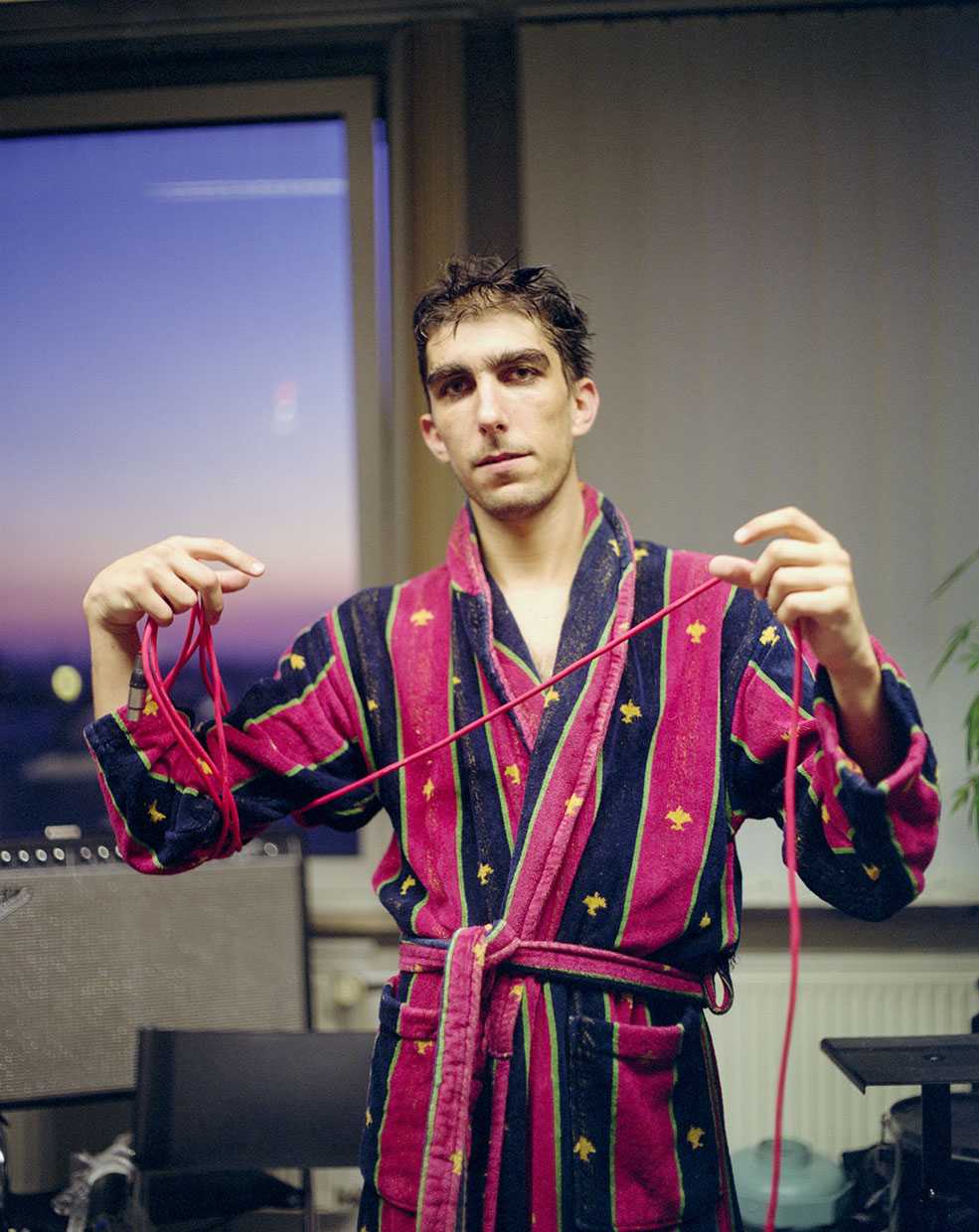
It started with singing. In 2013, she joined the experimental choir Grey Voice Ensemble — and from that first season, a network began to grow. Not a single bubble, but many overlapping ones: visual artists, performers, sound artists, people who had liberated themselves from academic rigidity and created with what she can only describe as childlike enthusiasm. Some became chosen family. Others became something harder to name — presences that fed her own way of seeing, listening, moving, feeling. It was an exchange, a mutualism that loosened something in her practice and led her to abandon the idea that art belongs to one discipline, returning to an unlimited curiosity.
At art school, she had been trained to specialize — to choose photography and then master it within its own restrictive logic, as if choosing a medium meant being bound to it in a single prescribed way. What these encounters opened up was different: other disciplines began to feed her photography rather than compete with it. She began deliberately combining methods, choosing each for what it could add, so they would strengthen one another. Staged photography became something new — a collaborative world-building, made together.
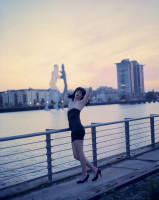
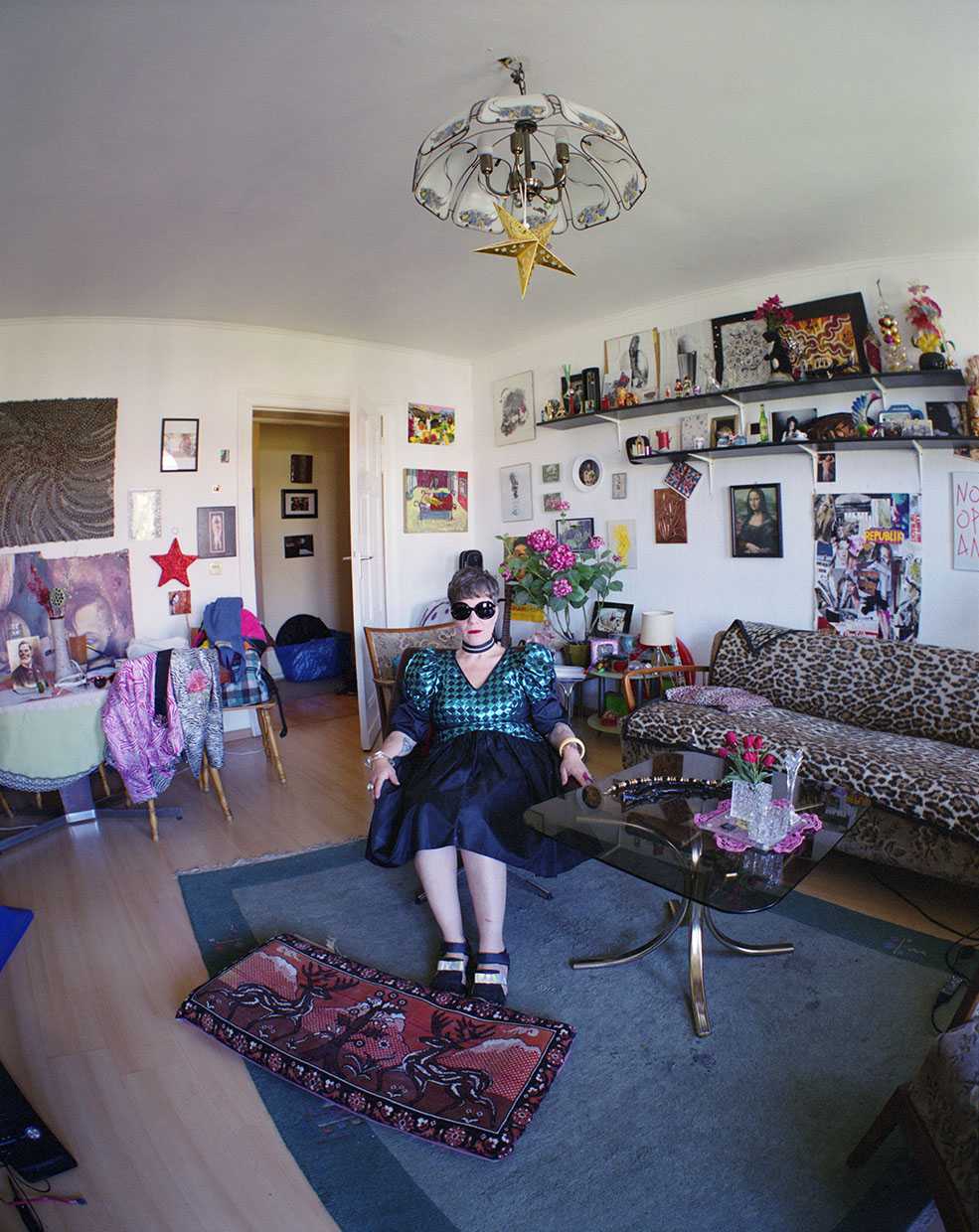
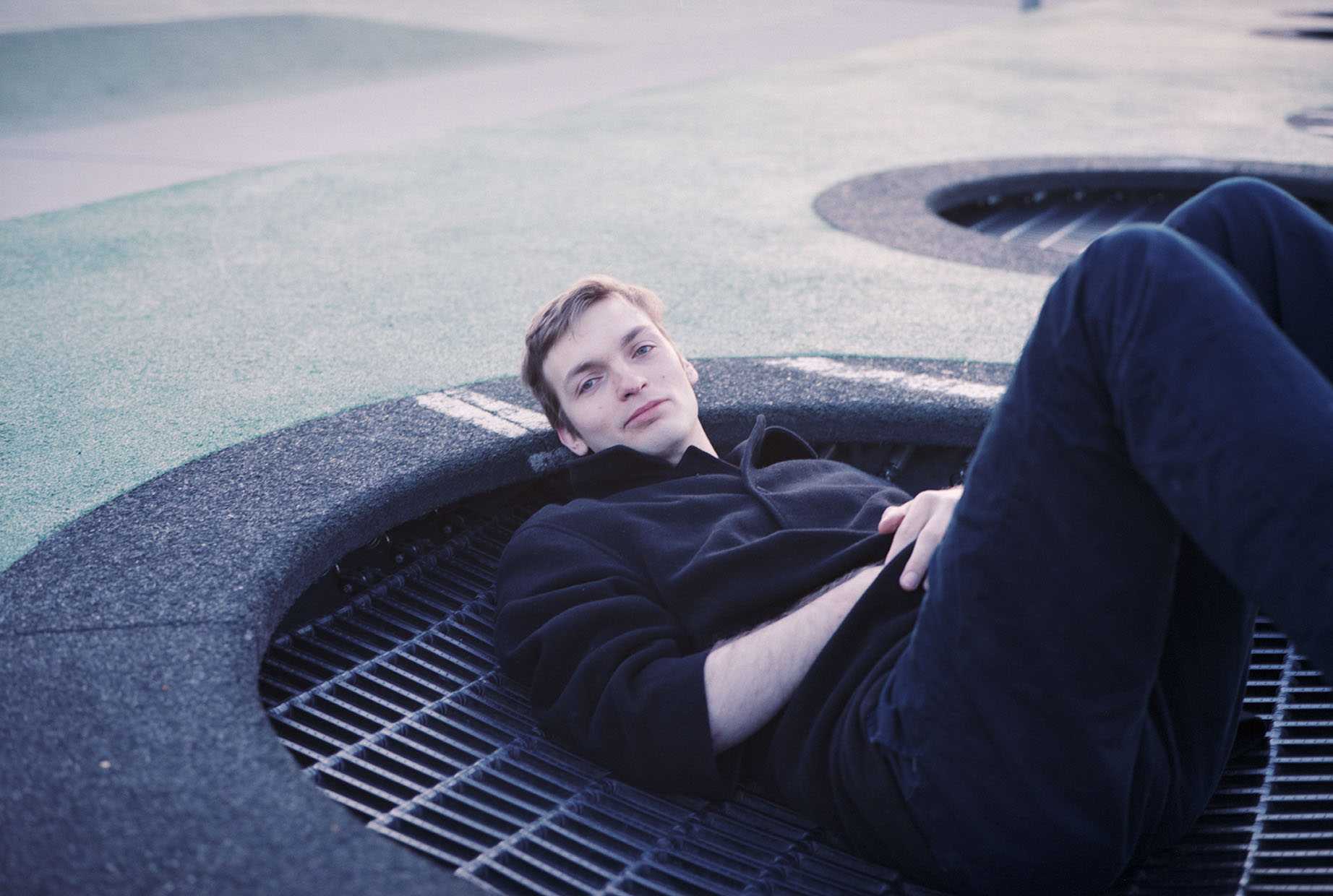
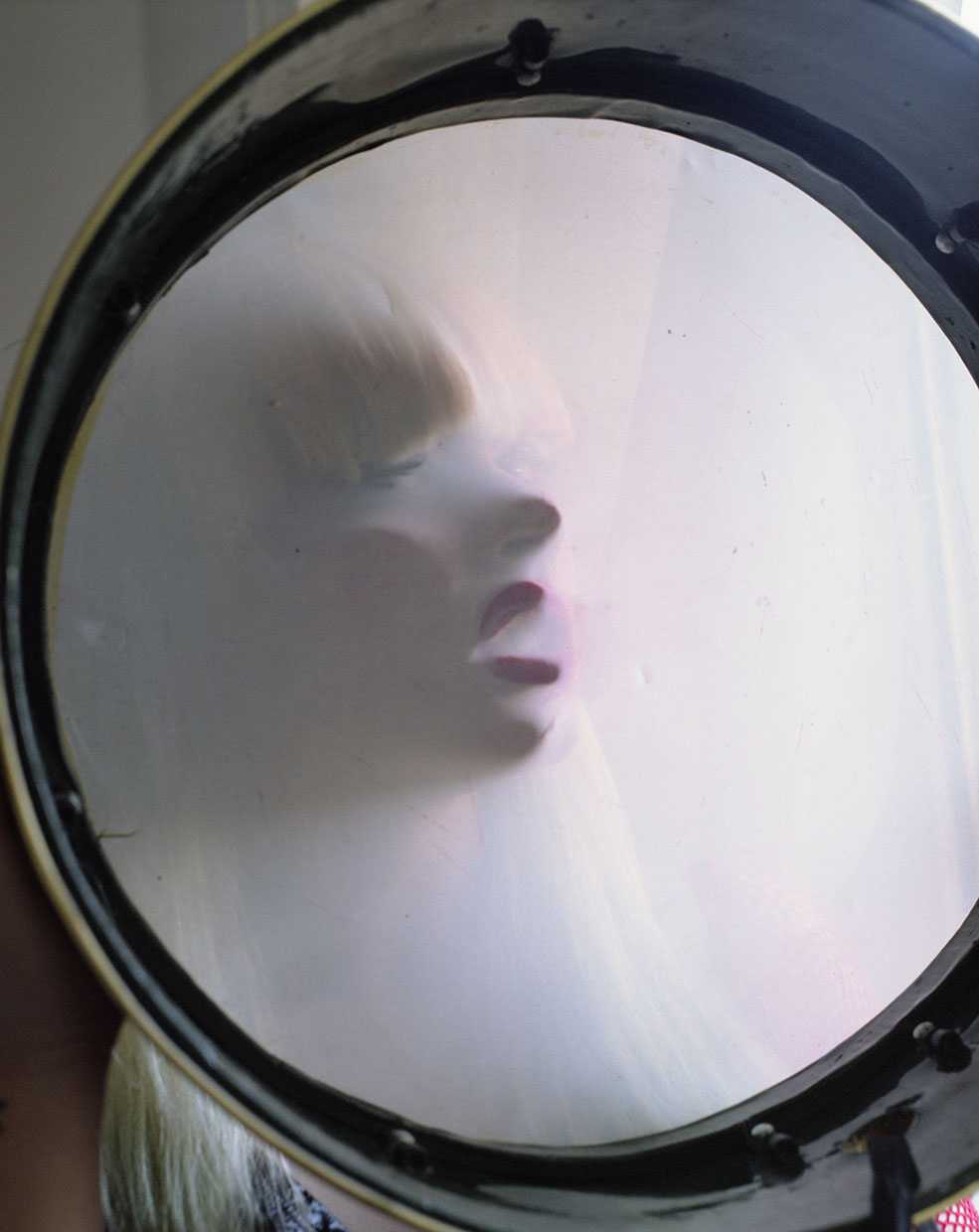
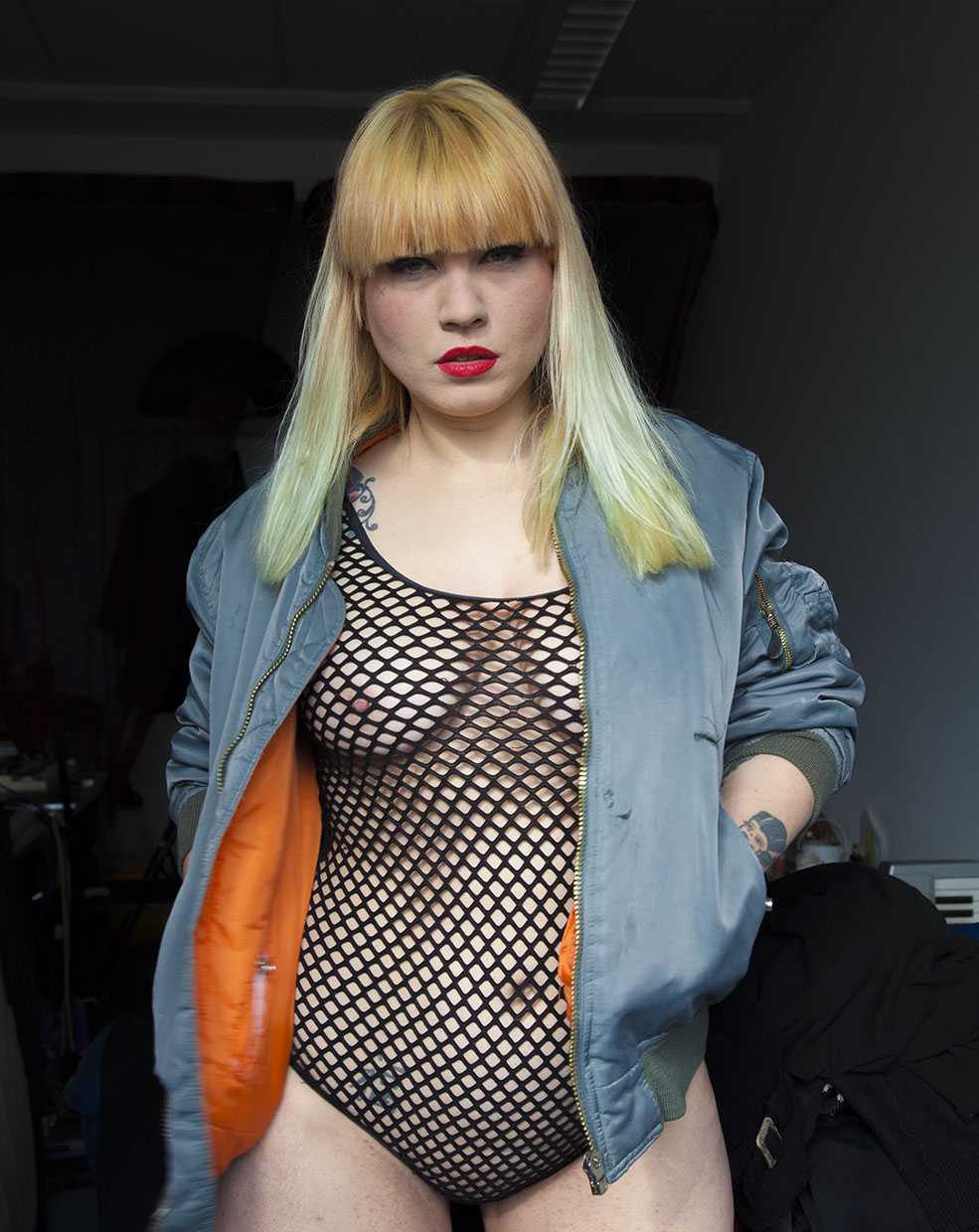
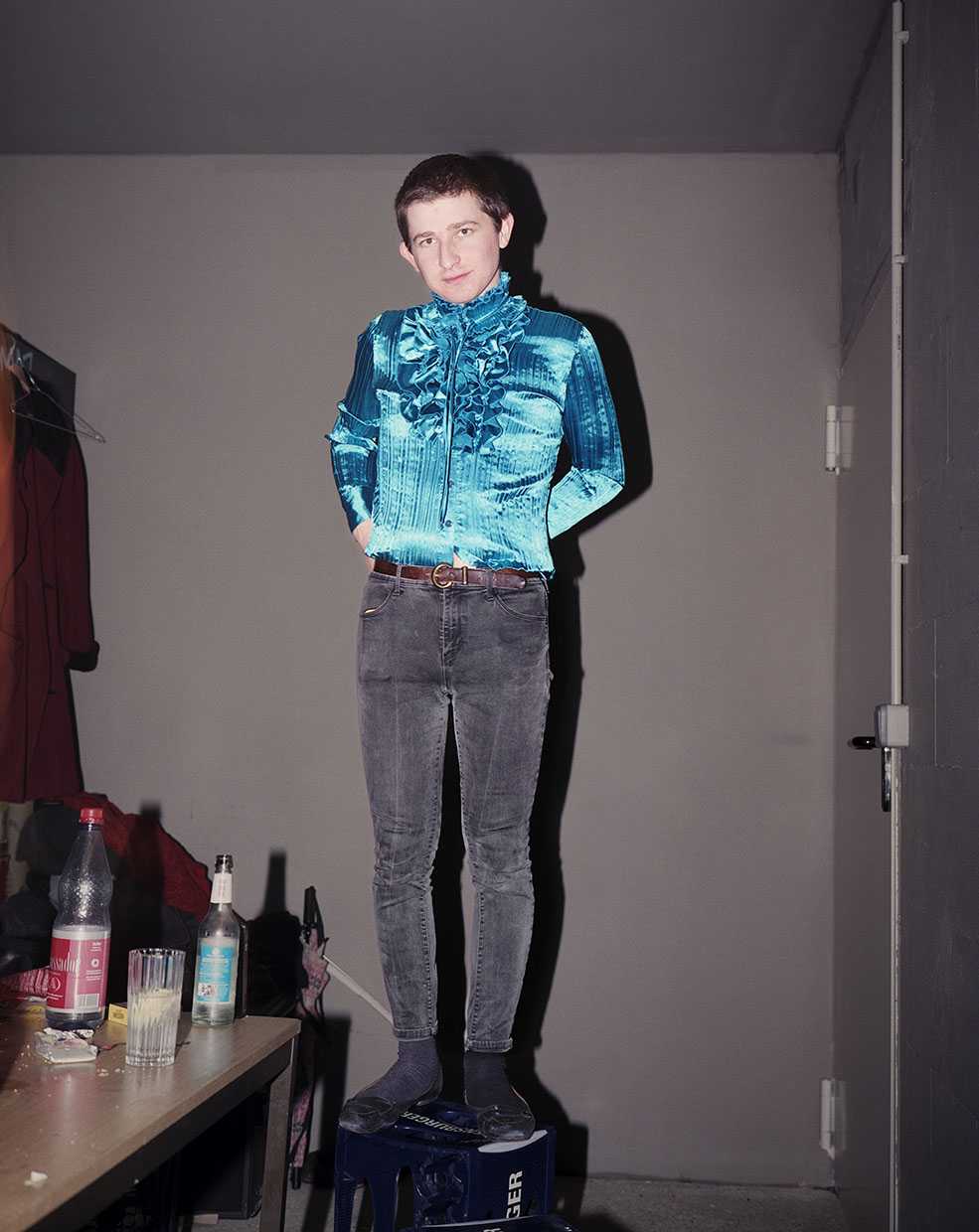
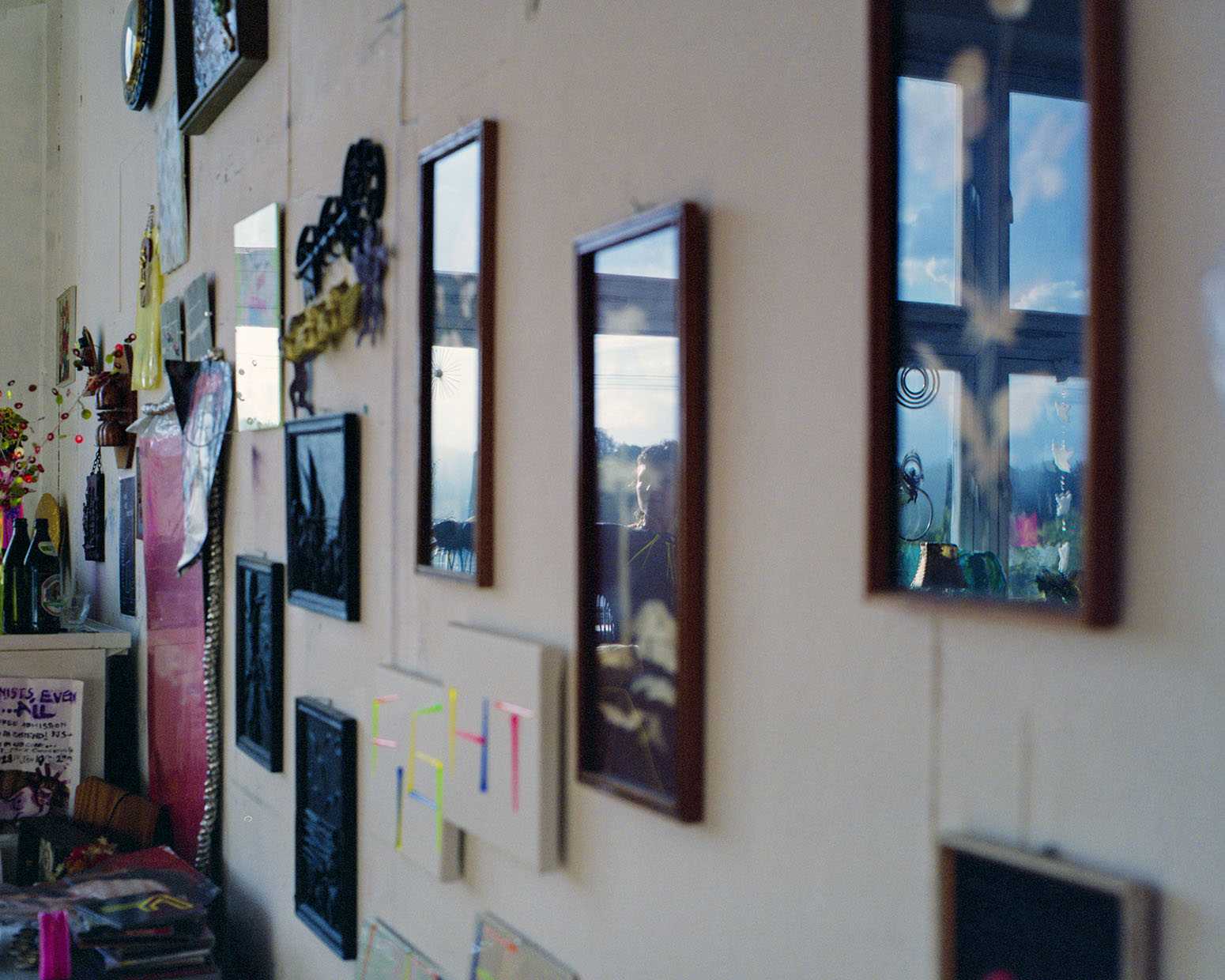
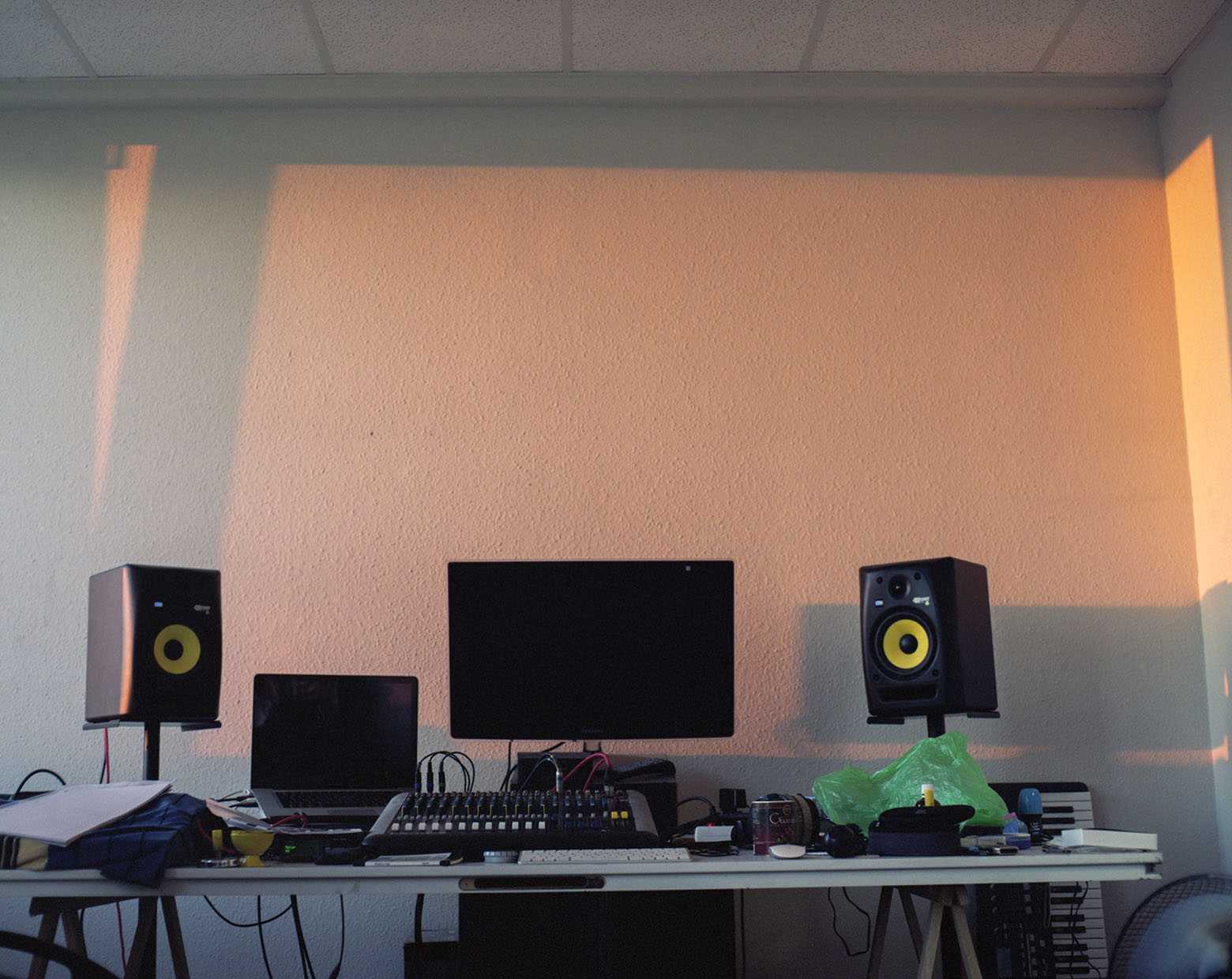
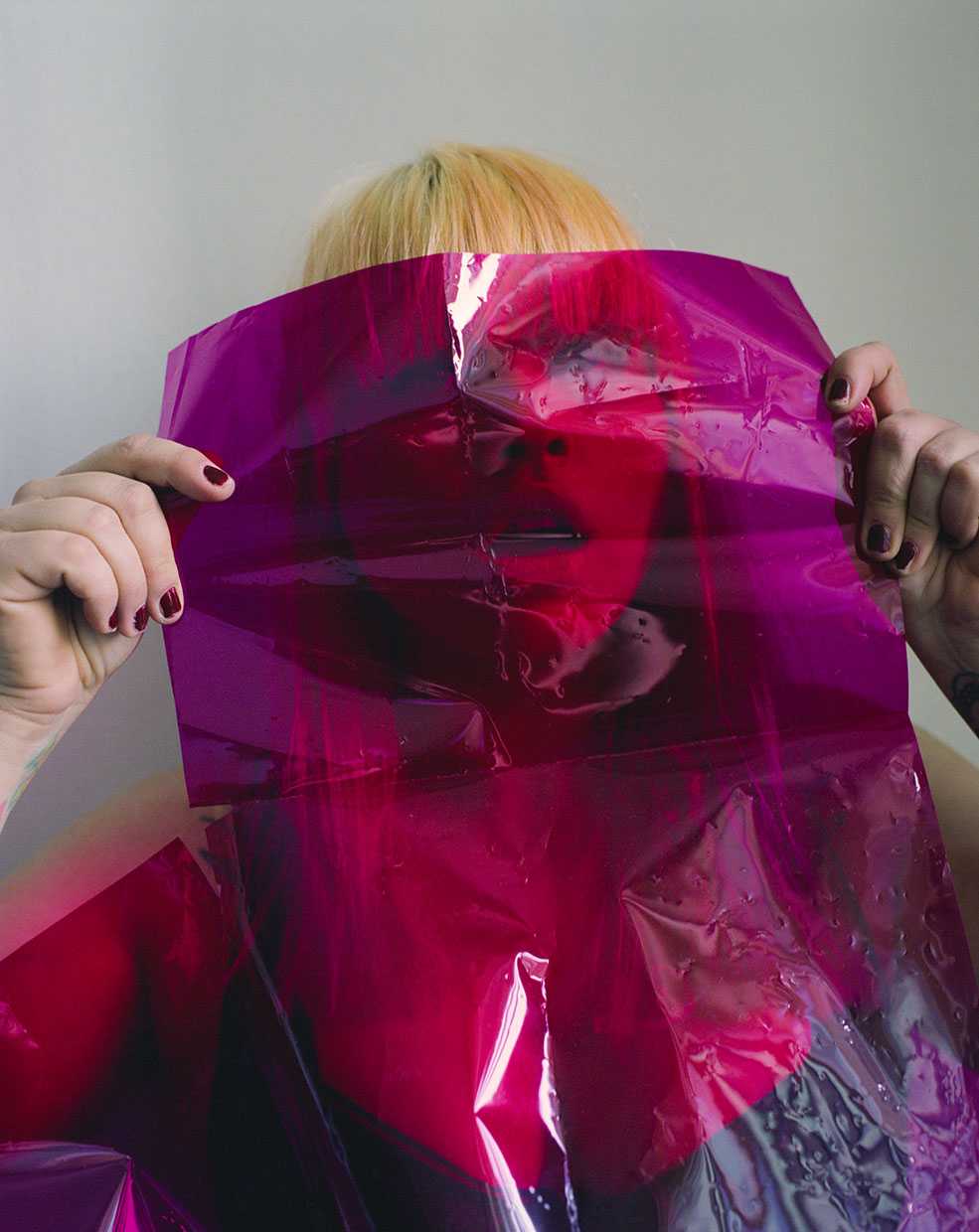
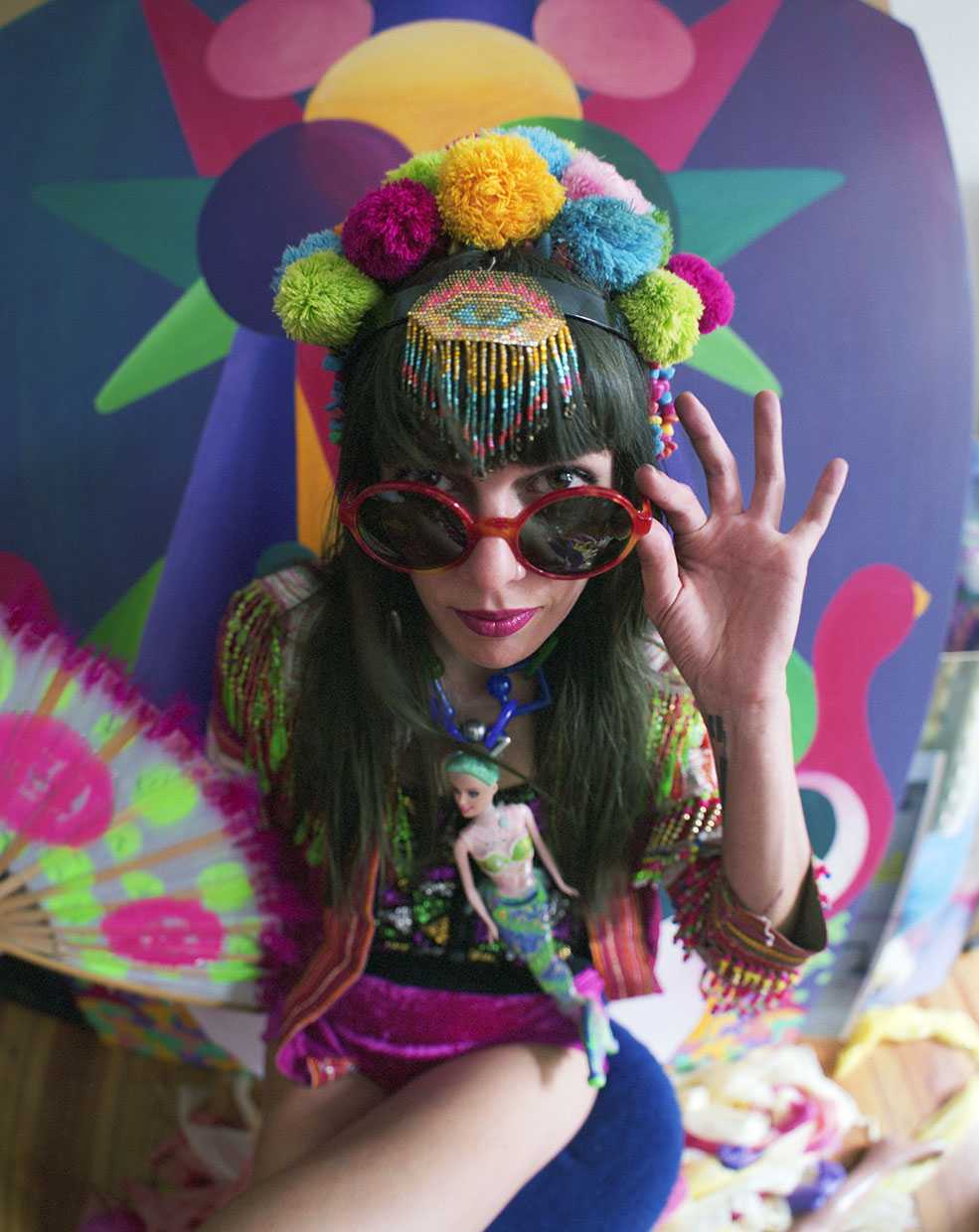
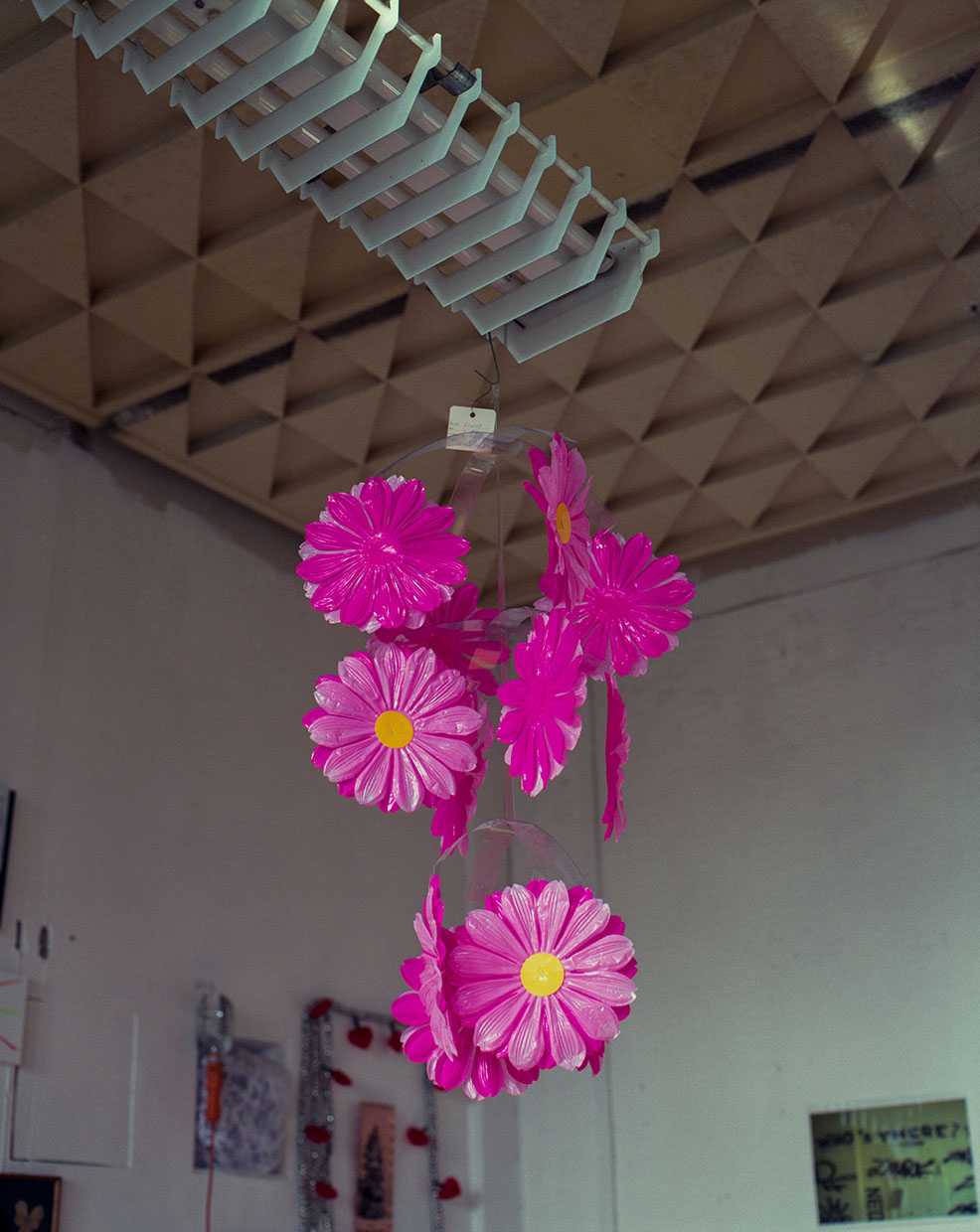
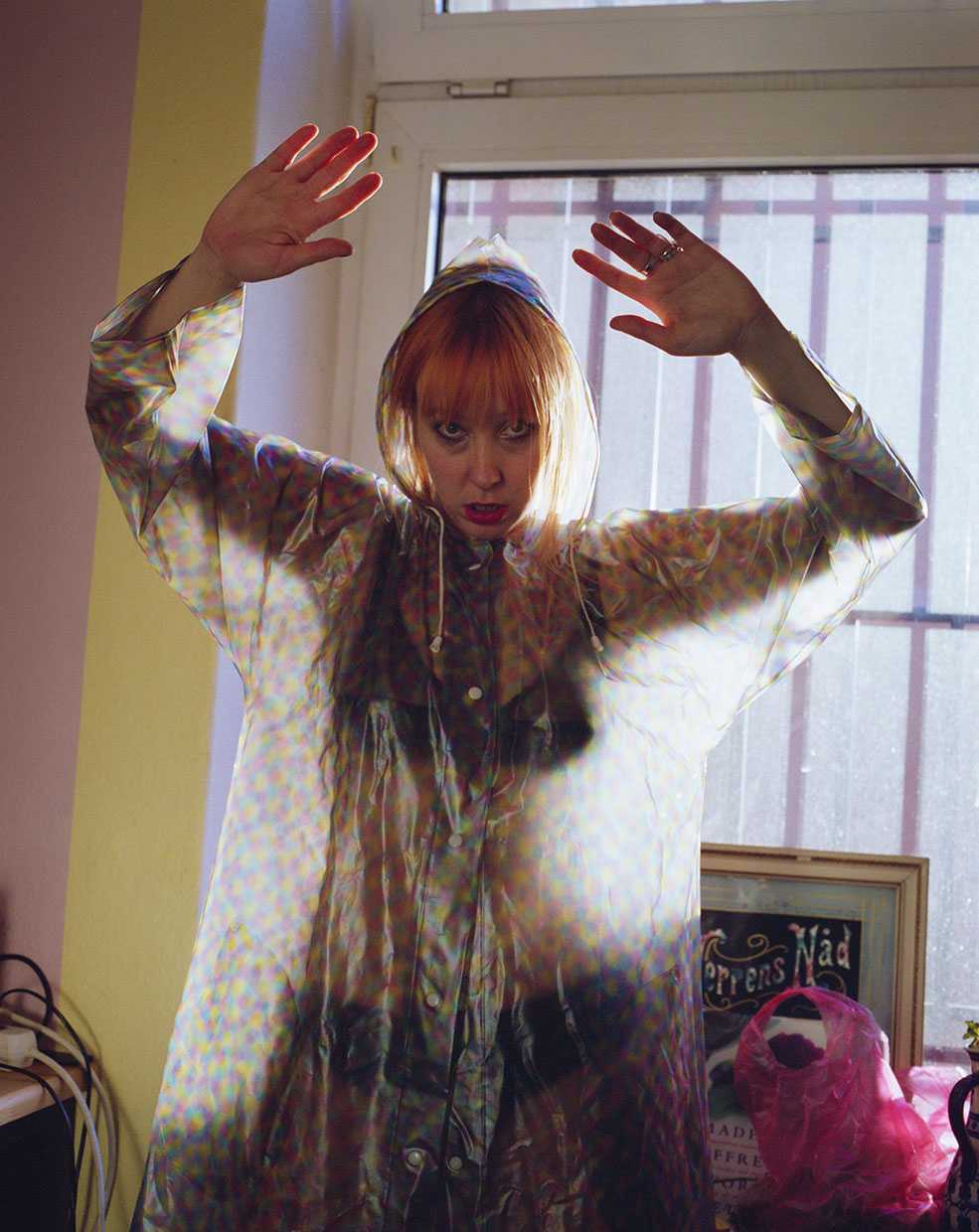
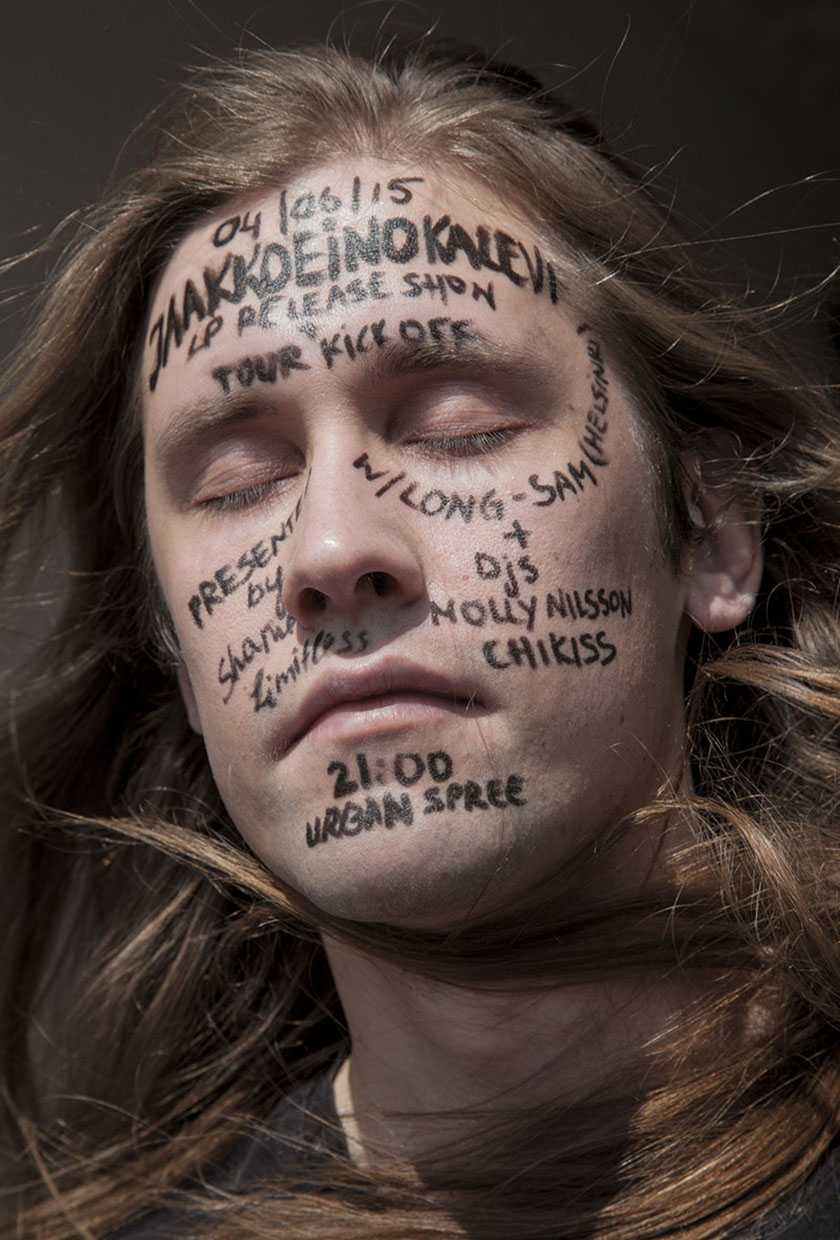
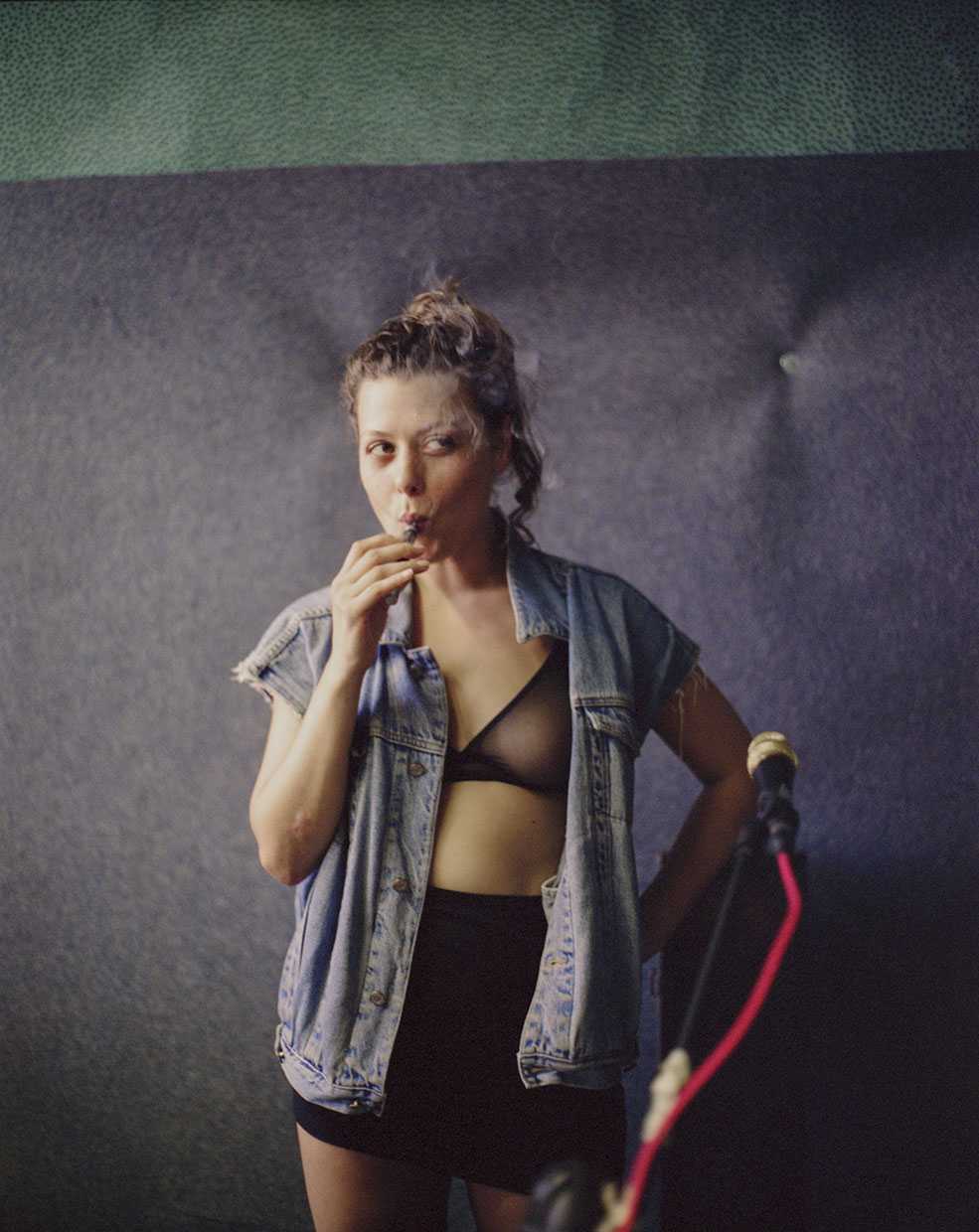
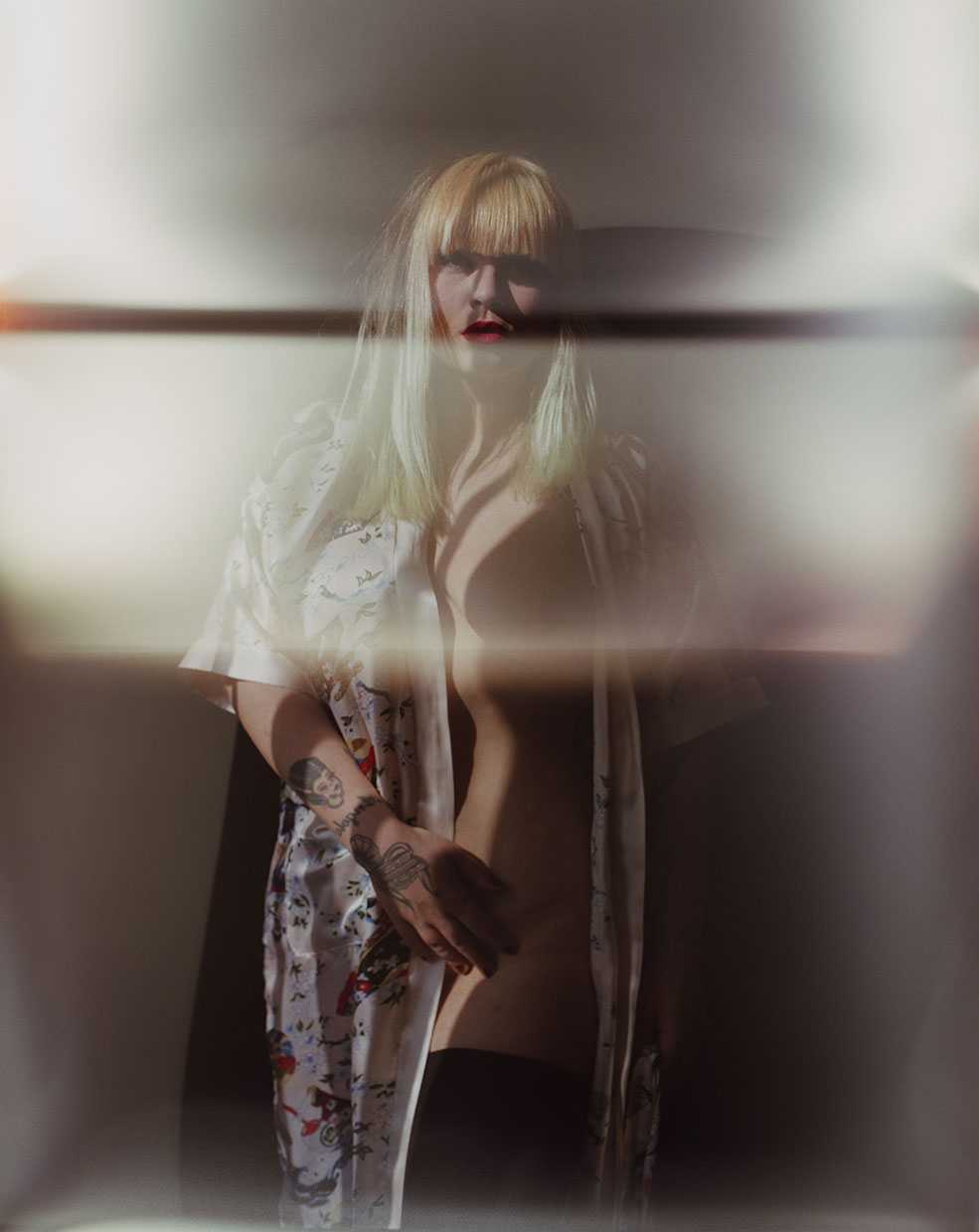
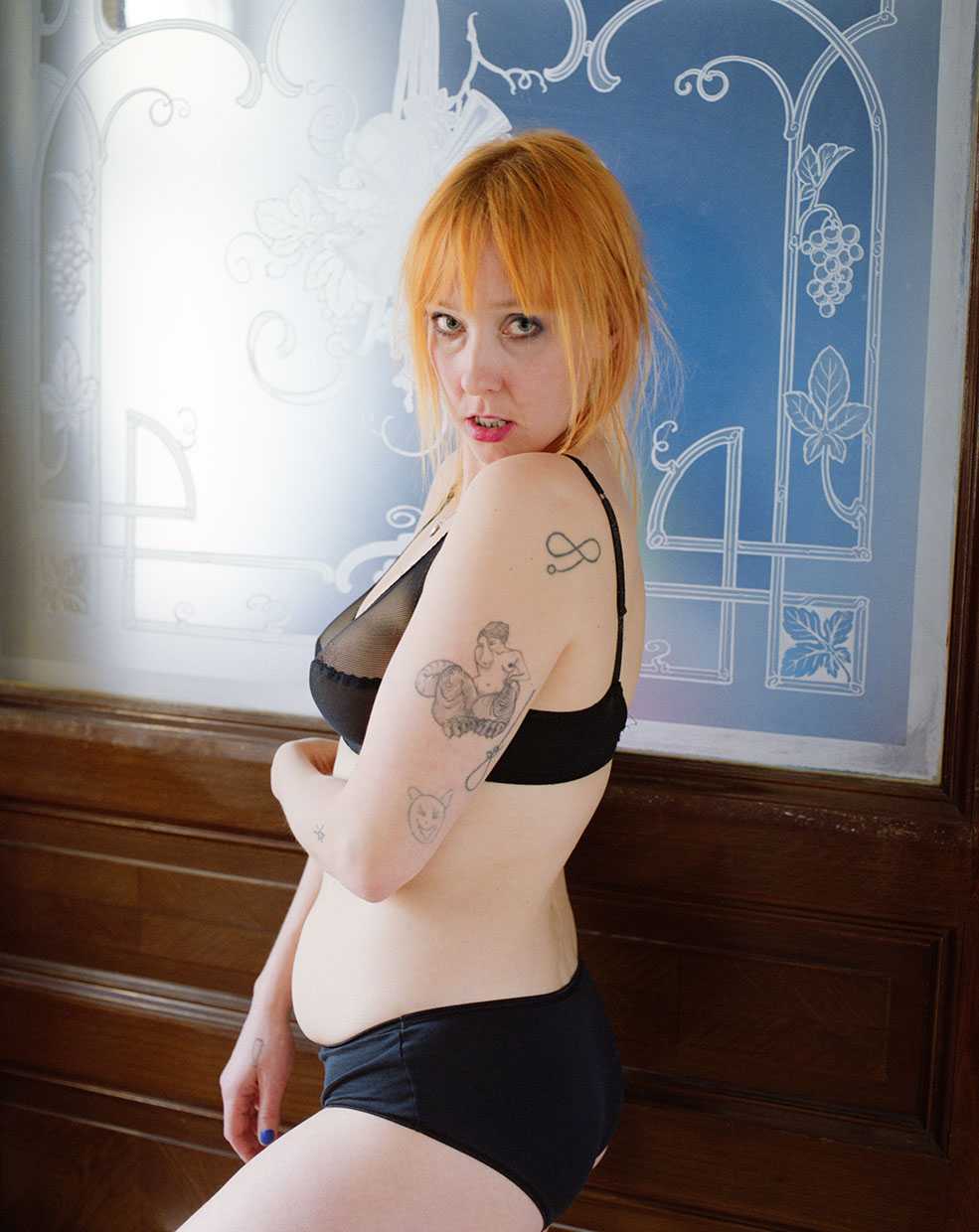
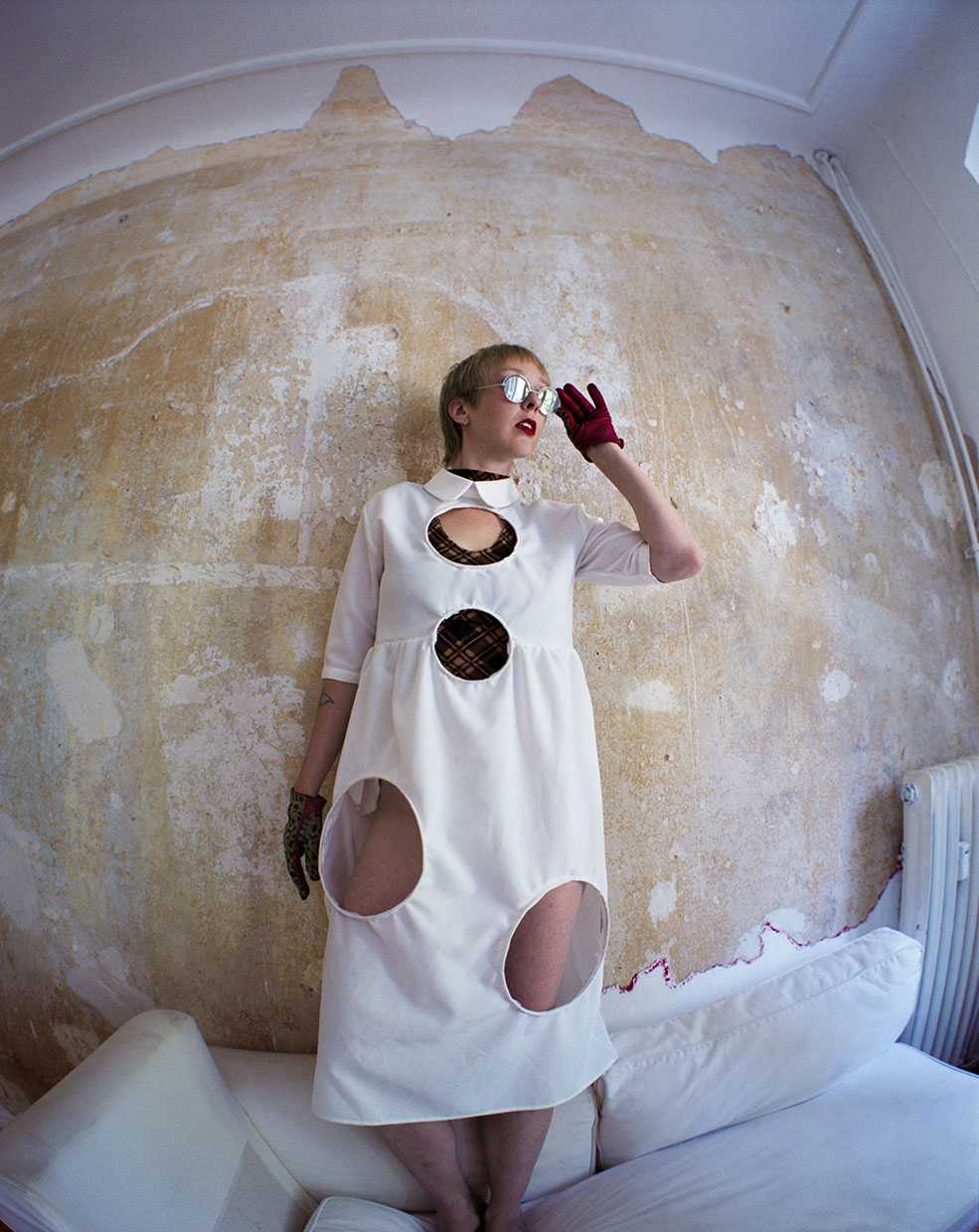
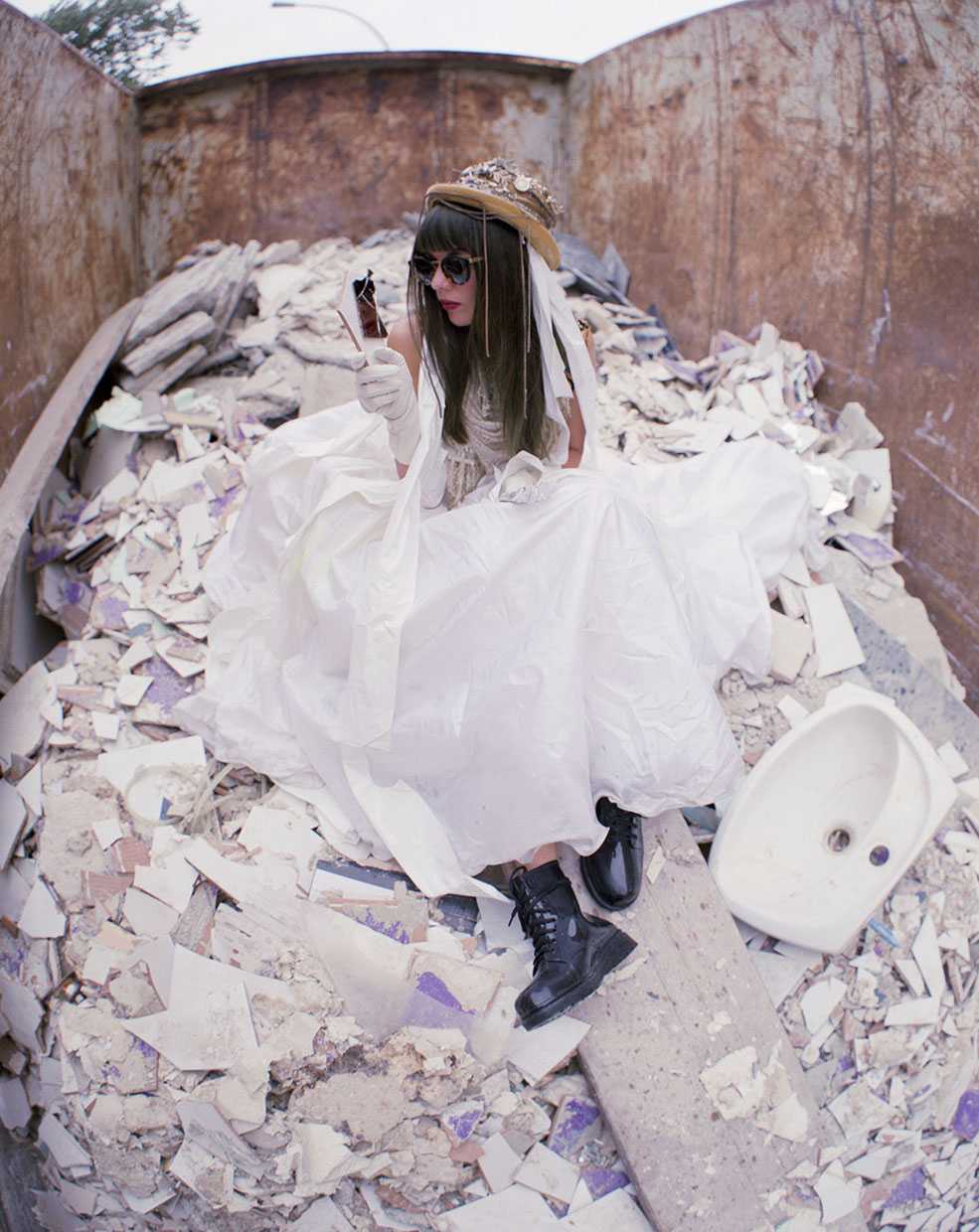
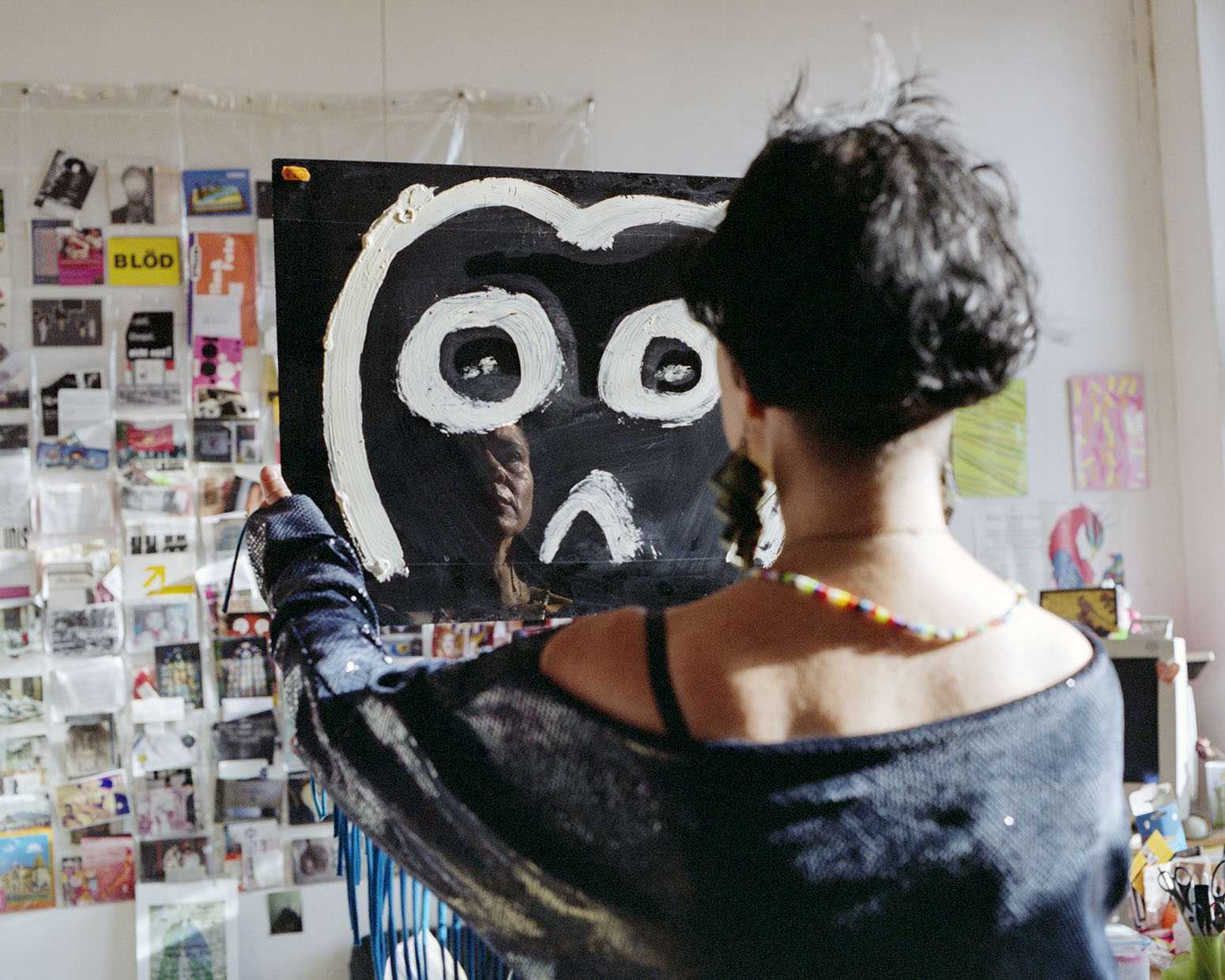
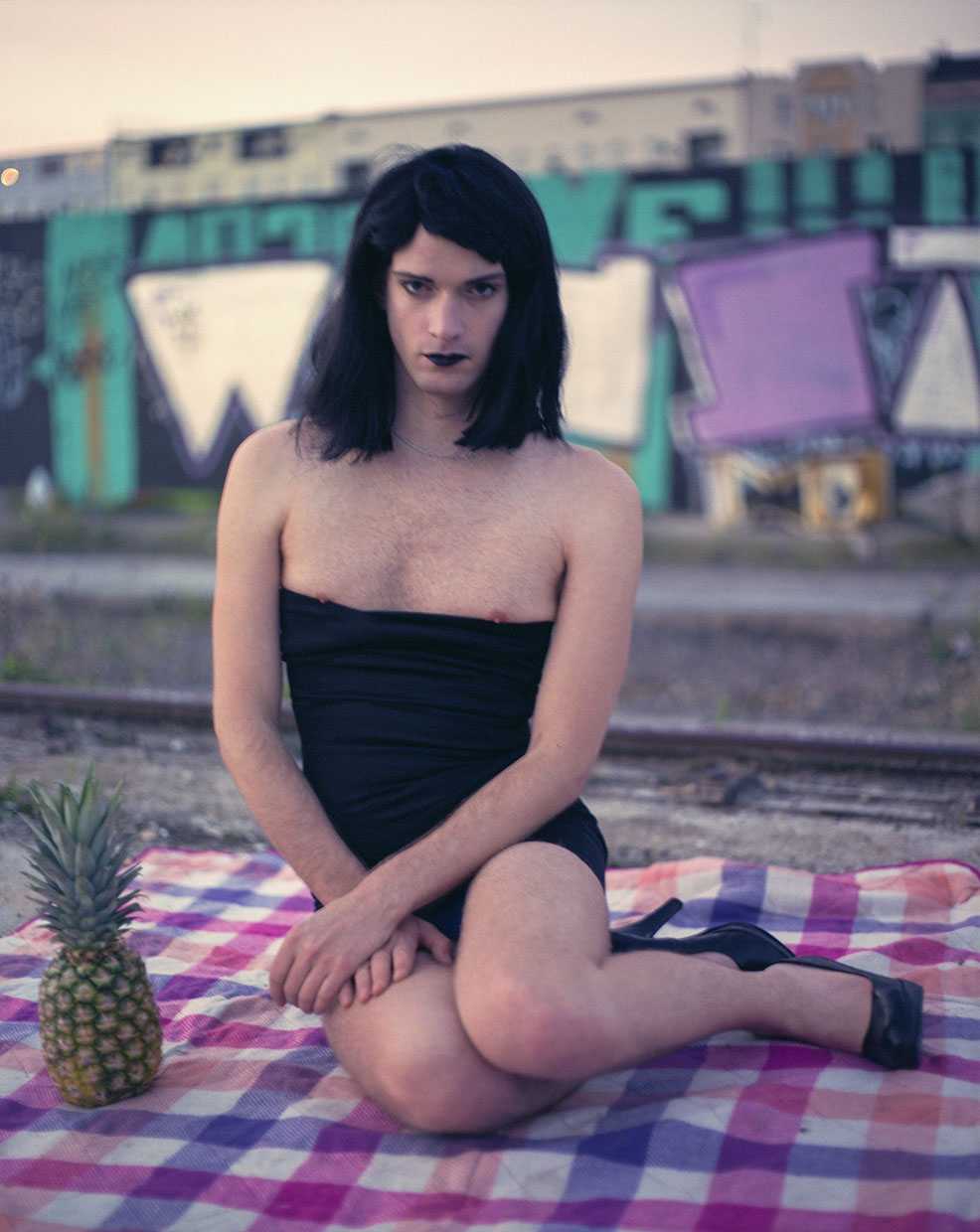
The portraits in this series were made between 2013 and 2017, and they mark a transition. Analog photography remained her tool — but used differently now: Where she once worked primarily as a director behind the camera, these images emerged from dialogue. What shifted was direction. The portrait tradition she unlearned — so often built on an objectifying gaze, or the photographer projecting their own vision onto the subject — gave way to something horizontal, relational. She entered the subject rather than framing it. Through interaction, dialogue, and shared vibration, the image became something neither of them could have made alone.
What interested her was the resonance — the vibration between her gaze and the full, substantial presence of the person in front of her. Each image is a real encounter, even when it is also a construction. Both exist at once. This series stands between her earlier portrait work and the participatory photography she would later develop — a moment when the medium began to open.

Next Project
tarren johnson
tarren johnson
tarren johnson
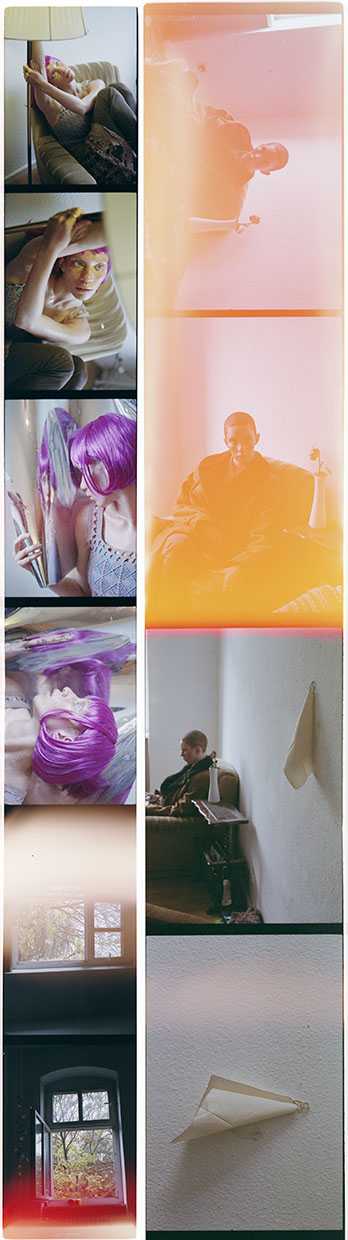
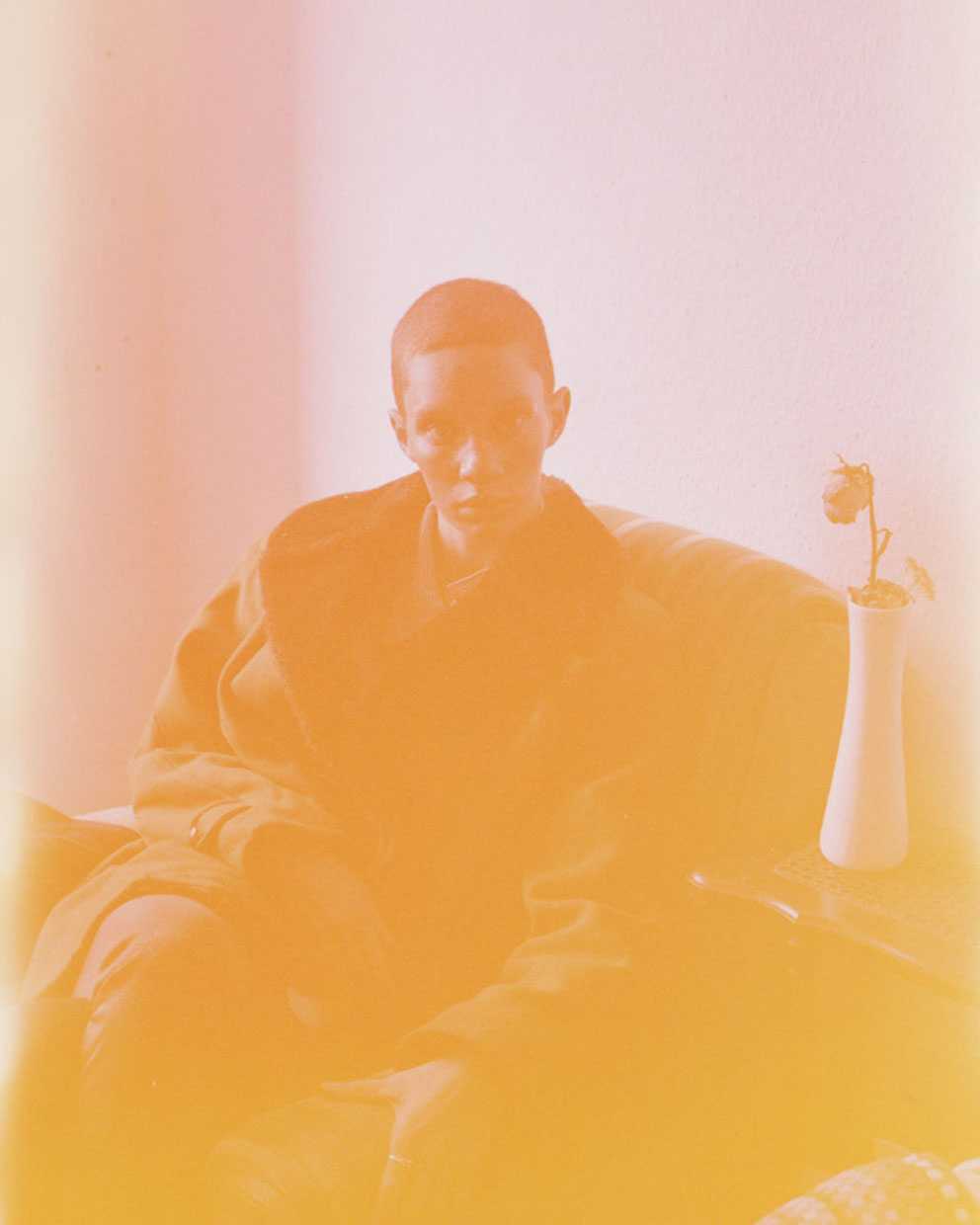
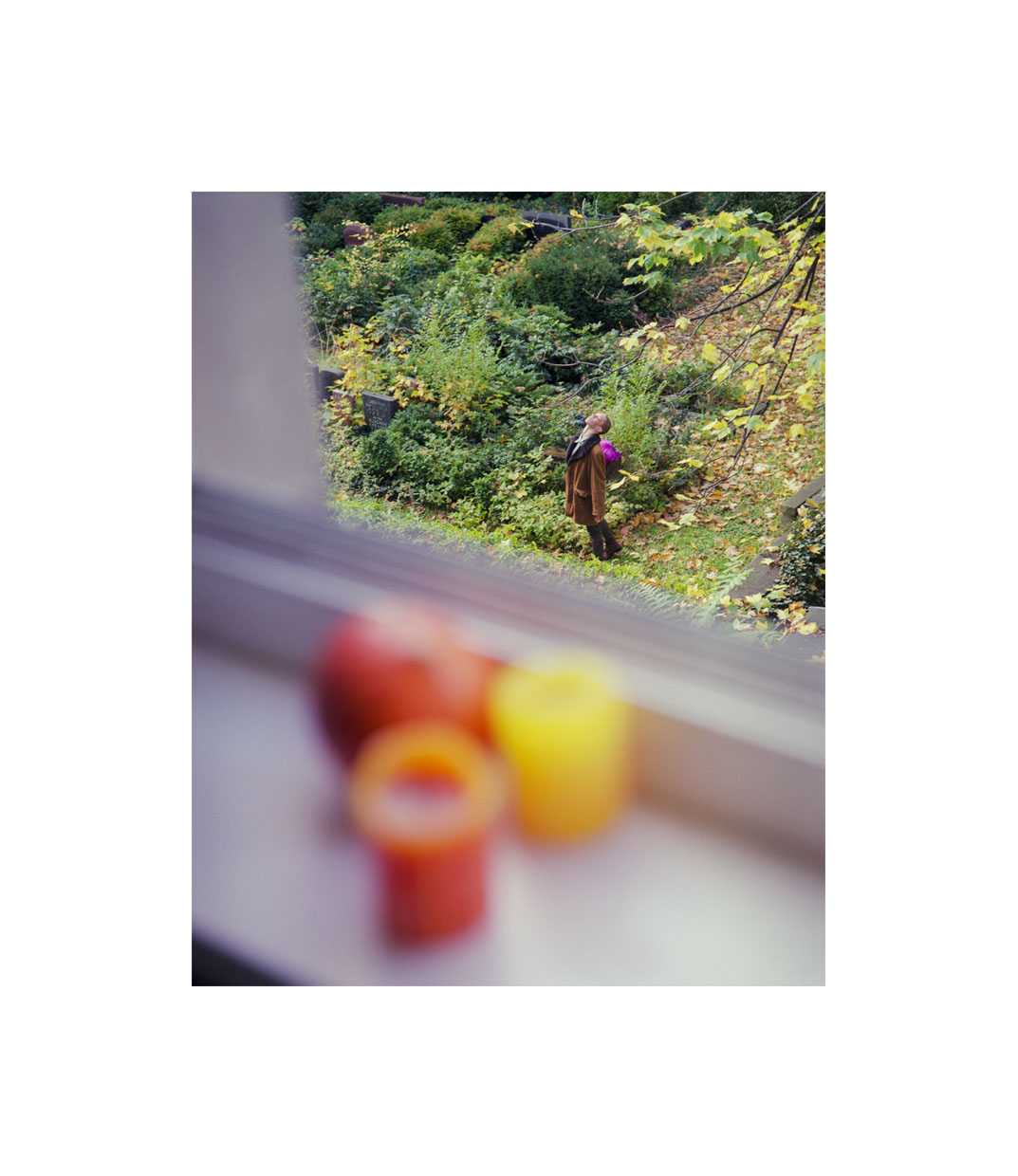
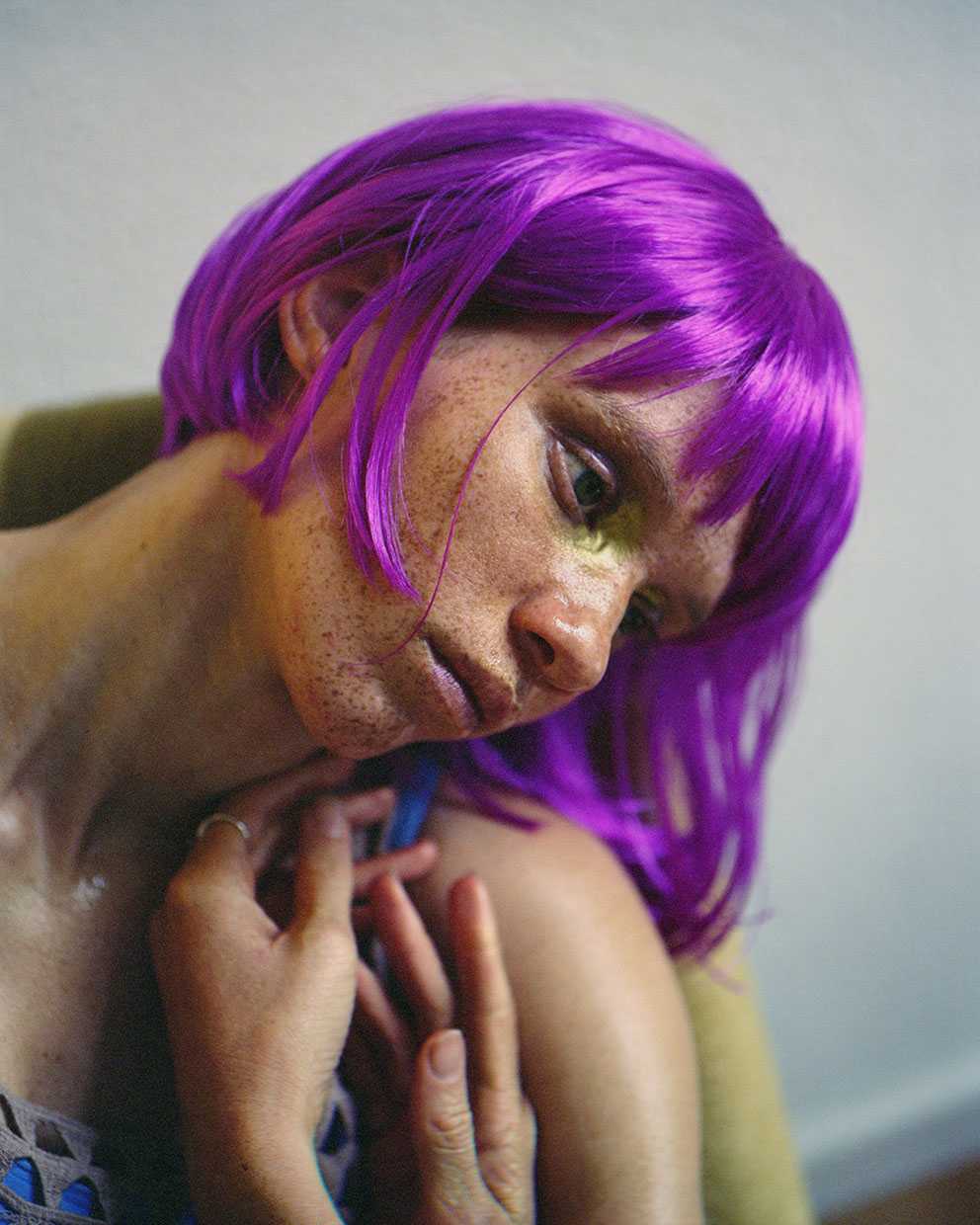
2014
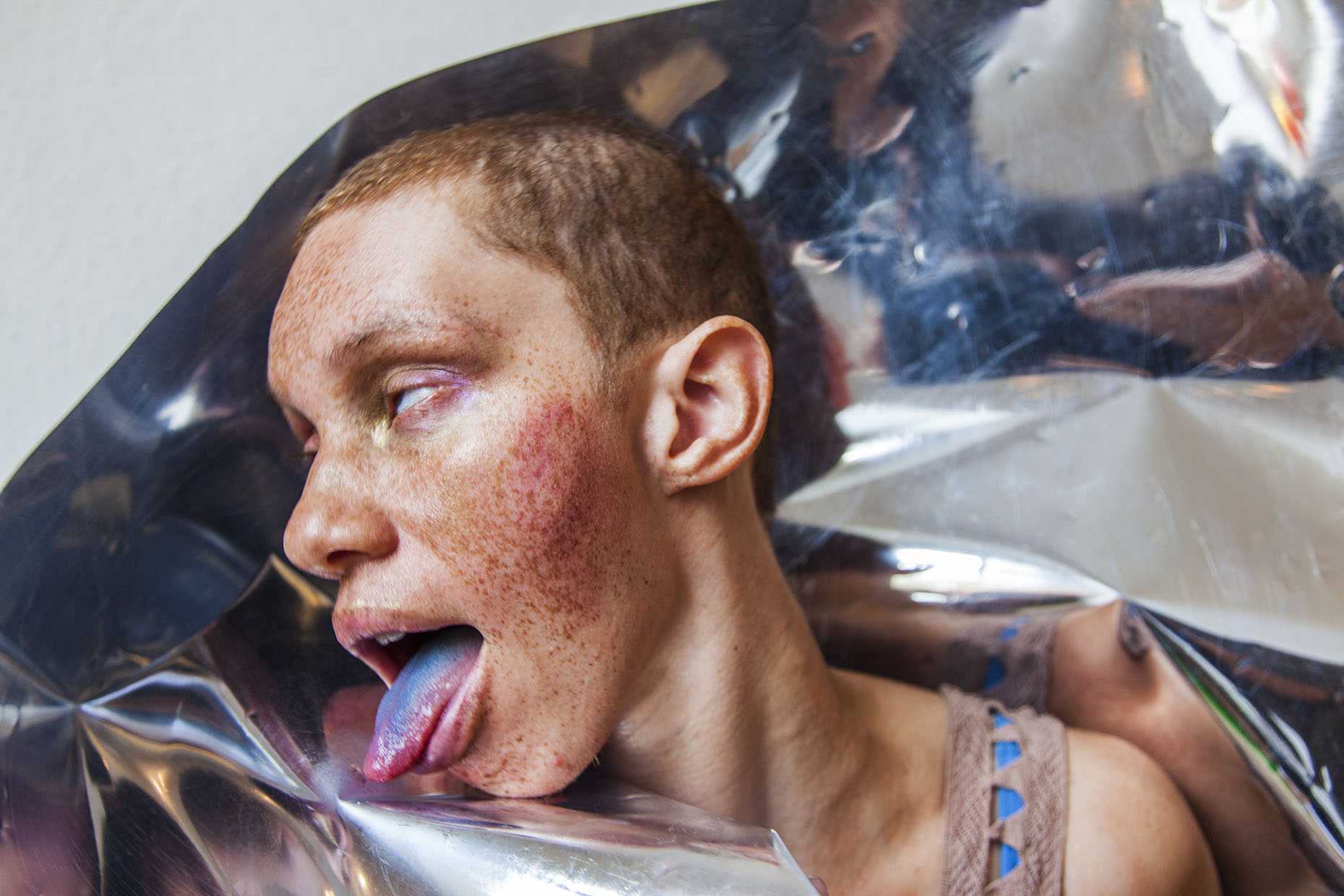
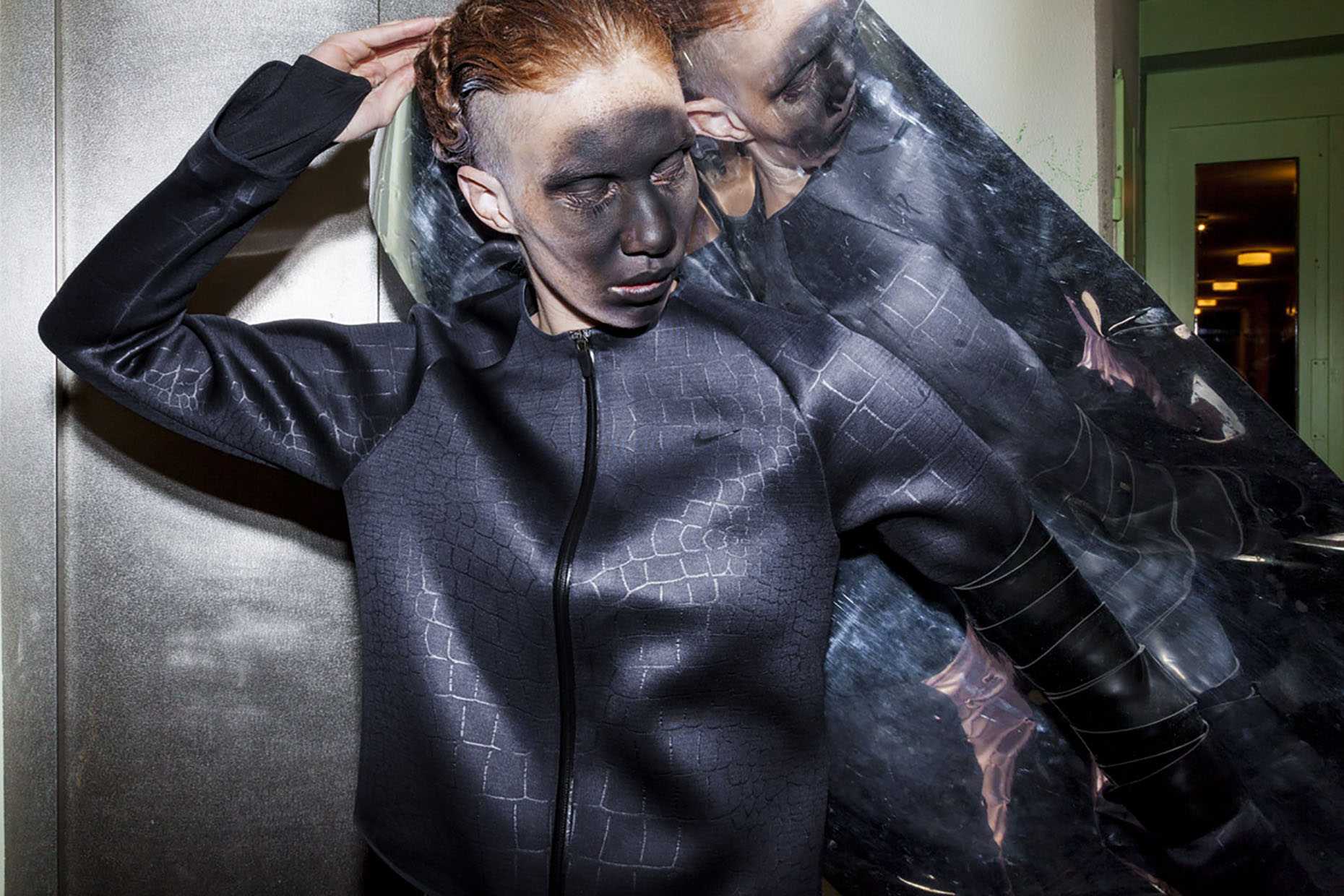
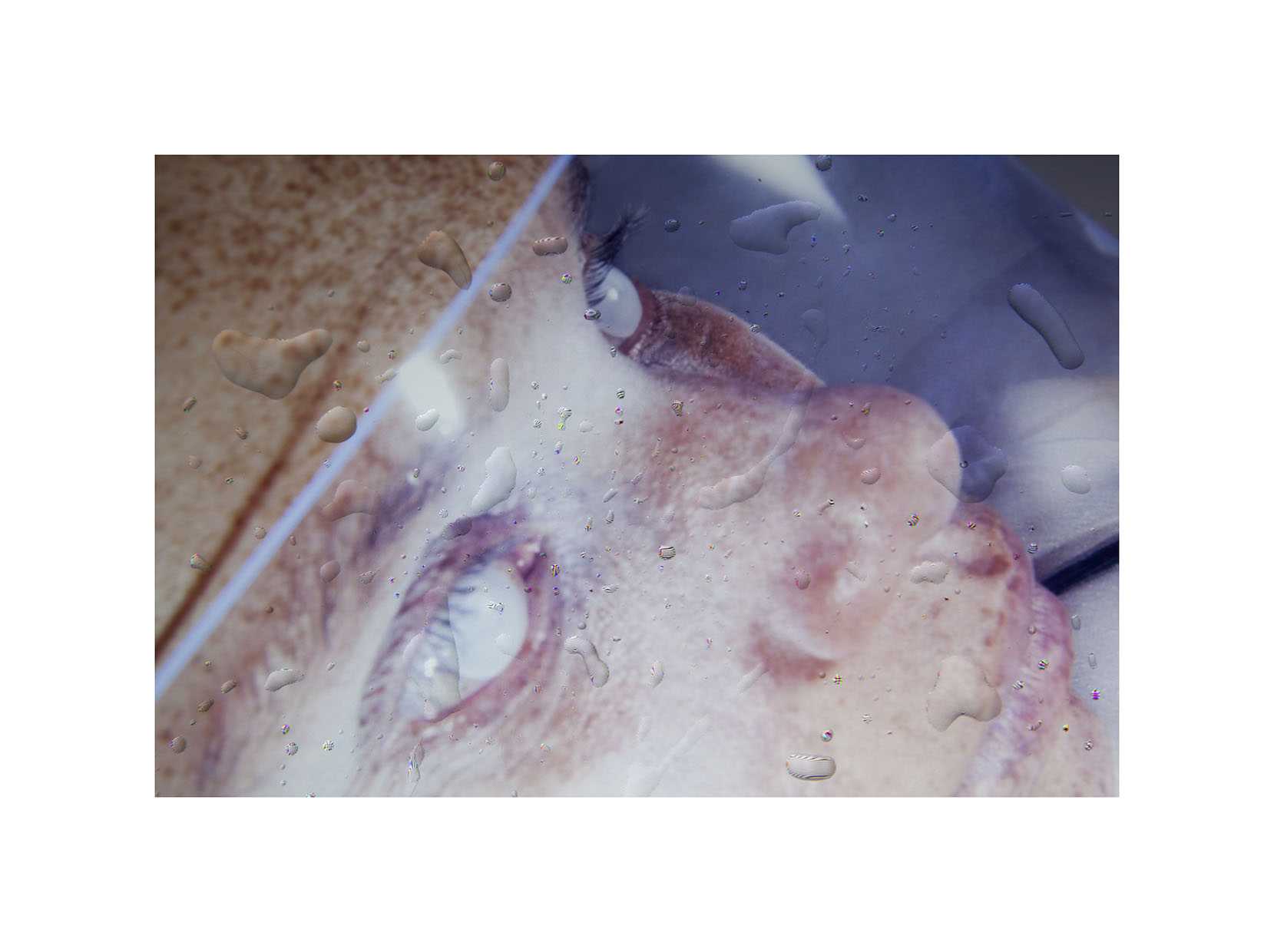
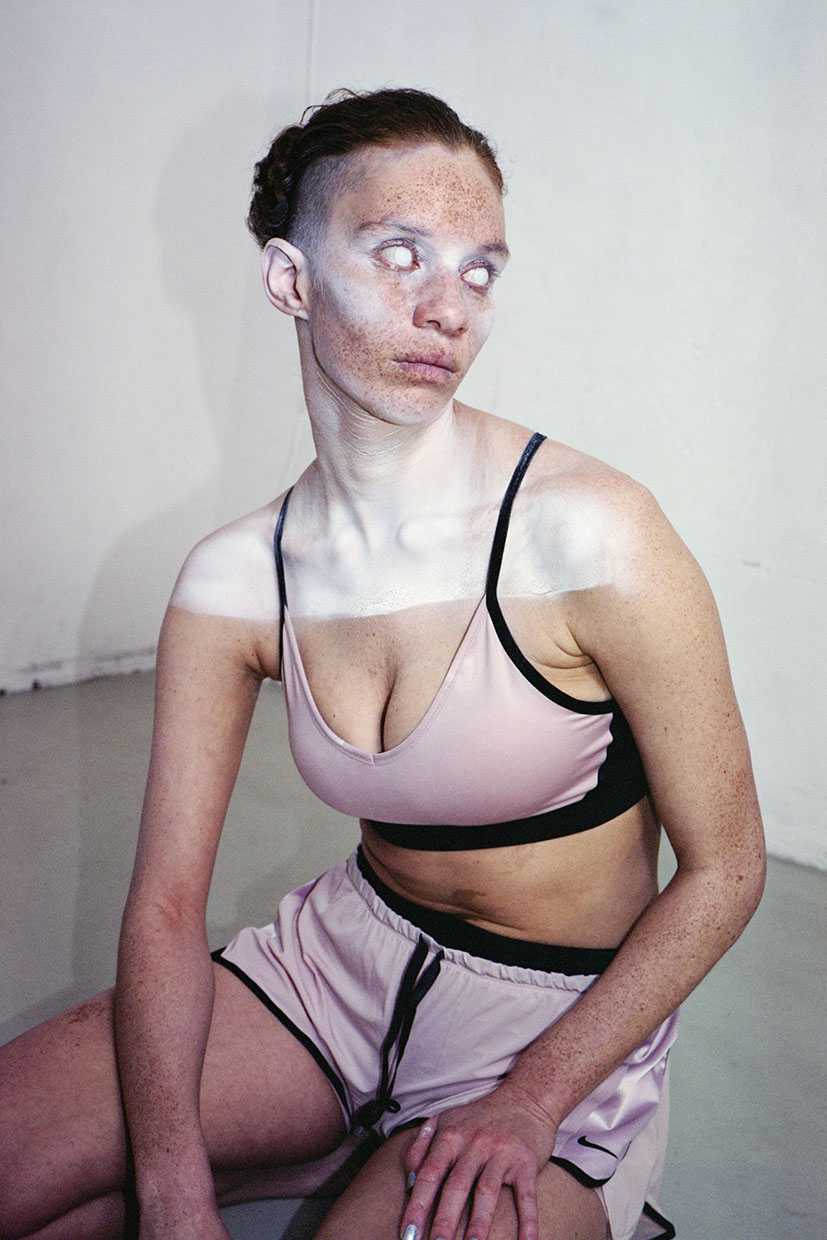
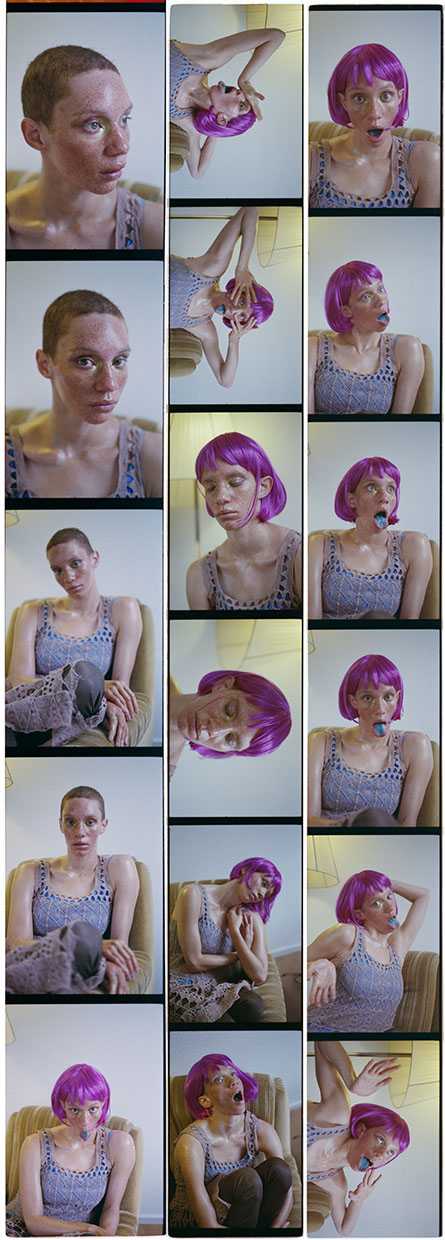
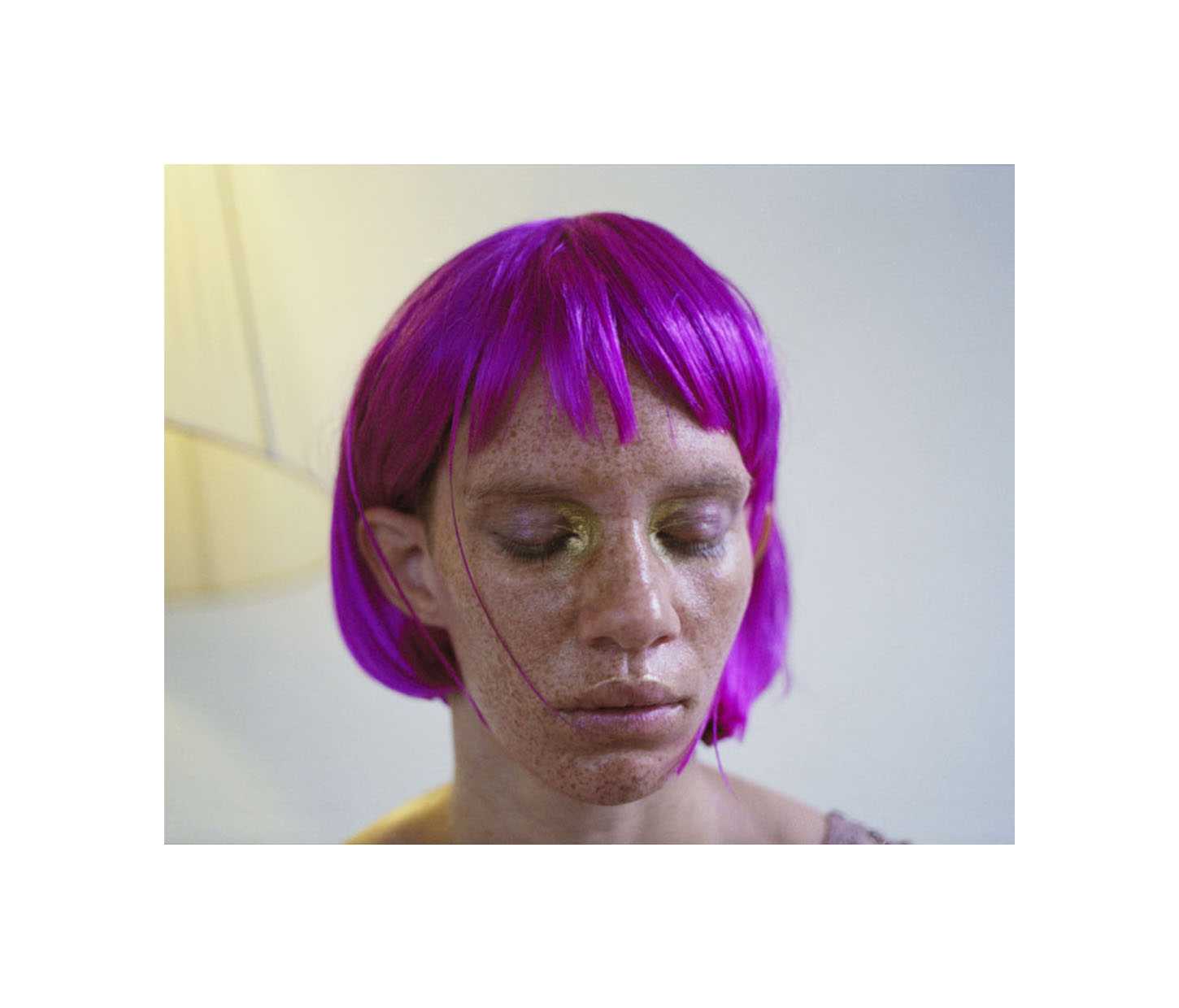
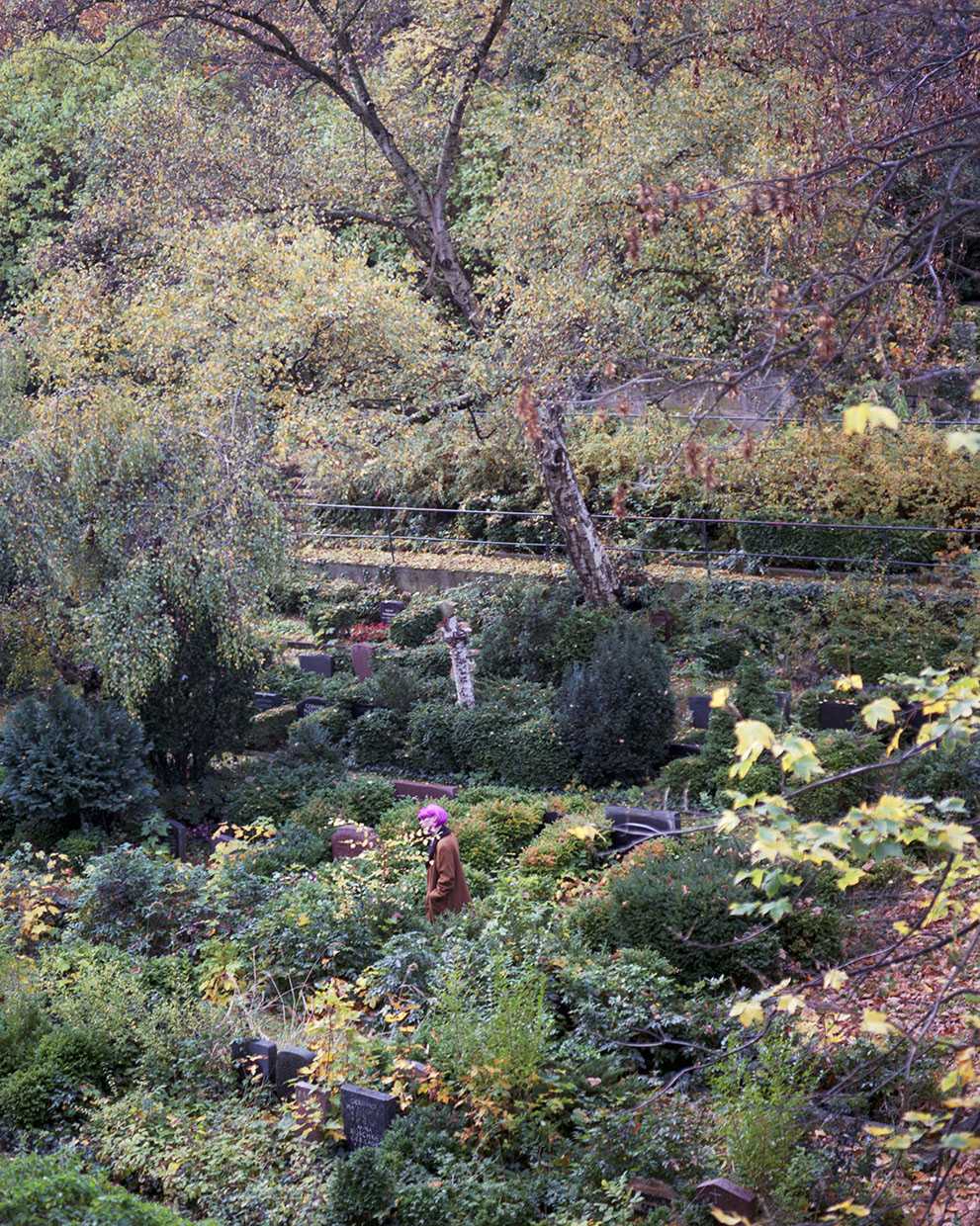
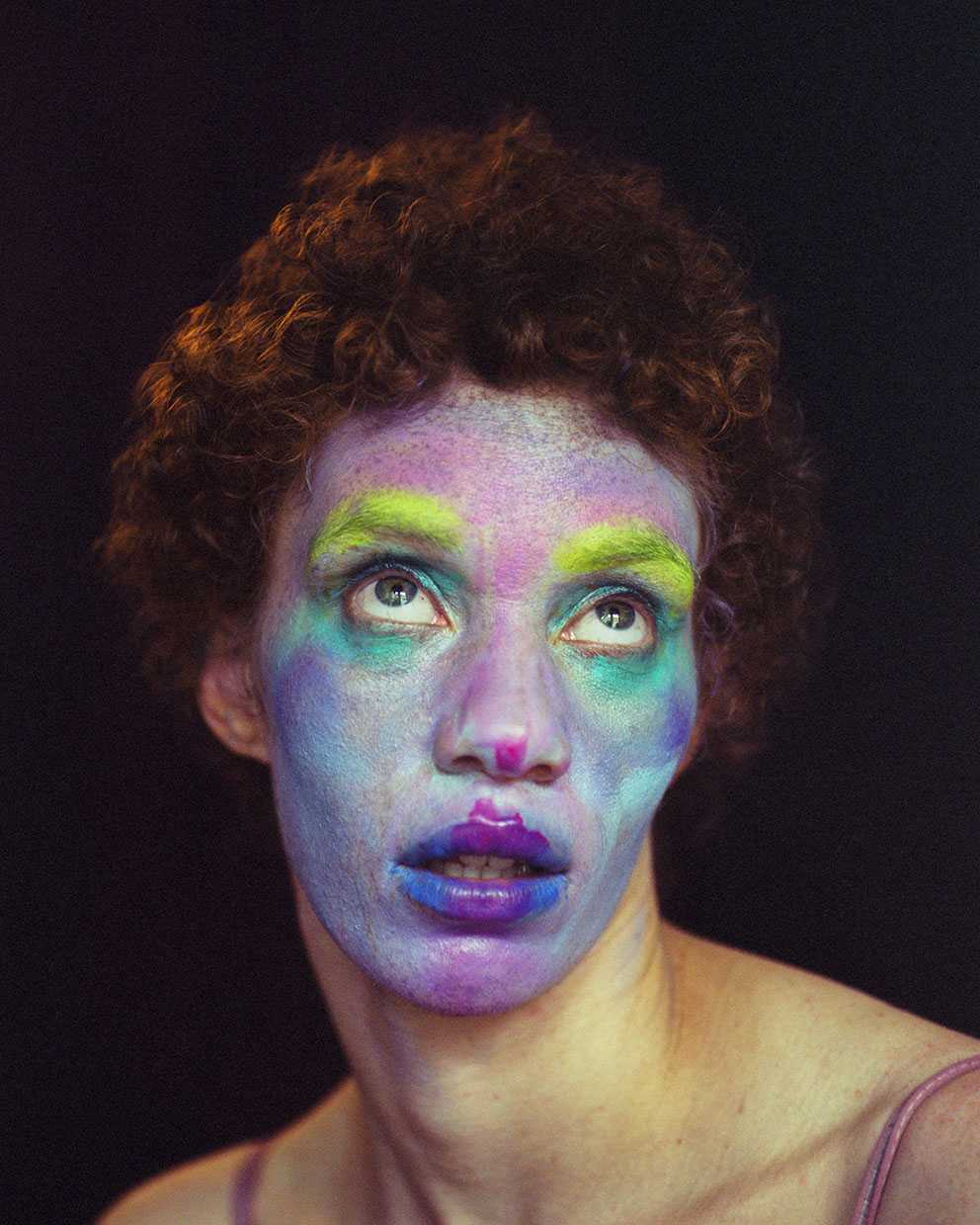
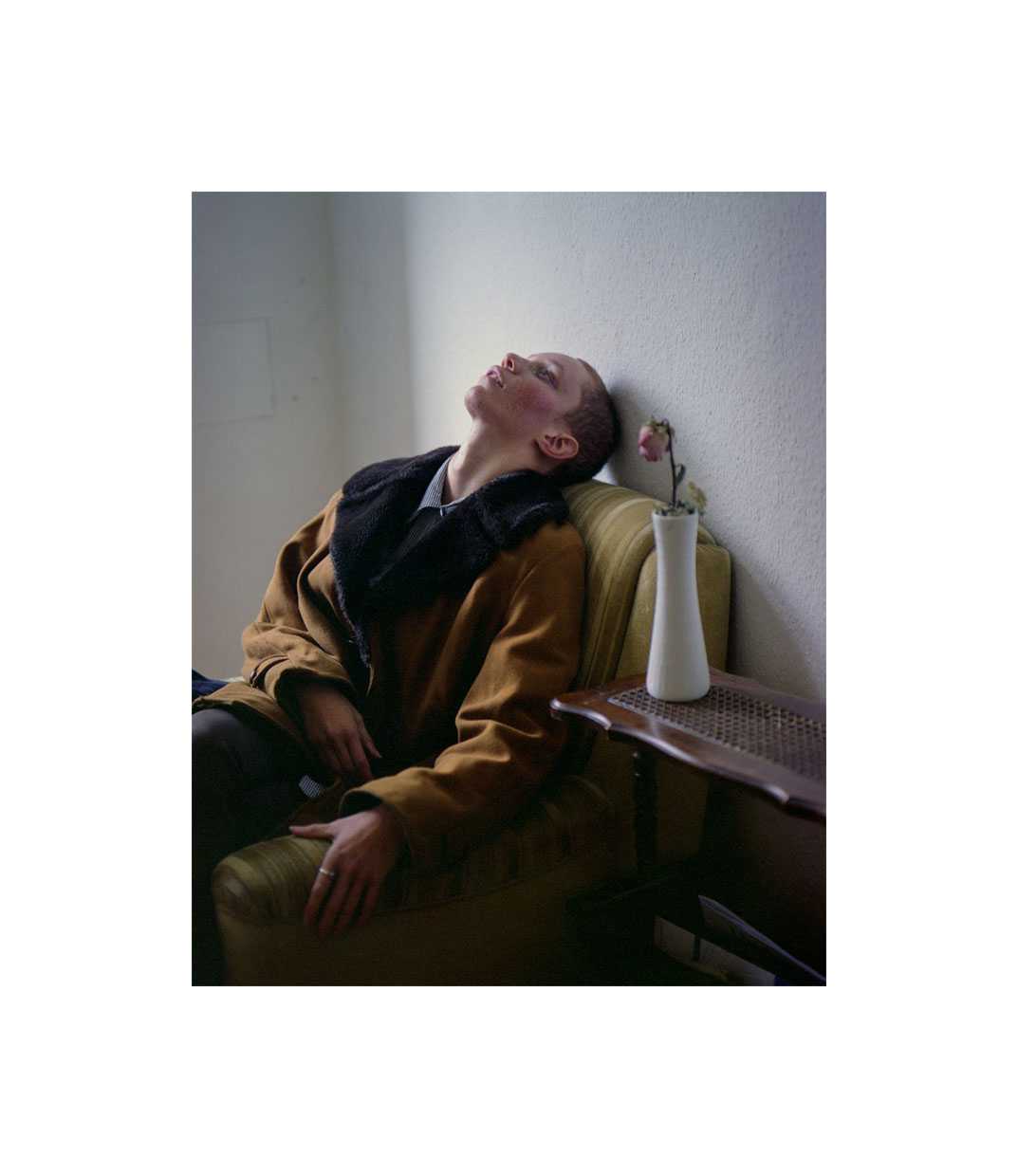
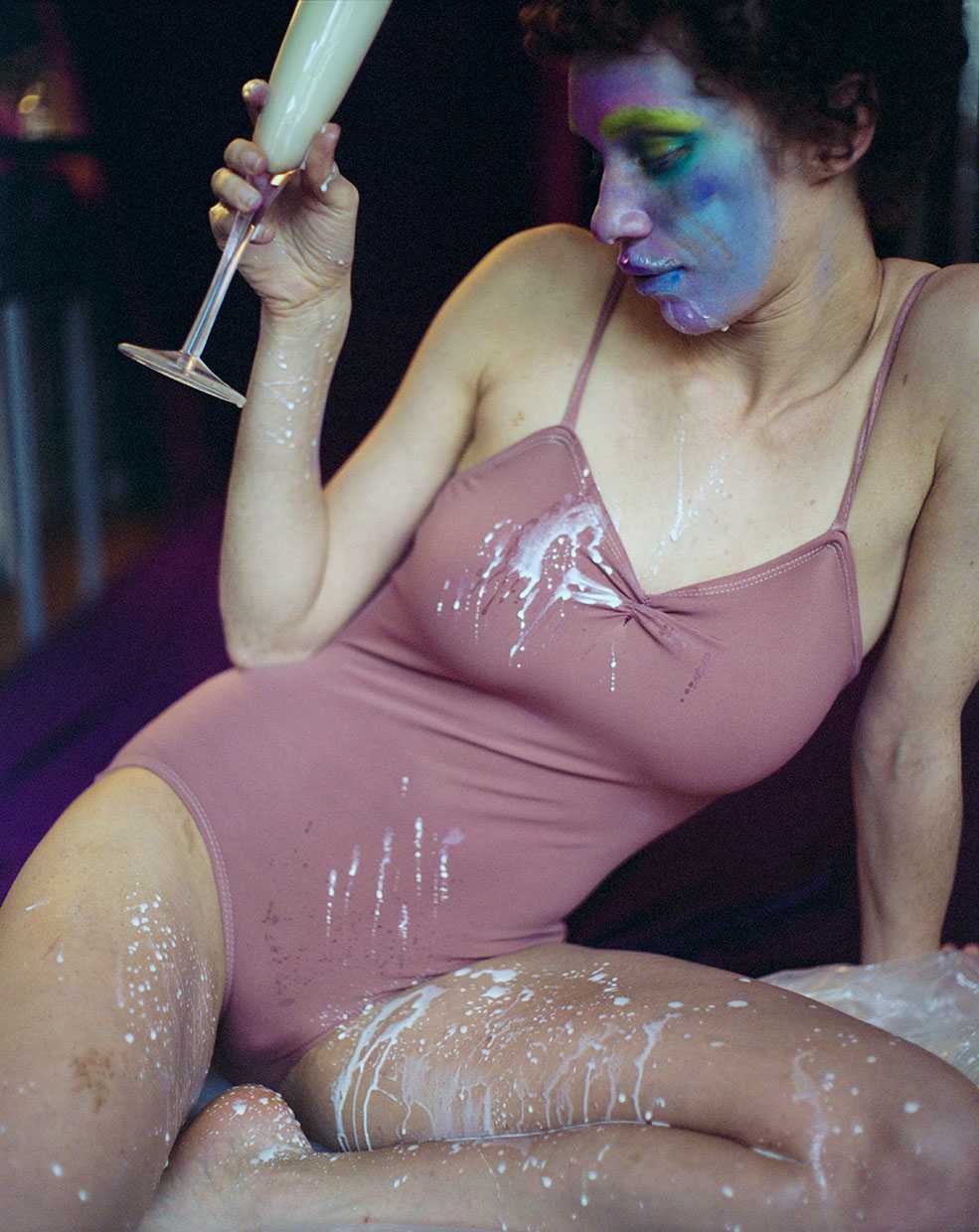
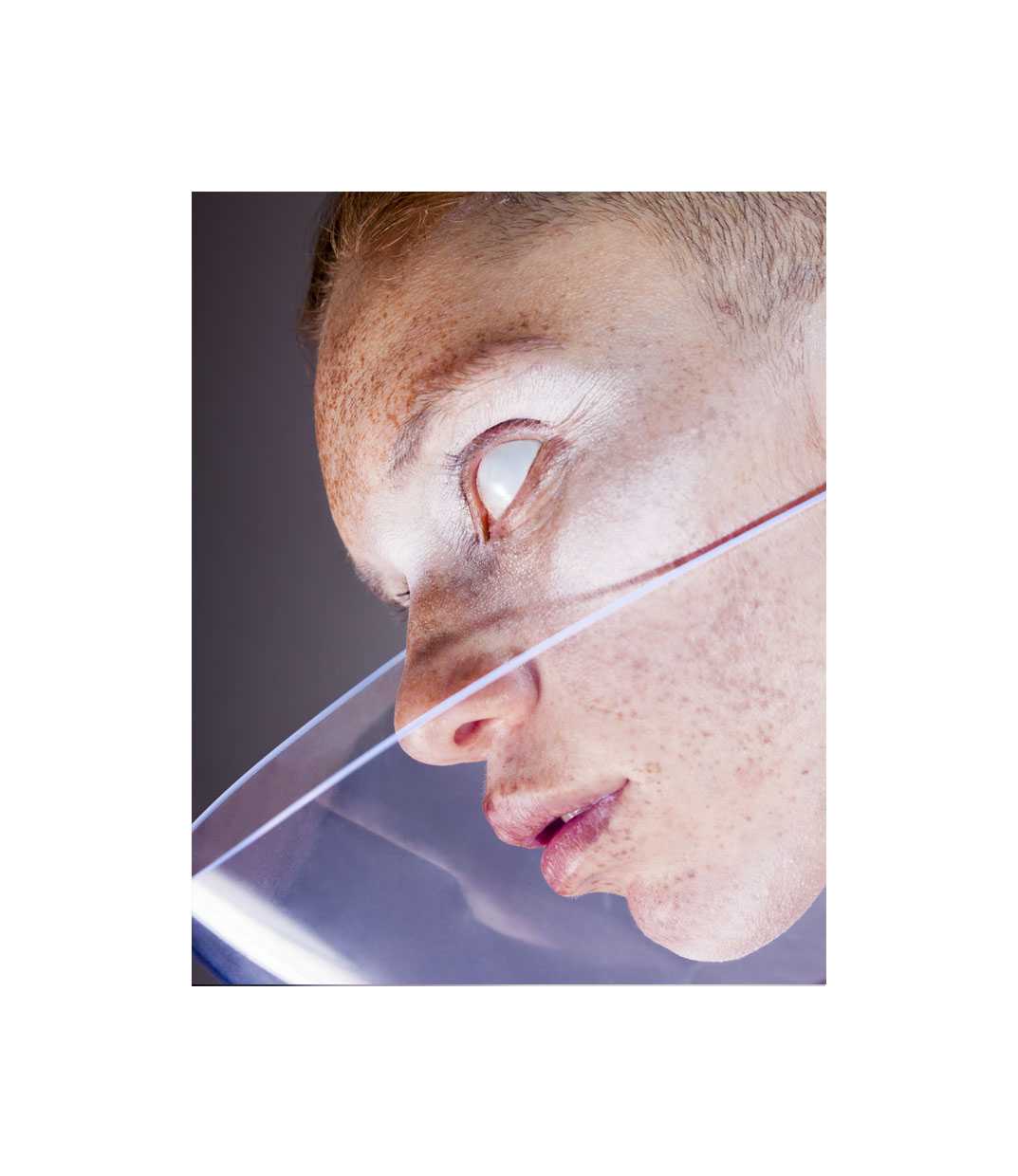
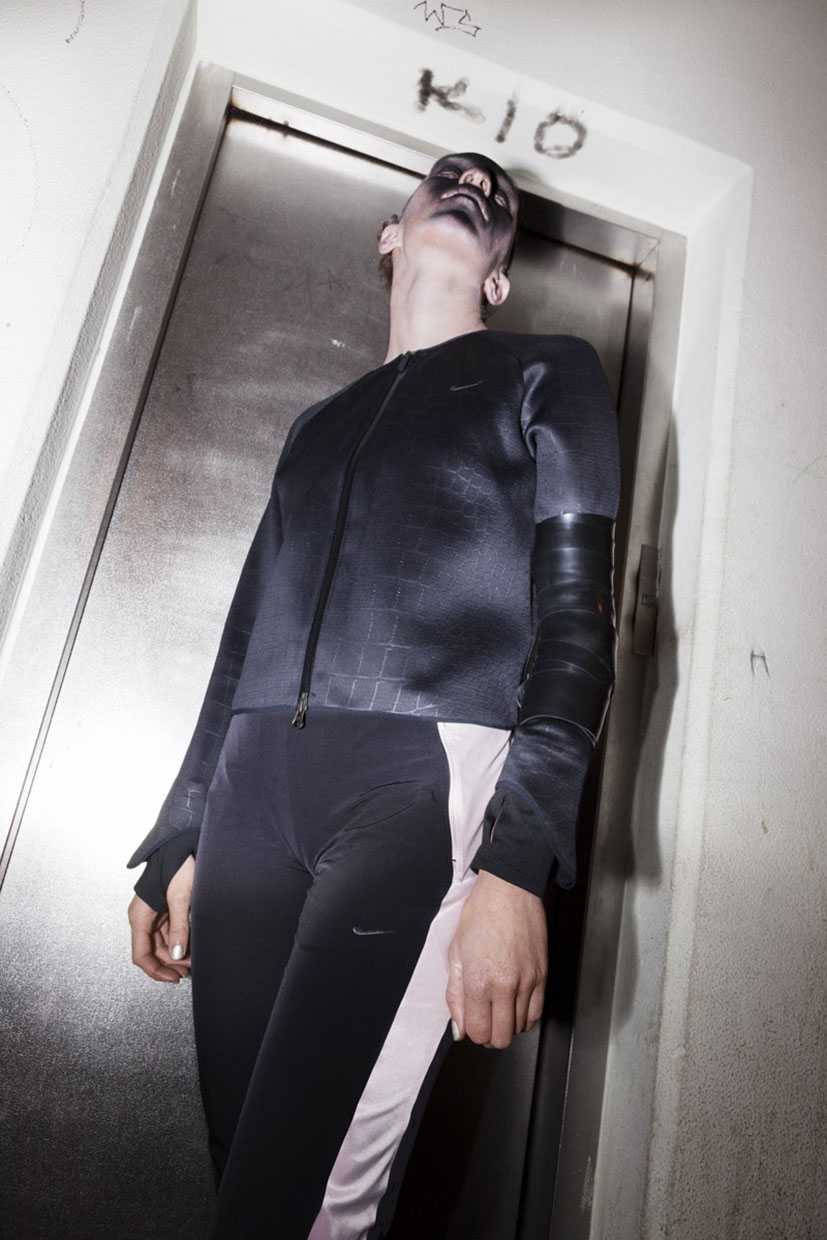
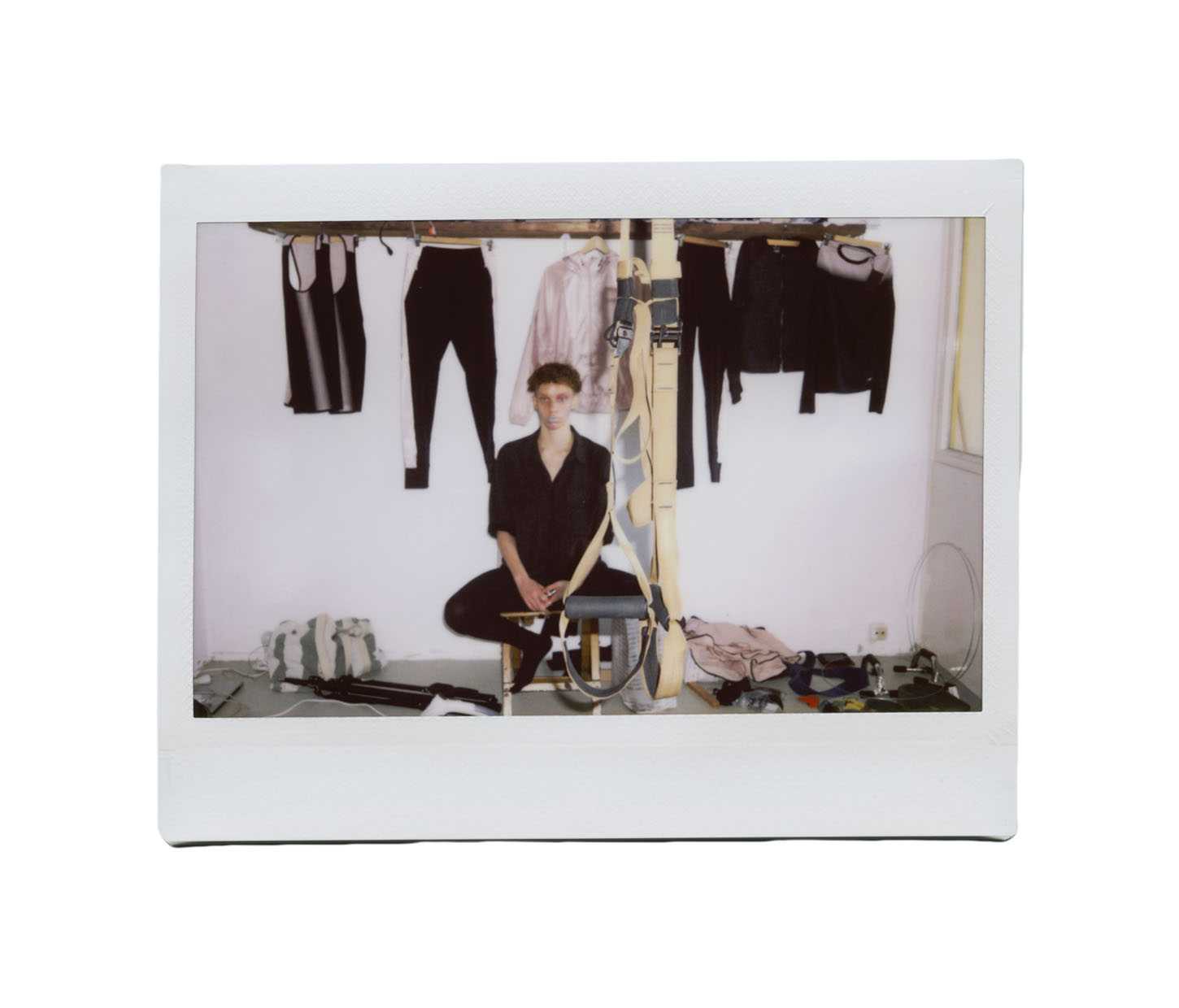
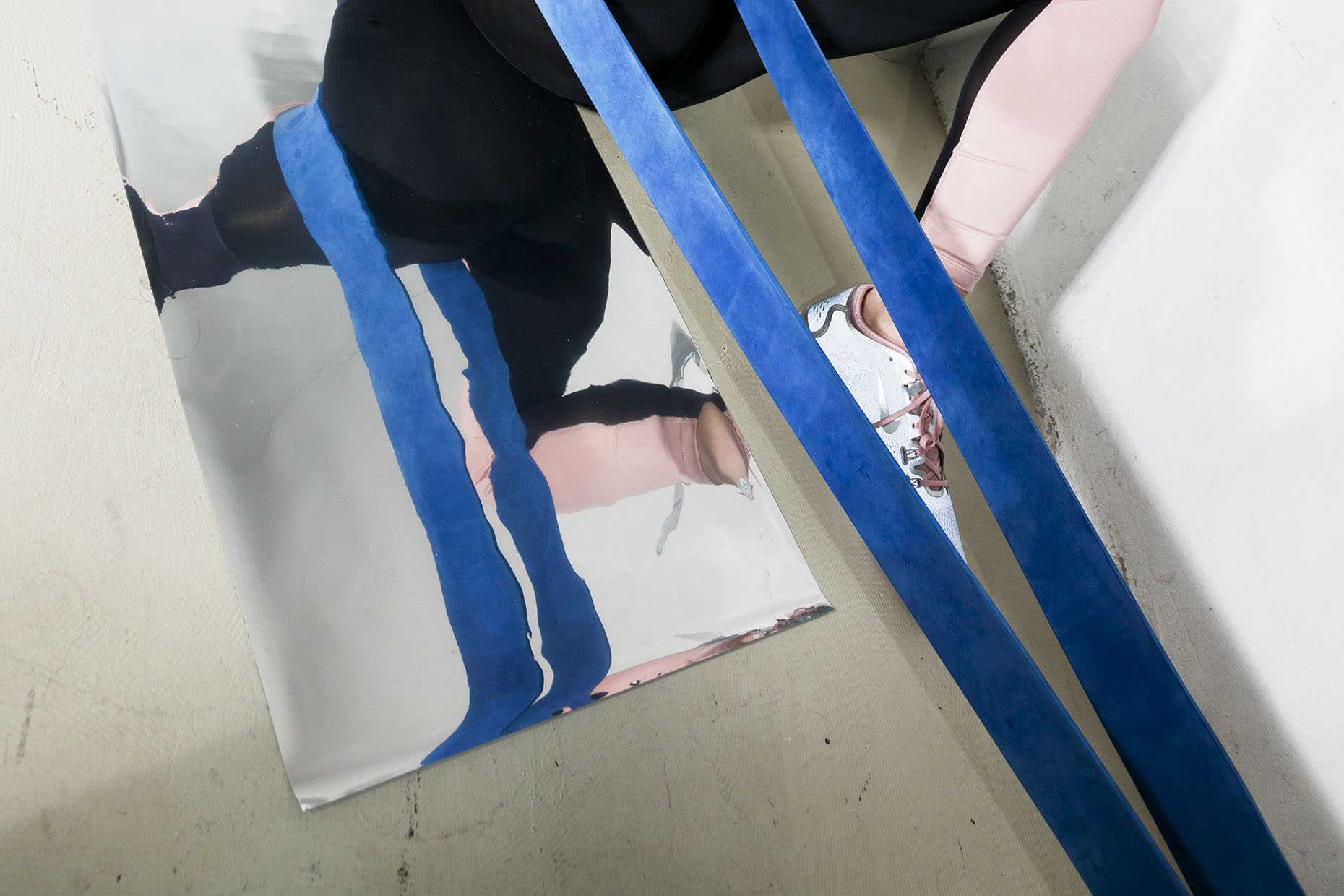
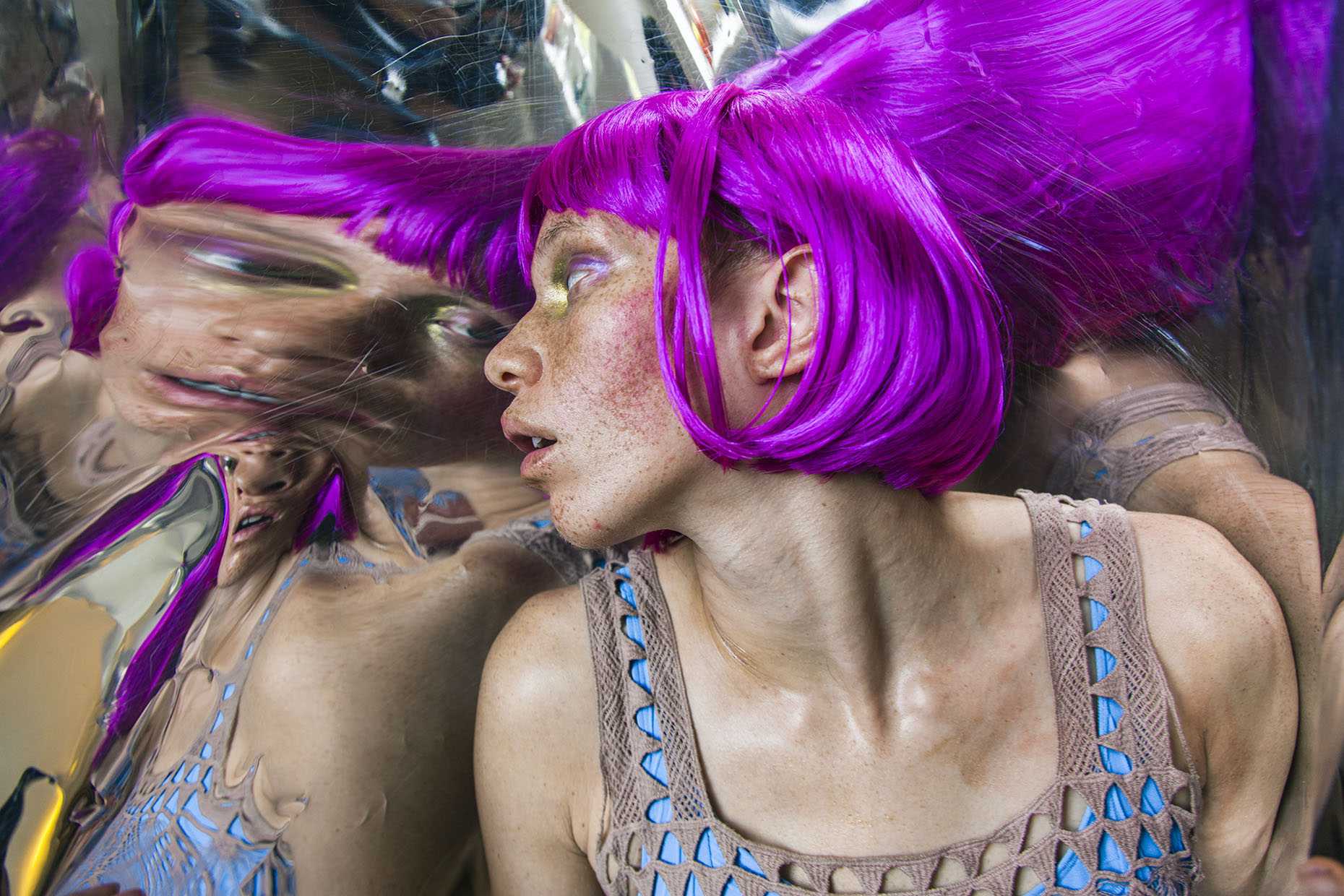
Tarren Johnson (b. 1990) is an American choreographer and artist based in Berlin.
She works with performance, video, sculpture, and writing.
Next Project
prima facie

prima facie
prima facie
Next Project
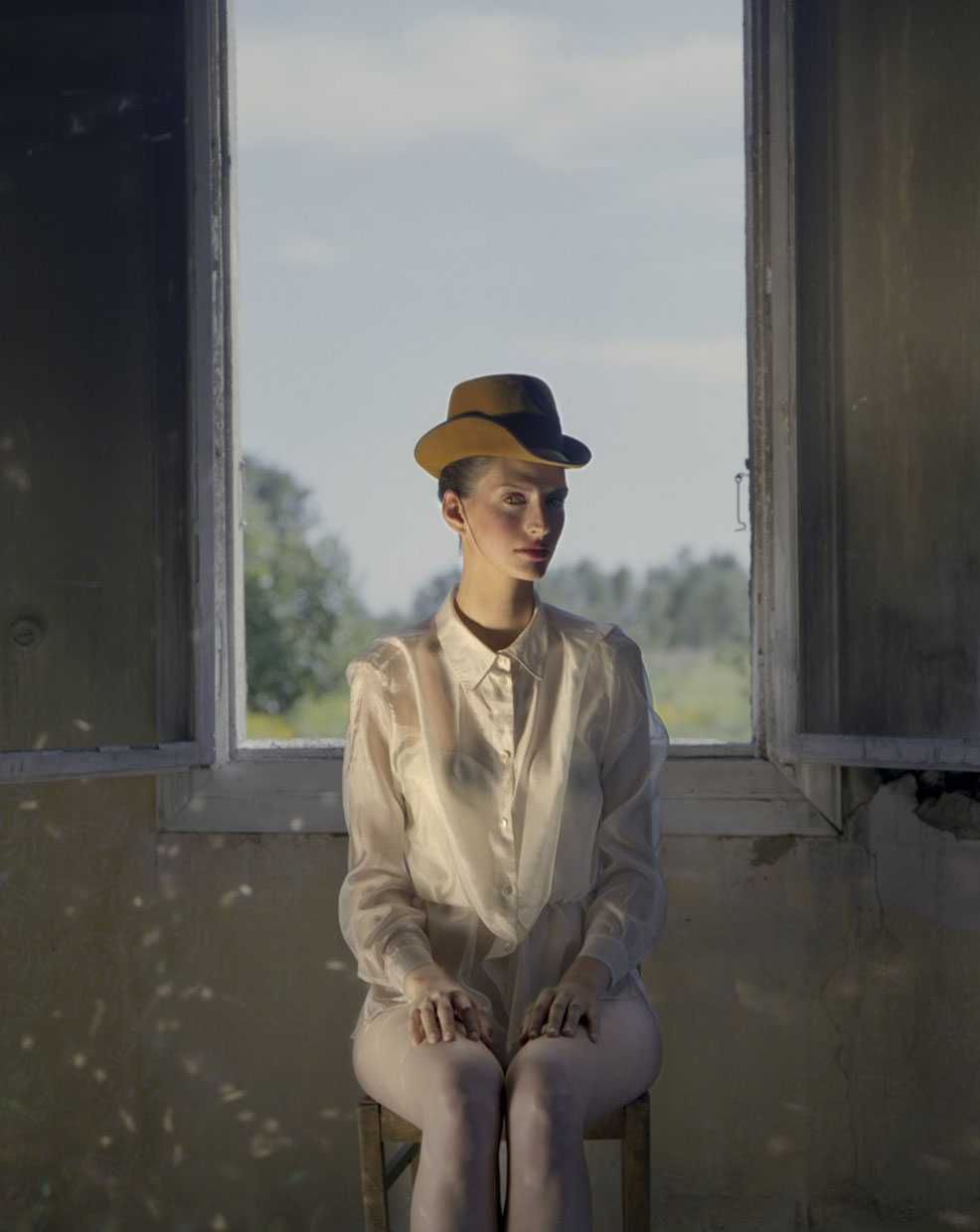
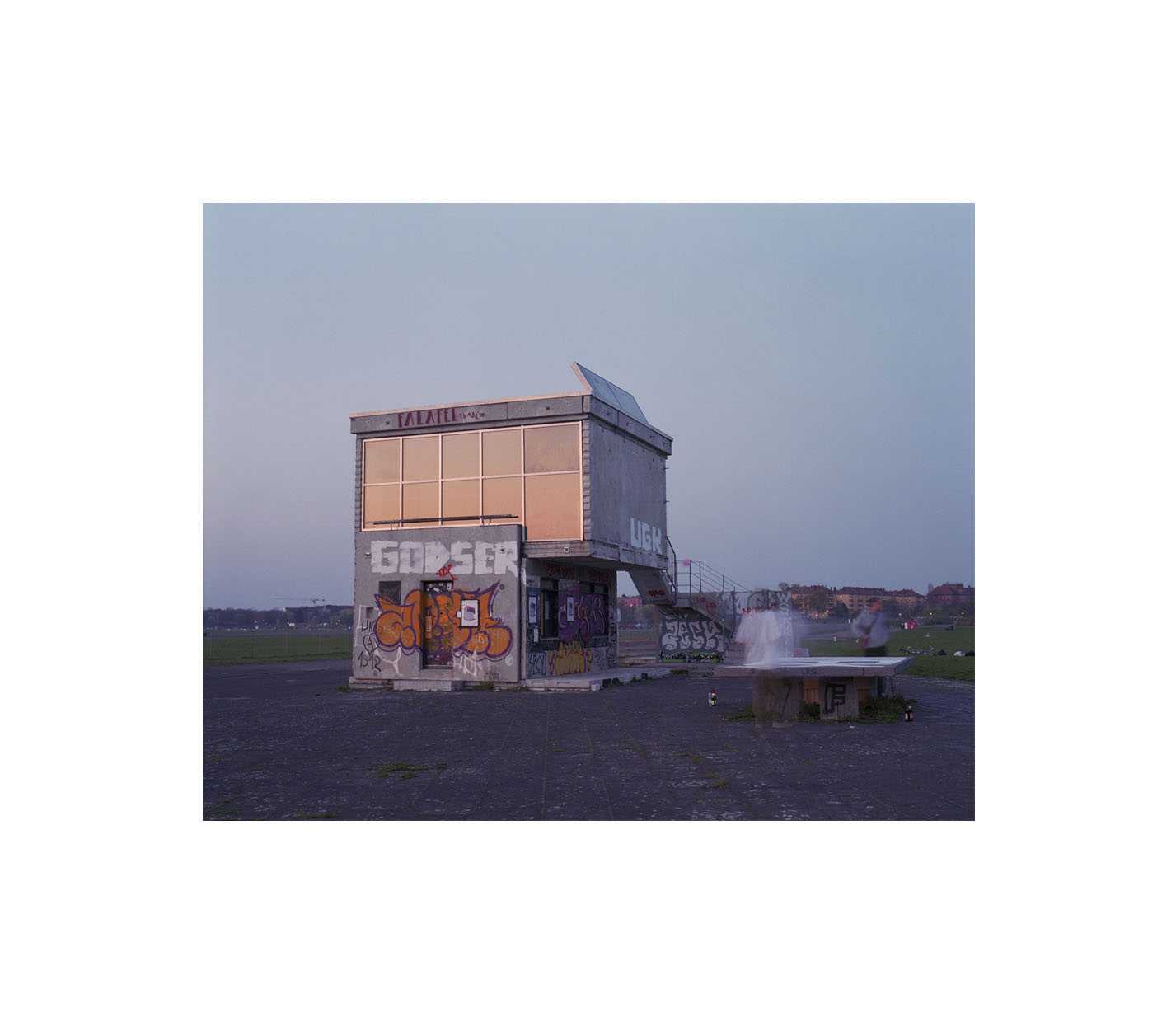
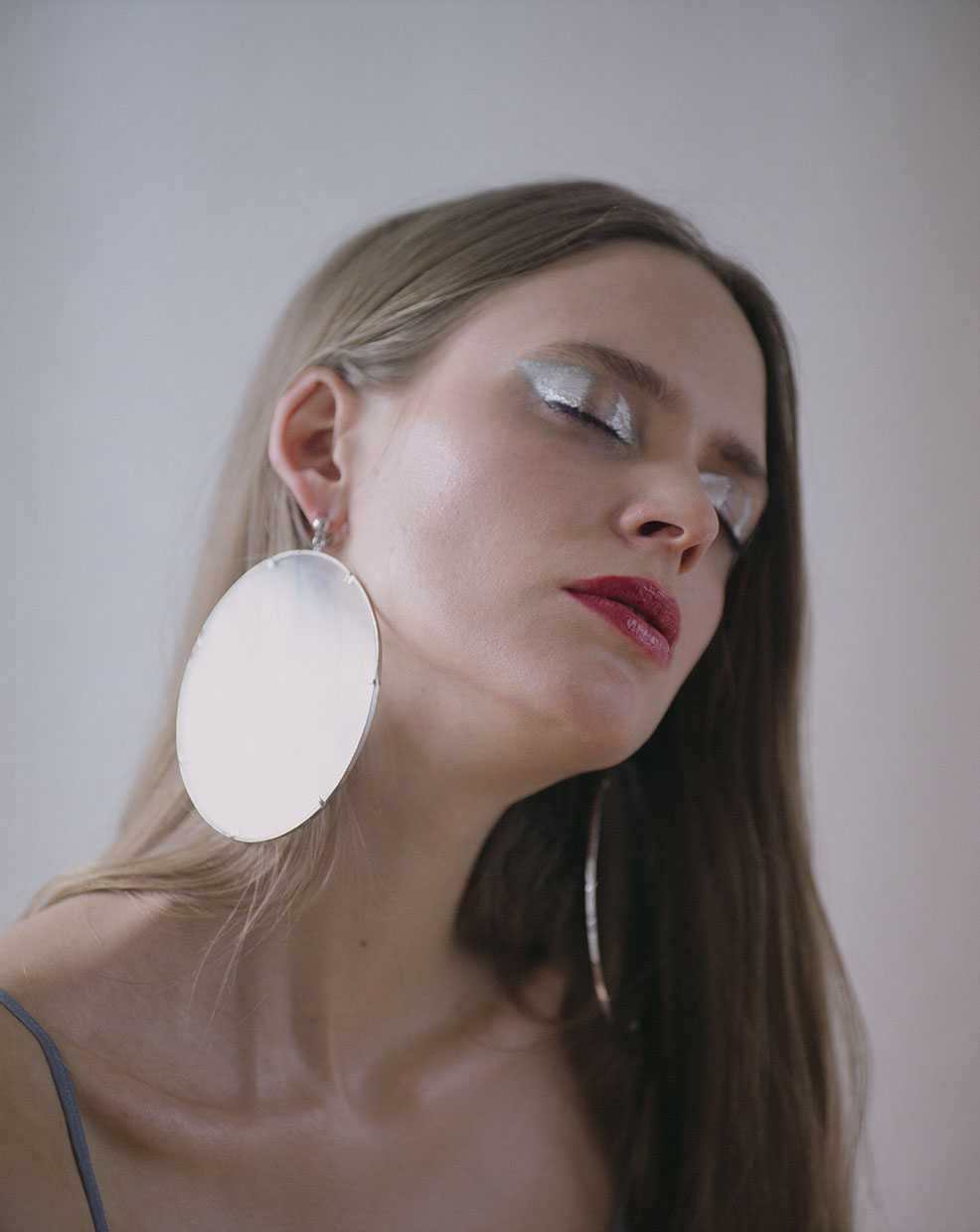
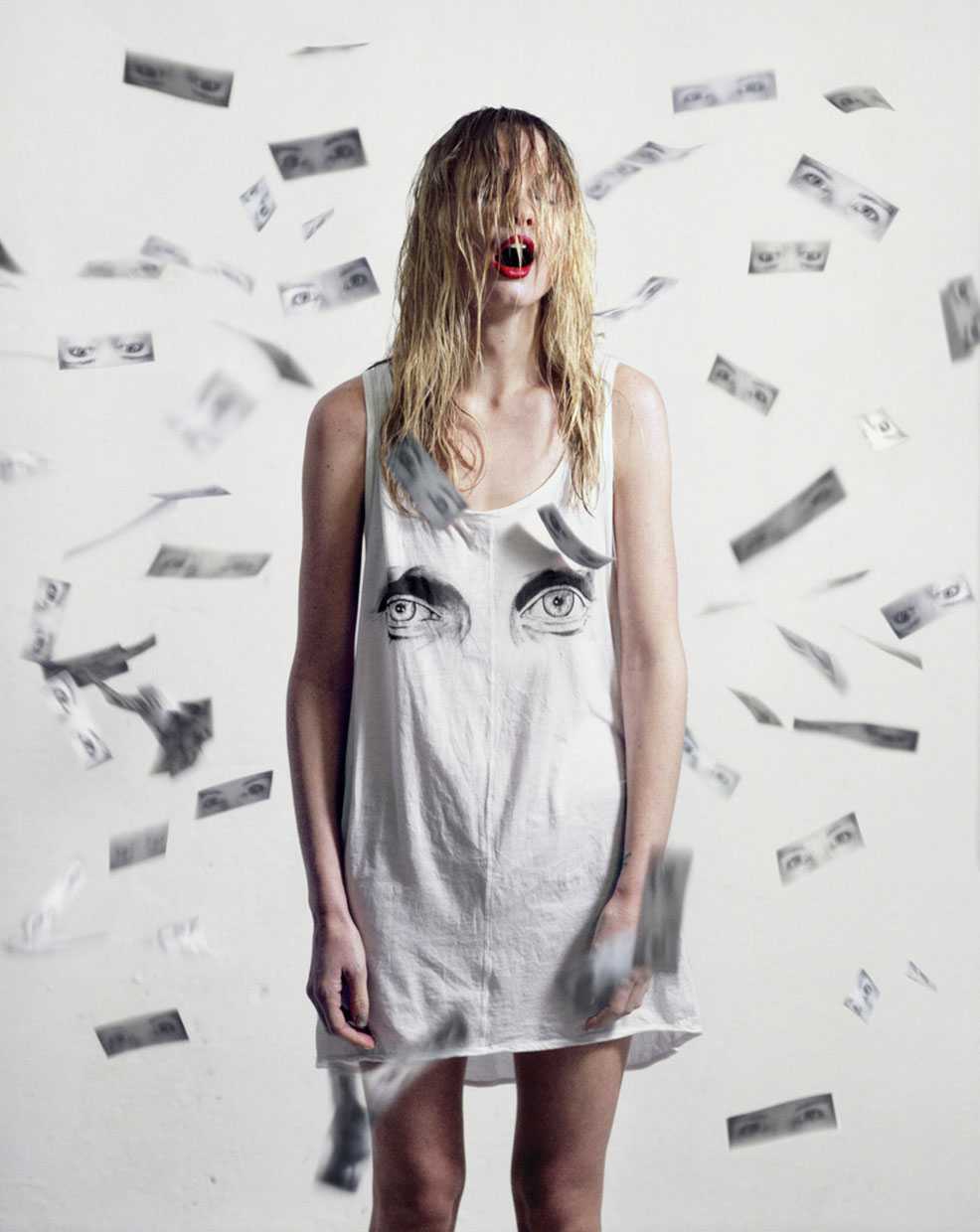
FASHION PORTFOLIO
FASHION PORTFOLIO
FASHION PORTFOLIO
2010-2016
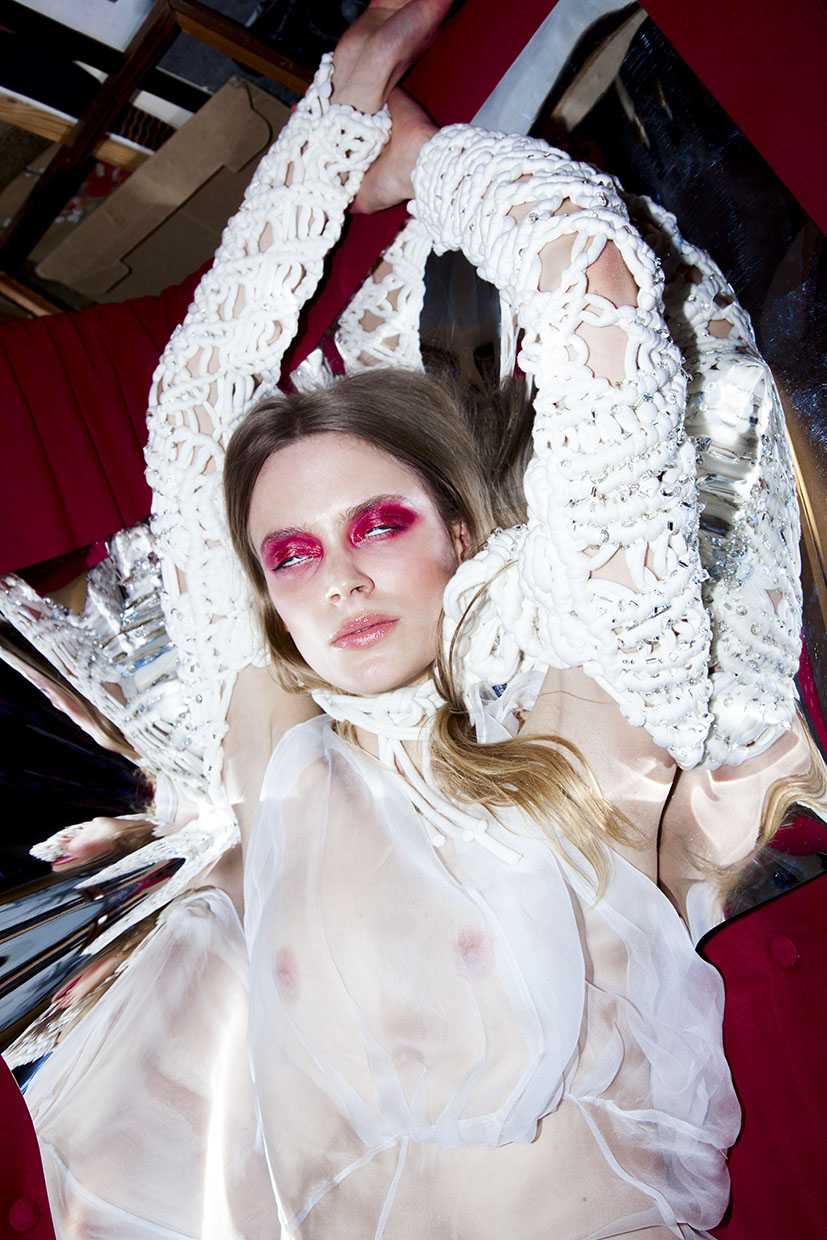
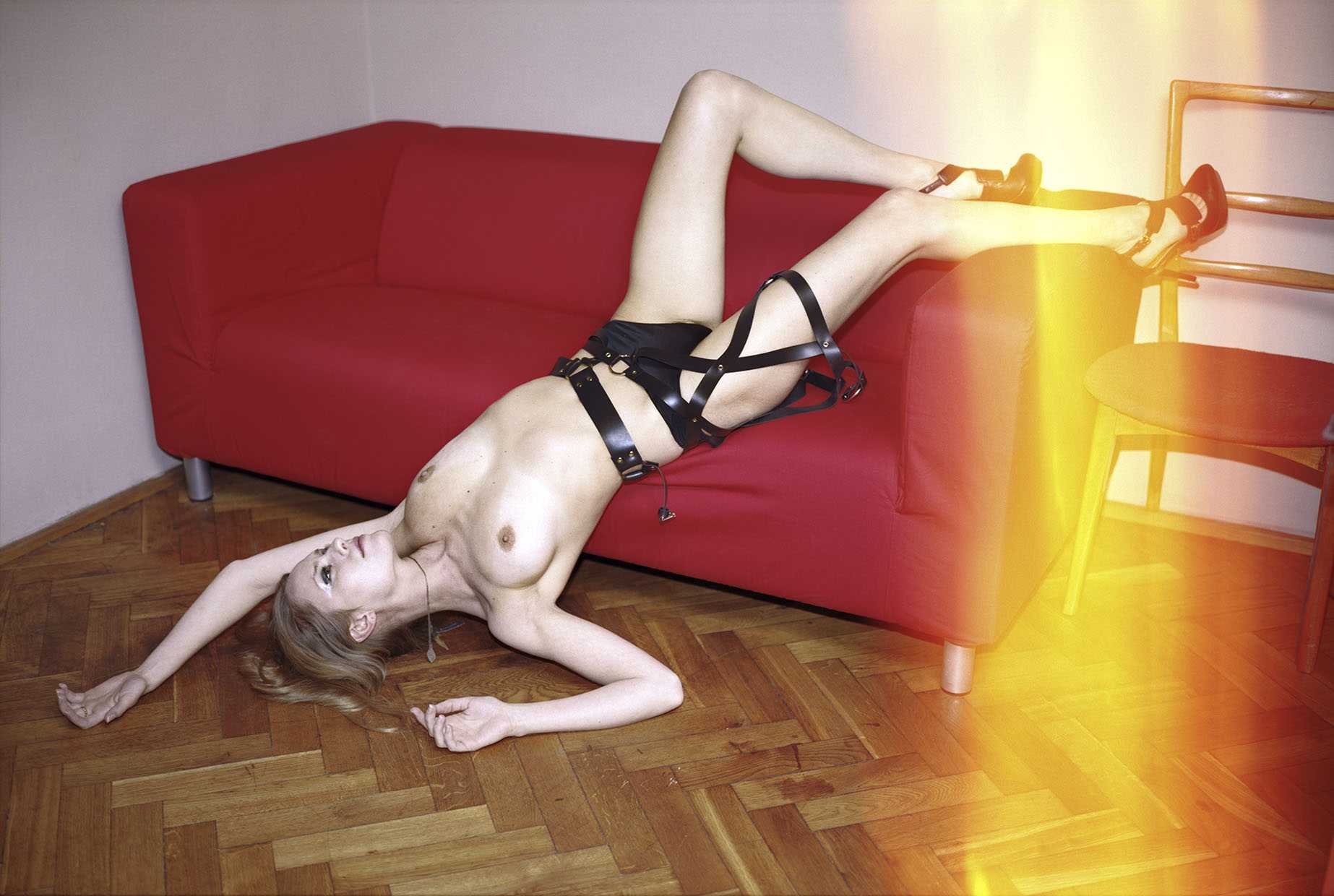
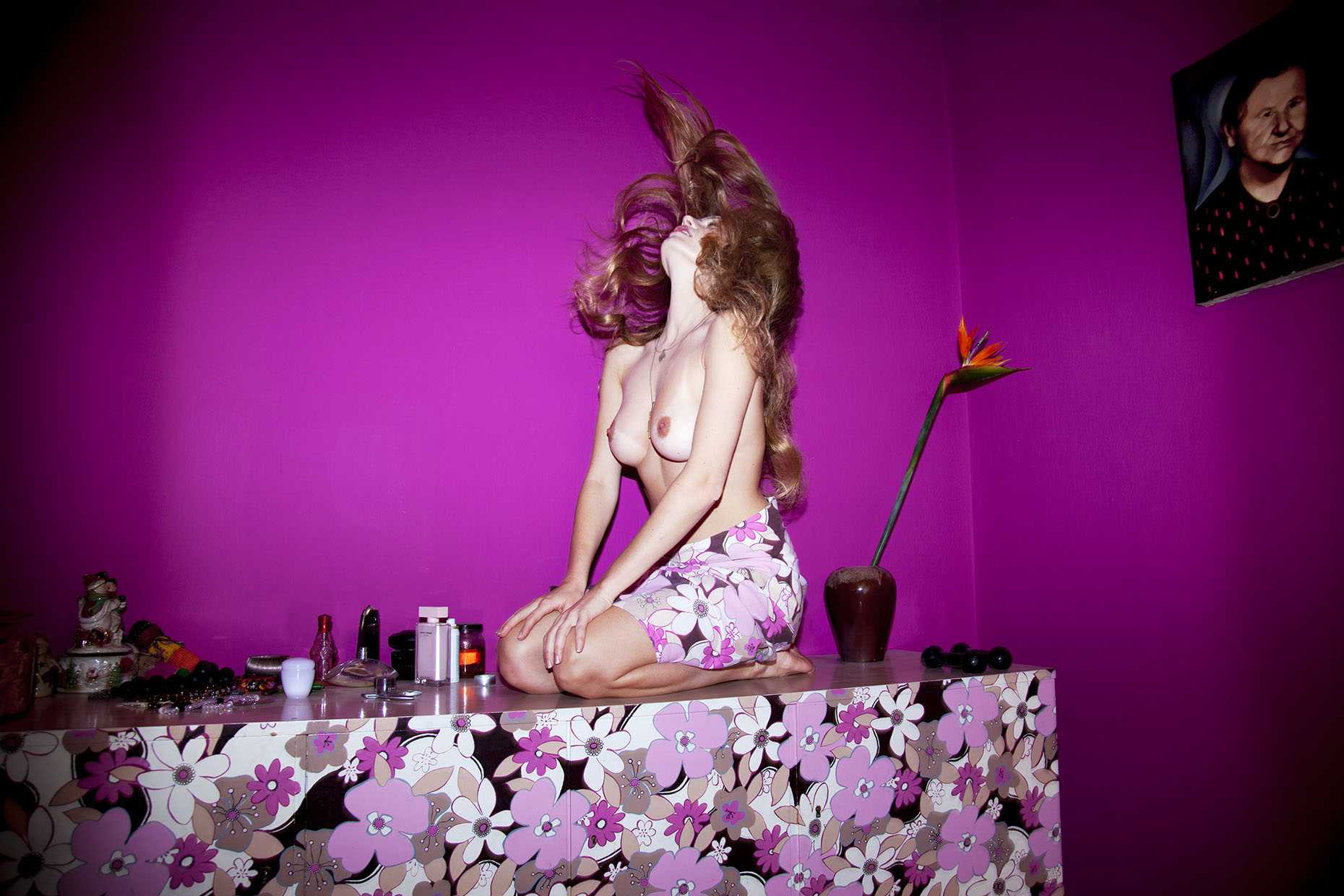
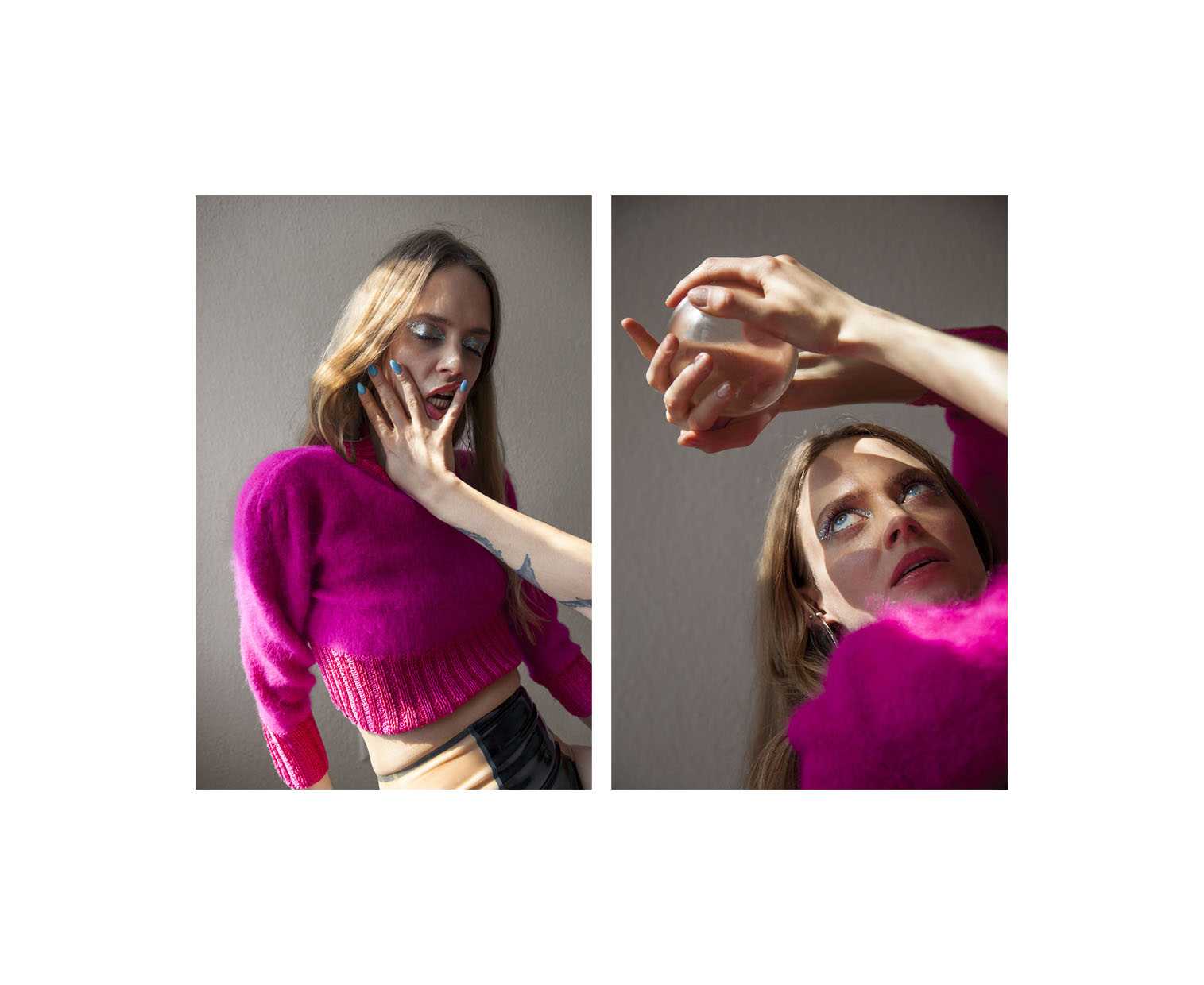
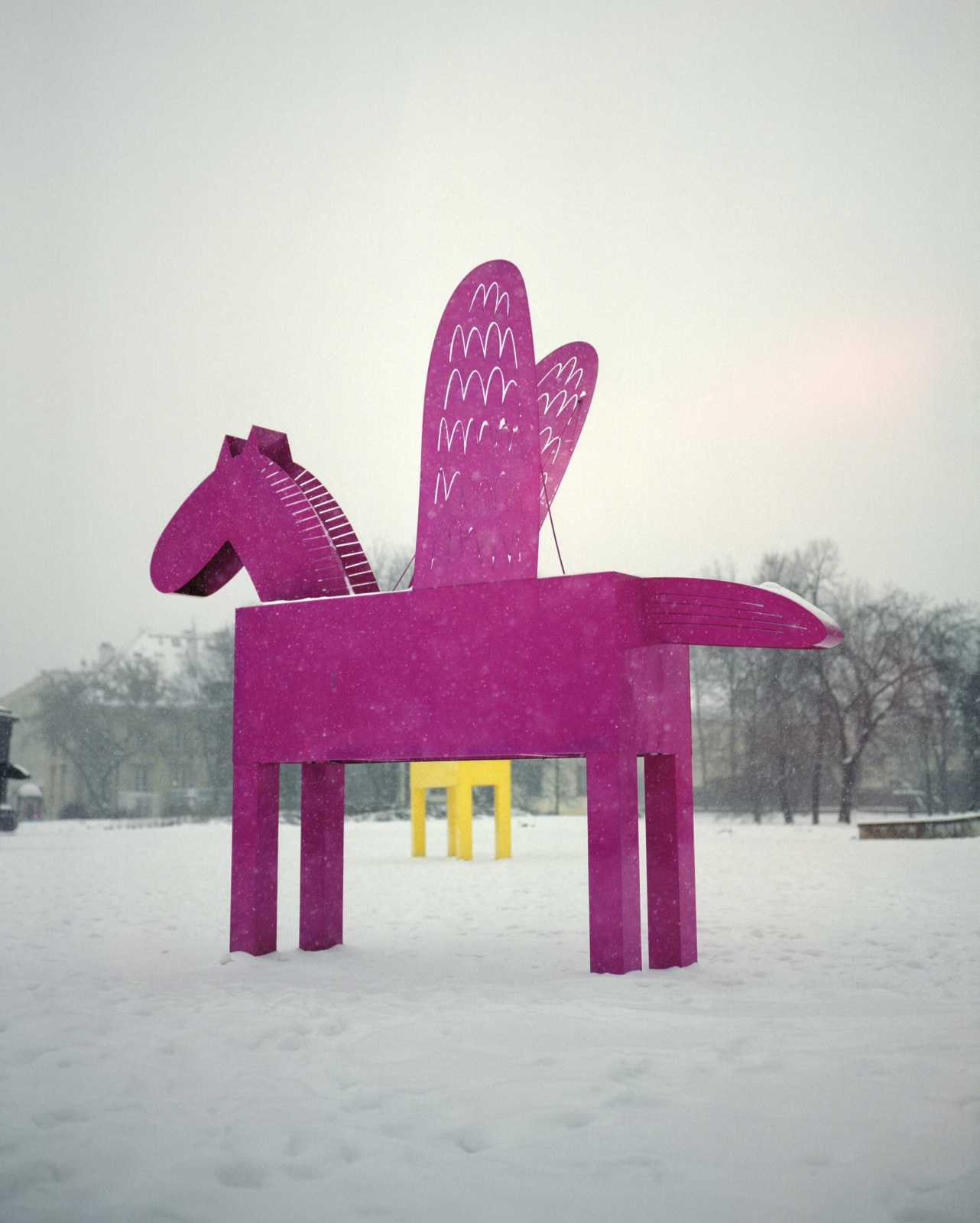
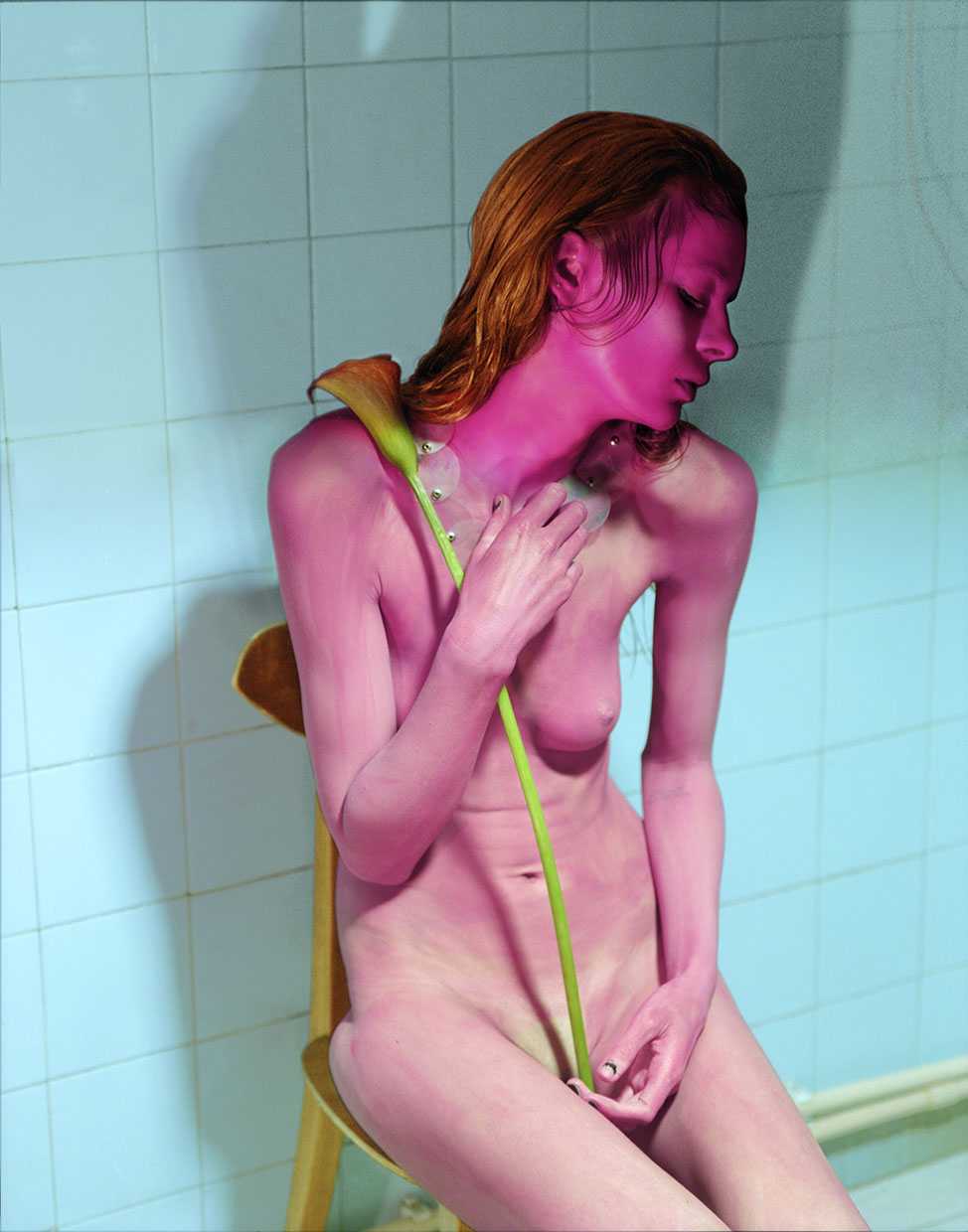
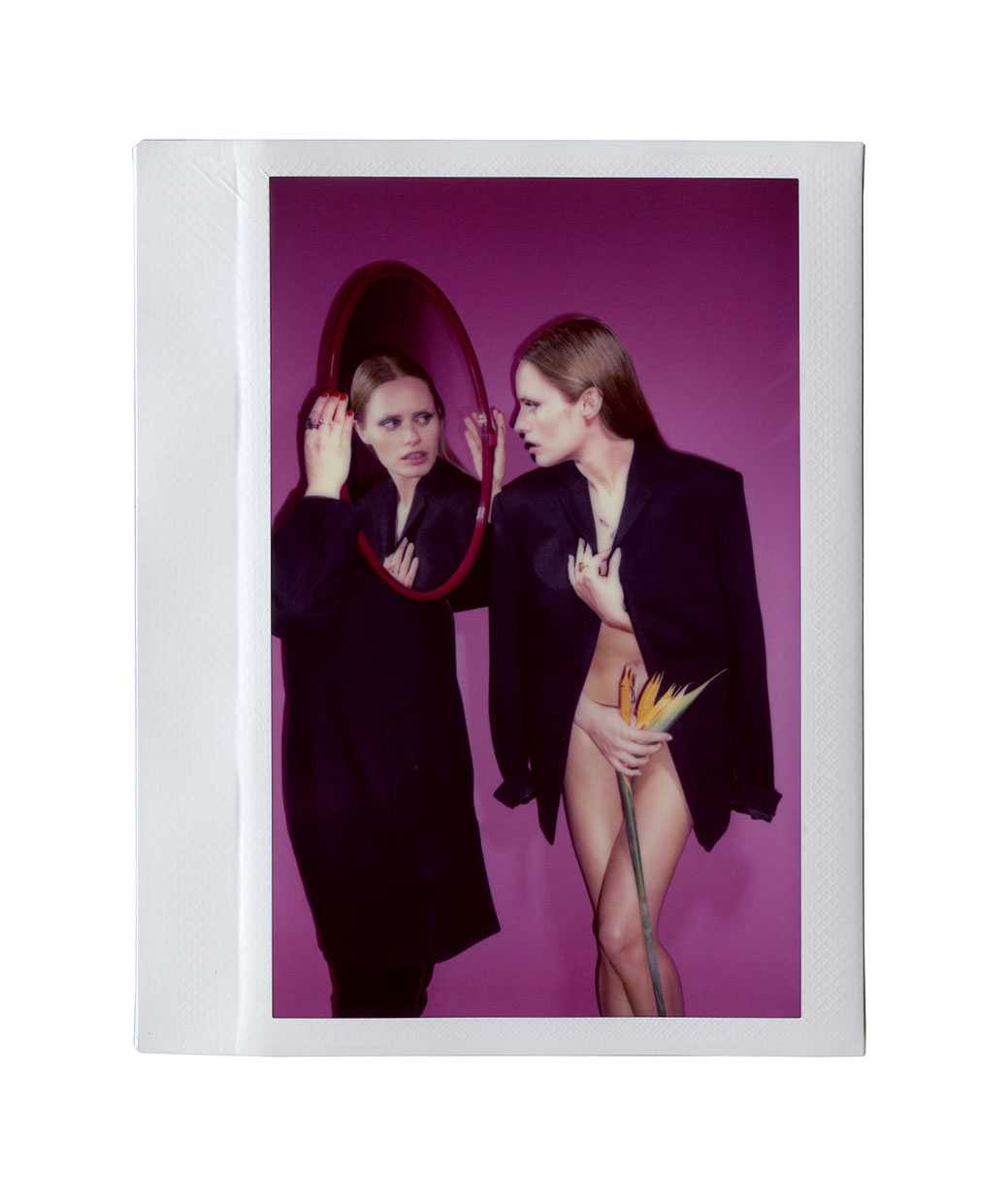
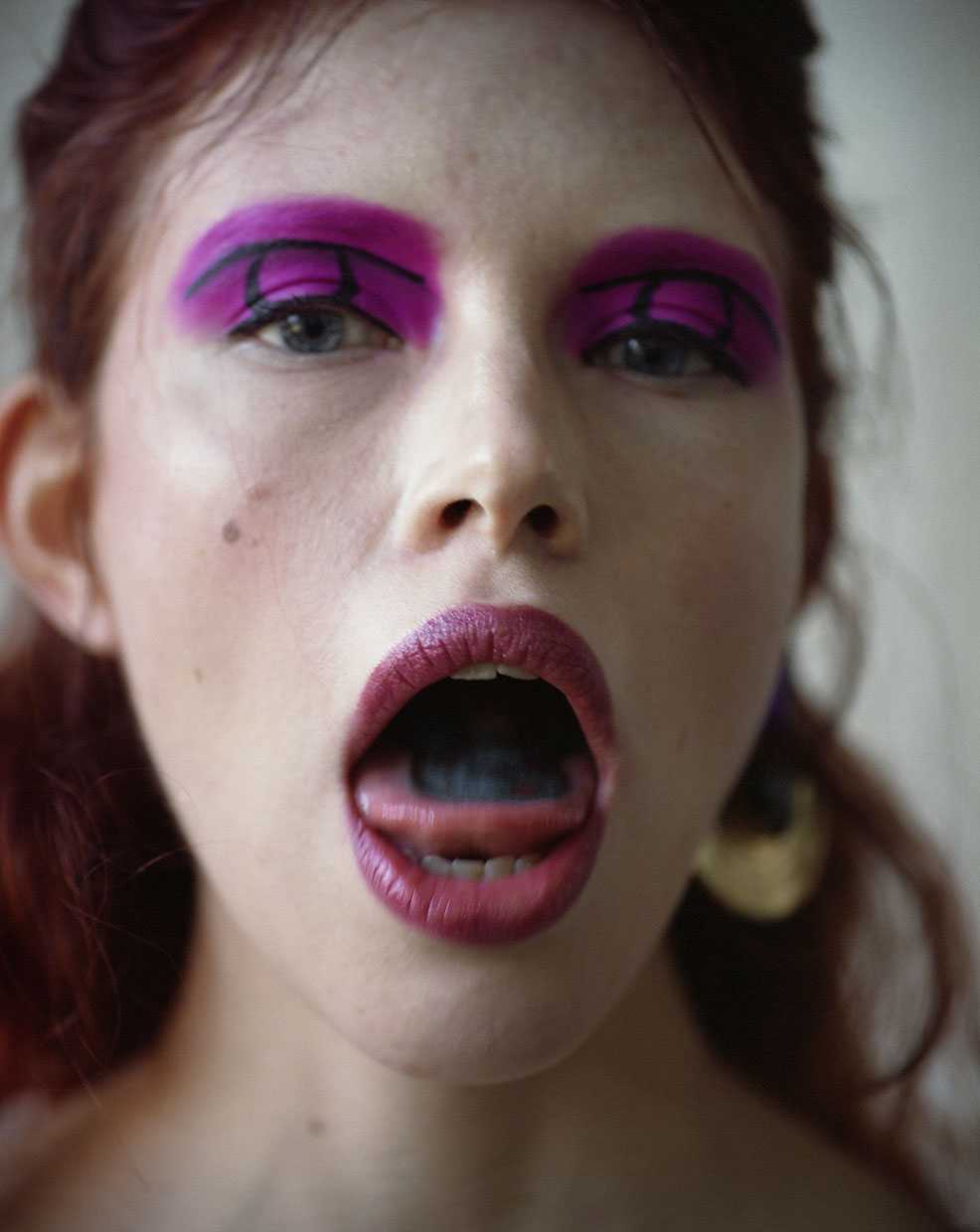
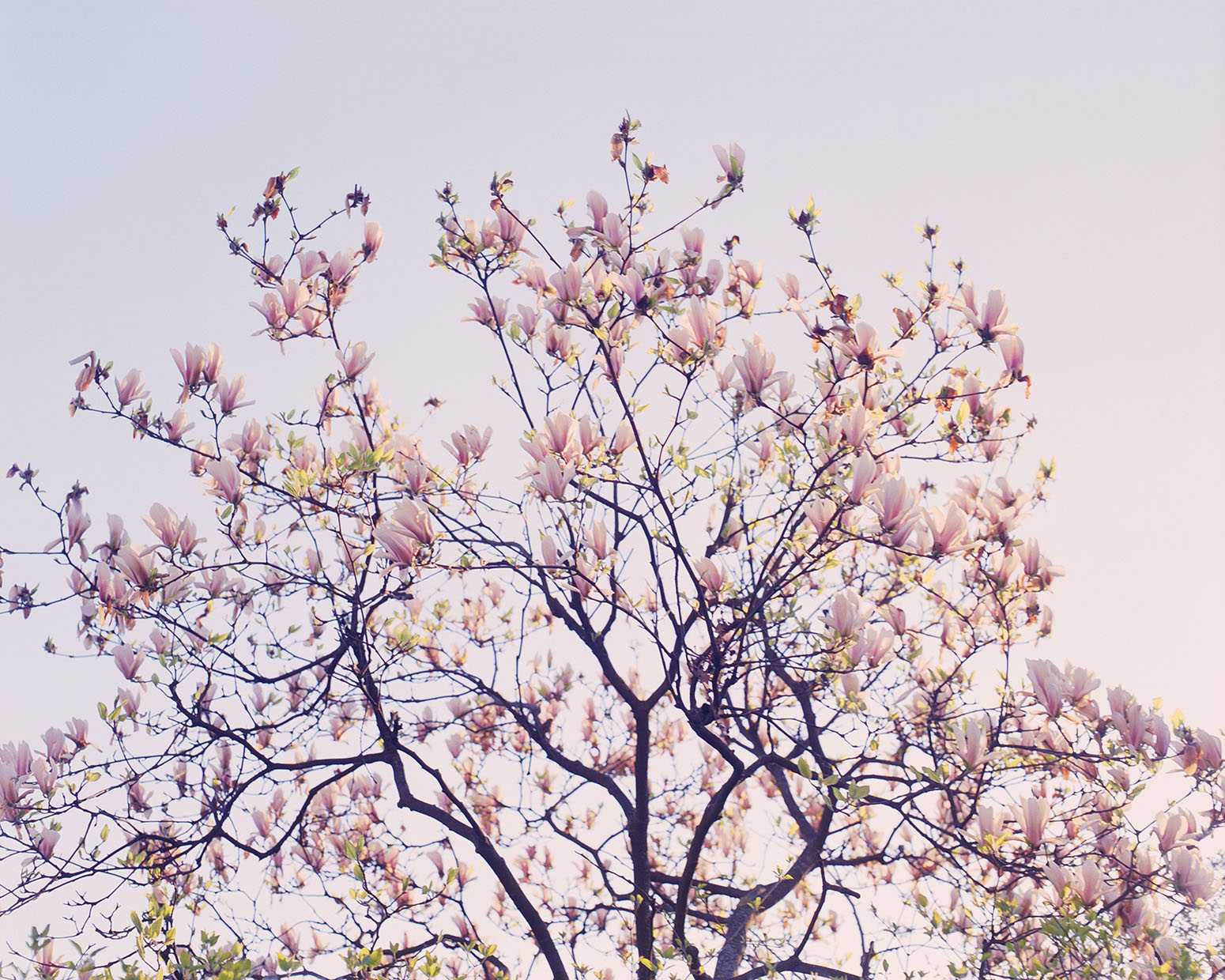
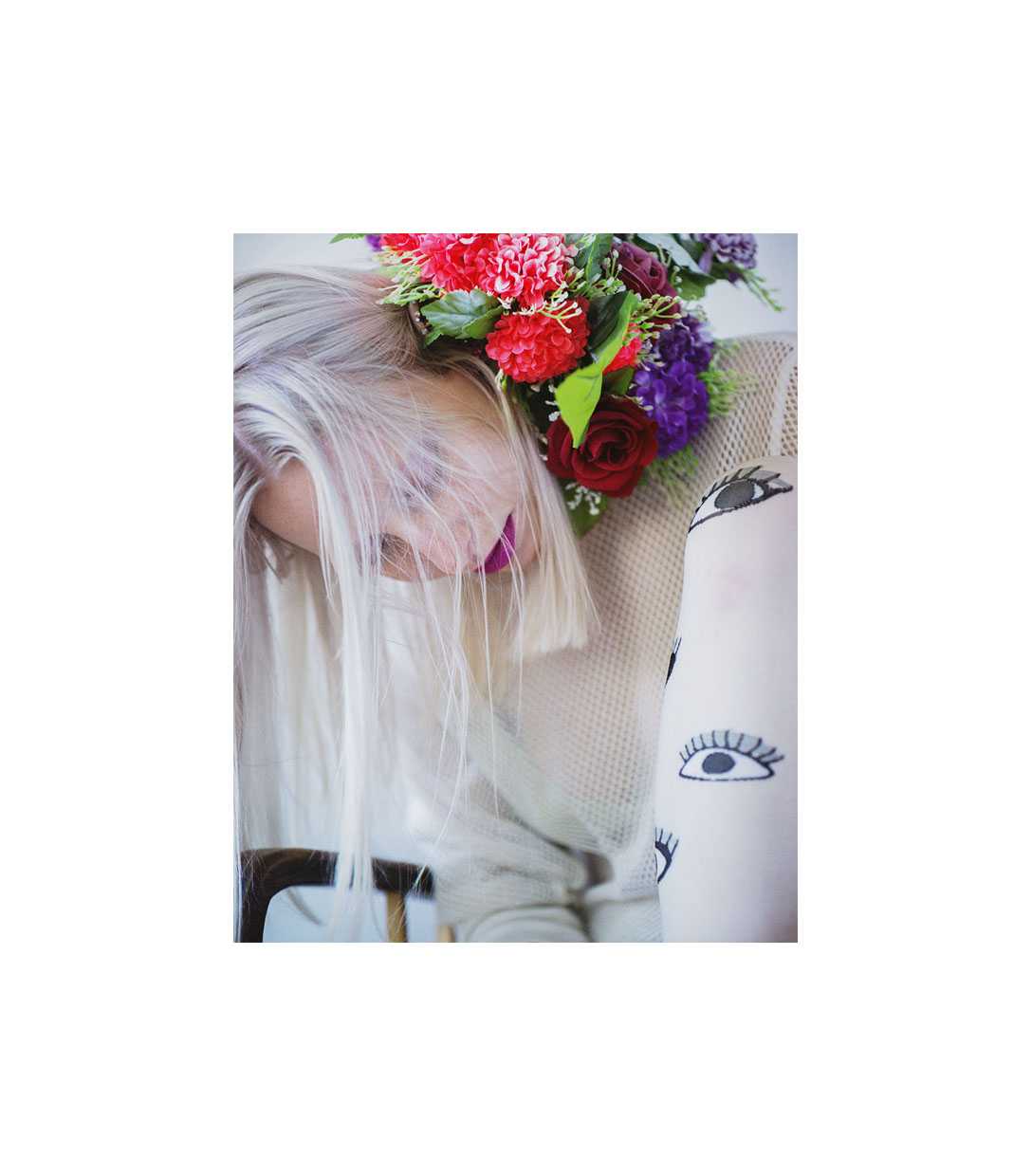
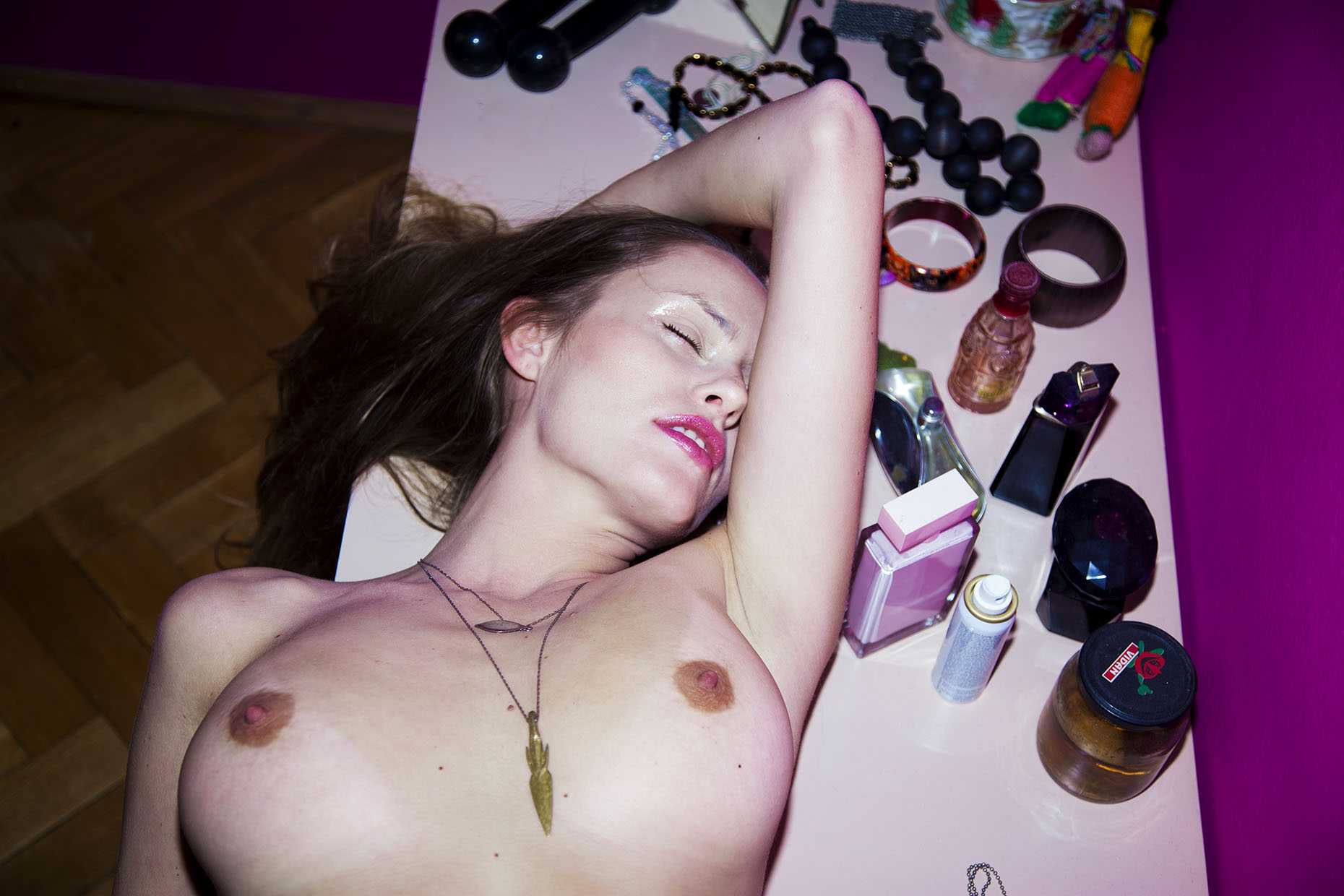
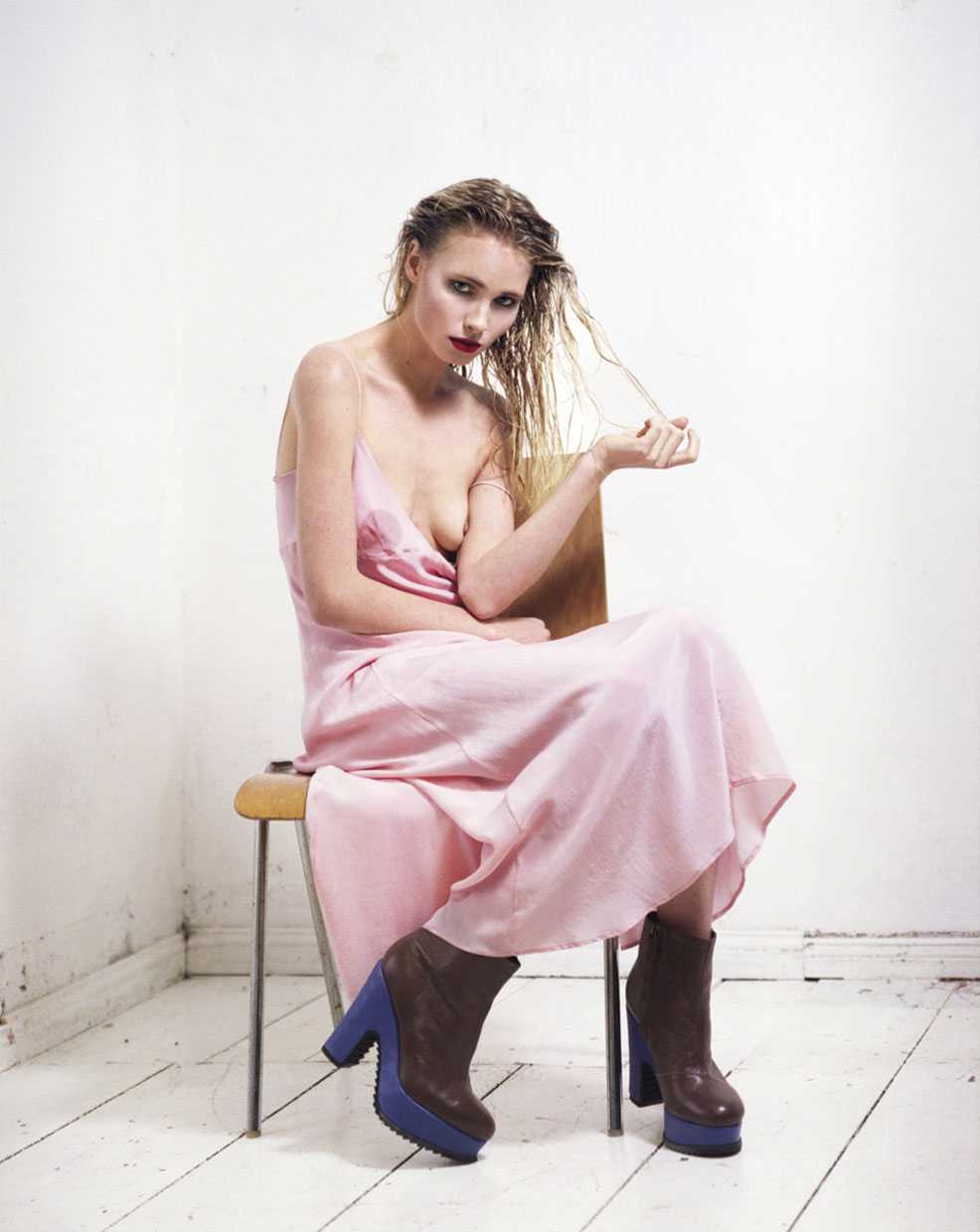
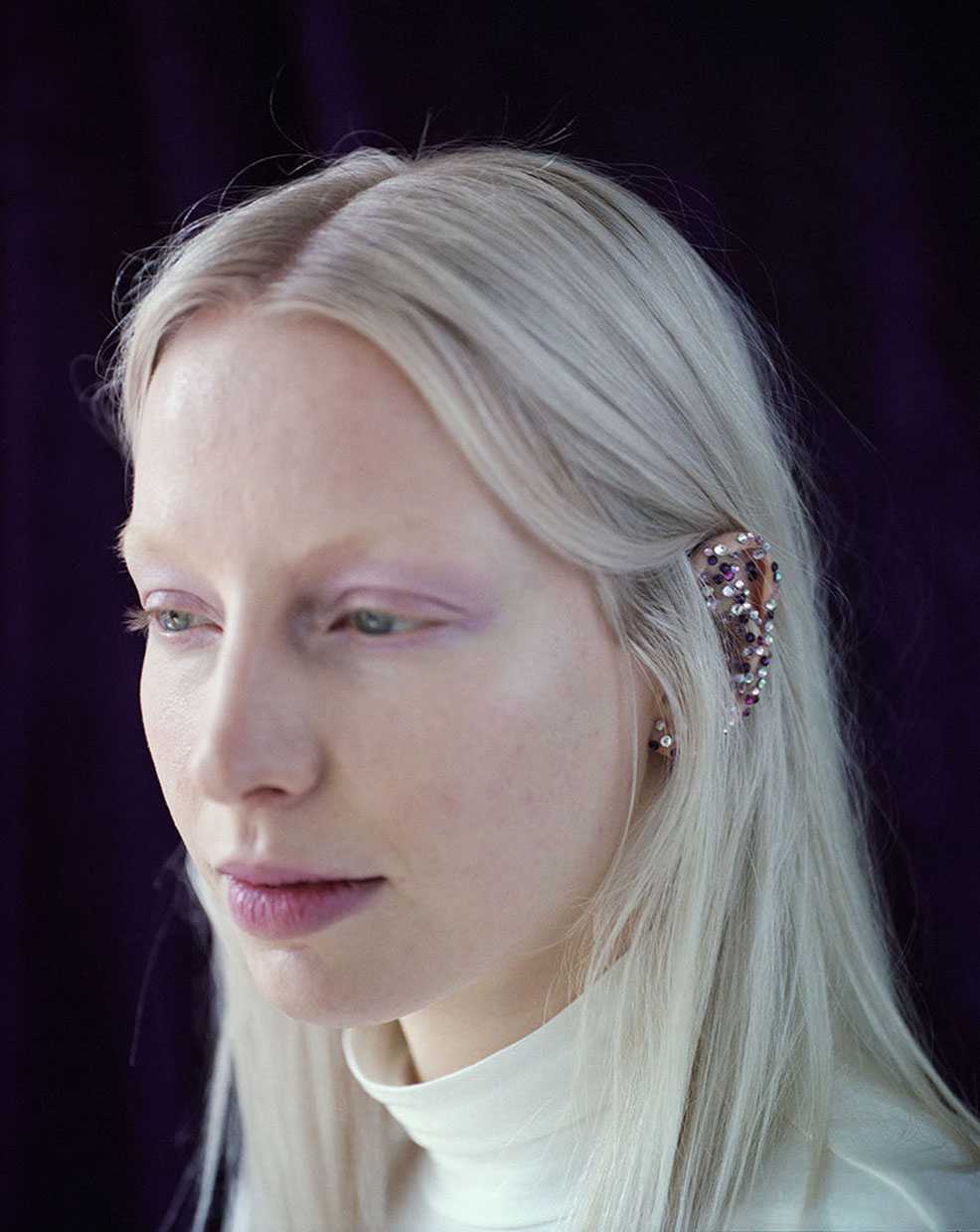
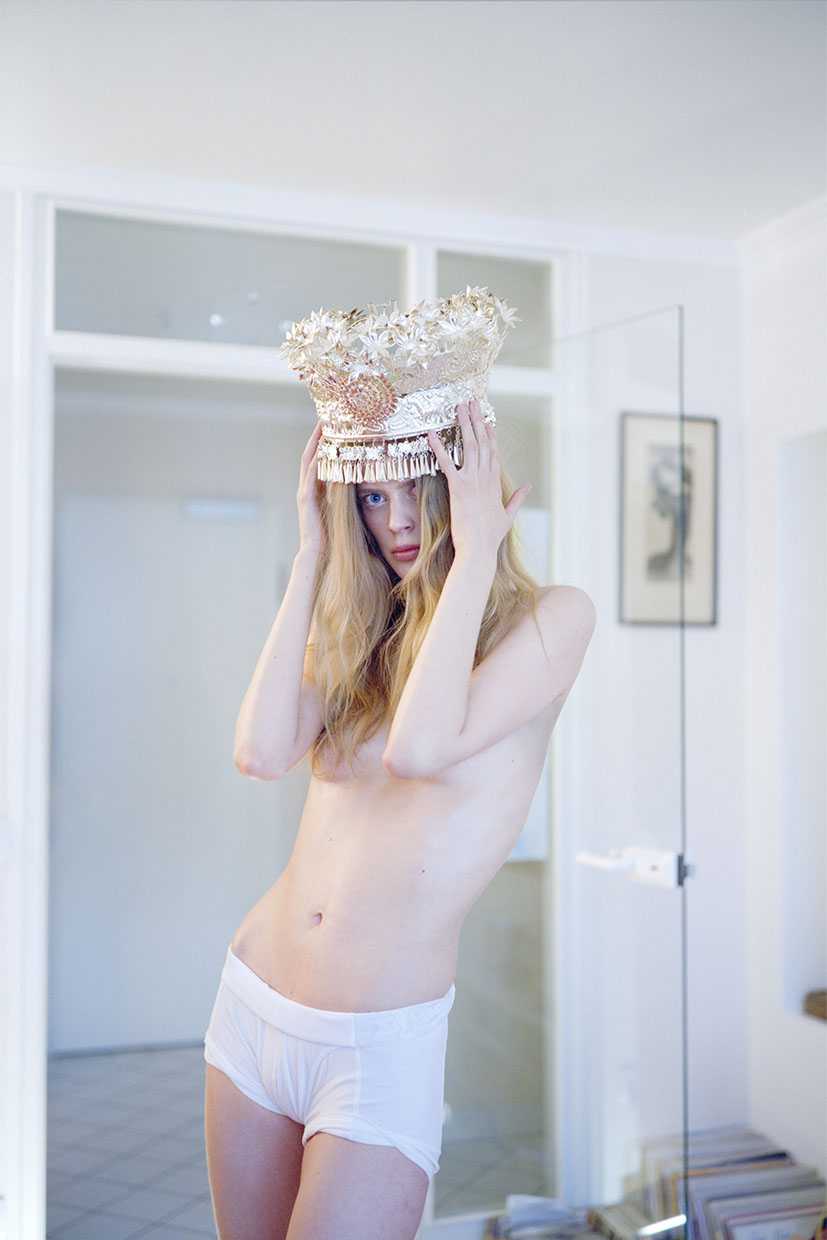
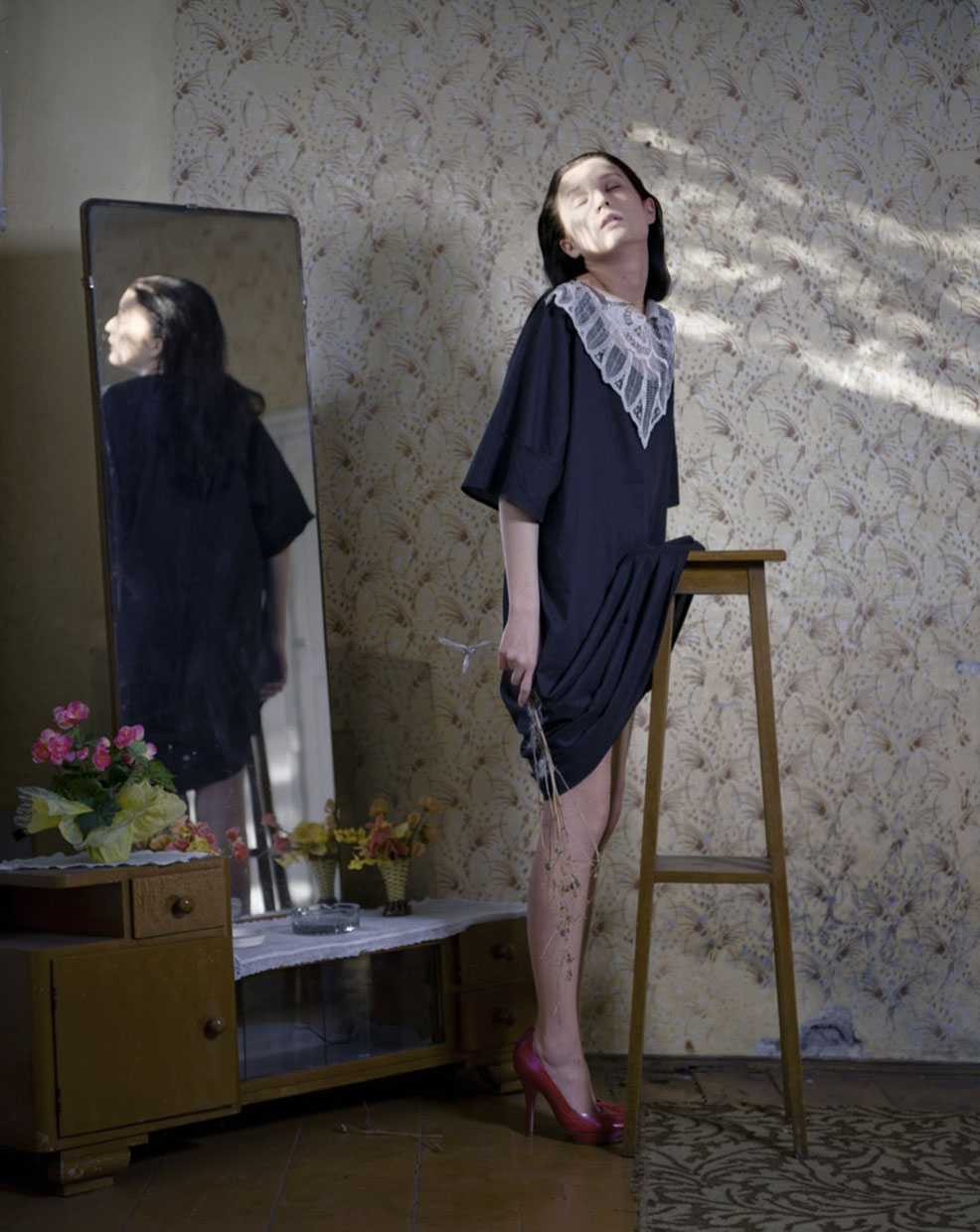
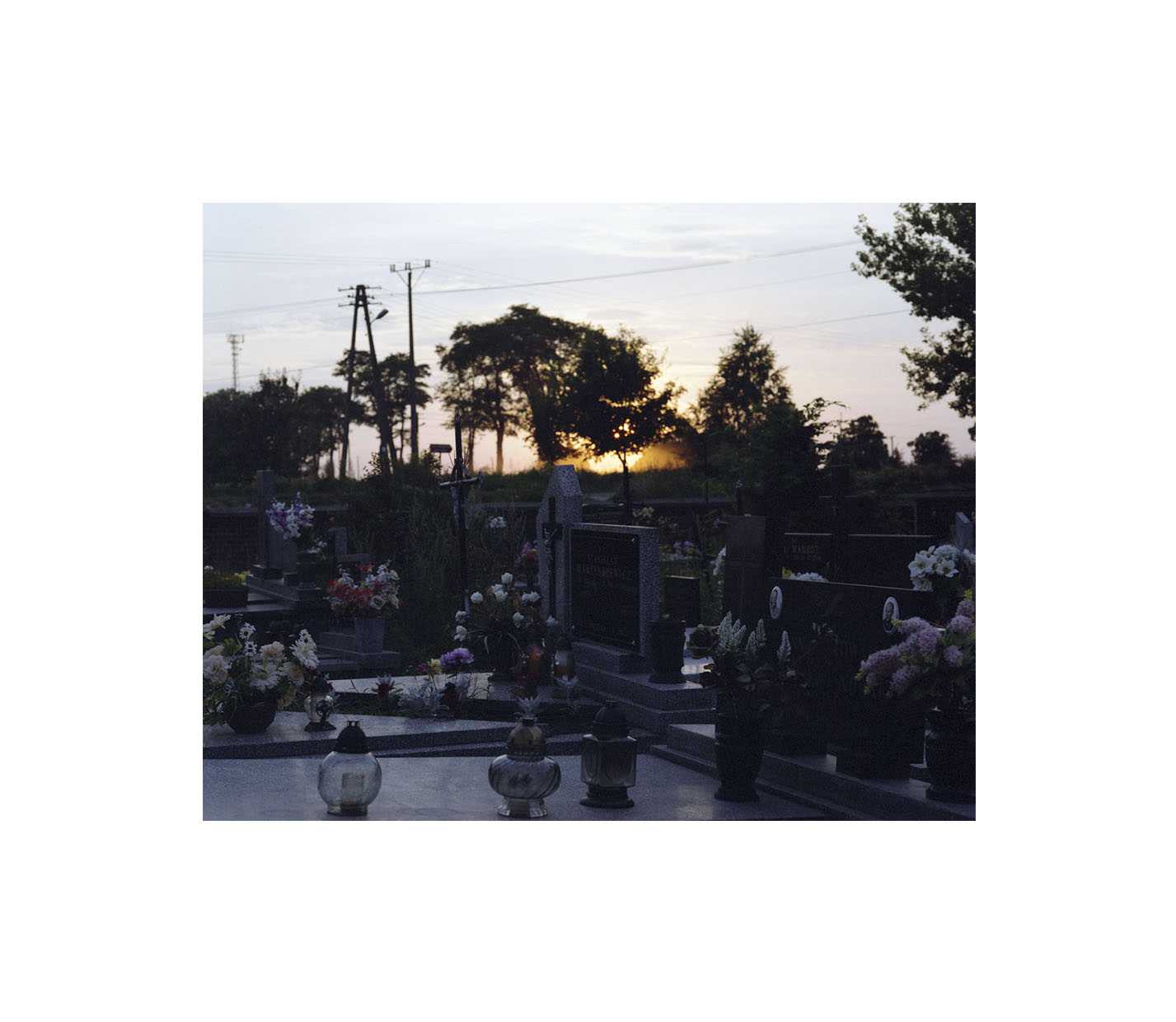
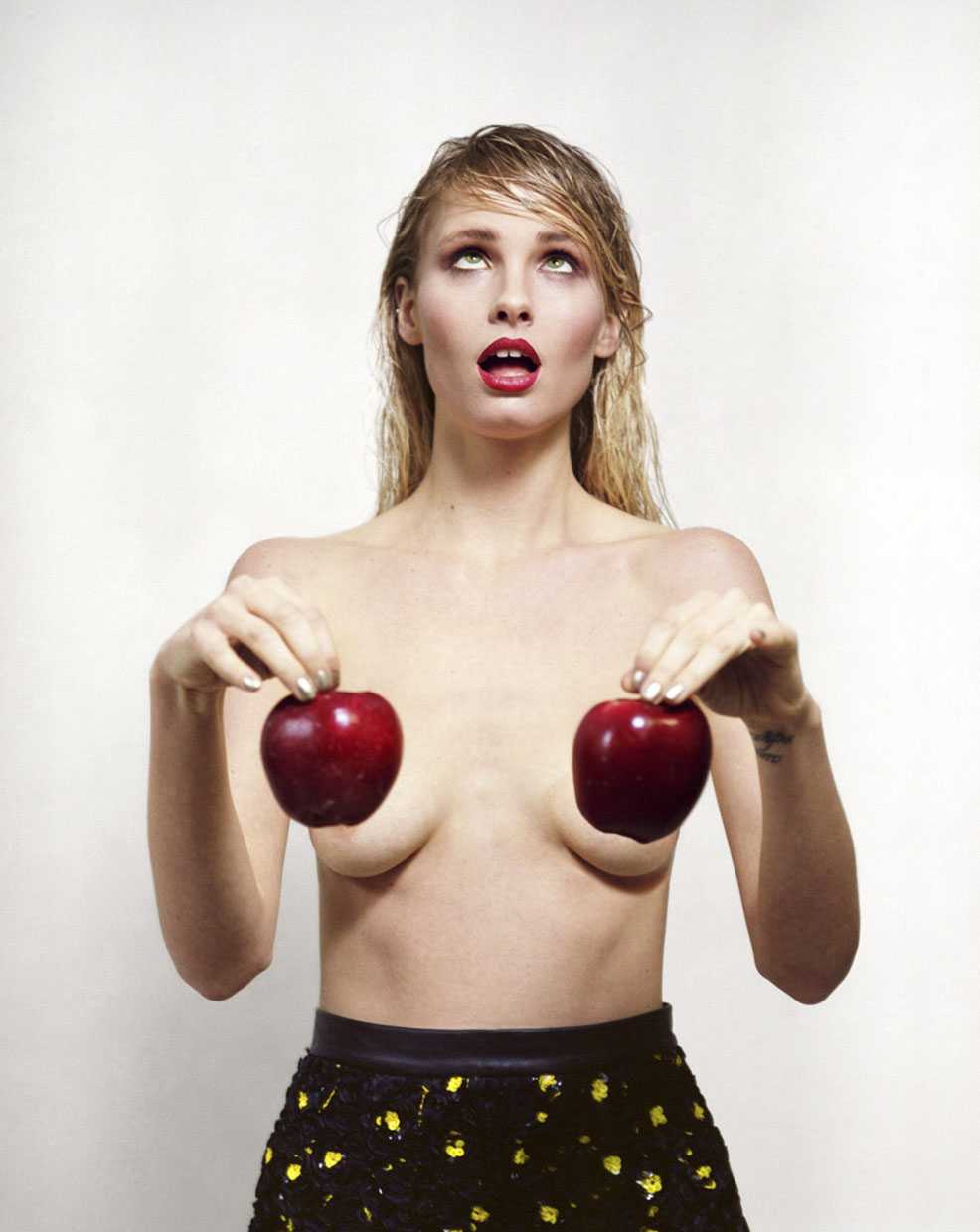
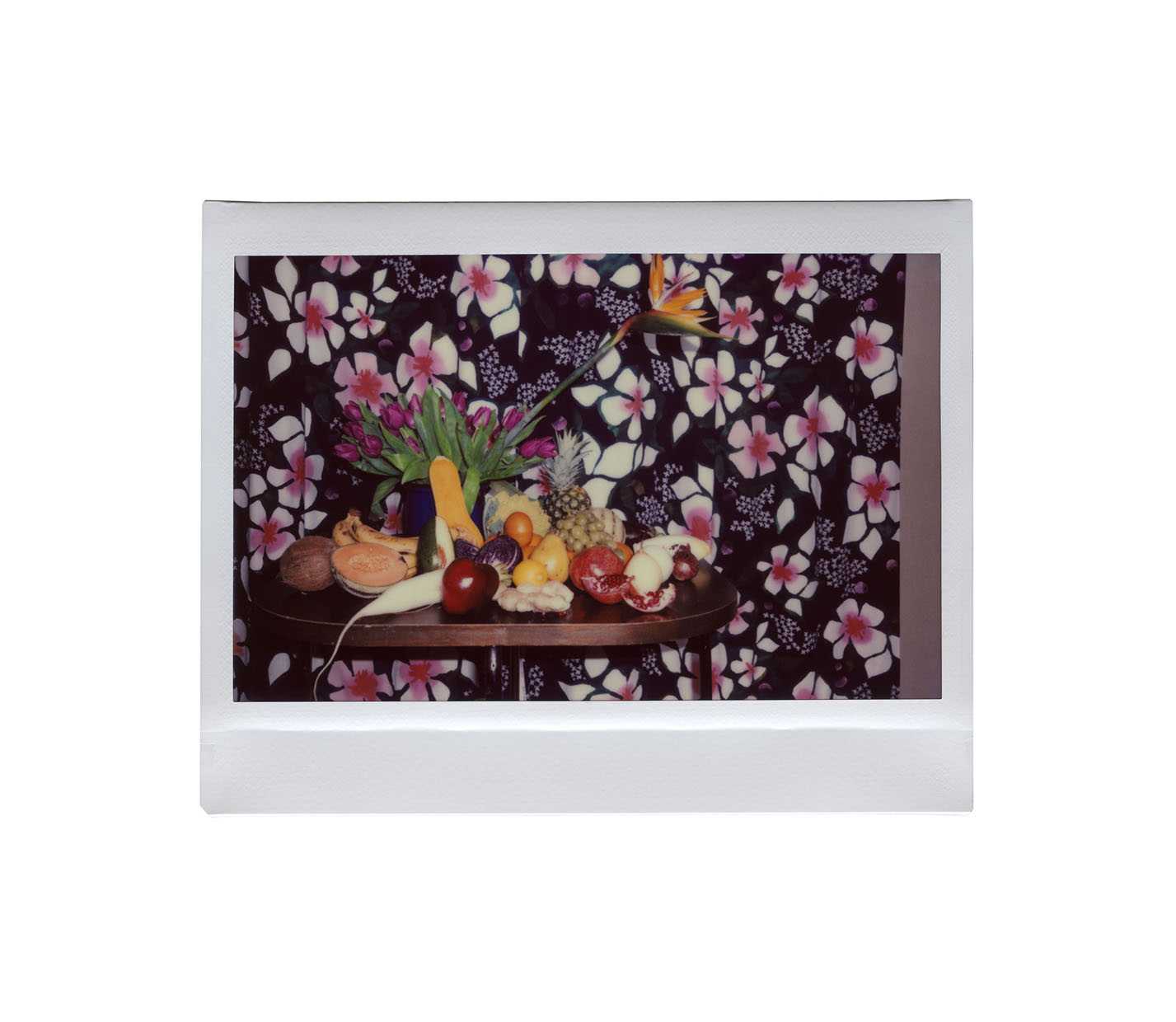
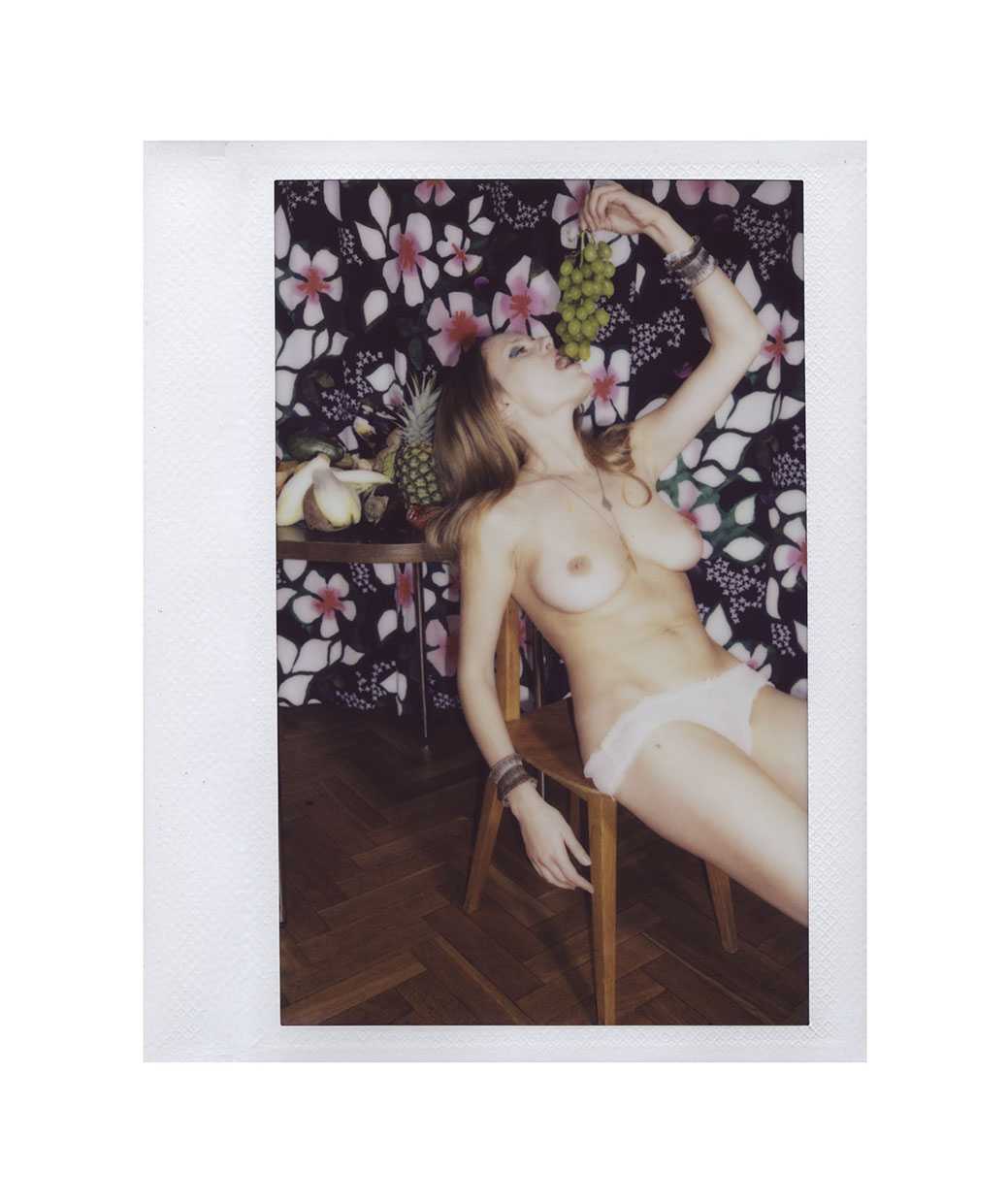
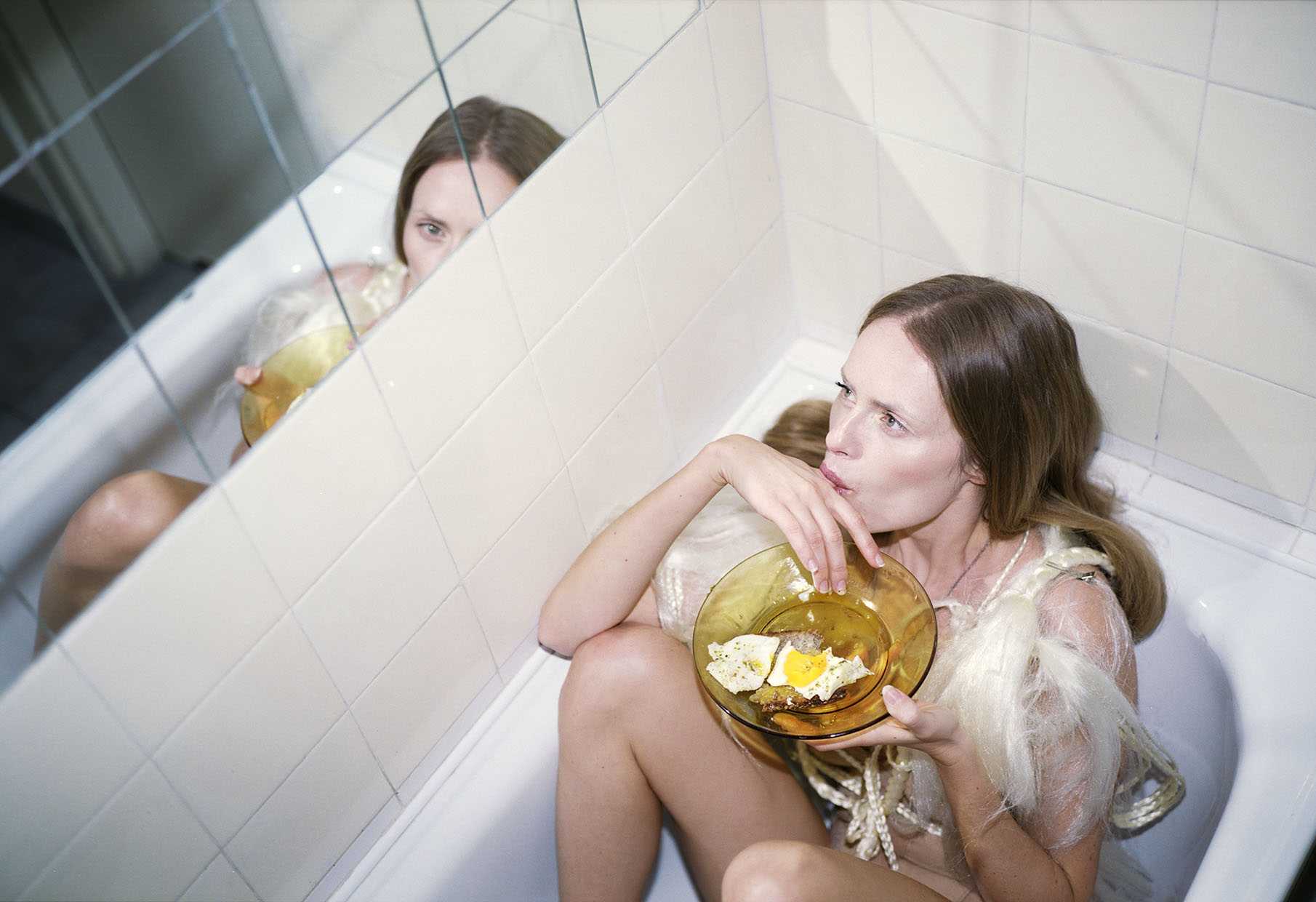
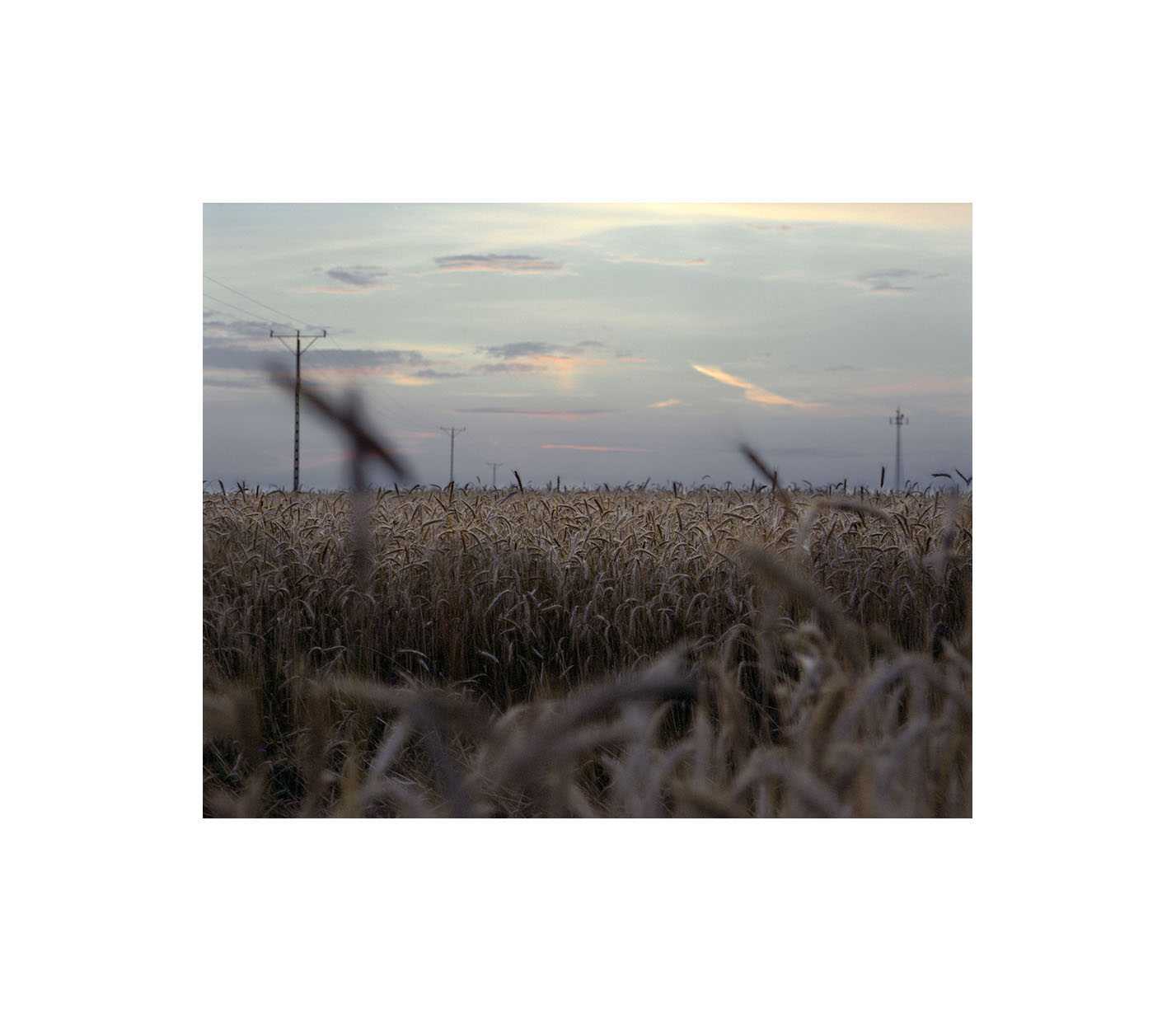
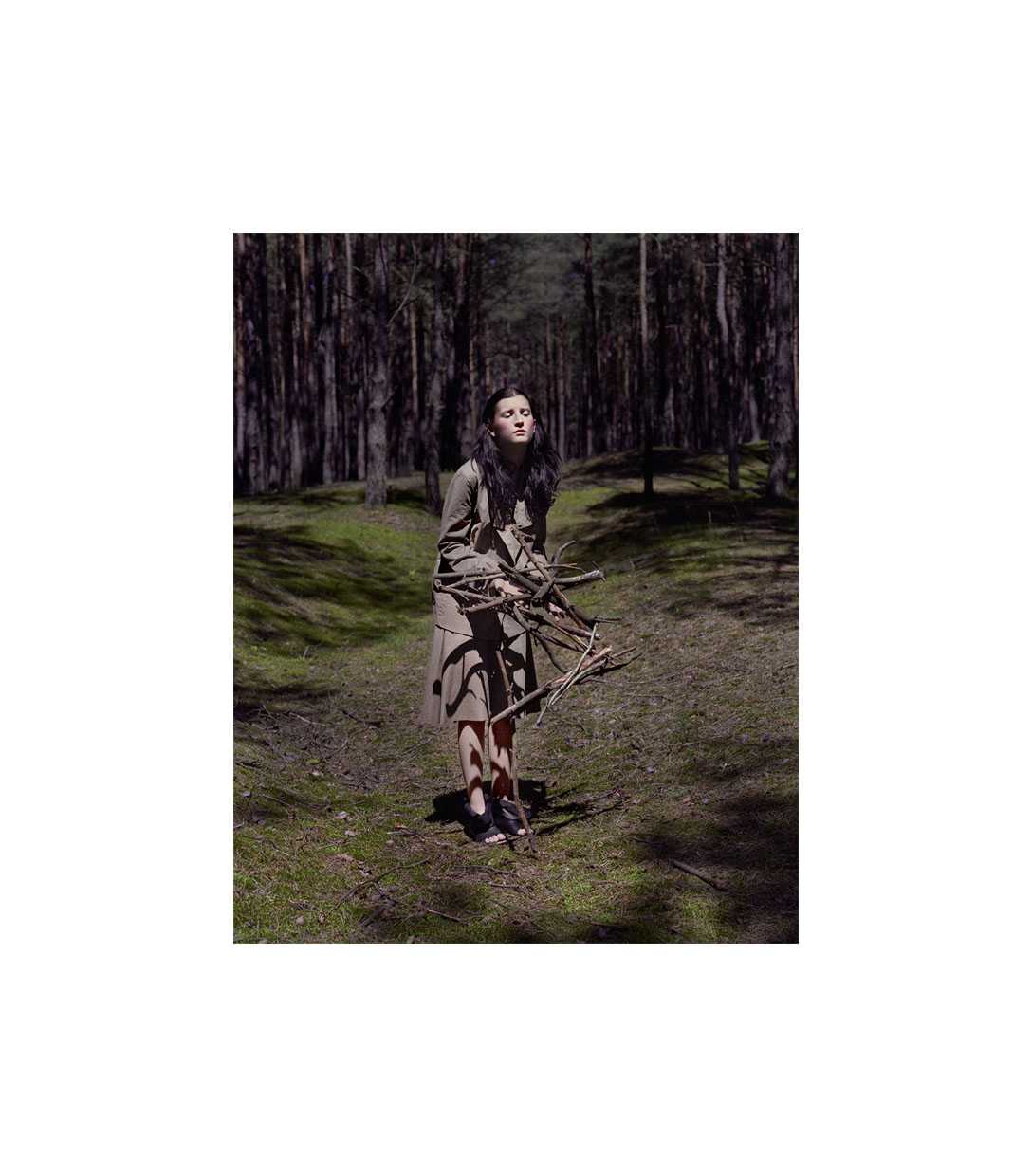
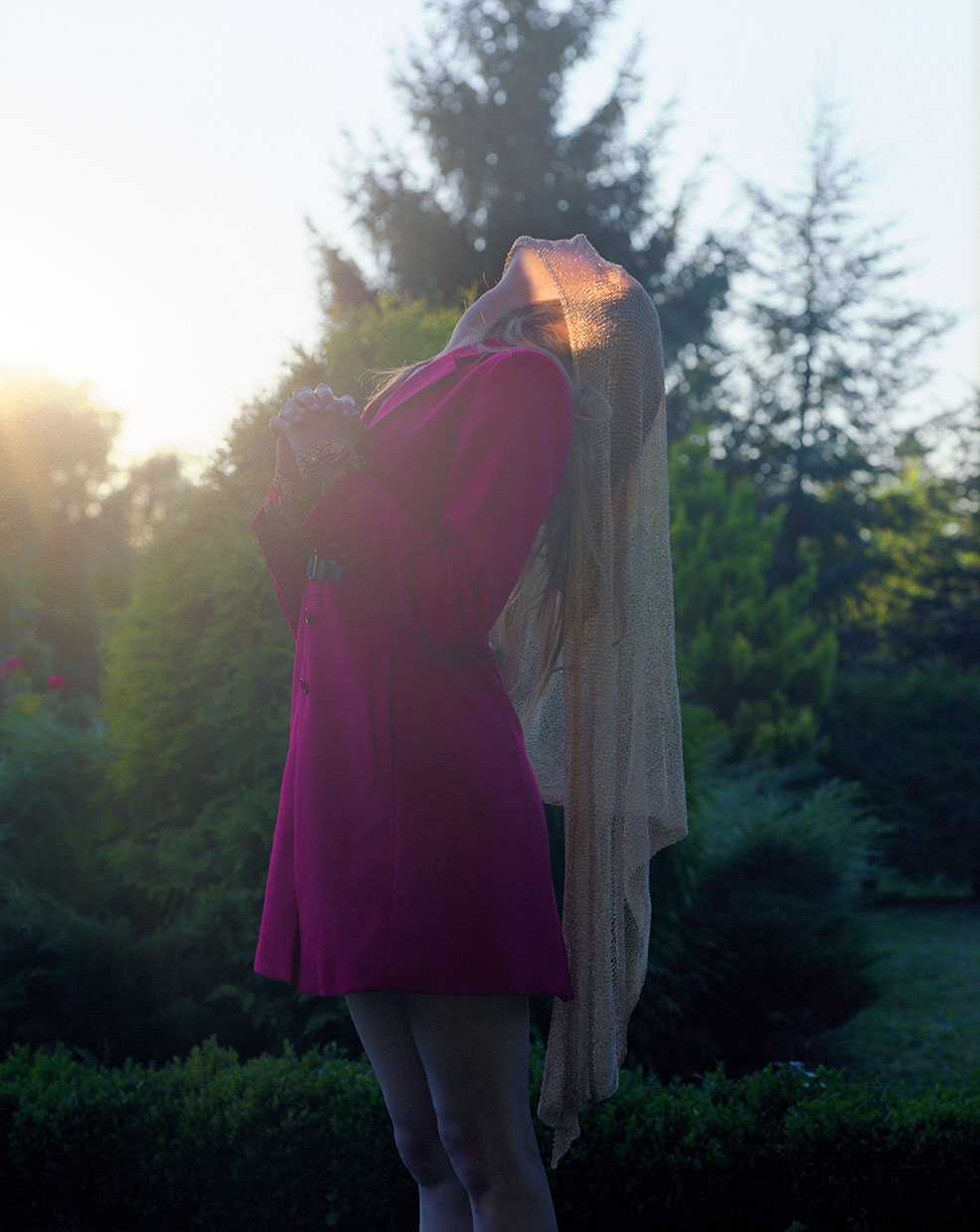
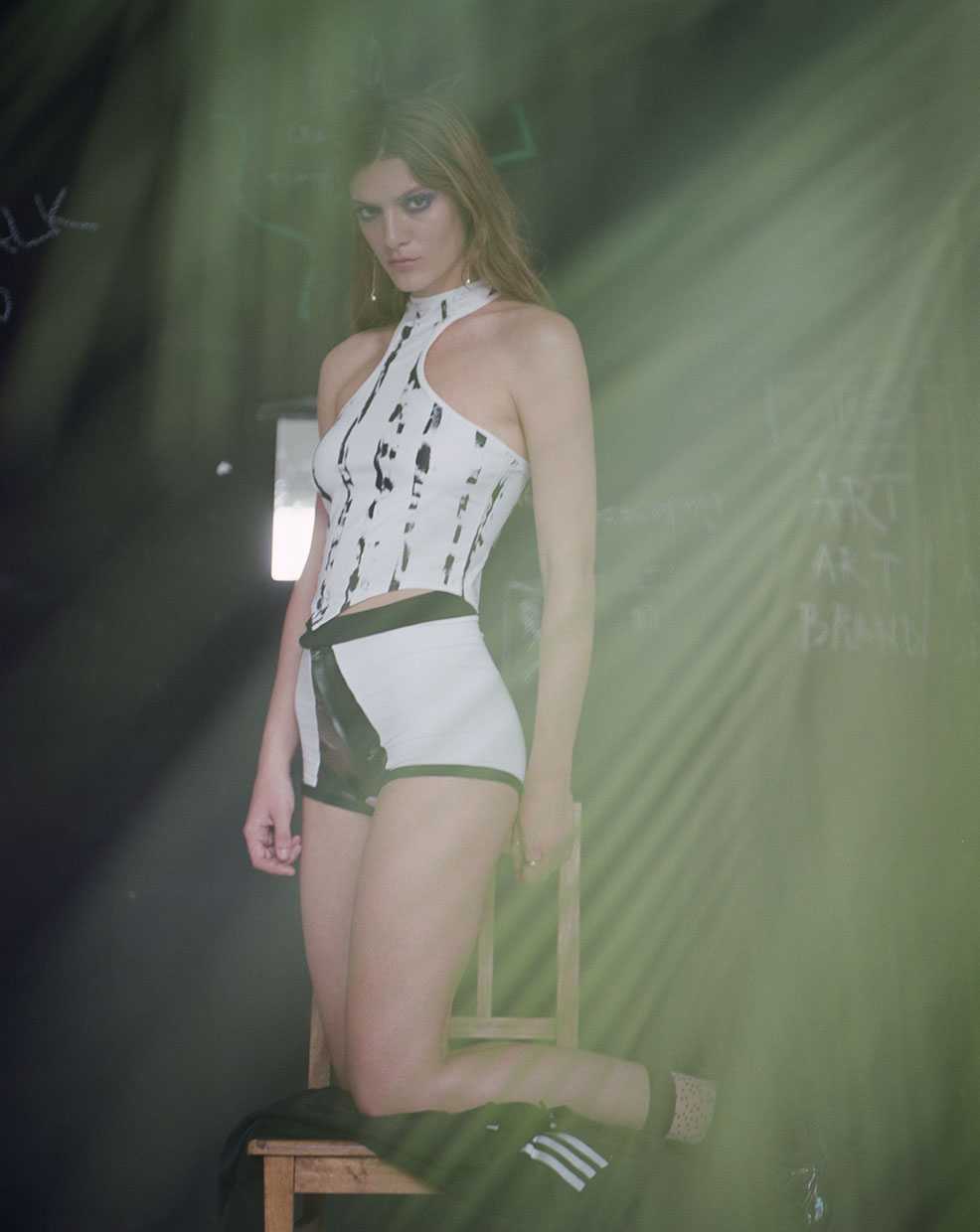
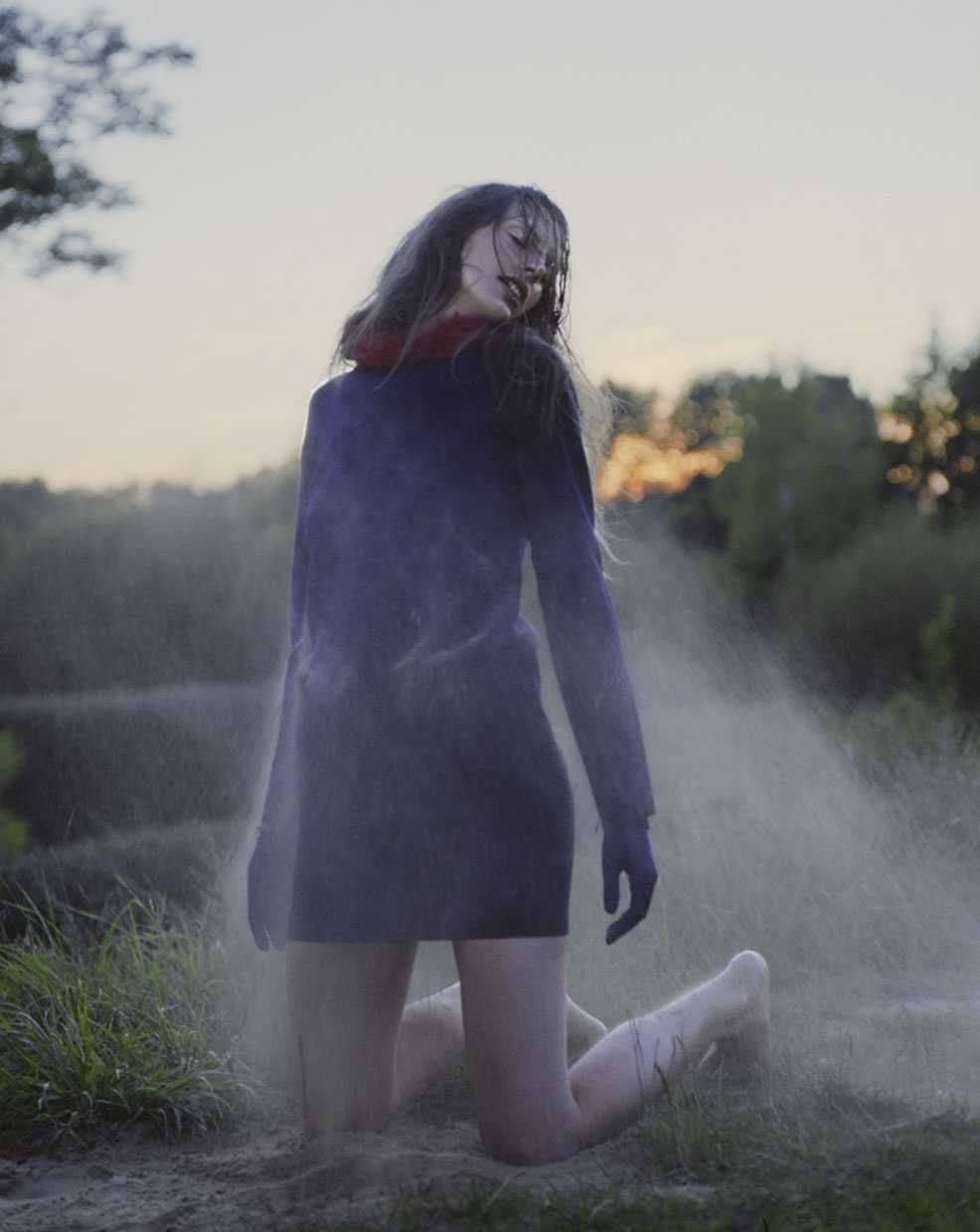
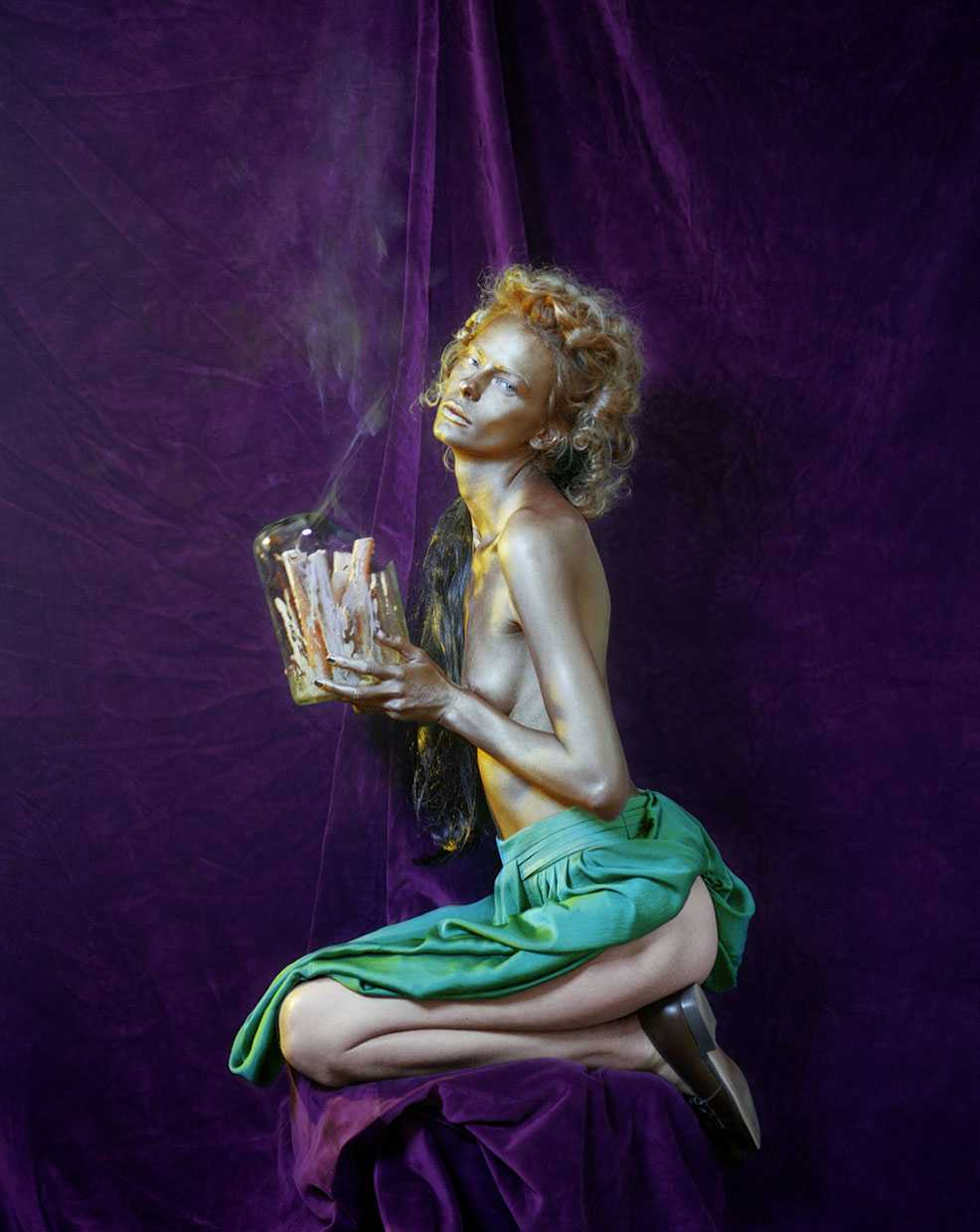
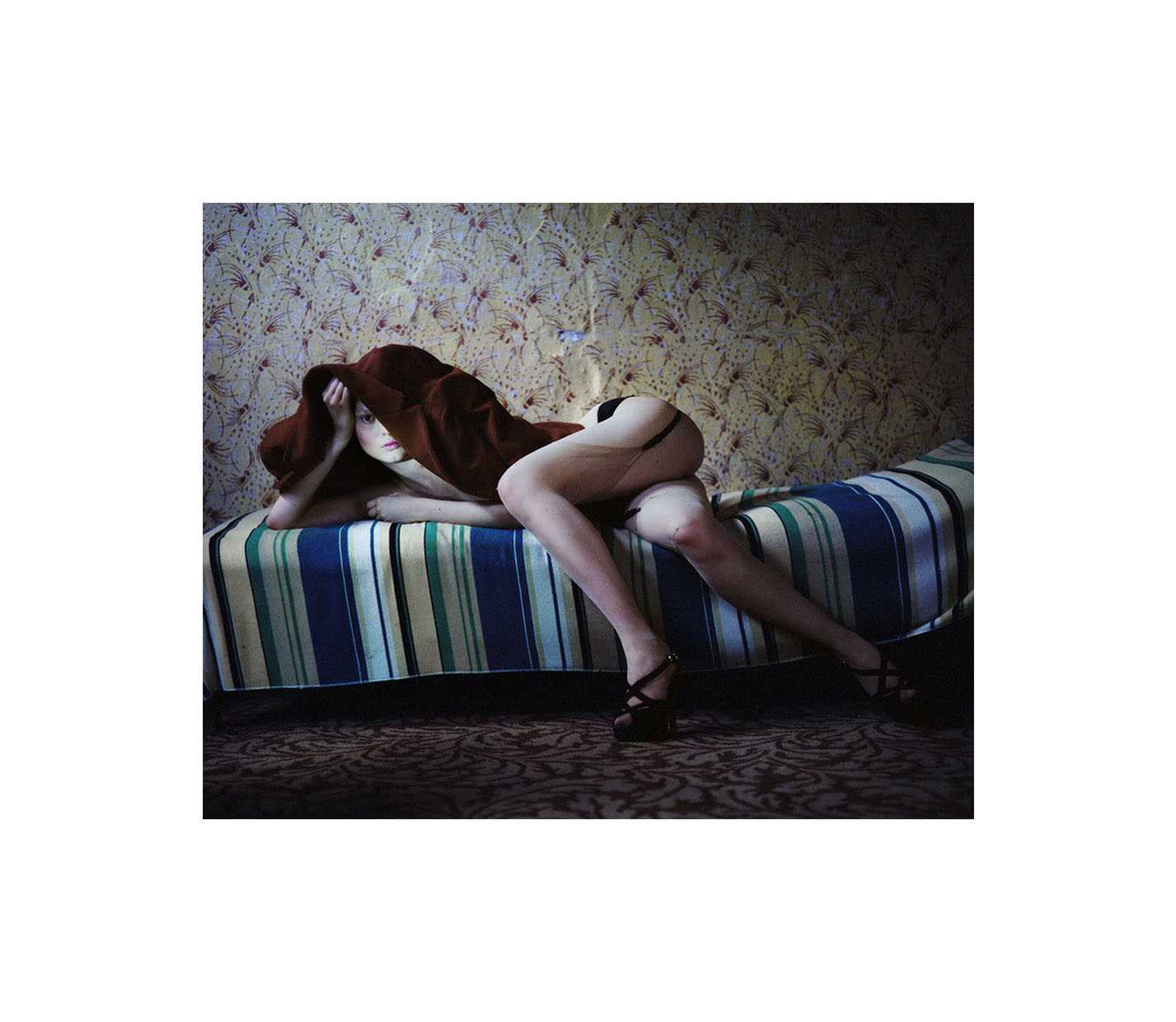
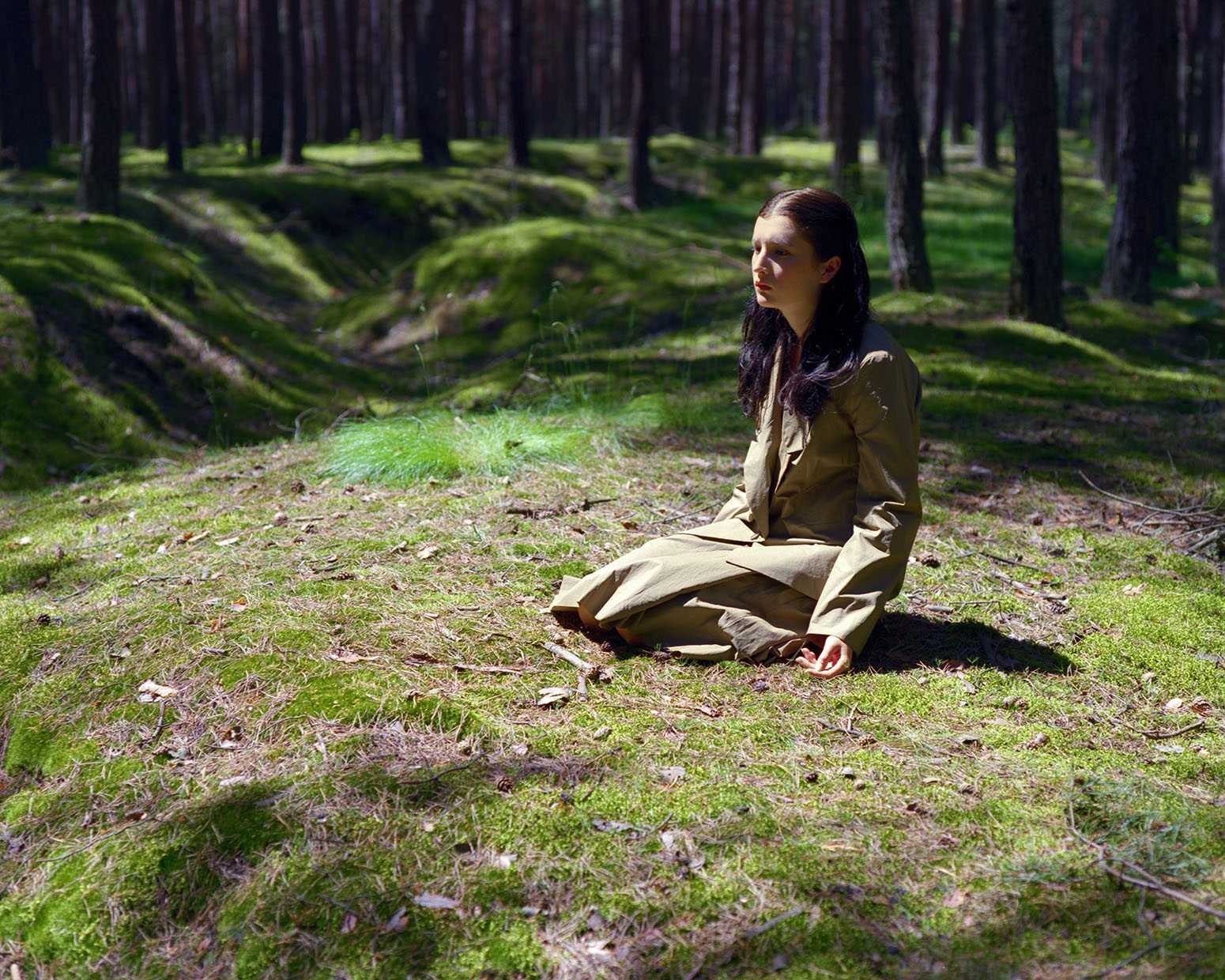
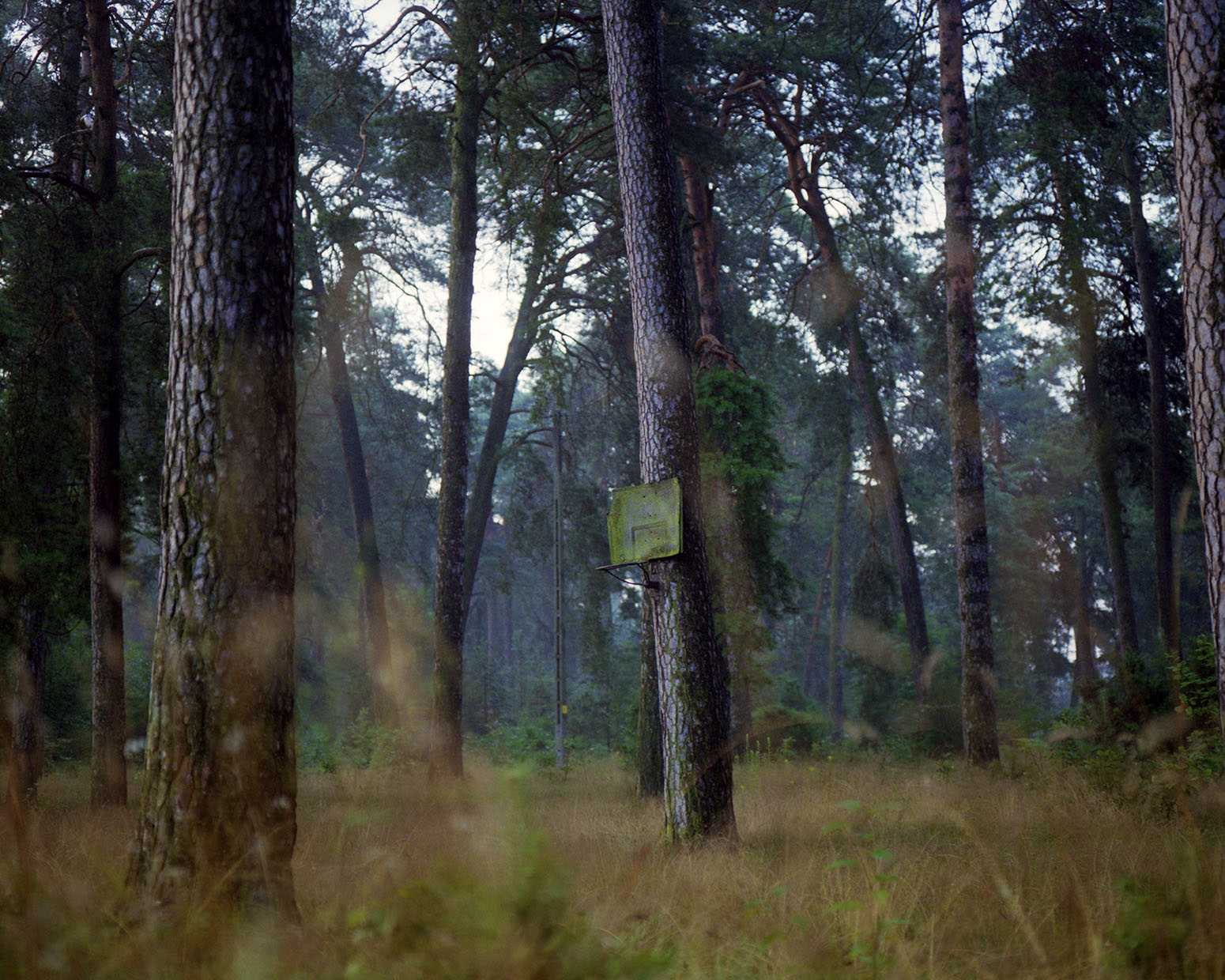
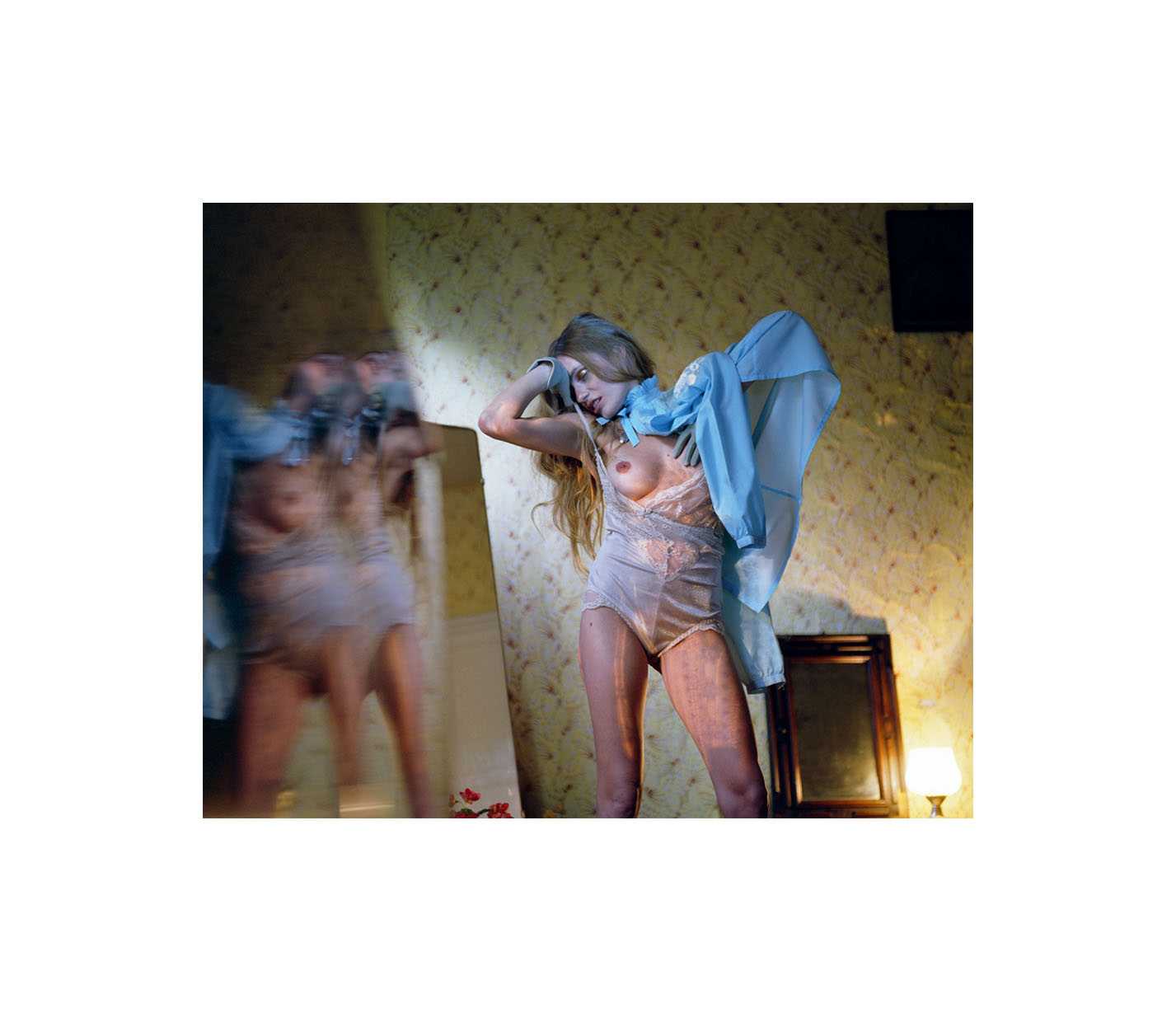
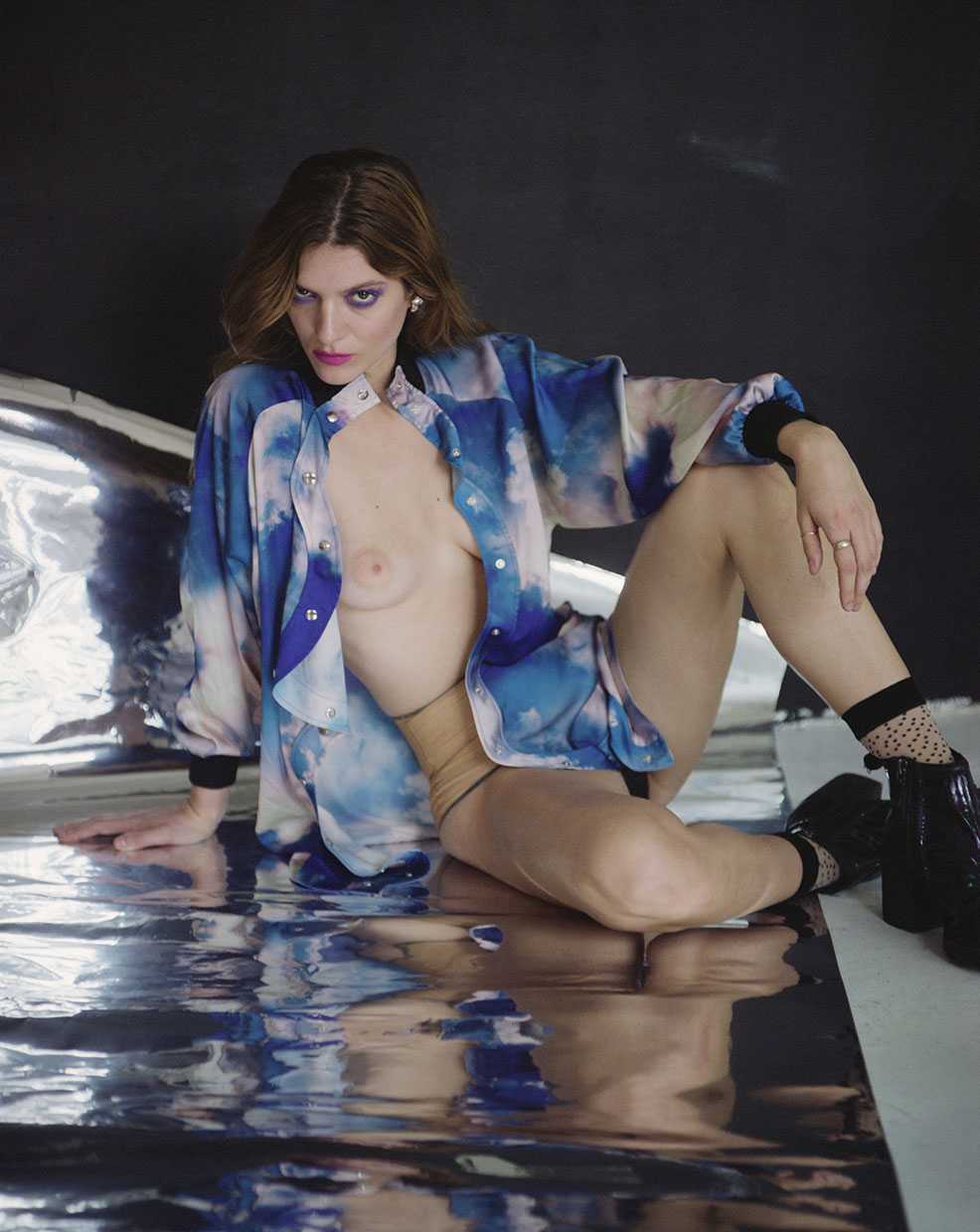
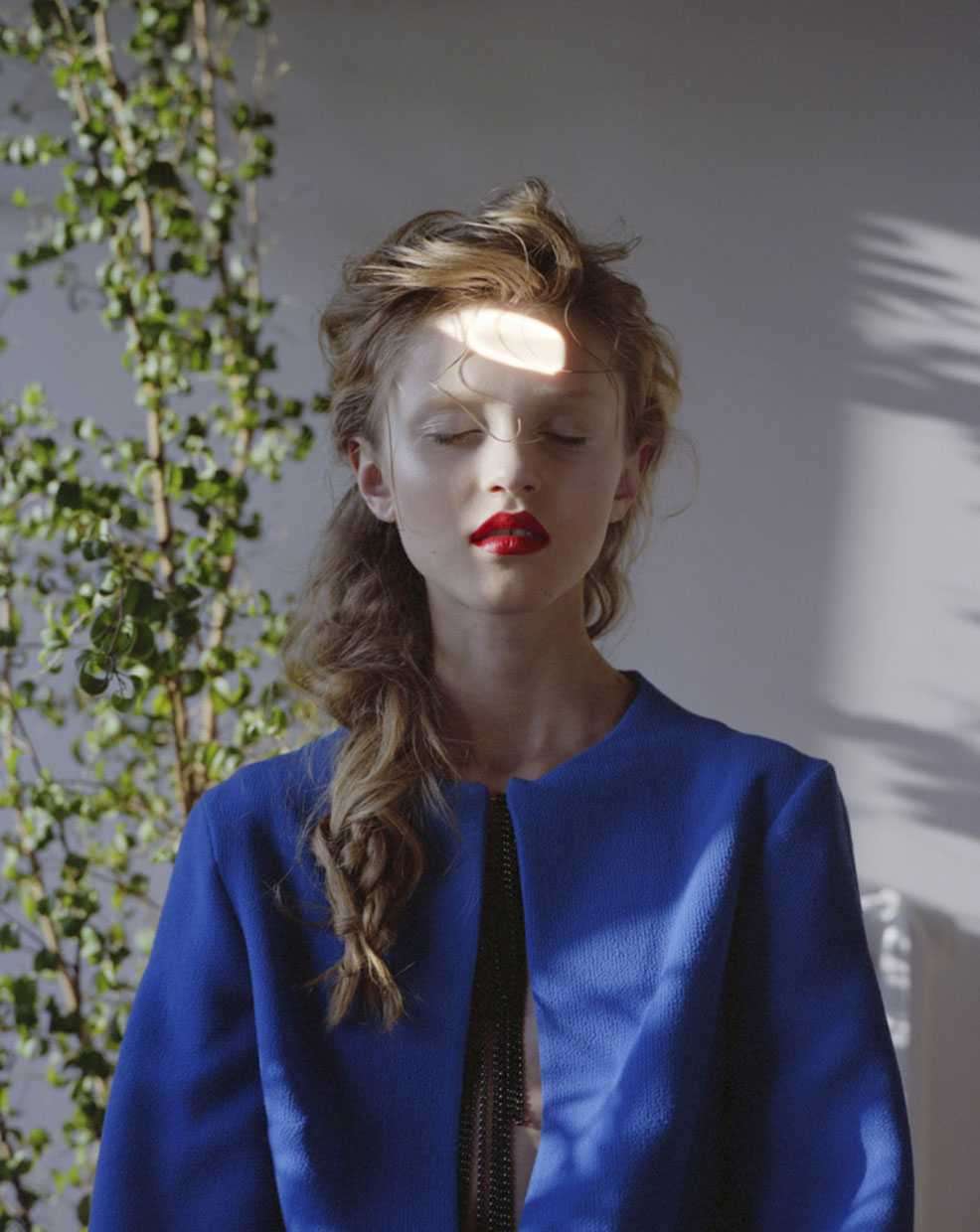
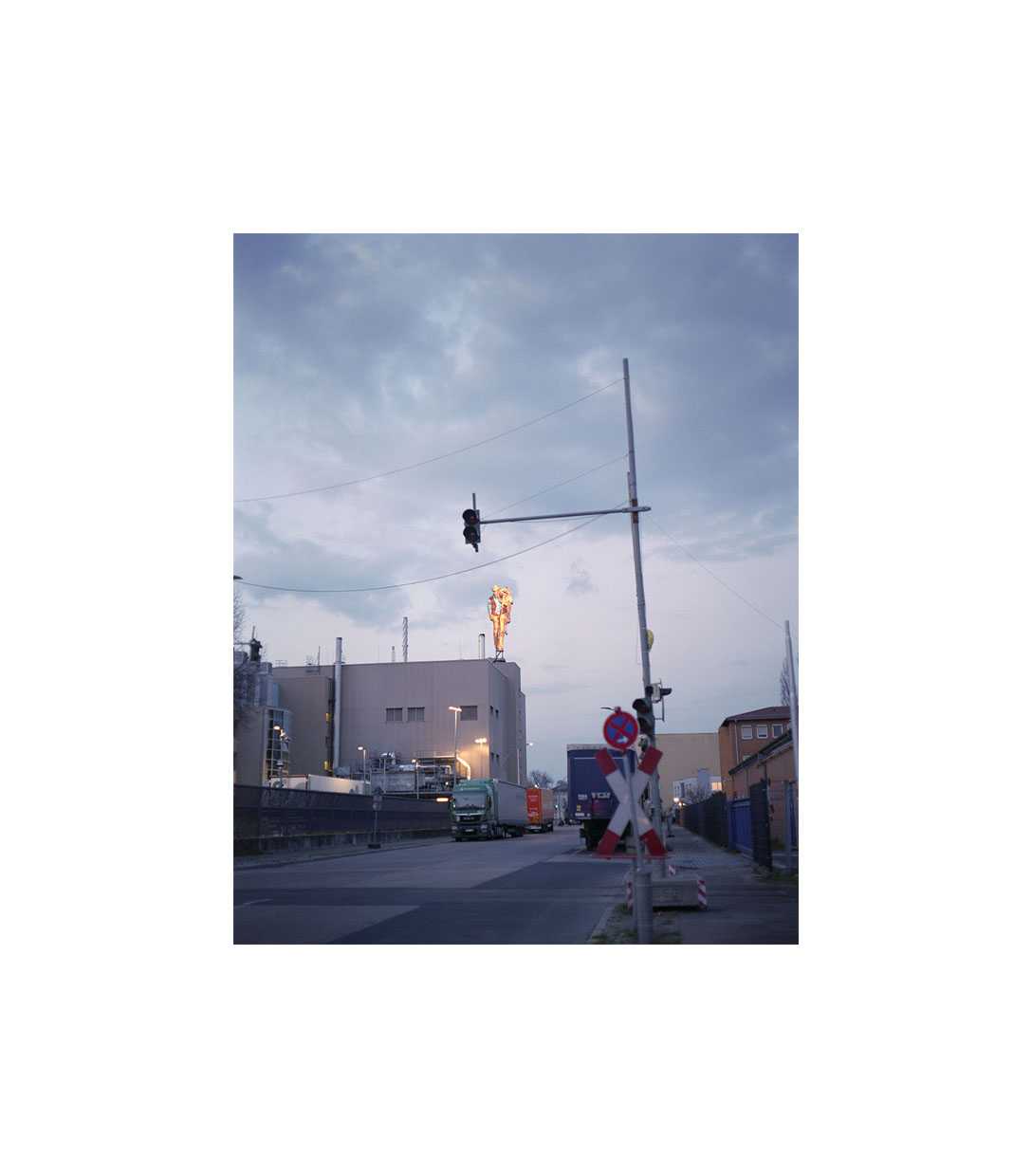
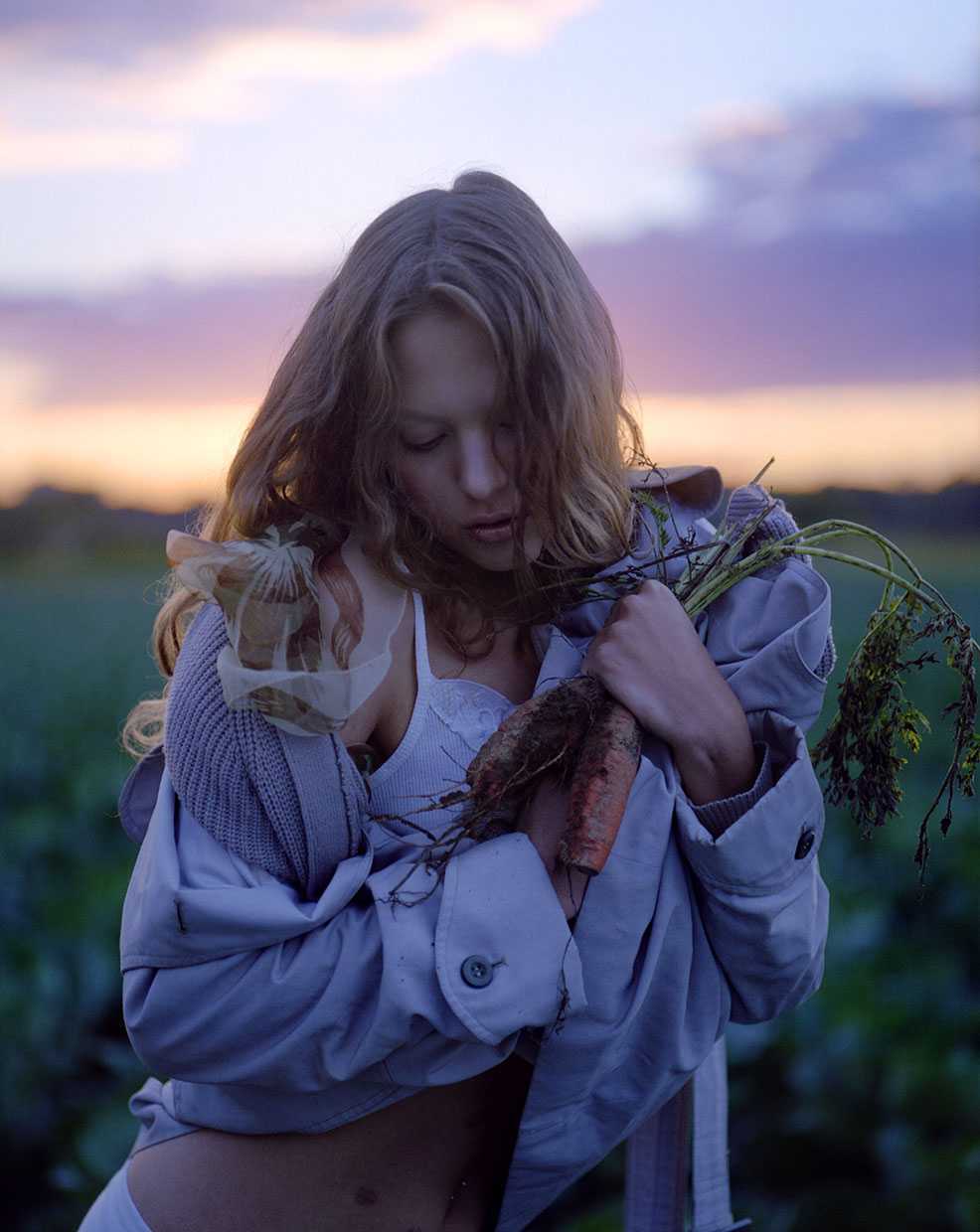
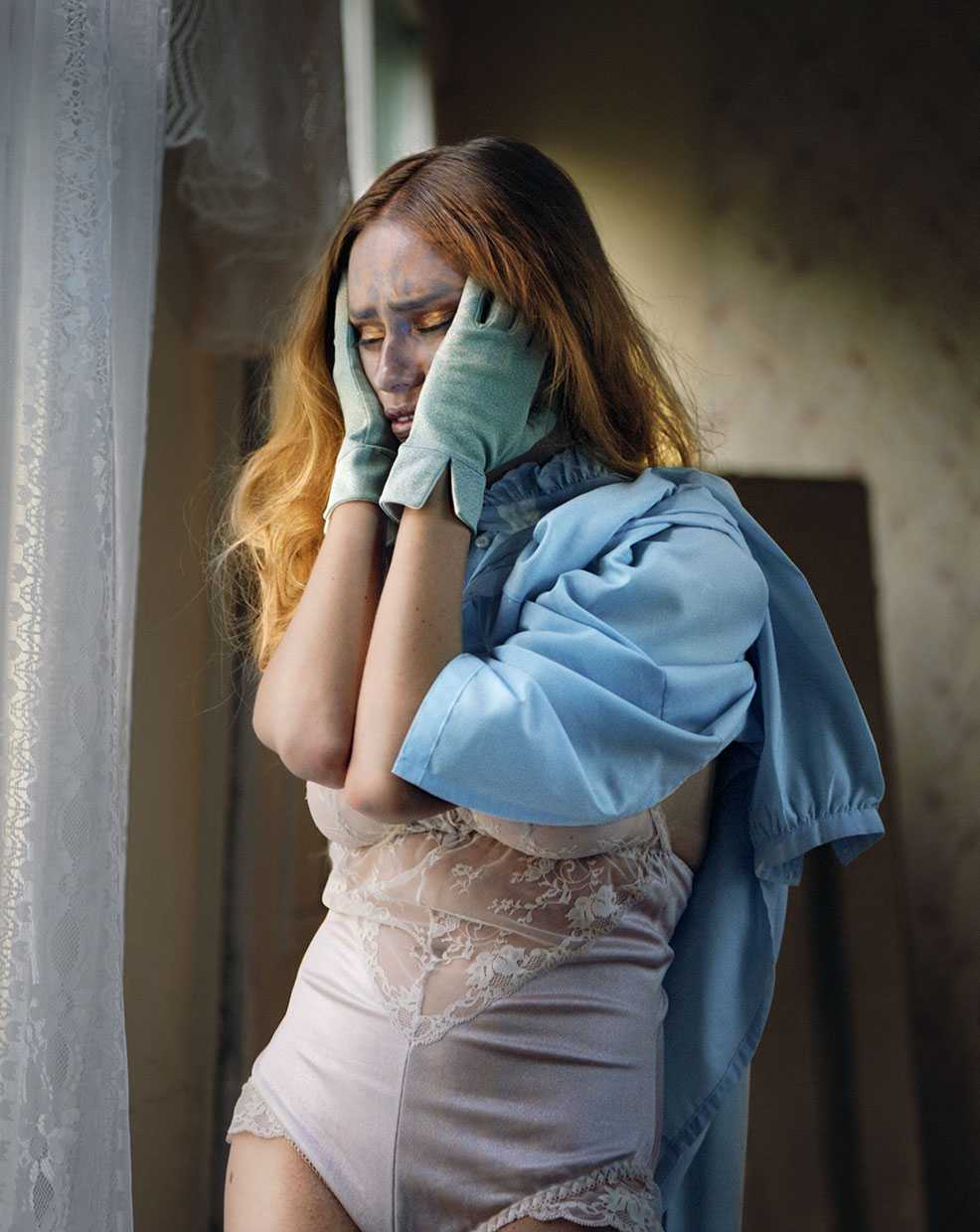
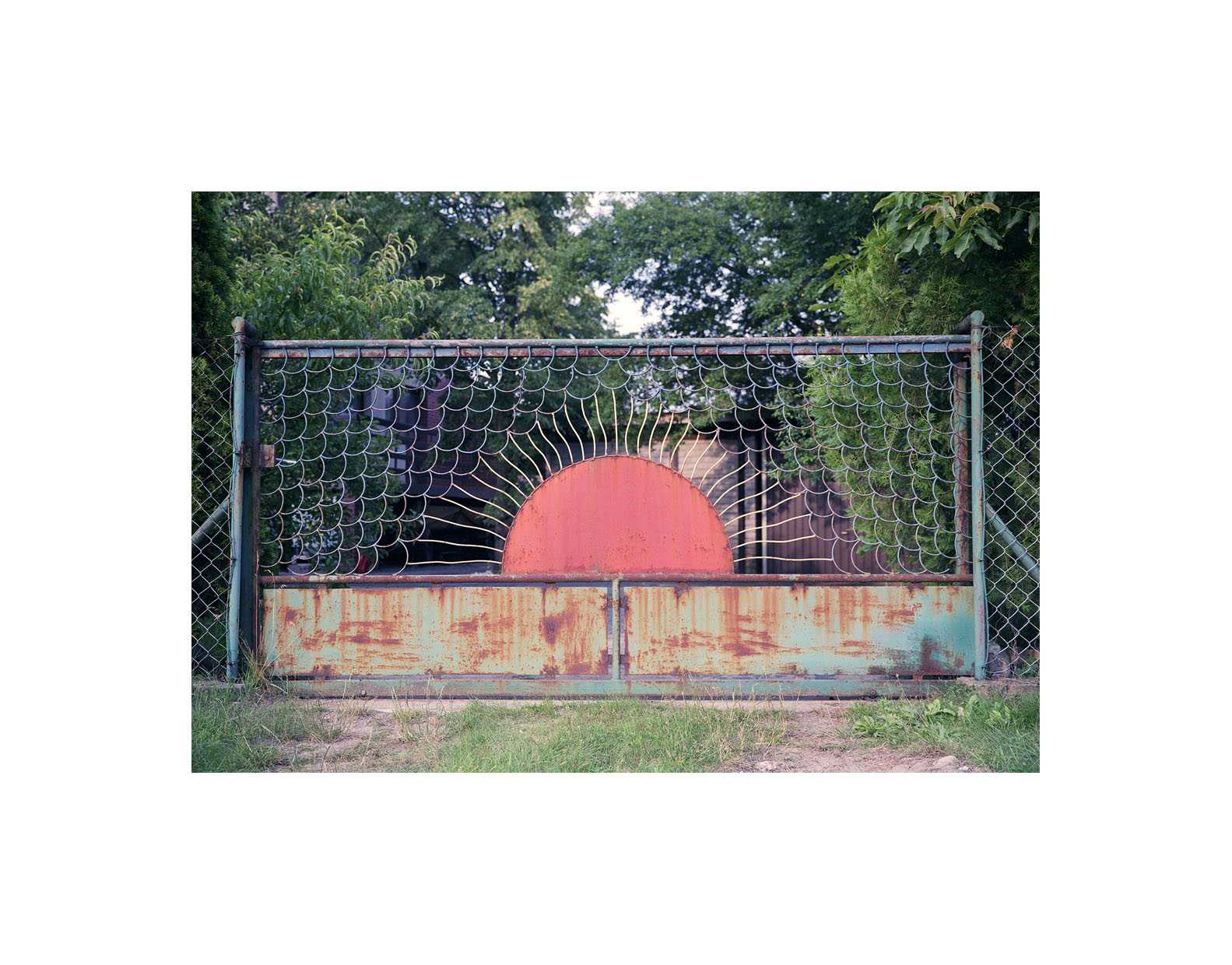
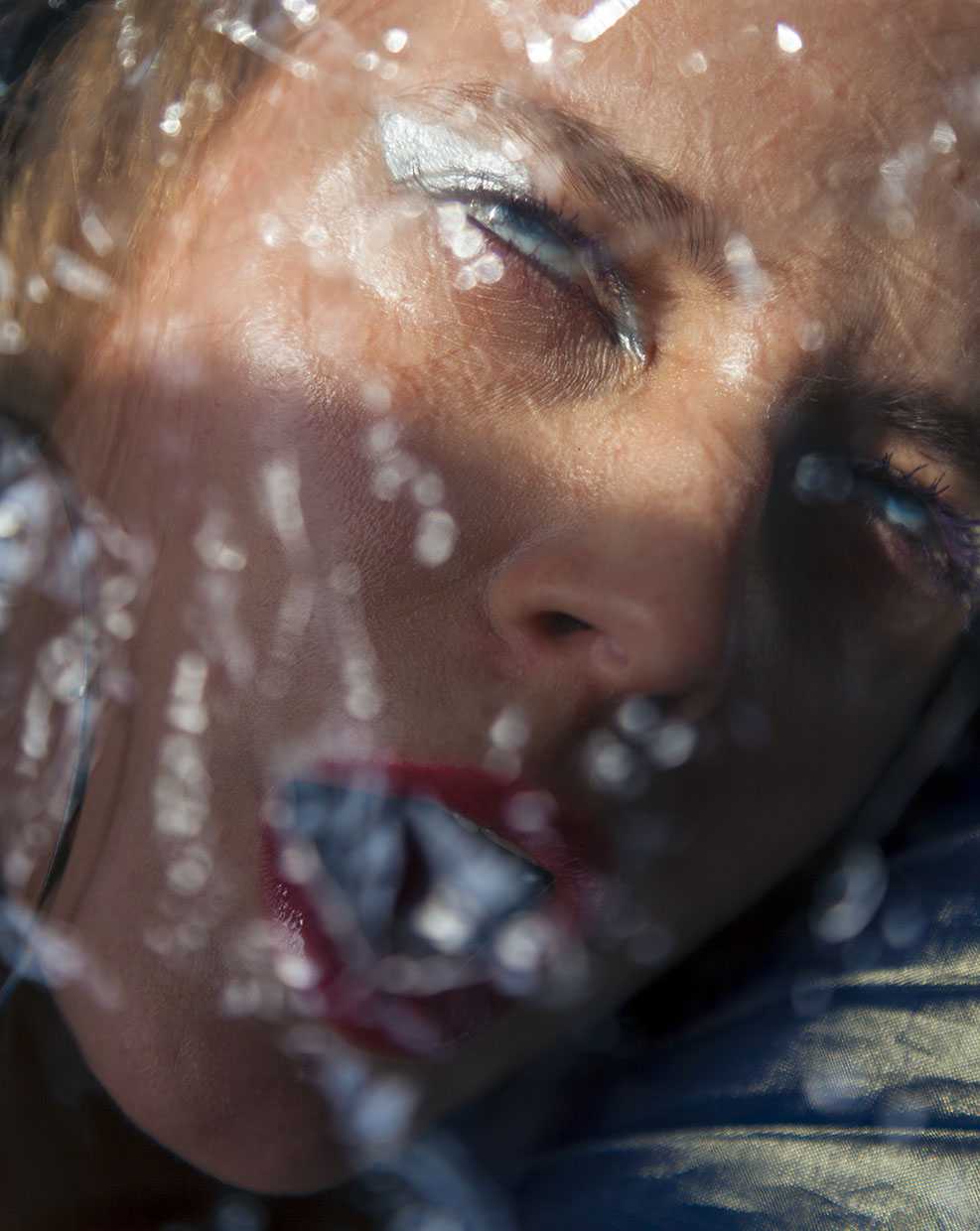
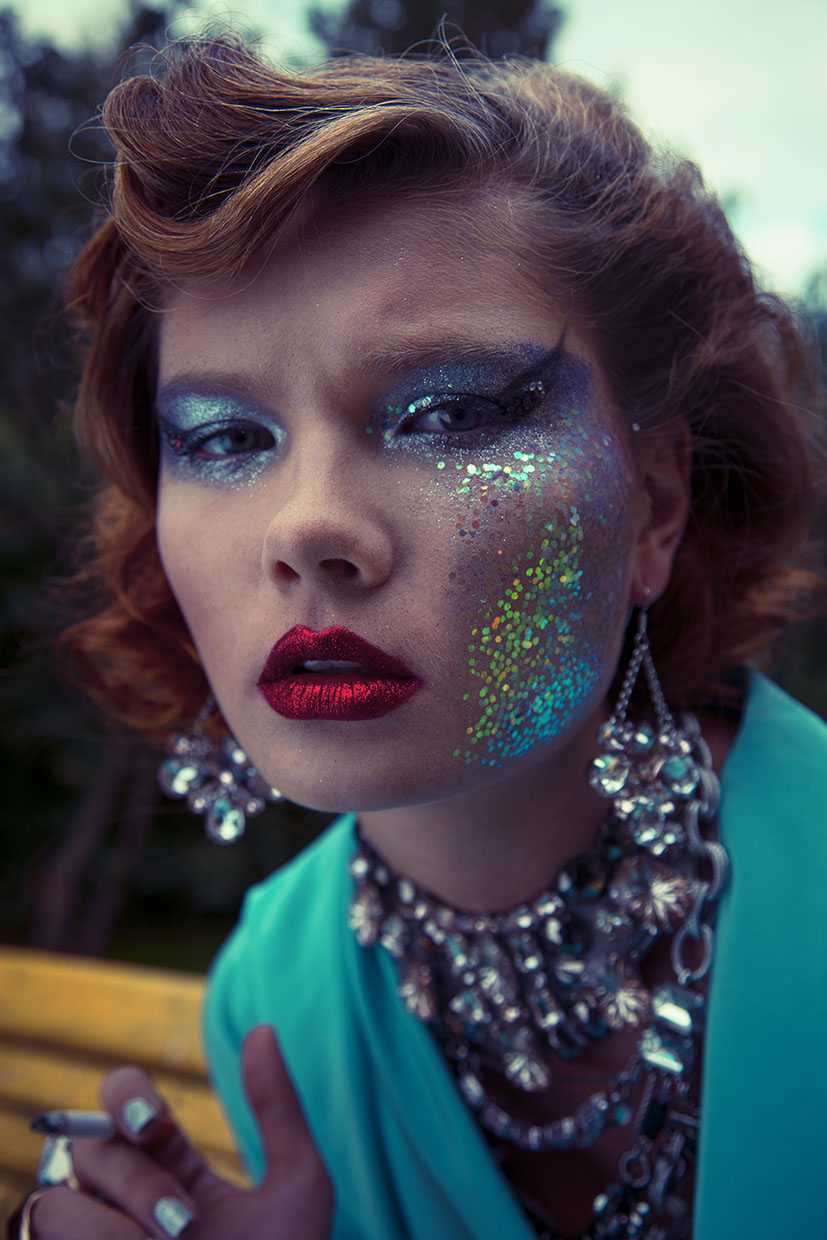
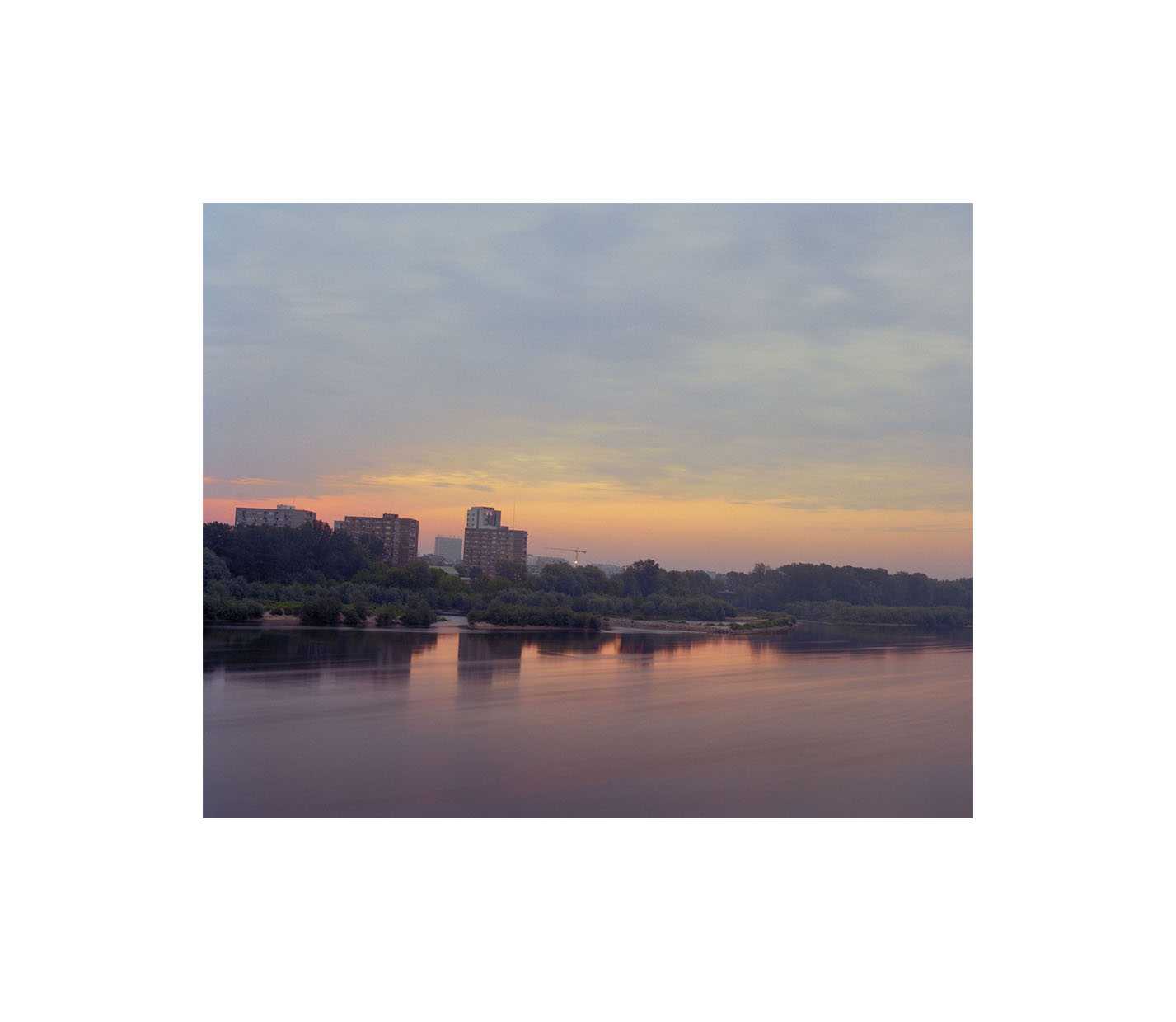
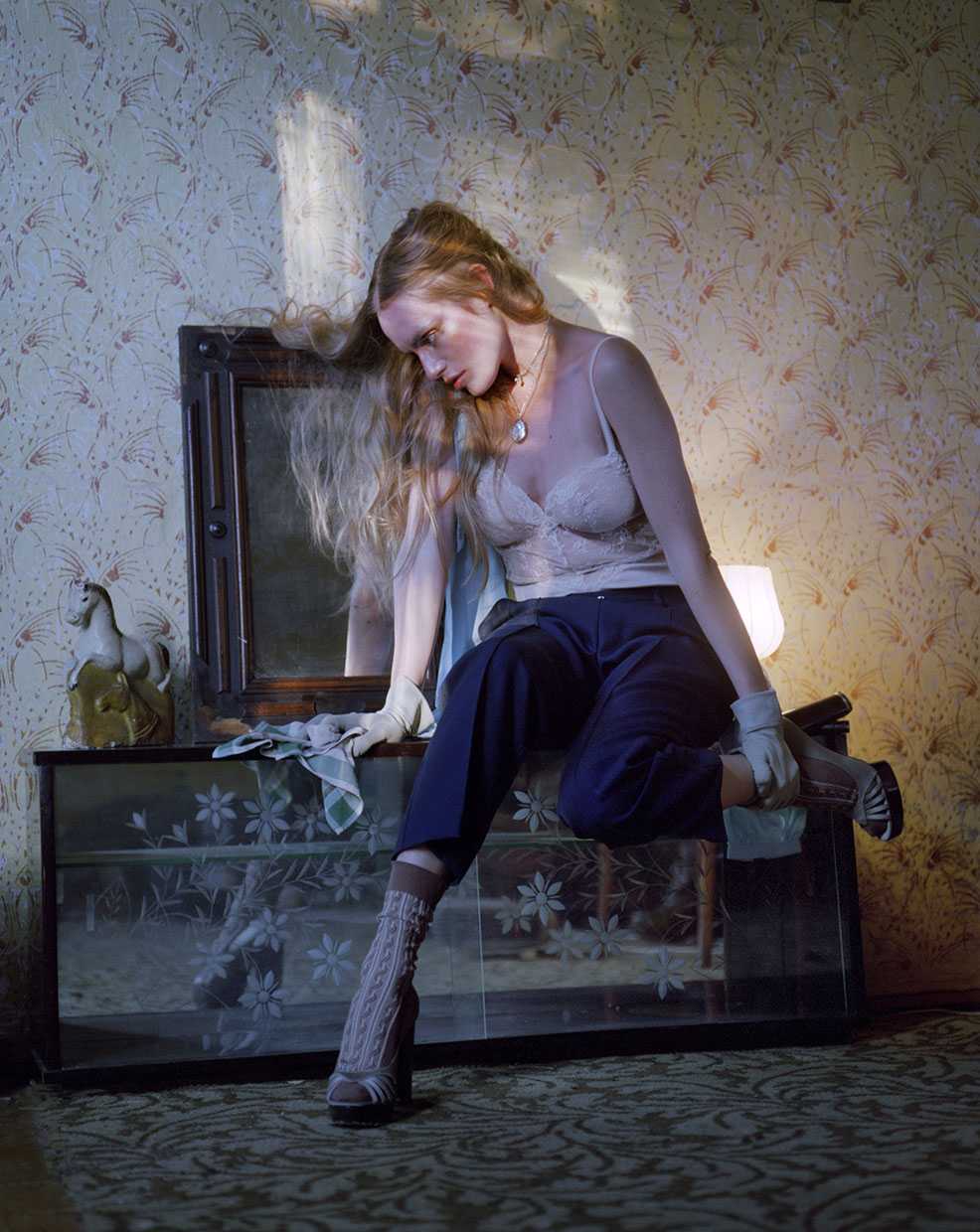
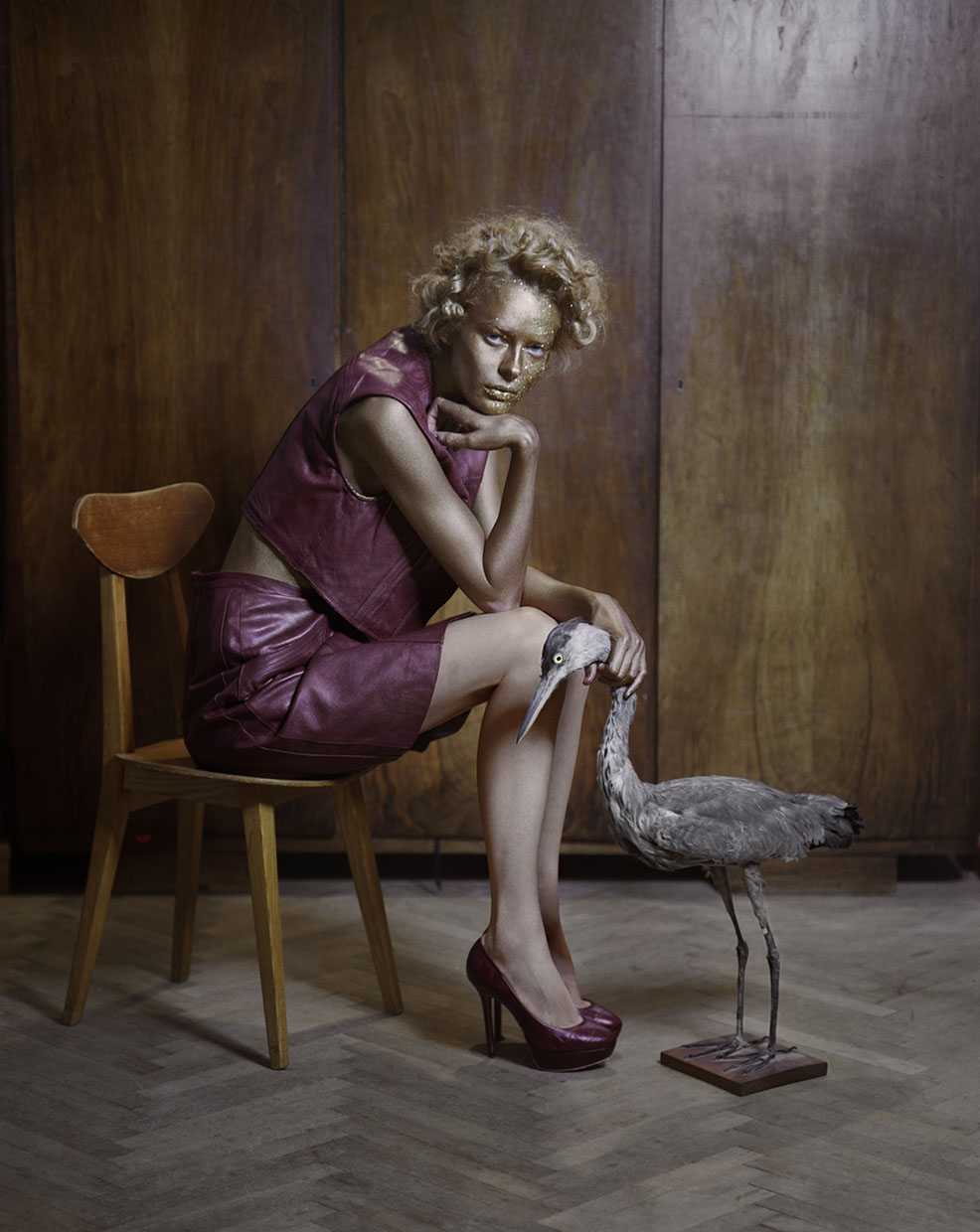
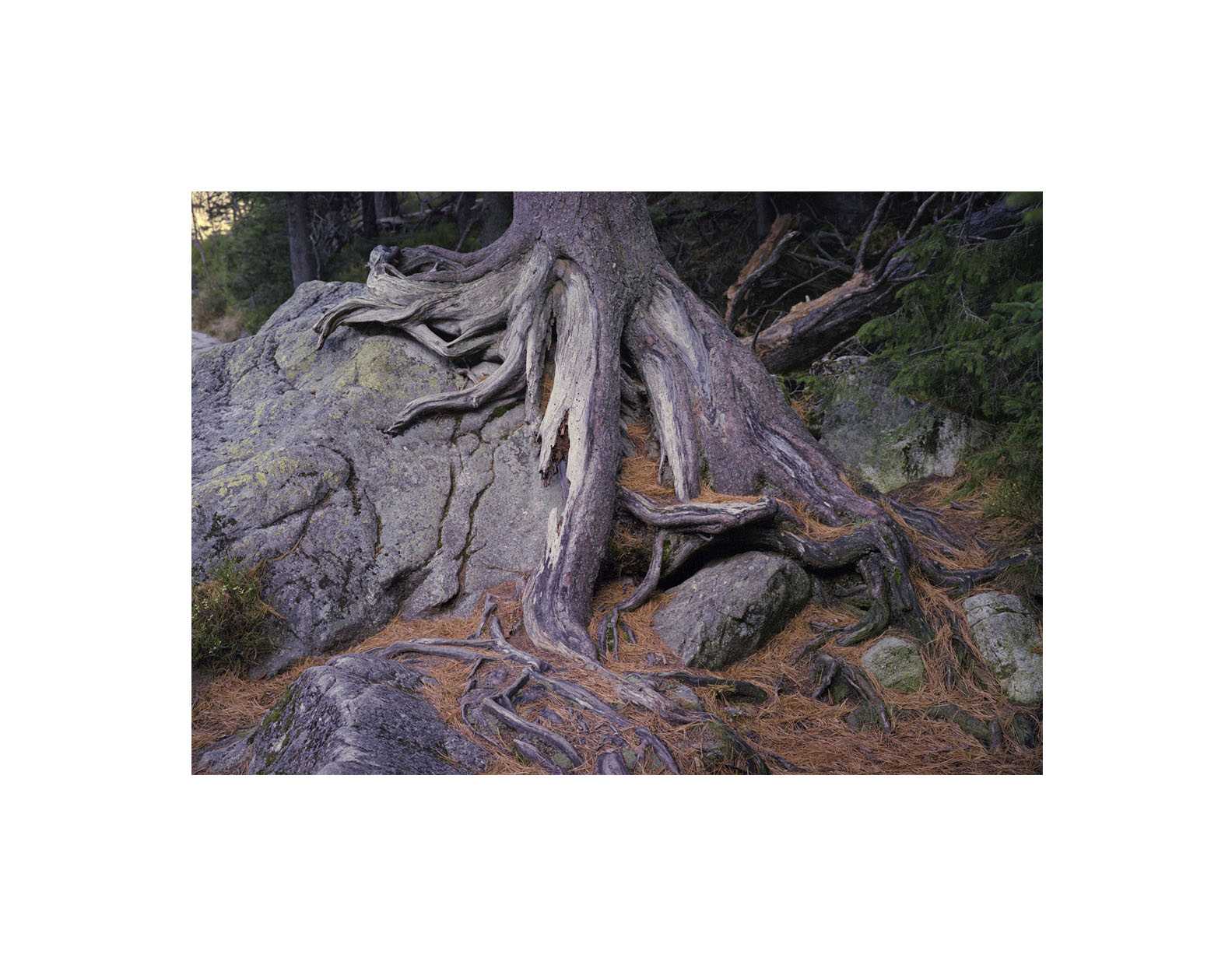
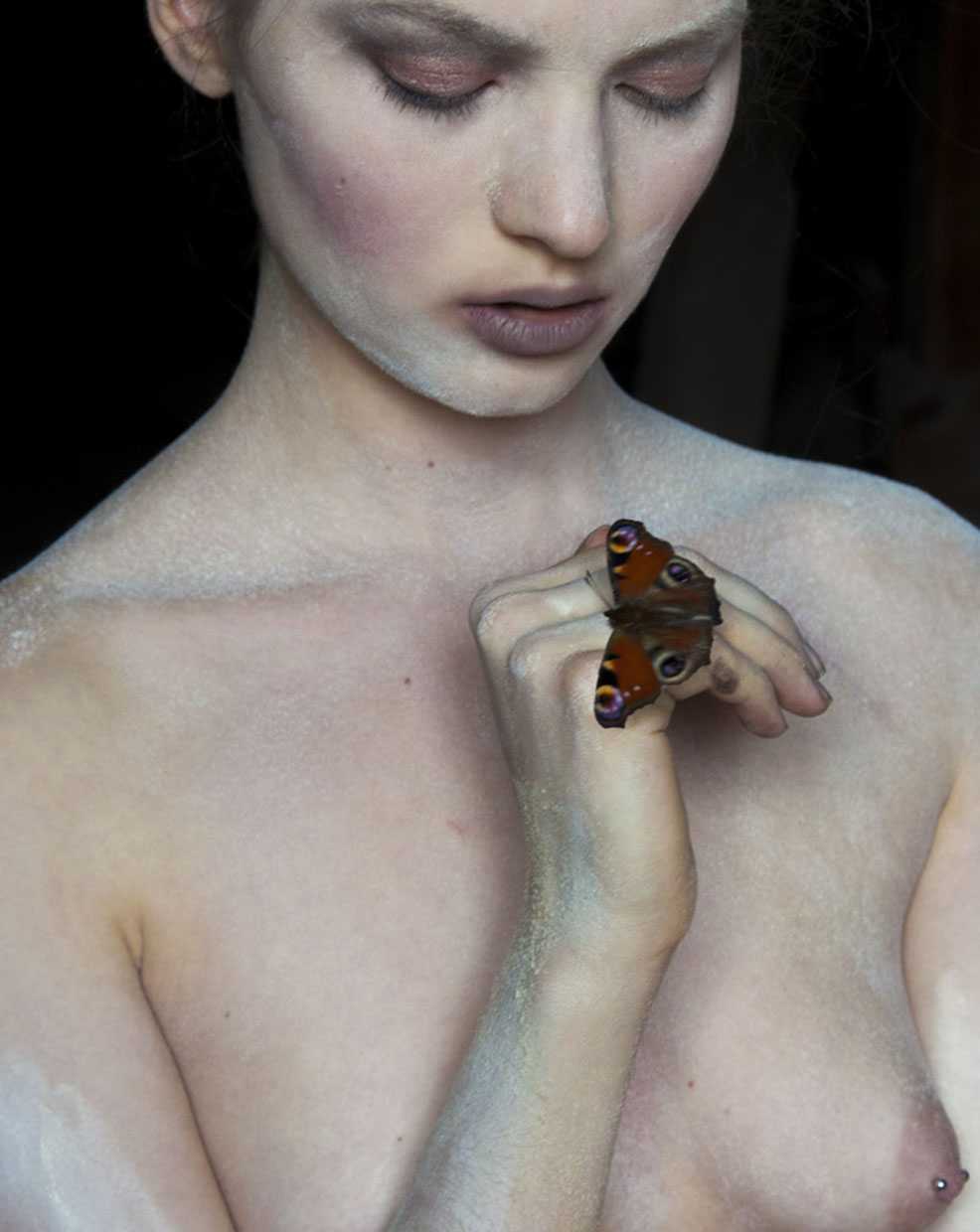
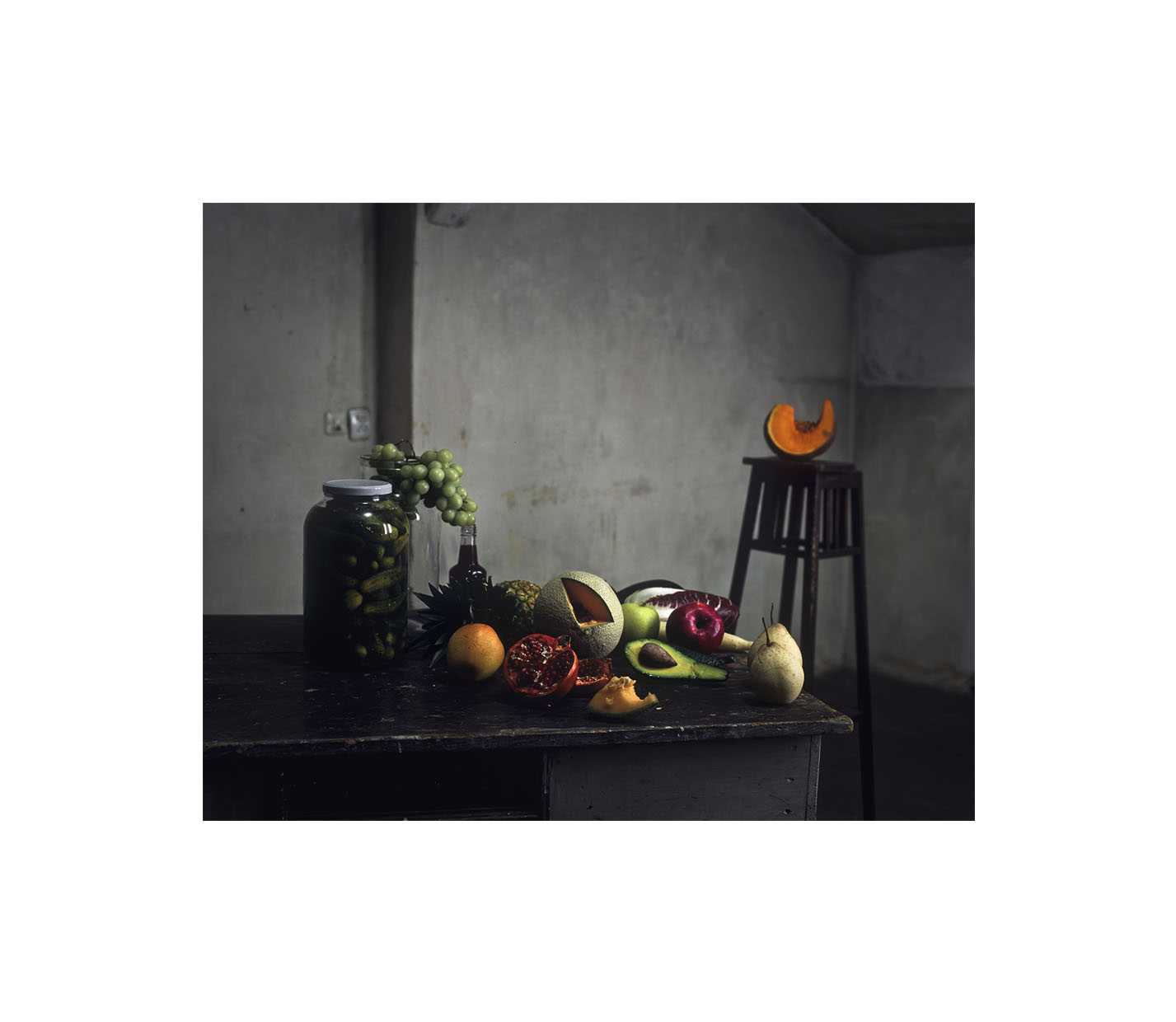
Next Project
artistic characters

artistic characters
artistic characters
2008-2014
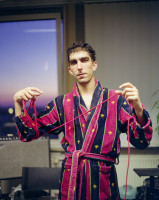
a compilation of portraits of creative personalities based in Warsaw, NY, and Berlin, some of them I photographed for ID Poland in 2014 which featured Polish creatives living and working in Berlin


Next Project
sound portraits

sound portraits
sound portraits
2011-2019
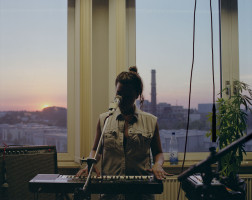
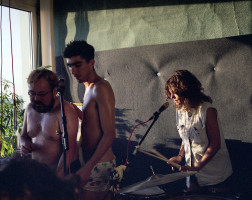
Portraits of musicians


Not Your Choice
Not Your Choice
2025
Alltagsfantasie Recycled / NOT YOUR CHOICE!
Group Exhibition, A.K.T!, Pforzheim, DE, 2025
After publishing her debut monograph Alltagsfantasie in 2023, Szproch spent over a year trying to exhibit the work — without success. Grants fell through, and production costs for a large solo show were out of reach. Rather than wait, she turned the situation into a method: using the worn preview copy of the book itself as raw material, she began cutting, layering, and reassembling its pages into collages. No new budget required — only the object already in her hands. The process became more than a workaround. The wear and tear of the book — its creased pages, its history of use — entered the work. New meaning emerged from existing images: the same photographs, reframed, started to say something different.
When curator Janusz Czech invited her to the group exhibition NOT YOUR CHOICE! in Pforzheim, Szproch expanded this series into large-format prints, filling all floors of the venue. The show addressed the conservative backlash against gender equality — how laws, social norms, and cultural expectations continue to treat women's bodies as contested ground. Her collages, now monumental in scale, became a feminist and autobiographical rereading of her own archive: a survivor's reclamation of joy as resistance, and a refusal to accept pain as a condition of womanhood.
The collages carry a clear message: women are permitted to serve, but forbidden to speak — conditioned to love, but rarely to be loved. Rooted in Szproch's own experience of domestic abuse, the work transforms private history into a political statement, exposing how systems protect perpetrators while punishing those who survive them. Drawing on the Polish tradition of subversive art, she confronts her own silencing within patriarchal structures. For Szproch, collage is not only a method but a manifesto: born of constraint, improvisation, and the refusal to be erased.
In the chapel space, her artist's book was placed on the pulpit — thirteen years of work, given the weight of a sacred object. For the finissage, Szproch and her daughter Lena led a participatory workshop, Fantasizing in Our Hood — an act of intergenerational imagination.
Next Project
Die Scham Muss Die Seite Wechseln